
2025: The war
on journalism
Experts have warned of a bleak landscape for the safety of journalists in 2026.

129 journalists killed in 2025
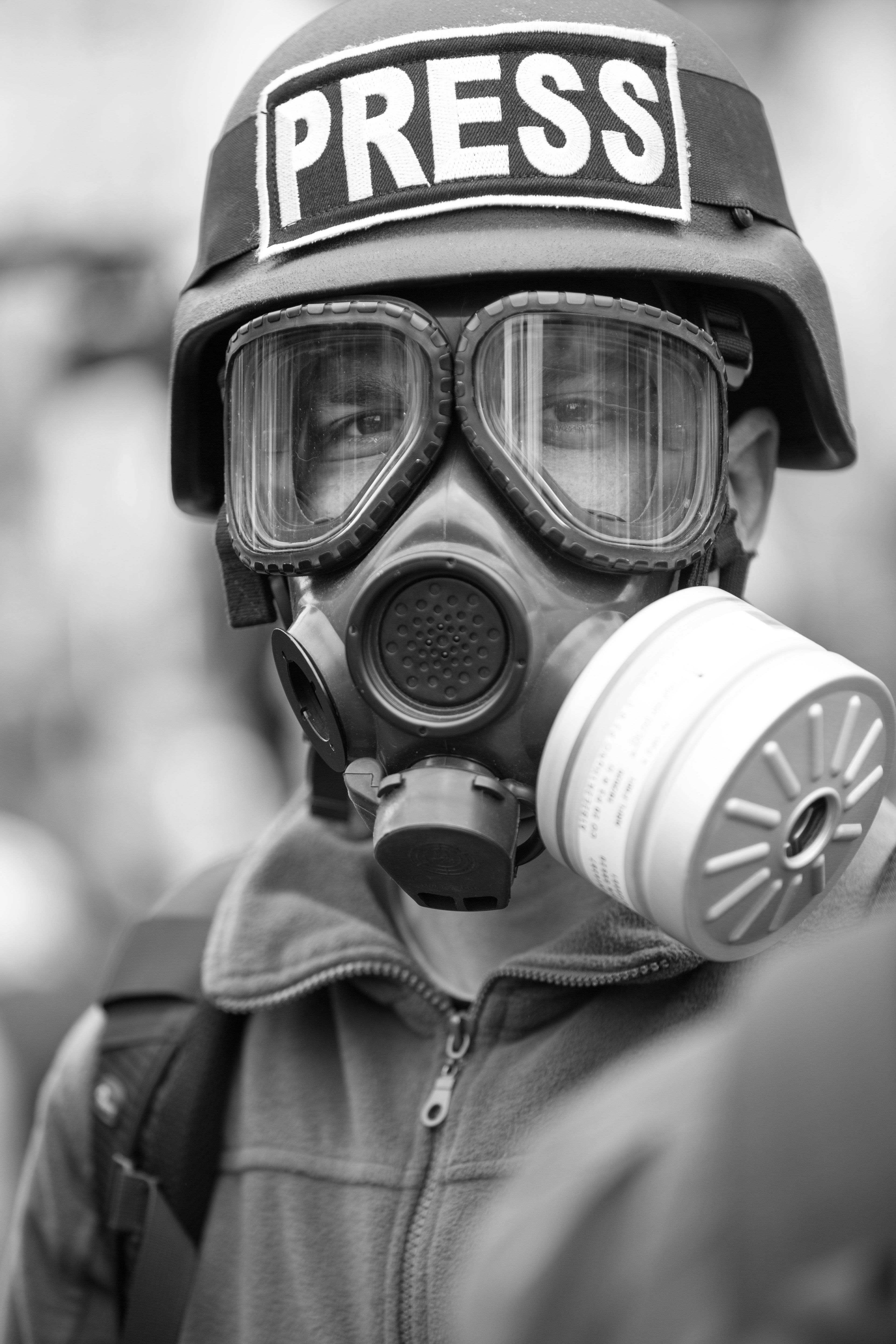
2025 was the deadliest year for journalists and media workers on record.
129 journalists and media workers were killed according to the Committee to Protect Journalists (CPJ), the largest proportion of whom were killed in Israel and the Occupied Palestinian Territory.
The number of journalists jailed is also at its second highest ever and a record number of media are displaced.
2026 death toll
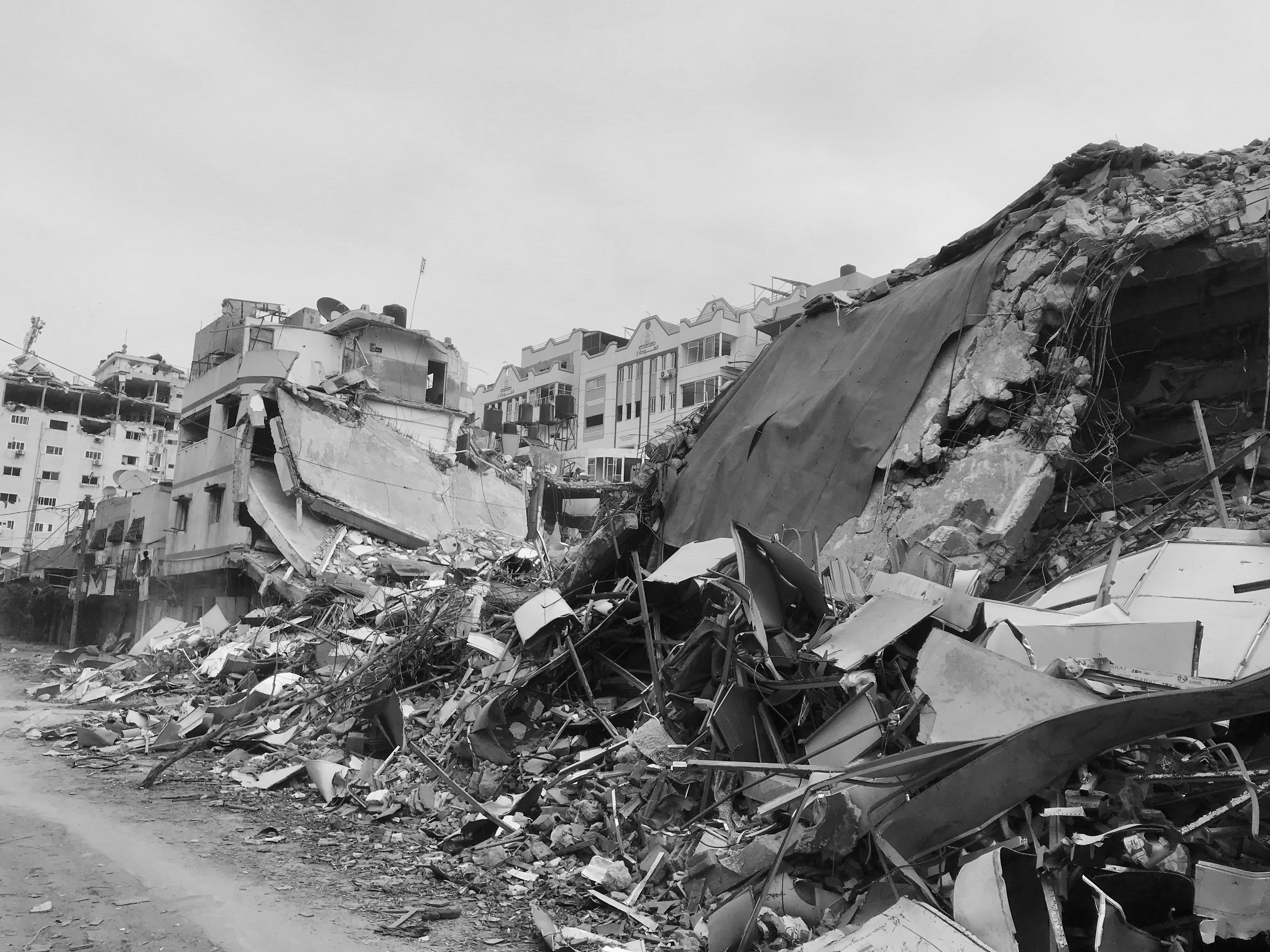
Three freelance journalists have already been murdered this year, after the Israel Defence Forces targeted a vehicle in Gaza, stating that they suspected the individuals inside of operating a drone to gather intelligence on Israeli soldiers.
Photojournalist Abed Shaat, photographer and drone operator Anas Ghnaim, and columnist and commentator Mohamed Qeshta were killed on 21 January.
According to Palestinian Press Agency, the trio were traveling to cover a refugee camp managed by the Egyptian Committee, which oversees Egypt's humanitarian projects in Gaza.
In 2025, 53 journalists and media workers were killed in Israel and the Occupied Palestinian Territory.

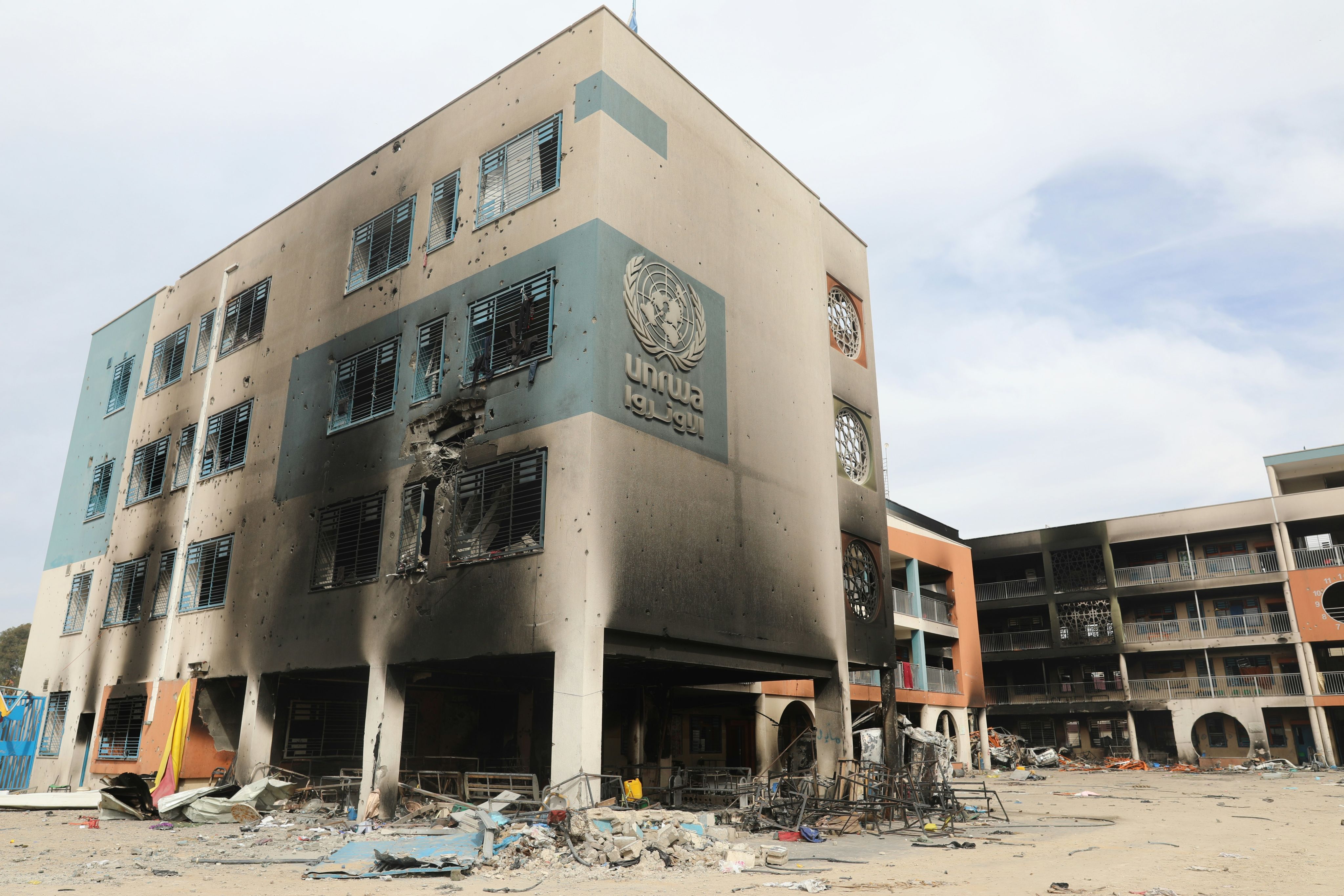

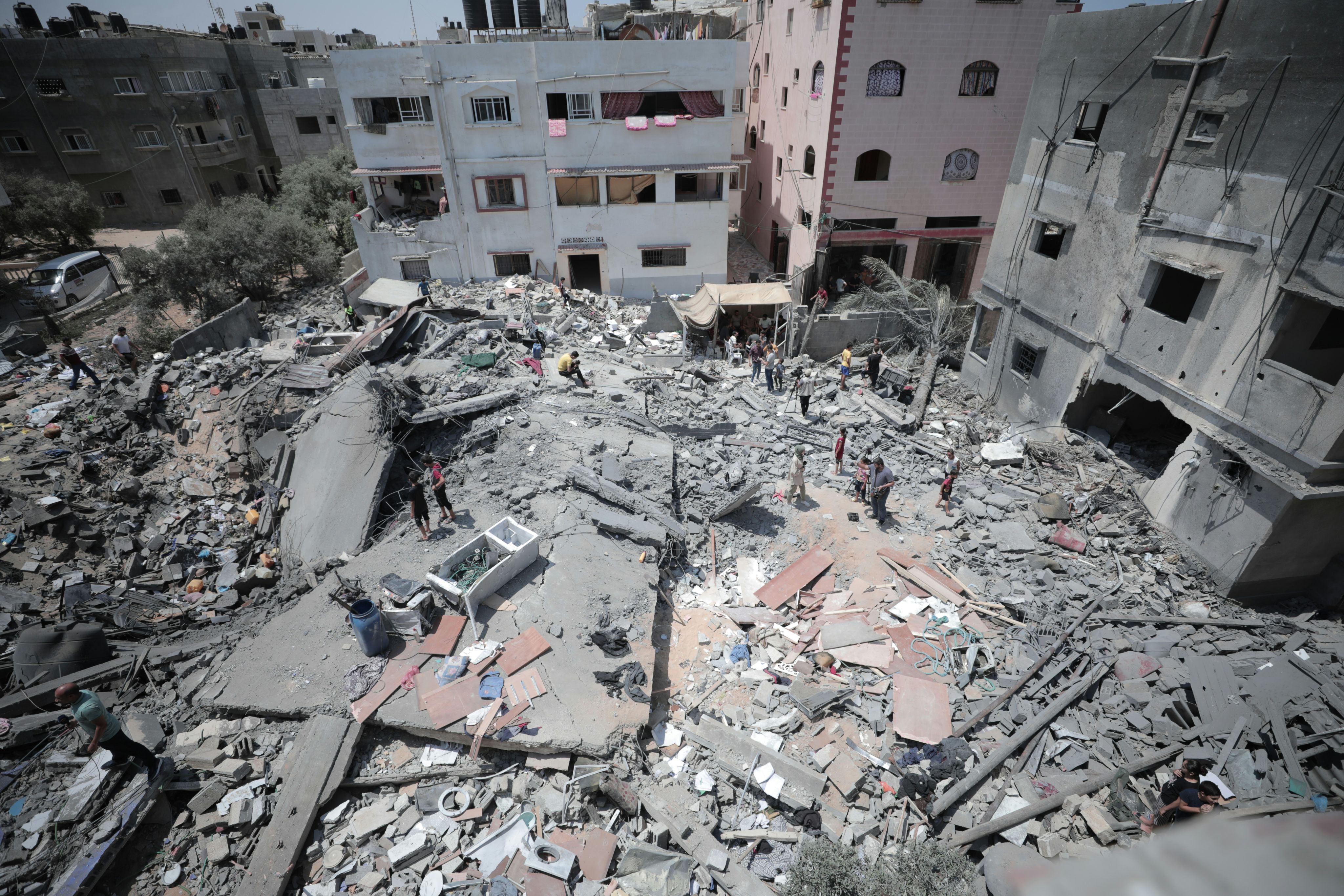
Amid rising international tensions, experts have warned of a bleak landscape for the safety of journalists in 2026.

Interview with Jon Williams, Executive Director of the Rory Peck Trust. Photo by the Rory Peck Trust.
Interview with Jon Williams, Executive Director of the Rory Peck Trust. Photo by the Rory Peck Trust.
The Rory Peck Trust is an organisation that safeguards the democratic, free flow of information through the protection of freelancers and the independent journalism they produce.

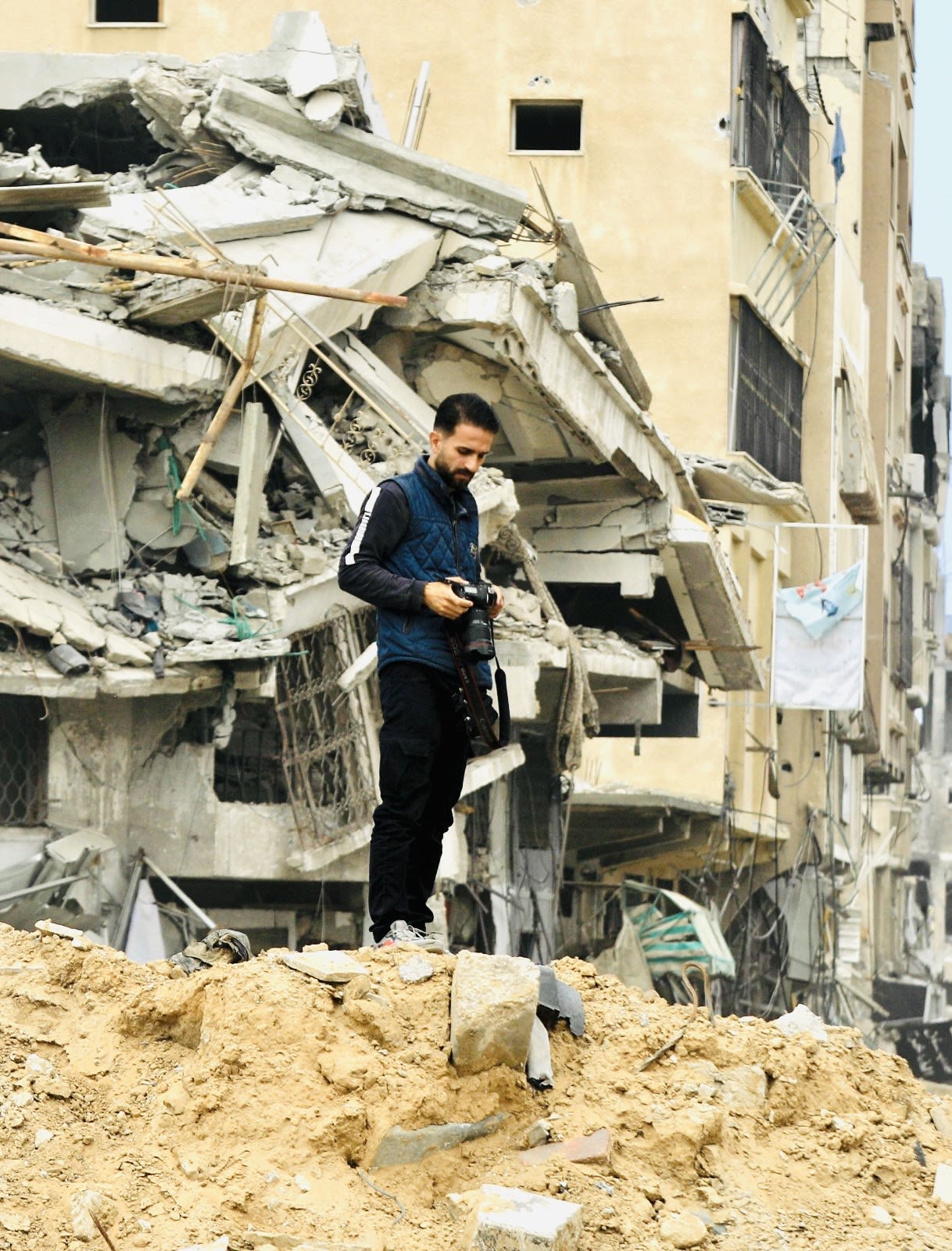
Crisis Fund beneficiary in Gaza. Photo by the Rory Peck Trust.
Crisis Fund beneficiary in Gaza. Photo by the Rory Peck Trust.
In his opening speech at the 31st Rory Peck Awards, Executive Director Jon Williams said: "Press freedom never collapses in one dramatic moment.
"It erodes - piece by piece - as fear replaces truth, repression becomes routine, and silence is normalised. When states wage war on journalists - and on journalism - we need to do our job.
"Take on one of us, you take on all of us. We need to stand together: across the industry and across borders.
"To demand accountability. To demand justice. And to demand change."

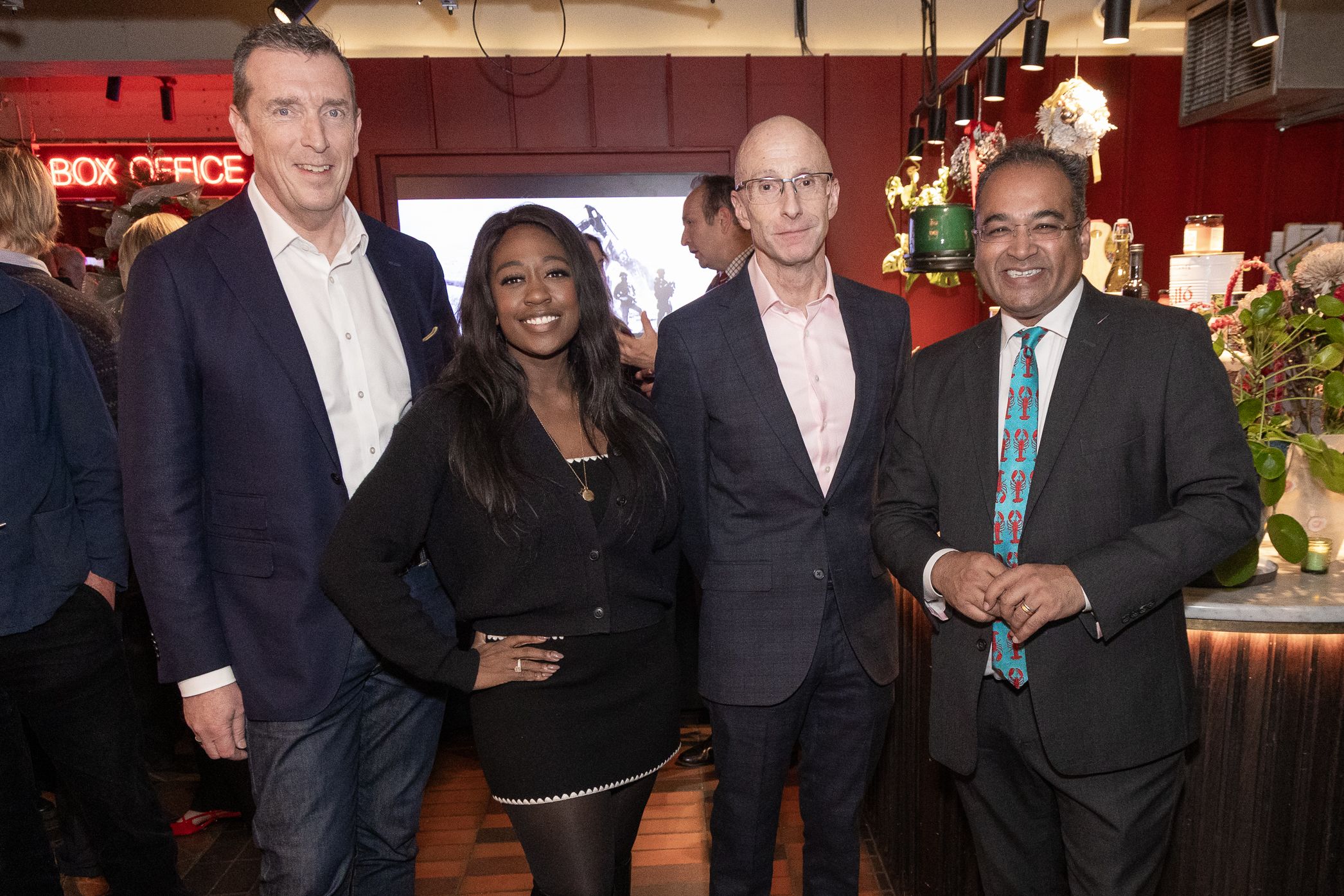
The 2025 Rory Peck Awards. Left to right: MD of Media Insurance Brokers Richard Moore, Ayshah Tull, Jon Williams, and Krishnan Guru-Murthy. Photo by the Rory Peck Trust.
The 2025 Rory Peck Awards. Left to right: MD of Media Insurance Brokers Richard Moore, Ayshah Tull, Jon Williams, and Krishnan Guru-Murthy. Photo by the Rory Peck Trust.
The Rory Peck Awards have honoured the skill and bravery of freelance journalists for 30 years, seeing a range of exceptional entries in 2025.
The Justice for Journalists Foundation
The Justice for Journalists (JFJ) Foundation was created in response to the murder of three journalists in the summer of 2018: Orkhan Jamal, Aleksandr Rastorguyev and Kirill Radchenko, who investigated the activities of now notorious Wagner mercenaries.
Vafa Fati-zade, a trustee of JFJ, said: “They were lured into Central African Republic by the group’s employee, and their death was only investigated by fellow journalists, rather than by officials.
“Impunity for this blatant murder led us to look at similar multiple cases around the world, resulting in our establishing a charity fully dedicated to the safety of journalists.”
47
journalists and media workers were murdered in 2025, including 18 in Yemen and 19 in Israel and the Occupied Palestinian Territory.


Journalists and media workers killed in 2025 by type of death
The CPJ recorded 47 murders, 39 deaths by dangerous assignment and 8 crossfire or combat related deaths.
Journalists and media workers murdered in 2025 by location
Israel and the Occupied Palestinian Territory saw the most journalists and media workers murdered.
"Controlling narratives can be as strategically important as territorial gains."
Similarly to the Rory Peck Trust, JFJ provides security training for independent media workers to help them mitigate risks in hostile environments, and to be equipped against cyber-attacks, legal threats and lawfare.
“Attacks against media undermine press freedom, that forms the core of democracy, and restricts the free flow of information,” Fati-zade continued.
“When journalists are killed or threatened, especially if it comes with impunity, self-censorship driven by fear becomes pervasive.
“Insufficient response or lack of such demonstrate breakdown of international norms allowing the perpetrators to feel empowered and expand even further the scale of attacks.
“This is reflected in a broader geopolitical tensions and weakened enforcement of international humanitarian law.”
$3 million
was provided to investigative journalists from 40 countries, to delve into specific cases of violence and intimidation of their colleagues, during the course of JFJ's five-year long investigative grant programme, finalised in 2025.
“Coupled with new methods of warfare, be it the use of drones, attack on journalists covering civil protests or mis-disinformation and propaganda, we are witnessing complex struggles, where controlling narratives can be as strategically important as territorial gains,” Fati-zade added.
“Violence against journalists in 2025 signals a regression in the protection of civic space, where aggressive state and non-state actors are willing to neutralize journalistic witnesses.
“It also reflects gaps in collective international response mechanisms for enforcing accountability and protecting press freedom.”
JFJ has now been designated an “undesirable organisation” by Russian authorities explicitly because of its work supporting persecuted journalists.
As such, cooperation with JFJ inside Russia is criminalised, leaving journalists, lawyers, and relatives exposed to prosecution.
Recently, the JFJ has been increasingly involved in uncovering cases of transnational repression - “efforts by states to silence, intimidate, or punish journalists beyond their own borders, often targeting those in exile,” Fati-zade explains.
She said: “Transnational repression has become one of the most alarming trends affecting journalists.”
As 2026 unfolds, journalists around the world find their safety resting on increasingly fragile ground.
Journalists killed in 2025 and 2026 thus far.
Journalists killed in 2025 and 2026 thus far.





 Built with Shorthand