
A Spotlight on Black Hairstylists
How they are thriving in London

Let us rewind to four years ago... A pandemic caught us by surprise and we were living behind closed doors.
Imagine it was the 31st January 2020, you are having a cup of tea and decide to watch the news. Once the TV turns on you hear: 'The first case of COVID-19 has now reached the UK.'
Your heart sinks and you start sweating profusely because you have no idea what this means for you and your family. These things only happen in movies, not in the real world. The global pandemic caught us all by surprise and little did we know it was going to worsen by the day before it got better.
The first national lockdown was announced for everyone in the UK on the 23rd March 2020. Life was hidden behind closed doors, and the public tried to adjust to a 'new normal.'
Eventually the restrictions eased and more public places began to open. However, then COVID-19 reared its ugly face again at the beginning of November. Christmas, a joyful season was spent in tiers, as three-tier restrictions were introduced.
By January 2021 England entered its third national lockdown just when we thought we had conquered the beast.
Fast forward to April 2021, brighter skies were on the horizon. Non-essential retail shops and hairdressers reopened despite social contact rules still being in place in all settings.
Many asked how we survived a global pandemic?
Others asked how did businesses survive a global pandemic?
Looking back at it now, one of the biggest industries severely impacted by the pandemic was hair and beauty.
Black self-employed hairstylists took a major hit and had to re-think everything when it came to their businesses.
However, today in 2024 we see them thriving more than ever and making a name for themselves.

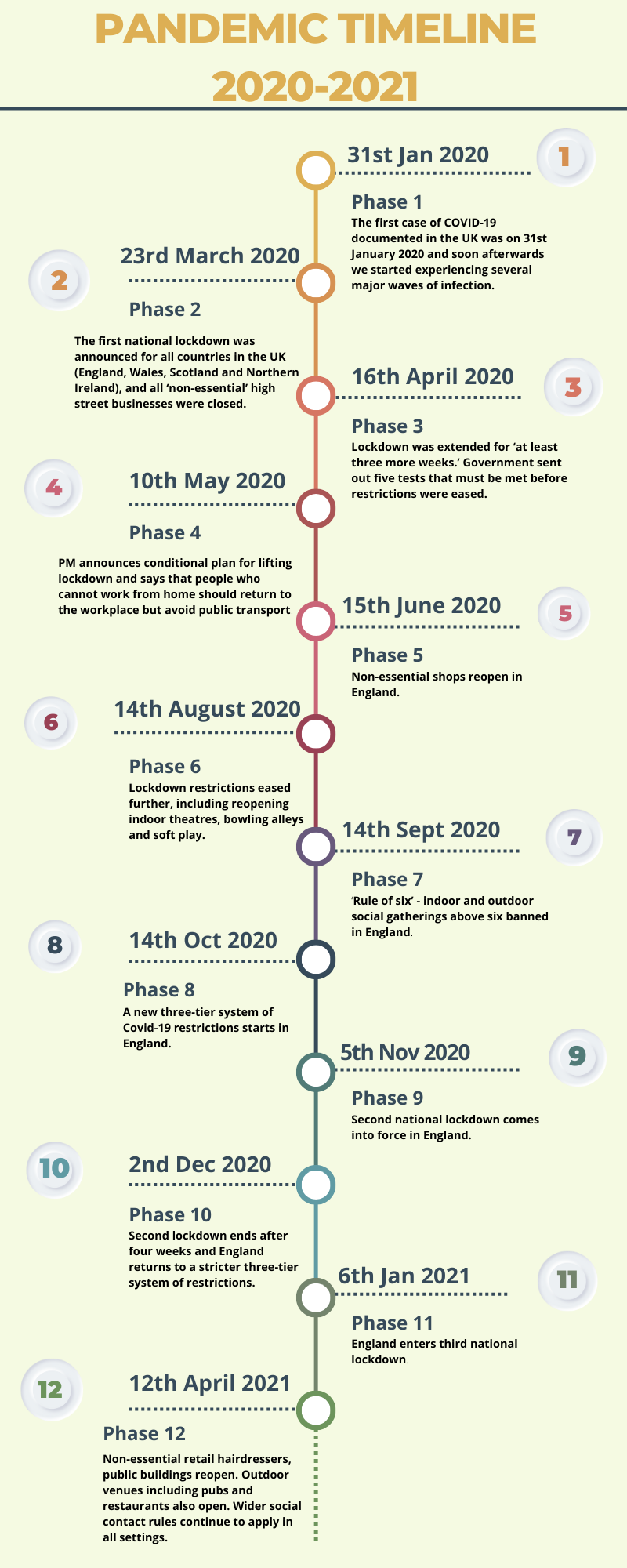
Pandemic timeline created by me on Canva
Pandemic timeline created by me on Canva
In February 2021 Pragmatix Advisory published a report on how the pandemic impacted the hair and beauty industry on behalf of the National Hairdresser and Beauty Federation.
The hair and beauty industry is a large employer that covers every corner of the country and it is a huge part of society. Pragmatix estimated the value of the hair and beauty industry at £6 billion in 2021.
However, it was hit hard by the pandemic. Combs were left to gather dust in the cupboard, blow-dryers were unplugged and customers were forced to cancel all hair/beauty appointments. With over 140 days of lockdown closure in 2020, it was one of the most impacted sectors by coronavirus measures. Hair and beauty businesses saw an average loss in turnover of 45% in 2020, and as much as 57% in some regions. All together owners of hair and beauty businesses took an average cash hit of £17,000 in 2020.
Across the industry, one in ten businesses failed to deliver any income or dividend return to their owners or owner-managers. Most of the industry was very vulnerable to failure, with 3/5 of businesses having no cash reserves entering 2020. Businesses were out of pocket an average to the tune of £41,000 due to COVID by the end of 2021.
At the time of the report over two-thirds of all hair and beauty enterprises were self-employed/sole traders and more than half had no employees.
Pragmatix Advisory and NHBF found that while salons were allowed to reopen in the middle of 2021, they lost around 30% of their pre-covid capacity. Clients were visiting less often, for example, many who would previously visit once a month now only visited every three months and some customers decided to switch to home treatments. The lack of social events such as nights outs meant multiple lost appointments, and particularly for businesses specialising in weddings, an almost total loss in business. Salons saw a further reduction in bookings due to shielding and health concerns.
Many business owners needed to implement PPE for their staff and clients, which resulted in additional costs they didn't have. Roughly 30% of business owners Pragmatix spoke to had instigated a charge to cover the cost of PPE. This ranged from 2% to 25%, on average it was around 5%. There were a small number of businesses who said after initially introducing PPE charges for clients they were forced to remove it as clients went elsewhere.
All in all, the hair and beauty industry almost didn't survive the global pandemic. However, fast forward to now it looks like they are finding their feet again and it especially looks like Black hairstylists are taking the industry by storm.


Despite, the hair & beauty industry being one of the biggest industries in the UK, black Afro-Caribbean and African hair salons are still underrepresented. When compared to their white-counterparts, Black hairdressers are not as popular and are not as easily accessible.
This is highlighted in a report analysing the trends within the hair and beauty industry by ethnicity across Great Britain, published by the National Hair and Beauty Federation in 2022.
All ethnic groups saw a slowdown in their growth two years ago, with the sector facing greater competition, market saturation and of course the global pandemic played a part. The White ethnic group locations were the only postcode sectors that saw an increase, rising by 615 units.
The White ethnic group has seen the biggest increase in units of salons at 7.7% over the last five years. The Asian ethnic group has seen an increase of 4.9% while the black ethnic group has grown 1.8% respectively.
In 2022, which was impacted by the slow post pandemic recovery, the two ethnic groups (Asian and Black) saw a decline, with their growth rates at -2.1% and -2.9% respectively.
Interactive chart created by me on Canva
Interactive chart created by me on Canva
Looking at the market as a whole, it is clear White hairdressing salons take the prize, with Asian/Asian-British salons following slowly behind and then Black, Black-British, Black Afro-Caribbean and African salons in last place.
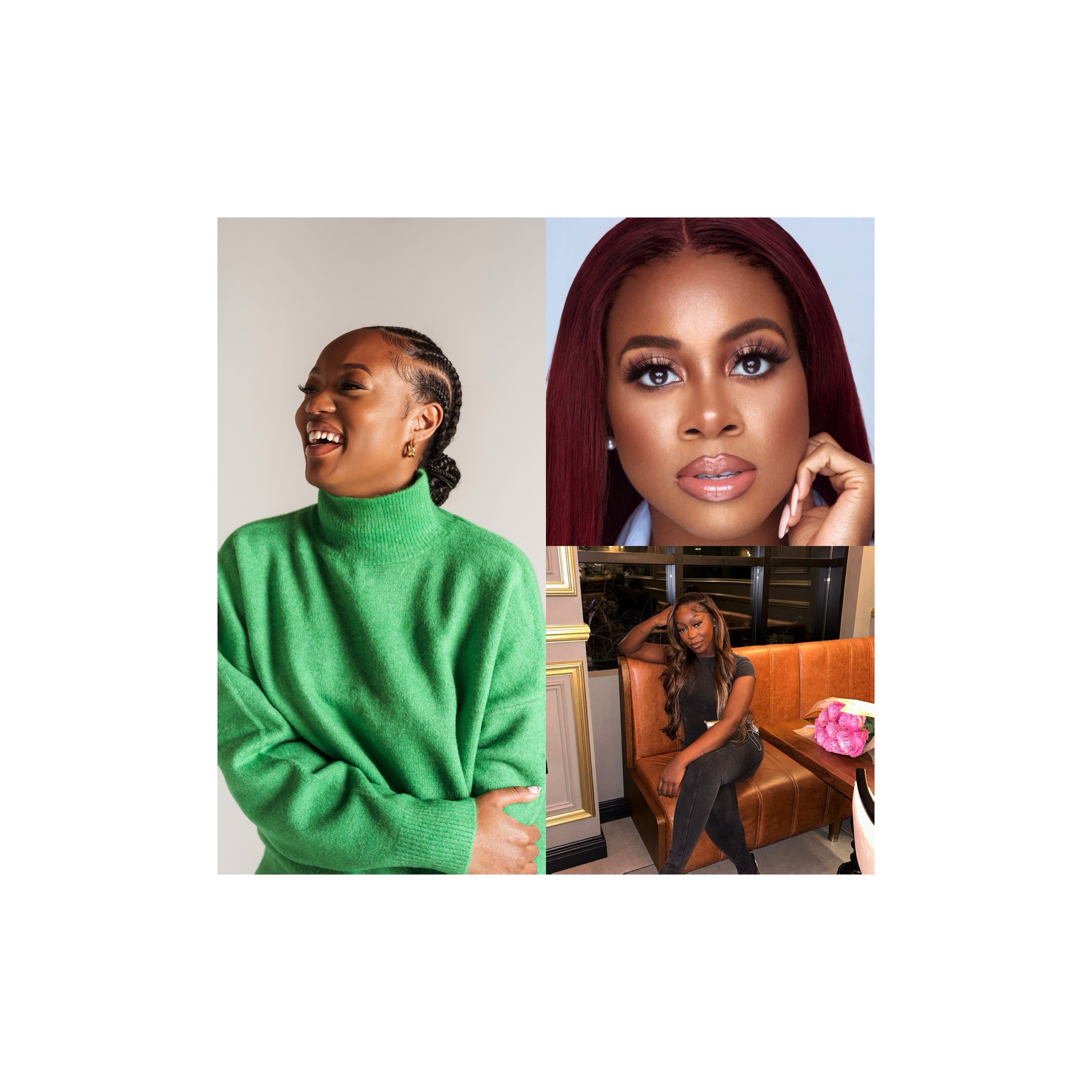
Meet Tare Letticia
The face behind hair and beauty brand 'By TLA' with over 18 years experience.

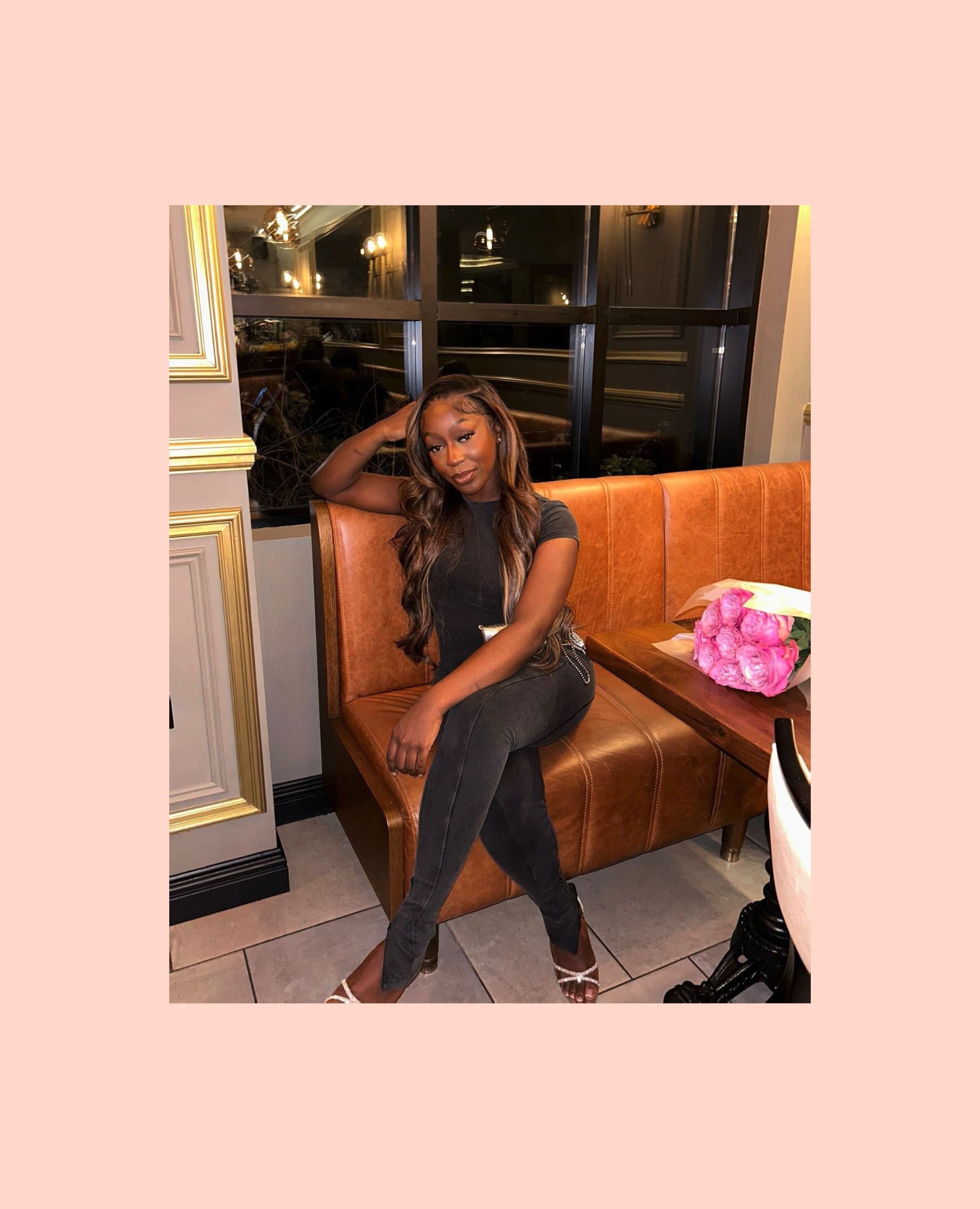
One of the women determined to make her brand a household name in the UK is Tare Letticia. Tare has been doing hair since she was five years old and it all started with her Aunty coming to visit from America.
With over 18 years of experience on her belt, we can say Tare is clearly a master at styling hair. However, she never intended for it to become a business. "When I got to school and I used to do my own hair people would ask who did my hair? When I said it was me, they'd ask if I could do their hair. It didn't start off as a business I would just braid people's hair for £20 which was crazy!" said Tare.
Then fast forward to her sixth-form years, Tare decided to take her craft more seriously and create her Instagram page and the more she braided, the more people requested for other services such as sew-ins. "When I was in sixth form wigs were starting to emerge, I found out I enjoyed doing that more than I did standing up doing braids and twists. From then it kept on evolving, I never went into it thinking I was going to be a business person, it just happened from a seed my aunty sowed and it all eventually began to blossom."
Tare is the face and voice behind her brand 'By TLA'.
"I think I would describe my brand as luxurious, beauty-enhancing and confidence-building," said Tare
What started off as a small business in her teenage years is now an experience determined to make women feel beautiful inside and out.
The global pandemic didn't slow our 25-year-old down as she had loyal customers still wanting to get their hair done. "A good thing was that during the pandemic I was in my last year of uni, I had built a solid clientele and I had returning clients.
"Some clients only come to me like nobody else touches their hair so that really helped."
"Obviously there was a time you couldn't do anything, but what kept me going was doing my own hair and posting content on my page.
"In terms of the financial impact, of course nobody is making as much money as before the pandemic hit. It was a hard time, but as things started to ease up I would still do hair and I would open it up for new clients. Then everyone would have to wear PPE, people still had things to go to. I think that's how I survived," said Tare.
At the beginning of 2024, Tare opened her own studio located in Bromley and is now taking clients from the comfort of her own space.
Video taken from Tare's social media with permission.
Video taken from Tare's social media with permission.

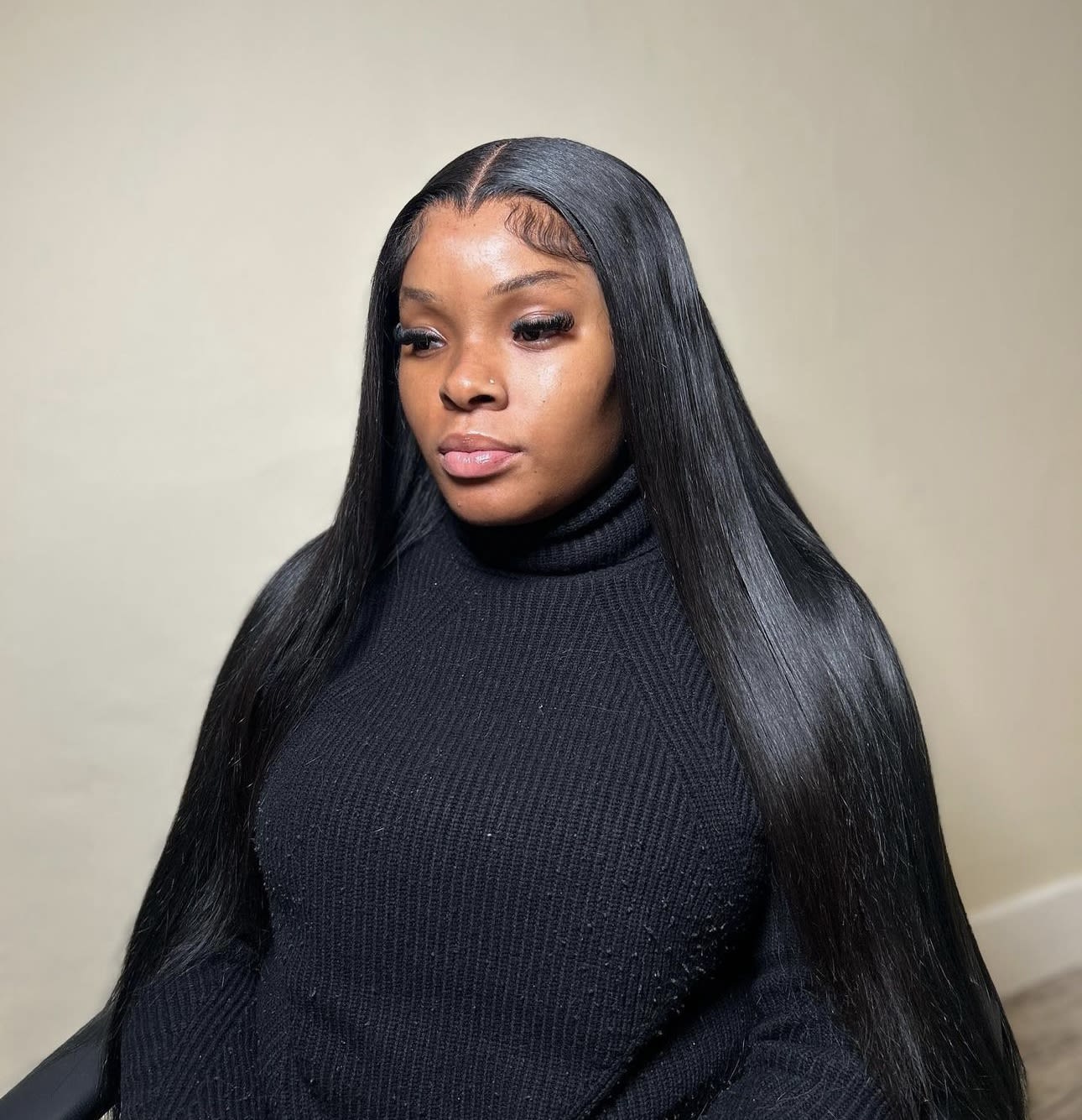
Photo of client given to me by Tare.
Photo of client given to me by Tare.
In the next five years Tare sees herself teaching and providing masterclasses. She also cannot wait to get more international bookings, especially bridal ones. Just a couple weeks ago she was in Cyprus, styling a bride's hair and doing her make-up which was a dream come true. "In the next five years I see my brand evolving a lot more and bridal is definitely one thing I am stepping into, having an international bridal booking is something very new and yeah that is a door that has opened. I am really excited to see where my brand goes."

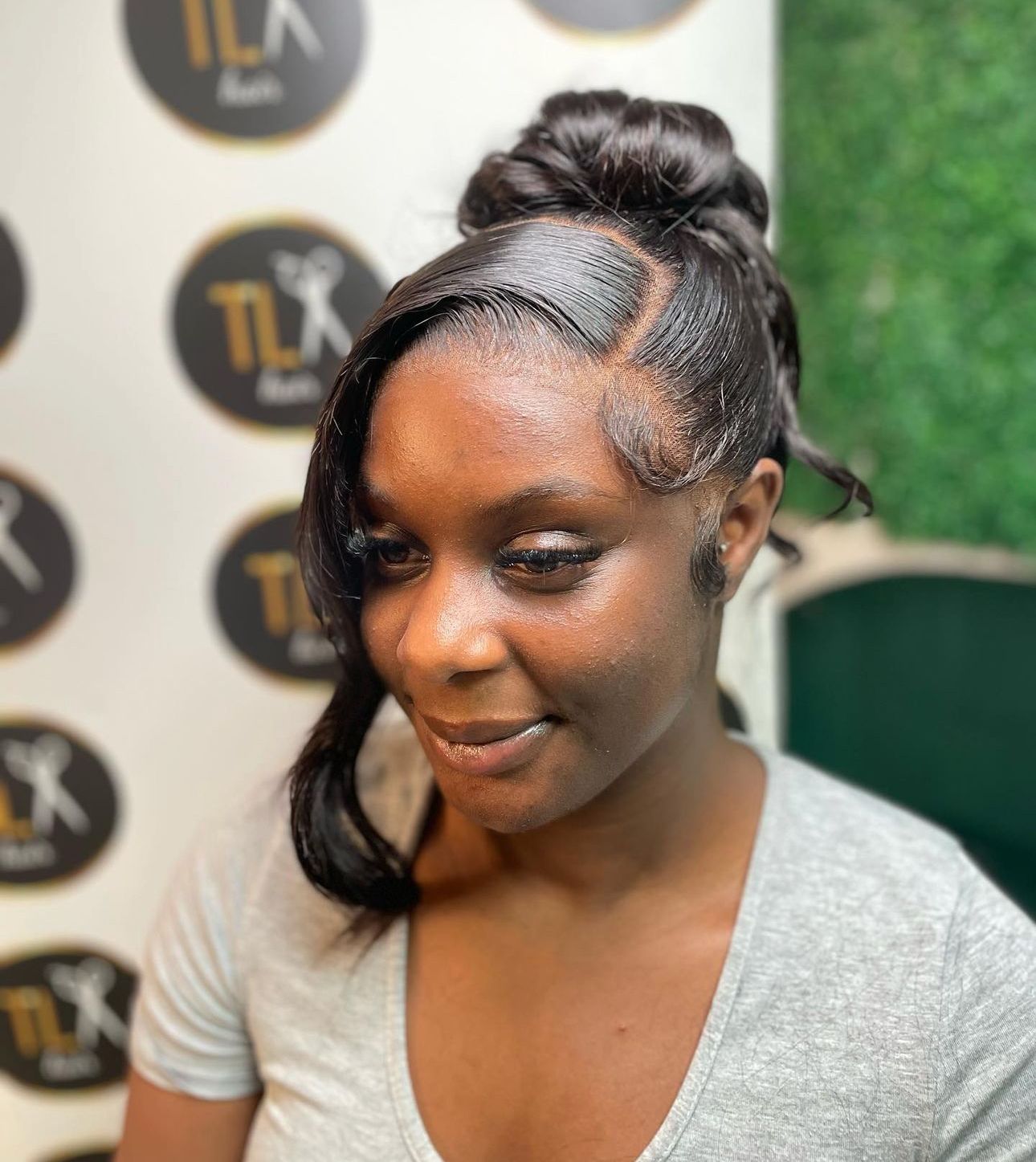
Photo of client given to me by Tare.
Photo of client given to me by Tare.
Meet Antoinette Ale
Founder of Tressly, who loves seeing Black women win in the hair industry

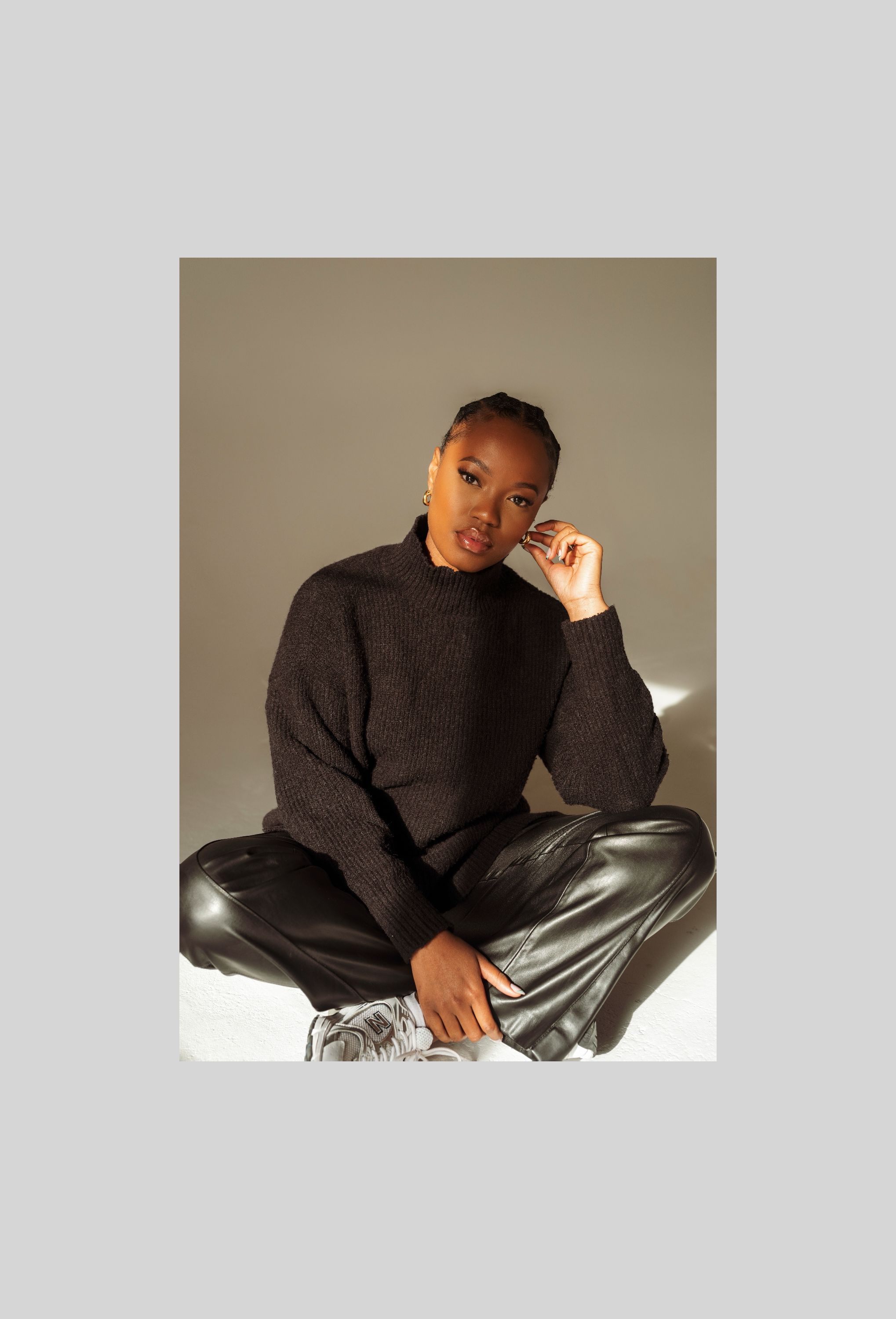
Antoinette Ale is the co-founder & CEO of Tressly, a website builder and business management tool for independent hair stylists, aiming to transform the hair styling industry globally. She also sits on the British Beauty Council's Diversity, Equity & Inclusion Committee, as a task force lead to investigate barriers within the hair, beauty and wellness space.

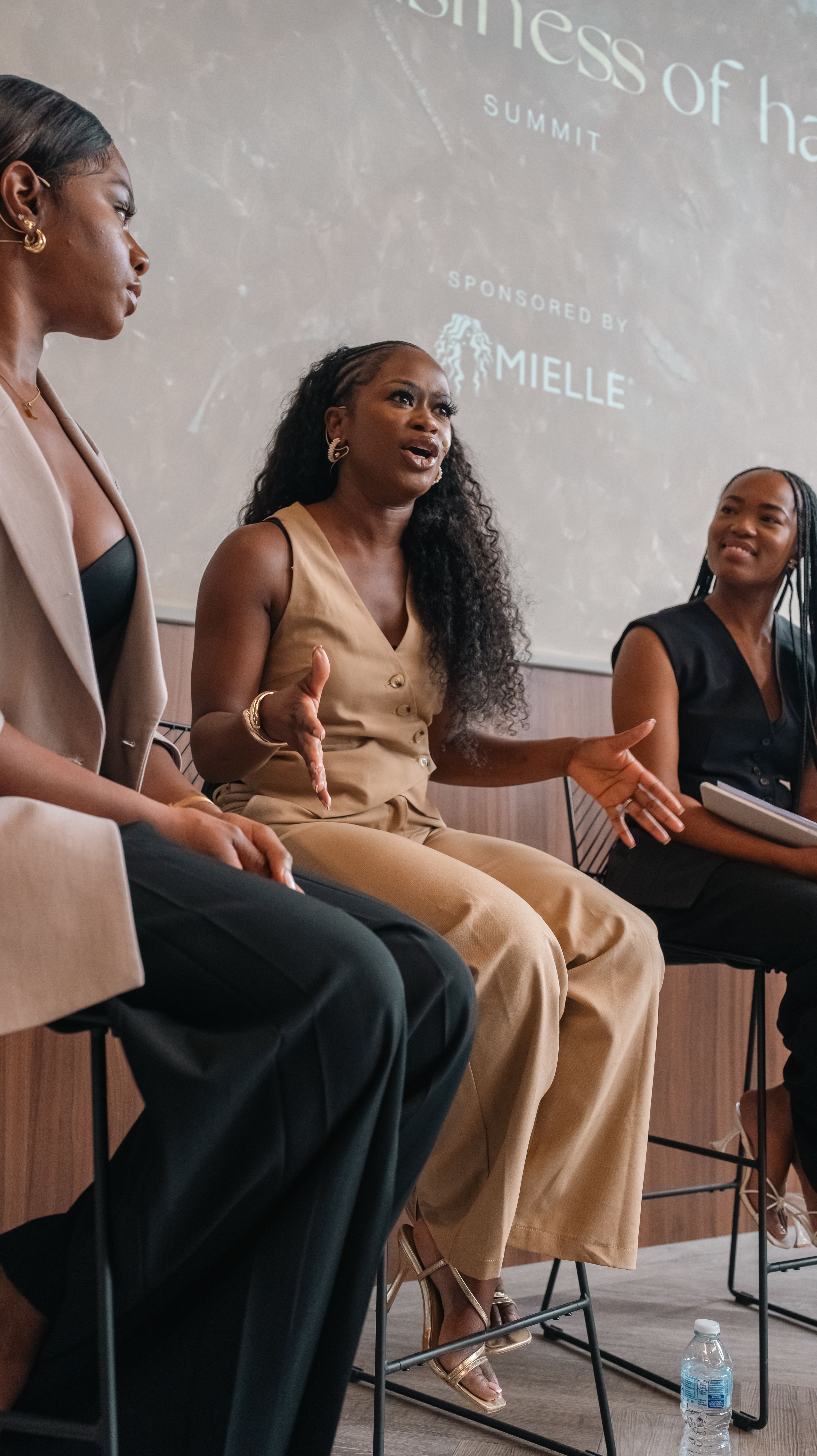
Photo of Antoinette at her latest event given to me by her.
Photo of Antoinette at her latest event given to me by her.
In her former life she was a hair stylist for 12 years, and a content creator creating content on how to take care of Black afro hair.
"Black hair is such an important part of Black women and our identity, it is such a huge part of who we are more so than any other race I think. I've always been around hair, since a young age because of my aunty who used to do hair. It just really intrigued me and that's when I decided to do my own hair, then before I knew it I was doing children's hair on the playground at 14-years-old," said Antoinette.
From the time she could see how much confidence she was helping build in others by doing their hair she became really passionate about the industry, and went on to make it more accessible for Black women.
According to Antoinette if there is anything that the pandemic taught society about the hair & beauty industry, it is that Black hairstylists are very much in demand.
"Black women needed their hair done so badly that they were willing to risk getting their hair done during the pandemic. Think about that. That is insane. We black women our demand for hair is inelastic compared to white or other counterparts."
"As much as the pandemic was hard, it wasn't negative. A lot of hairstylists really struggled, but the light at the end of tunnel was there were opportunities to pivot and do other things," said Antoinette.
Opportunities such as teaching, doing online consultations, creating products and sharing on social media. These opportunities opened the door for Black hairstylists to thrive during unprecedented times, even today while the economic climate is so unstable. They have no choice but to thrive when society does not cater to Black-afro hair and many salons do not know how to style or treat textured hair.
Despite all the barriers facing Black hairstylists Antoinette still believes they are thriving in today's economy.
"I think another reason why they have been able to thrive is social media. I've spoken to literally so many stylists and when I asked them what their marketing strategies are they say social media. I have seen stylists grow from zero followers to 70,000 followers. It is possible because if they work on their craft, social media allows them to grow their business exponentially," said Antoinette

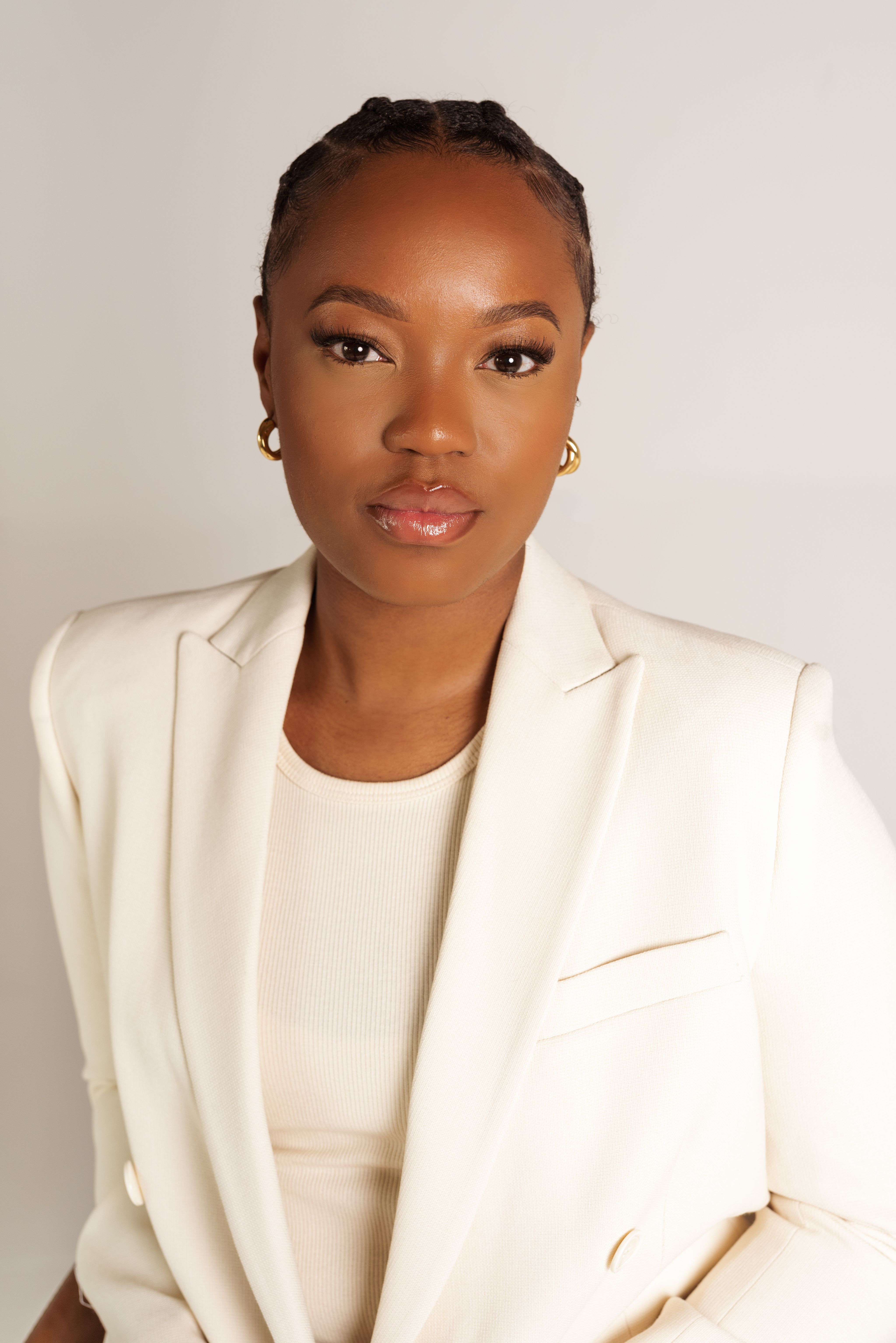
Photo given to me by Antoinette.
Photo given to me by Antoinette.
In the future Antoinette wants Tressly to be a platform for every self-employed hairstylist to use to achieve economic empowerment. She hopes as the industry evolves Tressly evolves with it.

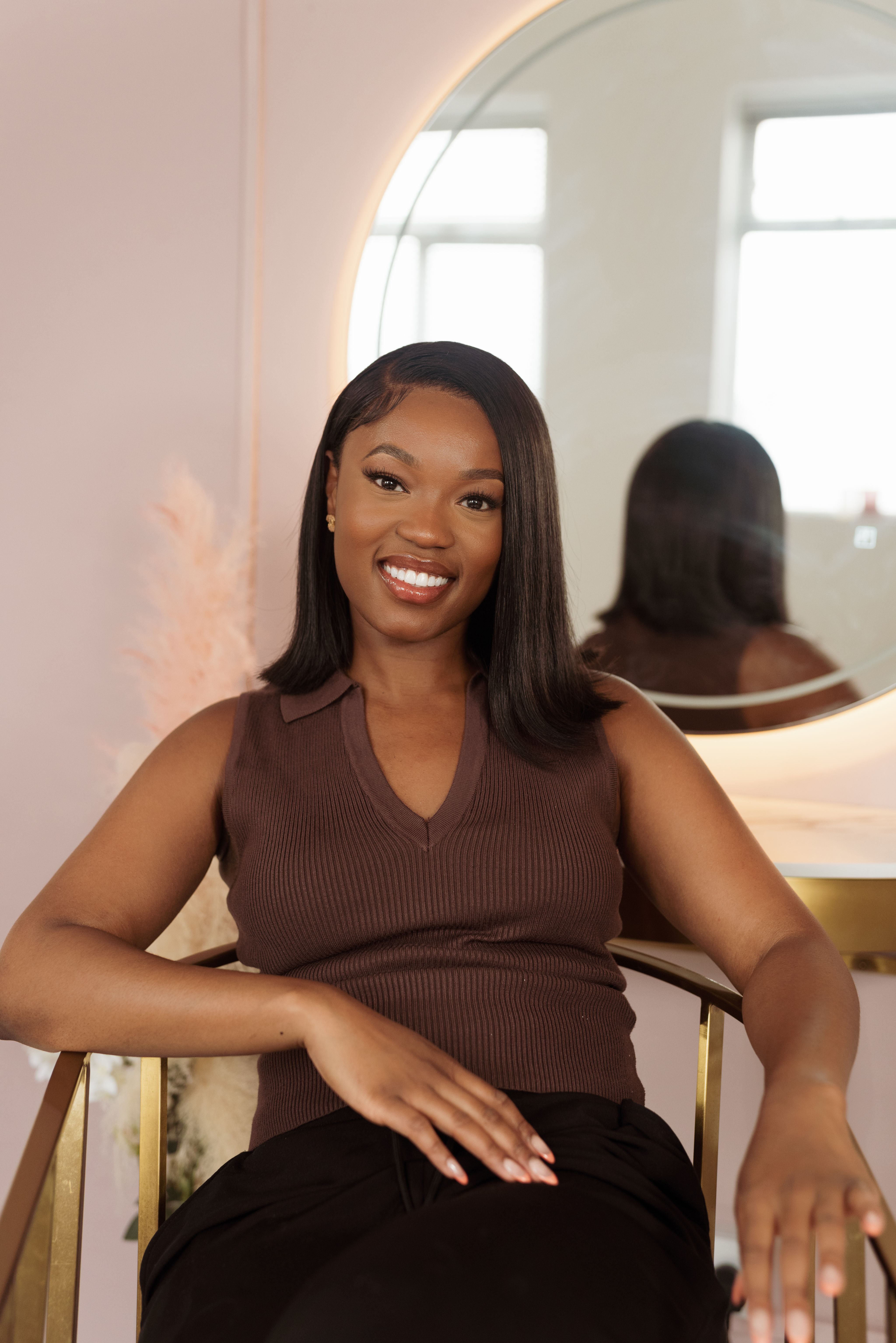
Meet Peju Odanye
From London to Lagos, an international Bridal Hairstylist making her mark

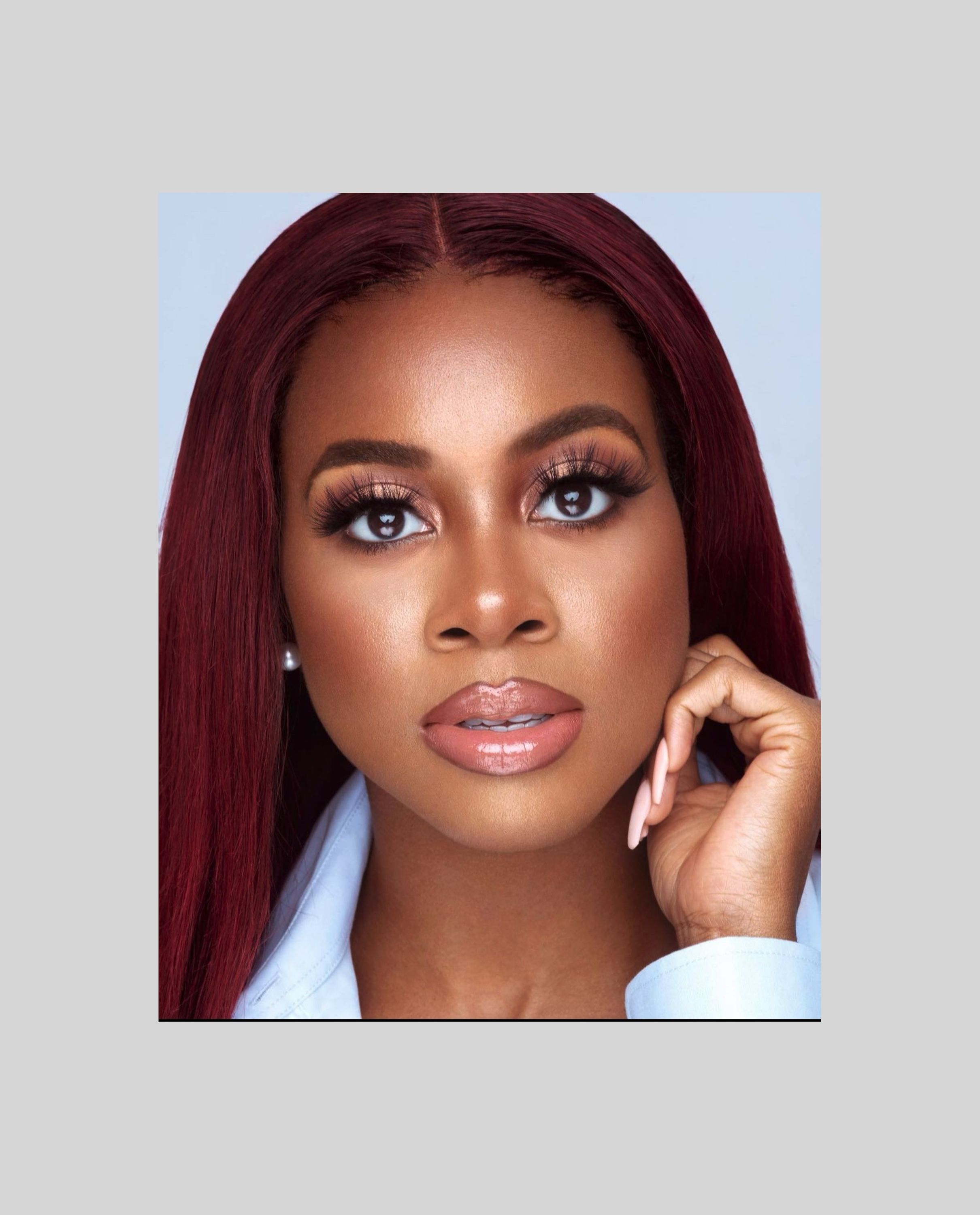
Peju Odanye is an International Bridal hairstylist with over ten years experience getting brides ready on the most important day of their lives.
Her business, Symmetry Bridal, has made waves in the UK so much so they have now decided to expand their market into Lagos, Nigeria.
Before the pandemic ended Peju was working two jobs to maintain a living, especially when people were not going out and wanting to get their hair done. However, this didn't stop her from working hard to maintain the client base she gained before lockdown.
She spent a lot of time practising on her friends' hair and posted it straight to her business' IG page, reminding her followers she wasn't going anywhere.
Today Peju is a full-time bridal hairstylist, make-up artist and event planner proving that the pandemic did not weaken her business completely.

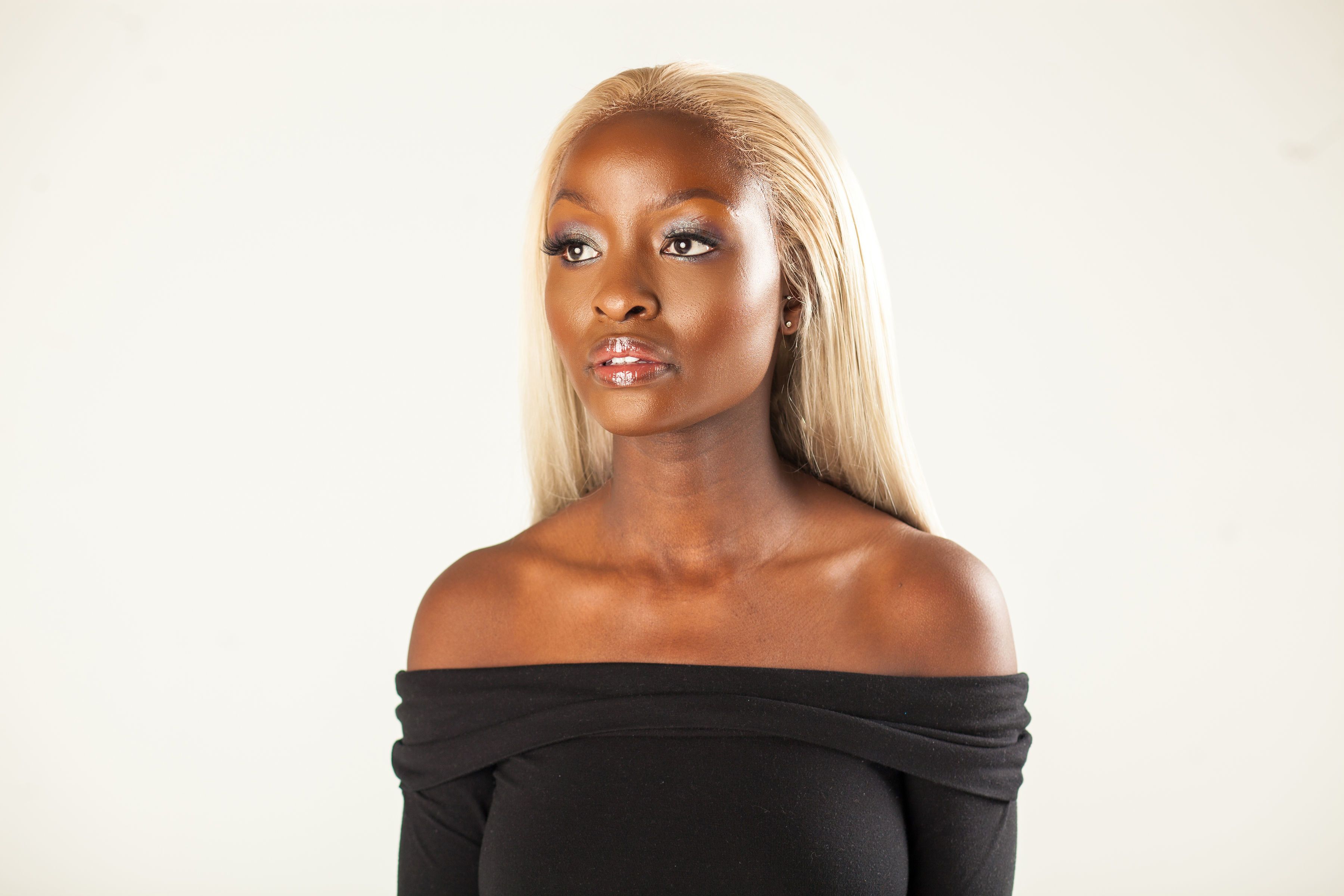
Photo of client given to me from Peju.
Photo of client given to me from Peju.
As much as there are endless weddings in Lagos, Peju still believes her business is thriving more in London because of her loyal clientele. "I am thriving in London more only because I've been doing it for over ten years. I have built my client base, I have my market share and I have done the legwork. Whereas in Lagos I am starting from ground zero, so I wouldn't say my business is where I want it to just yet in Lagos," said Peju.
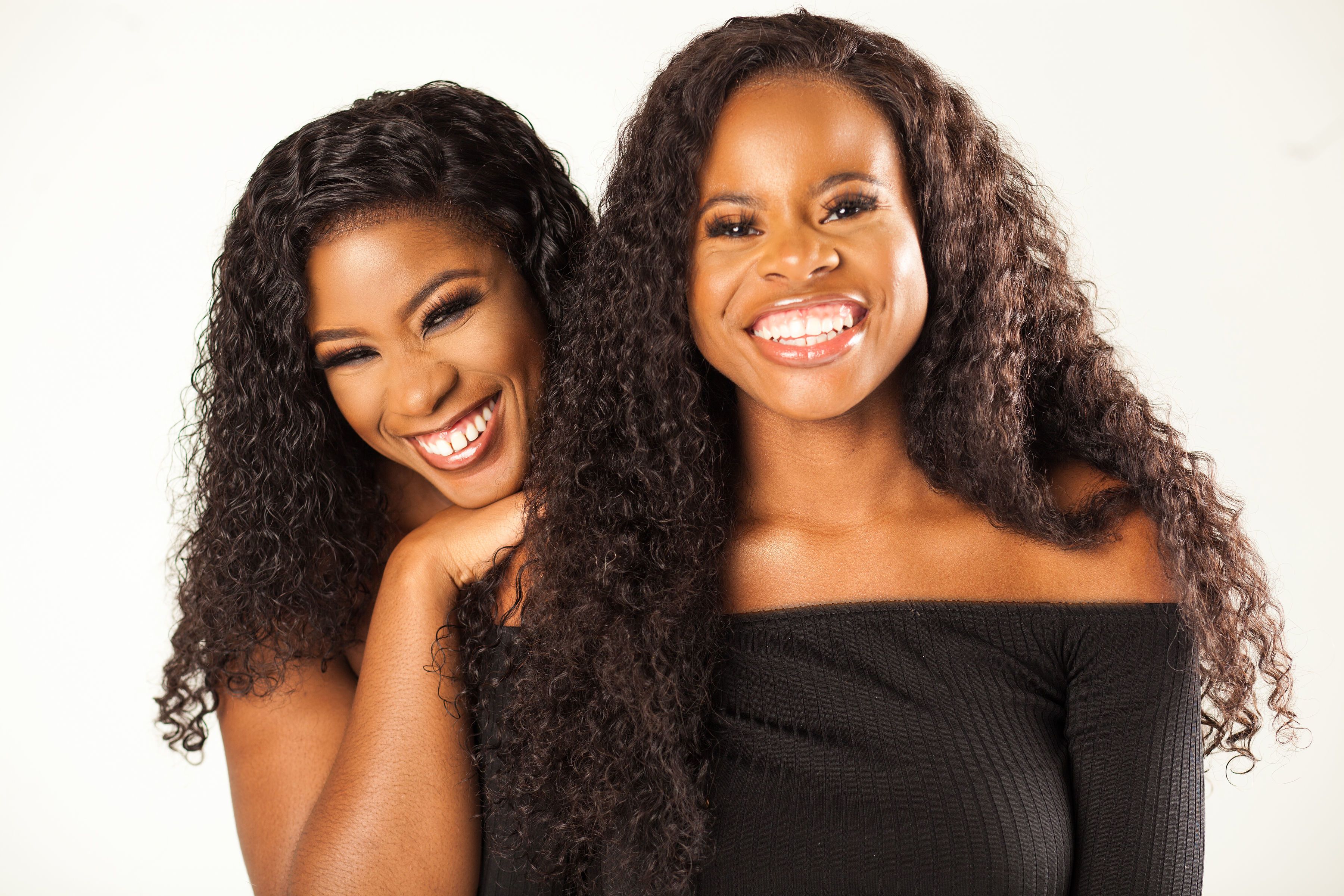
Photo of clients given to me by Peju.
Photo of clients given to me by Peju.
There are many ups and downs attached to being a bridal hairstylist, one of them is trying to keep up with the trends.
As Peju and her brand continues to evolve she hopes to share her skills with other hairstylists and wants to be more established in Lagos, while still flourishing in London.
It is clear the global pandemic did not beat any of these women down and they are growing more than ever. They are determined to make Black women feel cared for and they are determined to make the market work for them despite all the barriers they face. In the next couple of years who knows where these women will be, one thing is for sure, should another hardship come their way, they will be ready to battle.

 Built with Shorthand