
Art against Climate Change
How artists are combating the climate crisis in their own way





The Fight against Climate Change
Last year was the warmest year on record, according to the World Meteorological Organization (WMO).
The average global temperature is a full 1.5°C above the 1850-1900 average.
The past ten years have all been in the top ten warmest years in history, according to the WMO taken from six international databases.
Climate change refers to long-term shifts in temperatures and weather patterns, and since 1800, human activities have been the main driver of the change due to the burning of fossil fuels and the generation of greenhouse gases.
“Climate history is playing out before our eyes. We’ve had not just one or two record-breaking years, but a full ten-year series. This has been accompanied by devastating and extreme weather, rising sea levels and melting ice, all powered by record-breaking greenhouse gas levels due to human activities.”
Climate change in the UK
Climate change is affecting the whole globe and the case is no different for the UK.
The UK reached a 1.91°C difference in 2022, according to the National Centers for Environmental Information. Europe is said to be warming at twice the global rate.
The changes will bring more extreme weather, rising sea levels and changes to the availability of essentials like food and water. Many parts of the UK will be at risk of flooding and farming will be particularly affected.
Climate Optimism
In the face of such stark statistics, many feel hopeless as individuals. However, there are many artists in London who are using their practice to reduce their carbon footprint, recycle and inspire change in others.
Positivity can be a more effective way to inspire people to make a difference, according to research by climate group Clean Water Action, and these artists are fighting against the climate crisis in their own way.
At Imperial College, Linsey Wynton is developing new ways to inspire young people about climate change and art.
In Catford, Michael Connell is using the waste materials from construction sites to build a shed, attracting attention from all over the UK.
In East London, Maria Arceo is using rubbish she finds on London beaches to educate and inspire people about ways to combat micro-plastics.
Grantham Climate Art Prize
How an Imperial College art prize rewards young people's creativity in the face of the climate crisis

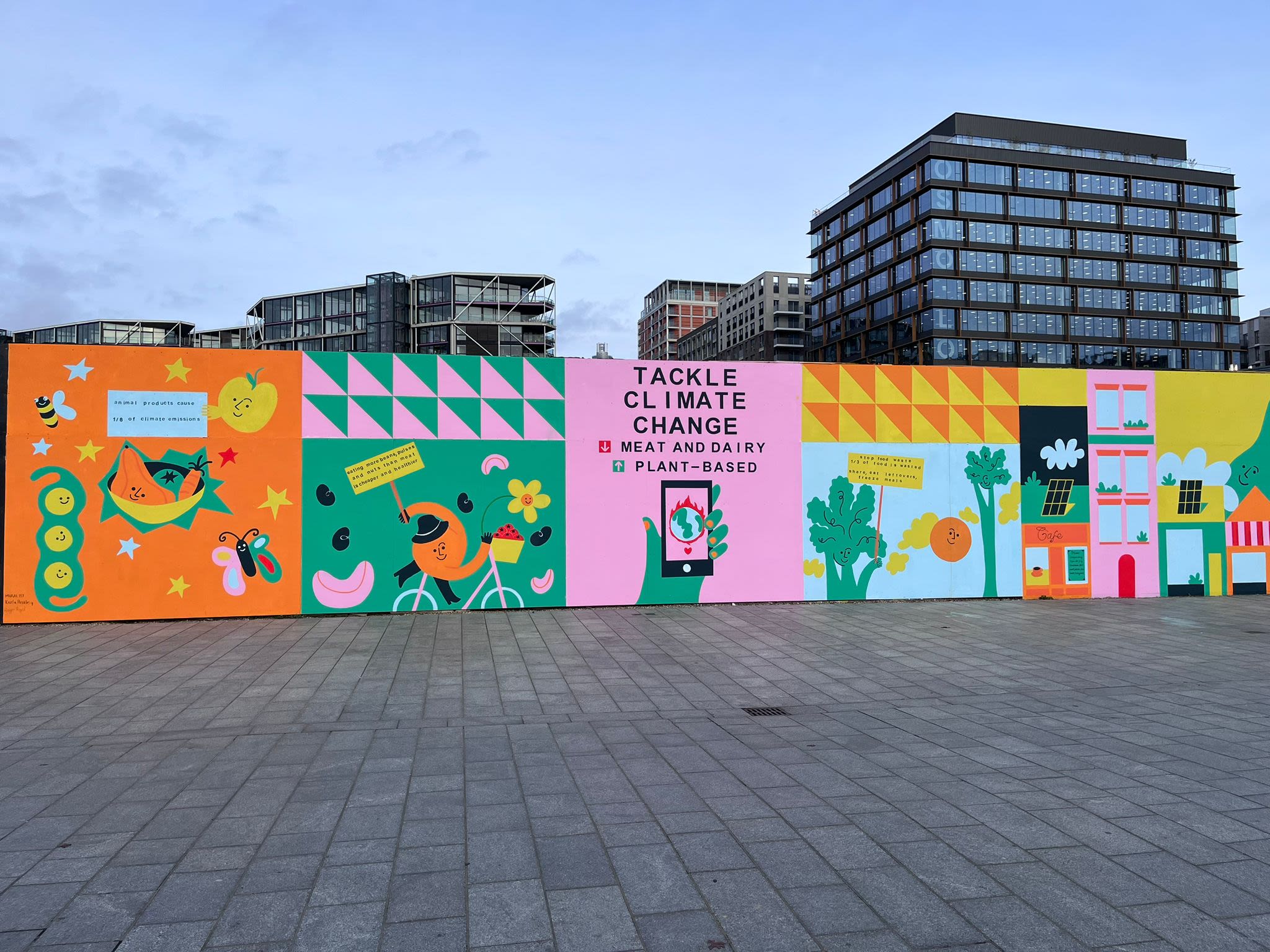
The Grantham Climate Art Prize was set up in 2018 as a way to inspire young people to create art to combat the climate crisis facing our planet.
The Imperial College prize invites young people aged 11-25 to design a mural to draw attention to climate change, which will then be transformed into a large-scale mural by an artist in the local area.
Murals have been painted across the UK, with many in London, including in Twickenham, West Norwood and East London.
The prize looks to inspire young people to create art that will make a difference and to imagine a greener and positive future for planet Earth.
The judges tend to select drawings with a hopeful vision, since evidence shows that positive messages do encourage people, whereas they are more likely to switch off to 'doomsday messaging'.
The idea is to make art raising awareness about climate change enjoyable and accessible to all in the UK, and the Prize works with climate scientists, artists and industry professionals to make it happen.

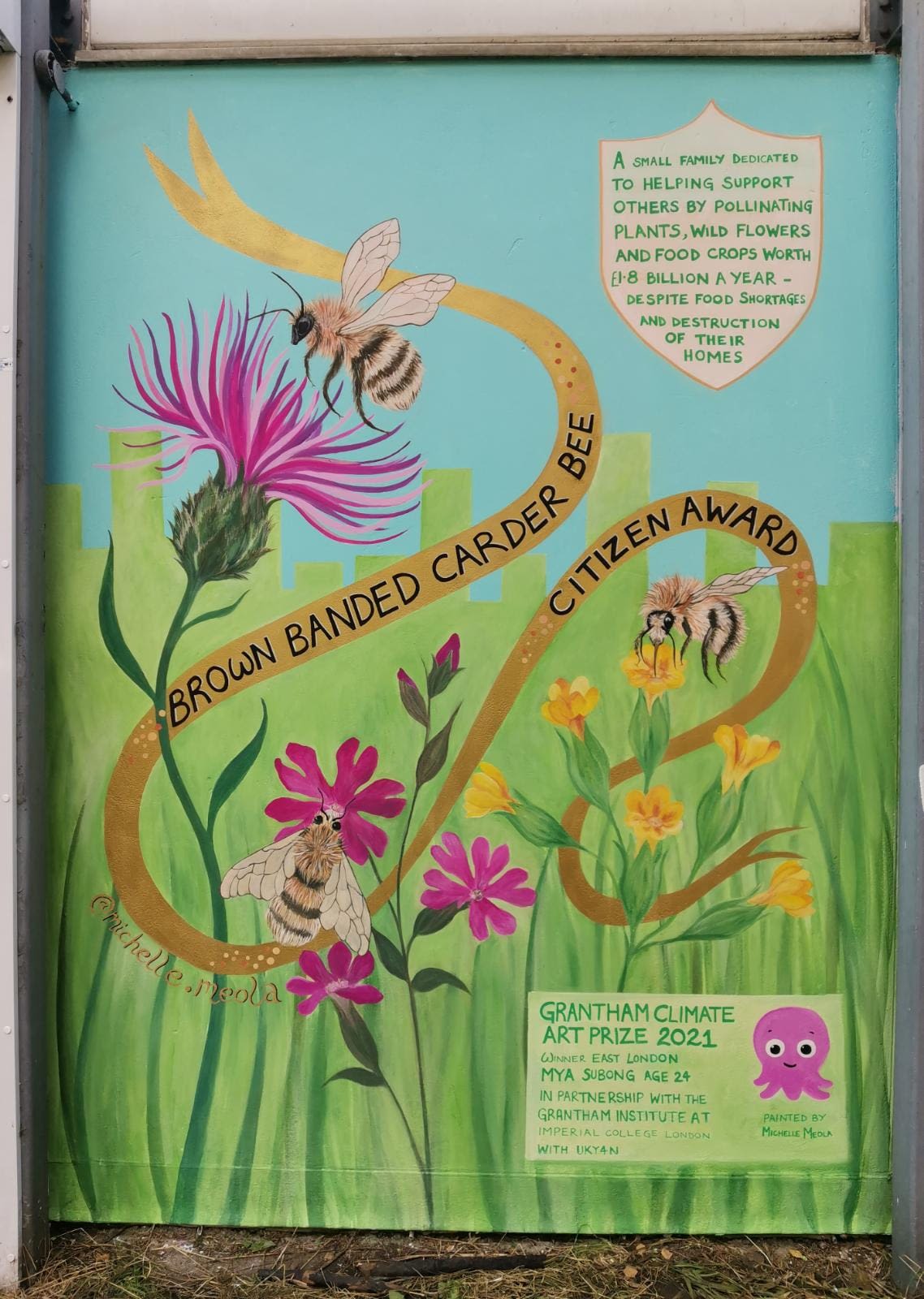
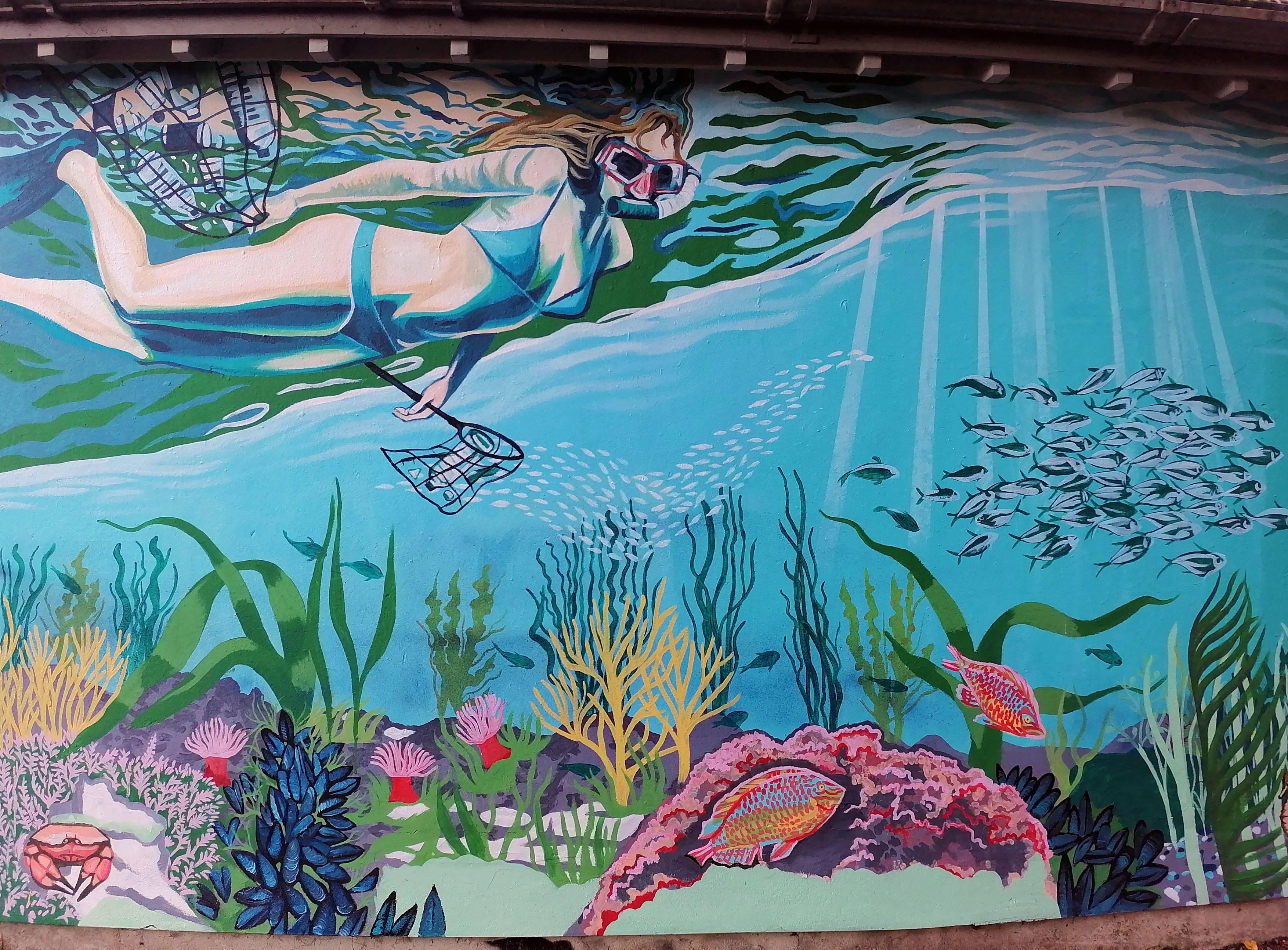
2021 winner in East London. Photograph credits to Gerry Tissier, artist credits to Michelle Meola and design by Mya Sabong
2021 winner in East London. Photograph credits to Gerry Tissier, artist credits to Michelle Meola and design by Mya Sabong
Linsey Wynton, Grantham Climate Art Prize Manager
Linsey Wynton, Grantham Climate Art Prize Manager
"Art is a vehicle to raise awareness about the climate crisis, because sometimes science can't do that on it's own. Science needs to rely on arts and culture for its messaging and to explain things."
Linsey Wynton, manager of the Prize and Senior Communications and Outreach Officer at the Grantham Institute, Imperial College, had the idea of asking for mural design ideas for the Prize after she saw how murals gained attention from all walks of life.
Wynton said: "I feel like communities relate to the mural that is in their community.
"It becomes part of the landscape and there's something quite democratic about murals because you don't need to be the type of person who has the confidence to go to a gallery to see art, because anyone can go and see it.
"I thought it would be really good because so many people would see the art and it can be so much more relatable than science."
Wynton said the Prize inspires young people to think about different careers, whether in science, art or jobs related to sustainability.
She said some of the designs by the younger children are 'simple but so adorable' because she can see how much hope they have for the future, and it is a way to convey what they want.
The contents of the mural designs have ranged from ways to live a more sustainable life, to specific bee species and coral diversity.
There are now a total of 12 murals across the UK designed by young people and painted by artists, with four of those in London.
This year the theme is 'Design the Future: From Grey to Green' and the winning design will be painted as a mural at Imperial College's South Kensington campus.
Michael Connell
How a construction worker-turned artist is transforming waste materials into art
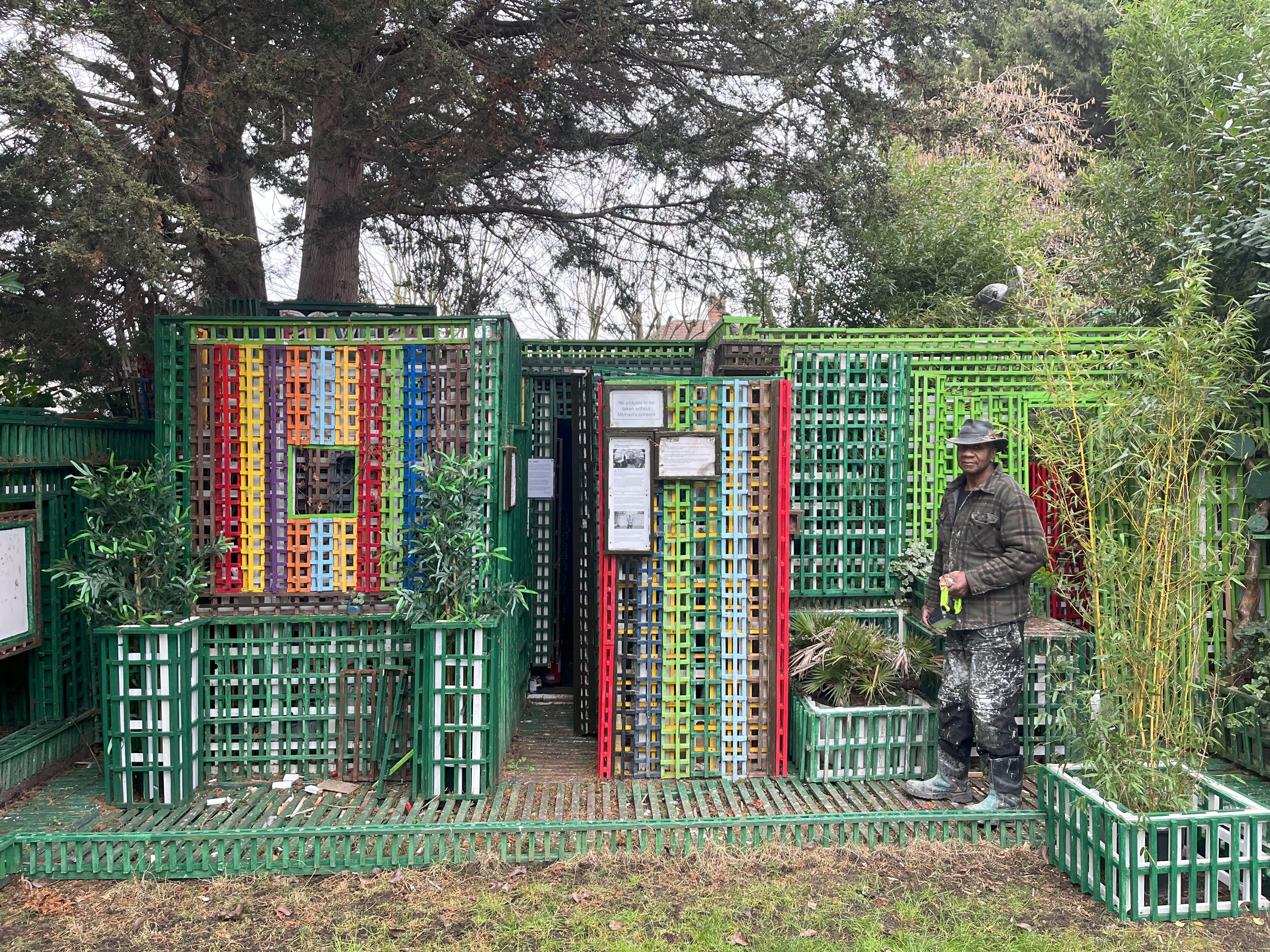
The 'Catford Cathedral'
The artist Michael Connell makes art out of recycled waste, inspired by his love of art at school and his years in the construction industry.
Connell saw how much waste material was thrown in skips when he was working in construction, and was inspired to start painting and using the outcast materials as his canvas. Connell, who turns 70 this February, worked in construction for 40 years, after leaving art college.
He said: “I’ve always been good at art as a hobby on the side, and working in construction, there’s rubbish and waste material everywhere. So I started using it for my art. Wherever you look, there’s always rubbish to be used.”
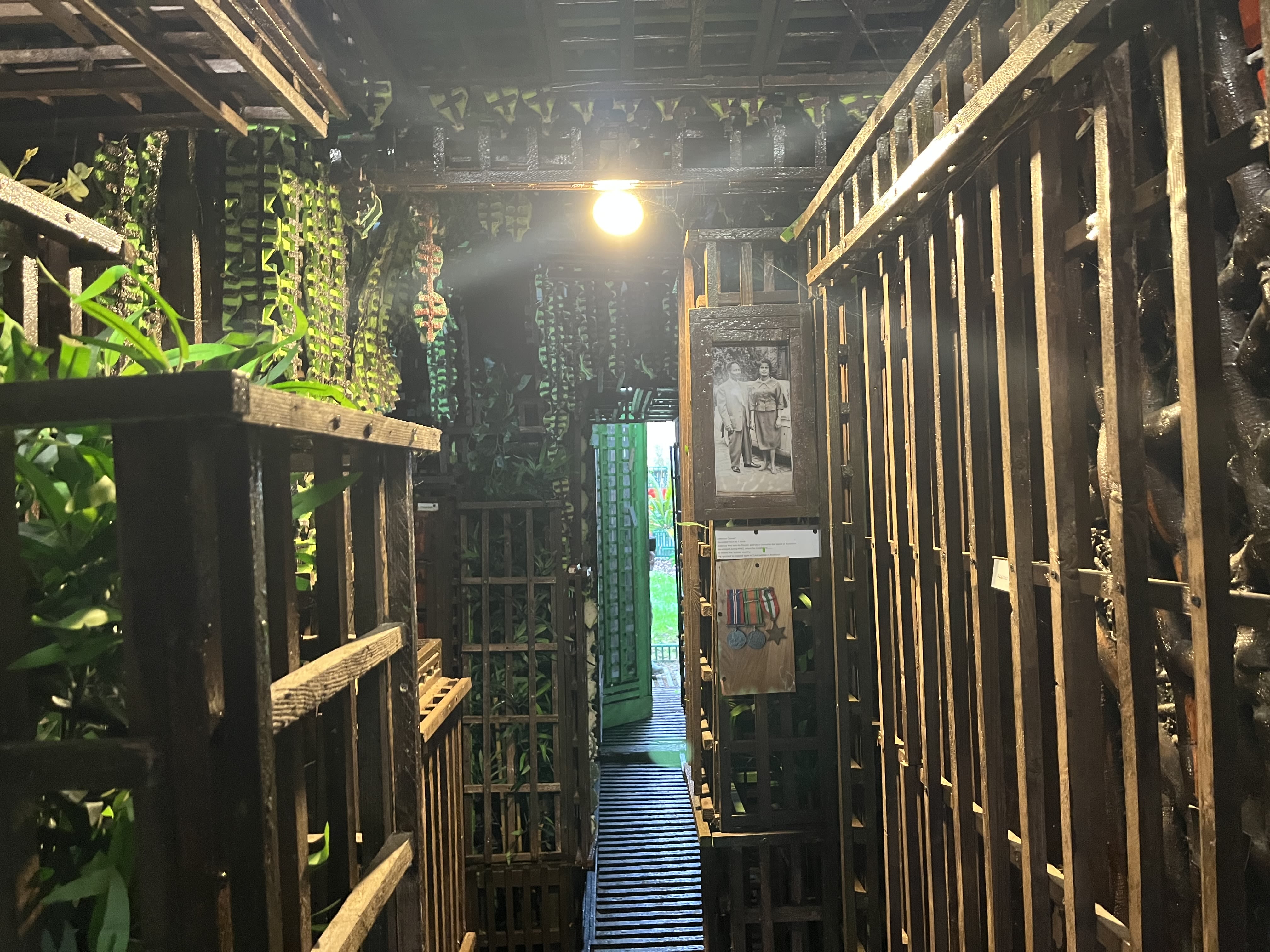
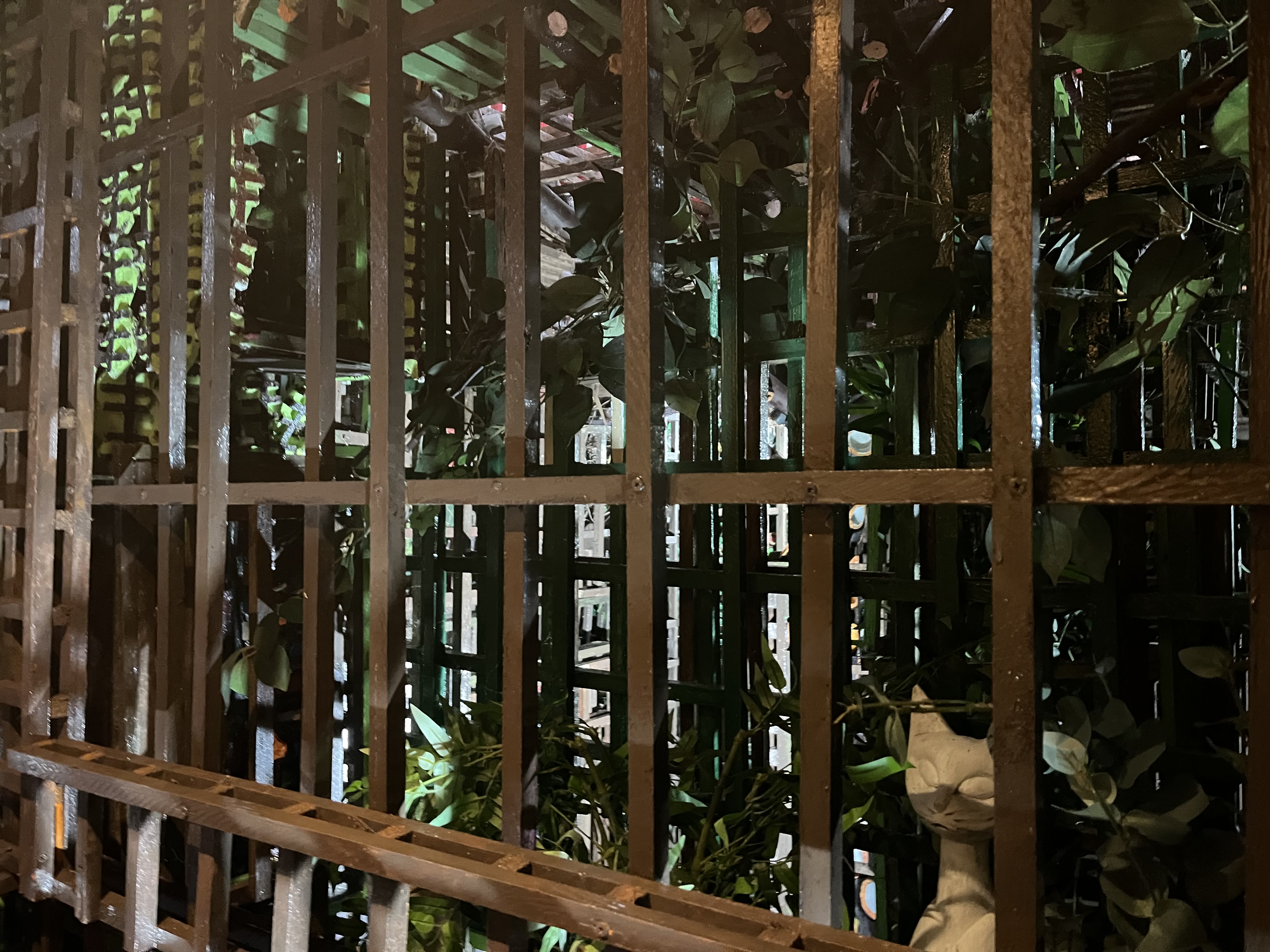
Connell built his first shed over 20 years ago, and then took it down 10 years ago to start his most recent shed, as part of the project called ‘Povera’.
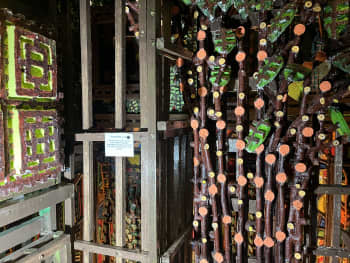
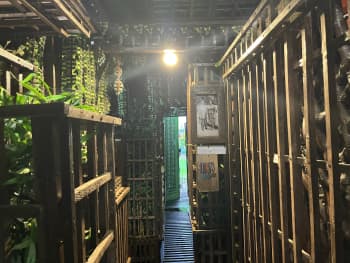
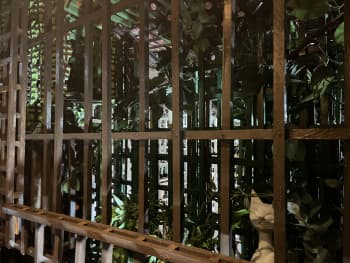
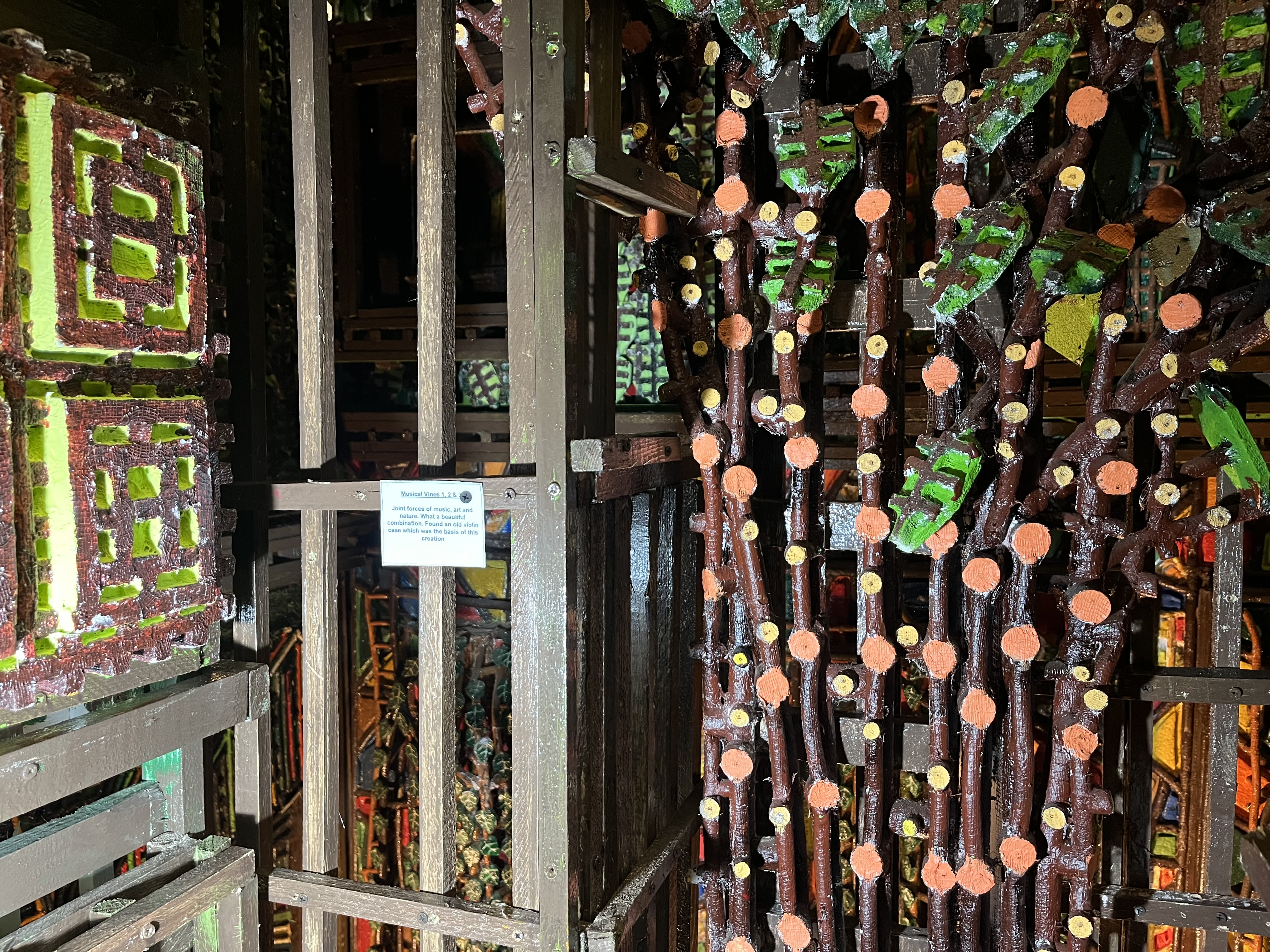
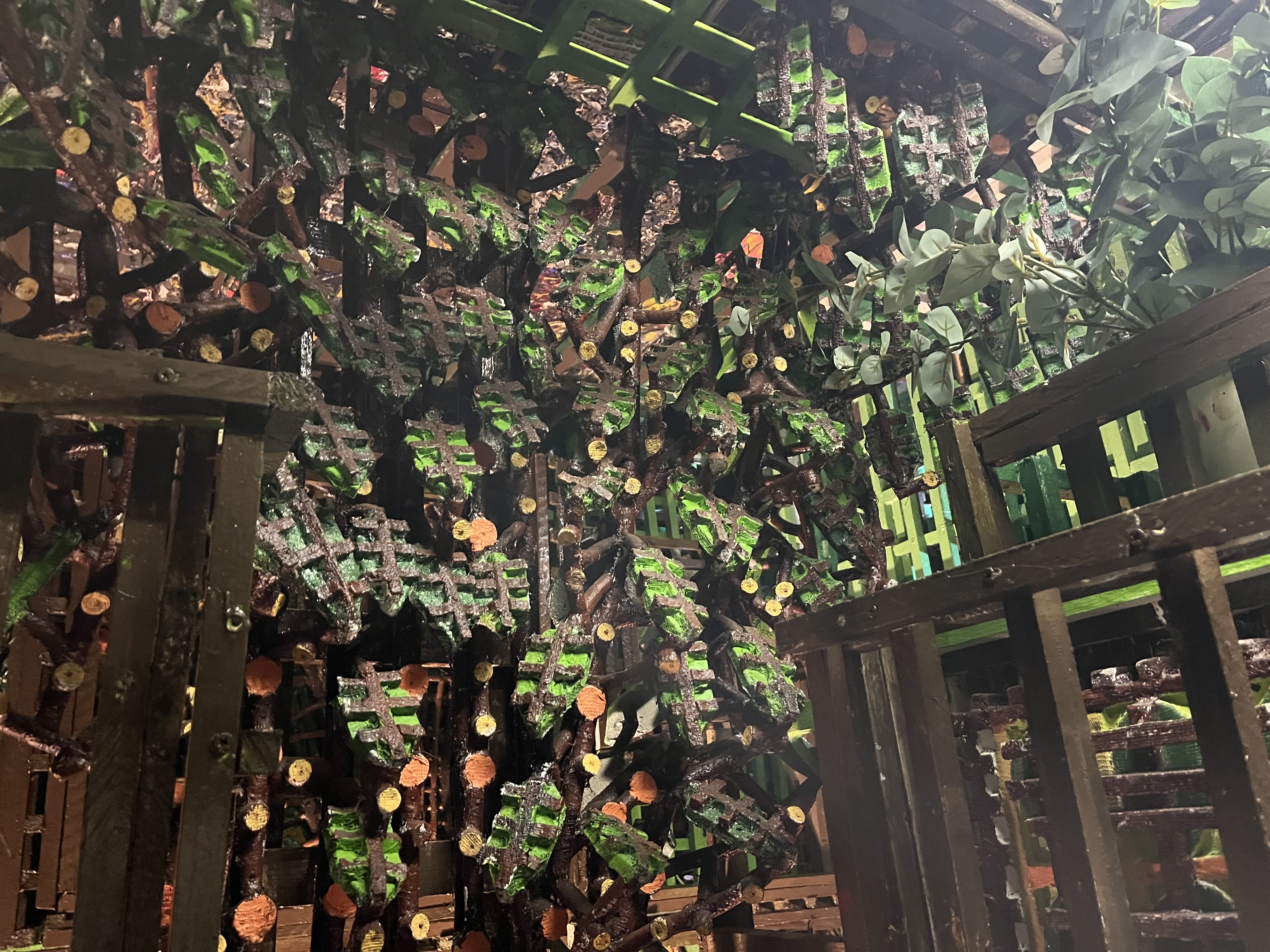
‘Povera’ is an ongoing project using waste materials from skips built in Connell’s garden. Within the shed, there are multiple artworks displayed by Connell, exploring abstract art and inspired by his father who came to the UK from Barbados in 1955.
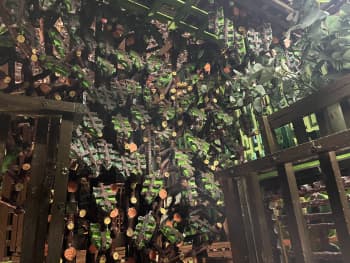
He uses materials like nails, scrap wood, broken glass and sash cord to make his installations.
Four years ago, Connell was diagnosed with cancer, and now uses his art and shed-construction as a form of therapy.
The project also includes two crucifixions, as part of a dedication to his father, who died of prostate cancer; the same type as Connell was diagnosed with.
He said: “I’m still trying to get my work out there because I’m still chasing my dream. Art is my passion, it’s just me being who I am and I’m going to keep doing it.”
Connell’s project is always evolving, and he said it keeps him going, and takes inspiration from nature and music. Connell is obsessed with cellos and violins, and incorporates them throughout his shed.
His shed, based around a tree at the bottom of the garden is dedicated to Mother Nature and is filled with vine leaves made from old sash cord.
The shed is also regularly open for local residents to enjoy and explore.
He is working on a new project of six large canvases, one of which is of Stormzy at Glastonbury 2019, in his bullet proof vest designed by Banksy.
Connell hopes to invite Stormzy to visit his shed and bring attention to the borough of Lewisham and the artistic scene there.
Catford artist Michael Connell introduces his shed
Maria Arceo
How an East London-based artist is combatting microplastics by collecting rubbish from London beaches

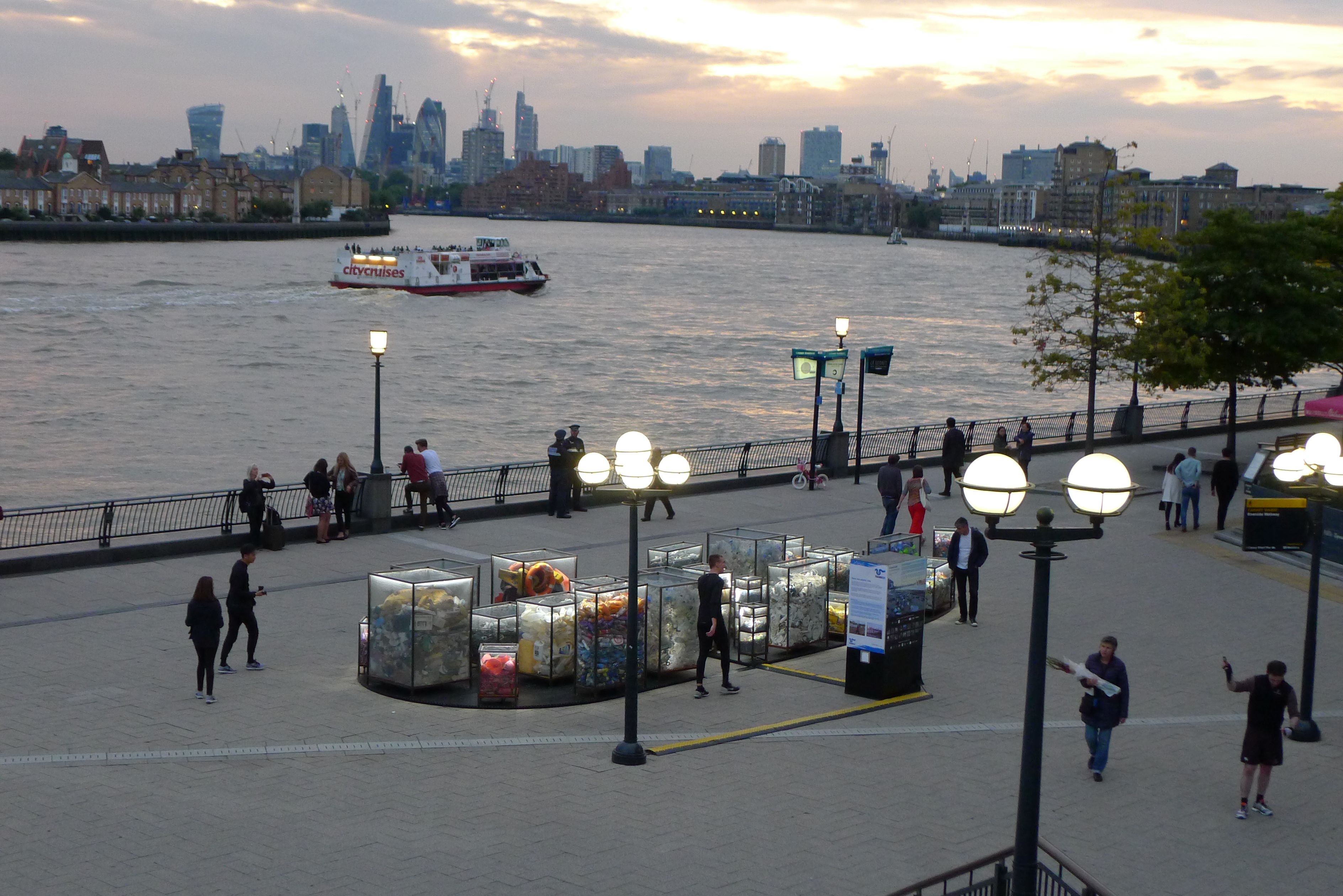
Maria Arceo is a London-based Spanish artist who moved to the UK to study art, and always felt a strong connection to the water and oceanography.
When Arceo moved to Bermondsey, she started mudlarking and discovering all sorts of human debris, from Roman artefacts to disposable vapes. She began making pieces inspired by human footprints, particularly how they manifest in water. She went down to the Rotherhithe beaches to collect pieces of ceramics and Tudor leather shoes, and started tidying as she went.
Mudlarking: The activity of searching the mud near rivers trying to find valuable or interesting objects
She used to put the rubbish in the local bins, until someone complained, and then started bringing the plastics back to her studio, and incorporating it into her art.
Arceo said: “It was when I got to my studio and dumped everything on the floor, that I realised not just how much I was picking up, but the kinds of things I was picking up, like syringes and batteries, which have no place in a river. I just thought, I need to do something about this and to make people aware that it is not okay to dump all this stuff in the water.”
Arceo began separating plastics by colour and eventually creating large scale sculptures and installations out of the waste materials.
When she was dividing these plastics, she started noticing tiny coloured specks in the sand, and realised that the problem went far deeper than just plastics, and started researching the dangers of microplastics.
Arceo said: “I realised that if I was finding leather which was 500 or even 2000 years old, which is a degradable material, then what will happen with all of the plastic?”
Arceo then developed a project called ‘Thames plastic & the exploration of future dust” which aimed to educate about the science behind the issues of London’s plastic consumption and engage London’s citizens with beach clean-ups and initiatives.
She wanted to visualise the damage humans do to their environment, by putting all the waste in one place and allowing a sensory experience of what type of rubbish ends up on the shores of the Thames.
She said among the most common things to see were sanitary pads, balloons, cotton buds and disposable vapes.
She said: “We need to act now. We need to come up with different types of plastic that are degradable and sustainable, and we need to stop relying on plastic.
"I know it’s difficult because plastic is a wonder material which has socially filled the gap between imbalances of people not being able to afford things, but it’s a huge problem.”
Since this project, Arceo has been working on ways to increase awareness particularly of the dangers of microplastics and the difficulty of removing them from water. Most plastic polymers do not biodegrade, but photodegrade, meaning they need a source of light or heat to degrade fully, which cannot happen in the water. She works with the likes of King’s College London and participating in exhibitions to do with sustainability.
Arceo did speak highly of new initiatives to replace plastics, such as using mycelium bricks as a sustainable construction material.
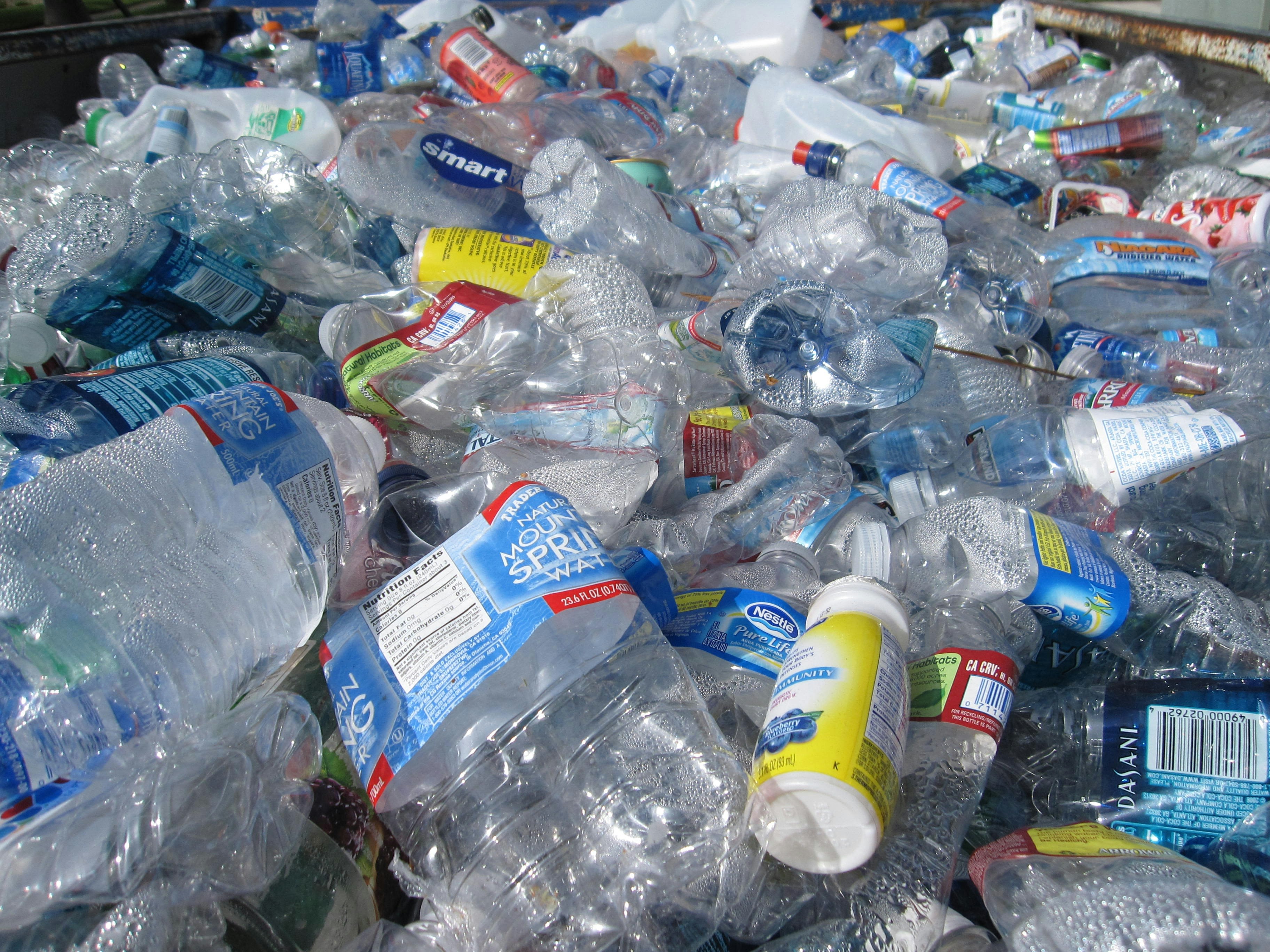
The average London adult buys more than three plastic bottles a week, meaning 175 bottles a year, according to data from environmental charity #OneLess.
East London-based artist Maria Arceo talks about her practice
The Grantham Climate Art Prize, Michael Connell and Maria Arceo are showing that one person can make a difference to the climate crisis, and even the smallest of things can have an effect.
It is an important year for climate goals, as the deadline for countries to submit new climate action plans to the UN comes in February, and an agreement is expected to be signed to tackle plastic pollution globally.
But in the meantime, smaller actions such as communal climate murals and using waste materials as both canvas and paint are important first steps towards combating the crisis facing our planet.
 Built with Shorthand