
Dreamers 夢中人
A theatrical exploration of the 2019 Hong Kong protests

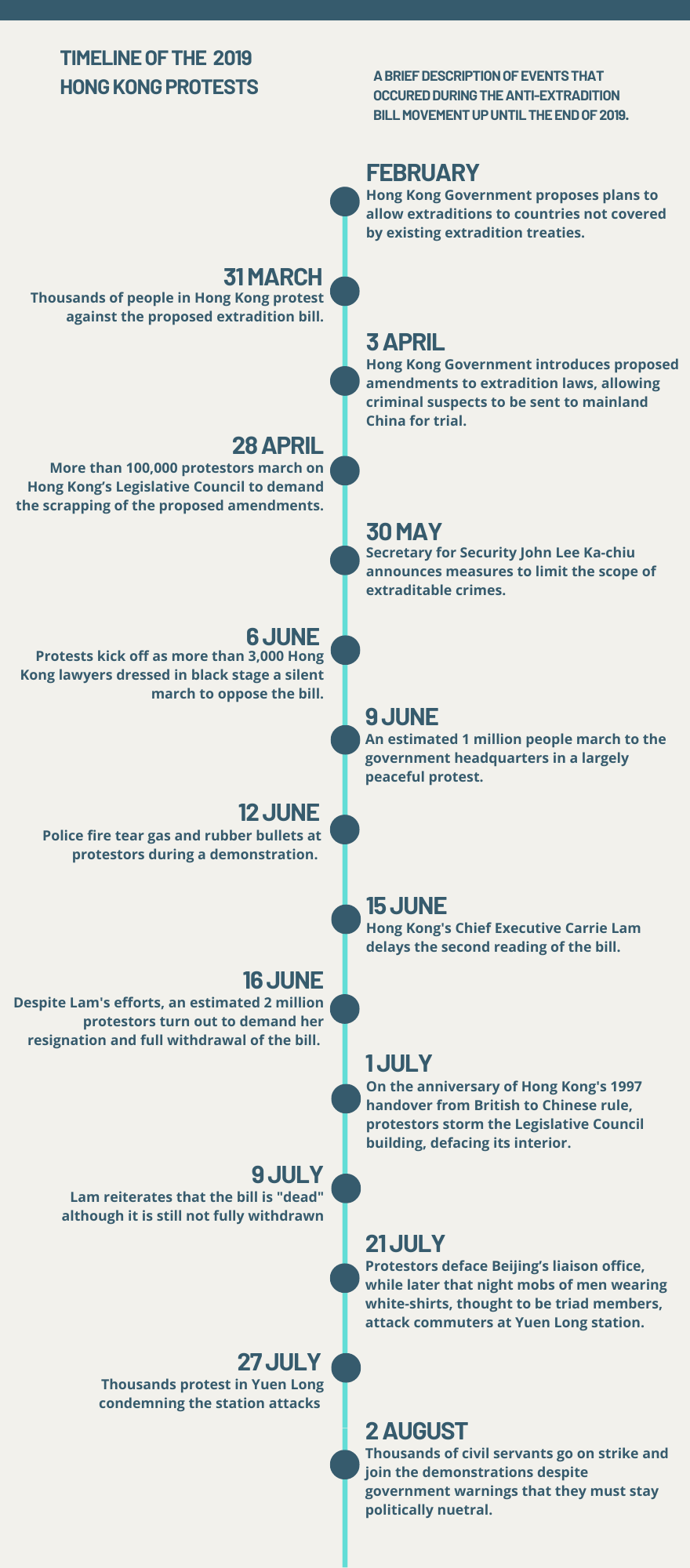
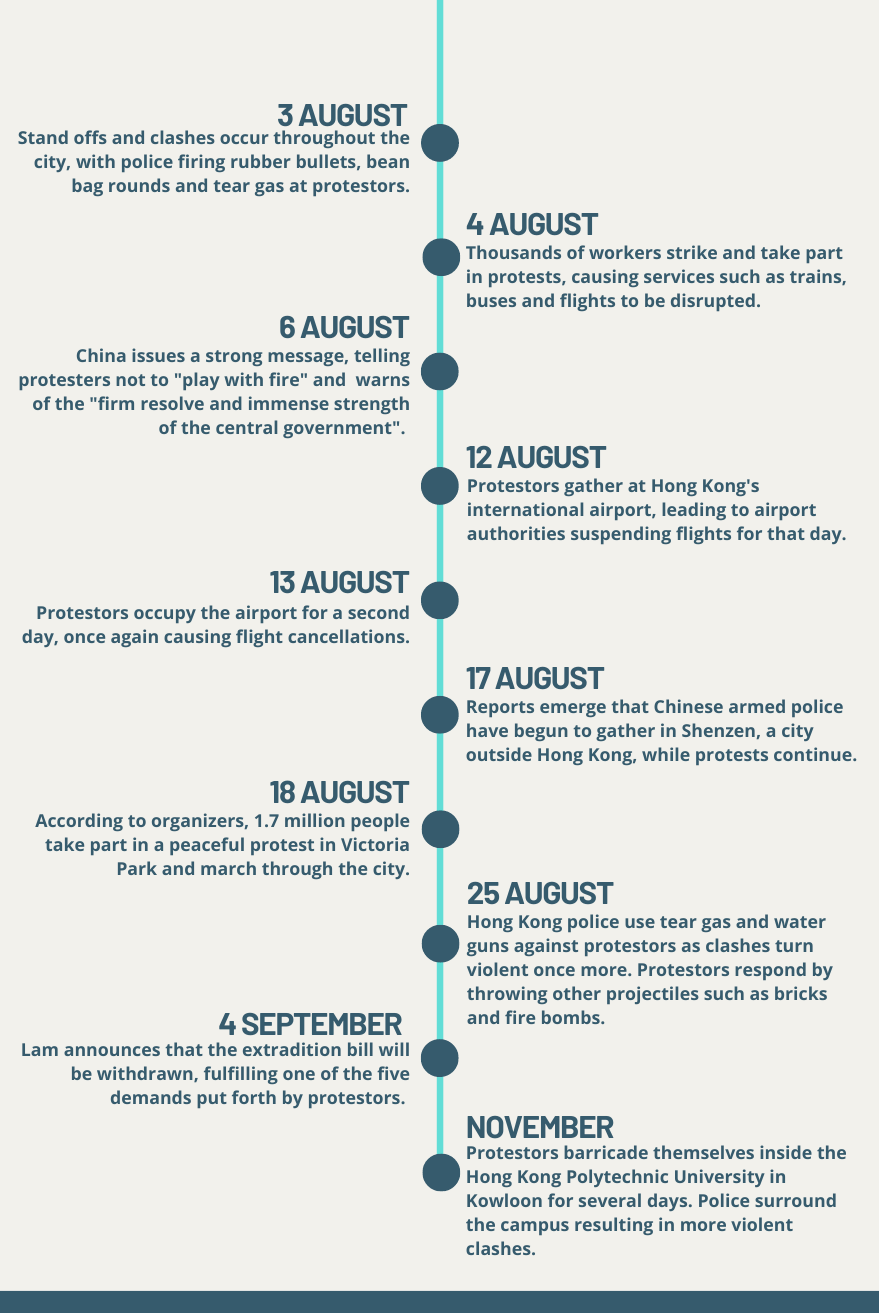
In April 2019, the Hong Kong government introduced proposals for amendments to the country’s legislation that would allow criminal suspects to be extradited to mainland China.
This move was extremely controversial not only as it threatened the legal freedoms of Hong Kongers themselves but also because it would likely hand more power over to China in allowing it to decide the fate of those accused of committing domestic crimes.
What followed was a series of protests, the largest Hong Kong has ever seen, made up of people opposing the proposed extradition bill and advocating for the democratic rights for Hong Kongers altogether.
Despite Hong Kong’s chief executive Carrie Lam having withdrawn the bill later that year in September, protests continued.
The anti-extradition law movement made additional demands in light of protest events, including an inquiry into police behaviour, Lam’s resignation and universal suffrage for the territory’s future leader and Legislative Council.
The protests largely came to an end on 28 May 2020, after the Chinese parliament passed a separate National Security Law for Hong Kong that sought to crack down on acts of dissent within the country.
The law, which was imposed a month later on 30 June, prohibits acts of secession, subversion, terrorism, and activities by “foreign forces that interfere with the affairs of Hong Kong SAR.”
It also established a national security office in Hong Kong, made up of officers from Beijing who handle cases according to Chinese law and operate outside the jurisdiction of local authorities.
This office is also able to send certain cases to be tried in mainland China where there are stricter punishments in place for those charged with a national security crime.
The National Security Law applies to any non-permanent residents of Hong Kong and even people that may have never been there, according to its wording, meaning that anyone in the world can face prosecution.
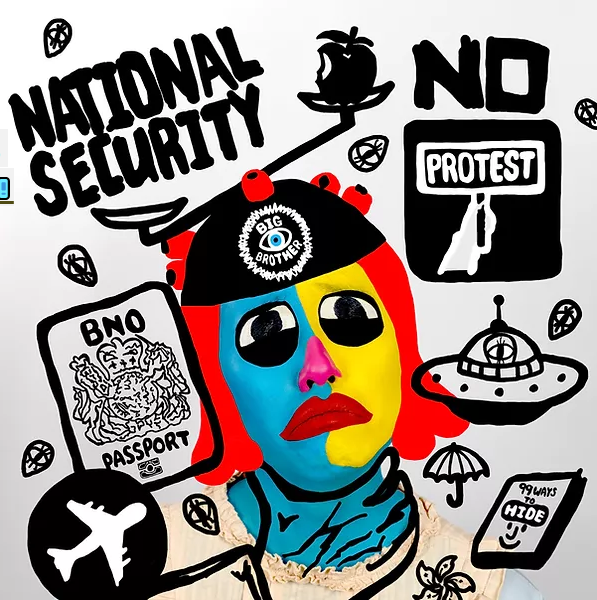
This series of events ultimately set the stage for the production of the show Dreamers 夢中人 and provides the backdrop for which it looks to refocus attention to the impacts of the National Security Law in Hong Kong that is still affecting so many lives.

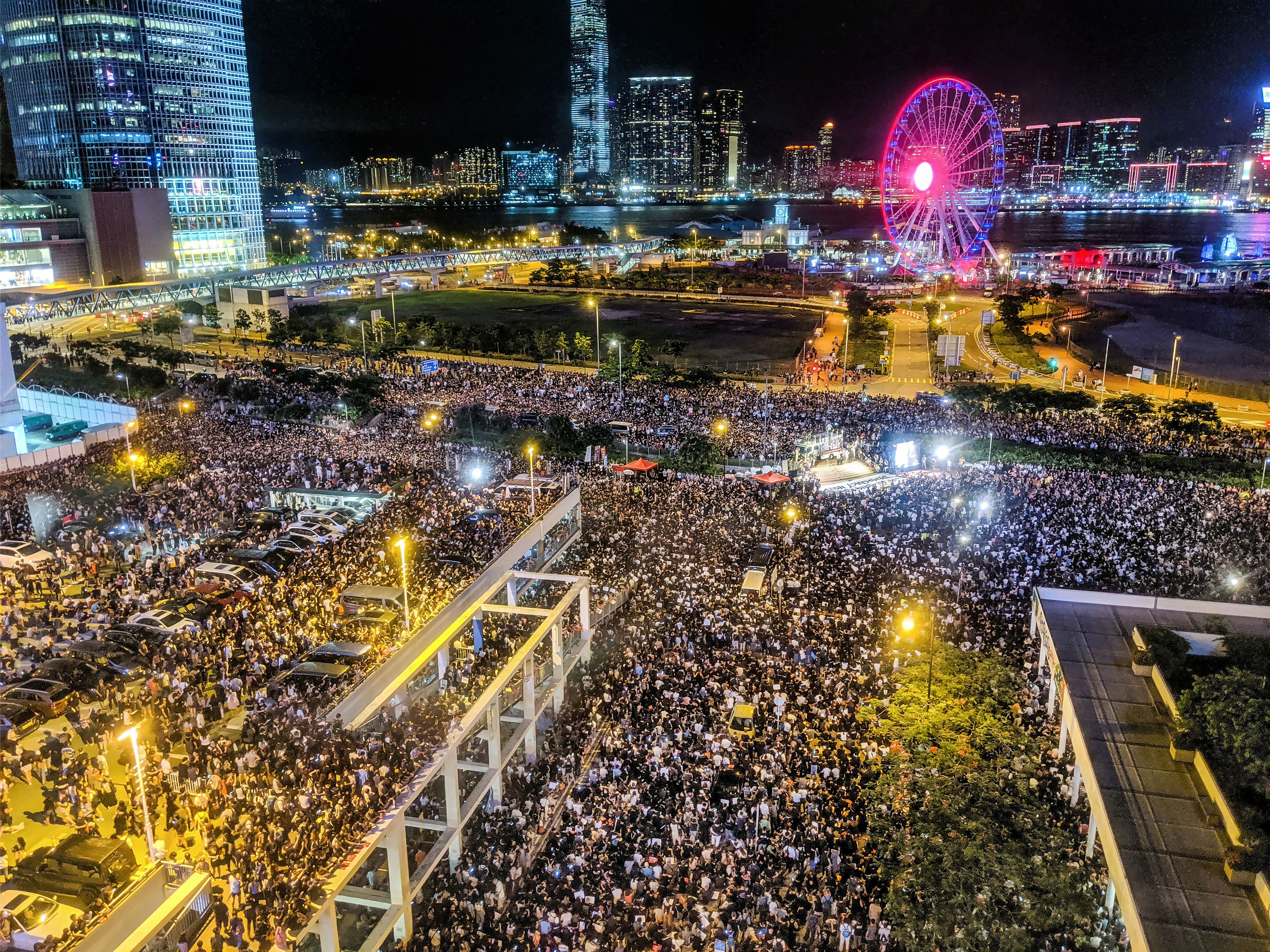

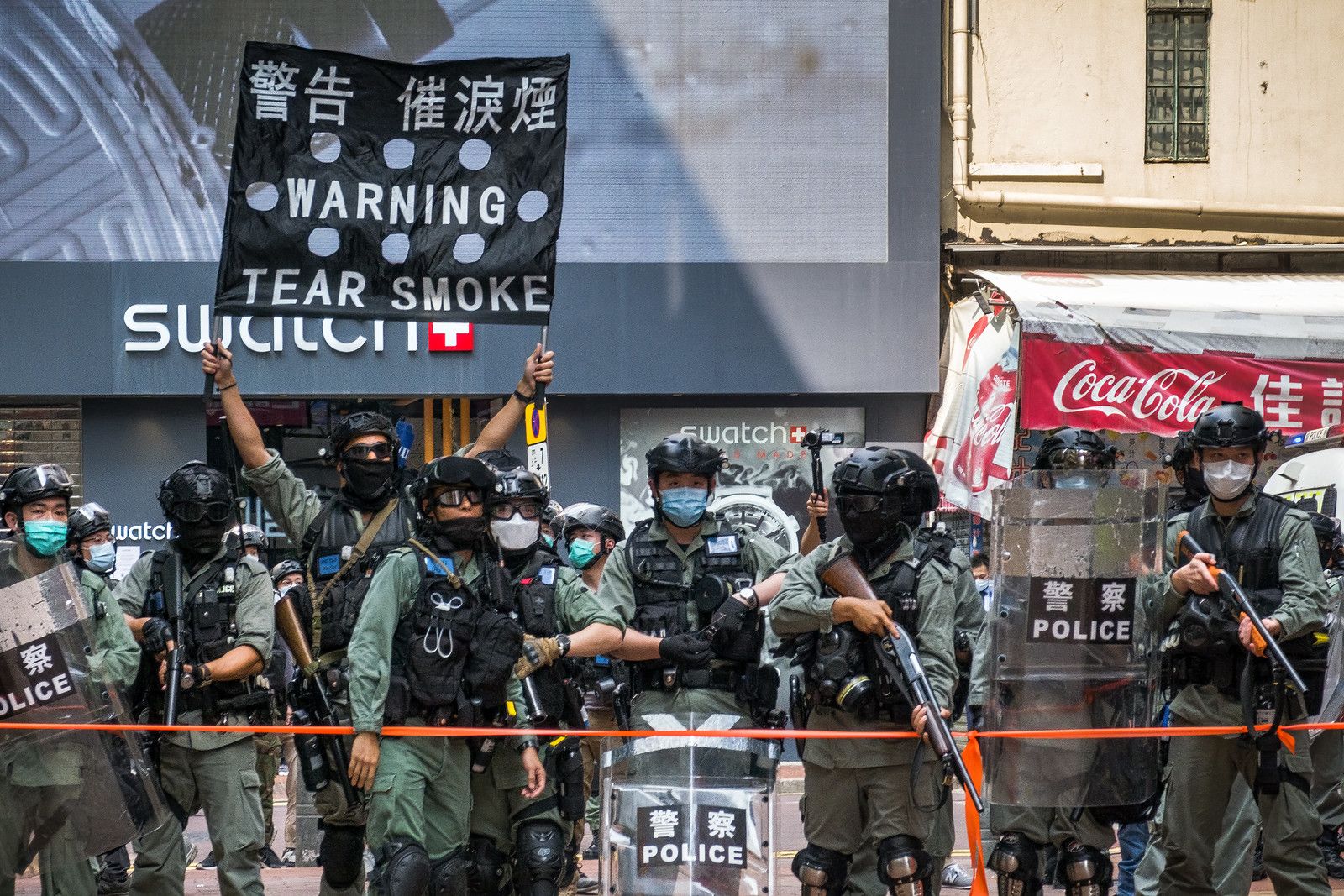
Featured video credit: Hong Kong Extradition law Protest via Flickr under CC BY-NC-ND 2.0 (unedited)
Featured video credit: Hong Kong Extradition law Protest via Flickr under CC BY-NC-ND 2.0 (unedited)


Dreamers 夢中人 is a theatrical performance put on by the London-based company Papergang Theatre in 2022.
The show, which took place from the 6-11 June at the Omnibus Theatre in Clapham, draws inspiration from a Hong Kong euphemism for attending a protest - “To dream 發夢”.
Omnibus Theatre, Clapham
Omnibus Theatre, Clapham
It explores the aftermath of the 2019 Hong Kong protests through biographical accounts of real life Hong Kongers who were impacted by them.
The company said: "We want to thank all the Hong Kongers who talked with us as we researched this show.
"Their accounts were always marked by humour and resilience. In a similar fashion, we’re offering audiences a playful, experimental reflection on at times dark and difficult material.
"We think audiences outside the Hong Kong experience are going to come away from the show feeling like they’ve been imaginatively immersed in the odd details and textures that make up lived experience, perhaps also feeling more compassionate and more awake to their own sense of freedom and democracy.
"For the Hong Kongers and other people who live with oppression that come to see the show; we hope we offer solidarity, a bit of catharsis and reflections on persistence."
Putting on the show alone would be seen as sedition - inciting dissent against the state of Hong Kong - under the National Security Law.
So, to avoid prosecution under the law, the real names of the performers are kept anonymous, while they also wear masks to conceal their identities.
Therefore, they are only known to the audience under their sudonames: Lobster, Crayfish, Tampon Ranger, Pineapple, Squid and Otter.

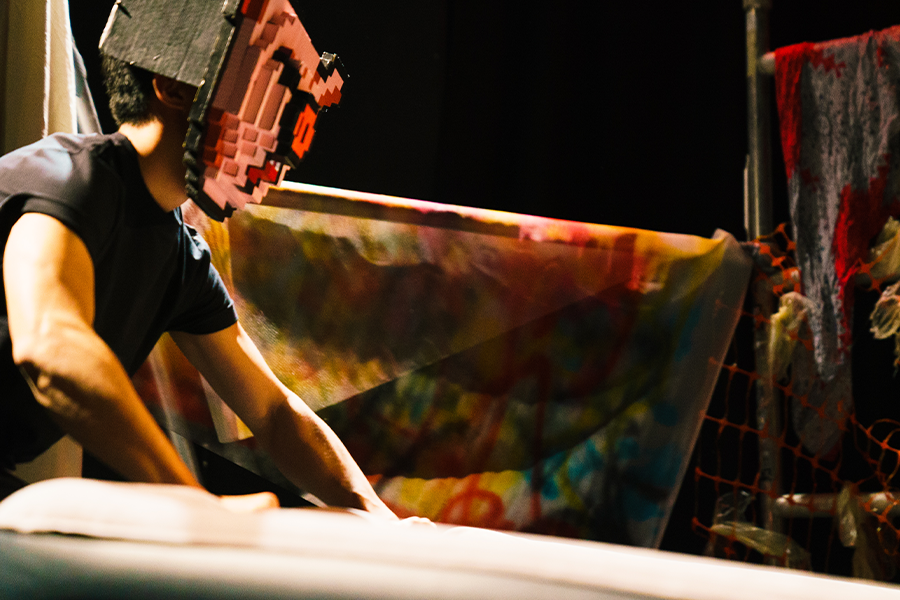
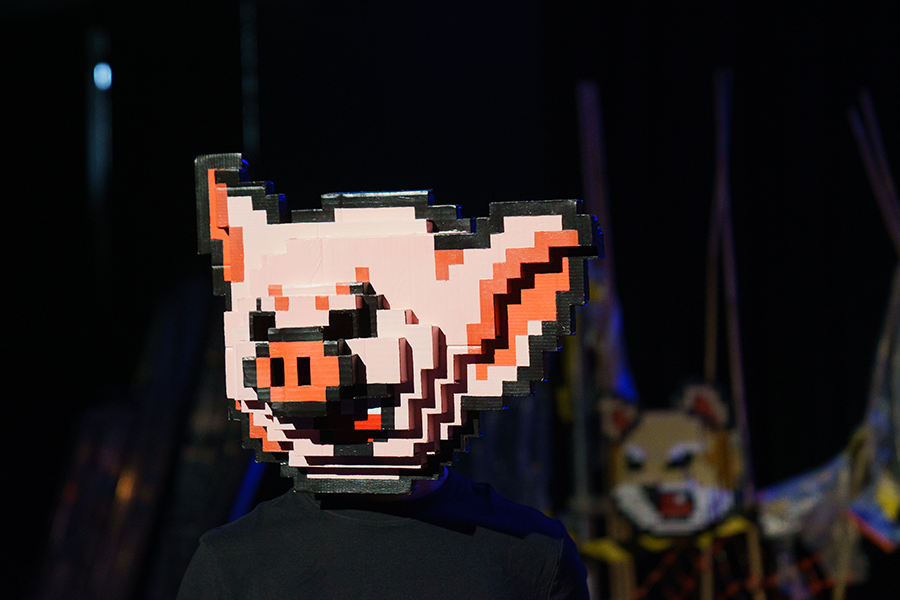
Audiences for Dreamers were able to get stuck in with the performance days before the show started as they were invited to interact with an online Dreamers Bot through the digital messaging app Telegram.
The incorporation of Telegram as a storytelling device throughout the show allows the audience to interact and immerse themselves with the performers on stage.
Its use also reflects the important role it played as a communications platform during the Hong Kong protests themselves.
The app was adopted by organisers to direct and inform thousands of other protestors across more than 100 online group chats.
This included information on where and when upcoming protests would take place, tips for dealing with police-fired tear gas and the locations of safe houses for protestors to hide in.
It was even used at times to create polls to decide on whether certain protest events should go ahead, such as one case on 21 June when users were asked if they should organise a protest march outside Hong Kong's Police headquarters.
"Our brains heal from trauma in dreams, and by making stories."

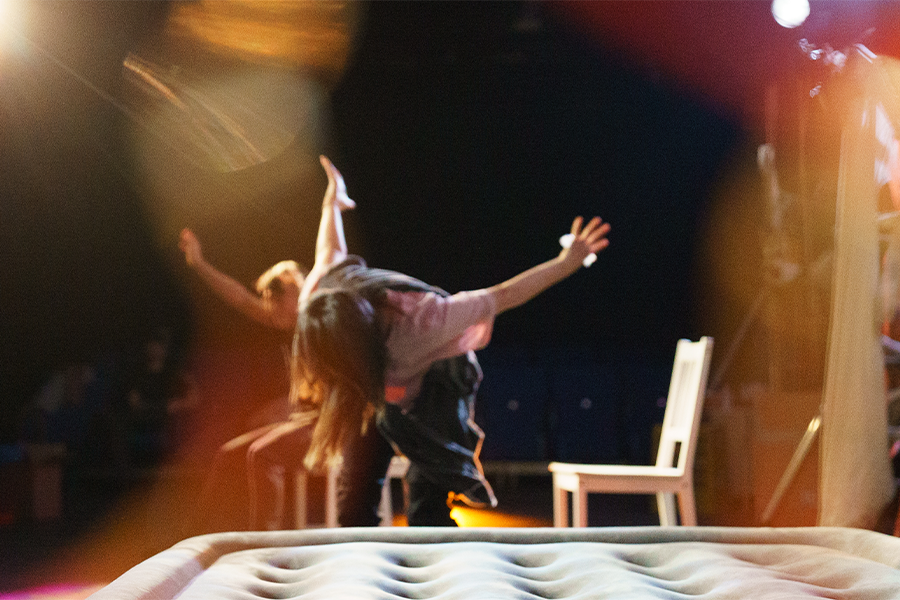
Papergang Theatre is a production company based in London that is primarily focused on producing work inspired by stories from the British East and South East Asian community and the (South) East Asian diaspora.
It was founded in 2013 by co-founder Clarissa Widya who now leads the company as a producer and co-artistic director.
The company's other co-artistic director Kim Pearce joined Papergang in 2016 following her first introduction to the British and East Asian theatre sector in 2014.
The group aspires to improve the representation of British East and South East Asian voices and cultures within the wider UK theatre scene by showcasing the meaningful, sometimes lived experiences, of those groups that are often absent from society's gaze altogether.
Meanwhile, it also openly challenges discriminatory attitudes and strongly advocates in favour of industry equality for all under-represented groups within society.
This includes commitments to Black Lives Matter and the pro-active confrontation of anti-black sentiments as well as the protection of LGBTQ+ rights.
Not only are such values expressed on stage but they are also upheld in the real world too through the group's company policies and activism efforts.
The show Dreamers 夢中人 is the sequel to Papergang’s Vault Festival award-winning show Freedom Hi 自由閪 which was directed by Kim Pearce and showcased at the Vault festival between the 10 and 15 March 2020.
Freedom Hi explores similar themes of dissent and protest in Hong Kong but in a vastly different context to that of Dreamers, taking place before the introduction of the National Security Law later that year.
Papergang is determined to continue its successful track record of putting on shows that shine a necessary light on salient issues that, while they may have faded from public consciousness, remain deeply meaningful to those that it seeks to represent.
The theatre company's next show, Watermelon (WIP) is expected to take place later this year with dates expected to be announced on its website soon.


Featured image credit: Papergang Logo via Papergang Theatre Website
Featured image credit: Papergang Logo via Papergang Theatre Website

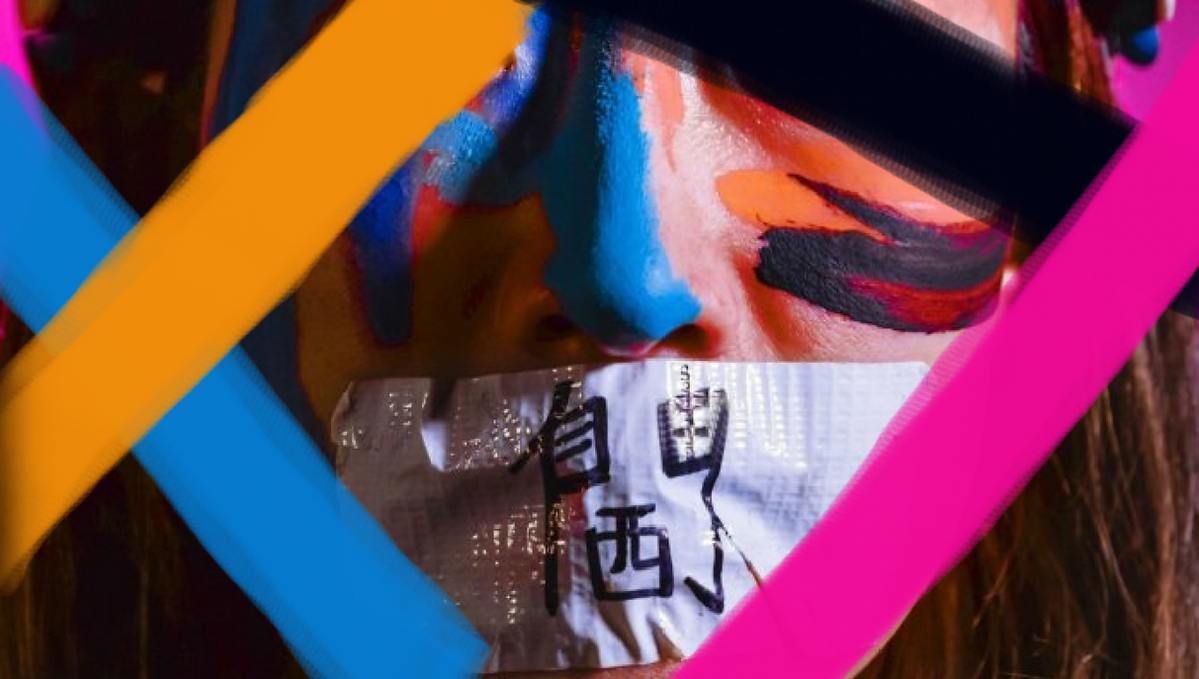
Featured image credit: Freedom Hi 自由閪 via Papergang Theatre Website
Featured image credit: Freedom Hi 自由閪 via Papergang Theatre Website
 Built with Shorthand