
Finding peace in nature
Dementia therapy in urban green spaces
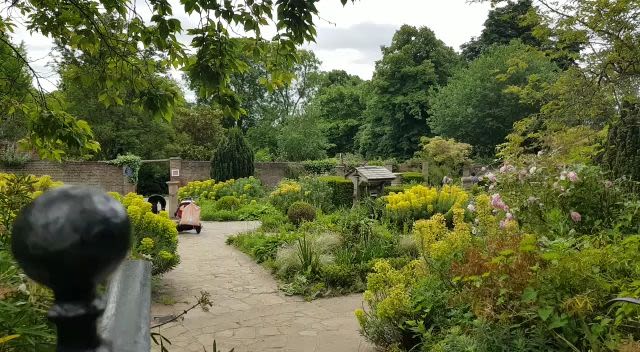
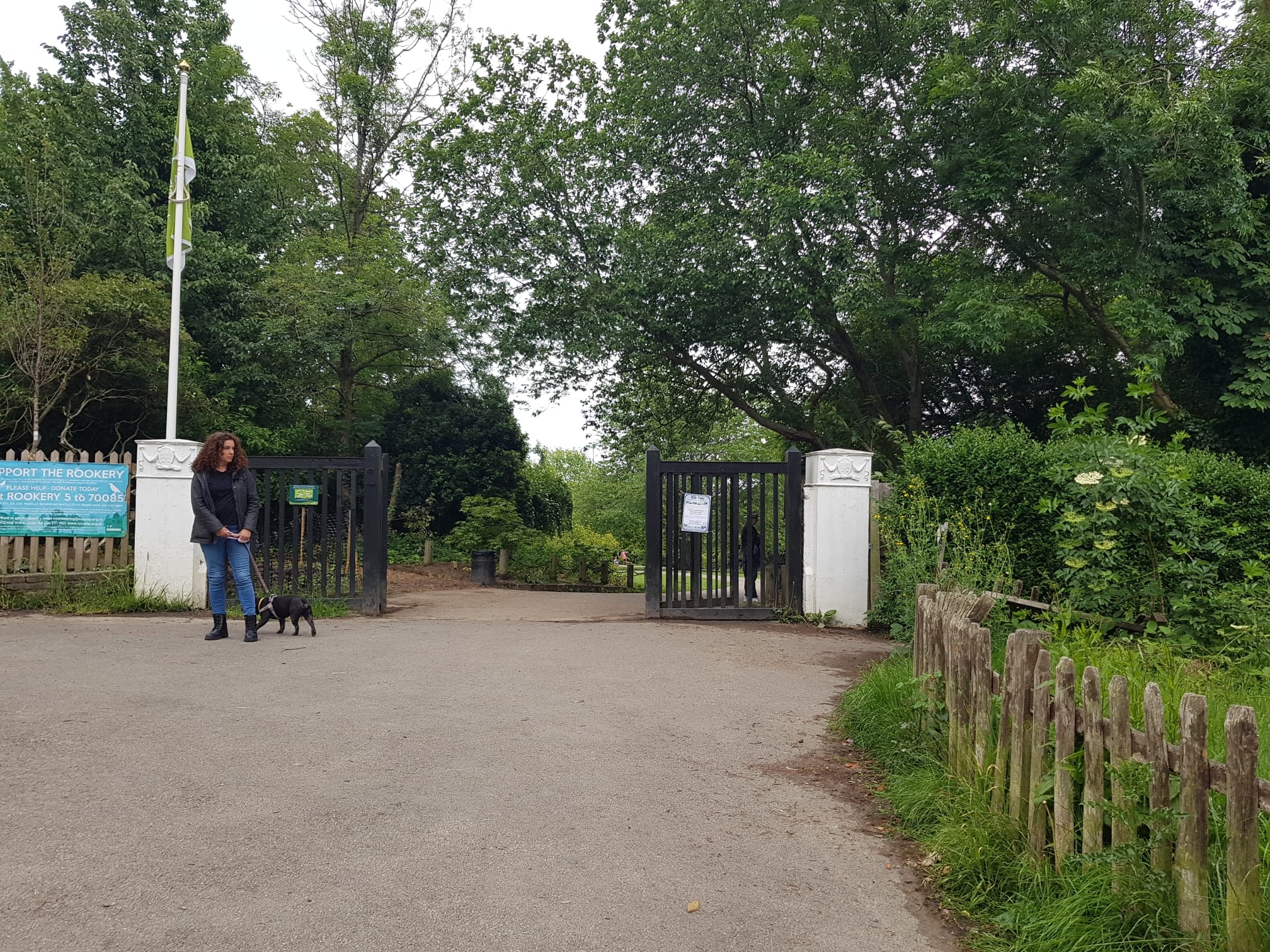
The western end of Streatham Common paints an unassuming picture. A handful of people can be seen walking their dogs or using the South London greenspace as a convenient cut through. Yet beyond the brow of the hill lies a special place.
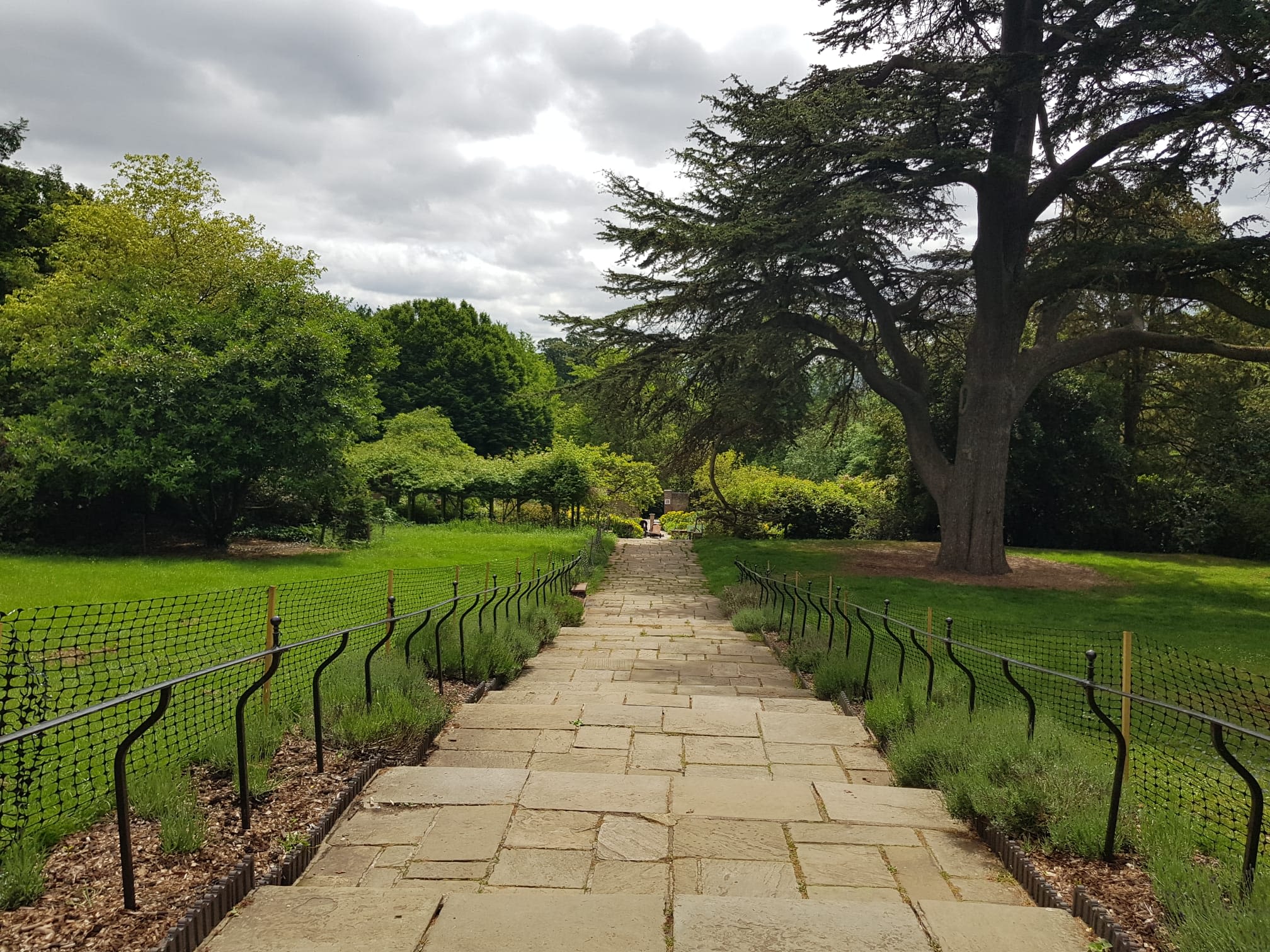
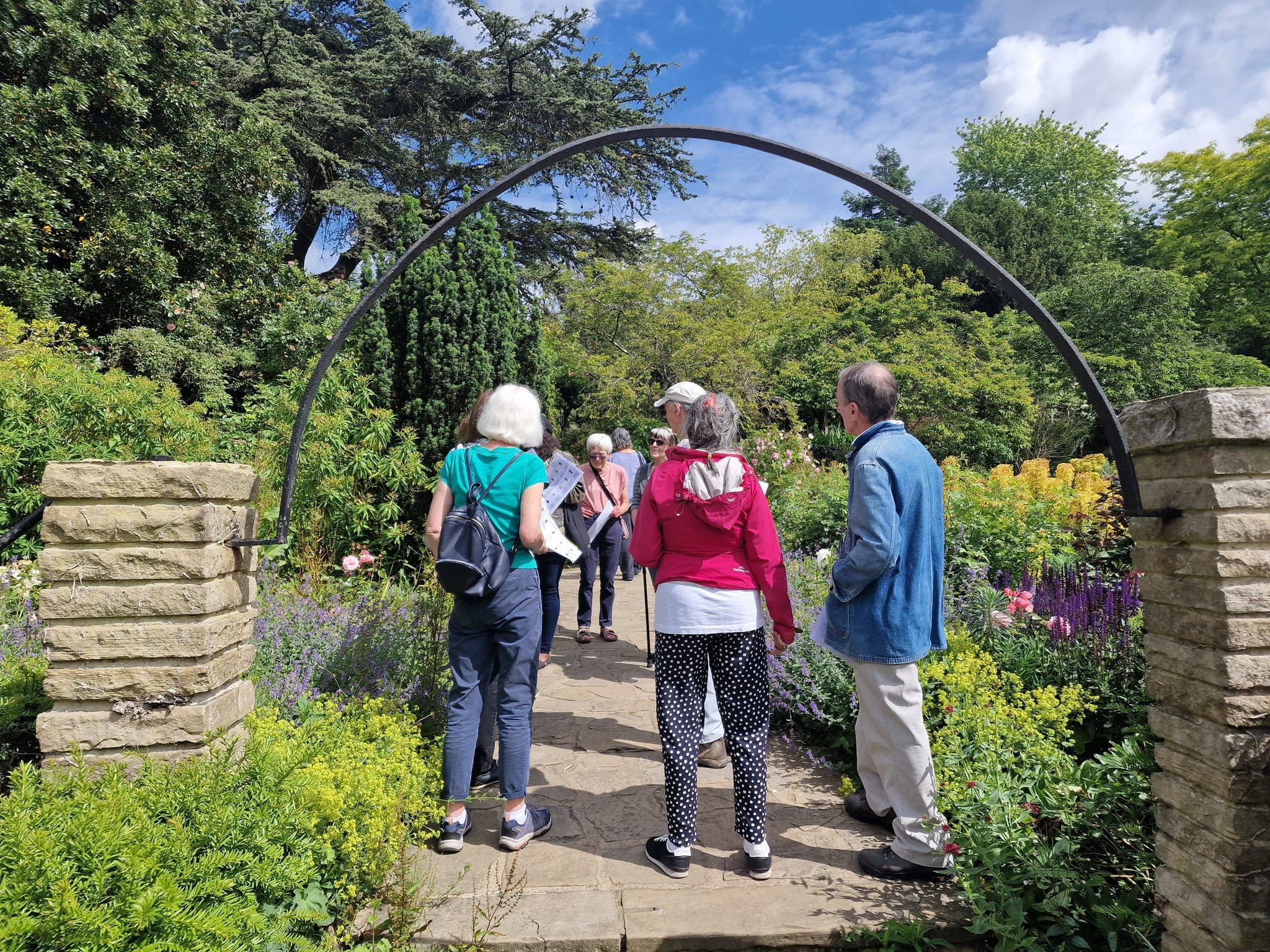
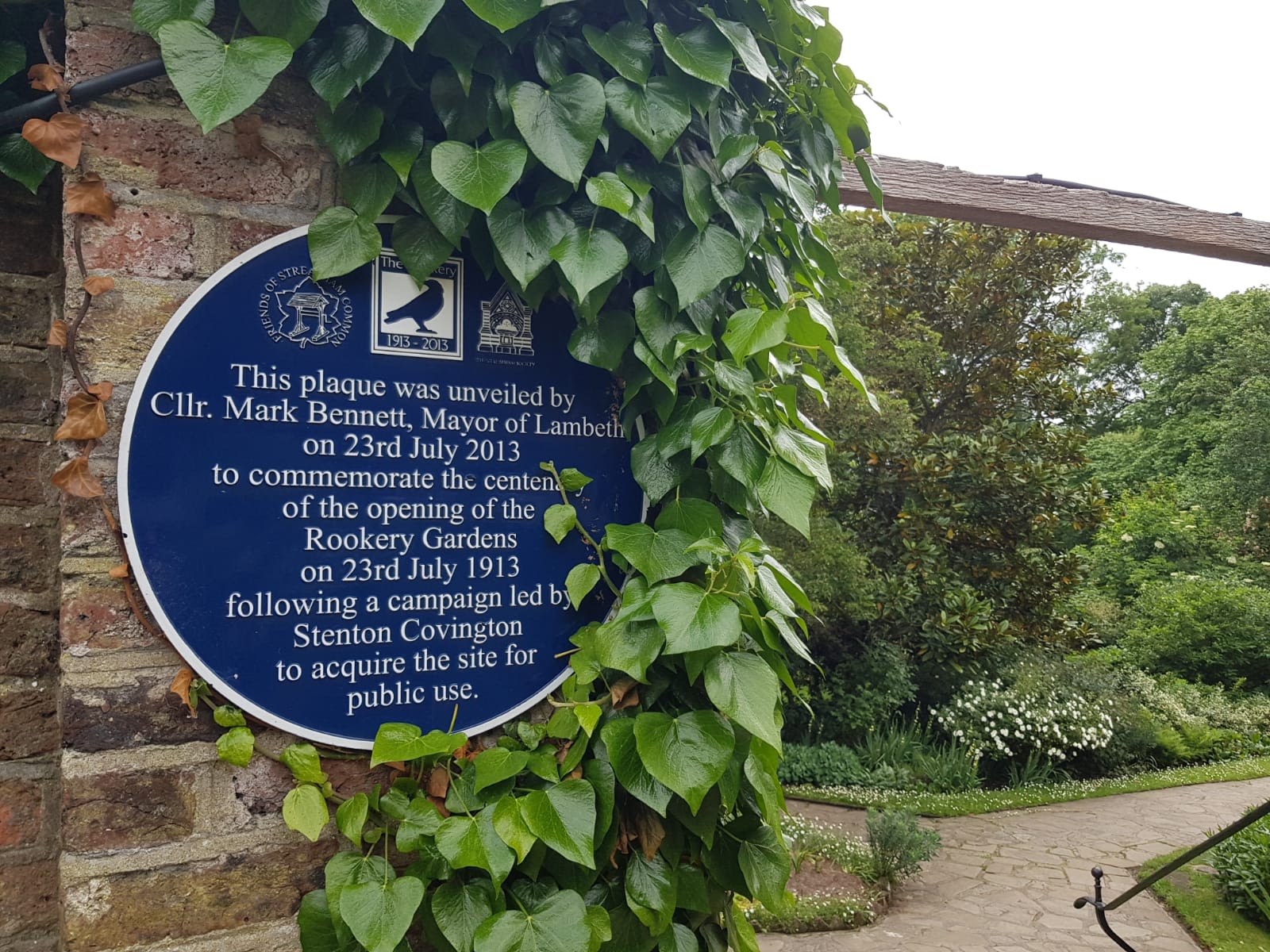
Streatham Rookery Gardens is a feast for the senses. Upon passing through the gates at the top of the hill you are greeted by verdant meadows and trees. It is a tranquil place, far removed from its urban surroundings.
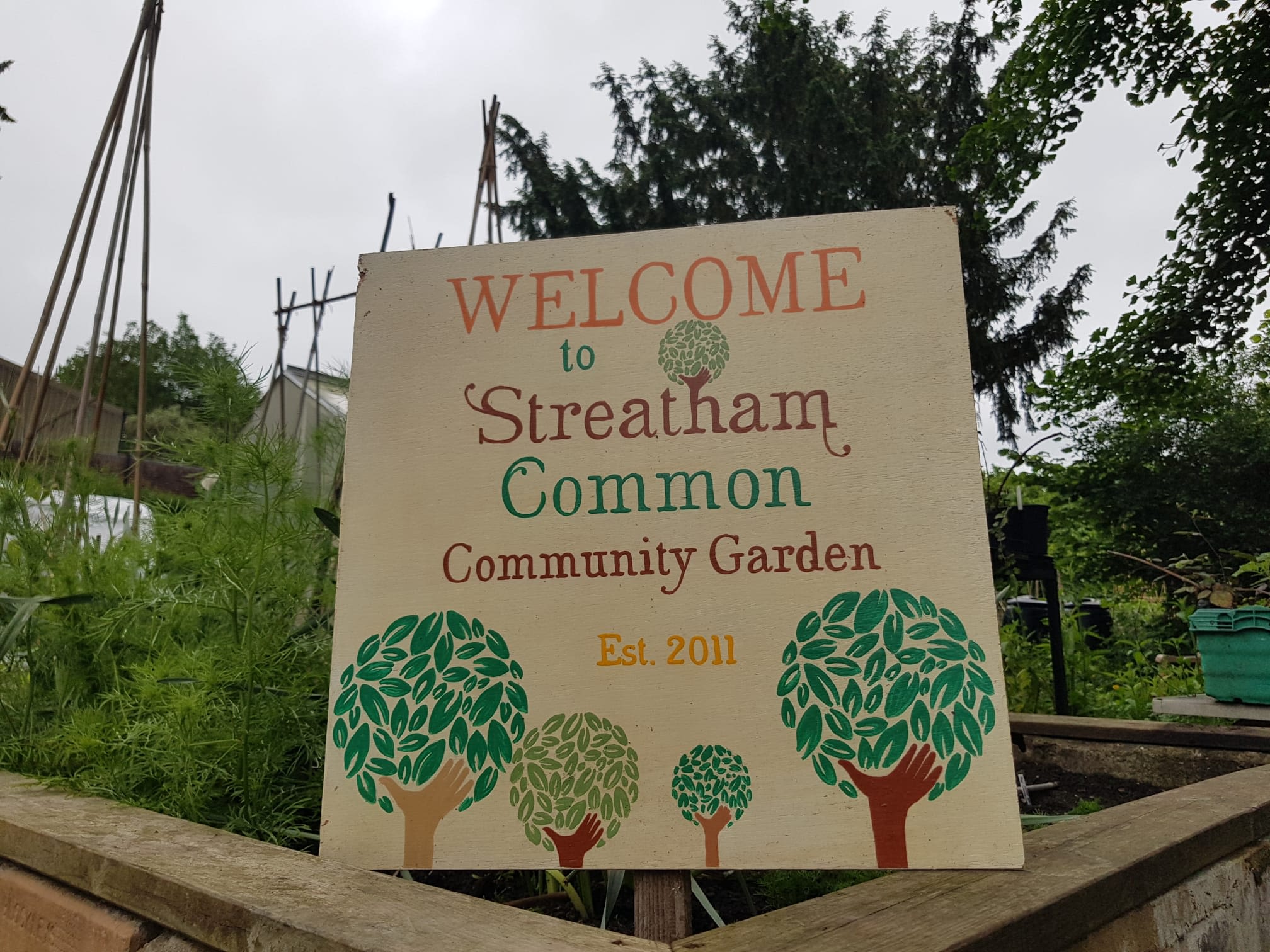
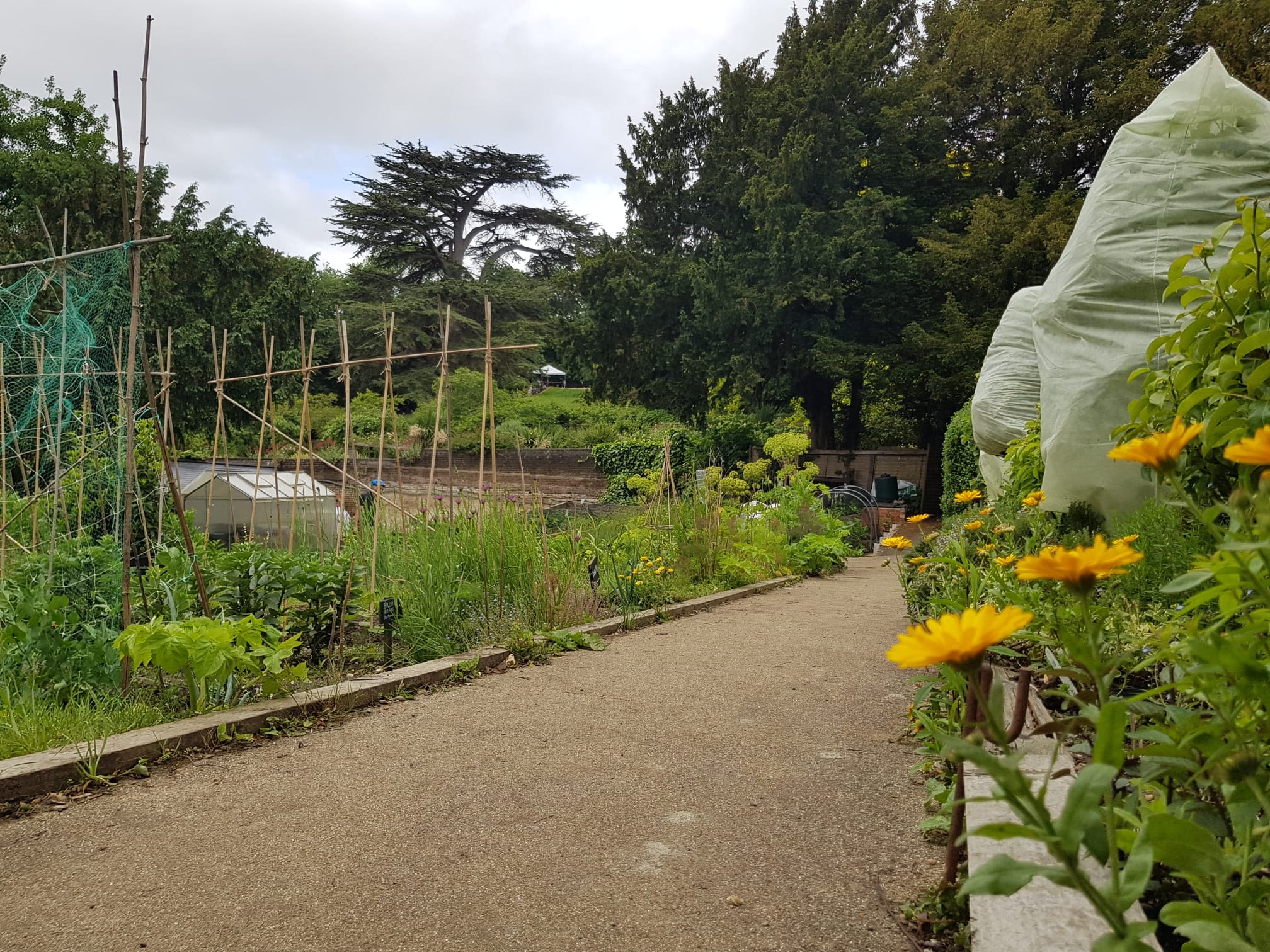
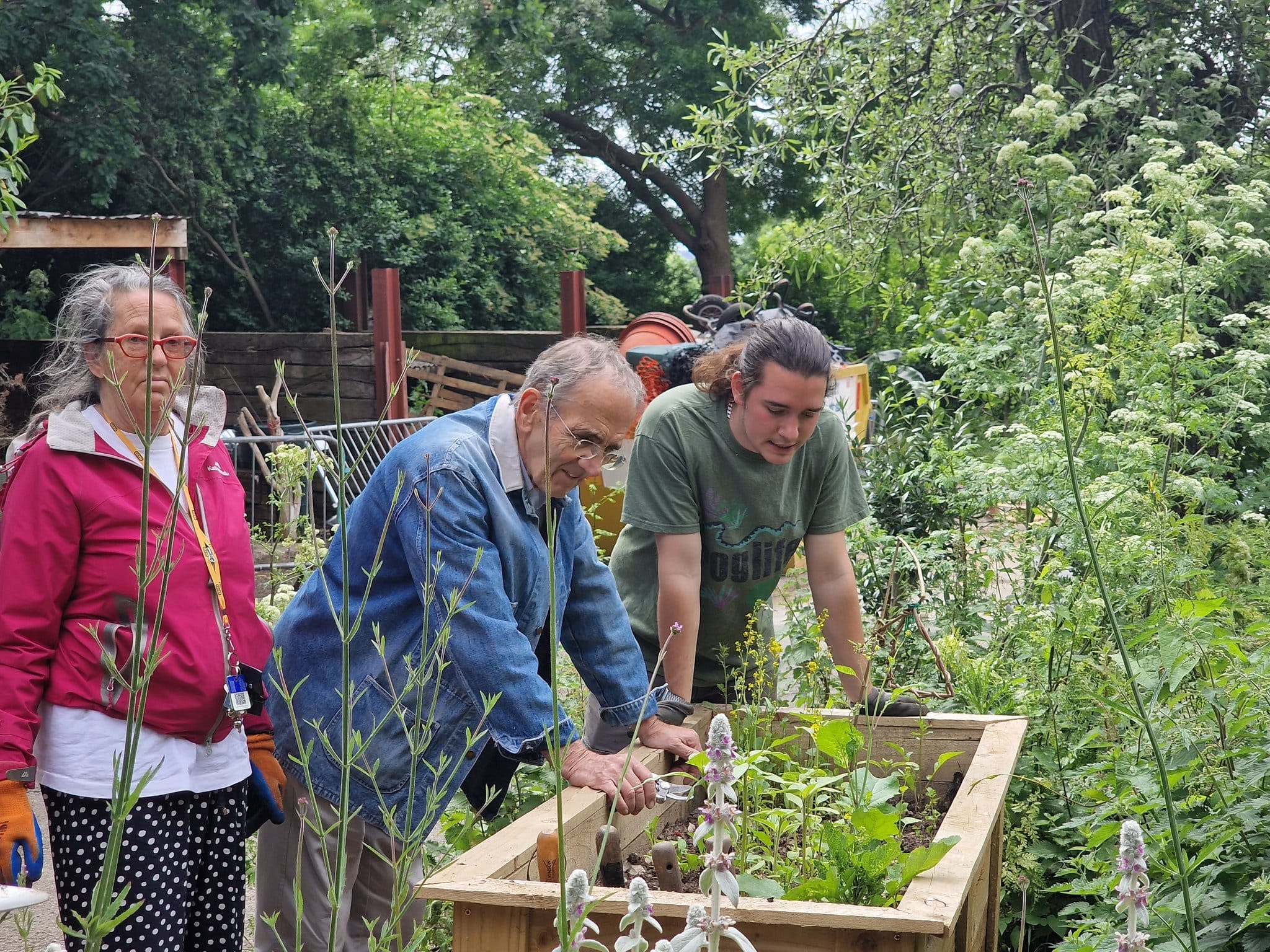
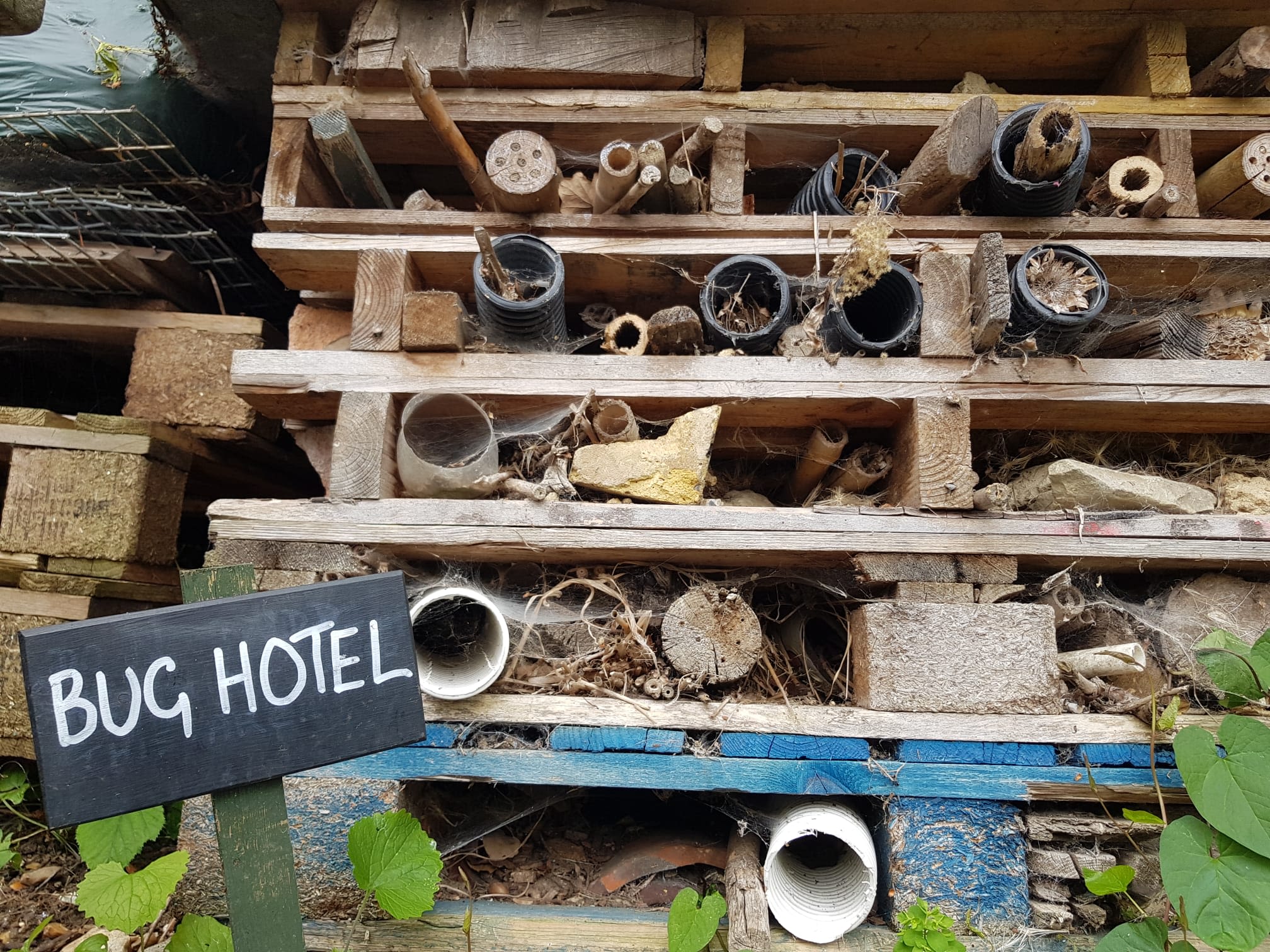
Streatham Common Community Garden is tucked away behind an old stone wall deep inside the Rookery gardens. It has the look and feel of a communal allotment without the connotations of exclusivity and stuffiness.
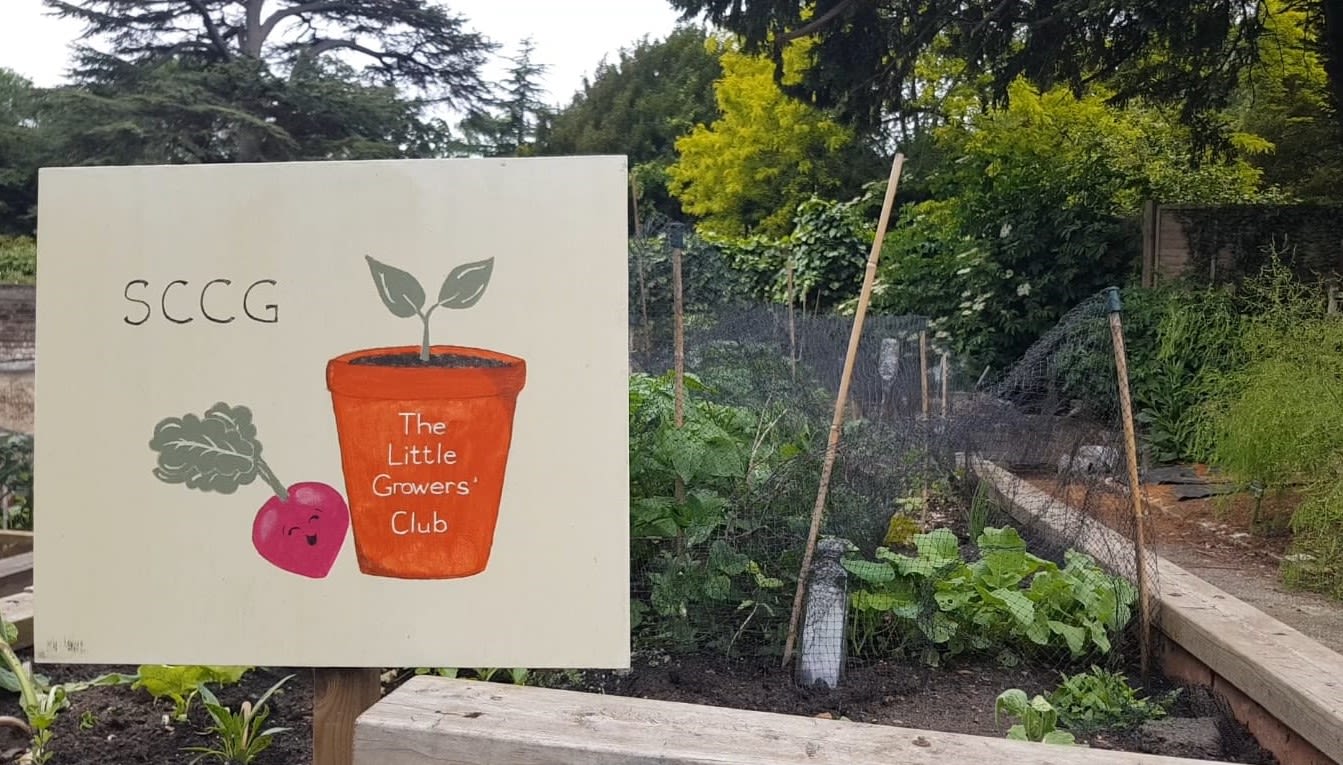
This garden exists for the good of the community. Instead of being governed by an interminable waiting list, plots are assigned to residents who have limited access to green spaces. Others projects like the The Little Growers Club provide a space for local primary school children to grow seedlings and foster a love for the outdoors.
However, it is the work of the charity Froglife that truly demonstrates the garden's potential.


Despite its prominence in public life, dementia is complex and often misunderstood. Alzheimer’s Research UK, a leading charity, give the following description:
“Alzheimer’s and dementia are two words often used interchangeably, but in fact, they are not the same thing. Dementia is not a disease in itself, but a word used to describe a group of symptoms that occur when brain cells stop working properly, notably memory loss and problems with communication and orientation.
"The symptoms a person with dementia experiences are caused by the disease that is affecting their brain. You can describe dementia as a ‘condition’ but not as a ‘disease’.”
Although dementia can stem from hereditary factors, the department of health and social care considers up to 40% of dementia to be preventable. Among the usual prescriptions of a healthy balanced diet and avoidance of smoking doctors also suggest regular exercise outdoors. In particular, experts stress the importance of time in green space and away from the stresses of urban life.
In her academic article “The Healing Power of Nature,” Denise Mitten, Professor of Recreation, Leisure Services and Wellness at Michigan's Ferris State University, said: “It is believed that the mind can be comforted and healed through time in natural environments.”
Furthermore, a recent study by Nkolika Janet Mmako also showed that green spaces were shown to support personhood, active citizenship and positive risk-taking for people living with dementia.
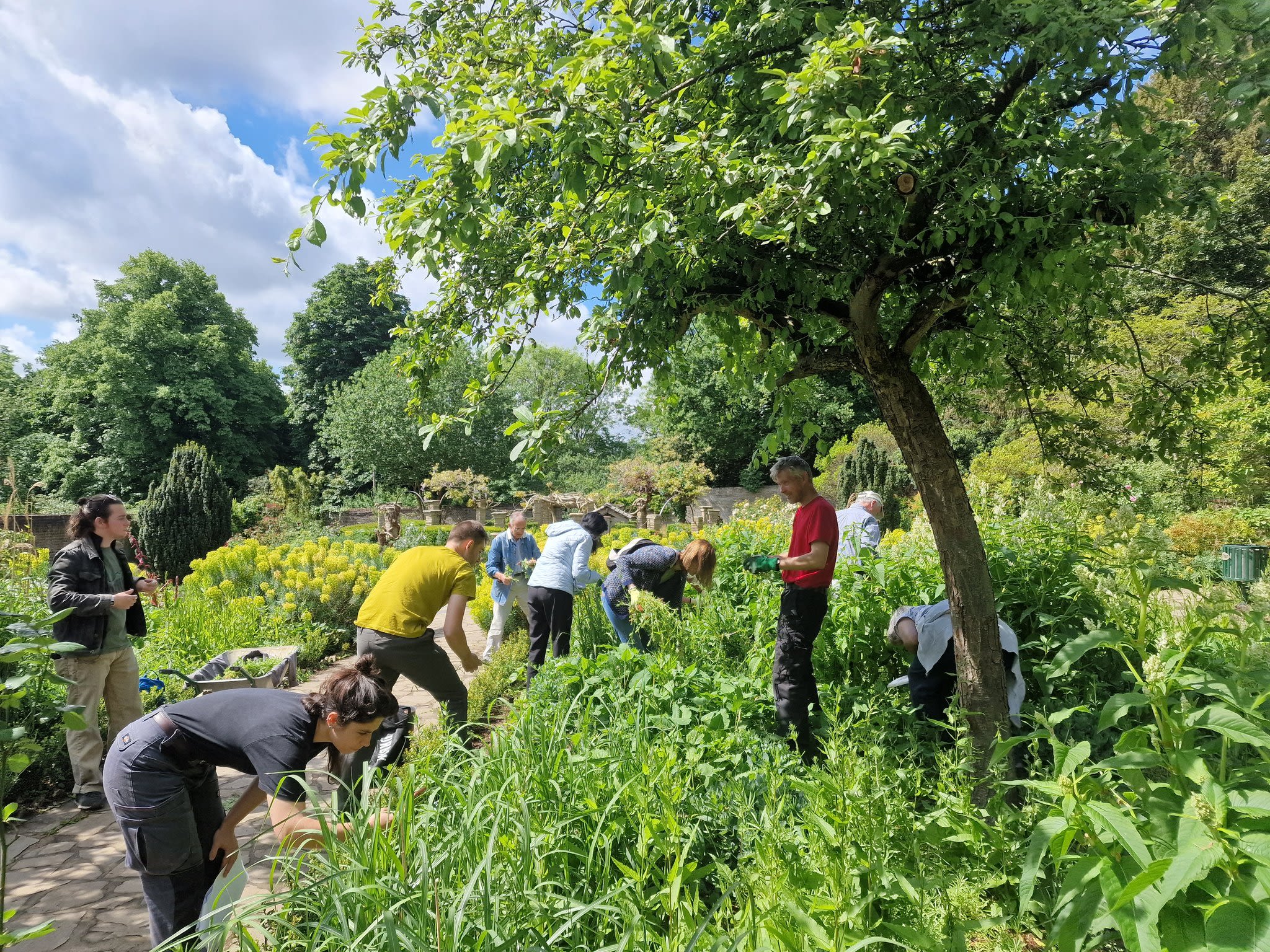
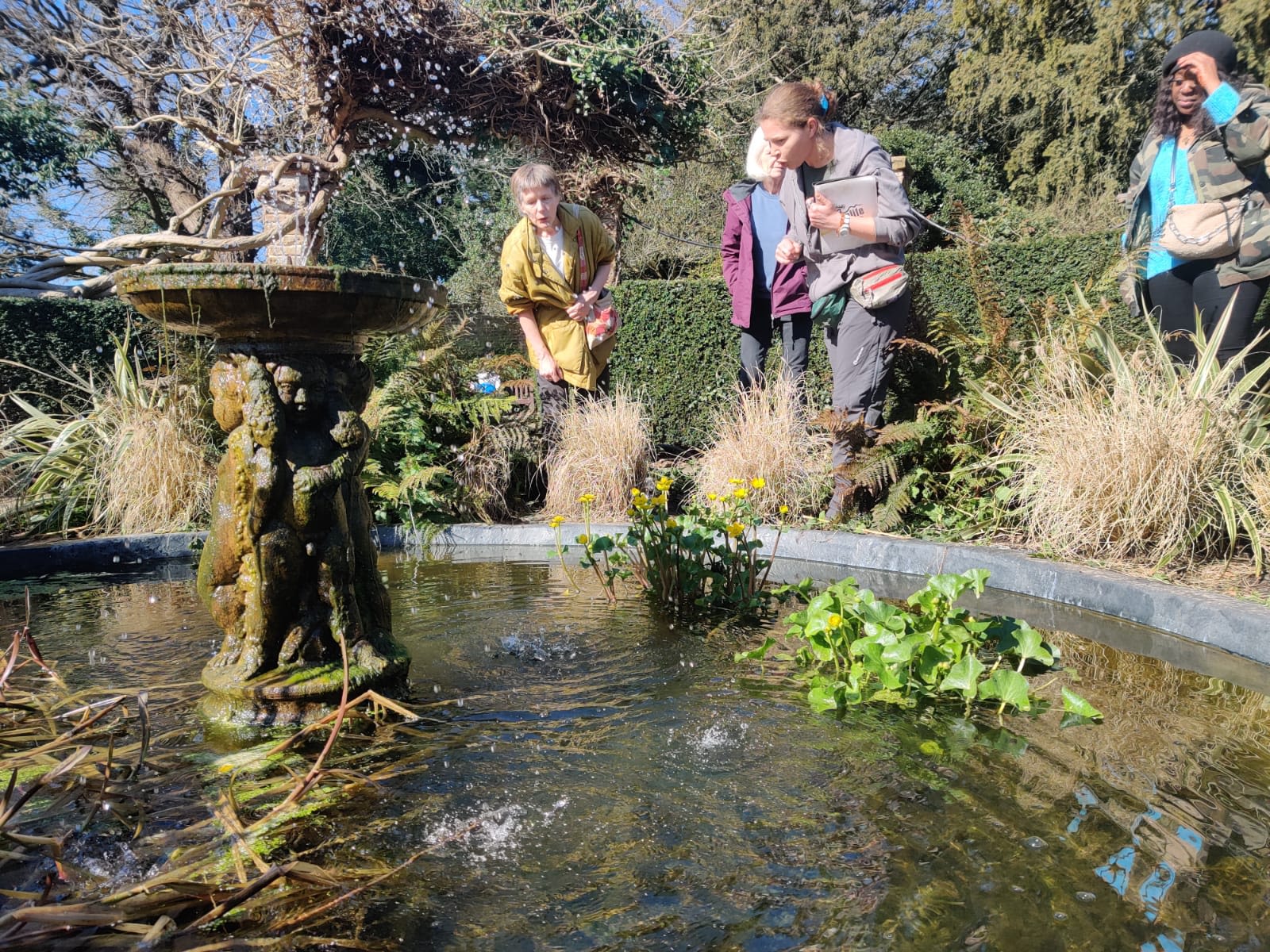
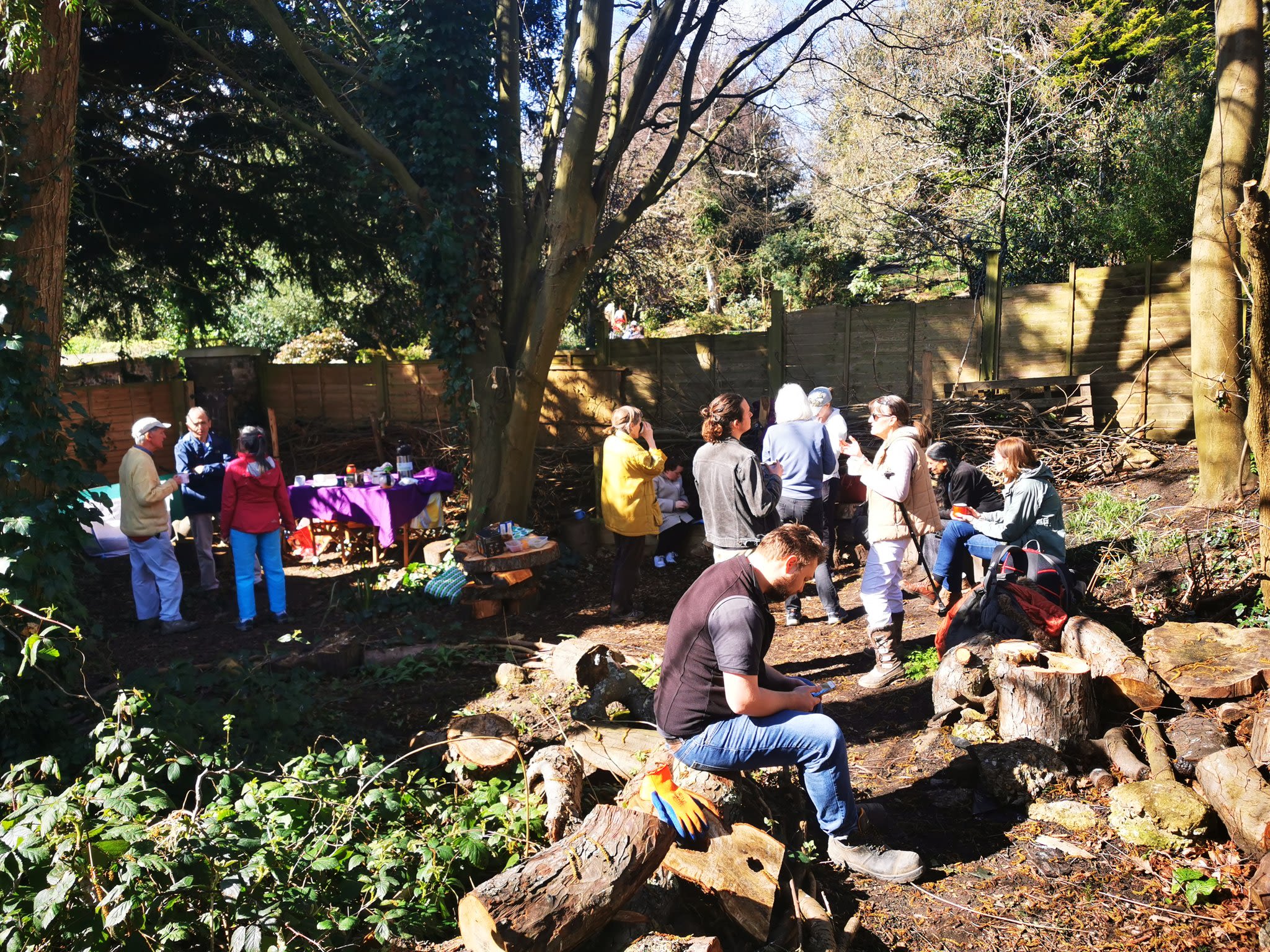
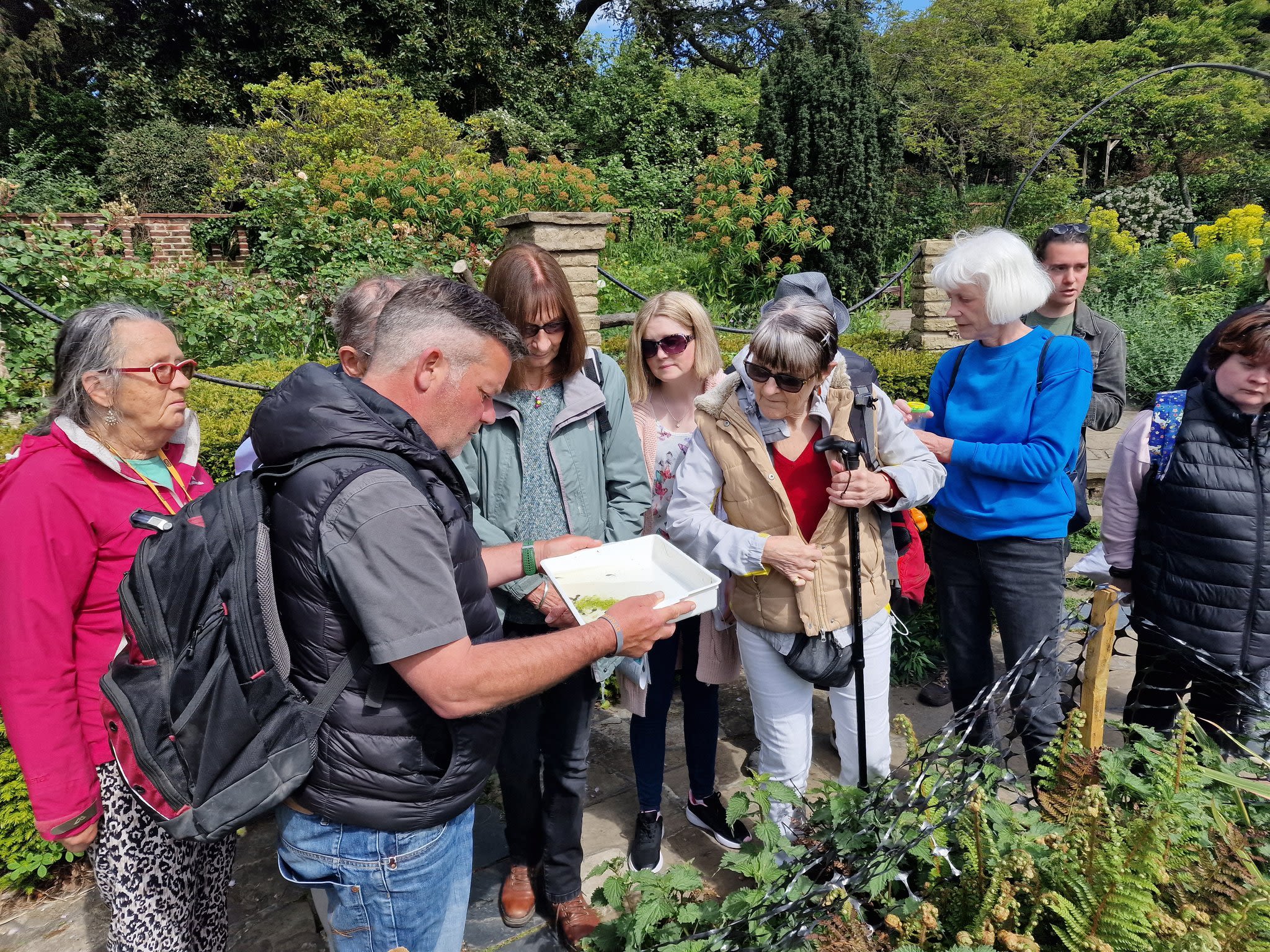
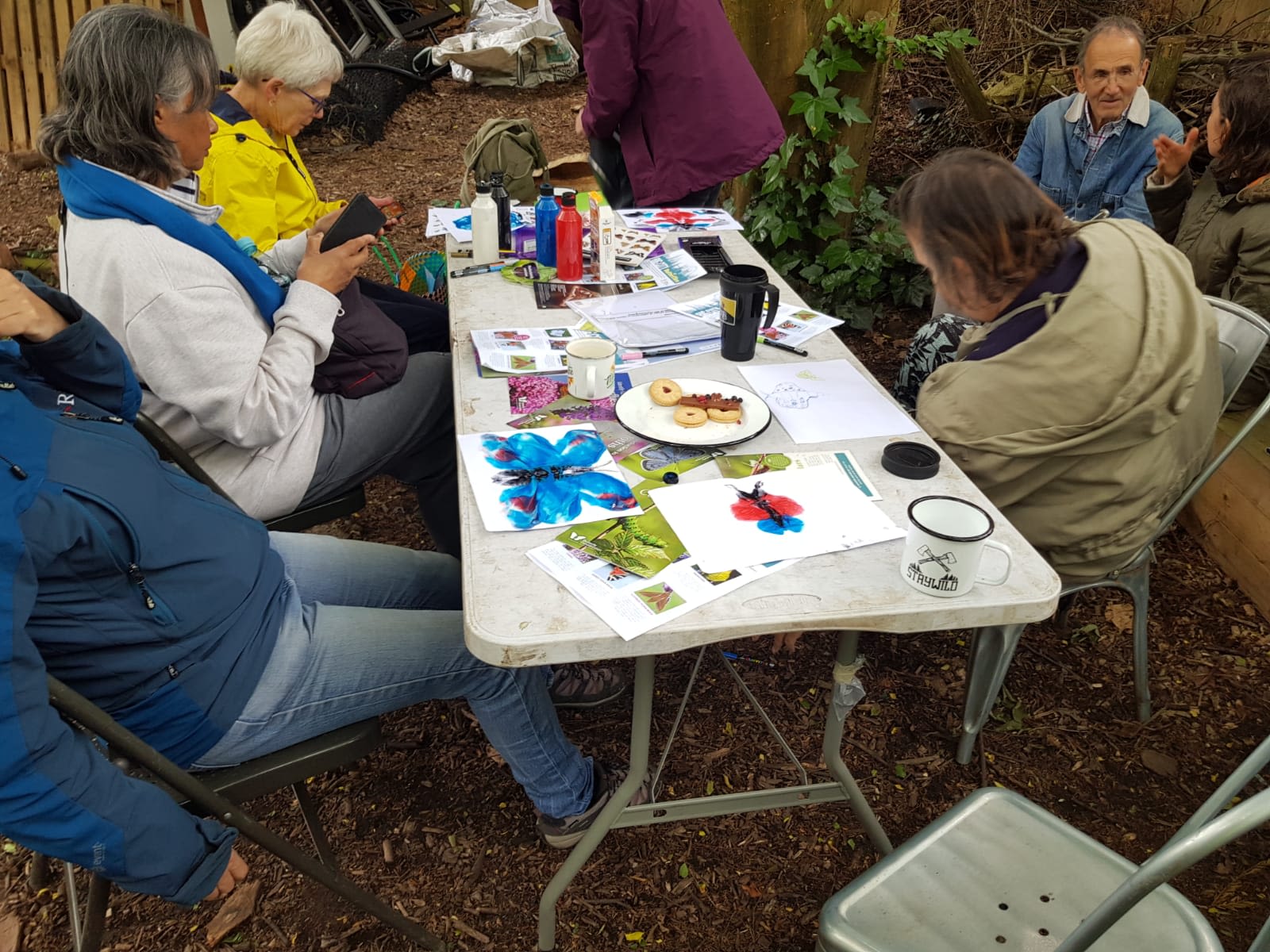
Froglife's Leaping Forward for Dementia programme, and others like it, are recommended to people diagnosed with dementia as a way to supplement their other treatments with regular access to green space. “It's about us getting outside and having fun through a kind of help-by-stealth” said Vicky Peet, 44, who is the head of the programme.
Programmes like Froglife's are not subsidised by the government and instead seek support from supporters like the City Bridge Trust, who require them to constantly demonstrate their worth.
However, judging by the dedication of Froglife's regular volunteers, their work is clearly impactful. "We've got a really stable group going, between about 12 and 20 people each week," said Vicky.
Froglife volunteer, Dylan Jackson-French, 24, added that the charity is even considering holding two sessions of its Wild Life sessions to accommodate people with dementia who find it hard to make the early day sessions.
The rise in popularity of programmes like this directly mirrors the pressures that come with an ageing population and an ever-tighter squeeze on vital services.
These factors and many others have precipitated a growing political appetite for action. Only last month, Health and Social Care Secretary Sajid Javid announced plans to boost the £375 million already committed for research into neurodegenerative diseases.
This ten-year plan, due to be published later this year, will focus on how new medicines and technology can be harnessed to improve the lives of those living with the disease across the county.
This commitment also comes as a response to the damage bought by the COVID-19 pandemic. The increased funding included in the plan will look to reduce the COVID backlog of dementia diagnoses, with 30,000 people facing delays during the pandemic.
This is, of course, good news for the approximately 900,000 people currently living with some form of dementia in the UK. However, the response from the Health and Social Care Committee suggests that this effort will not go far enough.
Committee Chair Jeremy Hunt MP said: "Too many families will still face catastrophic care costs and too many local authorities will not be able to sustain services at the levels most of us would consider essential for our own loved ones - so unless it covers funding shortfalls, in particular, it is unlikely to make the changes hoped for."

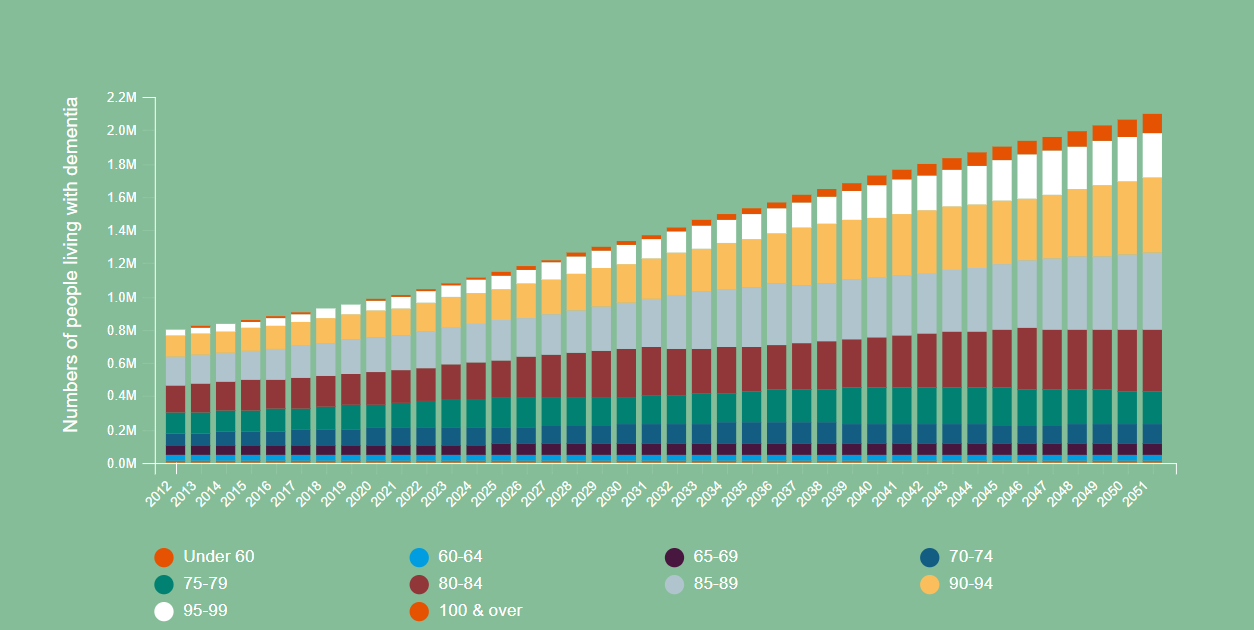
© Alzheimers Research UK
© Alzheimers Research UK
The promise of a 'breakthrough in dementia treatment' is splashed across a tabloid's front page every other week. It is a surefire good news story that offers hope beyond the gloomy news landscape. Yet, however impressive these treatments are, most of us will never reap their rewards in our lifetime.
Programmes, like those delivered by Froglife, offer free to use services that have a demonstrable impact on their users. This accessibility means they are available to all members of the population, regardless of their financial situation.
Although it currently has the support of philanthropy groups like the City Bridge Trust, Froglife still relies on the generosity of local authorities and donors. Just like all charities, it must fight for its right to exist.
Even the site on which Froglife frequently operates, Streatham Common Community Gardens, fights to maintain its presence in Lambeth. When speaking about conservation funding Mered Jones 47, Head Ranger at the Streatham Common Cooperative (SCOOP) said"it is sustainable but we need some public cash to make it sustainable."
The efforts of charities like Froglife and SCOOP to bolster conservation and volunteering have led to Streatham Common and the Rookery being officially recognised as a Site of Importance for Nature Conservation.
Appreciation for the gardens and their accompanying volunteer programmes is clear to see." I couldn't be happier with it really" said volunteer Dylan. Local authorities and charities alike have made an effort to promote programmes like Leap Forward for Dementia on social media and through referral services.“The medical profession and the green and blue social prescribing professionals have been extremely supportive” added programme lead Vicky.
However, the challenge lies in spreading awareness and support amongst those who are outside of its immediate sphere. Given the worrying rise in degenerative diseases, programmes like those offered by Froglife will become more important and hopefully, one day deemed essential. It is therefore up to us to promote them and protect our local green spaces. They are, after all, a peaceful sanctuary in an ever more urban world.
 Built with Shorthand