
Football on Film
The growing use of film photography to capture the beautiful game
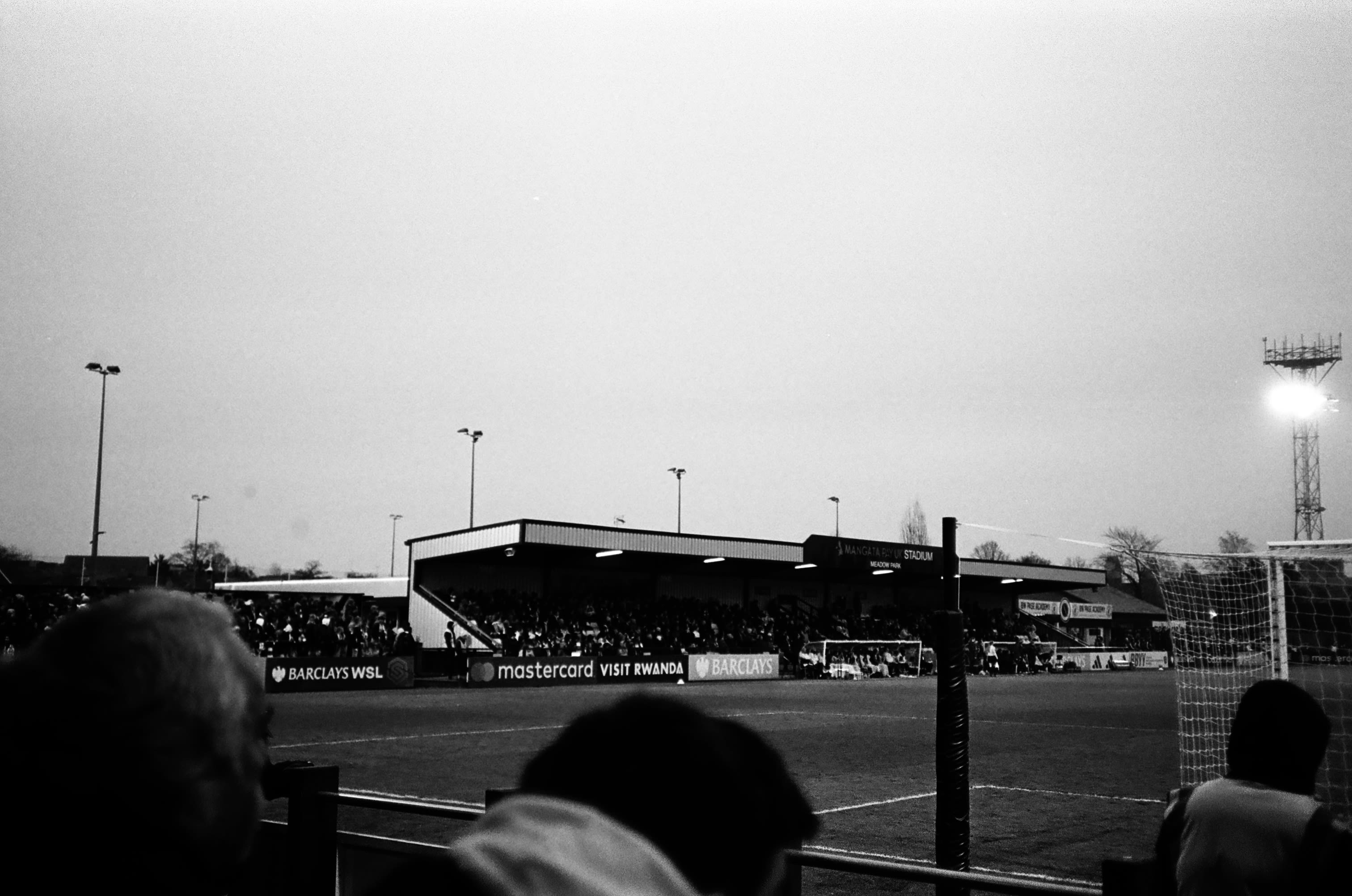

Since the pandemic, there has been a surge in yearning for the old school hobbies of life’s past. From people collecting vinyls to a return to physical books over using a kindle, or dvds instead of streaming services.
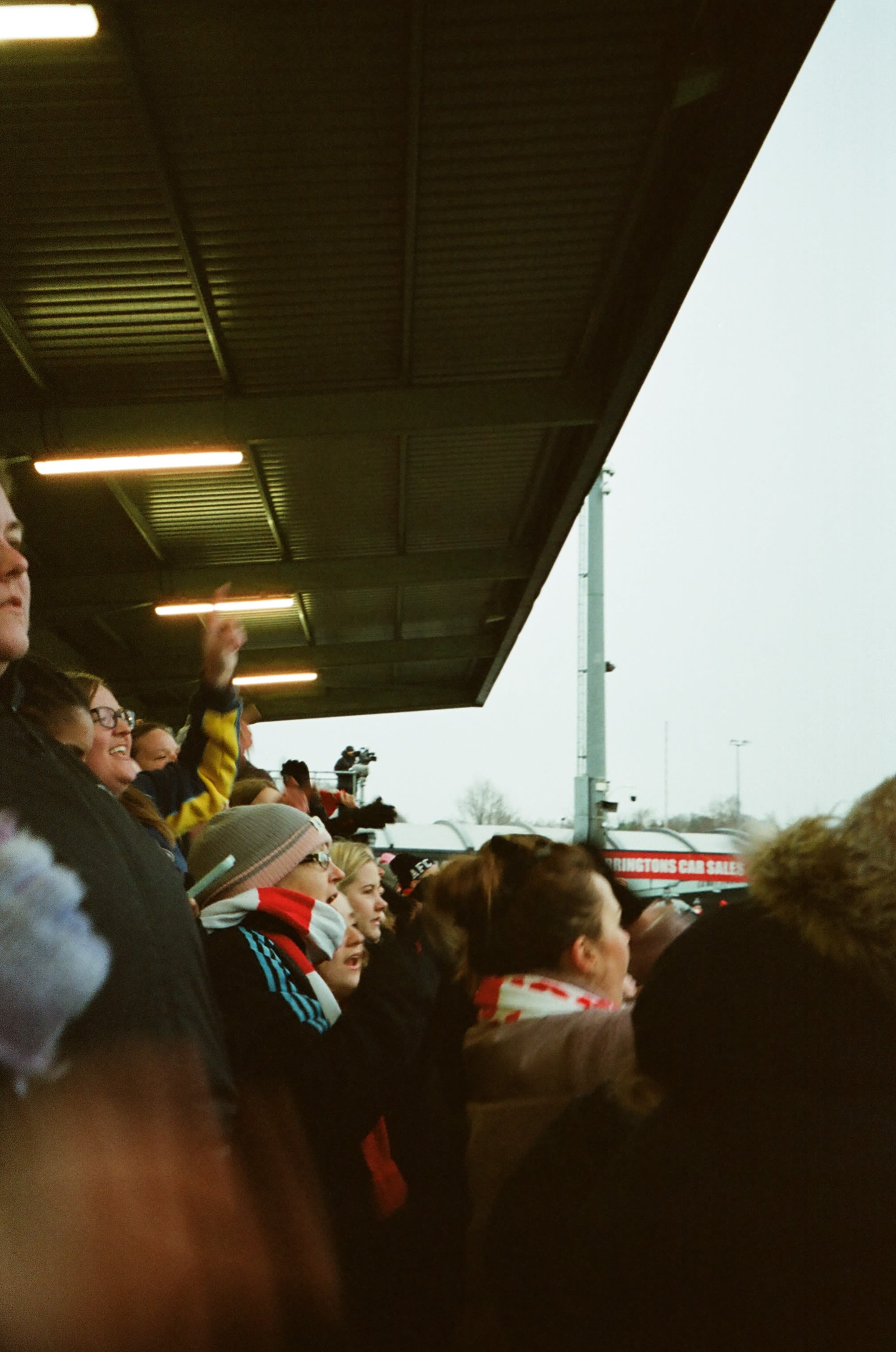
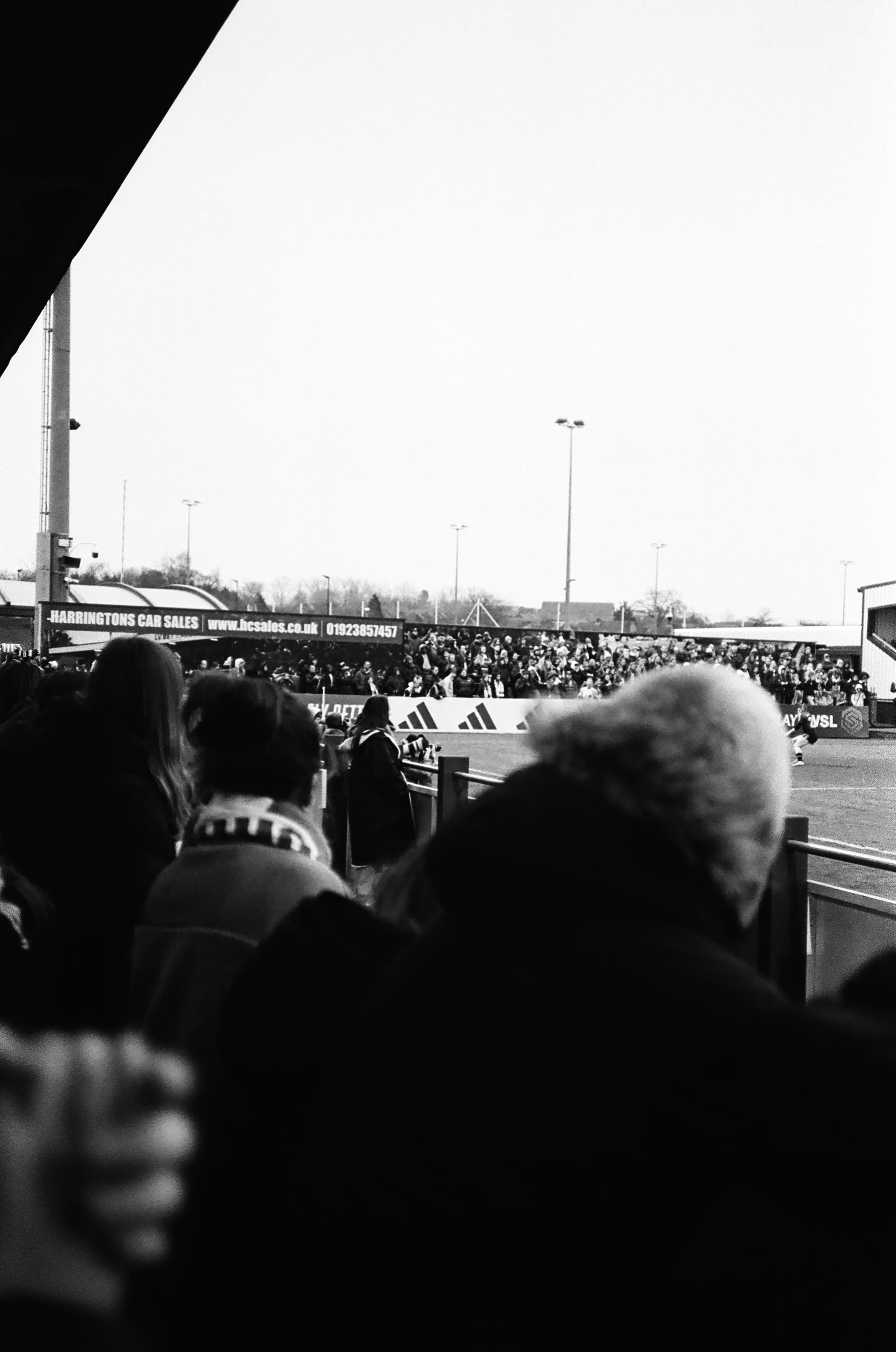
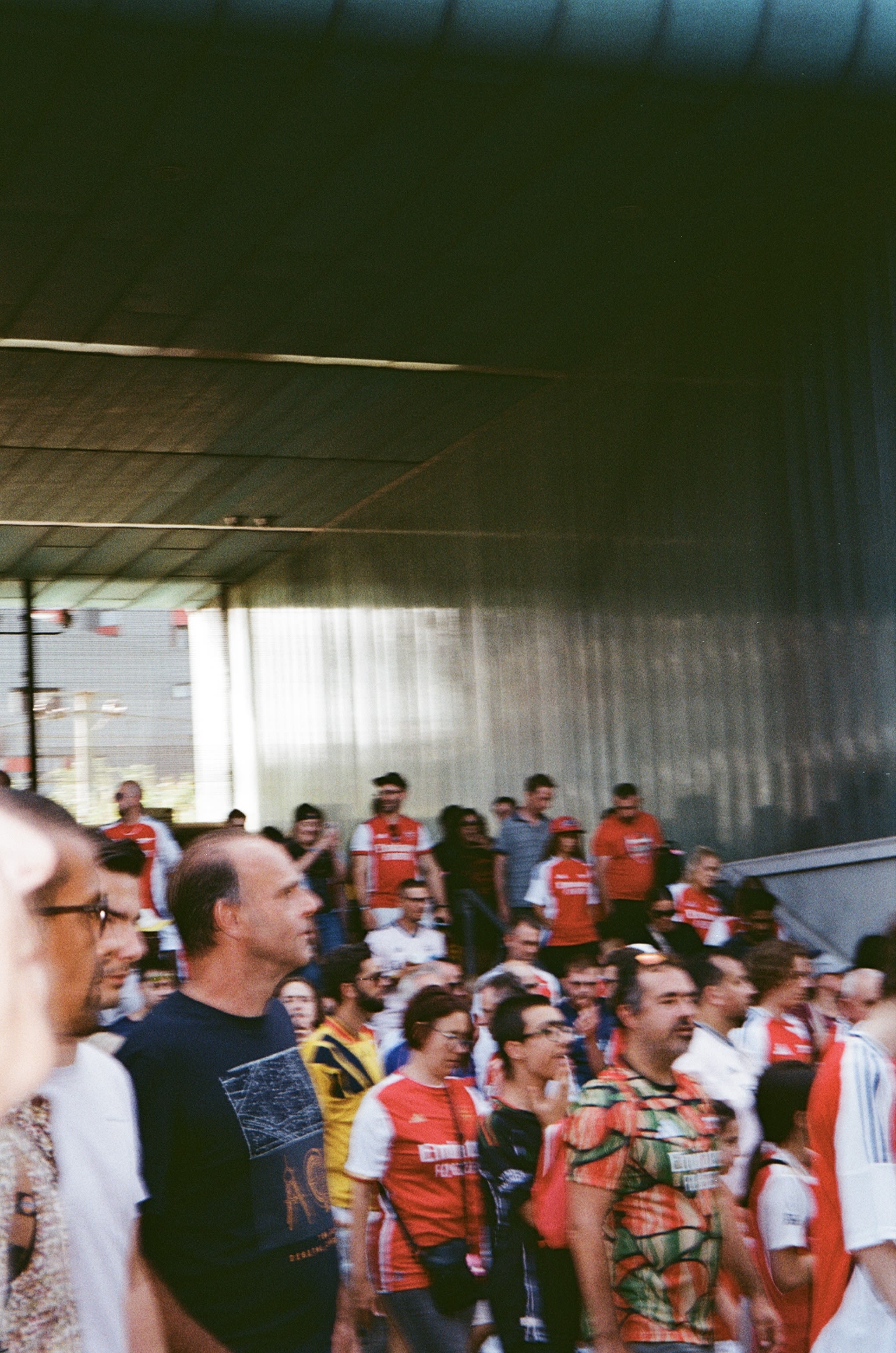
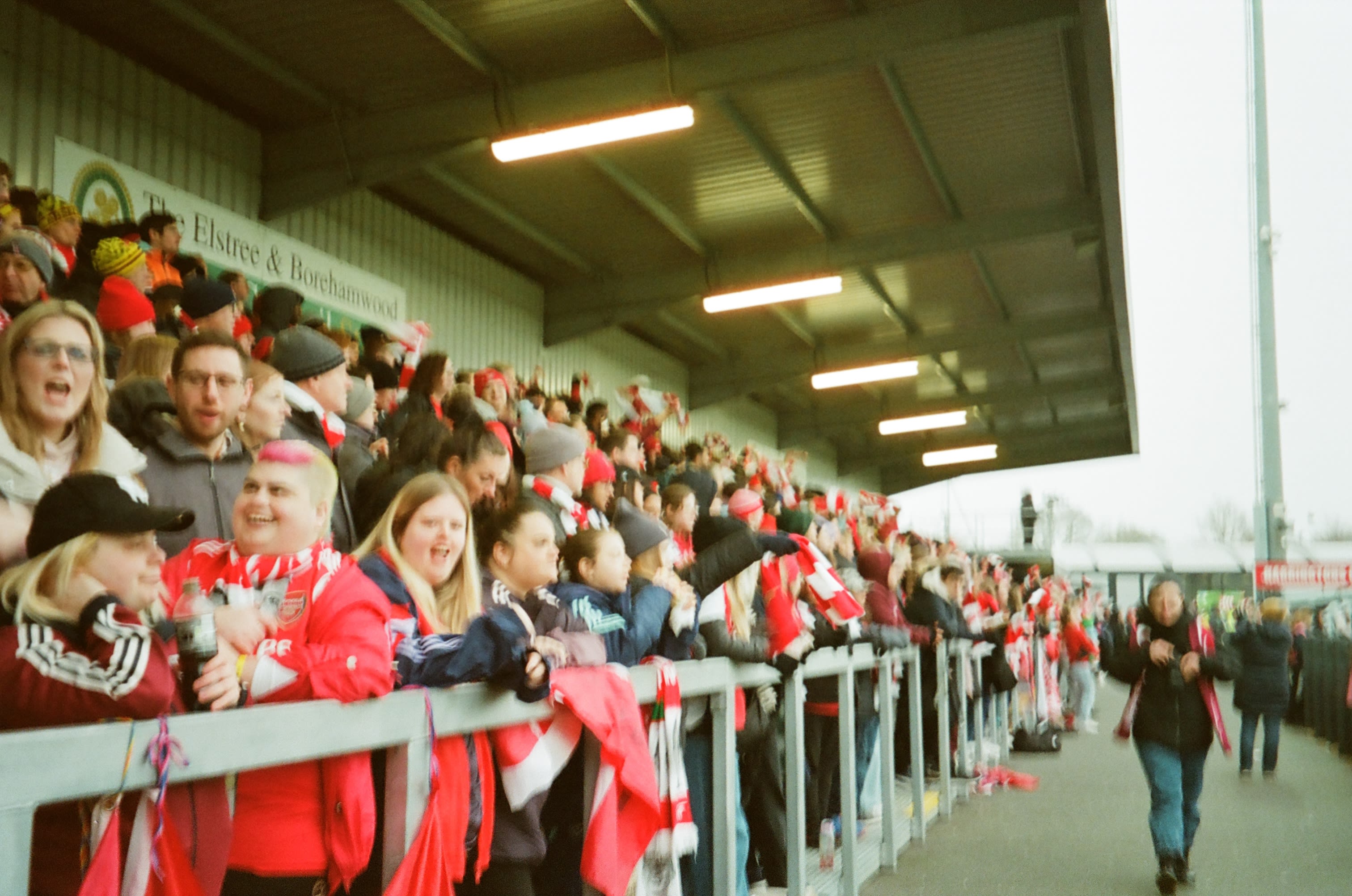
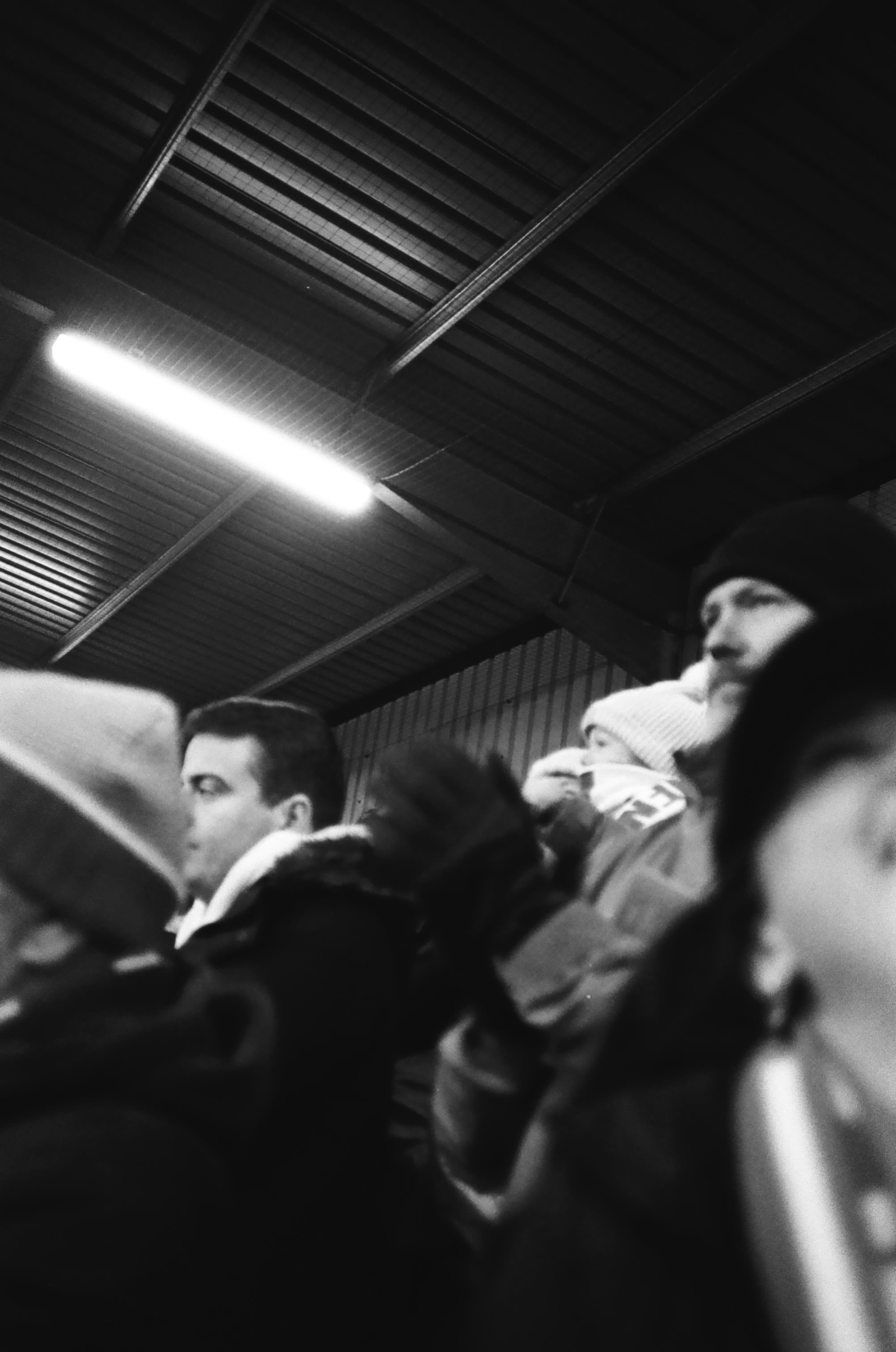
That growing nostalgia is also reflected in fan culture and sports, exemplified by a rise in the use of 35mm film to capture moments from matches that fans will remember for a lifetime.
Football leads the charge of this new trend. Fans are using 35mm film to capture games from the Premier League and Women’s Super League to international level.
In doing so, a new side of the game is being shown across the board, one that is expressing the heart and soul of the sport and their interactions with it, in a medium which is as old as the game itself.
(Photos by Liberty Simons unless otherwise specified)

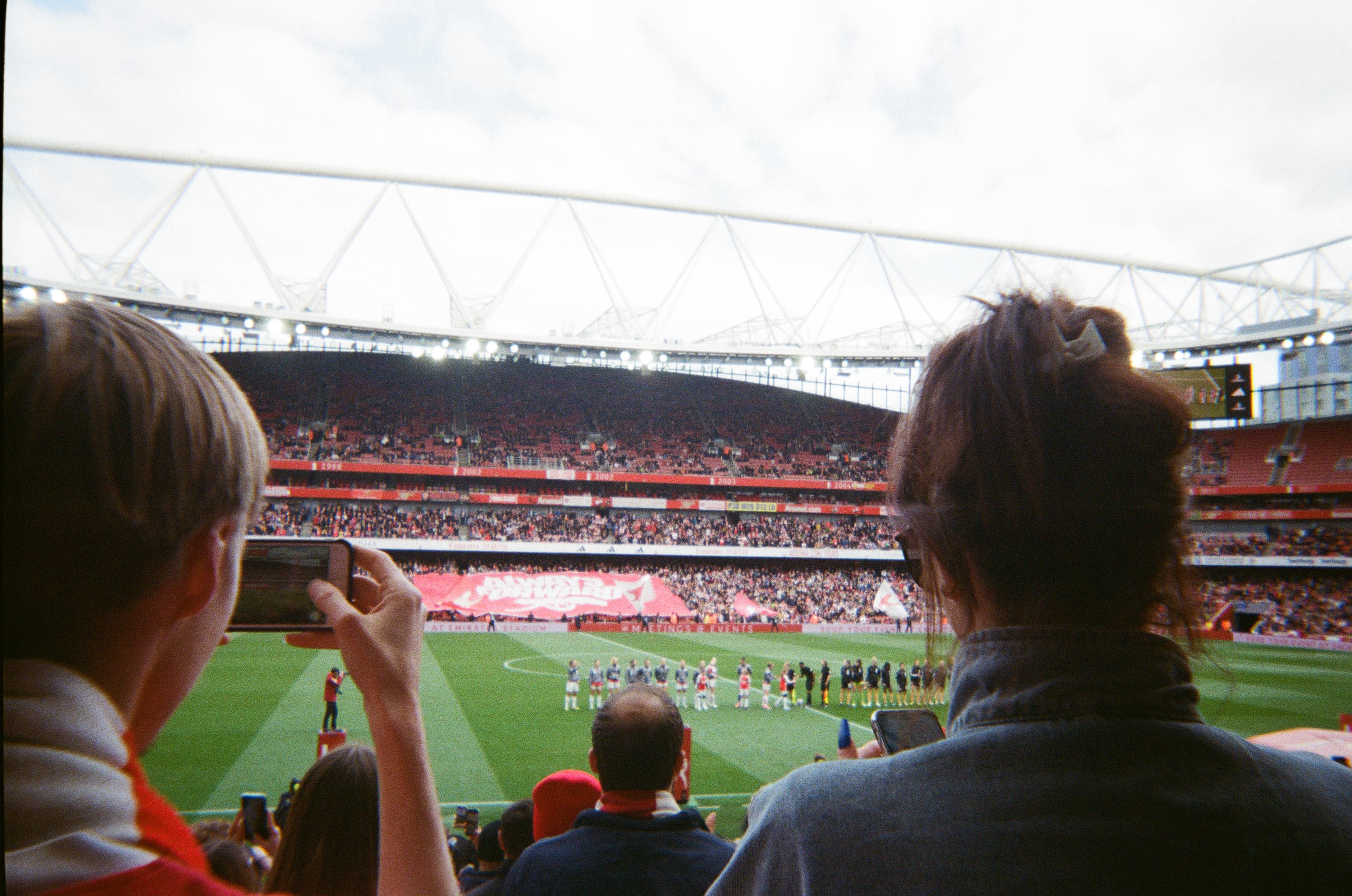
The use of film combined with the ever-increasing use of social media in sports creates the ability for photography to be shared more regularly and freely.
The medium adds unique intimacy and feeling to photos. The added grain and colour of the specific film type chosen means each photo is different from the other, and vastly different from photos captured on digital cameras.
This increase in social media to share art in football is also being used by clubs, leagues and competition to find and work with film photographers for their own content.
Clubs are collaborating with fans to bring their perspective to main stream content, using Instagram and other social media platforms to show off the work by film photographers on their channels.
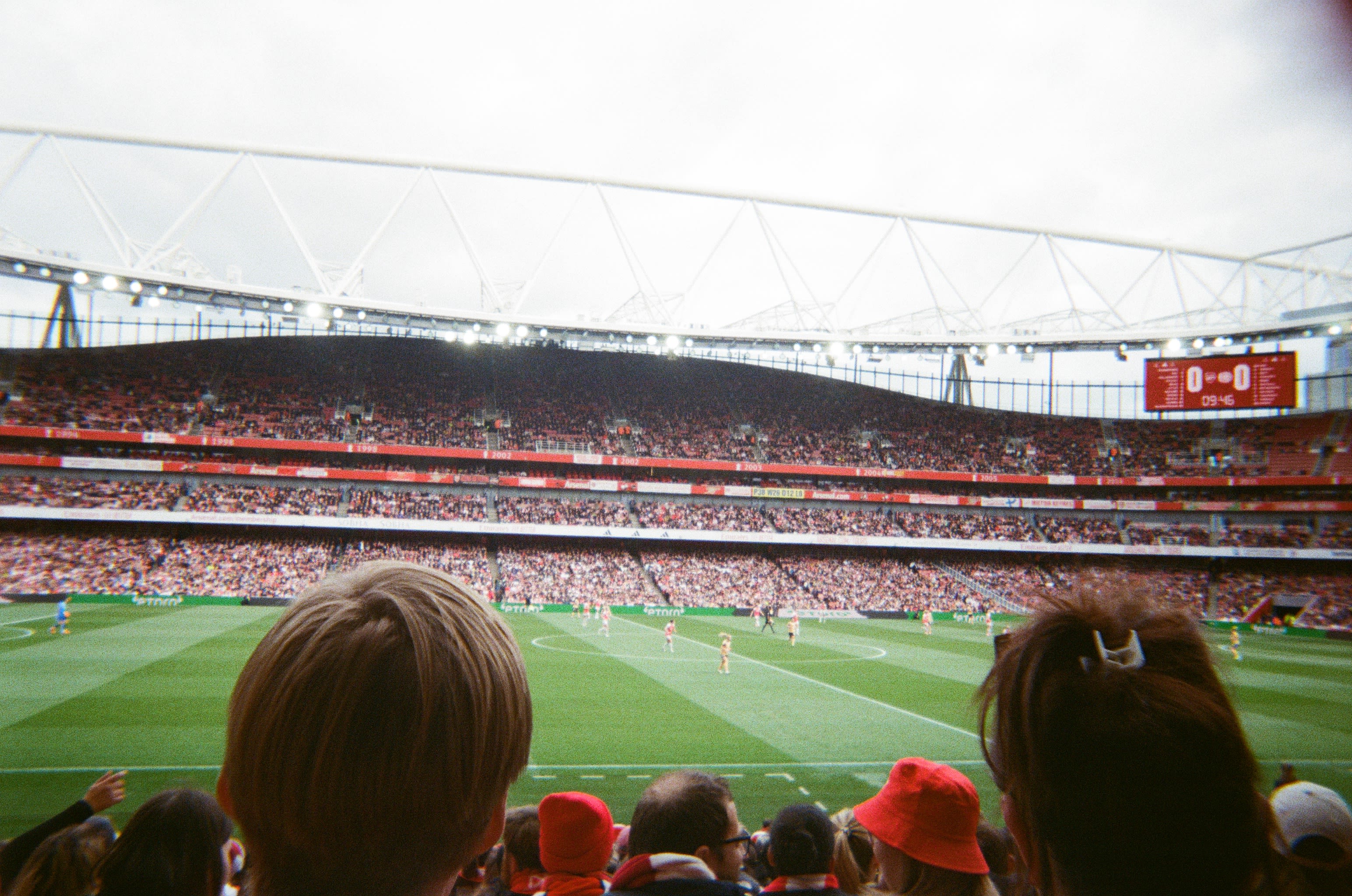
Louise Sturdee is a designer, photographer and passionate Fulham fan, who has been capturing the game on film for a number of years. She has been taking pictures of her beloved Fulham, as well as a number of women's games, from sell outs at the Emirates to big Lionesses matches.
Found on Instagram as 35mmlou, Louise has captured a number of games far and wide on the medium, including two international trips to the World Cup in Australia and New Zealand, as well as the Paris Olympics. Following her adventures on the other side of the world, she also produced a zine of her photos from the tournament.
Louise said: "For me, nothing compares to film photos. Don’t get me wrong I love digital too and film can’t do everything. But I think my main aim for photography is to always capture the moment and the experience, and film does that so authentically.
"I think the risk of film really adds to it. You might think you’ve got the perfect photo and it comes out overexposed or blurry, but that’s the beauty of it. I love the whole process as well as the photos."
Louise started shooting on film because of her mum.
She said: "She’s a cool girl and always has been, all my baby photos are on film. She found an old camera of hers and let me borrow it for a trip to Barcelona back in 2019. I’ve basically been hooked ever since!"
She combined film and sports after reading a book by photographer Stuart Roy Clarke when she was around 16. In the book, Stuart captures fans and stadiums in the game alike. This something Louise has taken into her own photography.
She said: "I loved so much how he reflected football culture and the fans. His photography spans decades and it has such an emboldened narrative. Football has come a long way and still has a story to be told."
Louise added that the medium adds an extra layer of energy and atmosphere to photos.
She said: "There are some phenomenal digital photographers in sport doing incredible things with their photography, but there’s just a depth to film that is near impossible to replicate, though many come close."
"But I think my main aim for photography is to always capture the moment and the experience, and film does that so authentically."
- Louise Sturdee

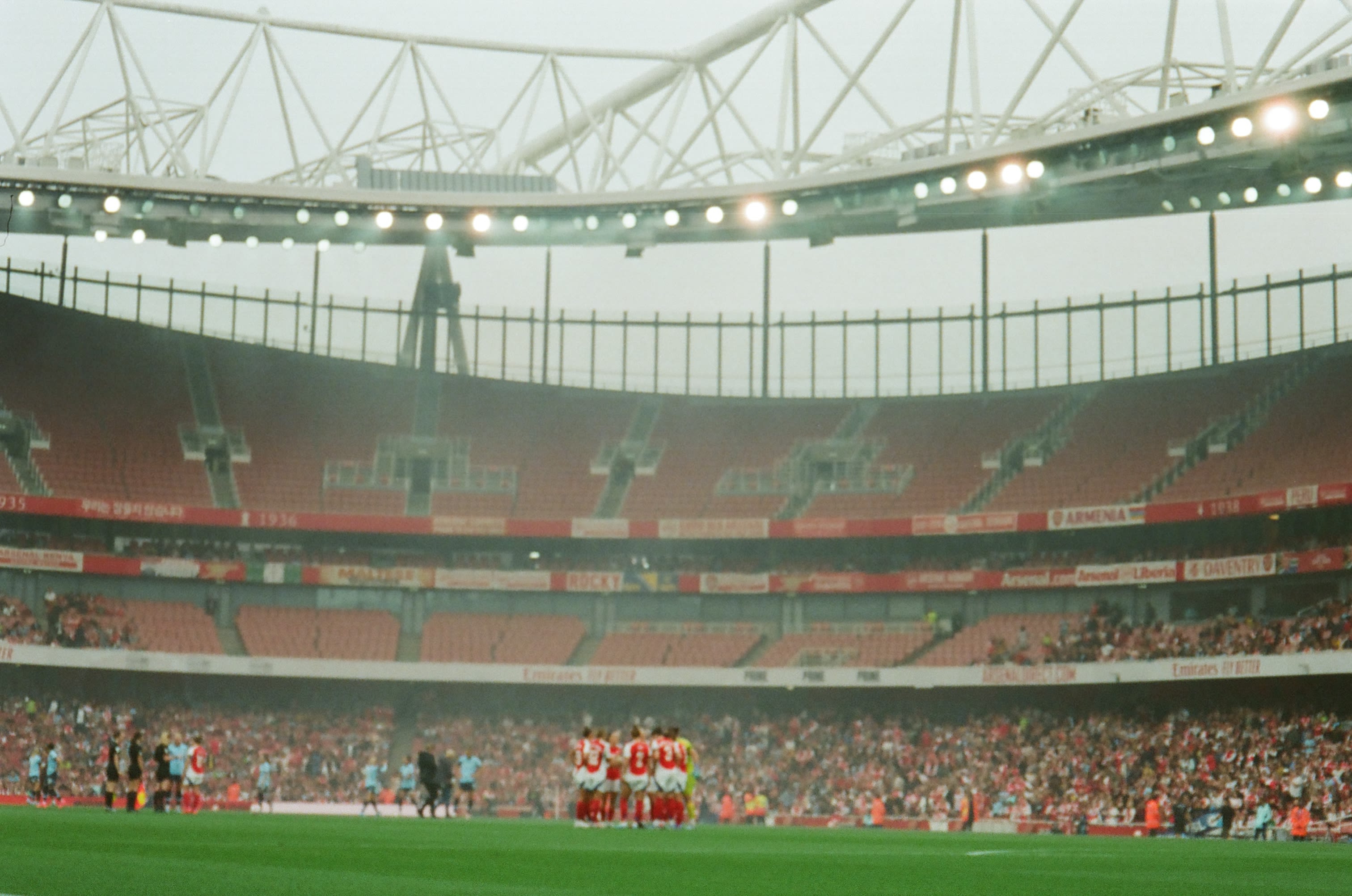
Outside of fan culture, film photography is being used to connect fans and athletes. Many players have started using 35mm film to bring fans closer to the behind the scenes of the game and show a different side of the sport that has not been tapped into before.
In the age of media training, social media and film photography are showing a side of footballers that have been missing in the last few years.
Athletes across the world are expressing themselves through film, offering insight into their world away from the pitch and action.
One of the most well-known examples of this is German international Laura Freigang. The footballer set up a separate Instagram account for her photography, gaining over 29,000 followers.
The midfielder has also captured and produced two photobooks of her film photography from both the Women's World Cup in 2023 and the Paris 2024 Olympics, where she won bronze.
The photobooks quickly sold out and are representing the hunger for authentic content created to represent the game in the digital age.
Louise said: "I think film photography is currently thriving so well. It’s so good for content and really elevates the experience.
"But I think there’s so much space for it to be used behind the scenes! Like Laura Freigang, it’s so great for understanding the authentic experience of football form that POV.
"Ultimately I think it’s such a distinct way of demonstrating people’s experience and doesn’t just need to be from the fan perspective!"
Outside of this, other publishing companies have produced photobooks and zine style pamphlets to spread tangible photography to those who want to own them.



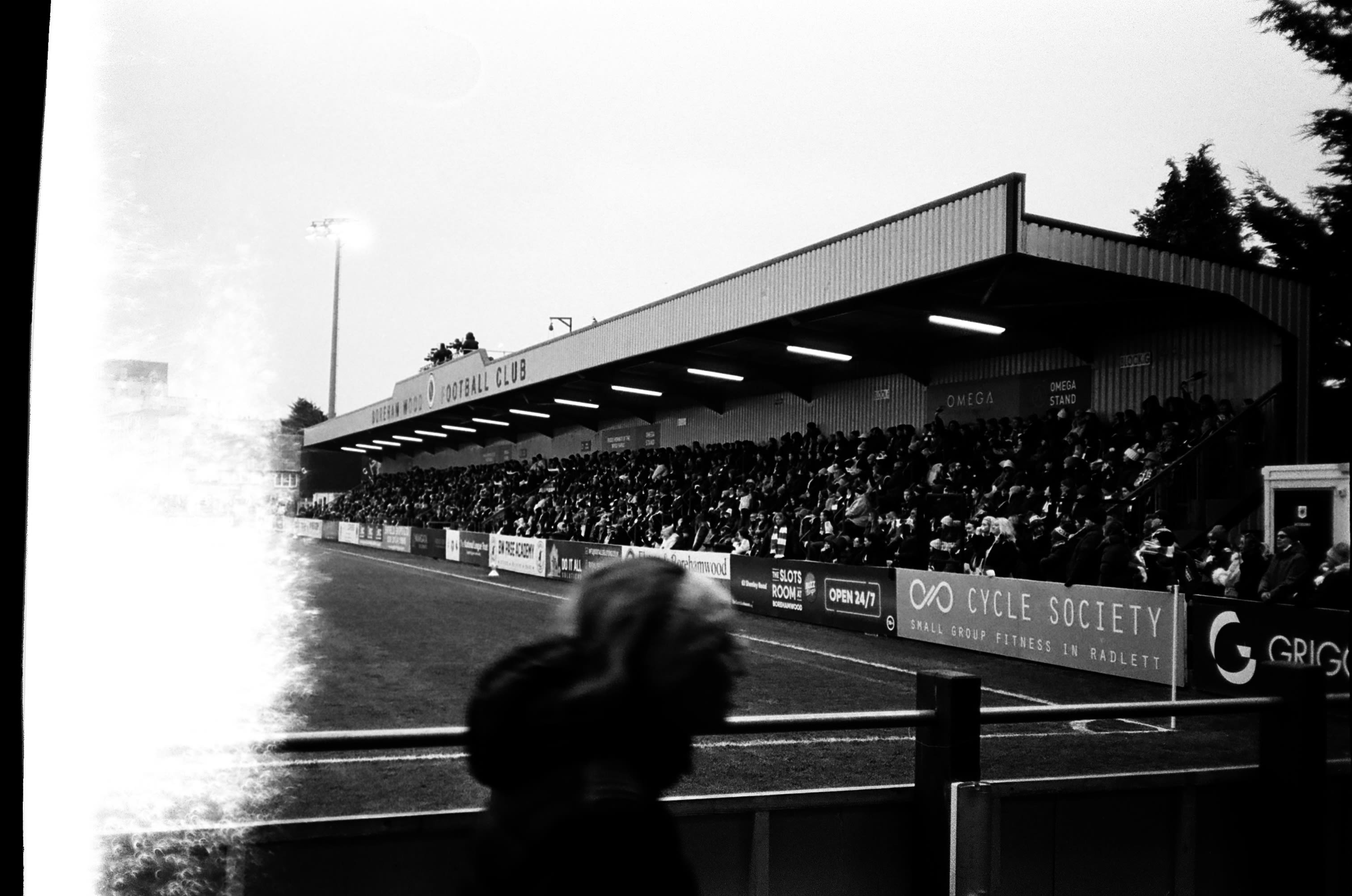
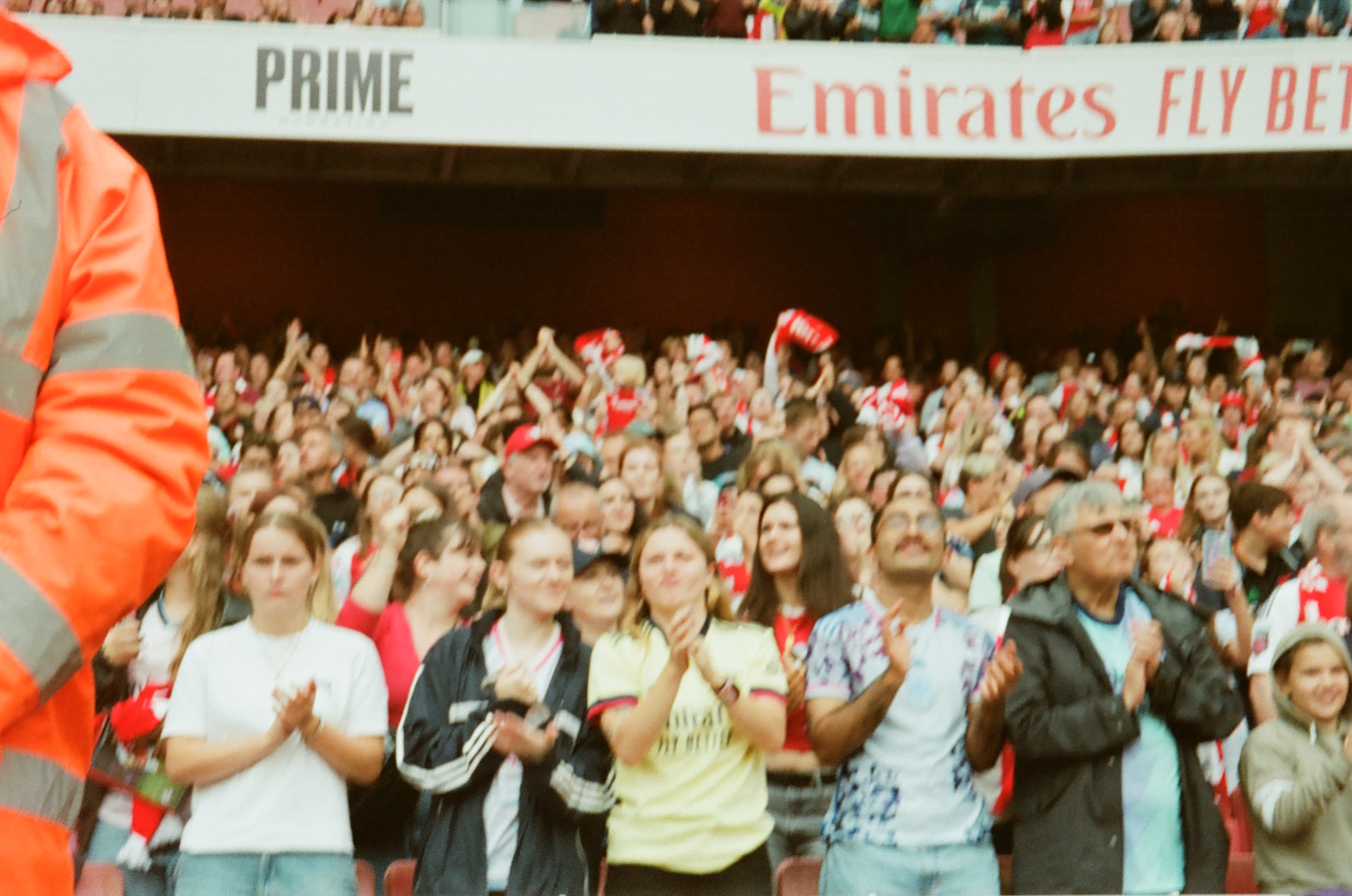
Sam, or stoppage_time_winner, also spends match days capturing the beautiful game on film. Based in Edinburgh, Sam has worked with a number of clubs and countries, from the Scotland National Team and Sunderland, to capture football in the North of England and Scotland.
The Covid-19 pandemic saw Sam's introduction to film. His brother-in-law handed him his grandfather's old cameras, lens and film from the '70s's and Sam hasn't looked back.
He said: "I really love seeing the old, forgotten and abandoned equipment get a chance to shoot again. I know he loves seeing his grandad's stuff getting that new life too."
Unlike other photographers, it was film photography that saw Sam taking his cameras to games.
He said: "I didn’t really take photos of football games before I used film if I’m honest. And during lockdown it became clear to me that I’d taken going to football a bit for granted.
"So when I went back I saw people interacting with each other after such a long time. It reaffirmed in my mind the place that football clubs have in our communities, and that seemed like something with capturing.
"Football is also quickly changing, and rarely for the better. So, I did (and do) feel an obligation to capture as much footballing culture as I see it now, while it still remains."
In a world of quick access and immediacy, the lack of that exact thing in film photography is a key aspect of the craft for Sam.
He continued: "We live in a world where life in general, but in particular, visual culture is immediate and available any time we want. There is a delayed pay-off baked into it. You take the photo, send it off for development and you never know what if going to come out the other side.
"You wait, then wait, then wait again. Finally, the email comes through from the photo lab with the download link.
"That moment of apprehension where it feels like almost everyone other than you know if you’ve had a great shoot or a rubbish one."
However, the cost of shooting film and the decisions that come with it do weigh on his mind.
He said: "Each shot probably costs about 50p or more, which if you’re shooting 90 mins of action, soon adds up. It’s therefore essential to actively think with each shot you take. What am I trying to say with that picture? Is the lighting right? Is the composition good? Obviously all photographers consider those things, but with film you have one shot.
"Once you press that button, there is no turning back. That element of immediate self-editing has completely changed how I go about the process of taking a photo and my experience of photography more broadly.
"It’s about the process and how it makes me think differently about photography. It’s about enjoying a unique much more personal process. Physically winding the film on, loading it up, learning to step back and accept that often the film will just do what it wants."
Overall though, for Sam, shooting on film has brought him closer to communities, people and the heart of the game.
He added: "Shooting on film has also given me some amazing opportunities to follow the sport I love that I don’t think I’d had access to if I’d been using digital media.
"Clubs are always looking for a point difference or a new way to tell their stories. I’ve been able to be pitch side for some big games, been able to work with inspirational fan groups and tell some really cool stories."
"Shooting on film has also given me some amazing opportunities to follow the sport I love that I don’t think I’d had access to if I’d been using digital media."
- Sam

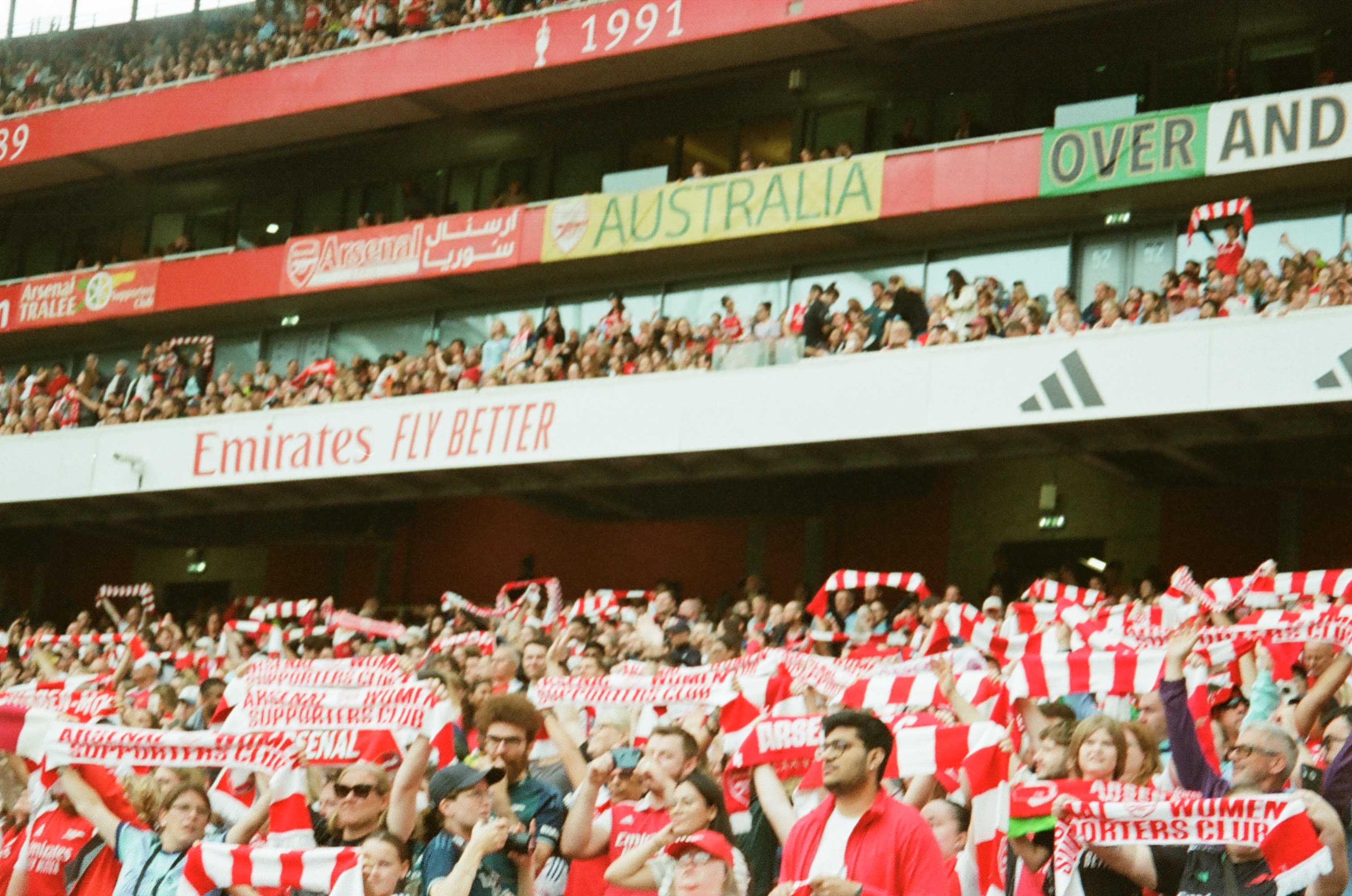
Social Media and Film
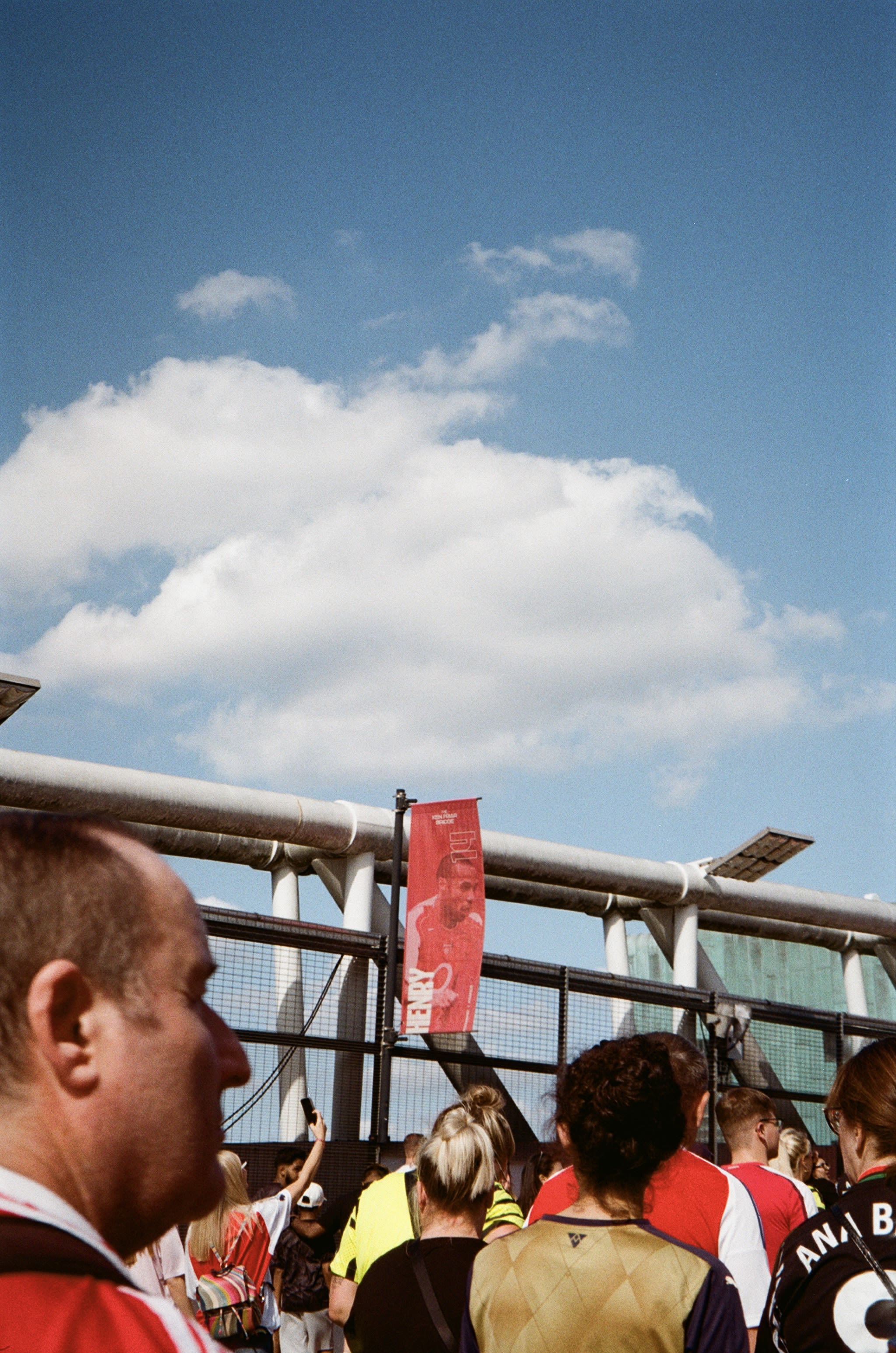
Many photographers like Louise and Sam are using Instagram and other social media platforms to share their work in the digital age.
They are part of a growing collection of photographers using these sorts of platforms to make themselves known to those in the footballing community, as well as a wider community of photographers.
This isn't just being used to connect with other photographers, it's also being used by clubs to contact, connect and work with budding photographers, or those using alternative methods.
Louise started working with Fulham through posting her photos on social media.
She said: "I came in to contact with their [Fulham] socials team through posting my own photography online. I think it’s especially great for away days because it’s such a distinct moment of fan community."
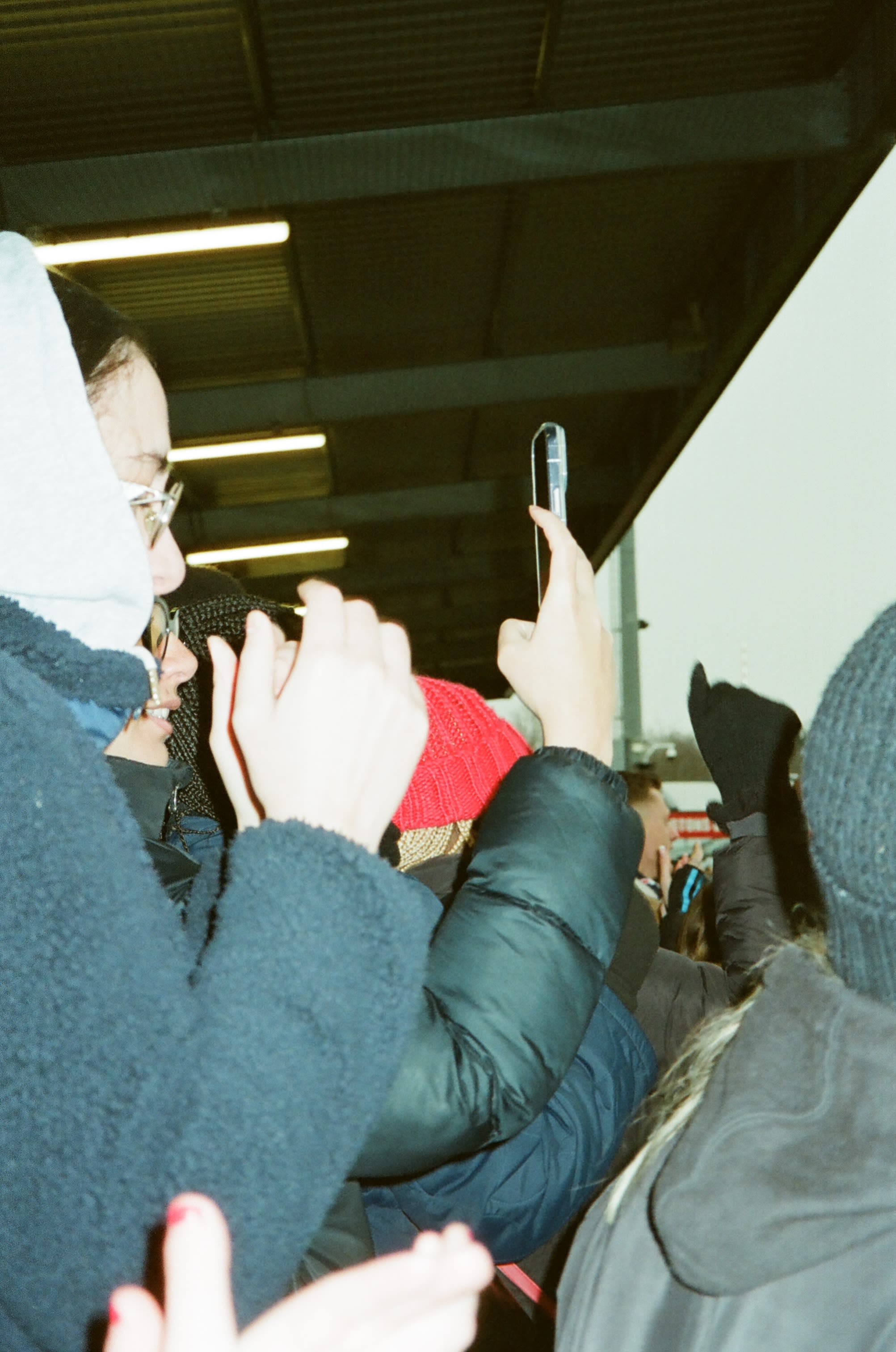
Sam views social media and film as an ever changing relationship.
He said: "Social media (in particular the footballing space) is a saturated area. I do thank fans want to see fan stories. They want to see the club recognise the existence of extraordinary members of the community and tell those stories in an engaging way. I think film photography can add that point of difference. I also think matchday images captured on film adds an informality, more human element that the high-definition digital stuff lacks.
"But obviously film photography comes with risks. I like to think the stuff I do is fairly consistent, and I am yet – and I stress, yet – to have any major disasters. But that can happen. The results aren’t always available the day the match finishes, and it does cost a lot more to get film content done. So, if it is to grow, it needs clubs that will take a risk and can afford to try to do something a bit different."
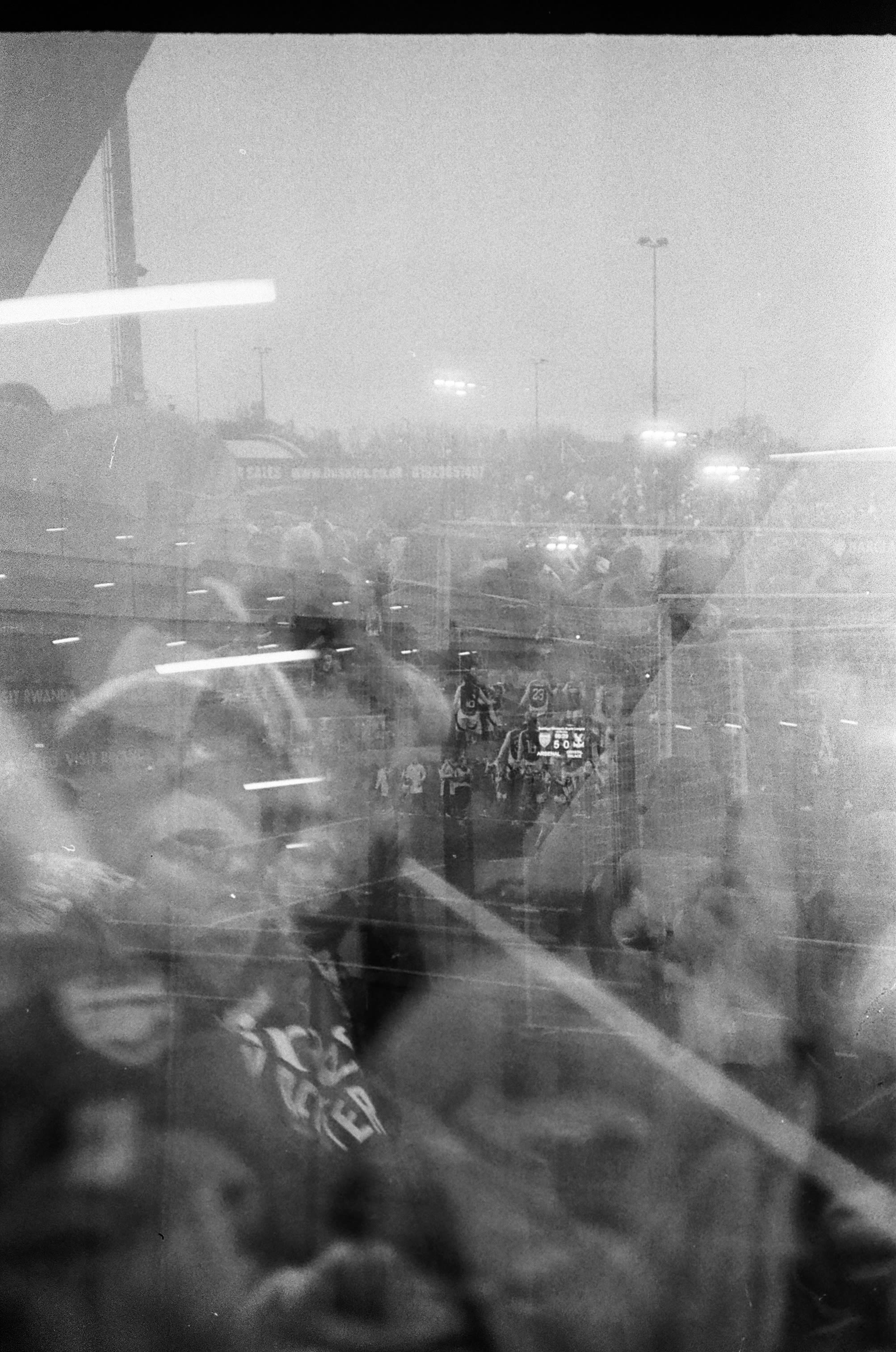
Outside of personal photography accounts, other specific accounts have been set up to share and repost film photography from across the world. One example, analogfootball has amassed 40,000 followers, reposting photos from across the world that captures the sport on film.
The footballonfilm hashtag has over 1000 posts on Instagram, with amateur and professional photographers sharing their work under it, alongside other tags.
analogfootball even use a hashtag to find new photographers' work to share. Using the resurgence in film photography, especially in sports, has been aided by social media to allow sharing and exposure to be easier than ever before. Whilst people are craving the nostalgia of the medium, it's growth is being assisted by the digital age and the convenience and accessibility of it.
"I think the risk of film really adds to it. You might think you’ve got the perfect photo and it comes out overexposed or blurry, but that’s the beauty of it."
- Louise Sturdee

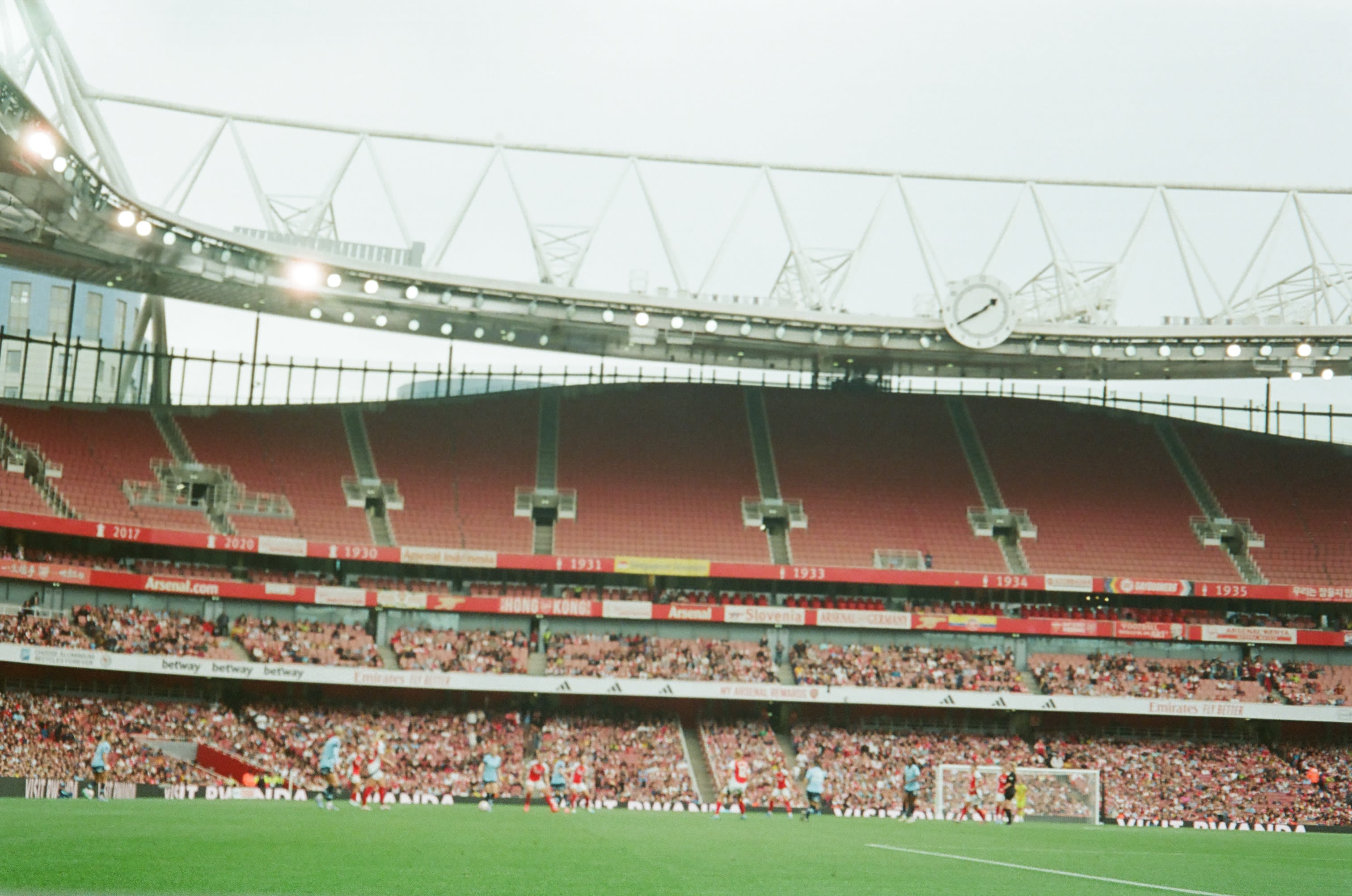
The beauty of art is that there is always one collection you hold above others as favourites.
Louise and Sam have travelled far and wide for football, and as a result, have captured some beautiful photos along the way.
Louise has two favourites: Fulham away at Tottenham Hotspur and Arsenal Women vs Wolfsburg.
She said: "Recently, Fulham away at Spurs. Had a new camera (my first manual!) so was unprepared as to how the film would come out but it came out the exact way I had hoped.
"I must say though my ultimate favourite was Arsenal women vs Wolfsburg. The attendance record, the atmosphere - everything combined to create a moment that women’s football will remember forever, and I’m eternally grateful I captured that experience on film!"

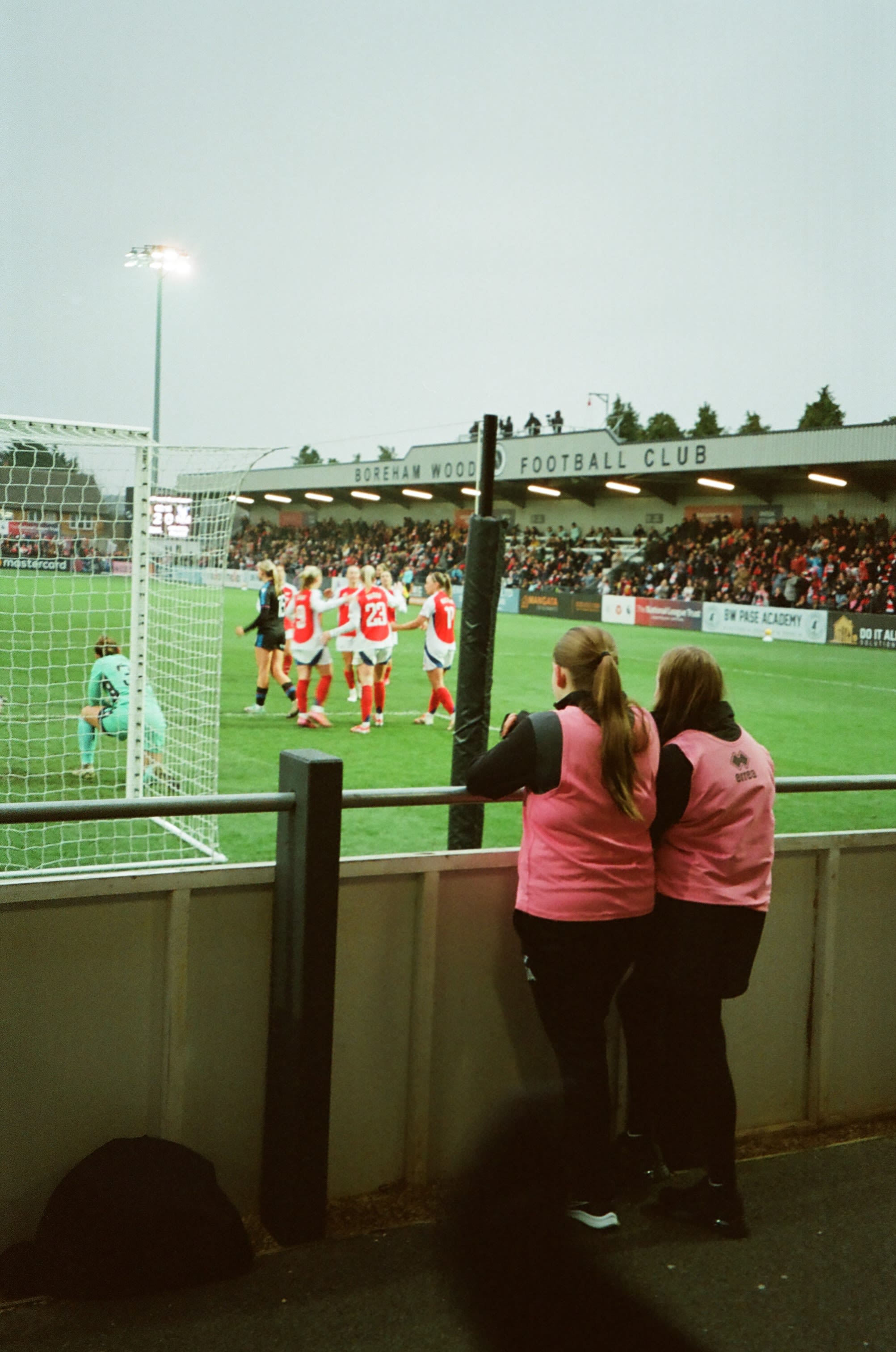
Sam said: "I’d have to say Sunderland v Middlesborough this season. The reason being that the club and community as a whole were so massively supportive.
"I worked on a few projects with the club (some of which are still in the pipelines – so keep an eye out) who were so receptive to my ideas. They let me lead on the projects and allowed me to see out my own ideas, as I wanted them. Great club, great media team and a proper community of fans. It also didn’t p*ss it down. That helped.
"Other highlights include Hearts in the Conference League, and Dunfermline Athletic. Not a huge club but I got a chance to tell the stories of the volunteers who run the supporters trust and it was just a very special group of dedicated humans."

 Built with Shorthand