
Grandma hobbies have Gen Z hooked
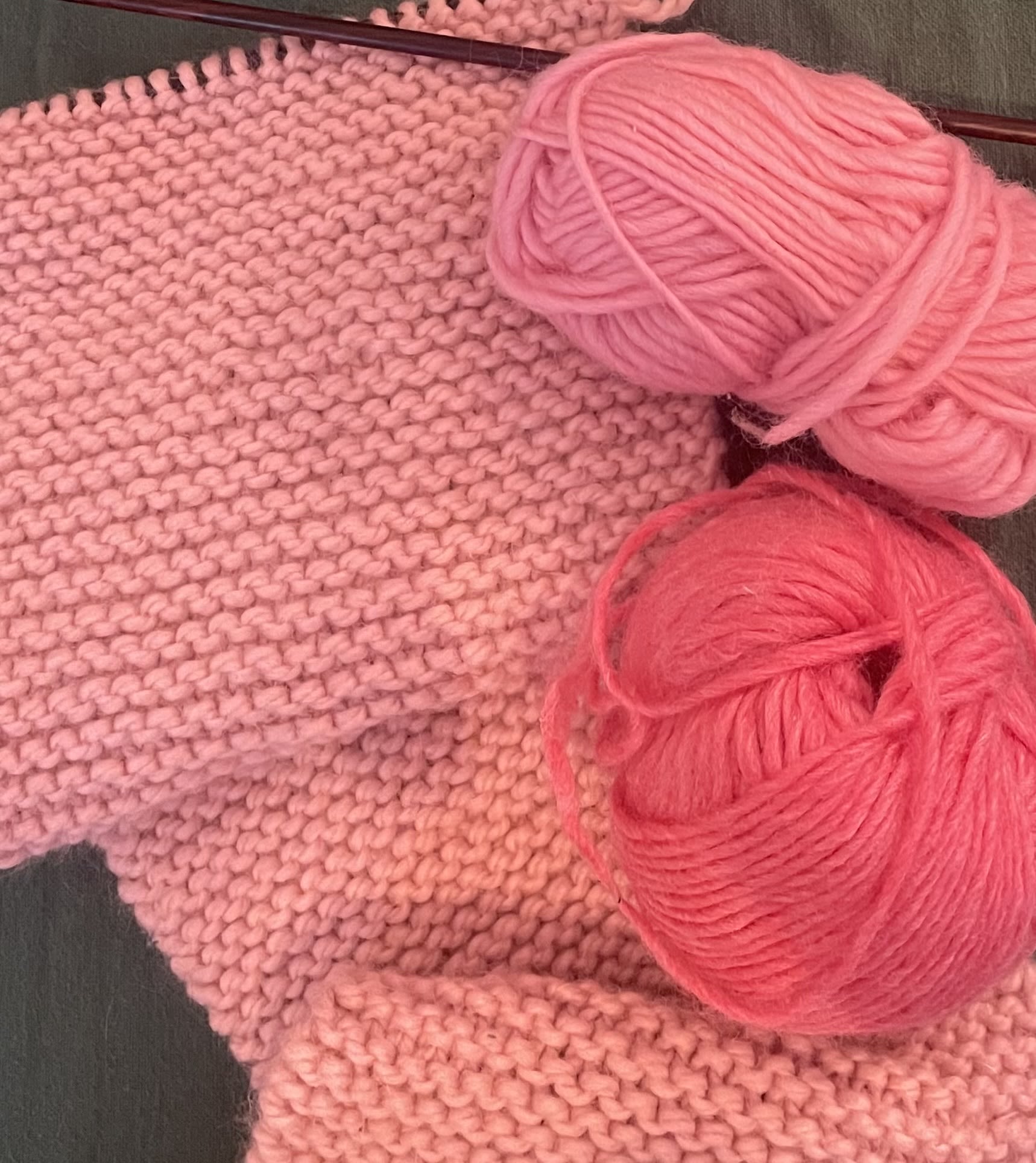

Grandma hobbies are a growing trend amongst Gen Z, with many younger people taking up crafty hobbies like knitting, crochet, and sewing to escape doomscrolling and learn new skills.
During the Covid lockdowns many younger people looked for accessible hobbies that could be learnt at home with YouTube tutorials and easy to find materials.
The slower approach to life during the pandemic meant that trends like 'cottage core', grandma hobbies and home baking gained traction on platforms like TikTok and Instagram.
The cottage core trend romanticises English countryside, traditional rural lifestyle, and handmade crafts.

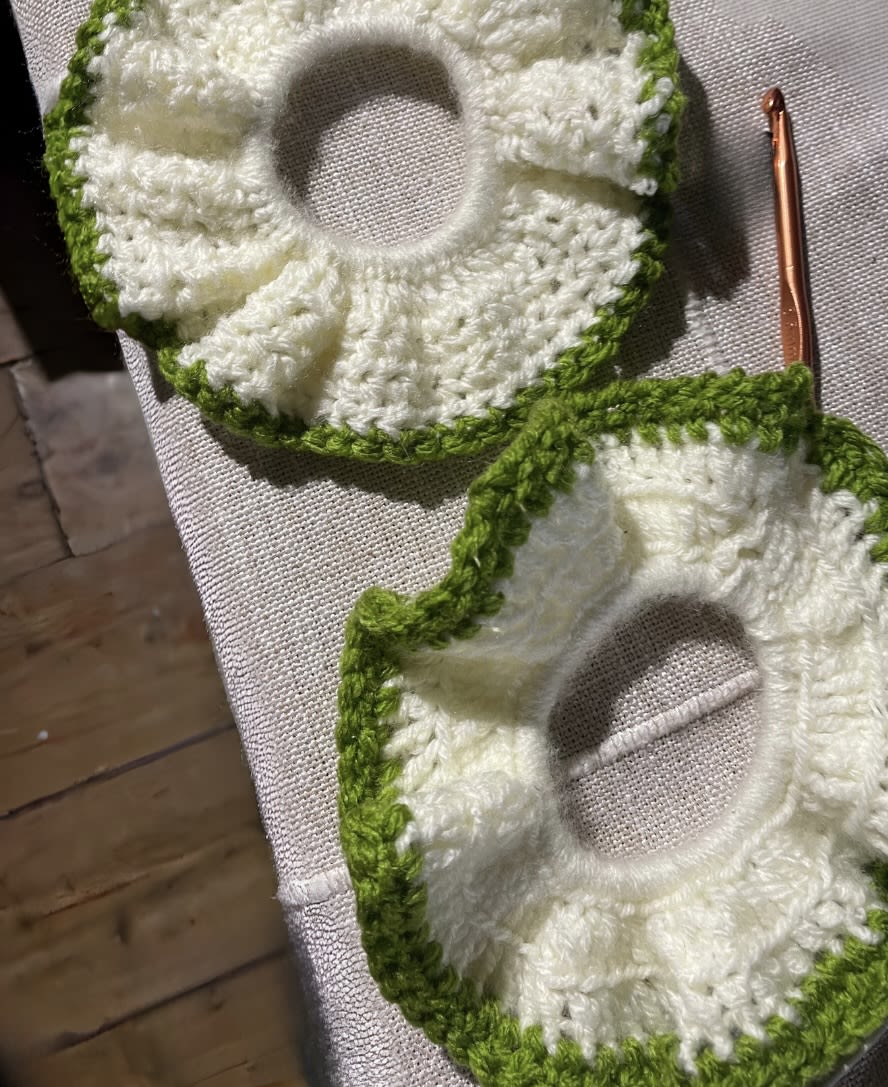
Image by Abigail Akerman
Image by Abigail Akerman
Gen Z is also more attuned to the environmental impact of fast fashion, so hobbies like crochet, knitting and sewing have allowed people to produce 'slow fashion' as a counter to this.
'Slow fashion' is a movement to reduce the environmental and ethical impact of the clothing industry, through buying fewer items, shopping second hand, or hand making clothes.
Financial strain and the ongoing cost of living crisis also means more people are forced to 'make do and mend' where they can, or find affordable ways to keep up with ever changing 'microtrends' by making things themselves.
#GrandmaHobbies
Grandma hobbies have been popularised online and in the media, from Tom Daley’s poolside knitting to crafty influencers on social media.
Knitting and sewing is part of a wider aesthetic trend of ‘grandma core’ where quilts, antique furniture and a healthy amount of clutter are key.
As of writing, on TikTok, #Grandmacore has over 55,000 videos, and #Grandmahobbies has over 3,000.
Knitting has been a huge part of this and 'knitfluencers' include Kamala Harris’s stepdaughter, Ella Emhoff, who posts knitting and sewing videos to her 43.1K TikTok followers, and promotes her ‘soft hands knit club’.
#Knittok has 246.4K videos and over one billion views on TikTok.

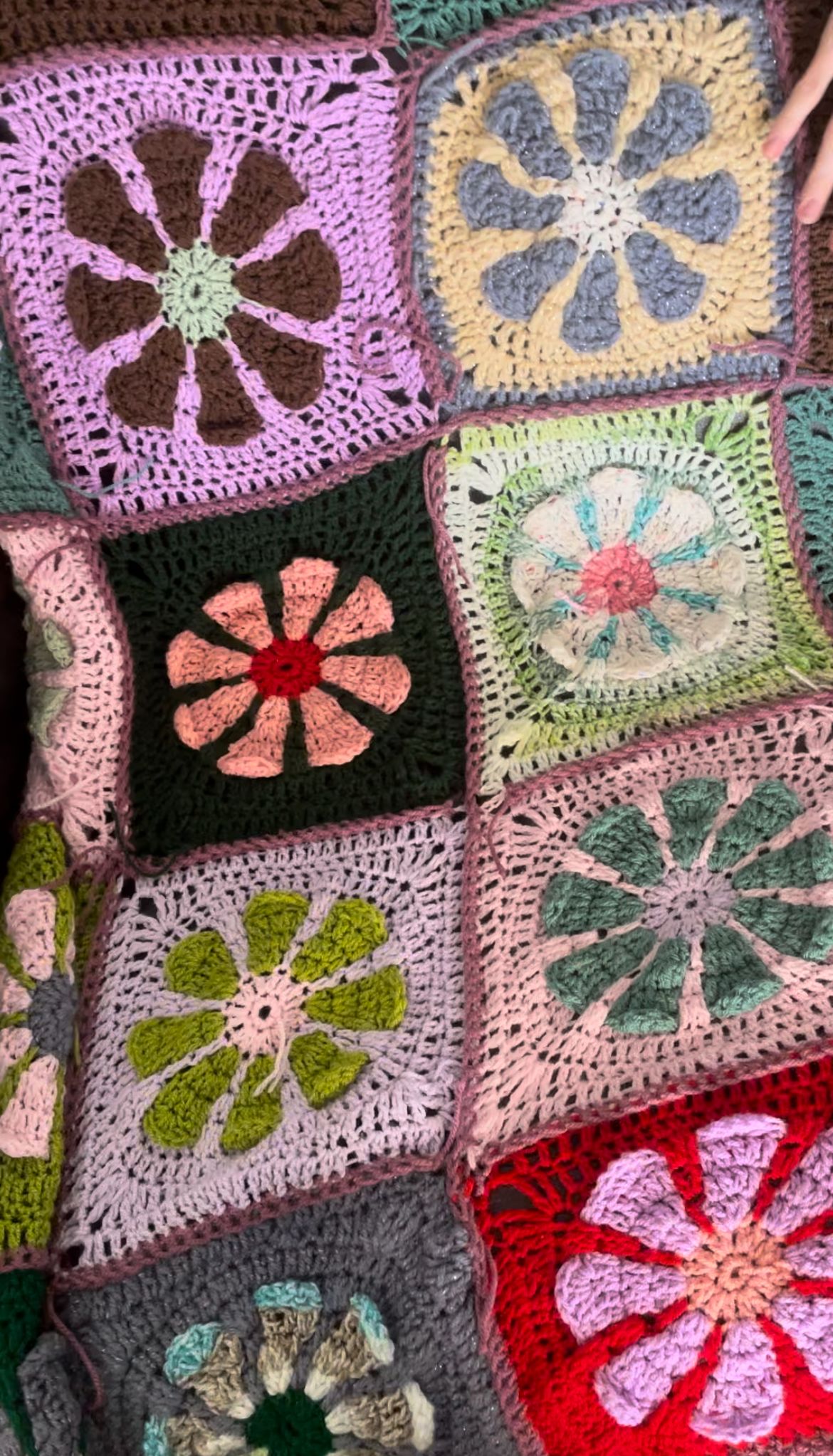
Image by Abigail Akerman
Image by Abigail Akerman
This interest in knitting and crochet has translated into retail trends with increases in shopping for craft supplies.
Between 2023 and 2024, John Lewis saw sales of haberdashery supplies increase, with sales of beginner crochet hooks up by 170%.
Learning in lockdown
Many people got into crafting during the lockdowns as a way to stay occupied and learn a new skill during uncertain times, and have maintained this interest over the past five years.
Muski Dowlani started to crochet after seeing it on social media during lockdown, and from there learnt how to knit and sew in her spare time.
She was stuck at university in Edinburgh for the summer in 2020, when all her friends had gone home, but wasn't able to because of border closures.
She said it was helpful to have something to keep her hands occupied and that gave her a break from doom scrolling and double screening by watching TV and her phone at the same time.
“I get so much joy out of making something rather than just buying it."
Muski said: “I really enjoy being able to say that I made something and the process of learning a new skill.”
She added that she learnt everything through YouTube and that it is a great resource.
“It's more difficult than learning something from someone in person, but I think it's definitely possible, even if you don't know people around you who do that skill or hobby,” she said.
She has since started a business selling homemade kindle cases and quilted pouches alongside her job as a management consultant.
The company is called Santai which means relax in Indonesian, because she finds making the products calming.
It sells accessories for serial hobbyists, like kindle cases and pouches to hold stitch markers and crochet hooks.
Muski found that her mental health improved when she incorporated her crafty hobbies into her routine alongside a full on consultancy job, where she often works long intense days.
Muski Dowlani discusses the mental health benefits of her crafting hobby.
Impact of Grandma Hobbies on mental health
As Muski experienced, grandma hobbies can be a relaxing pastime, and can have very real benefits for our mental health.
If the grandma hobby presents a challenge, it can improve cognition and problem-solving, and finishing projects can boost self confidence.
Beth Stranks, a mental health nurse, said: “We talk a lot about mindfulness, and how bringing ourselves into the present, not worrying about the future or ruminating about what's happened in the past, can really impact how we feel.
“If we're in the moment concentrating on something like crafting it can be really helpful to people's mental wellbeing.
"The sense of achievement and learning you get from it has a positive impact on your sense of self.”

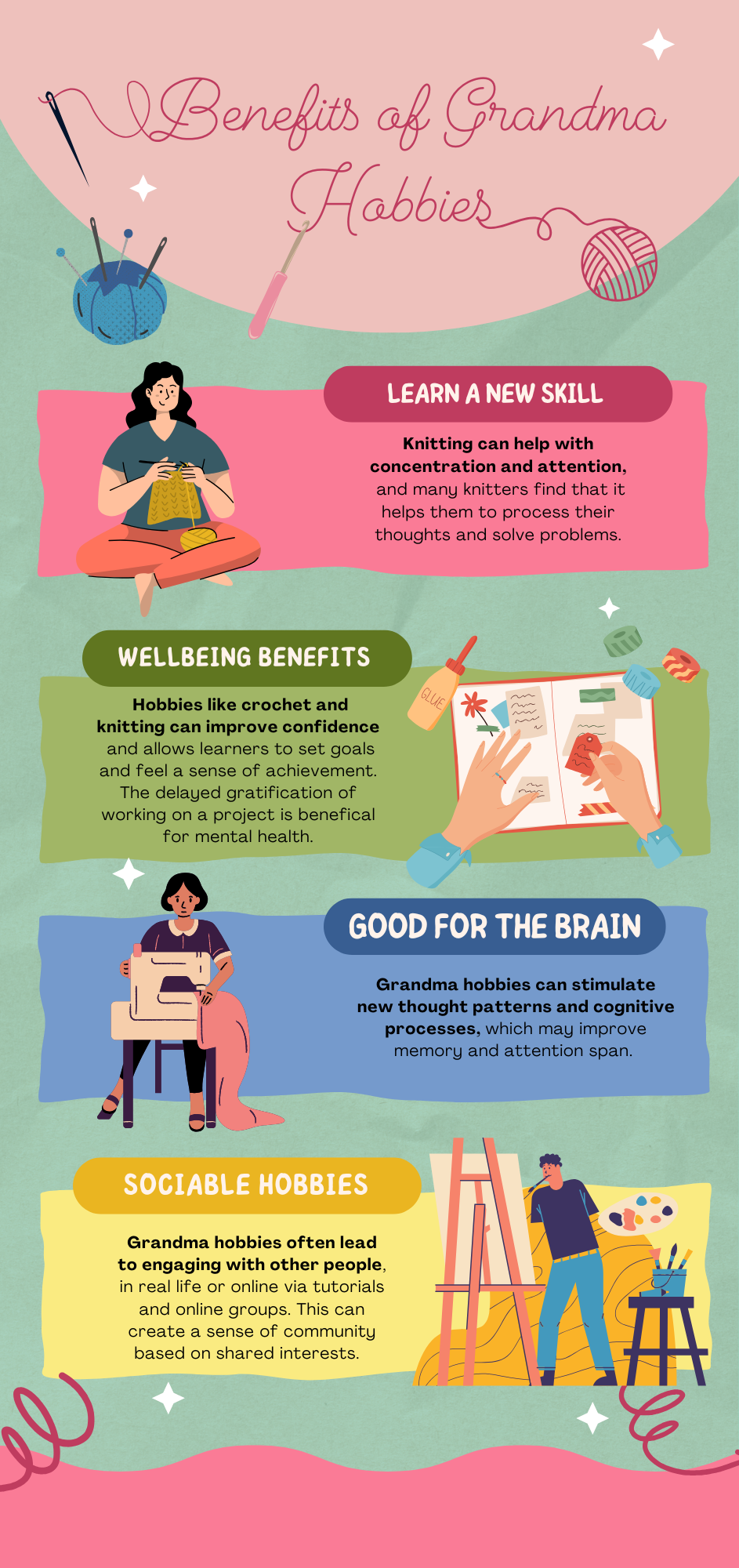
Infographic by Abigail Akerman with Canva
Infographic by Abigail Akerman with Canva
“People often say that there's a calming thing about crafting, so if they struggle with lots of worry or stress they use things like knitting and crocheting to calm themselves.”
Beth added: “When a lot of things in the pandemic lockdown were taken away from us, I think we naturally looked for other things like crafting, that are really accessible.
“Grandma hobbies are something you can do in your own home, without too much equipment, and access instructions online on how to do it.”
The NHS has guidelines for maintaining mental wellbeing which include forming connections with people, learning new skills, and giving to others.
Grandma hobbies can be a part of this framework as you can make gifts, learn skills, and craft with others to foster social connections.
An antidote to a fast fashion sustainability crisis?
The 'slow fashion' movement emerged as a response to the climate crisis, and advocates for improved sustainability and ethics within the clothing industry.
This includes opting to make items by hand or mend items over buying heaps of new clothing.
Grandma hobbies fall into this, as sewing, knitting and crochet often take time and include upgrading and altering existing items.
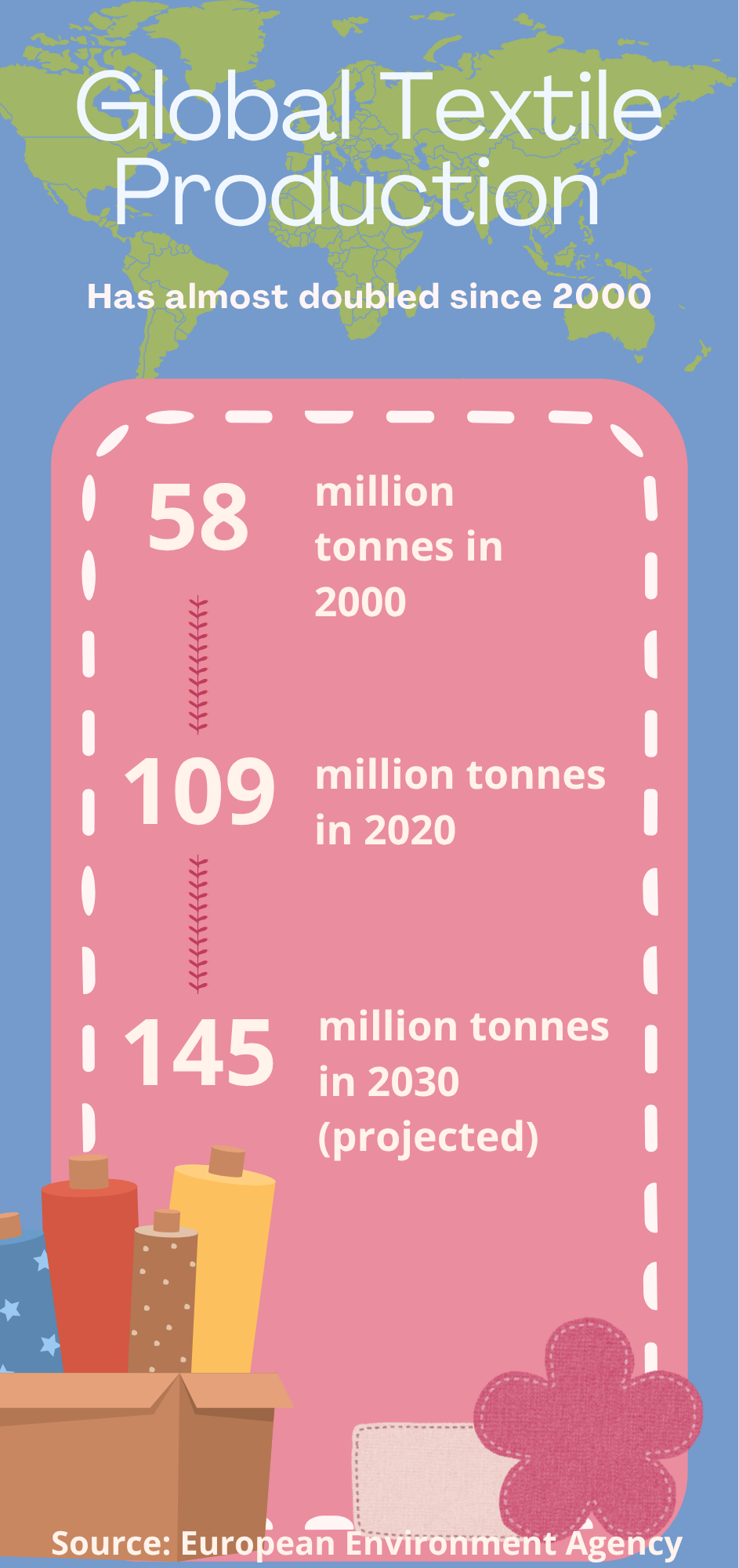
The amount of waste created by fast fashion has been partly driven by increases in consumption, fuelled by social media, changing production methods, and faster trend cycles.
The fast fashion industry is one of the biggest polluters, accounting for around 20% of global clean water pollution according to the European Parliament.
It is estimated that making a cotton T-shirt requires 2,700 litres of water, which is the amount one person drinks in two and a half years.
Cheap fast fashion clothes are most likely the product of exploitation, as only two percent of garment workers make a living wage globally.
80% of garment workers in the world are women and the majority of them reside in the global south.
Infographic by Abigail Akerman with Canva
Infographic by Abigail Akerman with Canva
Why do Gen Z craft?
Gen Z craft to improve sustainability, socialise with friends or new people, and for the mental health benefits.
Charlie Akerman, 21, Emma Greenman, 22, and Lizzie Man, 21, study at university together, and host regular 'crafternoons' to unwind.
Charlie explained how she got into grandma hobbies, and why sustainability played a role in her desire to make and mend clothes over purchasing new ones and contributing to waste.
Grandma hobbies can also forge relationships between generations through teaching, gifts and conversation.
Emma highlighted that her crochet hobby has sparked conversations with older people who are pleased to see the younger generation taking up what may have been seen as a dying art.
Lizzie explained how grandma hobbies help her to relax and get away from a screen in the evening.
She said: “After a busy day at university it is nice to switch off my brain and switch off from all my devices so I can focus on doing something creative with my hands.”
She also shared how she uses crafting to make gifts for others, which is linked to metal wellbeing.
 Built with Shorthand