
Hormone health coaches: The women quitting corporate to embark on a new career
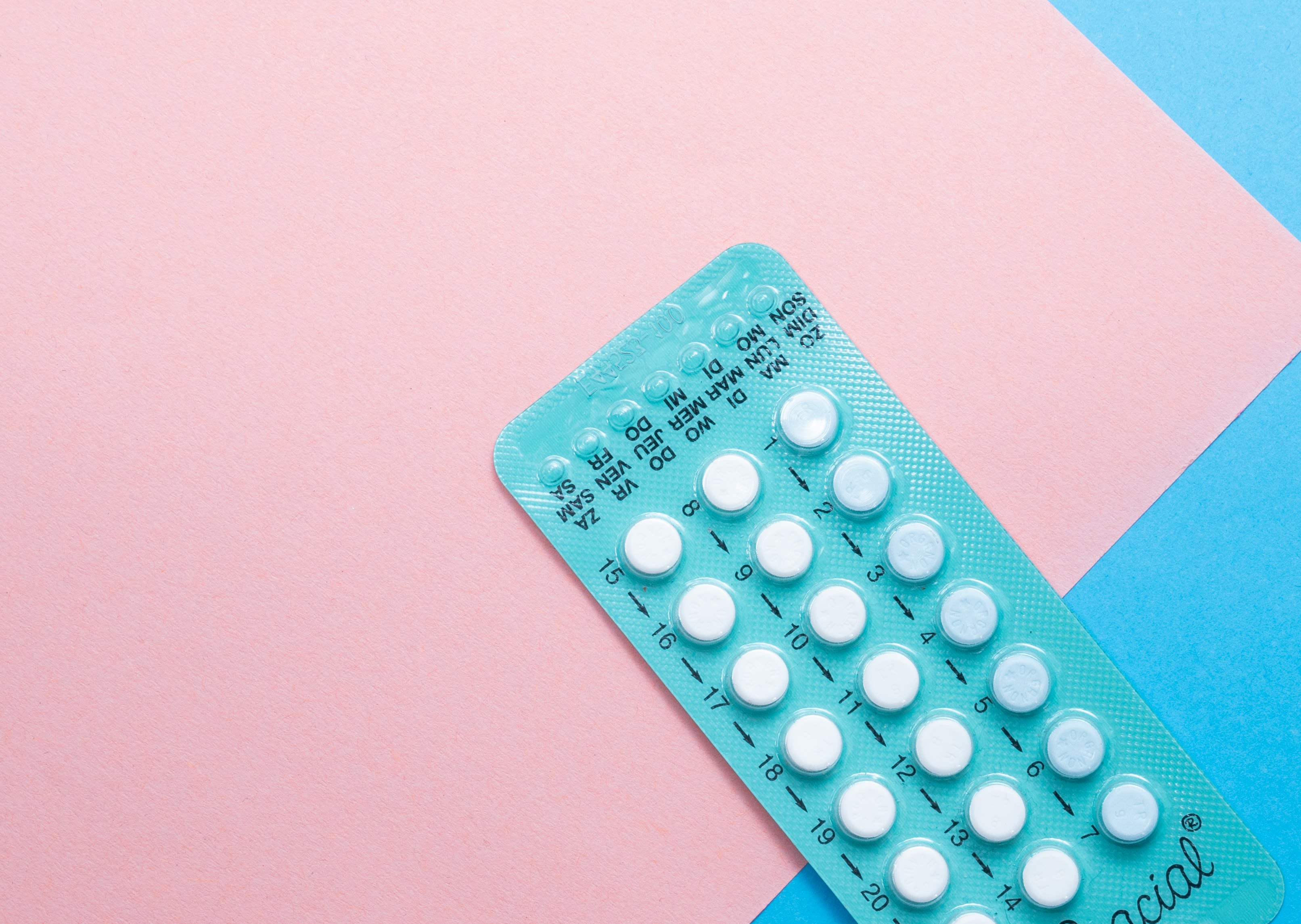

You’re 11-years-old. You’re sitting in a PSHE lesson. Your teacher holds up a tampon. Everyone shifts. You’re willing the Earth to swallow you whole.
It’s a rite of passage for women and girls to feel mystified by their own bodies. With medical studies historically performed on men, and women’s health being chronically underfunded, even the experts have struggled to get answers.
But over the past few years, we’ve started to become more aware of women’s health and, in particular, hormones.
Google Trends data shows that search volume around ‘hormone health’ has gradually been increasing since 2020, and on TikTok there are over 268,000 posts under #hormonehealth as women become less afraid to talk about their bodies publicly.
While women are more informed when their hormones feel out of whack, the conversations have highlighted a gap in the market that has allowed a new role to form: the hormone health coach.
Offering holistic advice centred on lifestyle changes to help women manage their hormonal symptoms, the role has tempted some to quit their jobs in pursuit of this new career path.
As we enter a new year, prioritising hormone health might be one of your resolutions, but are these people we can trust? Or is it simply making it harder for women to access the medical information they need?
Quitting corporate

Chon Azzopardi from London spent years working in recruitment before quitting midway through last year to become a full-time period coach. But her interest in hormone health wasn't intended as a career move.
"I just wanted to learn more about my body and how to look after it better," Chon said. "But when I finished the course and I'd learned so much and I'd put everything into practice, I was like: 'There's got to be other women like me who are going through the same thing and maybe I can help them.'"
Chon, 30, has had a tumultuous journey with her hormones. She was put on the pill aged 15 after citing painful periods and bad acne, but after being on it for a decade, she started to feel disconnected from her body.
In the pandemic, she joined a wave of women that came off the pill, and while there's always an adjustment period when you start ovulating again, she found that after a year her hormones still hadn't settled.

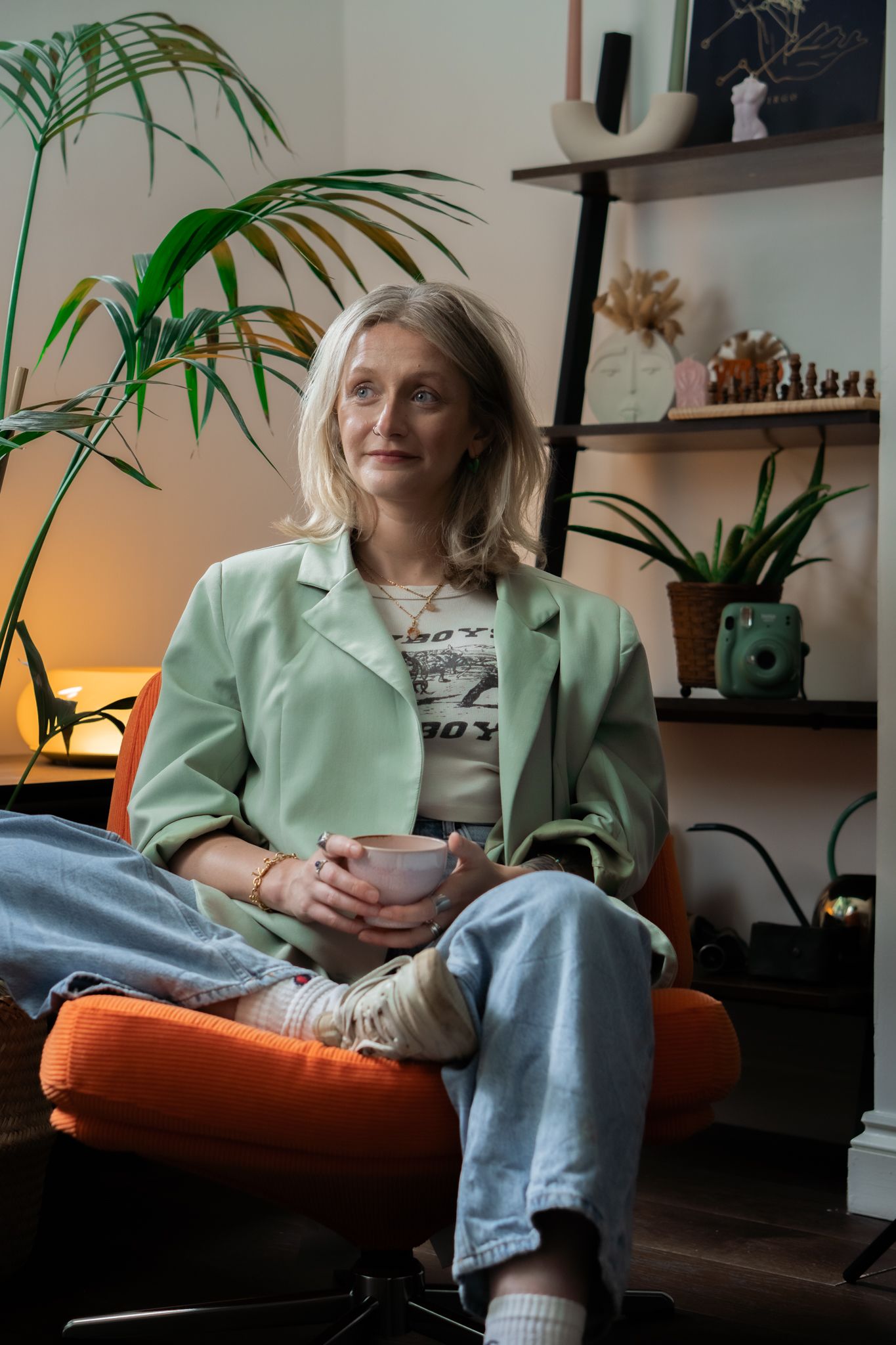
Chon Azzopardi - Credit: Chon Azzopardi
Chon Azzopardi - Credit: Chon Azzopardi
"I just think it's important that people have more information on their bodies"
Chon Azzopardi
"I went to the doctors, had about a billion blood tests and everything came back normal," she explained. "They were like: 'You can go on the pill and we can give you some steroids for the hair loss', and I was like, 'I don't think either of those really feel right for me.'" That was when she started to look into natural health.
Chon received her accreditation in health coaching from the College of Naturopathic Medicine (CNM) and started posting what she learnt on her social media, @syncwith_chon.
She now works one-on-one with clients on her 12-week-programme 'Period Peace' with the aim of helping them achieve pain-free periods through gradual lifestyle changes.
She said: "I just think it's important that people have more information on their bodies and that's what I kind of want to do. I want to help women understand their menstrual cycle."
It was a similar story for Olivia Kitty, also from London, who quit her corporate job as a social media manager last year due to burn out.
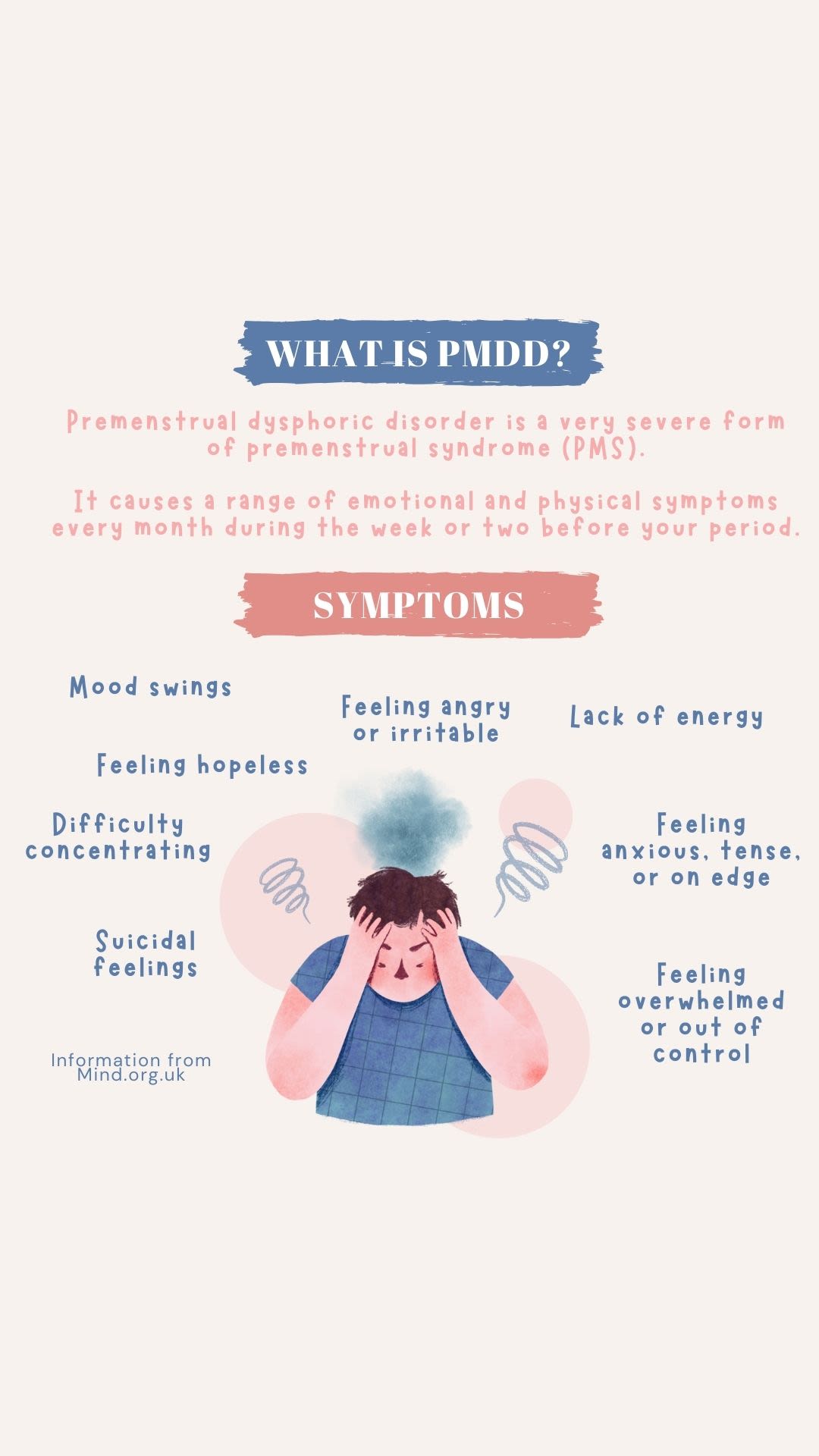
However, after battling undiagnosed Premenstrual Dysphoric Disorder (PMDD) symptoms for years, and having built up a following on her own social media @oliviakittyyy initially documenting her journey with hormonal acne, she decided to use her new flexible schedule to study at the Institute for Menstrual Health to become a hormone health practitioner.
"I just didn't recognise myself and who I was"
Like Chon, Olivia was put on the pill in her early teens and couldn't find one that agreed with her. She eventually came off it altogether aged 21, but continued to struggle with acne and her mood.
"I would get really, really depressed before my period," Olivia said. "Not wanting to do anything, just feeling completely out of my own body, like completely out of control, and I just didn't recognise myself and who I was."
Olivia, now 27, had countless doctors appointments over the course of three years looking for an answer, but was only offered antidepressants or going back on the pill as a solution - neither of which appealed to her.
She suspected she had PMDD so began tracking her cycle more closely and, last November, was able to present this to her doctor, who finally gave her a PMDD diagnosis.
She acknowledged it hasn't fixed anything, but the diagnosis was the validation Olivia needed to no longer feel, as she described it, 'insane'.

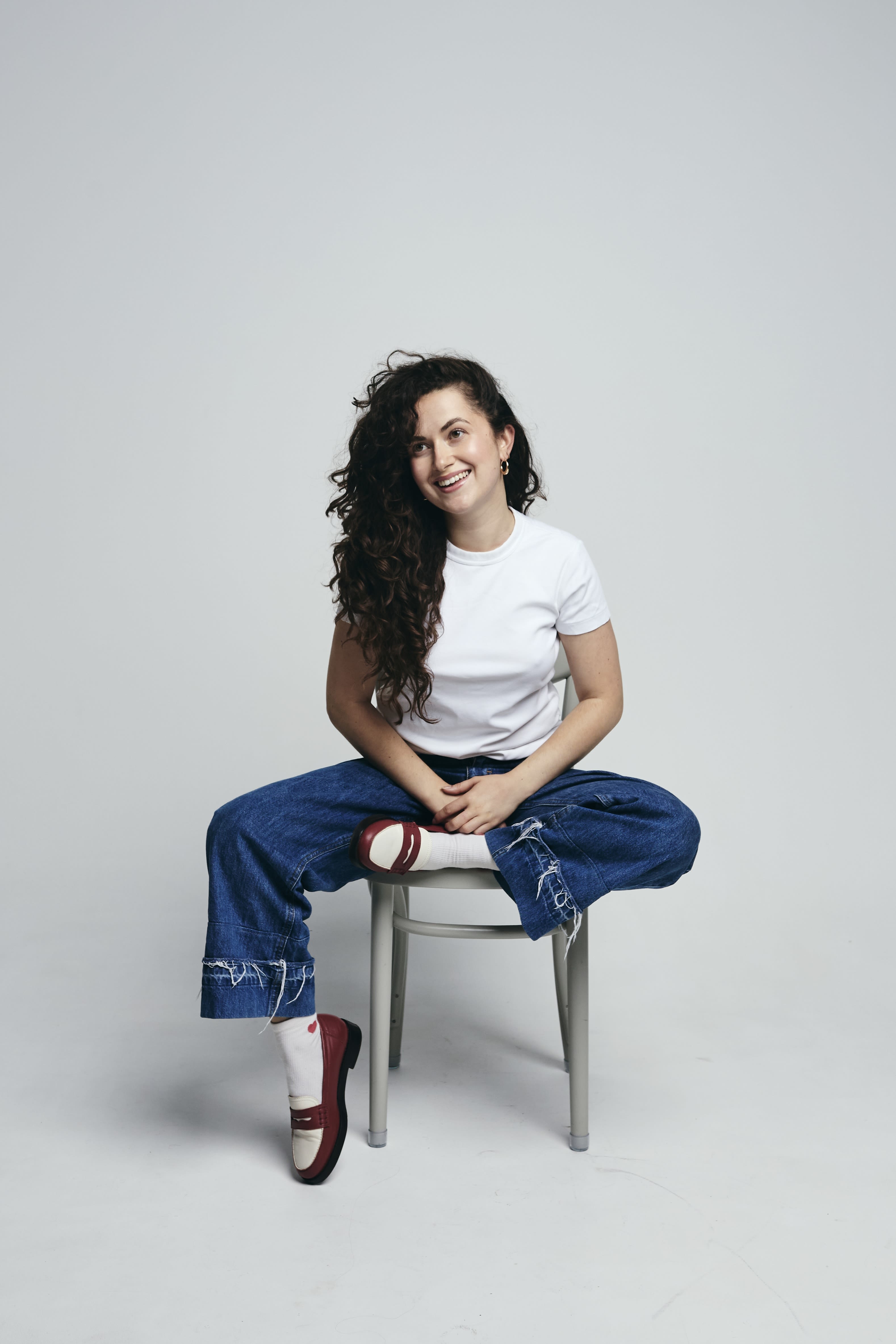
Olivia Kitty, Credit: Olivia Kitty
Olivia Kitty, Credit: Olivia Kitty

Muddying the waters

The place where these conversations around hormone health have thrived is on social media. But one study released in June last year has raised concerns around the spread of misinformation about hormonal contraception on TikTok.
The study, published in Perspectives on Sexual and Reproductive Health, analysed 100 videos that came under five hashtags related to contraception - collectively achieving over 4.85 billion views - and found just 10% were created by medical professionals.
They noted how the algorithm seemed to push negative anecdotes that demonised the pill, over more balanced and evidence-based content from medical professionals, and this bias, they warned, could result in unwanted pregnancies.
They also found that 58% of the videos were created by 'general uploaders', including influencers, whilst 'hormone health coaches' and 'health educators' made up 15%, showing that even creators like Chon and Olivia that have an accreditation are still less valuable than an everyday user.
Dr Pavan Minhas, 39, is a consultant obstetrician gynaecologist from Buckinghamshire who has spent the last ten years blogging about women's health online. Her mission is to spread accurate, evidence-based information in an accessible format.
She said: "We need to make sure that women aren't so confused by the information out there, and so misinformed, that they then don't know when they should be seeking medical help and we potentially miss out on making these critical diagnoses, which could be life-saving."
She added: "The waters are already really muddy for women. We're just muddying them more."

From Chon's perspective, she believes the responsibility around misinformation lies with both creators and consumers.
She said: "I think you have to use critical thinking and analysis when you're consuming stuff online, because what's their agenda?"
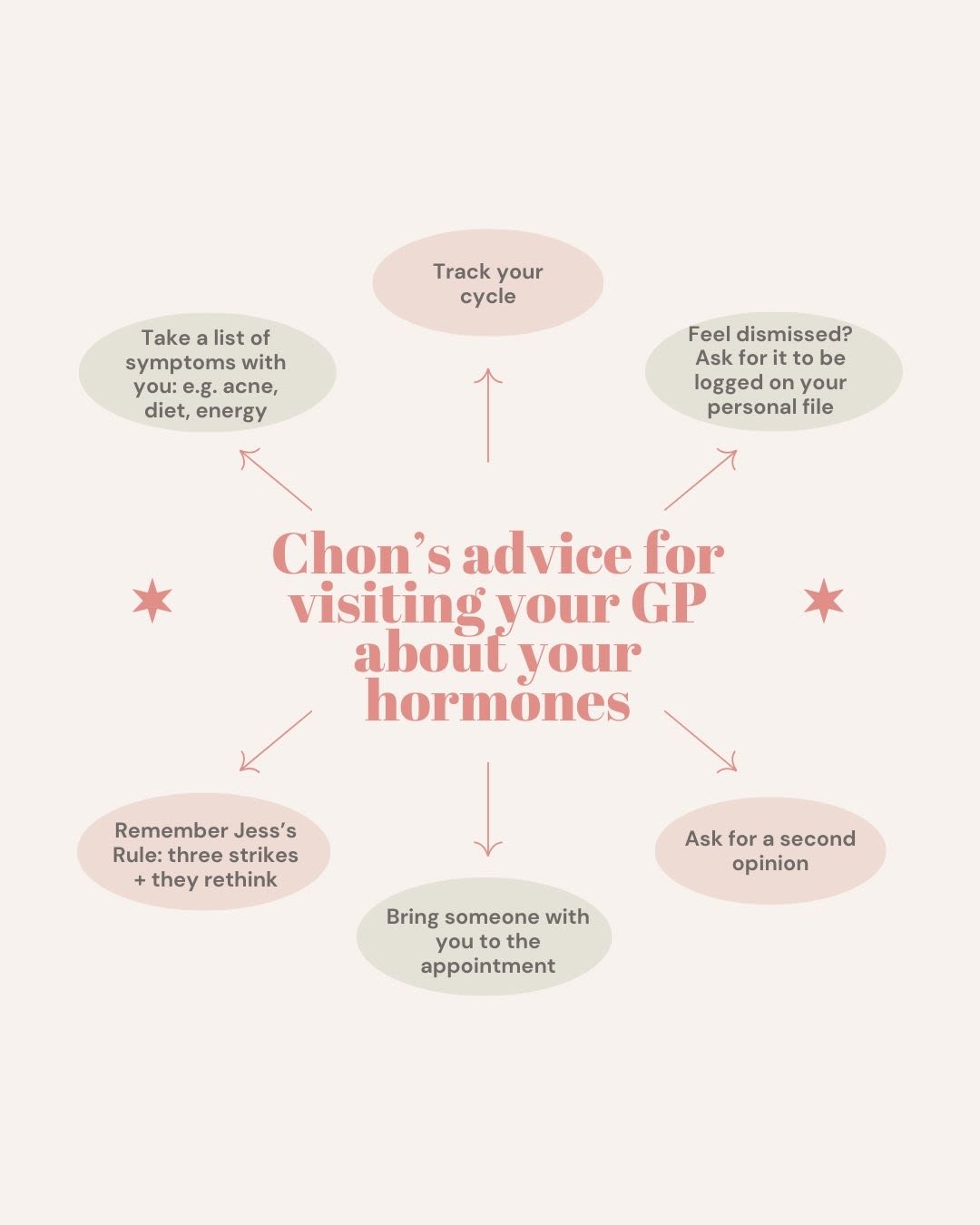
Chon always stresses the importance of visiting a doctor, and has created content around strategies about how best to approach your GP appointment when discussing any hormonal concerns.
She suggests tracking your cycle, asking for a second opinion, or bringing someone with you to the appointment.
Doctor dissatisfaction

The study about hormonal contraception on TikTok also found a growing distrust against doctors and noted that although reproductive health videos were easy to understand, they often lacked accuracy, which is essential for young people to make informed decisions about their contraception.
Dr Minhas recognised this frustration with the healthcare system in England and noted that it is not fit for purpose, with the demand massively outweighing the NHS's capabilities.
She said: "I think because people can't access healthcare, whether that's getting an appointment with their GP, being taken seriously by their GP, getting an appointment with the gynaecologist, being taken seriously by the gynaecologist, they're then looking at, 'Well, what else can I do?'"
But as GPs are generalists, they may not always recognise the symptoms required. Dr Minhas still wanted to acknowledge that there are some fantastic GPs out there advocating for women's health.
"I do think a lot of people enjoy listening to people's personal experience"
In comparison, Olivia has felt imposter syndrome when comparing herself to doctors creating content online.
Financial restraints prevented her from completing professional medical training, so instead she tries to ground her advice in personal experience whilst always highlighting she's a practitioner-in-training.
"I do think a lot of people enjoy listening to people's personal experience and find a bit of relatability in it," Olivia said. "I guess it feels more human and you can create more of a connection with it as well."
Stamp of approval

"Everyone should have access to evidence-based healthcare information, and that access should be easy"
Despite Dr Minhas' concerns, she has recognised that her patients are generally more informed when they come to appointments now: they ask more direct questions and can reference conditions like endometriosis or PCOS.
She said: "It's always good to embrace lots of different support avenues for women and I think lots of women do want that. They don't necessarily want hormonal treatment for conditions and they want to look at what else is out there."
She notes that many holistic approaches aren't backed by high-quality evidence in showing they have improvements in various women's health conditions, and it's important for women to be aware of that so they can make an informed choice about their health.
She added: "Everyone should have access to evidence-based healthcare information, and that access should be easy. I know it isn't at the moment for lots of women and that's why people are looking at alternative avenues.
"But I would encourage people to be mindful of where they're getting their information from, to make sure it's someone who does have accreditations, someone who is regulated. And also to always seek help about symptoms they're worried about from a healthcare professional."
In a similar vein, Chon makes an effort to distinguish herself from doctors online so as not to mislead any of her potential clients.
"I'm a coach, I'm not a medical practitioner," she said. "I'm not diagnosing or prescribing anything. It is just supporting people in making the best practices. It's like with PTs. Sometimes you need someone to be like: 'Come on, get into the gym today.'"
For Olivia, she noted that her practitioner training has been based on science - and quite challenging.
"I think it just amazed me how much our health and everything is really, really determined by our hormones as women, and how I feel like this society, the more fast-paced it gets and things like that isn't built for women and their hormones."
In a world where algorithms prioritise shock-factor over accuracy, misinformation will continue to be a concern. But women trying to help other women can't be a bad thing.
And for those of us that sat through those painful PSHE lessons, I think we can agree that future generations deserve to face less confusion, less shame, and less fear around their own bodies.

 Built with Shorthand