Racing on the line
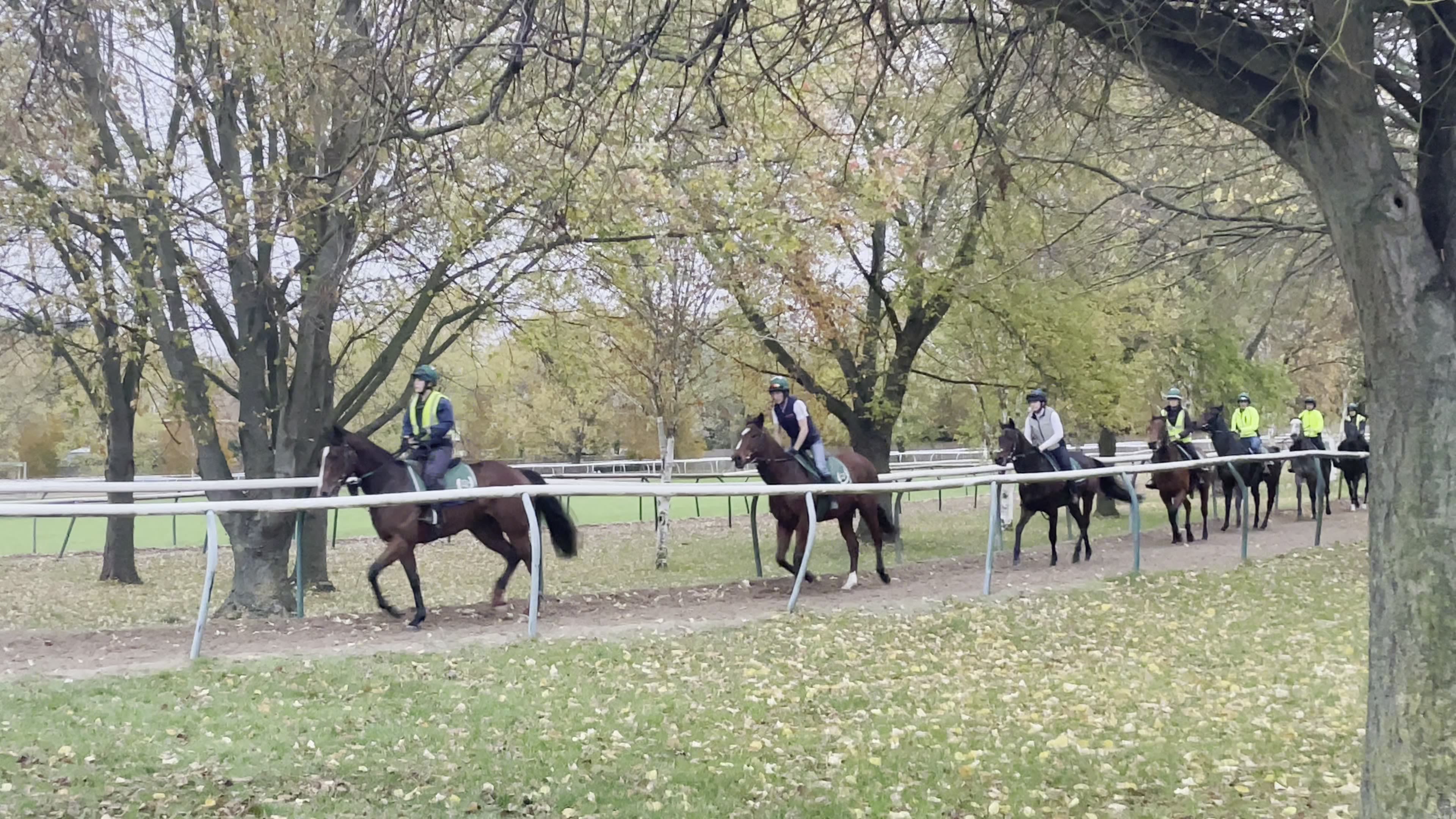

As Chancellor Rachel Reeves readies her Autumn Budget, the British Horseracing Authority (BHA) is fighting back against plans to raise gambling duties - a move it says could drain hundreds of millions from the sport and threaten jobs across the industry.
On November 4, Chancellor Reeves addressed Downing Street to calm markets ahead of her November 26 Budget speech.
Her message focussed on productivity and growth, but many heard higher taxes and higher costs.
There was no mention of gambling or racing. Behind the scenes, however, the government’s review of gambling taxes has left Britain’s racing industry on edge.

For the first time in modern history, British horse racing went on strike. Instead of racing, leading jockeys, trainers, and owners gathered at Westminster to lobby MPs, just ahead of the four-day St Leger meeting at Doncaster, which Prime Minister Sir Keir Starmer attended last year.
The Treasury is considering raising gambling duties on online horse racing bets from 15% to 21%, a move that could significantly cut the funds flowing back into the sport.
The British Horseracing Authority (BHA) estimates that such a rise would cost the industry £330 million over five years and put around 2,700 jobs at risk within the first year.
In response, the governing body has launched its Axe The Racing Tax campaign, asking supporters to sign a petition opposing the hike. With five million racegoers each year and 85,000 people employed across the sector, the campaign has quickly gathered momentum.
Victoria Morgan from the BHA described the potential tax rise as "the biggest immediate financial threat the sport has faced," warning that smaller businesses are already struggling.
Morgan said: “It’s those smaller training yards that have really been hit from all corners, really in terms of the tax bill, the cost of living, energy prices, feed prices, all that kind of stuff.
“And it's always those jobs lower down the chain that always the most vulnerable first so the stable staff, the supply chain as well, feed merchants, various people who rely on racing and sort of local racing economies."
Morgan: “It has been the biggest immediate financial threat the sport has faced.
“It’s those smaller training yards that have really been hit from all corners, really in terms of the tax bill, the cost of living, energy prices, feed prices, all that kind of stuff.
“And it's always those jobs lower down the chain that always the most vulnerable first so the stable staff, the supply chain as well, feed merchants, various people who rely on racing and sort of local racing economies.”

In July, the Social Market Foundation (SMF) proposed a fairer, tiered tax system, suggesting higher taxes on online casino products and lower ones for sports betting with the potential to raise up to £2bn a year.
A month later, the Institute for Public Policy Research (IPPR) echoed similar reforms, with 50% tax rates for online gaming and 25% for sports betting.
Former PM Gordon Brown backed the idea, saying higher gambling taxes could fund anti-poverty measures and lift 500,000 children out of poverty.
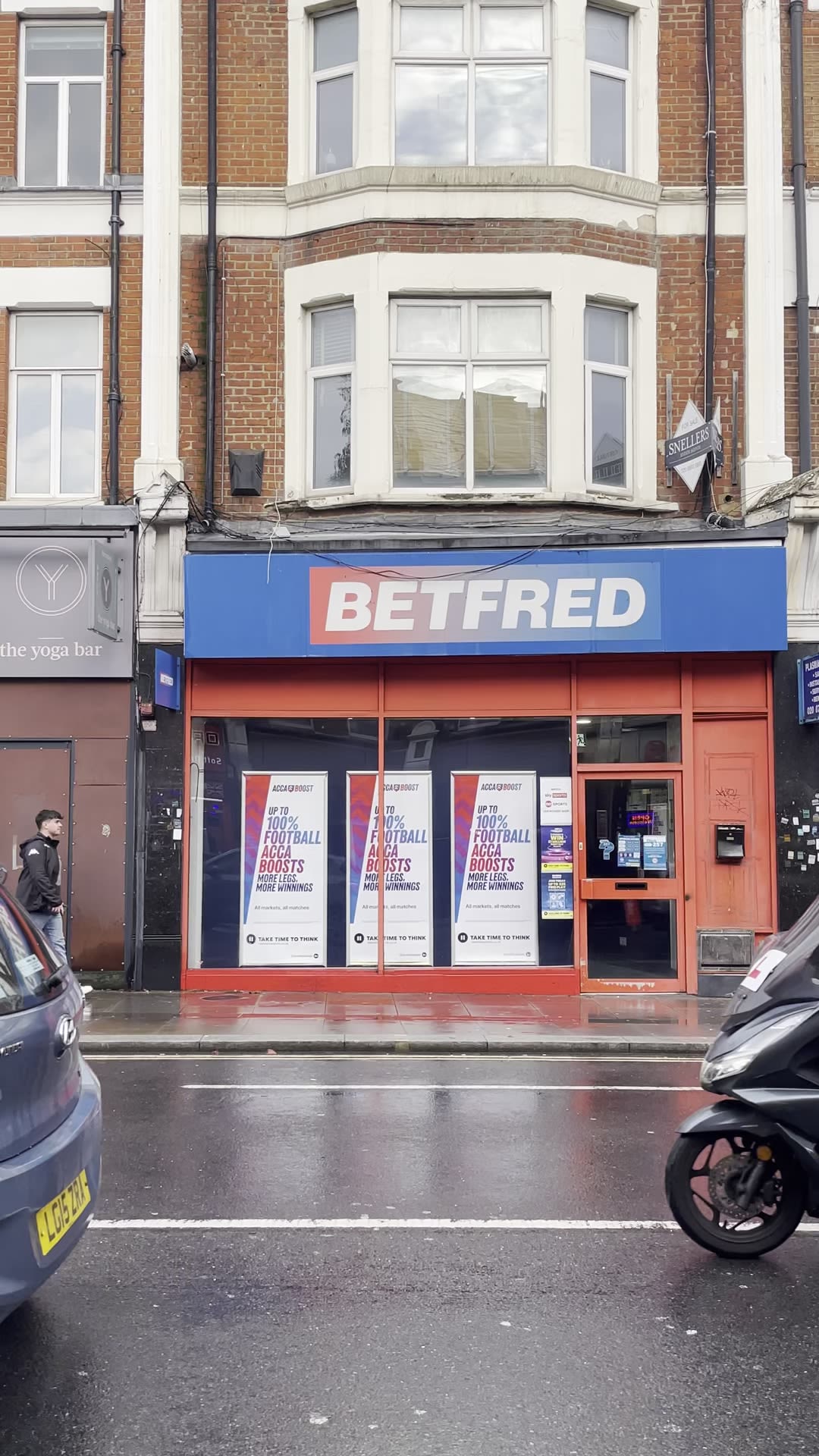

The core financial issue lies with the Horserace Betting Levy with 3% of the £12bn bet on British racing is annually returned to the sport, the lowest stake of any major racing nation.
Morgan, head of BHA public affairs, said a deal to secure extra funding for the sport, including a levy rise to 11.5%, was close to completion before Rishi Sunak called the election, which abruptly cut off the agreement.
The levy brings in around £100m a year, £30m short of what the sport needs to remain globally competitive, according to the BHA.
Labour MP Alex Ballinger, said: “We have a very difficult financial backdrop as we all know, Trump tariffs are not making it very straightforward.
“We've inherited a massive amount of debt from the last government. So we all know it's gonna be a financially difficult time at the moment, and that there's gonna be some difficult choices made in the budget, which is exactly why myself and others are proposing some popular things that we could do at the same time. Which includes raising, gambling, taxes on online gambling companies.”
Ballinger, vice-Chair of APPG on Gambling Reform, said over 100 Labour MPs had signed a letter supporting Brown’s proposals and pushed for online casinos, rather than sports betting, to shoulder higher duties.
He added: “We’ve specifically talked about raising taxes on online gambling operators. So those are people involved in online slots and casinos, machine gaming duty. So these are these highly addictive slot machines that you see, particularly in adult gaming centres. We talked, but to a lower degree, about raising taxes on general betting duty, but with a specific exclusion for horse racing.
“And the reason we've said, horse racing should be excluded is, firstly, it's different types of gambling and different types of harm. So, imagine going to the races, placing a bet once every, ten minutes, once every half an hour. It's a different type of activity than being on your phone 24/7 at home.
“Every few seconds being able place a bet and there's statistics on this that shows it's about six times more likely to cause harm, if you're gambling on a slot machine or on your mobile phone, than it is something like horse racing.”
Map of UK racecourses
The UK’s 59 racecourses contribute £4.1bn to the economy each year. Labour MPs have therefore targeted the RBD, arguing that offshore online gambling provides far less benefit to local communities.
The MP for Halesowen said: “It's very difficult to base Epsom in Gibraltar."
A report prepared by Ernst & Young (EY) for the Betting and Gaming Council, who found that harmonising betting taxed could raise £250m in Treasury revenue, but it may result in reduced stakes, lower industry profitability, and venue closures, to cut Gross Value Added (GVA) by around £240m and cost roughly 3,000 jobs.
Scenarios modelled by the IPPR and SMF suggested potential long-term losses exceeding £2bn.
Ballinger, first elected in July 2024, said: “The report commission paid for by the gambling industry says something different to independent think tanks, I think is not a surprise. But the academics that have worked are from two reputable think tanks.
“I would be more trusting of independent research rather than research that's linked so closely to the gambling industry.
“The horse racing industry is right to be concerned if harmonisation goes forward. I don't think it will. I haven't had that indicated from anyone I've spoken to in government.”
Ballinger said that if his proposals, or something similar, happened, it would be “broadly neutral”, and the industry would not be affected because it would incentivise companies to invest in horse racing as opposed to “the more harmful offshore based type of gambling”.
Racing’s financial pressures have been exacerbated by affordability checks, which bookmakers say have driven some punters away. The UK Gambling Commission reported that online racing turnover has fallen by 25% in recent years, a real-terms decline of £3bn, or £11.5bn when adjusted for inflation.
Morgan said: “We are very much reliant on the income from betting, and any decisions that the government makes to regulate or tightly regulate betting will have a knock on effect.
“Through government, a lot of betting operators have been doing their own sort of wild west checks, over the last few years, and that's led to a decrease in betting turnover on racing equivalent to £1.6bn.”
While industry groups warn that higher taxes could drive gamblers to the black market, Ballinger dismissed those claims saying: "I think the gambling industry would say that, wouldn't they?”
He added that it was a familiar tactic from the gambling and tobacco sectors to claim that higher taxes would push customers into the black market. Past tax changes, such as the 2001 shift to profit-based taxation and the 2019 rise in remote gaming duty, reportedly showed no evidence of black market growth. Other countries with higher gambling taxes operate successfully, and the Gambling Commission’s strict regulations can prevent incentives for illegal activity.
The complexities of the UK system have also hindered their ability to keep prize money at a competitive level.


The BHA has spent recent months educating MPs on what it has called the ‘unintended consequences’ of the reform.
The industry has argued that harmonising racing’s tax rate with online casinos would unfairly penalise a less profitable, lower-harm product, given the nature and spacing of races.
The BHA’s long-term goal is to show the government that racing can remain competitive, managing short-term financial pressures, and pursuing new initiatives to attract investment, owners, and audiences to make the sport more engaging to watch and bet on.
Since the BHA’s open letter, backed by over 300 signatures racing professionals, the campaign has continued its pressure and still has plans to meet Treasury ministers over the coming weeks.
A spokesperson for the Department for Culture, Media and Sport said the Chancellor would aim to balance funding public services with supporting rural business growth.
They said: “We know horse racing is part of the cultural fabric of the country, that’s why it’s the only sector that benefits from a government-mandated levy whilst betting at the races gets a 100 per cent tax break — which we have no plans to change.”

 Built with Shorthand