Indigenous tourism in Australia
How Aboriginal and Torres Strait Islander peoples are turning their culture and history into empowering tourism

Right now, Sam Lovell OAM, aka the ‘father of Aboriginal tourism in Western Australia’, is being celebrated at the State Library of Western Australia. 'Hello, this is Sam Lovell' is an exhibition that tells the story of Lovell, affectionately known as ‘Mr Kimberley’, who dedicated his life opening doors for Aboriginal people in tourism.
Lovell was part of the 'Stolen Generation' where, between 1910 and the 1970s, governments, churches and welfare bodies forcibly removed many Aboriginal and Torres Strait Islander children from their families. Aged four, he was taken from his parents to a cattle station, Mulla Bulla Station, where he became a boundary rider and stockman for which he was never paid wages.
His knowledge of the outback later served him as he and his wife Rosita set up Kimberley Safari Tours in 1981, paving the way for tourism enterprises that promote Aboriginal culture in the Kimberley region.
Globally, Indigenous tourism is predicted to inject $67bn US dollars (£49.5bn) to the global economy in the next ten years, according to Future Market Insights, a market research organisation.
In Australia it is booming. The market is anticipated to grow by 3.6% CAGR (average annual growth of an investment) through 2034.
Credit: Alice Reynolds
In the survey by Tourism Research Australia, First Nation activities encompassed seven experiences.
Enjoying Aboriginal art or cultural displays, visiting an Aboriginal site or community and attending an Aboriginal performance were the most popular activities last year.
With this increased interest in authentic and sustainable travel, many Aboriginal and Torres Strait Islander peoples have seized the opportunity to turn their culture, language and traditions after years of colonisation, discrimination and violence into an empowering force for change.
The global Indigenous tourism market explained. Credit: Alice Reynolds
“We get to share our stories, knowledge and histories which gives First Nations people a voice and ability to have pride in our culture, beliefs, traditions and heritage."
Juan Walker
Owner and guide of Walkabout Cultural Adventures

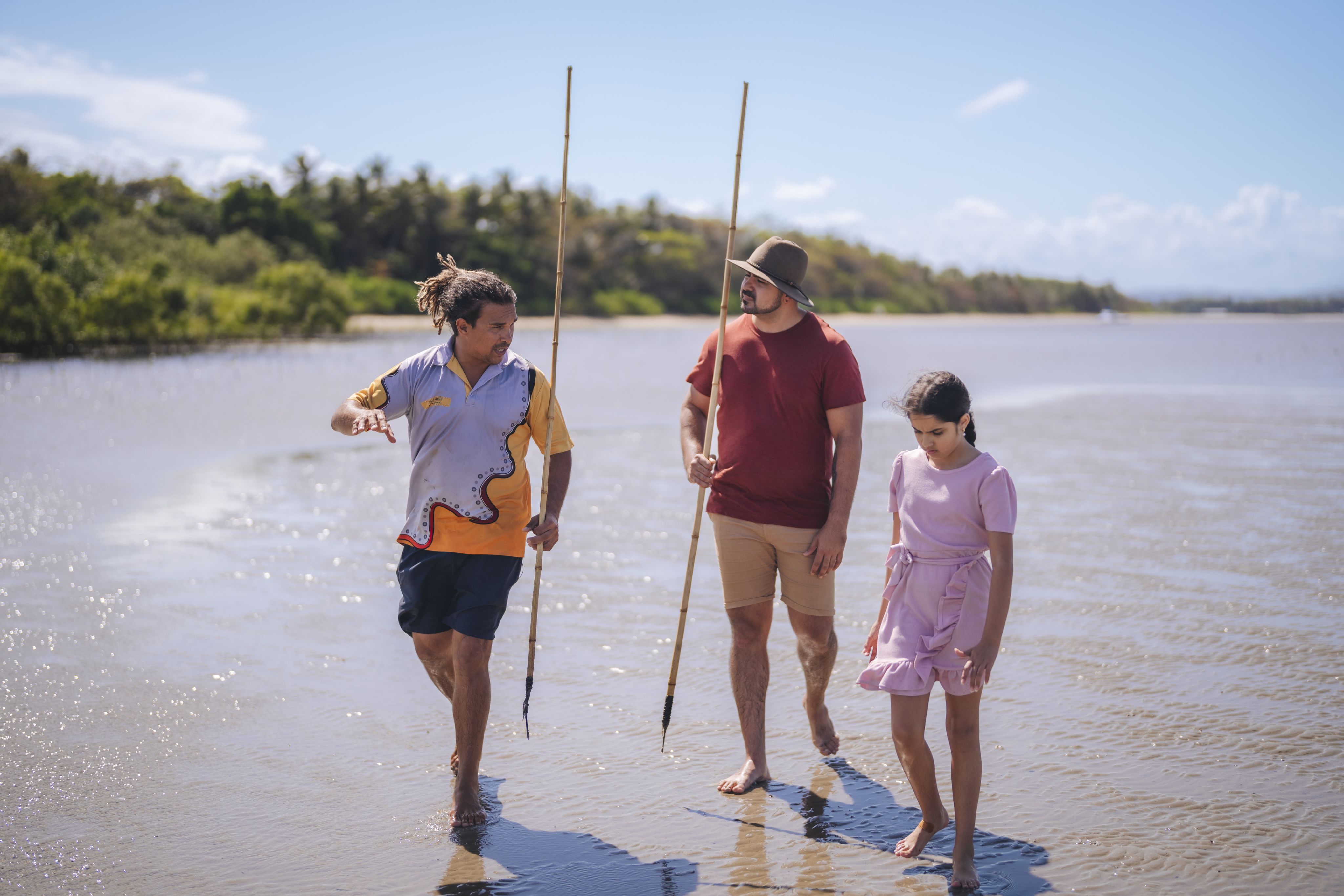
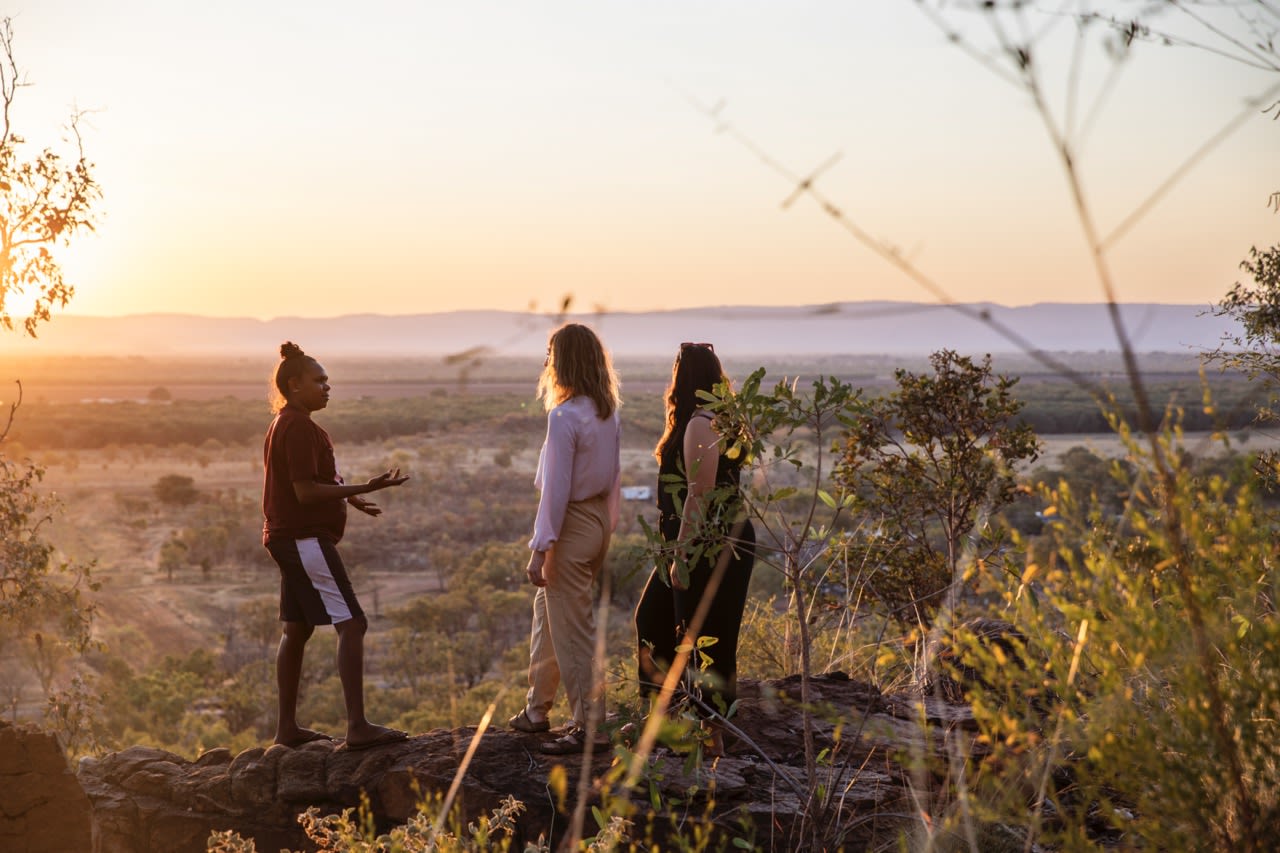
In Port Douglas Daintree, Queensland, Juan Walker’s tours invite travellers to walk with the Aboriginal guides on country, whilst learning about the ancient Daintree rainforest and traditions of native plant use in medicine and food.
“It keeps us on country, to maintain culture, our natural assets and creates income to individuals and community rather than be reliant on government assistance, to become more self empowering,” Walker said.
By country, Walker refers to ways Aboriginal peoples are connected to the lands, waterways and seas through ancestral ties and family origins.

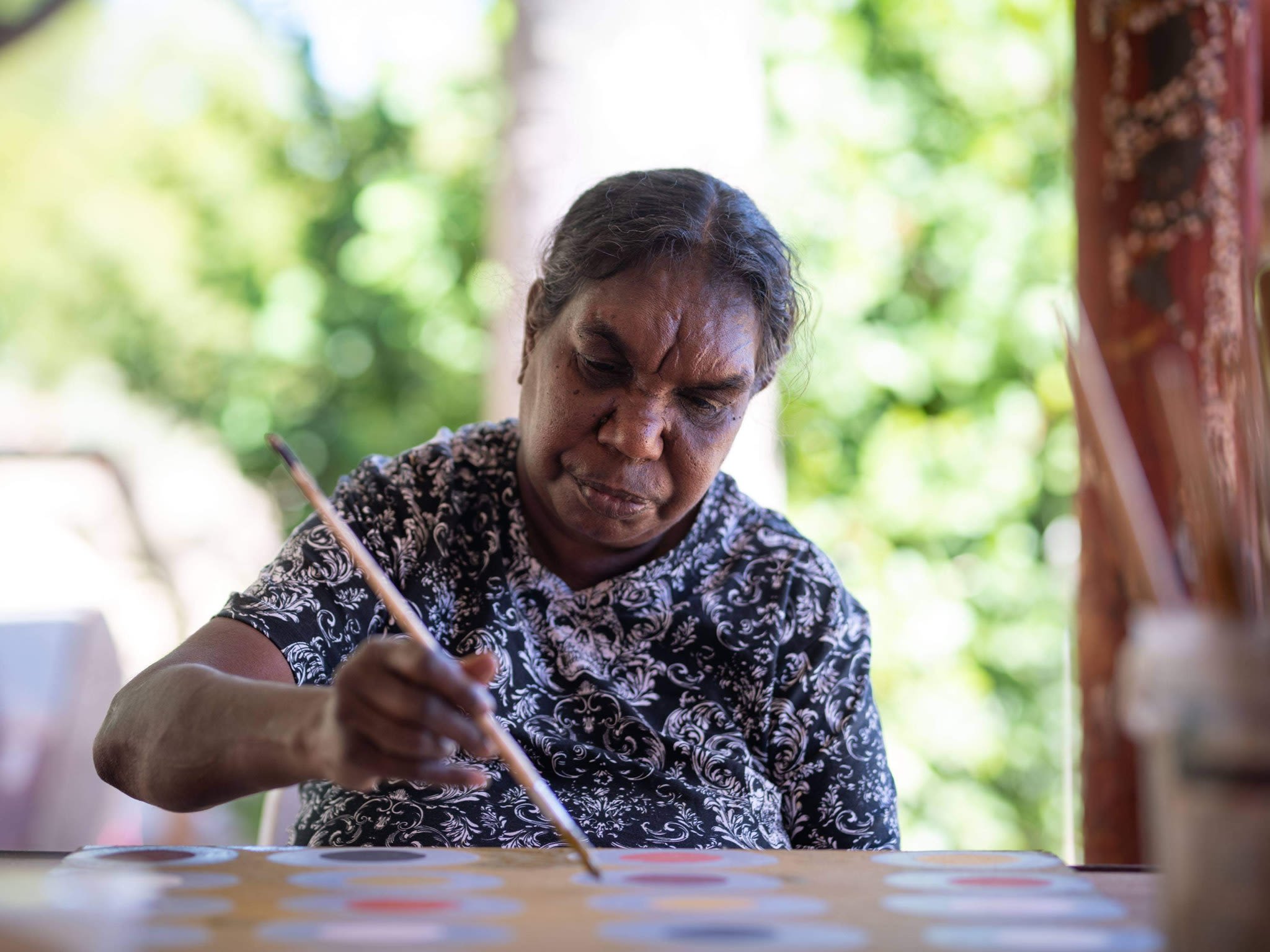
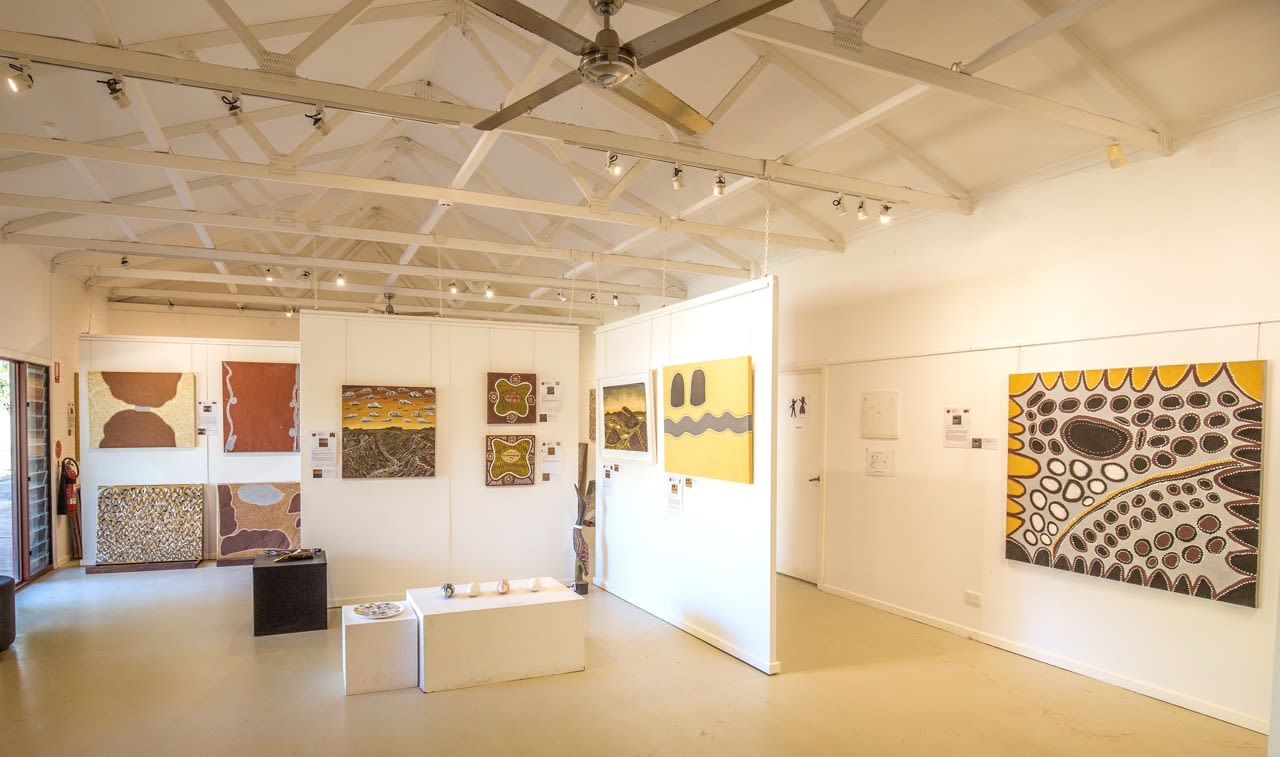
In East Kimberley, Waringarri Aboriginal Arts is the first wholly Indigenous owned art centre in Western Australia which celebrates the uniqueness of Miriwoong cultural identity, founded by senior cultural leaders in the early 1980s.
Miriwoong is among the Indigenous languages European settlement has left critically endangered. It was spoken for tens of thousands of years, but now there are less than eight surviving elders that speak Miriwoong fluently.
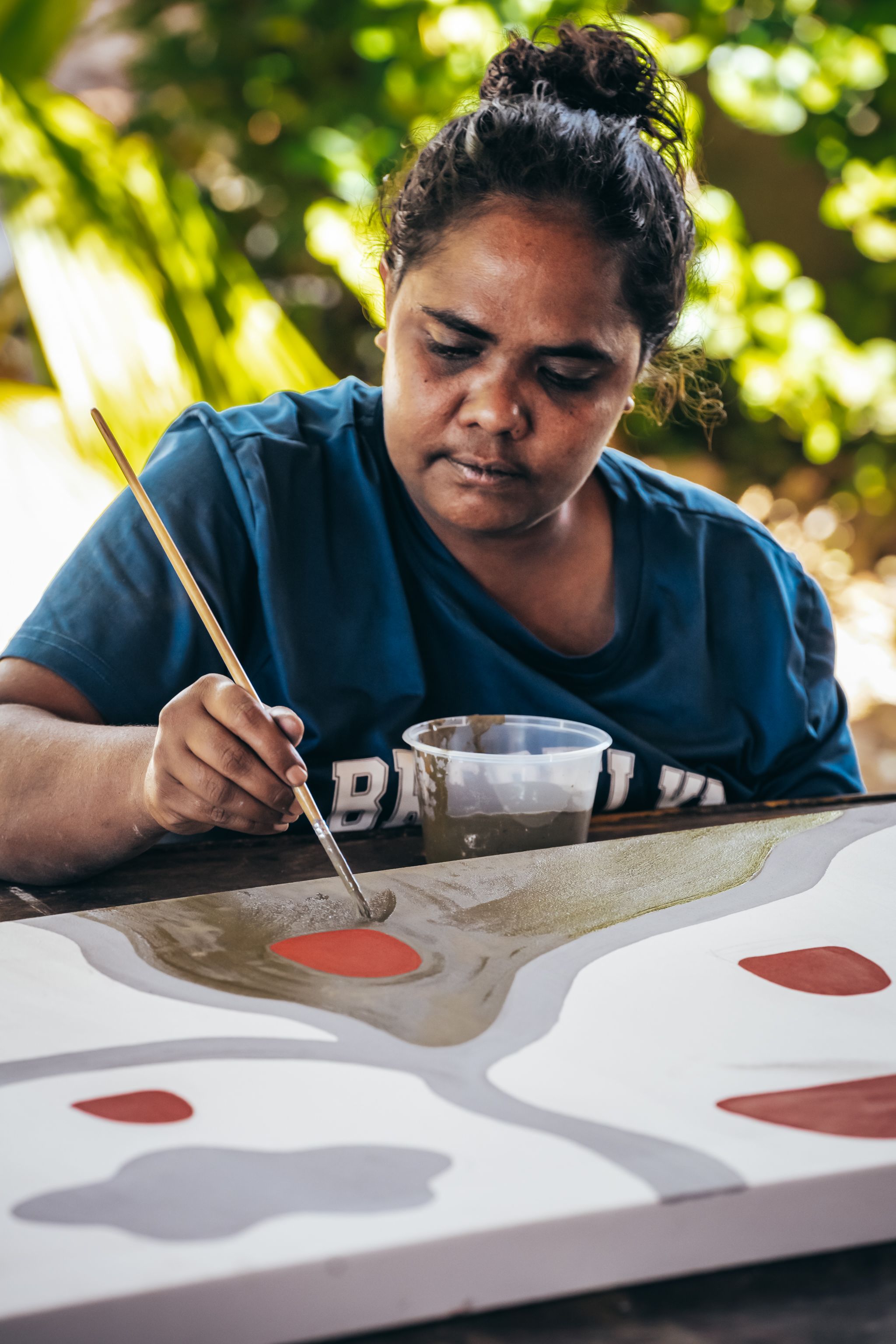
At Waringarri, artists paint the stories and landscape of their own traditional country, and the cultural knowledge that has been passed down from their family elders.
“Through art and cultural projects, we work with the local language centre to practice and preserve Miriwoong language,” a spokesperson at Waringarri Arts explained.
“Waringarri’s mission is to preserve cultural knowledge for future generations - to maintain and celebrate cultural stories and practice so that it will not be lost forever.”
Reconciliation between Indigenous and non-Indigenous Australians for historical injustices and ongoing inequalities is often cited as the power this type of tourism can hold.
“It all comes down to education, the more Aboriginal and Torres Strait Islander peoples can share their stories, and knowledge can be accessed by non-Indigenous Australians it will help foster and create more harmonious communities through understanding of why Aboriginal people are the way they are,” said Walker.
“It also allows communities and members to protect their culture and revive parts of their traditions and language for future generations.”
“Tourism is a significant step towards greater understanding between Indigenous and non-Indigenous Australians,” a spokesperson at Waringarri Arts said.
“However, reconciliation cannot be achieved simply through tourism. It is a much more complex path. There is a deeply traumatic past for Indigenous people in Australia and there is a long road ahead in the process of healing and reconciliation,” they added.

Copyright Timbee Photography
Copyright Timbee Photography

Copyright Sarah Duguid
Copyright Sarah Duguid

Copyright James Fisher
Copyright James Fisher
Copyright Waringarri Aboriginal Arts, featured image Sarah Duguid
Copyright Waringarri Aboriginal Arts, featured image Sarah Duguid
Aboriginal-led tourism can also bring economic opportunities. Walkabout Cultural Adventures, for example, creates employment opportunities for local Aboriginals who are proud to share their land and culture, while larger corporation Voyages Indigenous Tourism Australia, assists Indigenous people in acquiring and managing land to achieve economic, environmental, social and cultural benefits, as a subsidiary of the Indigenous Land & Sea Corporation.
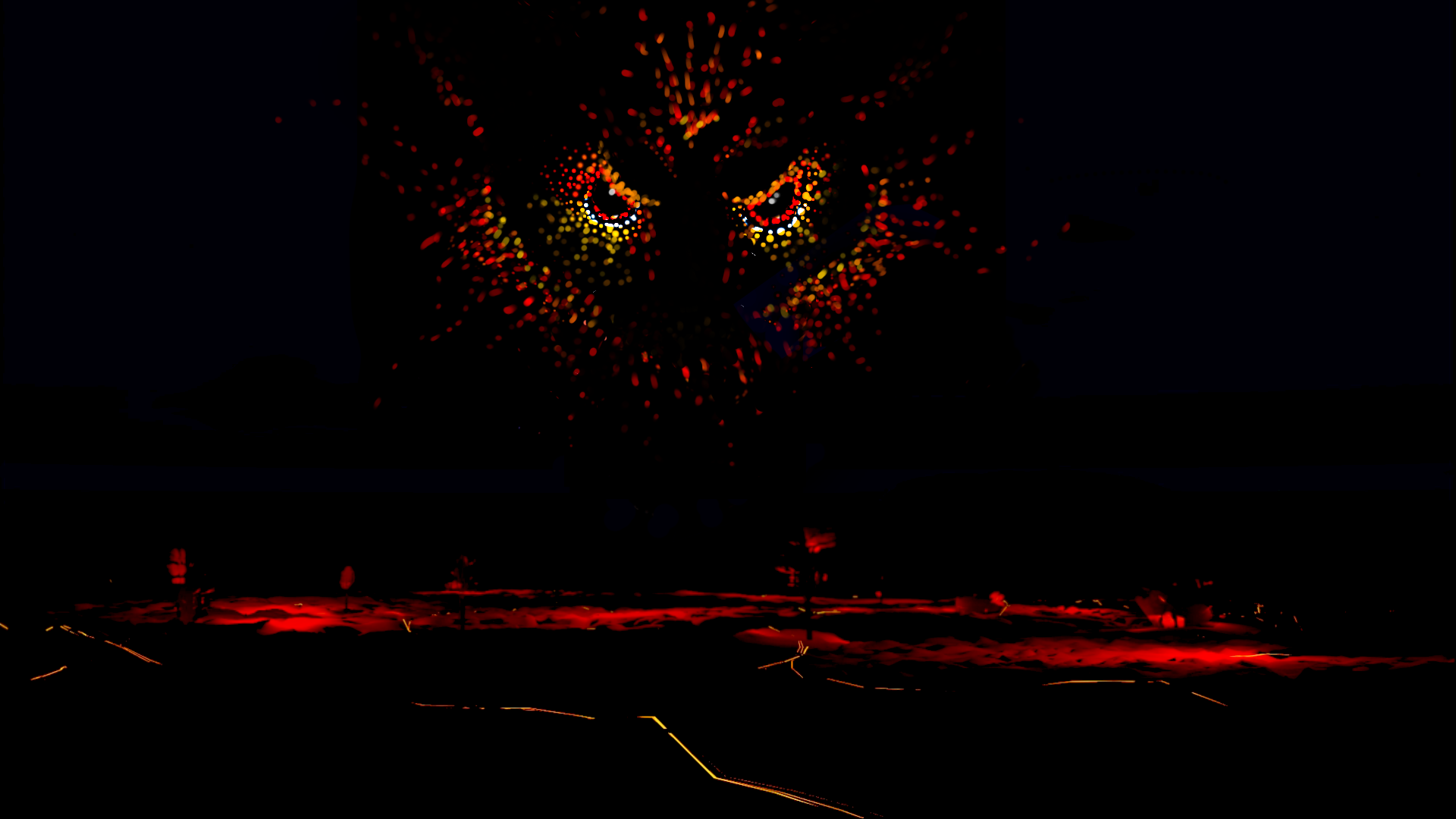
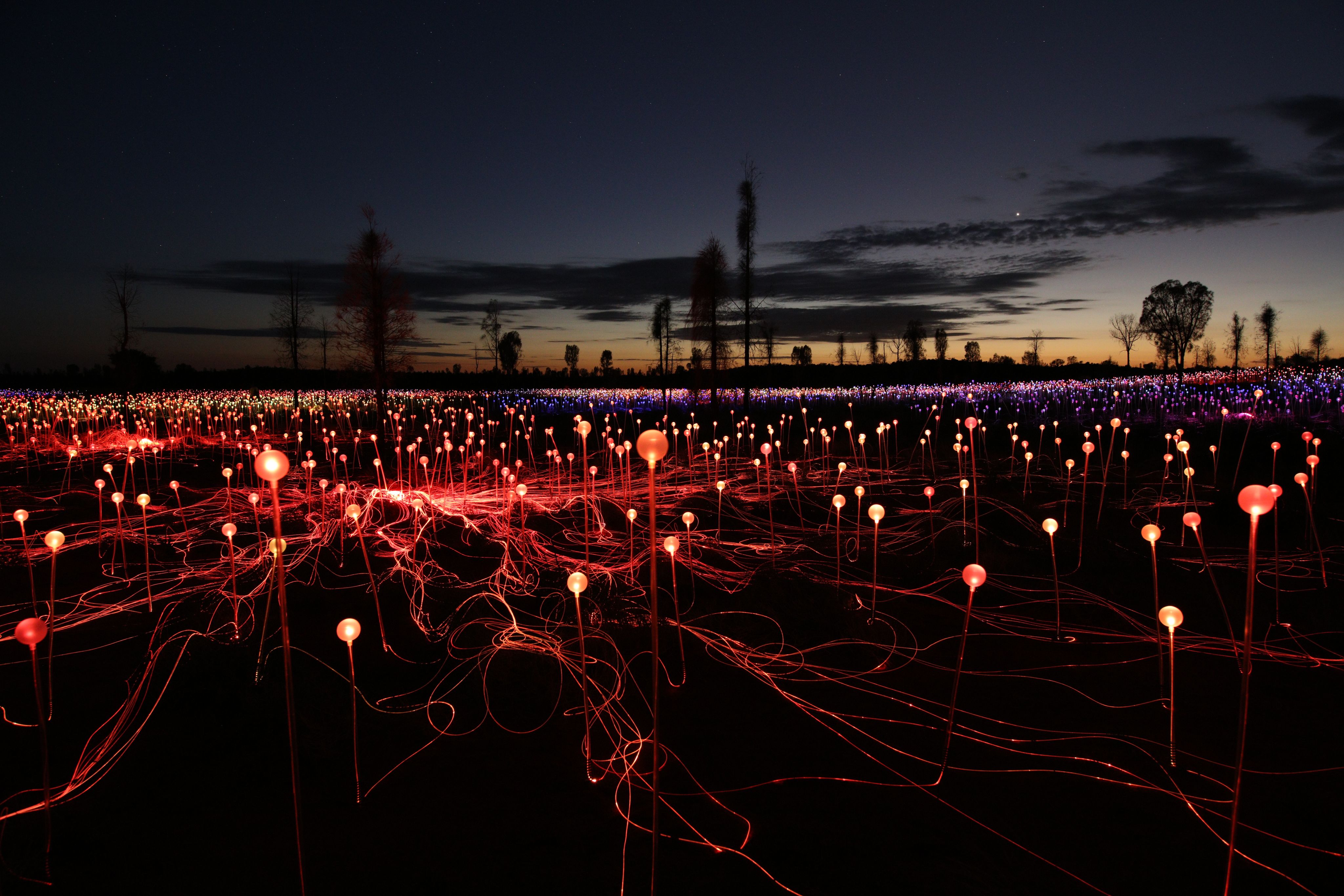
A highlight of the many premium experiences Voyages Indigenous Tourism Australia offers is the Wintjiri Wiru where over 1000 choreographed drones, lasers and projections bring a chapter of an ancestral Anangu story, the Traditional Owners of the area, alive above the Uluru (Ayers Rock).
To Anangu, Uluru is not a rock at all, but a living, breathing cultural landscape, created by ancestral beings. The show of light, music and sound, created by three local Anangu women, shows this to visitors.
“This experience offers a modern, female perspective on connection to Country as the land awakens,” Matt Cameron-Smith, Voyages Indigenous Tourism Australia CEO, said.
Image copyright Voyages Indigenous Tourism Australia
While governments have begun to promote Indigenous tourism destinations through training programs for Aboriginal and Torres Strait Islander peoples, as well as funding, infrastructure development, and marketing plans, Walker warns of the necessity to ensure that Indigenous communities remain in control of the Aboriginal tourism industry.
“There is a need to make it easier for Indigenous people to create their own opportunities and assist them in being able to practise culture and care for land without being forced to comply with the western systems as they do not recognise and want to apply these old knowledge systems into the way we live today,” he explained.
“The negatives with tourism is that there is a fine balance of sharing culture and compromising culture for monetary gain.
“For example when particular knowledge is shared to the wrong people who can exploit their natural heritage and assets, or by visitors misunderstanding particular information which can be detrimental to community and particular groups.”
While tourism promises economic benefits for Aboriginal and Torres Strait Islander peoples, striking a balance between ‘cultural conservation’ and ‘economic development’ will be vital for the success of Indigenous tourism in Australia, according to Future Market Insights, who see the main challenges as maintaining the diverse ecosystems and the equitable distribution of the benefits.
"There is a fine balance of sharing culture and compromising culture for monetary gain."
Juan Walker
Tourism Australia’s Discover Aboriginal Experiences showcases over 160 authentic Indigenous-led tourism which it says ensures Aboriginal and Torres Strait Islander peoples remain the authority as the industry grows.
“Members of the Discover Aboriginal Experiences program are going above and beyond to ensure that Australia’s Indigenous cultures are not just protected – but are thriving, through reinvesting profits into education, training and employment opportunities for Indigenous people,” a spokesperson from Tourism Australia said.
The Australian Government recently created the First Nations Visitor Economy National Partnership, a tourism body which includes Indigenous operators from all States and Territories to provide a voice on policy matters from a national level.
"This partnership is about bringing First Nations tourism from around Australia together," Robert Taylor, chair of the Partnership, told The Indigenous Business Review.
"What's exciting is the interest we're seeing from the broader tourism industry to learn about Aboriginal culture, and how they can be involved," Taylor said.
"This partnership will enhance the opportunities to grow First Nations tourism in Australia."

 Built with Shorthand