
Indoor tanning
Is the UK on the brink of a sunbed ban?
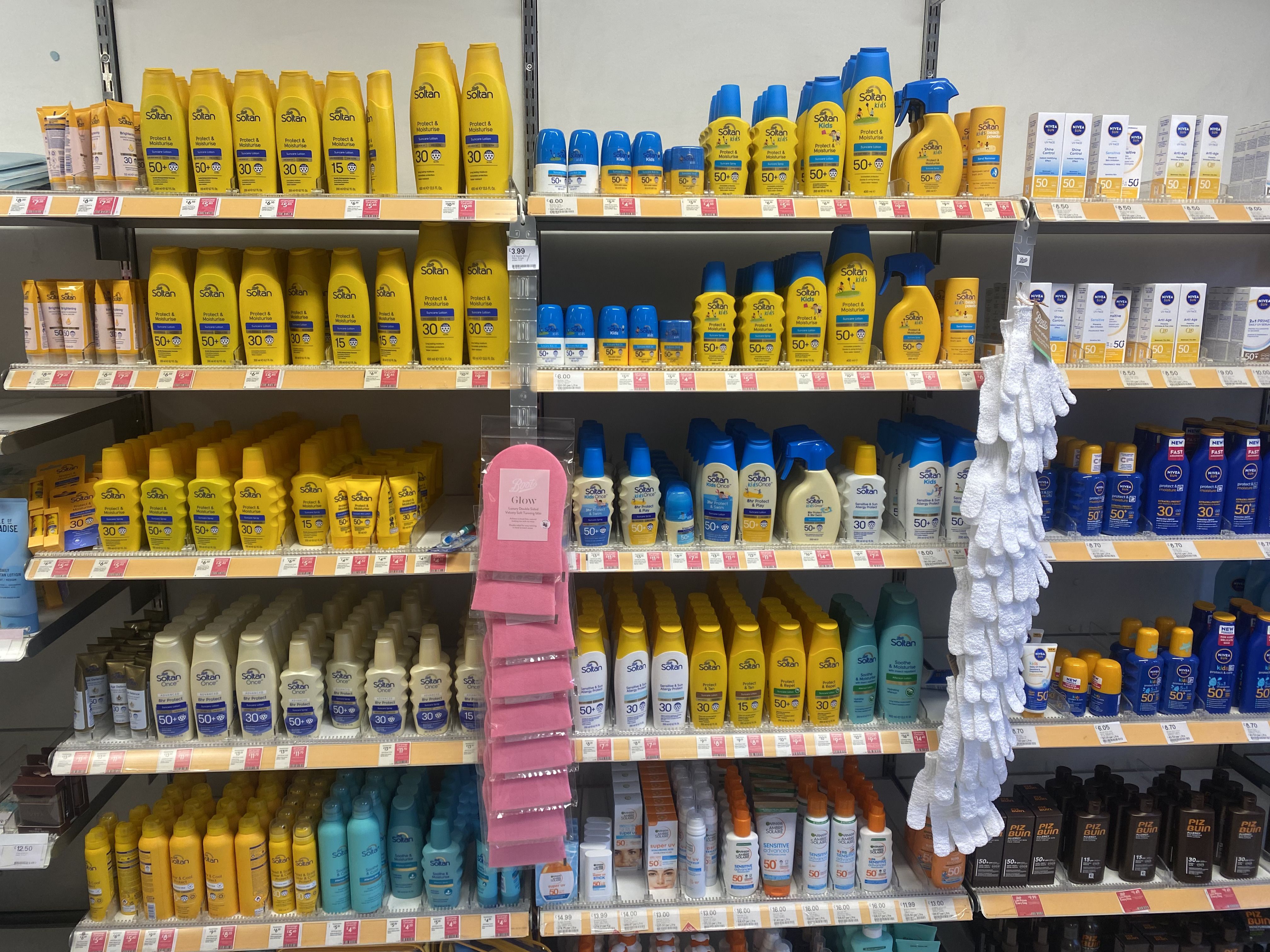

Who doesn’t love a summer tan?
Some prefer to top it up on holiday, others swear by one of the many fake tanning products available on the market.
And a large proportion of Brits like to nip down to a tanning shop for a quick session on an indoor tanning bed.
Many tanning shops advertise moderate sunbed use as harmless, and even beneficial, to overall health.
But according to the British Association of Dermatologists, this is untrue and one dermatologist in particular hopes they will be completely banned.
"I would love for it to happen in the UK," says Professor Hiva Fassihi.
"They have obviously been banned in Australia since 2015, and they were banned in Brazil soon after that."

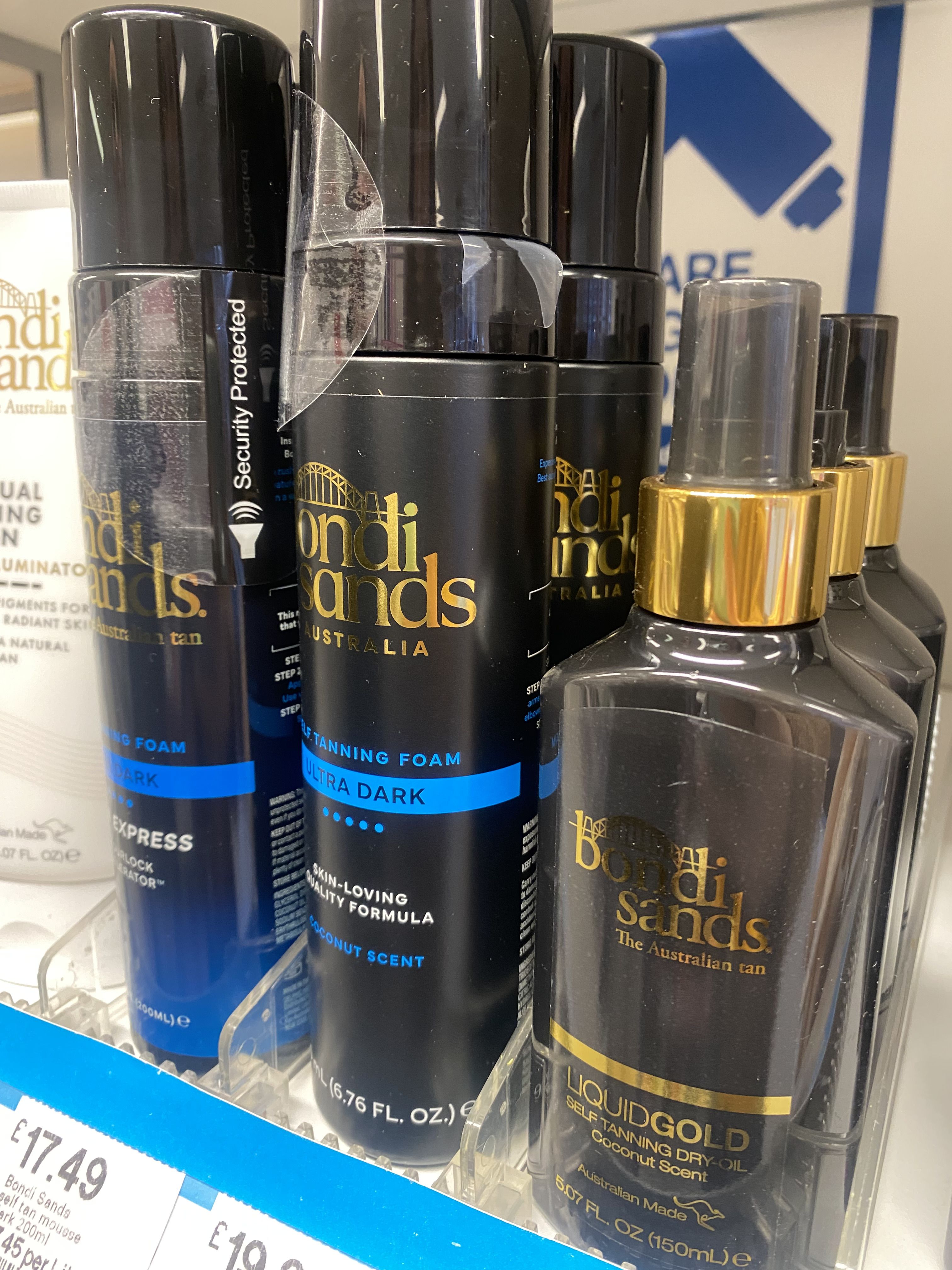

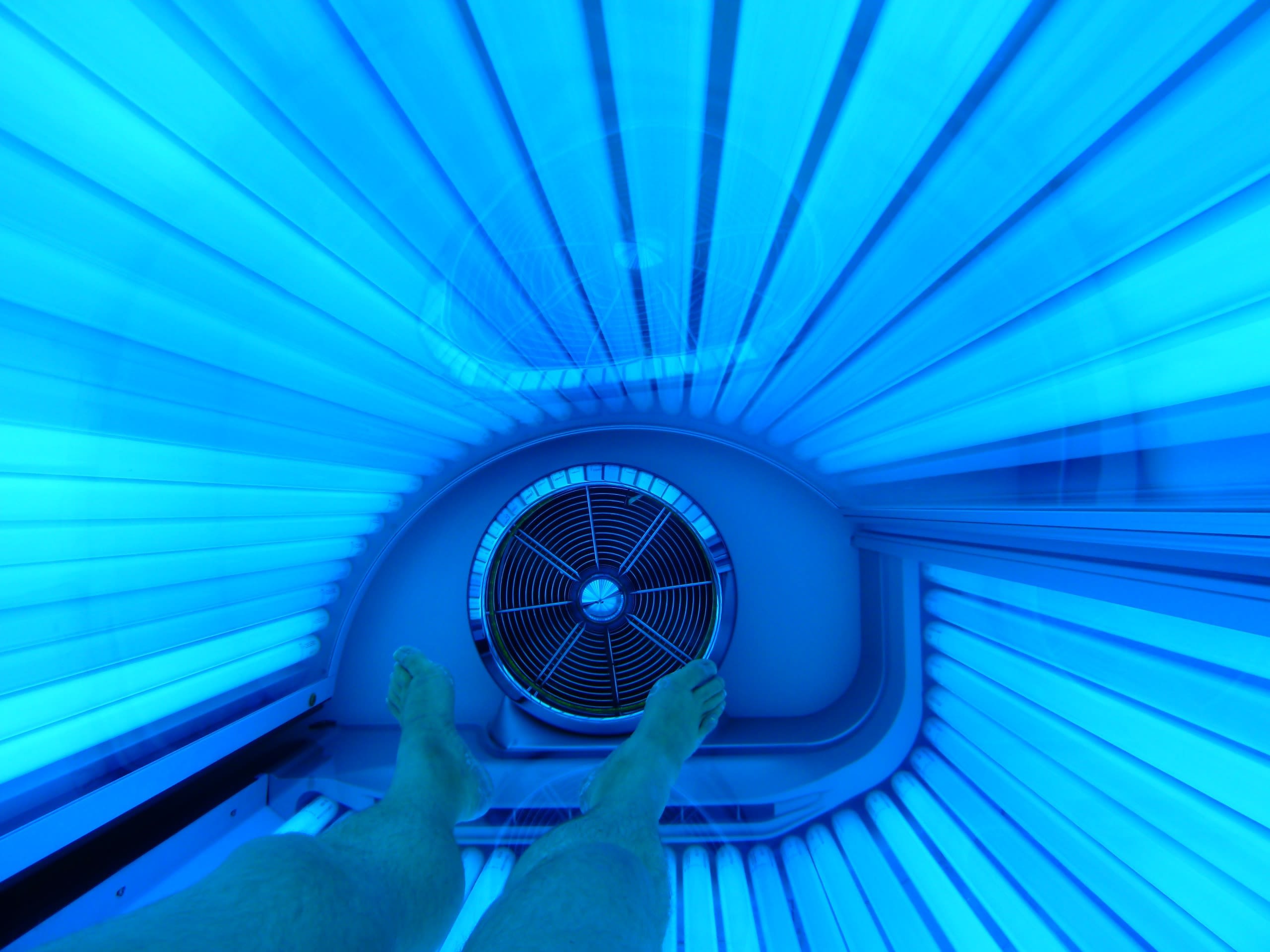
Image credit: Tho-Ge via Pixabay
Image credit: Tho-Ge via Pixabay
What are the risks?

Sunbeds work by blasting the skin with ultraviolet (UV) rays.
There are two main types of UV rays emitted by sunbeds, UVA and UVB rays. UVA rays have a longer wavelength and are slightly less damaging than UVB rays, which have a shorter wavelength.
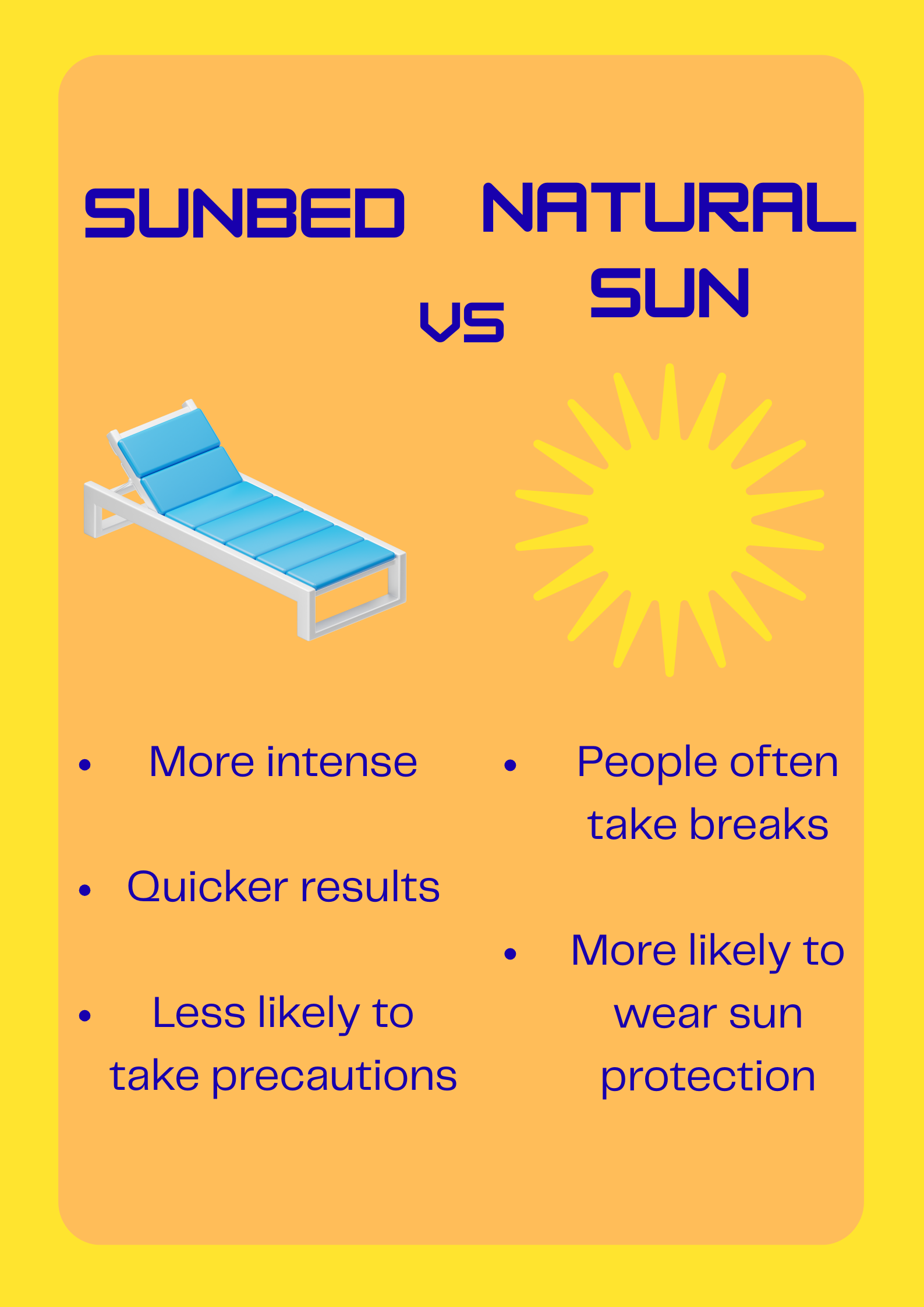
Ten minutes on a sunbed is equivalent to approximately two hours in the sun. But, as Professor Fassihi points out, the situations cannot be directly compared.
“If you are out in the sun for two hours you probably have suncream on and you are sensible,” she says.
“On a sunbed, people aren’t doing that, they are just lying there. The amount of ultraviolet exposure is really high.”


Image credit: Harry Fabel via Pixabay
Image credit: Harry Fabel via Pixabay
Professor Fassihi is a consultant dermatologist with particular expertise in skin cancer. She is also the chair of the British Photodermatology Group, one of the British Association of Dermatologists’ special interest groups.
According to Professor Fassihi, there are serious risks surrounding sunbed use, and the public don’t fully understand the risks.
“I’m always surprised in the clinic when I start talking about skin cancer and how to protect and what suncreams do, that the knowledge is not great even in those who are quite good at sun protecting,” she says.
“People think ‘I will get sunburned and it won’t be a problem’ and they don't think about twenty years down the line when they might get their melanoma.”
According to Professor Fassihi, the ultraviolet emission on an indoor tanning bed is about ten to fifteen times higher than on a bright sunny day. And, she says, tanning is no safer than burning.
“A tan is almost like a cap of pigment that goes over the cell nucleus, protecting it from the sun. You have to have a certain degree of damage occurring before that tan forms.
“Tanning is no better than burning. They are both bad, but burning is a more extreme version of it.”
Professor Fassihi also thinks that the sunbed industry needs better regulation.
“From what I can see, anyone can walk into those tanning shops and as long as they look 18 they can have treatments, and they can have as many treatments as they want,” she says.
“One point is how you regulate people using tanning shops, and that’s almost impossible as there must be thousands of them around the UK.
“The second thing is how the machines are regulated. Who goes in and tests these machines? If they are not banned, they need to be better regulated.”

Popular with the public?
According to data from Melanoma Focus, a third of UK 16-17 year olds are using sunbeds, despite them being banned for under 18s over ten years ago.
Their research shows sunbeds are particularly bad for young skin and that using a sunbed under the age of 35 increases the risk of melanoma by 59%.
Data from beauty and wellness marketplace Fresha in 2024 revealed that smaller towns and coastal areas place more importance on tanning.
Eleanor Whiskerd, 21, said that when she was growing up in a small town in Essex, she noticed a lot of teenagers using sunbeds at a young age.
“I’ve definitely chatted a lot about sunbeds with my family and friends and I don’t think any of us would personally use it,” she says.
“But growing up in my area I was definitely aware of people using them at quite a young age. I think it’s particularly bad for young skin.”
This TikTok user had an unexpected burn from just seven minutes on a tanning bed.
Whiskerd said that she finds sunbed use extremely concerning, especially since there are so many alternatives like fake tan or a spray tan.
She added: “As a young person, I wouldn’t put myself at risk.”

Image credit: Surprising_Media via Pixabay
Image credit: Surprising_Media via Pixabay
But not everyone is such a staunch opponent of sunbeds. Speaking to Londoners, several said they had used them before or knew others who had.
They had varying reasons for trying indoor tanning, from trying to prevent a burn in natural sun to wanting to feel a bit warmer during the winter.
You can watch the full video below.
What do Londoners think about sunbeds?

What's next for sunbeds?


Image credit: dmitrisvetsikas1969 via Pixabay
Image credit: dmitrisvetsikas1969 via Pixabay
In May last year, an All Party Parliamentary Group (APPG) for Beauty and Wellbeing launched a formal inquiry into UV safety.
APPGs are cross-party groups with no official status in parliament, run by and for members of the Commons and Lords.
The aim of the inquiry is to “protect the public against harmful UVA and UVB exposure and the increased risk of skin cancer”.
The inquiry also aims to evaluate the standard of education on UV safety throughout the UK, but not just the information children are taught in school. The inquiry will also look at information told to consumers by the industry and information on media platforms.
Sunbeds are also facing a commercial ban in Ireland. The Institute of Public Health recommended the move last year to reduce the incidence of skin cancer, the most common form of cancer in Ireland.
And it seems the UK government is beginning to take action. Essex Live reported this month that mandatory ID checks could be introduced in sunbed shops as part of a government crackdown on skin cancer.
However, as of January 2026, there have been no definitive plans to introduce a commercial sunbed ban.
However, Dr Fassihi is hopeful that it could still happen.
She said: “We’re at the stage now where the UK government needs to look at all the options and ensure that sunbeds are either more tightly regulated or, going forward, consider a ban.”
 Built with Shorthand