
Jellycat's jump in popularity
Jellycats are the must have toy in 2025 with social media expanding their popularity. But what is the attraction? Milly Harrison finds out.
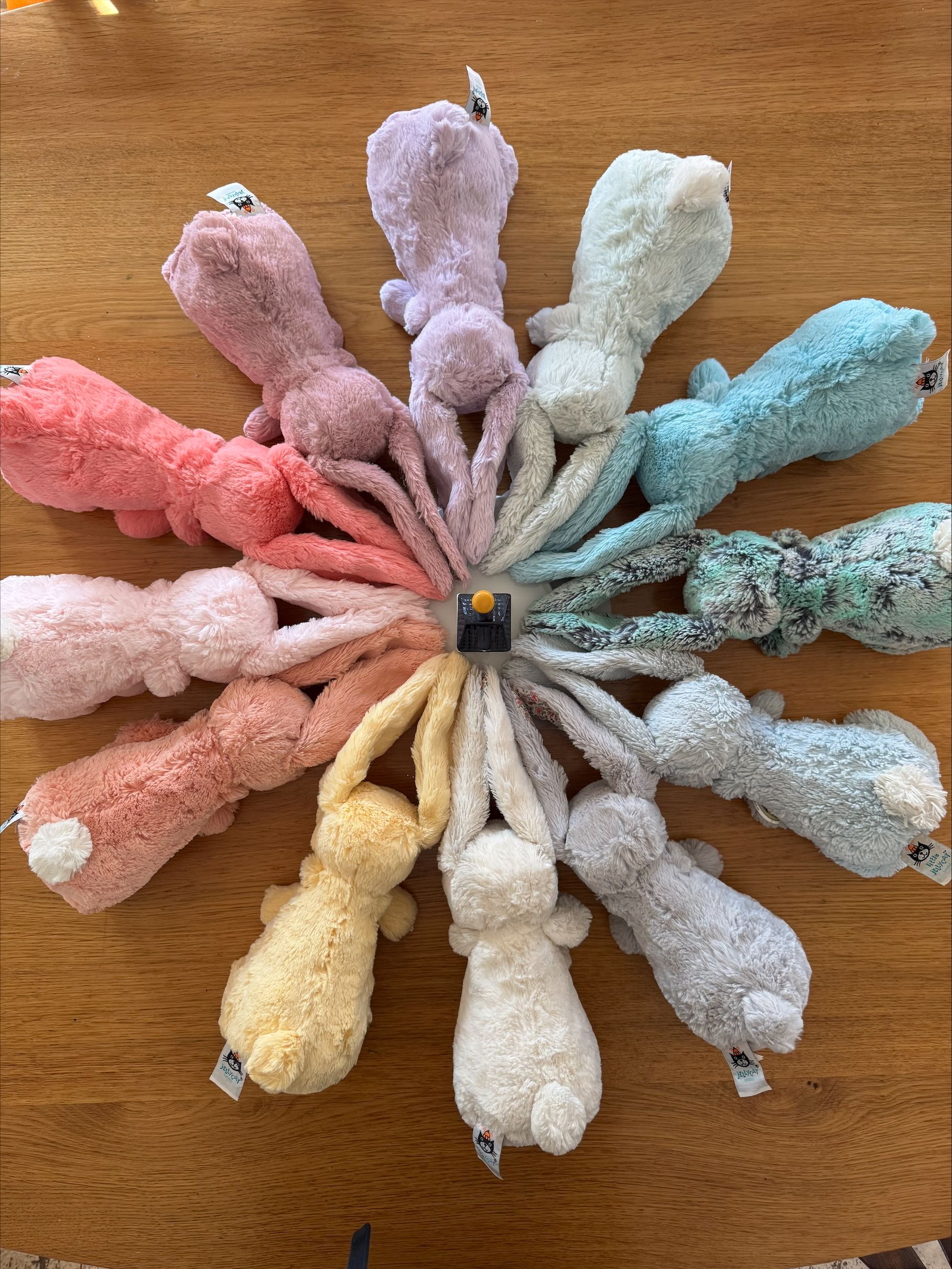

Romilly Mason was out of work and out of luck when it came to buying a property.
Desperate to put a deposit down on a house, her mum suggested a genius idea: she sell her childhood teddies.
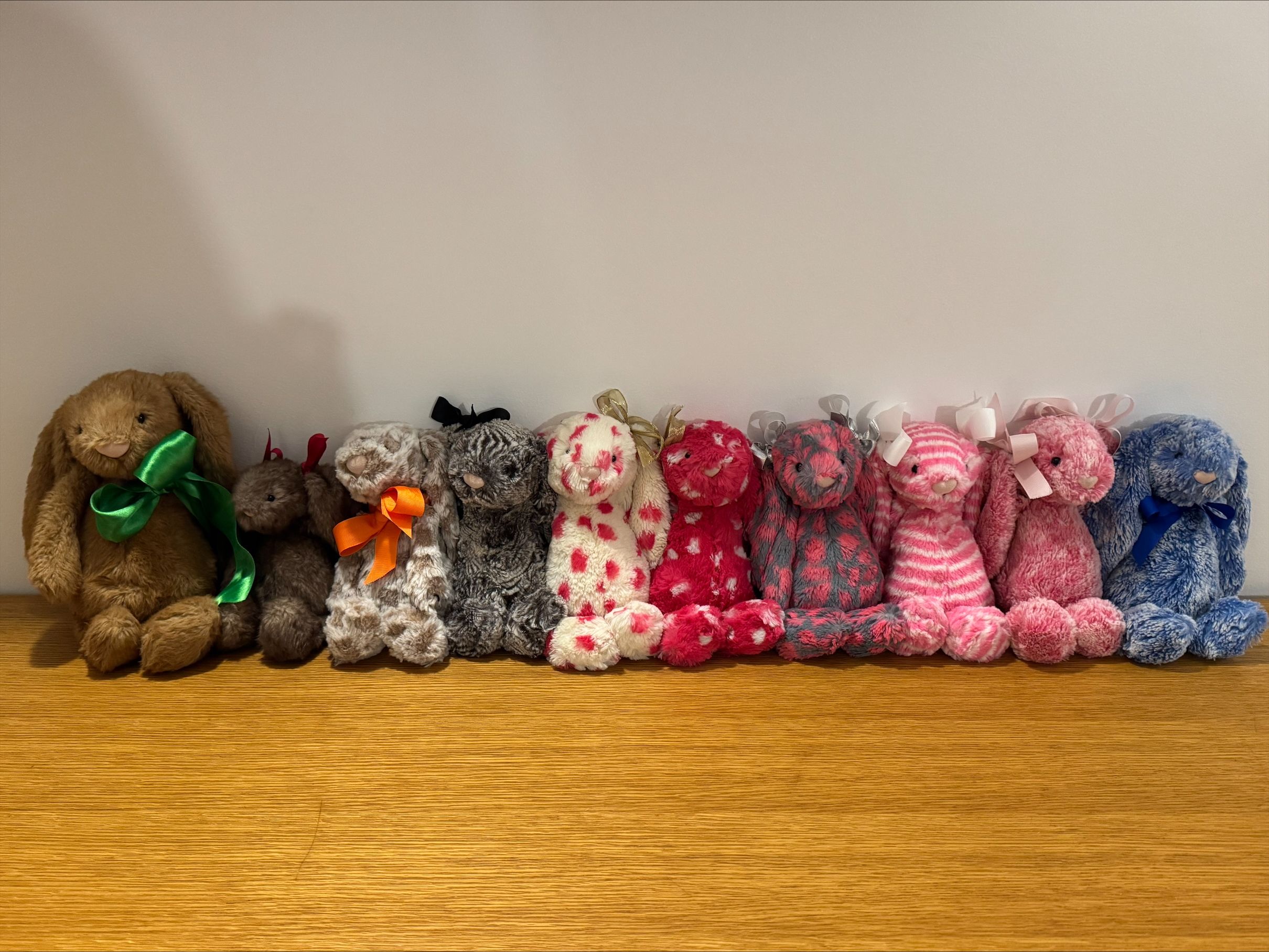
After googling the price of one of her Jellycat bunnies, Romilly was staggered to find it was worth more than £700.

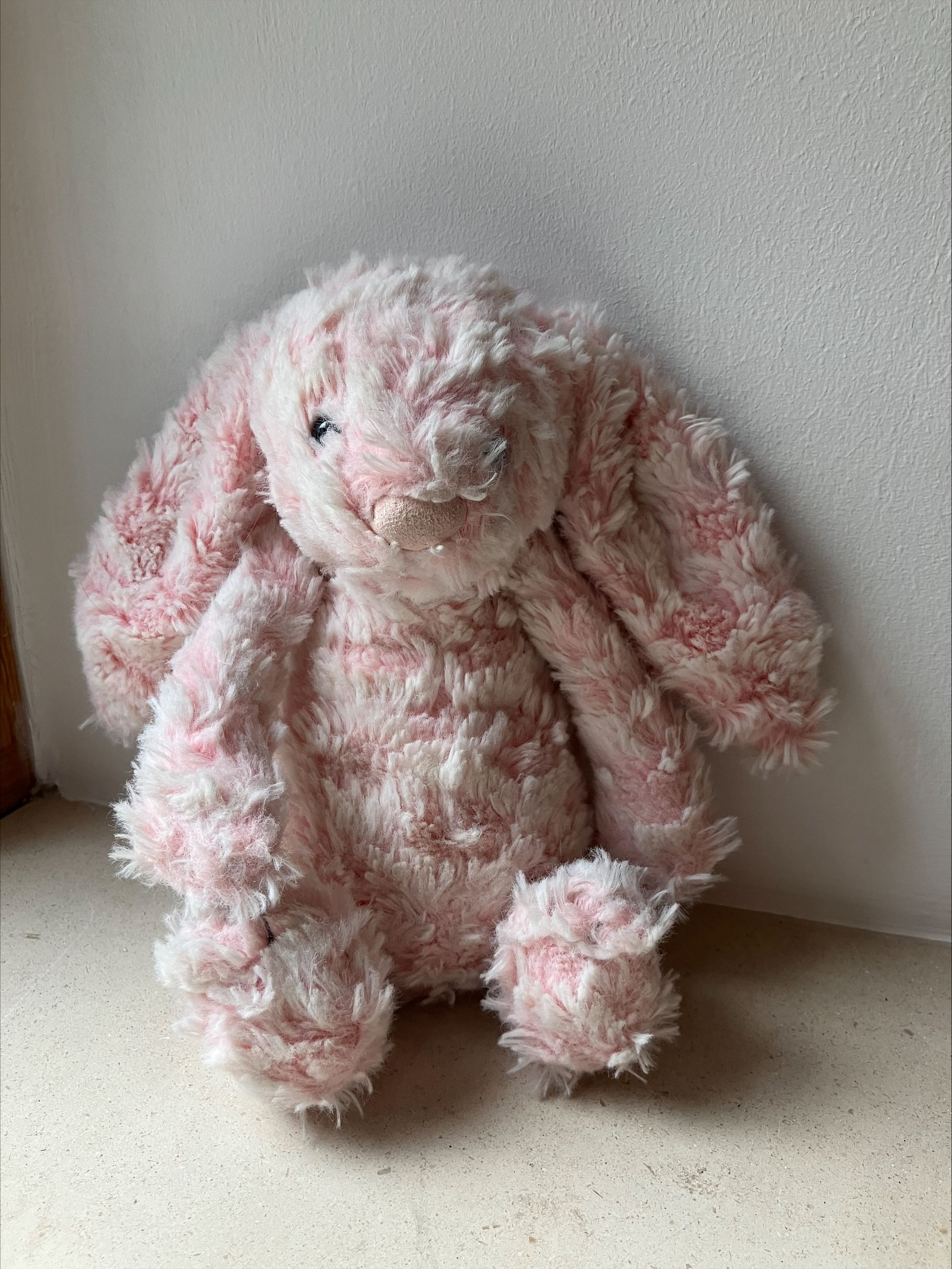
“I don’t think I realised they were actually worth as much as they are,” she said.
Jellycat - a renowned British plush toy company - has redefined the world of stuffed toys, turning basic teddies into a beloved cultural craze.
Many people fall in love with Jellycats for their beautiful materials that are noticeably softer, subtler and long-lasting.
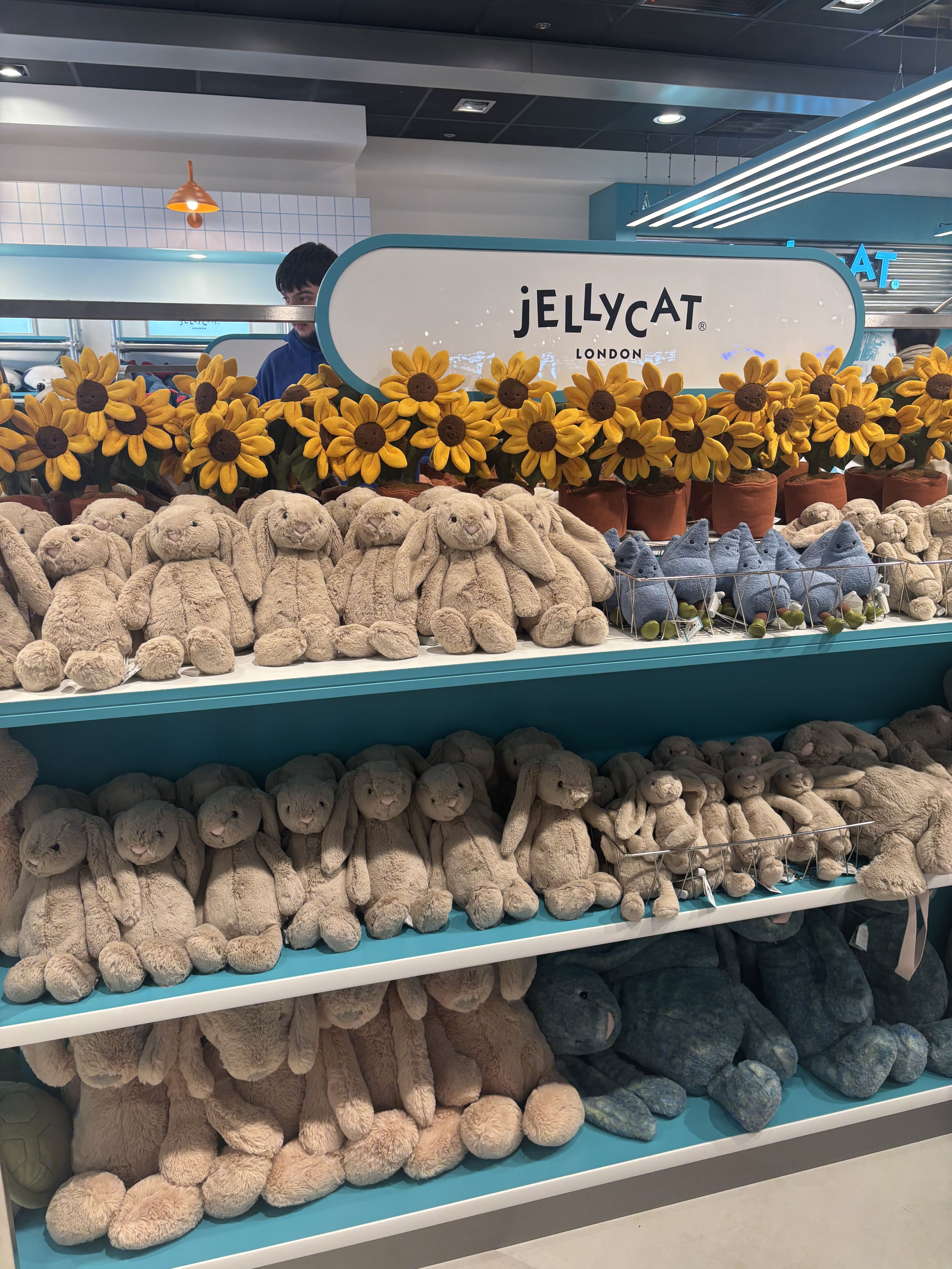
Every soft toy has a distinctive charm and there is a whole array of quirky and cute designs. The collection spans from a classic bunny to a sad rat. There’s even a chip shop collection.
These toys have captured the hearts of so many people all around the world.
Which is why, when Romilly needed a quick source of income, she knew her collection would be snapped up.
“I had 120 Jellycats, with about 80 of them bunnies,” said the 21-year-old cultural history graduate.
She has a desire to buy a property in London and an even bigger desire to secure a job in PR and Marketing. But the industry is hard and jobs are scarce.
To help make her stand out when applying for marketing jobs she decided to document this journey on Tiktok, and to her surprise gained quite a lot of attention very quickly, with more than 5,000 followers and nearly 500k overall likes.


@olivesilove Selling my jellycat bashful bunny collection on eBay: Bashful Maple, Pecan, baby pecan and walnut! #jellycat #jellycatcollection #jellycatbunny #bashfulbunny #fyp ♬ Cute - Aurel Surya Lie
She said: “I’ve been doing the Tiktok for two or three weeks now and would never have expected it to go as well as it has.”
Within this time frame, Romilly made a whopping £2,188 from selling her prized collection. “The most expensive bunny I sold was for £720,” she added.
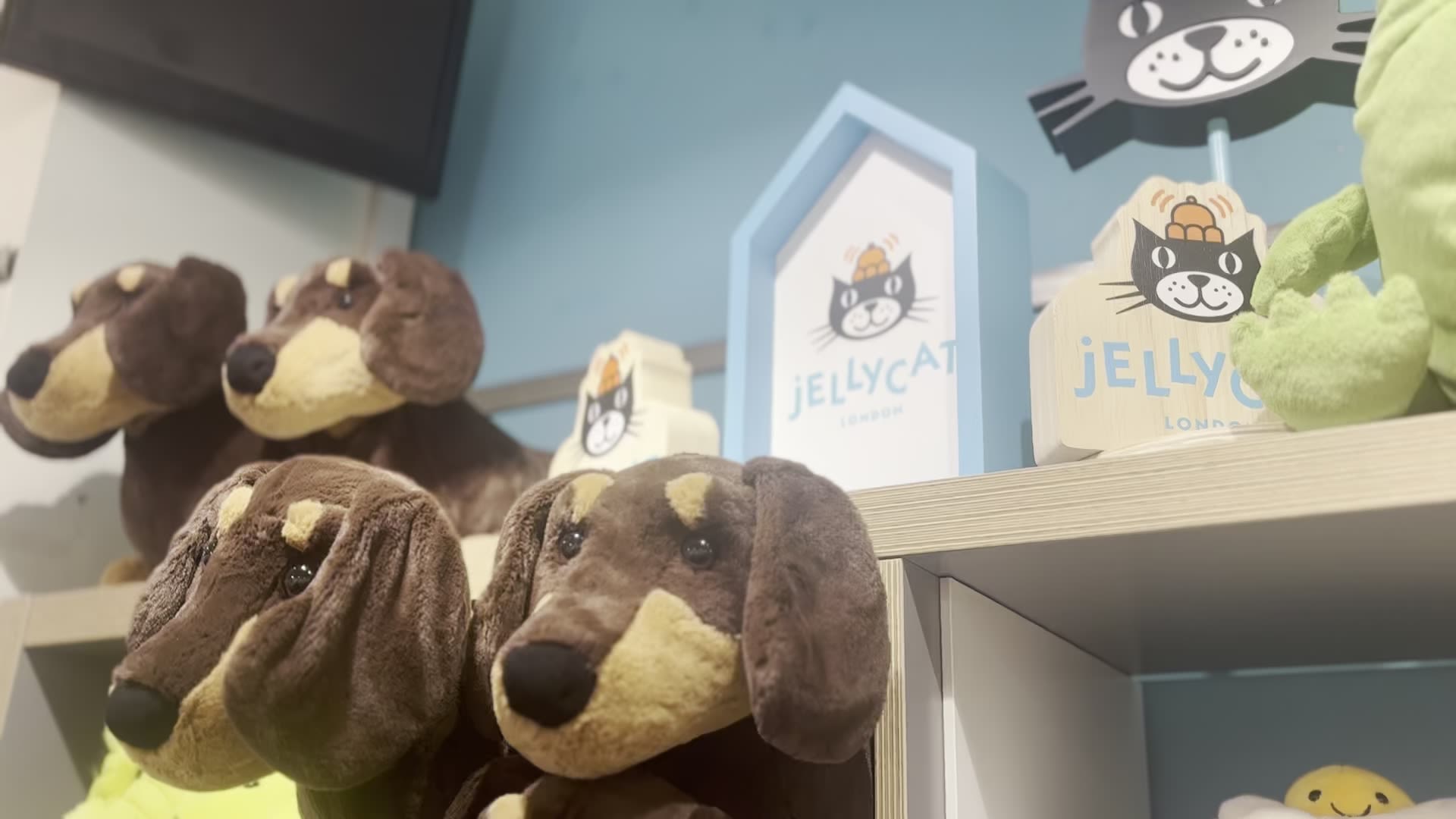


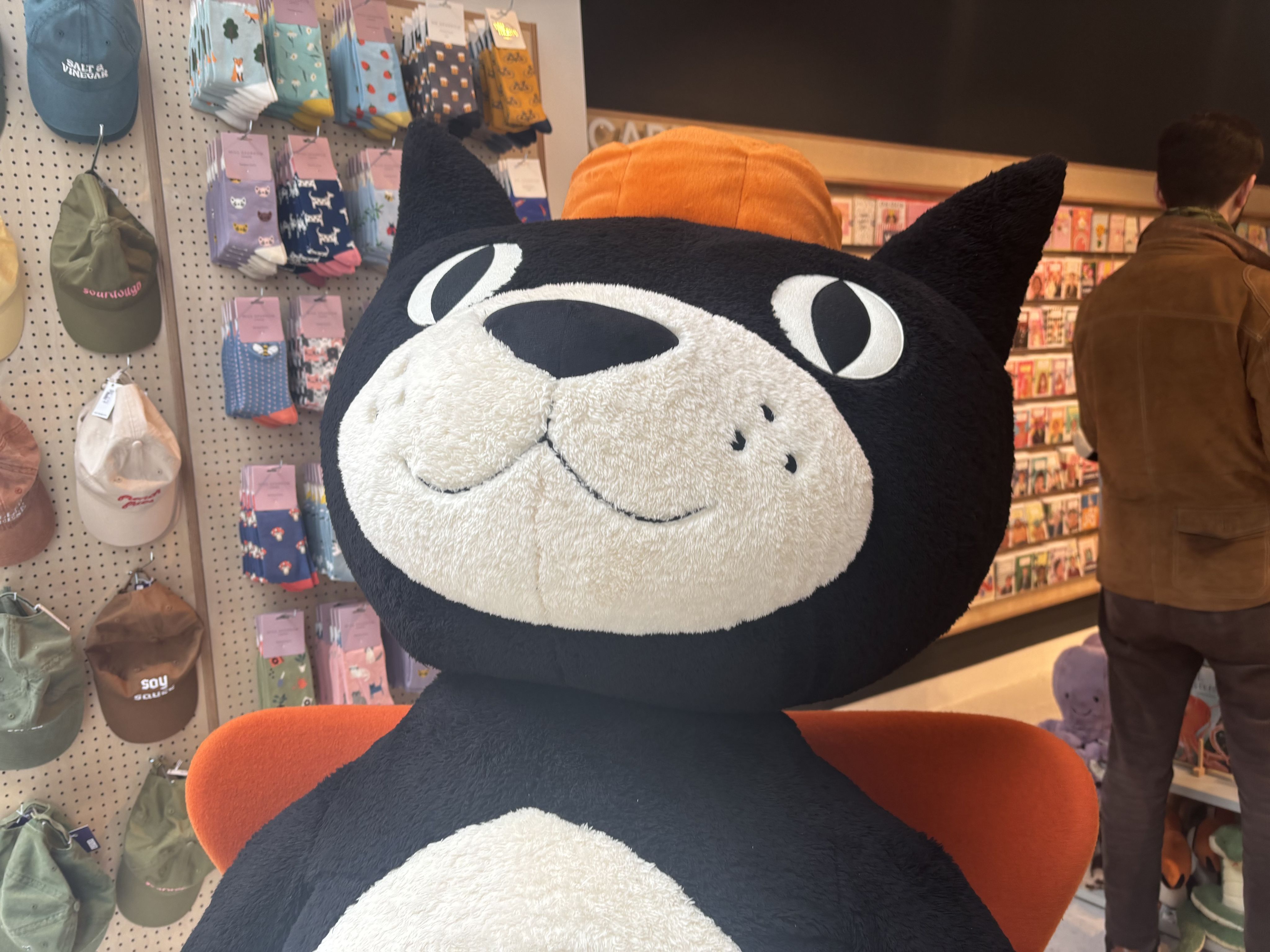
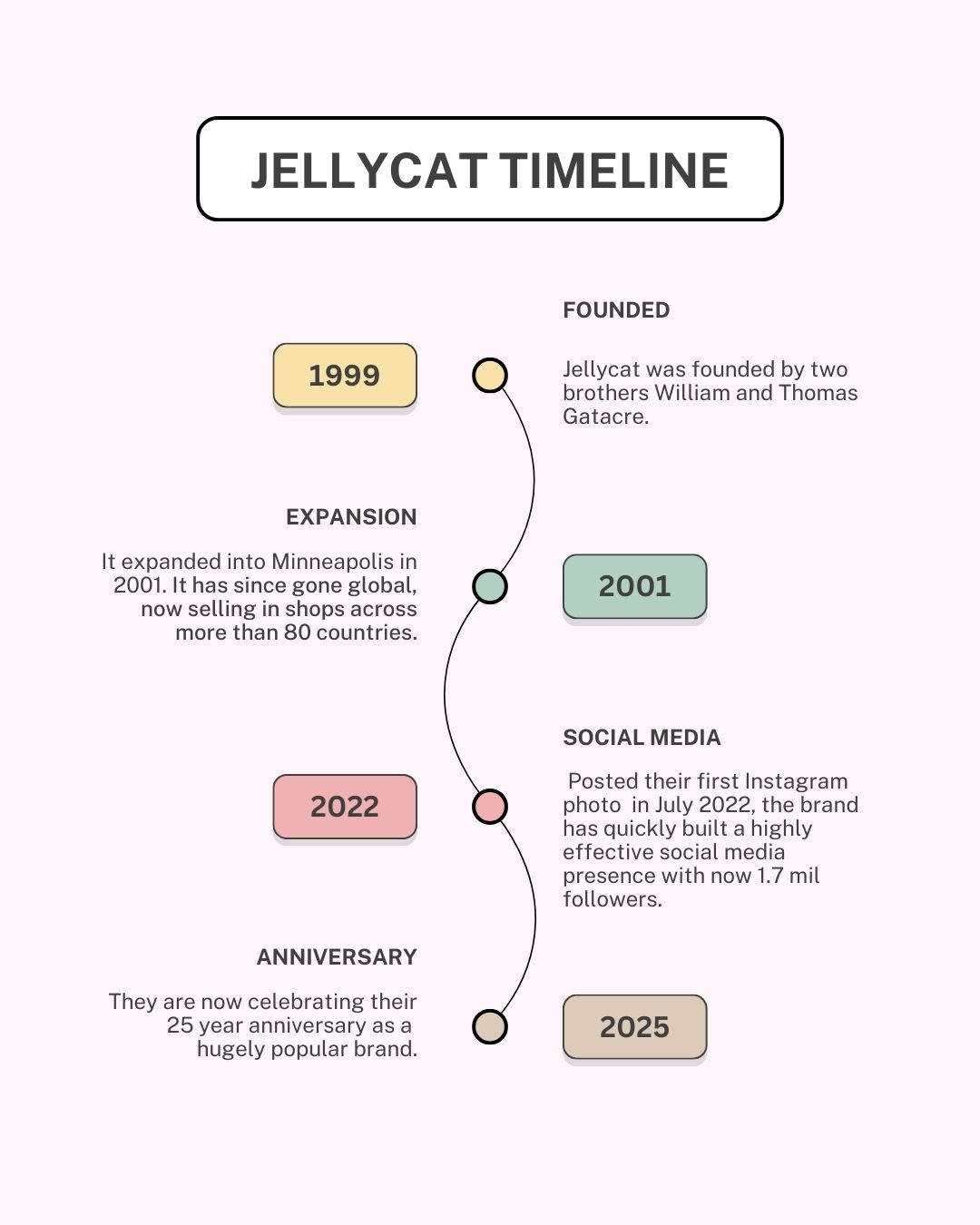
Jellycat have now been around for a quarter of a century. Founded in 1990 by brothers Thomas and William Gatacre they now share their adorable nature with millions of people around the globe.
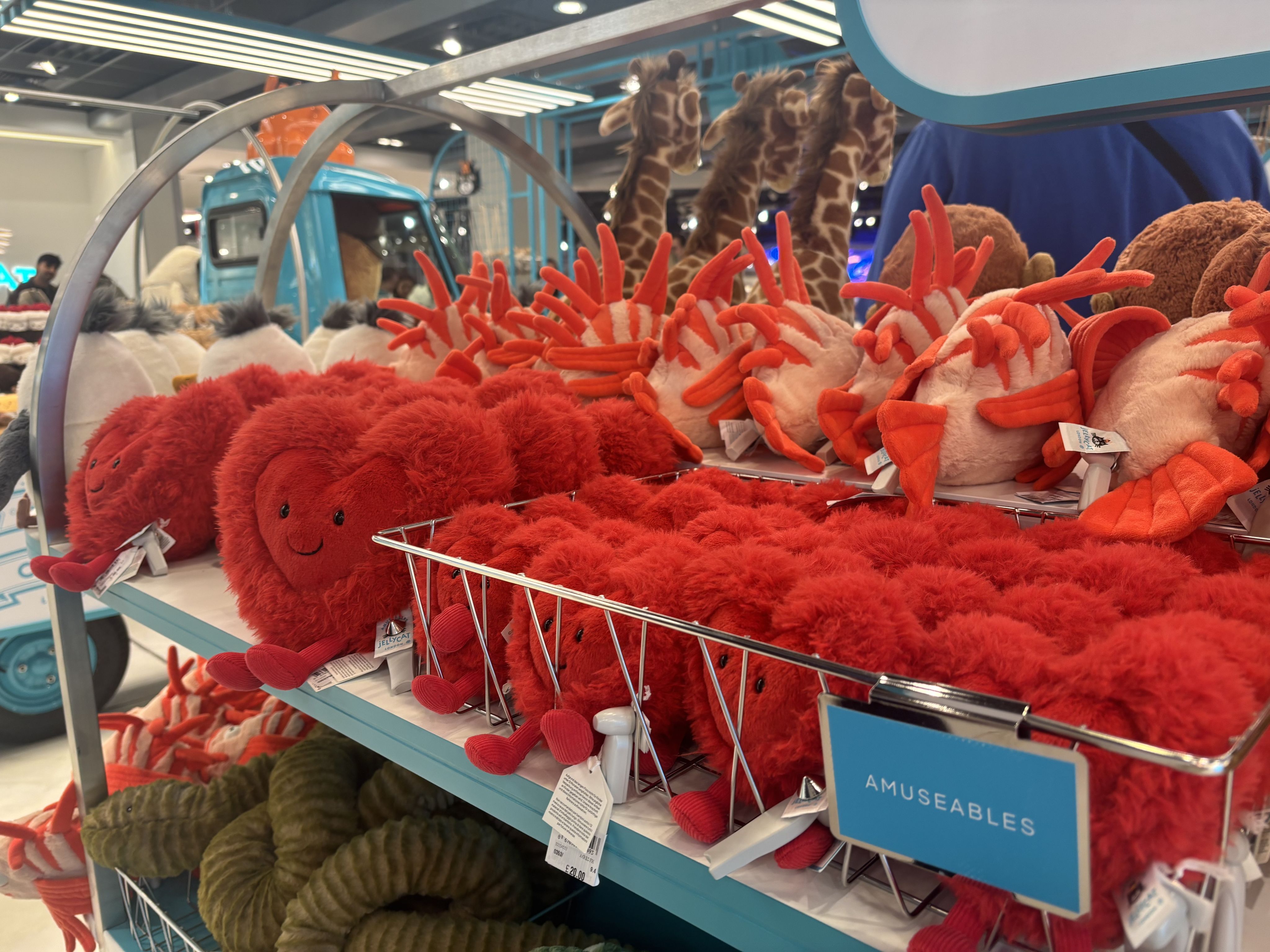
Jellycat toys - which usually retail new for between £20 and £50 - are now available in 77 countries and are in some of the most prestigious stores, such as Selfridges and Harrods. But the craze seems to only just have taken off in the past few years.
And with retired and limited edition Jellycats becoming more and more popular, prices are skyrocketing.
Social media has had a big part to play and has taken this wild obsession to a whole new level, more specifically Tiktok, which has one of the fastest growing networks ever with 1.12 billion monthly active users.
“I think personally setting up the Tiktok is what is driving my bunnies to sell for such high prices,” said Romilly.
@Officialjellycatgirl, who posts regular content of her collection and buys them as part of her hobby, recently posted sharing her upset with the major increase in the prices recently. She said: “I think the reason why they are so expensive is because of social media… I’m kind of sad that I can’t afford my hobby anymore.
“I can’t really afford to keep buying them because they are crazy priced… the ones I want are £800, I really hope the prices come down soon but if not I am going to have to sell my spleen.”
Another influencer @MeggyG responded to this post and said: “They are 100% getting ridiculous. My tree bunnies were £100 each and I’m looking at £400 for my last one. It's crazy!”
@officialjellycatgirl Are the prices of jellycats getting silly? And what’s the most you would pay?? #CapCut #fyp #fyppp #jellycat #jellycats #vinted #jellycatlondon #jellycatcollector #jellycatcollection #newjellycats #jellycathaul #jellymail #newjellycat #bashfulbunny #rarejellycat #jellycatbunny #retiredjellycat #jellycatcollections #teamwork #rare ♬ Storytelling - Adriel
Jellycats themselves seem to have helped so many people in so many different ways but there are still children out there who use these toys for comfort and the surge in popularity is making it difficult for parents to keep up with the costs.
The official Jellycat website asks the question, ‘What makes a Jellycat special?’
“It’s their plush softness combined with their unique expressions and diverse designs,” said mum Madeline Miller, who got her daughter her first Jellycat three years ago. “It completely captivated her.”
“She made the Bashful bunny her constant companion by bringing it everywhere while sleeping with it nightly and breaking down into tears when it became lost… they became an integral part in our lives.”
Madeline has also fallen victim to the recent price increase of Jellycats.
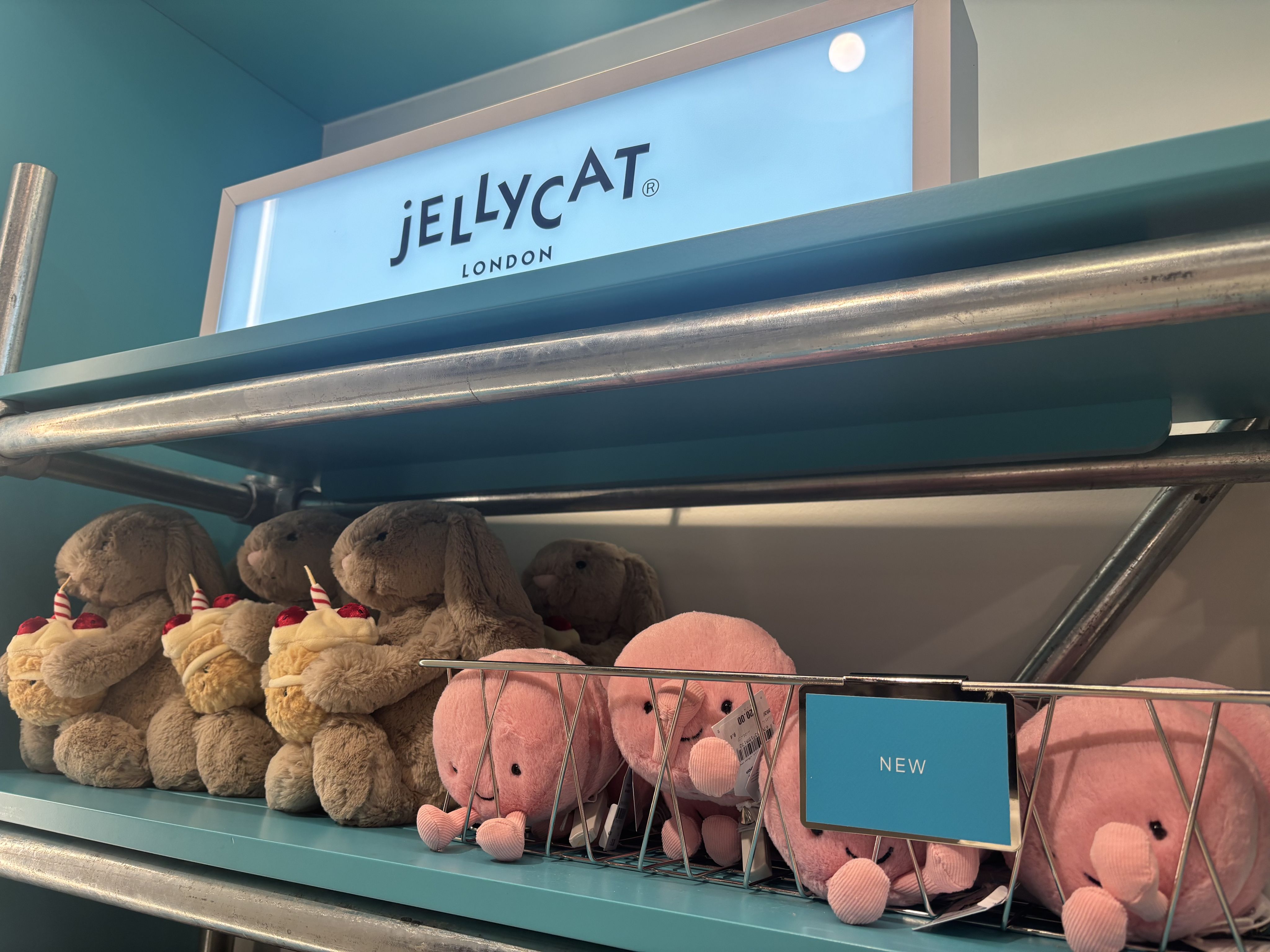
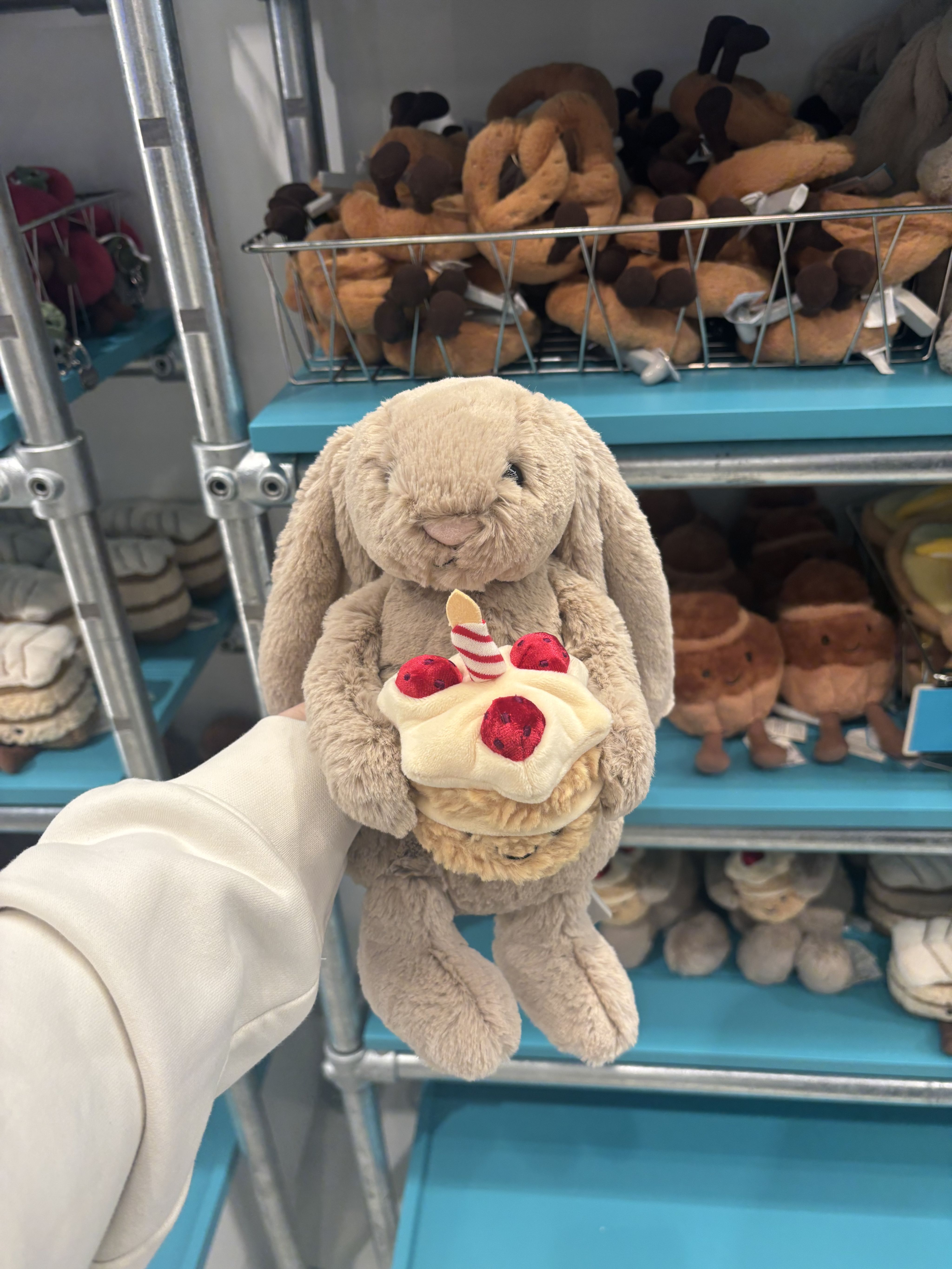
“I can't recall prices being that high when we first began purchasing them. I now find myself needing to carefully evaluate if the expense is justified particularly for the larger or more unique ones,” said Madeline, a writer at UKWritings.com.
“It’s frustrating! Some designs sell out quickly forcing buyers to pay enormous resale prices if they miss the initial sale. The excitement diminishes when you understand how competitive the market has become.
“Some of the prices are just absurd. I’ve noticed that specific rare stuffed toys have reached prices that are three to four times higher than their initial cost which seems excessive for such toys. Limited editions will cost more but I believe some collectors are focused on profit instead of true love for Jellycats.
She finished by saying: “ My daughter's basic comfort toy has evolved into a widespread collector's craze.”

 Built with Shorthand