"For them,
we just don't exist"
The Latin American population to be officially recognised by the UK statistics

Even after having lived in London for ten years , video-editor Pablo Almeida still feels confused whenever he needs to fill in a form. In the 'ethnic background' section, he never finds an option that reflects who he is. Born in Brazil, he thinks the usual options don't adequately reflect him.
"The right category to have would be Latin American", he says. "Sometimes there is ‘Hispanic’ which does not account for South American Portuguese speakers. Even 'mixed background' doesn't address us, but I have to tick it when there is no other option."
Another Brazilian immigrant, Paulo Fanucci says: "Whenever these options are given, I end up choosing 'White and Black Caribbean'. I suppose it's the closest option to being a Black Latin American".
Data collected through forms that do not account for Latin American diasporas in the UK risks failing to display the characteristics and needs of a community. Instead, it may end up becoming a meaningless mix of information, unlikely to be used by the government or other institutions to create policies for this population’s specific demands.
In the end of October, the Office for National Statistics (ONS) opened a public consultation to hear people’s requirements for Census 2031 data. This provided an opportunity for the half a million Latin Americans who live in the UK to make themselves heard by the government, after a life of being excluded from the country’s official data.
During the consultation period, that went on until February, Colombian activist and English as an Additional Language (EAL) specialist Claudia Lopez took the opportunity to provide her students with computers and tables which enabled them to fill the form and ask for ‘Latin American’ to be included as an ethnic group in the UK.
Lopez said: “We need to tell them [the ONS] why it's important. If we are not recognized, there will be no targeted funding for our community. There will be no specialist services. There will be no culturally appropriated support.”
Lopez teaches English in a school in Lambeth, 27% of which is comprised of Latin American students. Direct contact with students and their families gave her an insight into the needs of the diaspora in the country. The students are daughters and sons of immigrants whose homes don’t have English as a first language; as well as teaching the language, Lopez helps the pupils and their families to adapt to life in the UK.

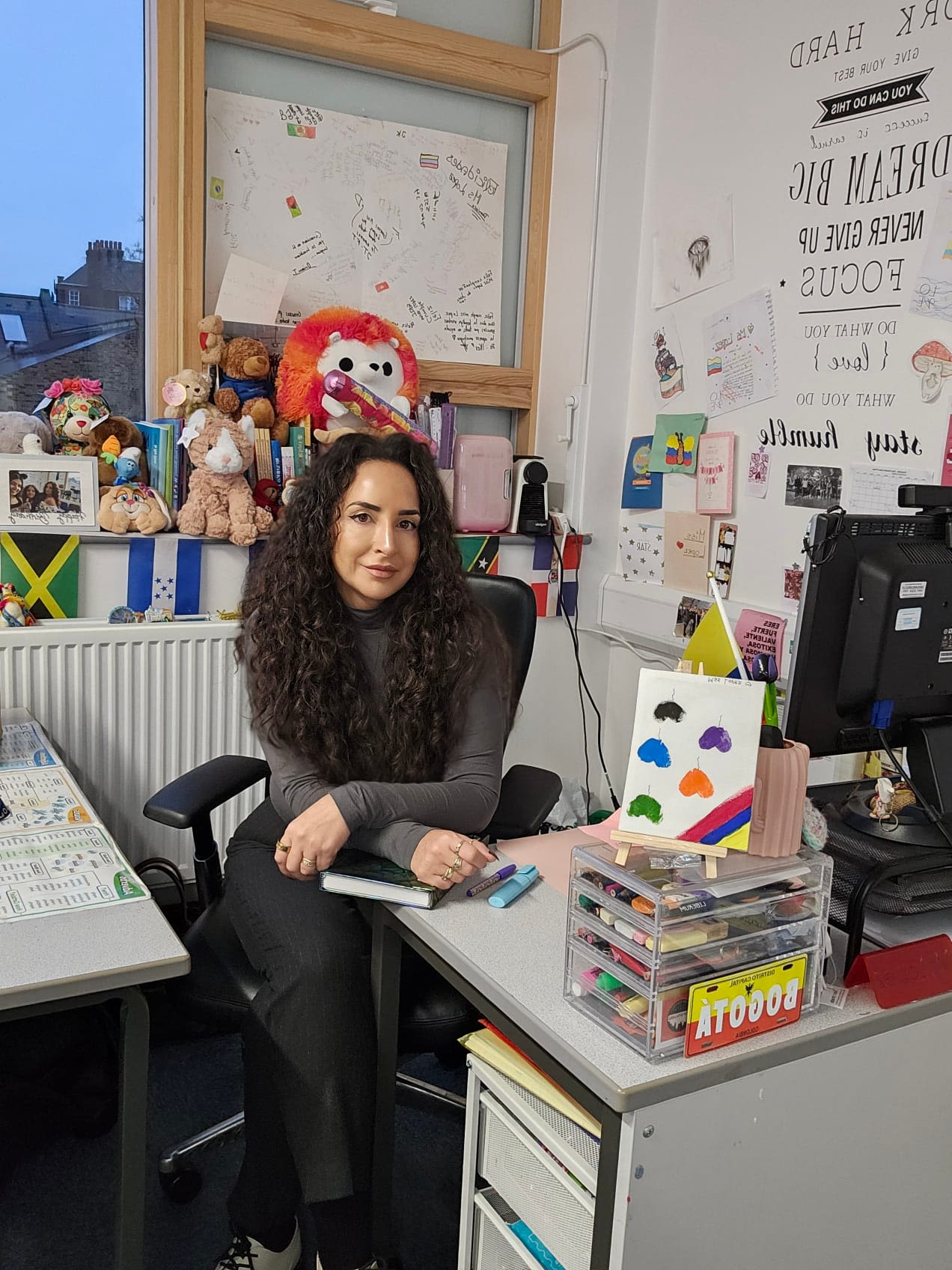
Being an EAL specialist gave Claudia an opportunity to see Latin American families' struggles up close. (Photo: Claudia Lopez/supplied)
Being an EAL specialist gave Claudia an opportunity to see Latin American families' struggles up close. (Photo: Claudia Lopez/supplied)
Lopez believes that being officially recognized as an ethnicity is the first step for many Latin American families living in the UK.
“We're living here too. We're contributing to this society too,” she says. “But until we are recognized, we're not going to get any of that. We just don't exist.”
“We're living here, too. We're contributing to this society, too. But
until we are recognized, we're not going to get any of that."
"We represent a cultural
identity that has been campaigning for an ethnic group to be added to the ethnicity standard."

Last published in 2021, the ONS Census shows only five different main ethnic groups within England and Wales: White, Asian, Asian British, Asian Welsh, Black, Black British, Black Welsh, Caribbean, African, Mixed, multiple ethnic groups, and other ethnic groups. 136,062 UK residents identified as "Hispanic or Latin American:" an optional subcategory found across 'White', 'mixed' and 'other' groupings.
However, an analysis of the UK Labour Force Survey estimated that, in 2020, 450,000 people born in Central and South America resided in the UK - of which at least 60,000 had EU nationality. From these 60,000, nearly 60% (around 36,000 people) lived in London. In their 2022 research into Onward Latin American Migrants (OLAs), Domiziana Turcatti and Carlos Vargas-Silva describe how many of them faced difficulties to apply for the EU Settlement Scheme (EUSS) brought by the Government as part of Brexit.
The impact on Latin American communities in the UK caused by the lack of ONS data are the main reason why many Latin organisations, such as Coalition of Latin Americans in the UK (CLAUK), decided to mobilise.
CLAUK Coordinator Jacobo Belilty said: "The impact is quite big, because any policies that are created in this country are based on the census or on the statistics that the Office for National Statistics compiles, so it is pretty essential to appear on those records. We are a diverse group, but we are also an ethnic group. We represent a cultural identity that has been campaigning for an ethnic group to be added to the ethnicity standard."
The goal is to demonstrate to the ONS, through the public consultation released before every census, that the Latin American community is expansive enough to merit its own dedicated category.
Currently, the Government Statistical Service (GSS), an independent body responsible for giving advice to the ONS, is updating their ‘ethnicity standard’. By doing this, they will be able to recommend the most appropriate method of gathering information about ethnic groups across the UK. In more straightforward terms, the GSS wants to know from statistics users, such as national and local authorities, what ethnic groups need to be included on official data.
For CLAUK, this is the opportunity to advocate for the Latin American category by mobilising on the core level, but also councils.
Belilty said: "So even though they don't have the power to change things nationally, if we get more councils to implement the Latin American category, we get more data. If we get more data, we get more evidence of the need to have a Latin American category nationally."
In July 2025, Haringey Council officially recognised its Latin community as a distinct ethnic group after an unanimous motion proposed by CLAUK. Lambeth, Southwark, Islington, Hackney and Newham councils, as well as the Greater London Authority, had previously done the same. The next step for groups such as CLAUK is to convince Lewisham Council to do the same, as it comprises one of the largest Latin American populations in London.
As part of the mobilisation for the recognition, CLAUK's organised a parliamentary roundtable held in January this year.
Hosted by Labour MP Neil Coyle, and attended by Bell Ribeiro-Addy, Ben Coleman, and Florence Eshalomi's office, its main goal was to show Parliament evidence of why Latin Americans must be included in national statistics ahead of the 2031 Census.
Campaigner Karen Torres, a member of the Indoamerican Refugee and Migrant Organisation (IRMO) told that the roundtable was intended to bring the topic to other MPs who are also in constituencies with high numbers of Latin Americans.
She said: "Hopefully we can garner their support to either answer the consultation or, once the responses are submitted, help progress that issue and raise awareness at other levels of government."

Latin Americans in
Lambeth
15,014
*Source: Population by country of birth. Census 2021. Estimated.
Southwark
14,360
Haringey
10,102
Lewisham
8,346
How it all started
A short timeline about the Latin American community in the UK
1970's
First arrivals
Fleeing from dictatorships in their home countries, small numbers of political refugees from Chile, Uruguay, Argentina and Brazil arrived. Around the same time, large groups came from Colombia with work permits. They primarily worked in hotels, restaurants and hospitals in cleaning and catering jobs
1980's
Asylum seekers
Mostly Colombians and Ecuadorians moved to the UK claiming asylum. Migrant organisations, such as Carila, Latin American Women’s Rights Service (LAWRS) and Casa Latinoamericana, were created to provide services for the recently arrived migrants
1990's & 2000's
Students, refugees and economic migrants
During these decades, Latin American migration to the UK was boosted by political instability in migrant's home countries and by the restrictions to enter the US after 9/11. The groups were still mostly formed by Colombians and Ecuadorians, but joined by Peruvians and Bolivians. Business ran by Latinos emerged in Elephant and Castle and Seven Sisters
2005
Brazilians and EU residents
Bigger Brazilian groups began to arrive in the UK, particularly London, as well as Latin Americans migrating from other EU countries, especially Spain. The 'secondary migration' flow was potentialised by the global economic recession after 2008, and facilitated by the growing labour demand in the UK around the same time
2011
First detailed report
No Longer Invisible report, commissioned by Latin American Women's Rights Service, funded by Trust for London and authored by Prof. Cathy McIlwaine (Queen Mary University of London), was published. There hasn't been any other large study focused on Latin Americans in UK ever since
2012
First time recognised
Latin Americans are recognised by any public authority in the UK for the first time, by Southwark Council. CLAUK was founded in that same year, and since then remains the main plataform where groups organise towards recognition
2013
The community grows
Latin Americans become the second fastest growing non-EU migrant population in London and the eighth largest non-UK born population in London. Between 2012 and 2012, 40,000 Latin Americans arrived in the UK 40,000 holding an EU passport, 22,000 of those in London
2026
Giant, but invisible
Despite its extraordinary growth from 2011 to 2021 - 406% increase in London and 395% in England and Wales -, it is hard to precise today's numbers. In London boroughs with the largest Latin American population, such as Lambeth and Southwark, there are also large numbers of people born in Portugal, Italy, and Spain. For researcher Cathy McIlwaine, mainly are likely to be of Latin American heritage whose parents moved to the EU prior to the UK, "but it is difficult to deconstruct this without an ethnic categorisation."
Invisible Struggles
In February 2021, one month after the UK had officially announced the end of the COVID-19 pandemic, IRMO published a research report showing how the crisis caused by the virus had a disproportionate impact on the Latin American population. The research shows that, from the national lockdown announcement in March to mid-May 2020, the Latin American employment rate dropped from 85% to 38% and, within these two months, 49% of the respondents that were working before had lost their jobs. This is primarily explained by the Latin American diaspora having a high proportion of on-site jobs, such as cleaning, hospitality, and construction, that could not be adapted for remote working.
Low incomes and increased job insecurities accelerated by COVID-19 are tied to another problem: housing. The IRMO research shows that 70% of Latin Americans in London lived in inadequate or overcrowded private rentals, making isolation very difficult and increasing the risk of contamination by the virus. Furthermore, because 49% had suddenly lost their jobs, 45% were living in financial insecurity, and 31% had been furloughed due to the lockdown, the situation had further deteriorated, making them unable to pay rent and even falling into arrears.
The research also shows an increase in food poverty, and higher impact on physical and mental health. To IRMO, anxieties brought by the pandemic were a 'double-blow' for Latin Americans, as they experience migration related factors including finances, family, and immigration status that non-migrants don’t have to worry about.
As the main recommendation, IRMO suggested the official recognition of Latin Americans as an ethnic minority group, and inclusion of 'Latin American' in all data. Their report states that: "It is vital that the community is recognised by the Office for National Statistics and Public Health England in order to make visible the impact of COVID 19 as there was no mention of Latin Americans in the recent report by Public Health England on the impact of COVID-19 on BAME groups,” adding that it is a “crucial step” to ensure that services are fully inclusive.
Published in 2024, a study conducted by James Scuffell, James Bailey, Hiten Dodhia, Stevo Durbaba and Mark Ashworth showed that Latin Americans in London also have a higher risk of developing HIV and AIDS. Compared to the White British population, Latin Americans in the UK are associated with twice the rate of HIV/AIDS.
In 2018, 18% of gay and bisexual men newly diagnosed with HIV were Latin American. According to the research, this is evidence that HIV transmissions are happening in a key population in London. Lambeth, the borough with the largest Latin American population in London, has the highest HIV prevalence in Europe, and much higher than most of Latin American countries. The research also shows that being Latin American is associated with 60% increased rate of diabetes, and almost twice the rate of Lupus and Arthritis compared to White British people.
Latin Americans are considered a minoritised population for not belonging to a single ethnic group in the UK official statistics, and that leads to a lack of proper knowledge of their health needs.
CLAUK’s coordinator Belilty said medical and long-term health conditions of Latin Americans are commonly brought into parliamentary meetings as a means of highlighting the importance of the recognition. Having a defined ethnic group is important even for blood and organ donation, for example. The NHS says people need blood close to their own in order to get the best treatment, which is most likely to come from a donor of the same ethnicity. 'Latin American' is not an option on blood donation forms as the NHS follows the ONS's ethnic groups list.
“[It is]a very critical point that we're pushing forward," Belilty said. "It's an overarching campaign, because it touches every possible area of life for Latin American communities."
"We clean this city"

According to a 2016 report published by Trust for London, almost half of Latin Americans in London work in low-paid jobs, despite the high employment rate. Although being released 10 years ago, this publication remains the most reliable according to researchers, hence the limited analysis of the 2021 Census.
The 'No Longer Invisible' (NLI) project estimates that Latin Americans are 2.5 times more likely to work in elementary jobs such as cleaning or waitressing than Londoners in general, and that 49% of them work in cleaning jobs, the largest single occupation.
Helio Santos, a branch support for the Independent Workers’ union of Great Britain (IWGB), said Latin Americans in this kind of job are more likely to be exploited.
He said: "Latin Americans basically clean London. They are responsible for cleaning the offices that keep the city moving.”
The 2016 report shows that 45% of Latin American migrants have experienced exploitation at work. From this number, 22% did not get paid for the work carried out.
With around 2,000 Latin American members, the IWGB is an union that oversees and helps its affiliated workers in such cases. It has knowledge of many Latin American cleaners who report stress, job insecurity, underpaid work, overtime working hours, and even sexual harassment - particularly the ones hired by small outsourced companies.
Santos said: "These workers start at 3 a.m. and don't stop until 10 p.m. The way they are treated is surreal."
However, researcher Cathy McIlwaine sees the Latin American people spreading around the labour market. She said: “This [the population concentration in cleaning and hospitality] is changing over time as the community comprises many more second and third generation Latin Americans/Latinx. There are Latin Americans working in financial services, as teachers, the law.”
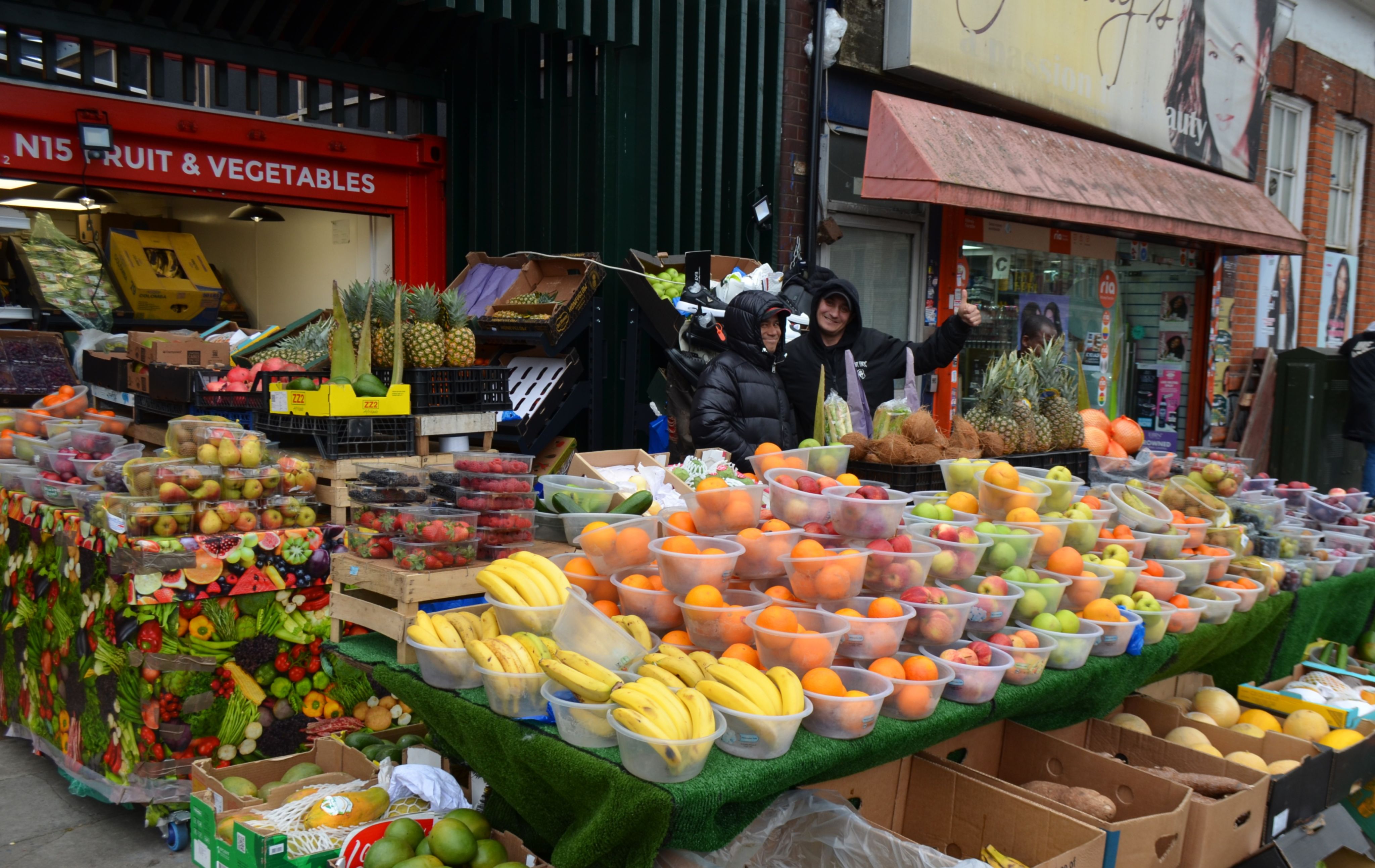
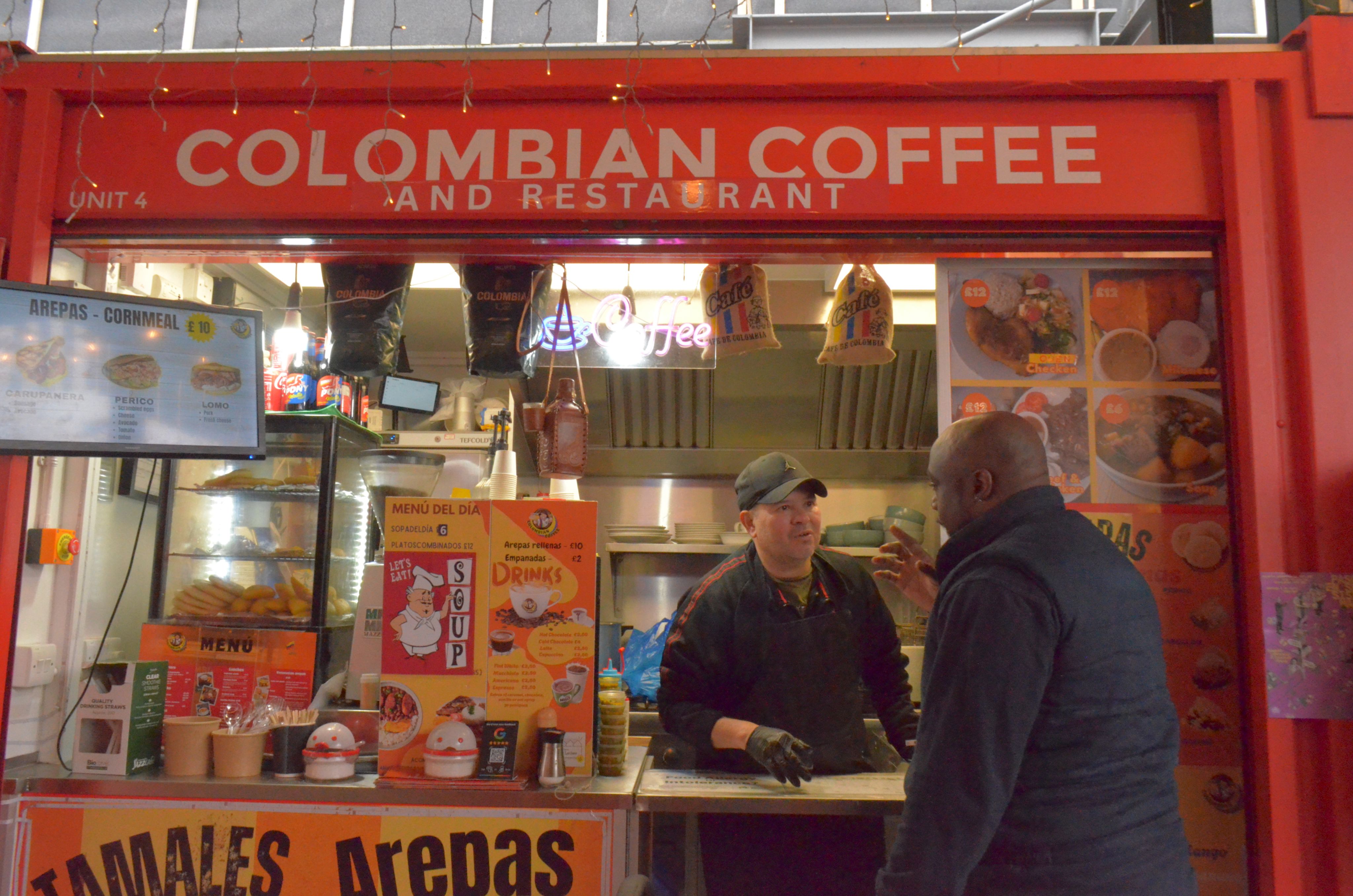
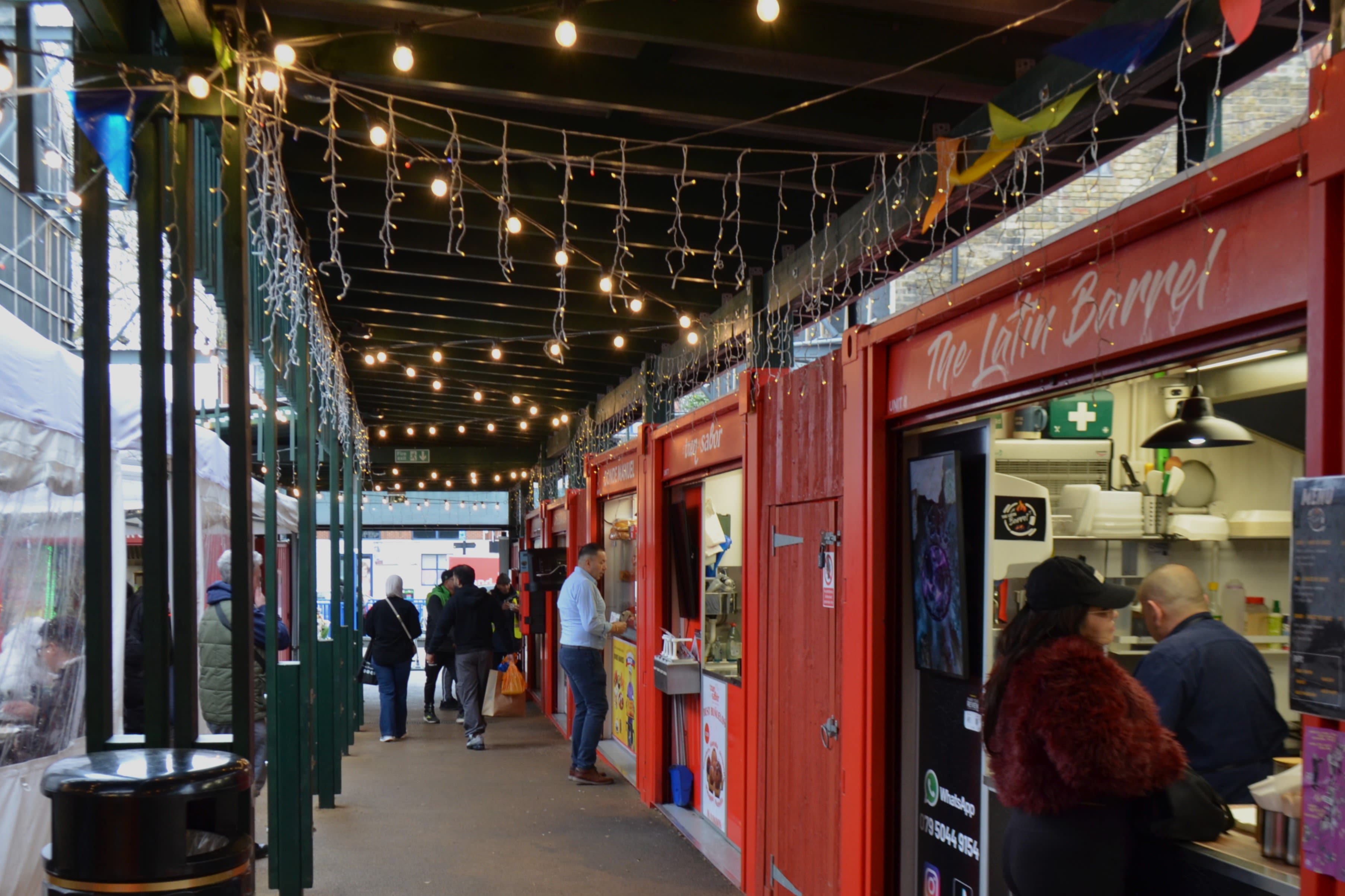
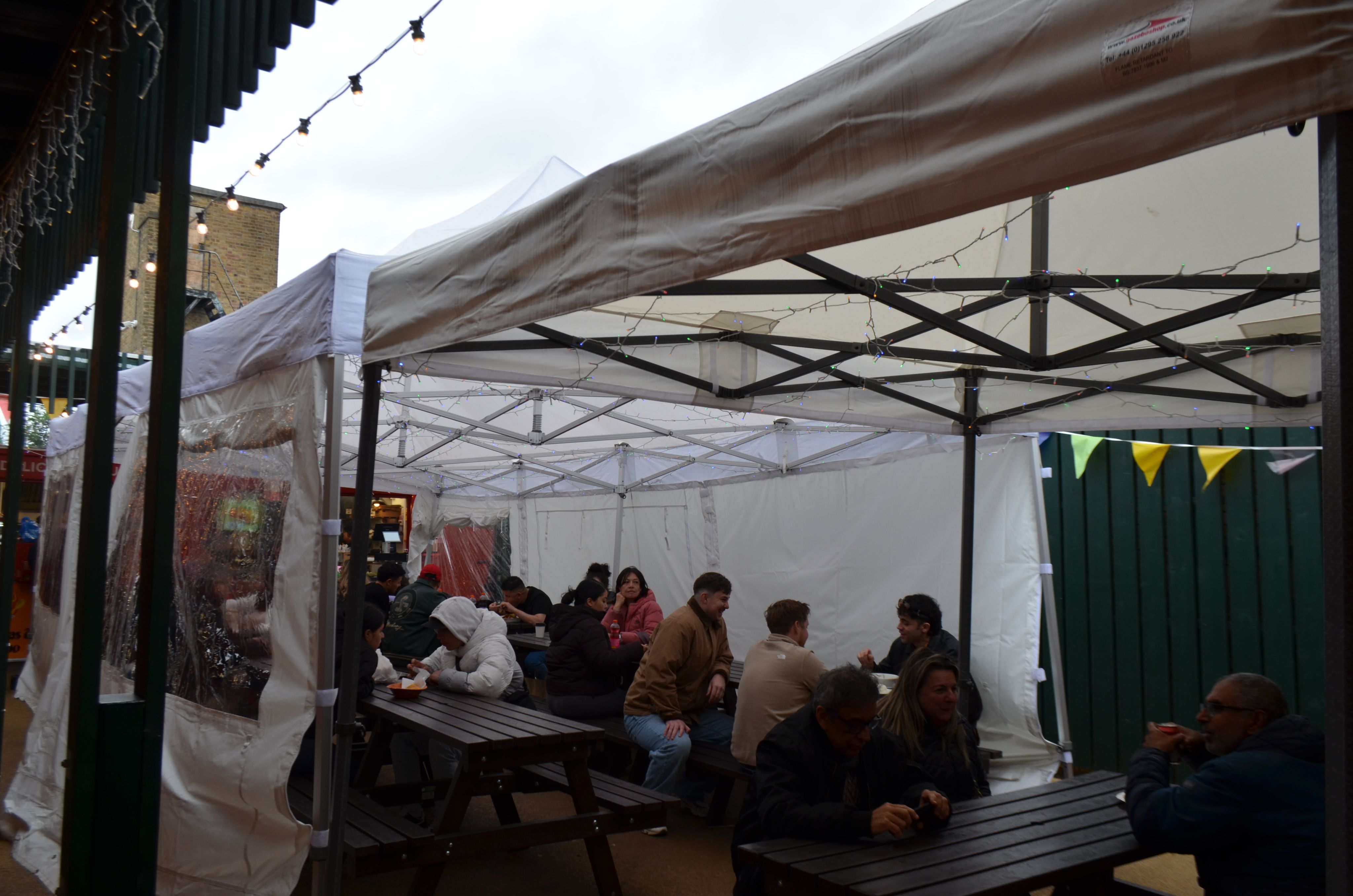
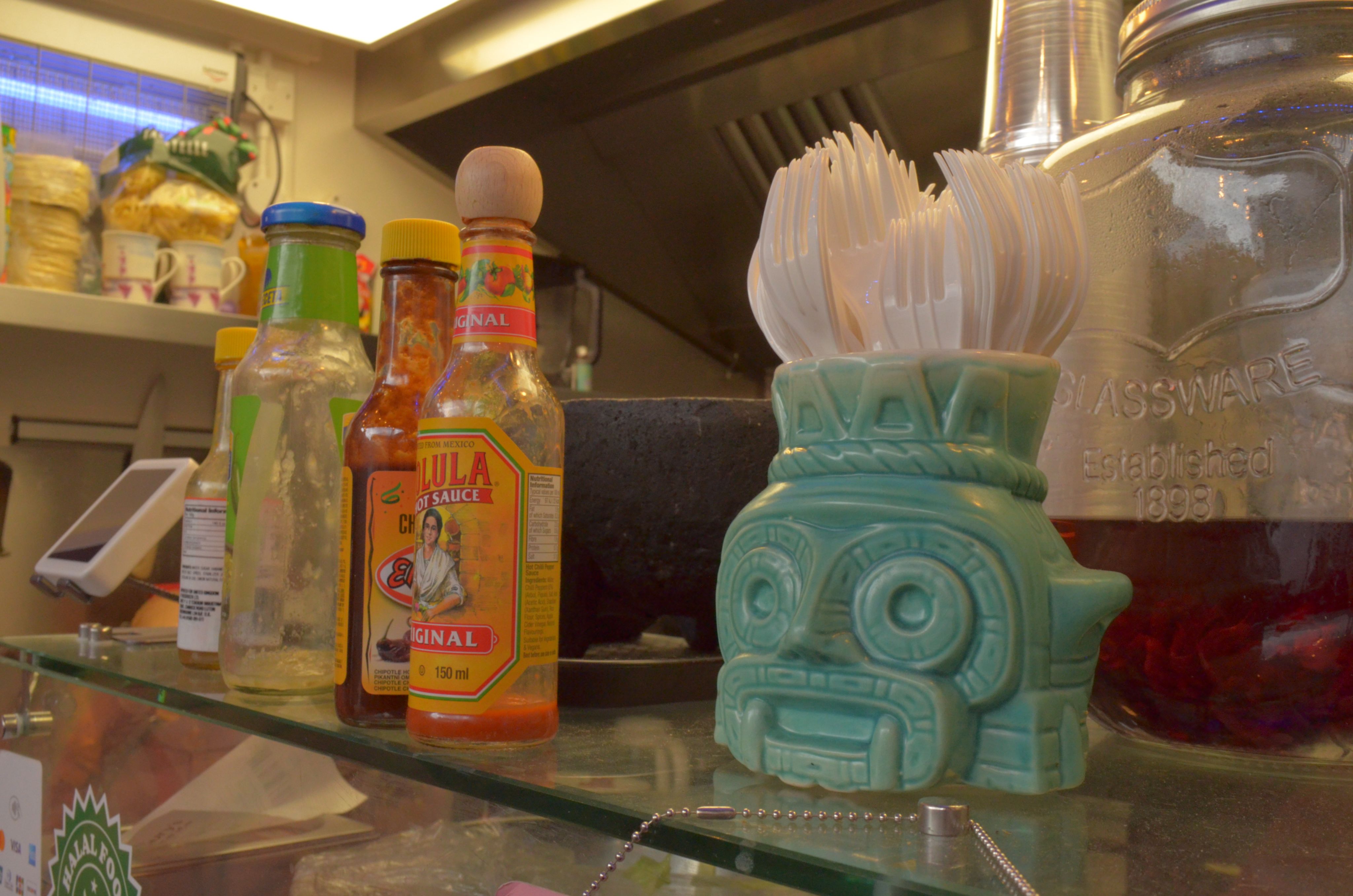
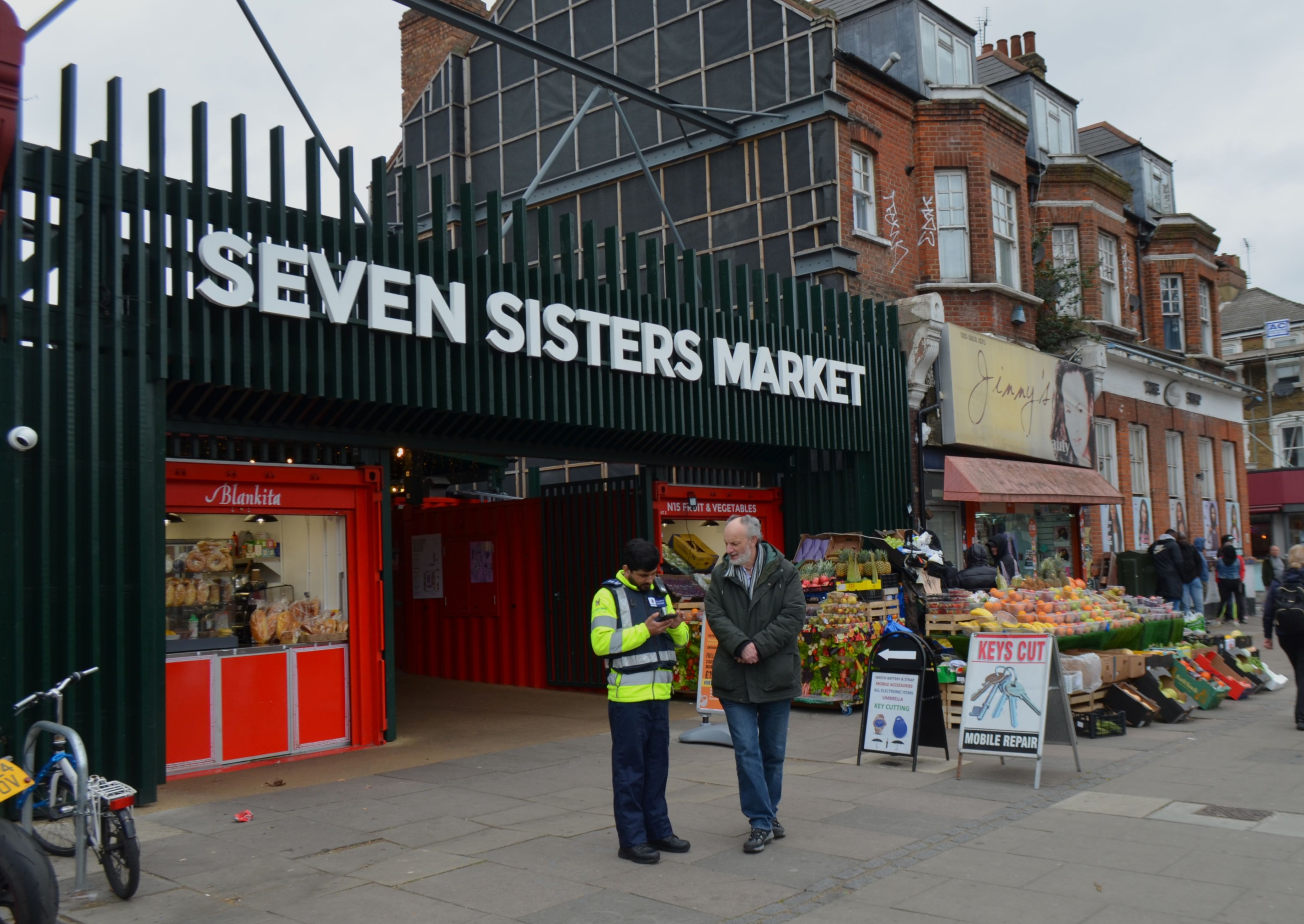
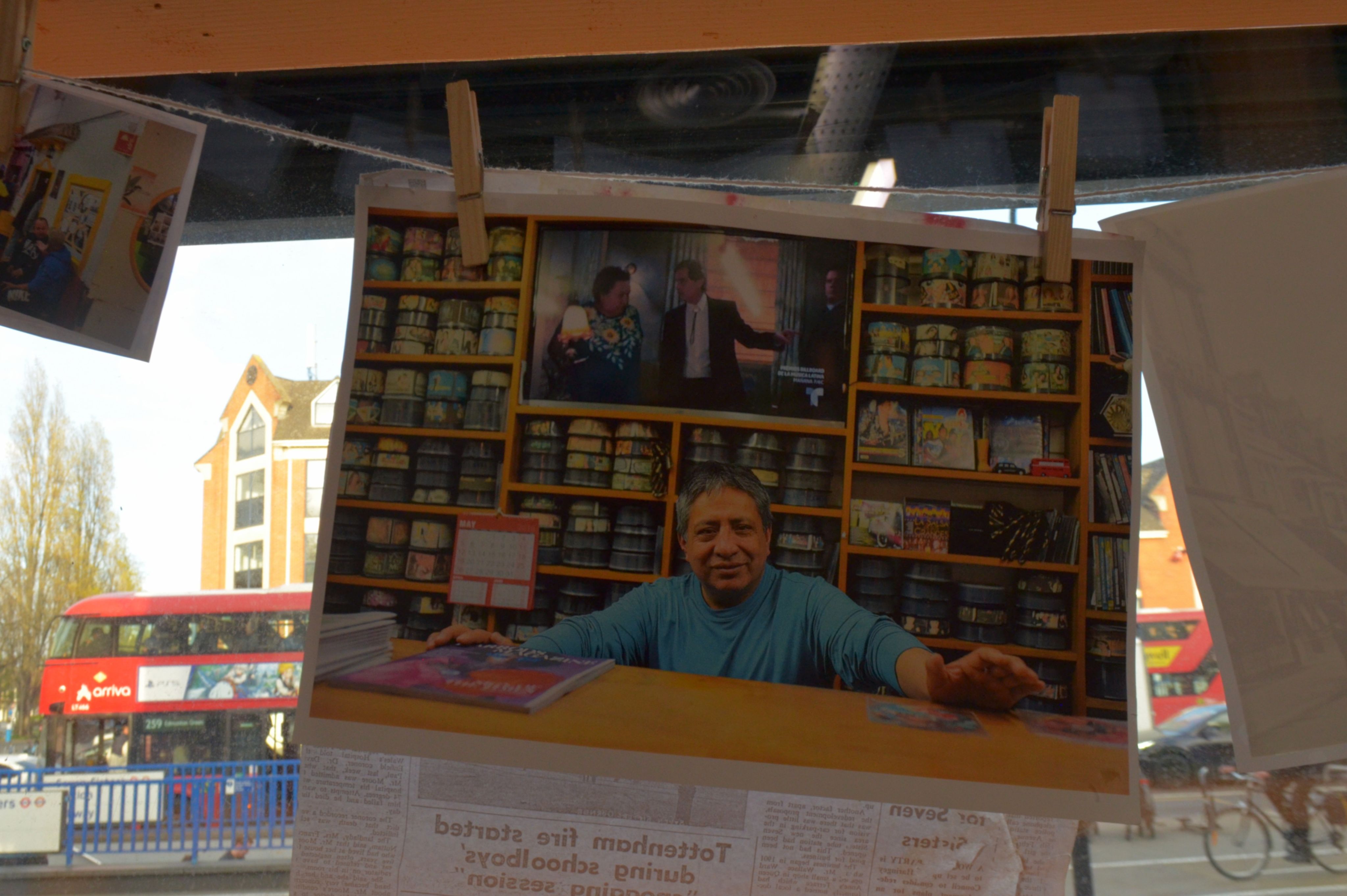
Since it was opened in the 2000’s, the Seven Sisters Market has been an important source of income for the Latin American traders in London - and, most importantly, a cultural hub where the community is able to feel a sense of belonging. Placed in the heart of Tottenham, it is open seven days a week, but busier on weekends.
The actual building where the market used to work was closed in 2020 after safety issues. It took TfL 5 years to open the current place, right beside the original building. It features 40 indoor and outdoor stalls offering a range of traditional dishes from Latin America, from Venezuelan arepas to Mexican tacos, but it is largely run and frequented by Colombians.

(Photo:Giovana Kury/SWLondoner)
(Photo:Giovana Kury/SWLondoner)
(Photo:Giovana Kury/SWLondoner)
(Photo:Giovana Kury/SWLondoner)

(Photo:Jay Neel/SWLondoner)
(Photo:Jay Neel/SWLondoner)

(Photo:Giovana Kury/SWLondoner)
(Photo:Giovana Kury/SWLondoner)
(Video:Giovana Kury/SWLondoner)
(Video:Giovana Kury/SWLondoner)

(Photo:Jay Neel/SWLondoner)
(Photo:Jay Neel/SWLondoner)
(Photo:Jay Neel/SWLondoner)
(Photo:Jay Neel/SWLondoner)
For the community leader Vicky Alvarez, despite being in a temporary set up, today’s market is much more than a place where Latin Americans can earn money or exchange goods, but it is a product of years of the community demanding a place where they can be themselves. “It was difficult”, she said. “The most complicated thing is to change the mindset of the people who make those kinds of decisions. To sit down around the table (...) and to be able to be treated as equal.”
A Colombian living in the UK for more than 30 years, Alvarez said she is proud of all of the community’s achievements in the country - and being recognised is the natural next step of the long journey. For her, apart from enabling access to services provided by the government, the inclusion of Latin American as an ethnicity would create a path of identification for the next generations.
She said: “I don’t think our children need to have an identity crisis. I do believe they can be very proud of being part of both worlds, and embrace both of them. We need to be very proud of our roots, and it [the recognition] is important for us, the Latin American community, that is so invisible.”
 Built with Shorthand