
Life out the fast lane
Meet the people championing the swap from fast to slow fashion
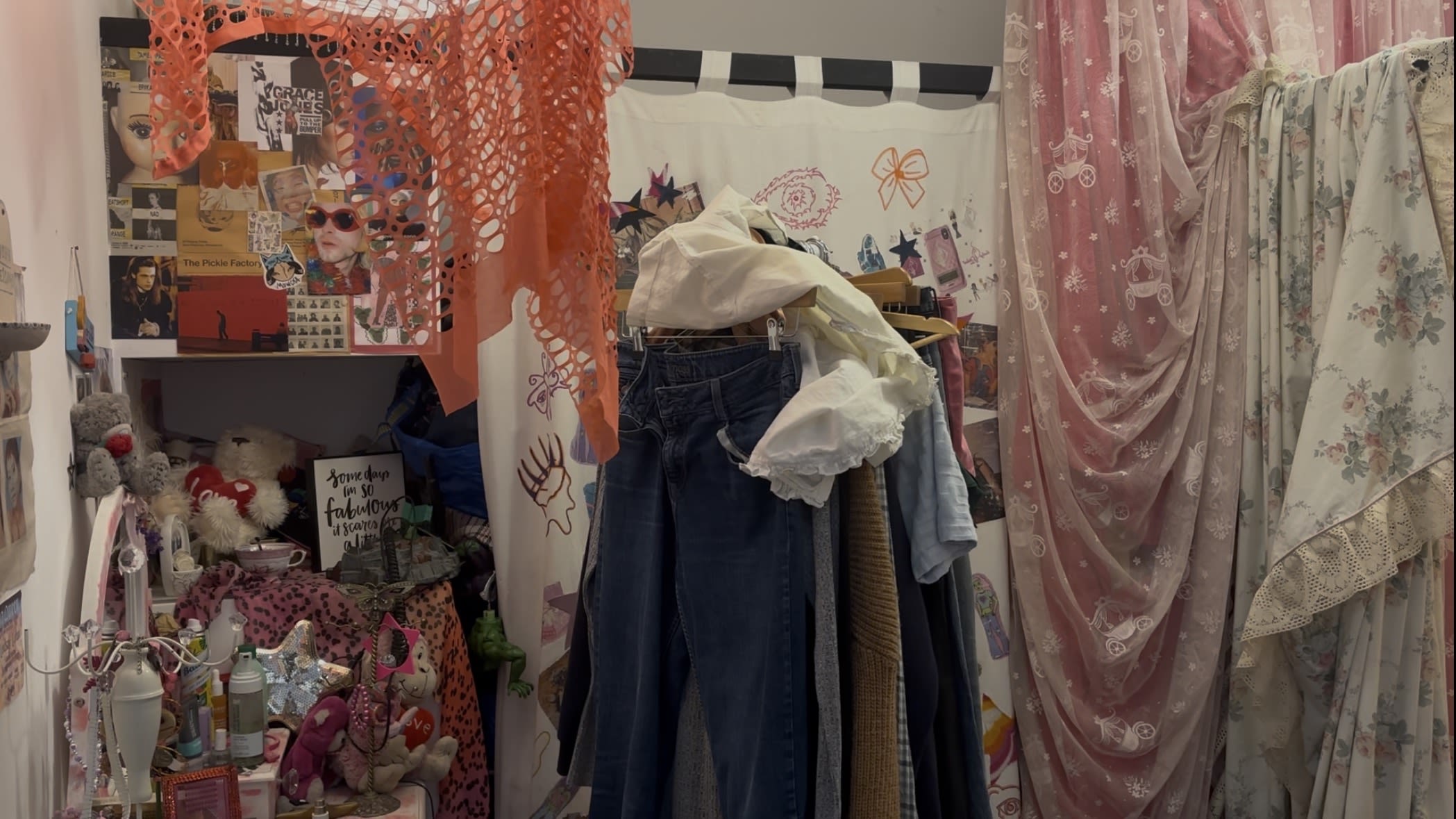

The fashion landscape is changing with organisations and people offering an alternative in today’s world of overconsumption.
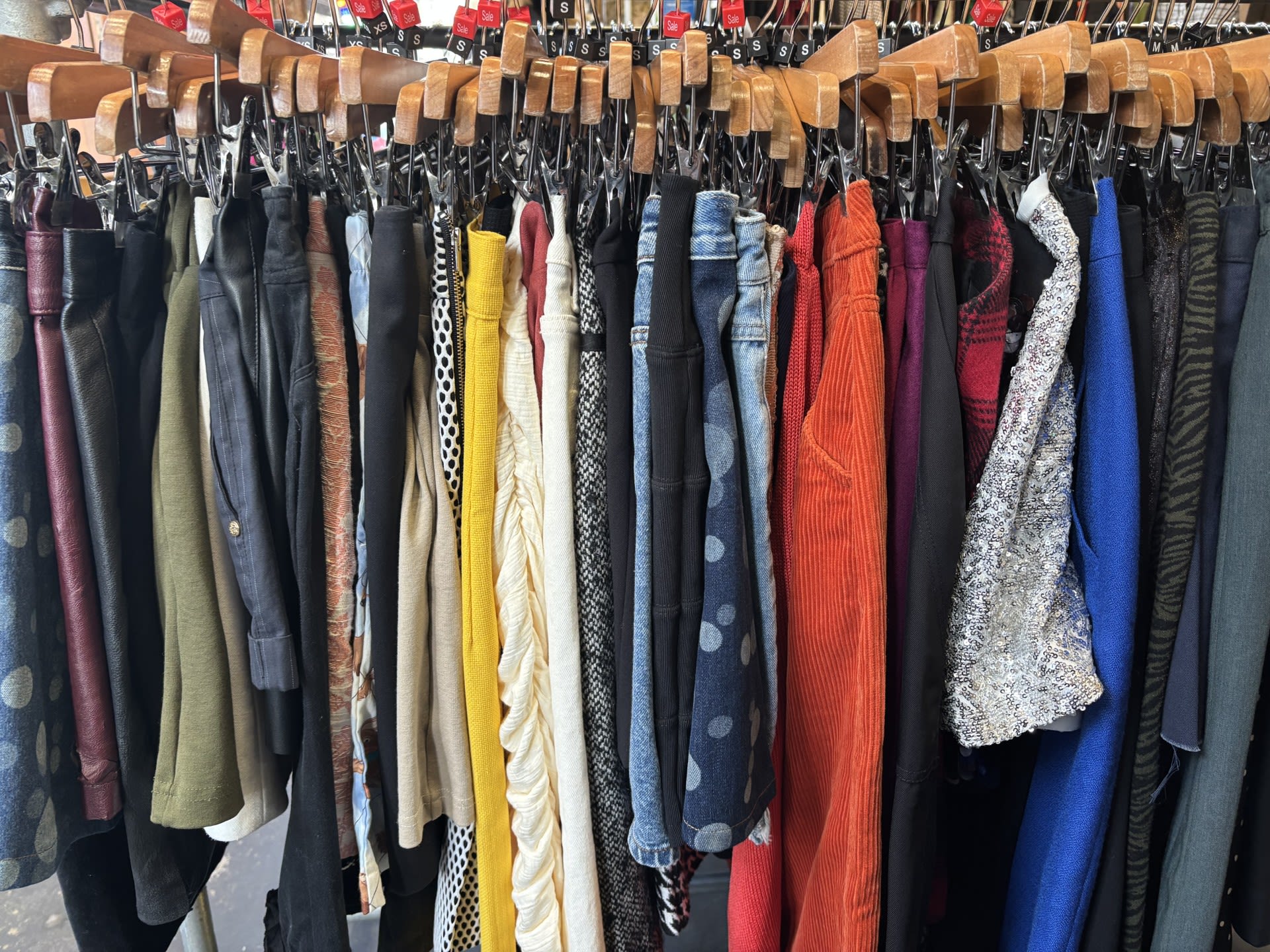
Take a stroll down Dalston high street and every few yards you’ll spot a charity or vintage clothing shop. The east London neighbourhood is known for its diverse secondhand offering. Traid, Beyond Retro and Crisis are just a few that would immediately catch your eye, not least for their unmistakable branding. Walk slightly further and you’d be forgiven for missing it.
London’s first and only fashion swap shop is sequestered at the end of Stoke Newington road, away from central hubbub. Its only branding is the rogue graffiti sprayed on the otherwise bare black panelling. In trying to blend with its unvarnished surroundings, Fashion For Future (FFF) stands out as the charity shop doing things differently.

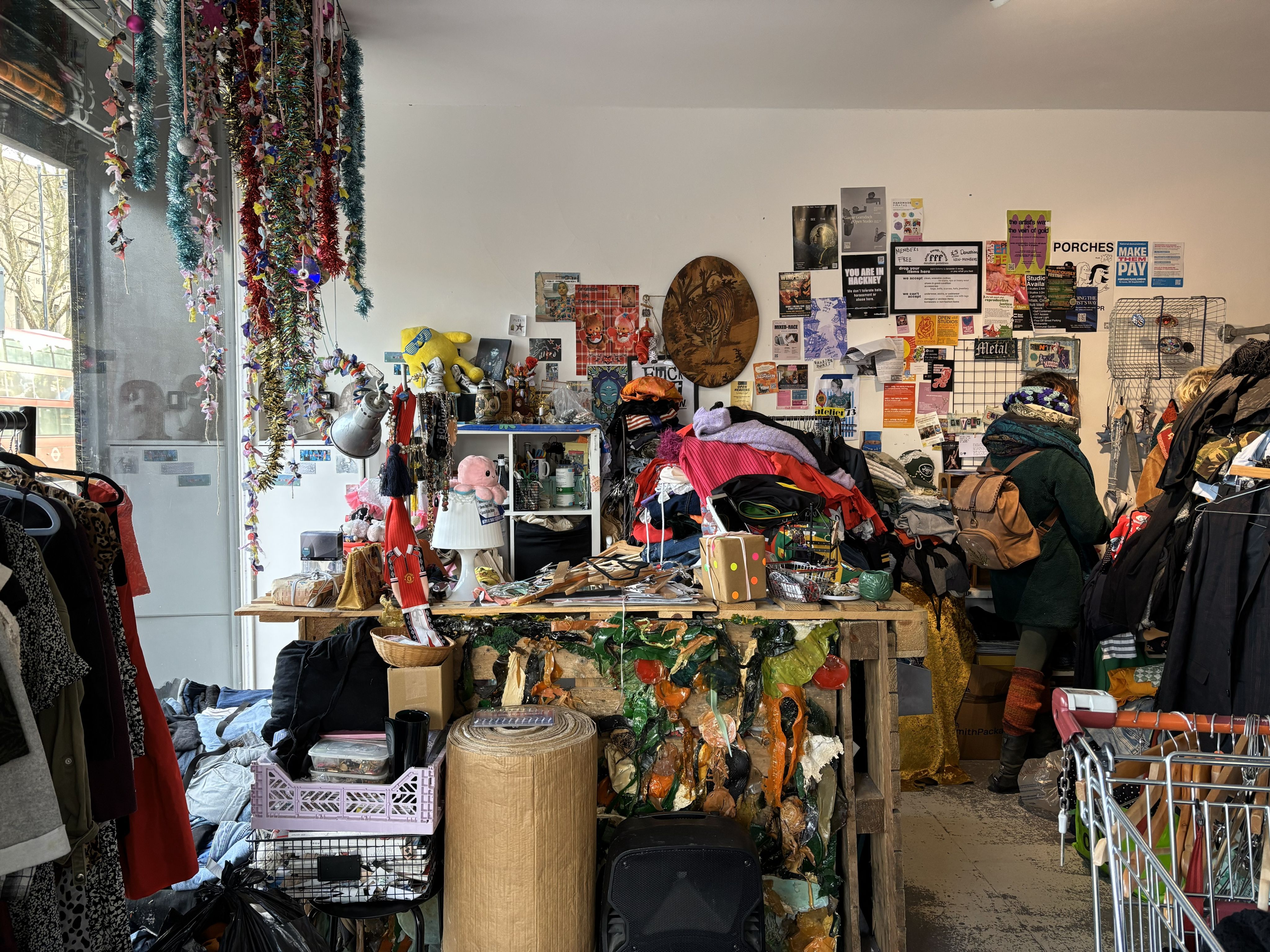
“We’re a class conscious charity shop, we work against the neo-colonialism of most charity shops out there” says Hafsah Mukadam, a long-term volunteer.
They’re talking about the staggering statistic that sees 70% of clothes donated to charity shops or clothing bins, sold to textile merchants, then exported to low-income, over-exploited countries in Africa and Asia, commonly referred to as the Global South. Ghana, the biggest net importer, receives 15 million garments a week, 40% of which goes straight to landfill.
The mountains of textile waste pollutes the environment and harms the people living there. Fast fashion - the overproduction of low quality clothing at an even lower cost, is costing the earth greatly.
“We are trying to counter that, we’re trying to make clothes as accessible to as many people as possible,” Hafsah says.
And FFF aren’t alone. Across the UK, many are exploring more sustainable clothing production and consumption methods.

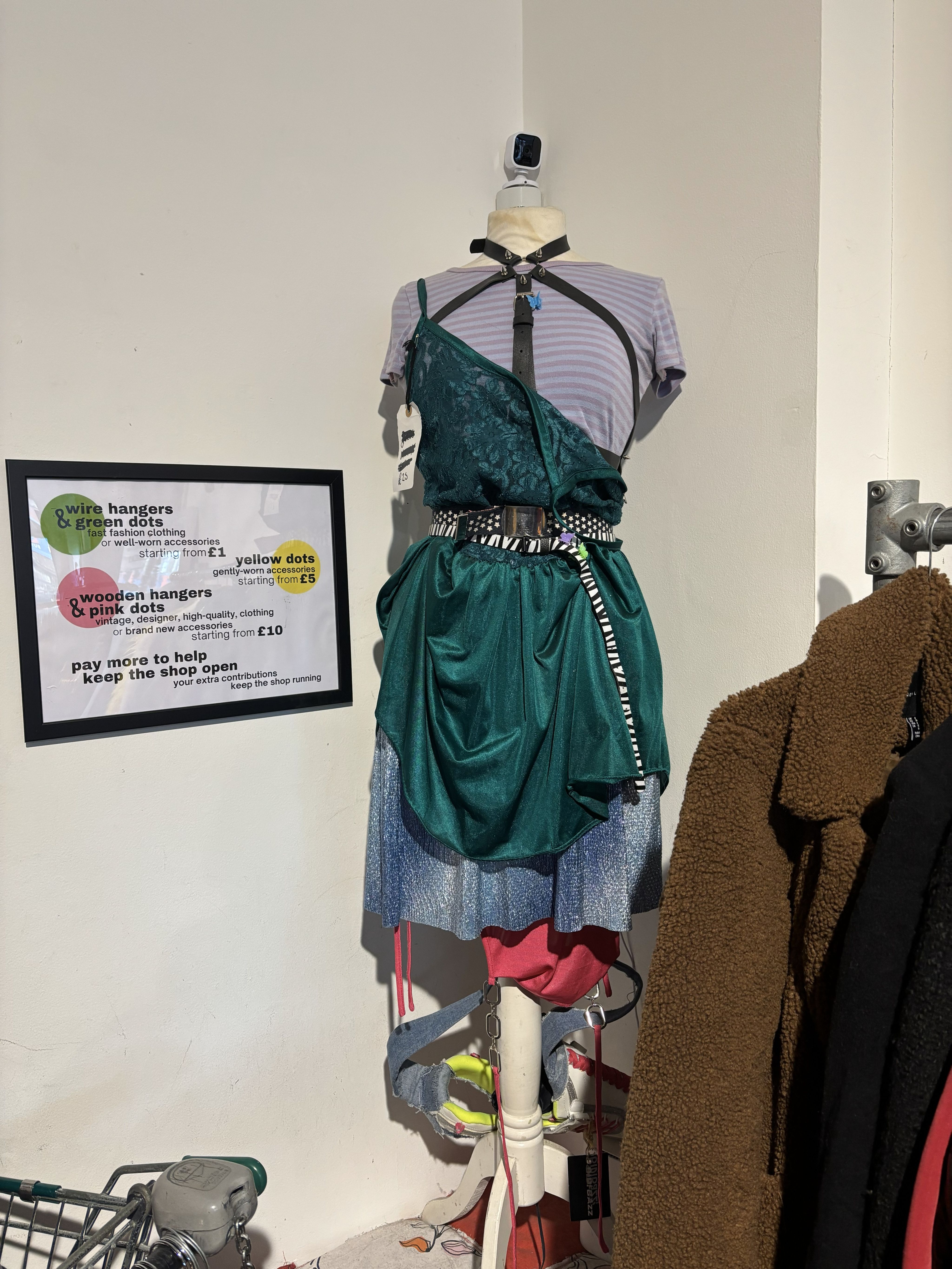
Image credit: Rume Otuguor
Image credit: Rume Otuguor

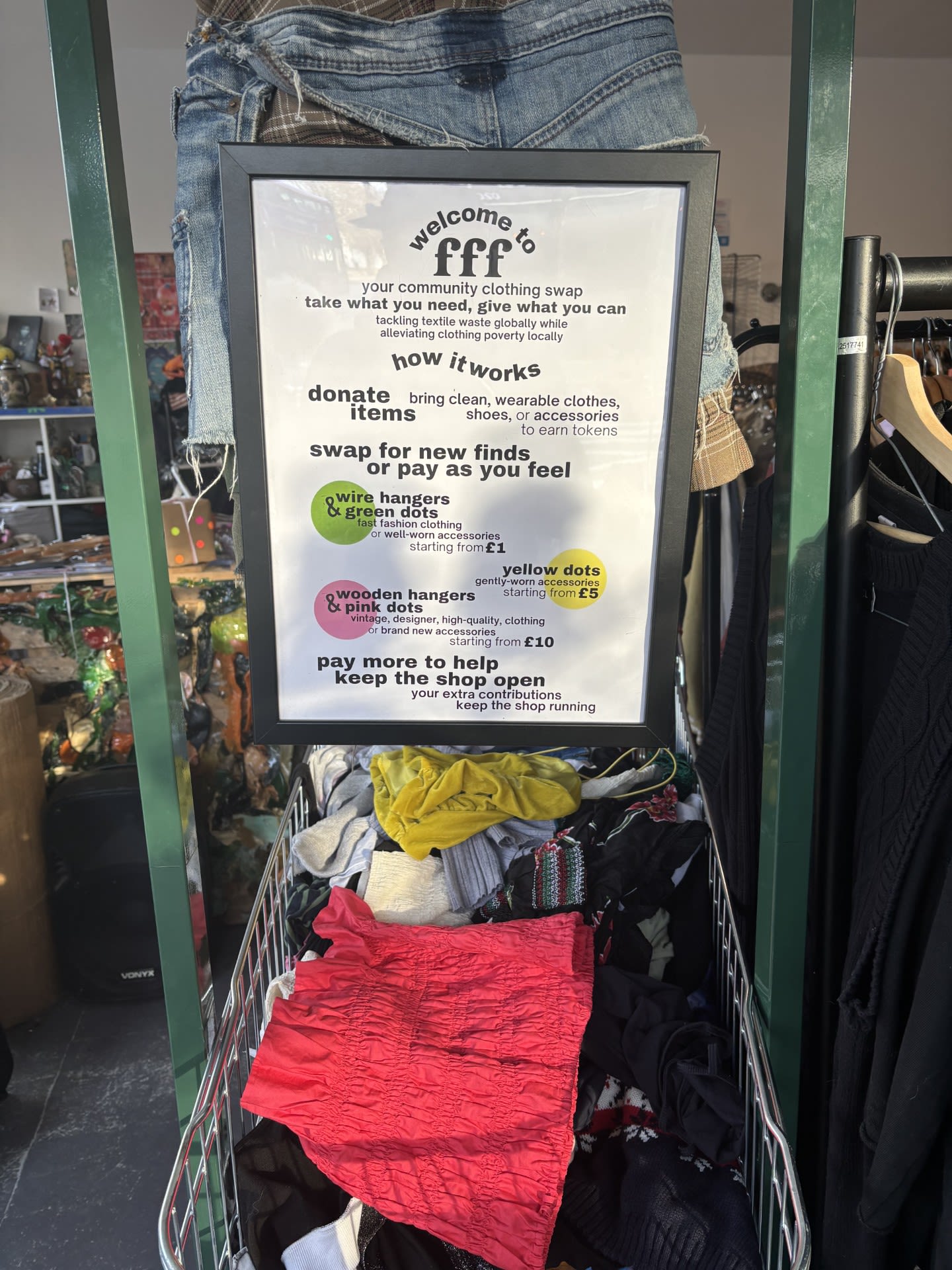
Image credit: Rume Otuguor
Image credit: Rume Otuguor
FFF runs a token system where a fast fashion item is valued at one token (£1) and a high value or quality item is valued at 10 - various accessories are valued at 5.
Everyone is welcome at FFF, but their membership scheme offers perks and flexibility.
There are three tiers: unwaged, waged and solidarity. Members have priority over events they run and can save up their tokens in an online bank account, of which there are over 1,600.
Casual swappers pay £5 per swap and must also use their tokens on the day. These options make swapping accessible whilst sustaining a community-run alternative to the fast fashion monopoly.
With this system, FFF have diverted 500,000 items of clothing from landfill in the last three years.
1.
Building community

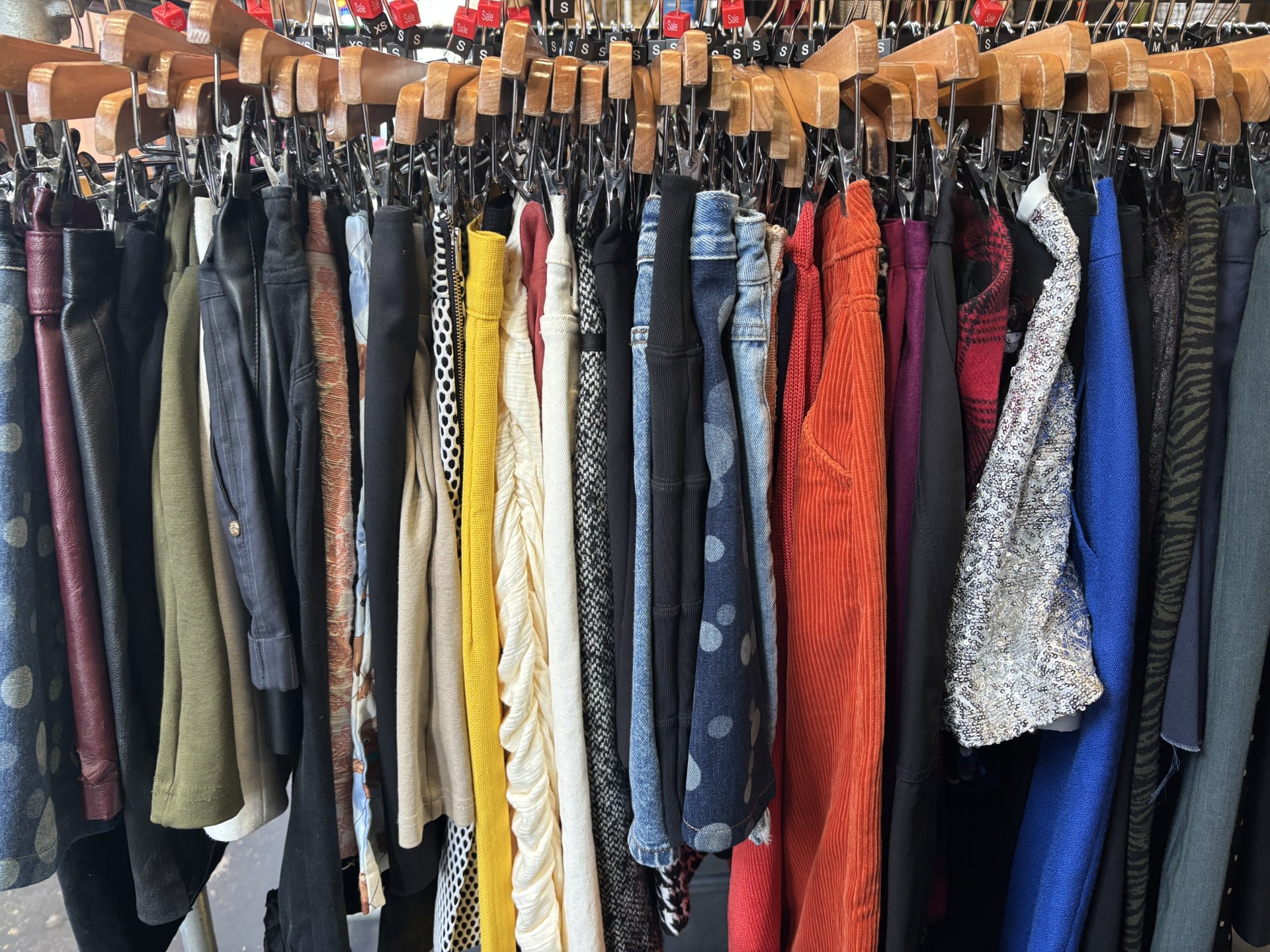
Trading clothes rests on the principles of a circular economy - the circulation of textiles so they never go to waste. At its heart is community.
“In a place like this you’re forced to think about community with your buying, because someone has owned it before, but also, you see the same faces here because they’re members, they’re people that have a reason and incentive to come back,” the 22-year-old said.

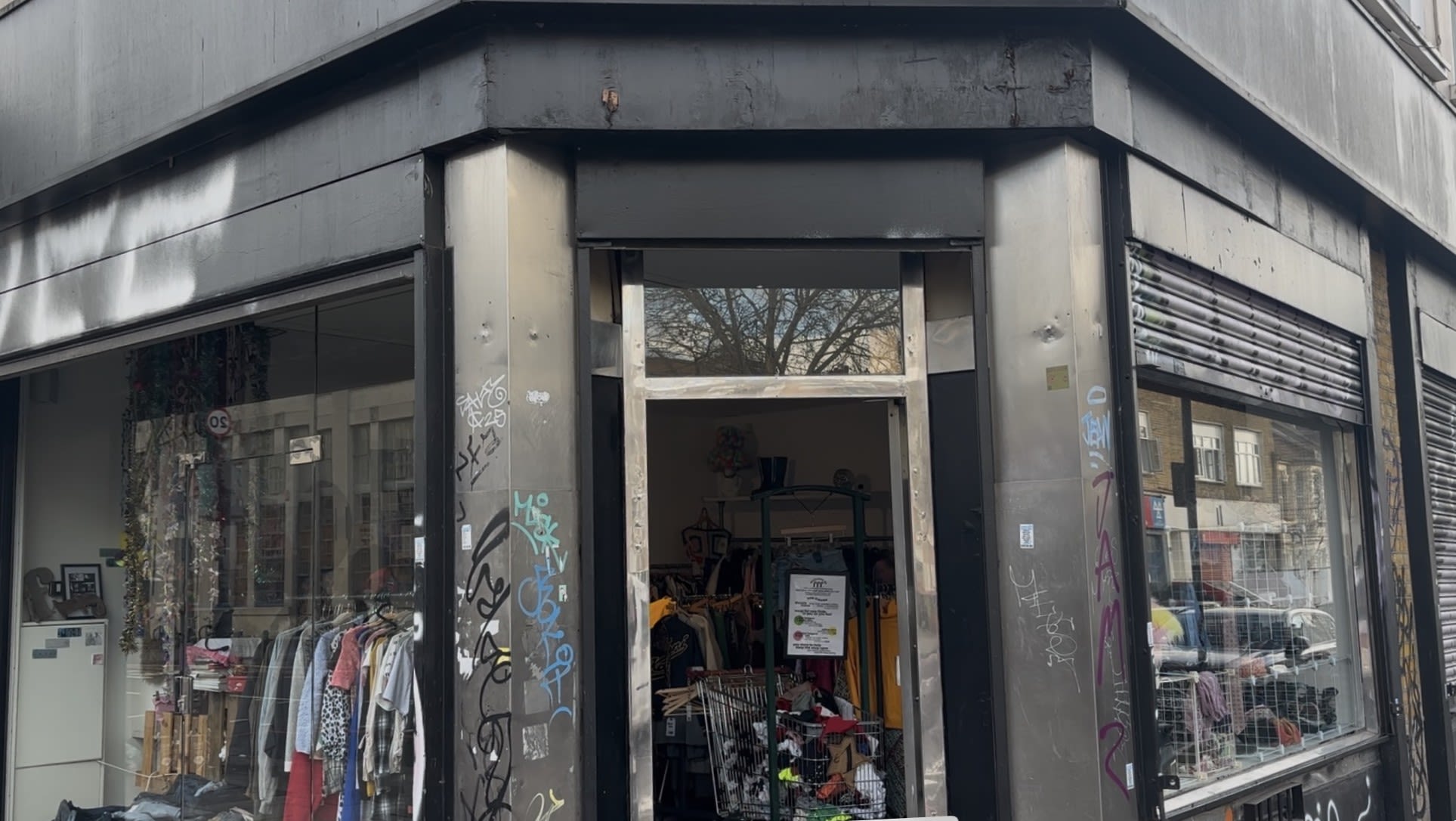
Image credit: Rume Otuguor
Image credit: Rume Otuguor

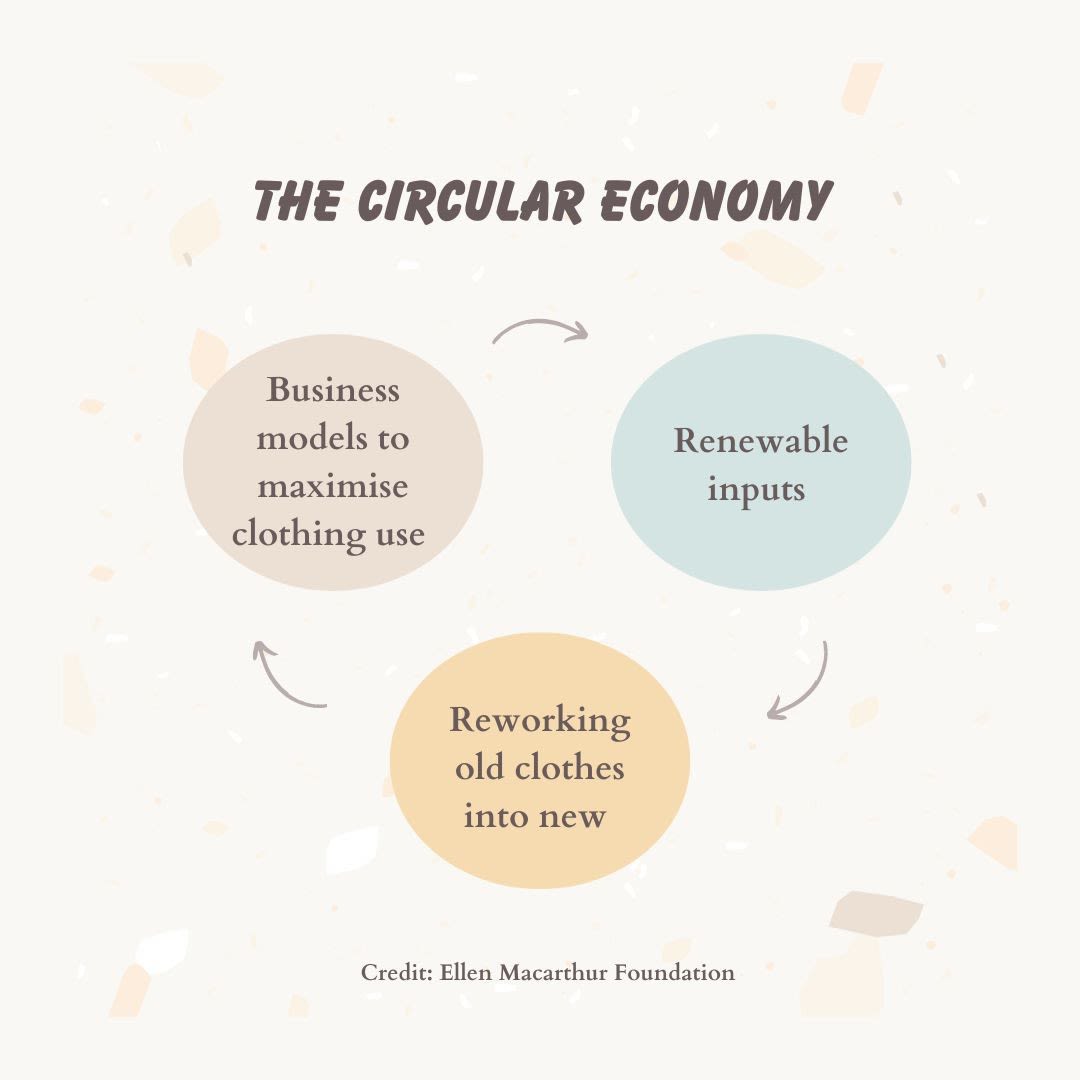
Image credit: Rume Otuguor
Image credit: Rume Otuguor
Haznat, 25 frequents FFF regularly for the sense of community they feel was lost to Covid.
“I’ve never seen something like this in East London, let alone Dalston which everyone knows has been gentrified. This store, there’s a sense of normality in a way, compared to everything else you see on this high street.”
Coming from a stylist background, they used to consume clothes at the rapid rate of the industry, but the excess eventually forced them to reassess their lifestyle.
“Do I want clothes, or do I want pieces? changed the narrative for me, otherwise it’s just going to be another item on my rail, which I don’t need,” said the stylist turned musician.
To step further in the direction of sustainability, Haznat called for DIY to be embedded in fashion practice to mitigate the exploitation of textile workers in the Global South.
Haznat
Haznat
2.
From old to new
The future of fashion is remade.
So reads the tagline of slow fashion brand - Taradhin - the brainchild of 24-year-old Birmingham-based designer Hannah Andrews. Taking existing garments from donations, deadstock or charity shop ragbags, she transforms them into one-of-a-kind bespoke pieces for limited collections. Her business model aims to extend wear and reduce textile waste by encouraging buyers to return items once done so they can be recycled again.
Andrews has never been into fast fashion. Growing up in a low-income household, there was little money to buy new, so thrifting secondhand was the norm. She was given her first sewing machine at 15 and was taught the basics by her mum. These days she’ll walk into a high-street store, feel an item and decide she could make a better quality version for half the price, which is how Taradhin came to be.
“My goal is, I want to bridge the gap between slow fashion, affordability and inclusivity. That’s why I’m targeting basic casual wear first, because that’s mainly what people go to your fast fashion brands for.”
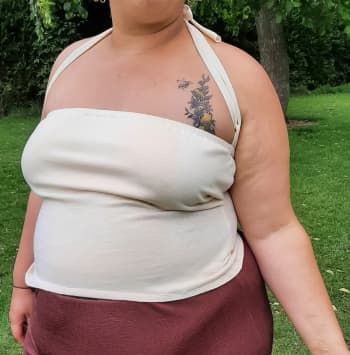

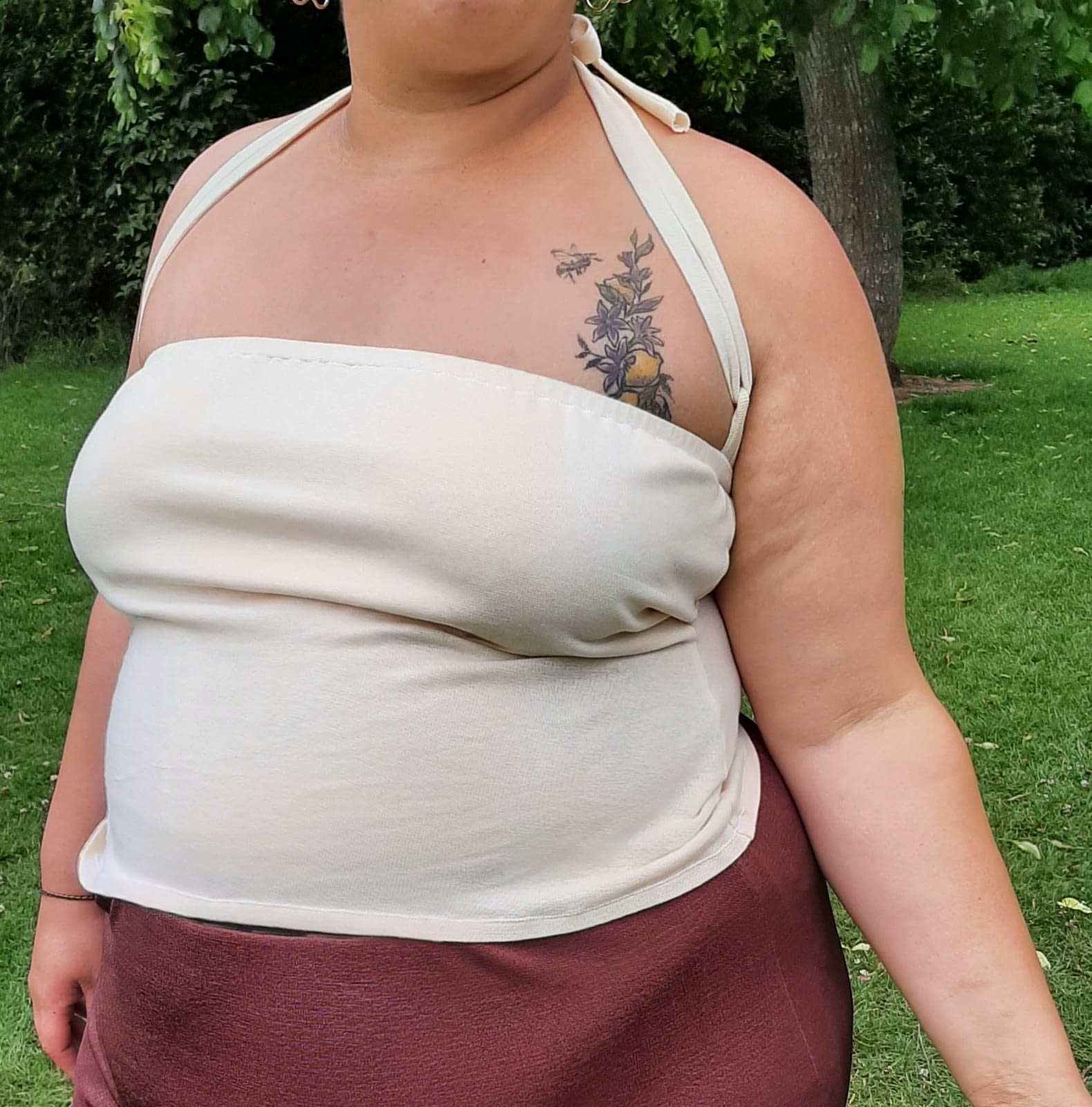
Image credit: Hannah Andrews
Image credit: Hannah Andrews
Slow fashion is an antidote to the current rate of overproduction, but and the pace at which clothes are disposed of. Hannah’s approach includes both.
“The main problem [with fast fashion] is that when that doesn’t sell, or the product line finishes, it all gets sent to landfill.”
“Whereas slow fashion, it’s a mini collection that’s made to order, so you rarely have things go to waste.”
Although her material costs are free, she realised it was hard to be competitive with fast fashion brands, because making collections in different sizes would take her a long time as each required a different pattern (set of instructions). So through many testing phases, she created a universal pattern based on ratios which she could apply to any size garment.
Hannah’s long-term plans include hosting upcycling workshops where people can bring something old to rework into a new item, using her universal pattern. She doesn’t see fast fashion disappearing anytime soon, but is hopeful for the future as slow fashion gains in popularity.

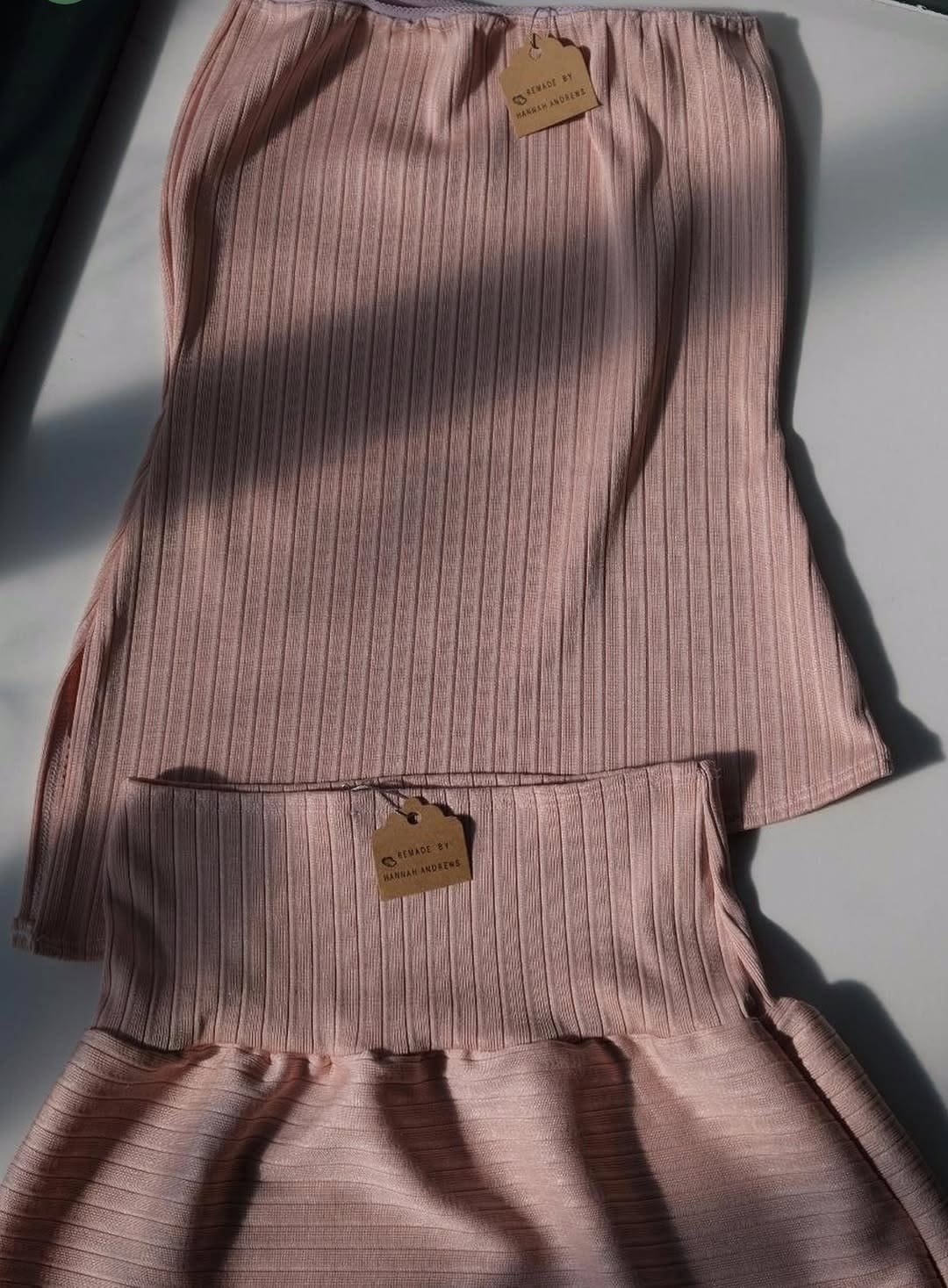
Image credit: Hannah Andrews
Image credit: Hannah Andrews

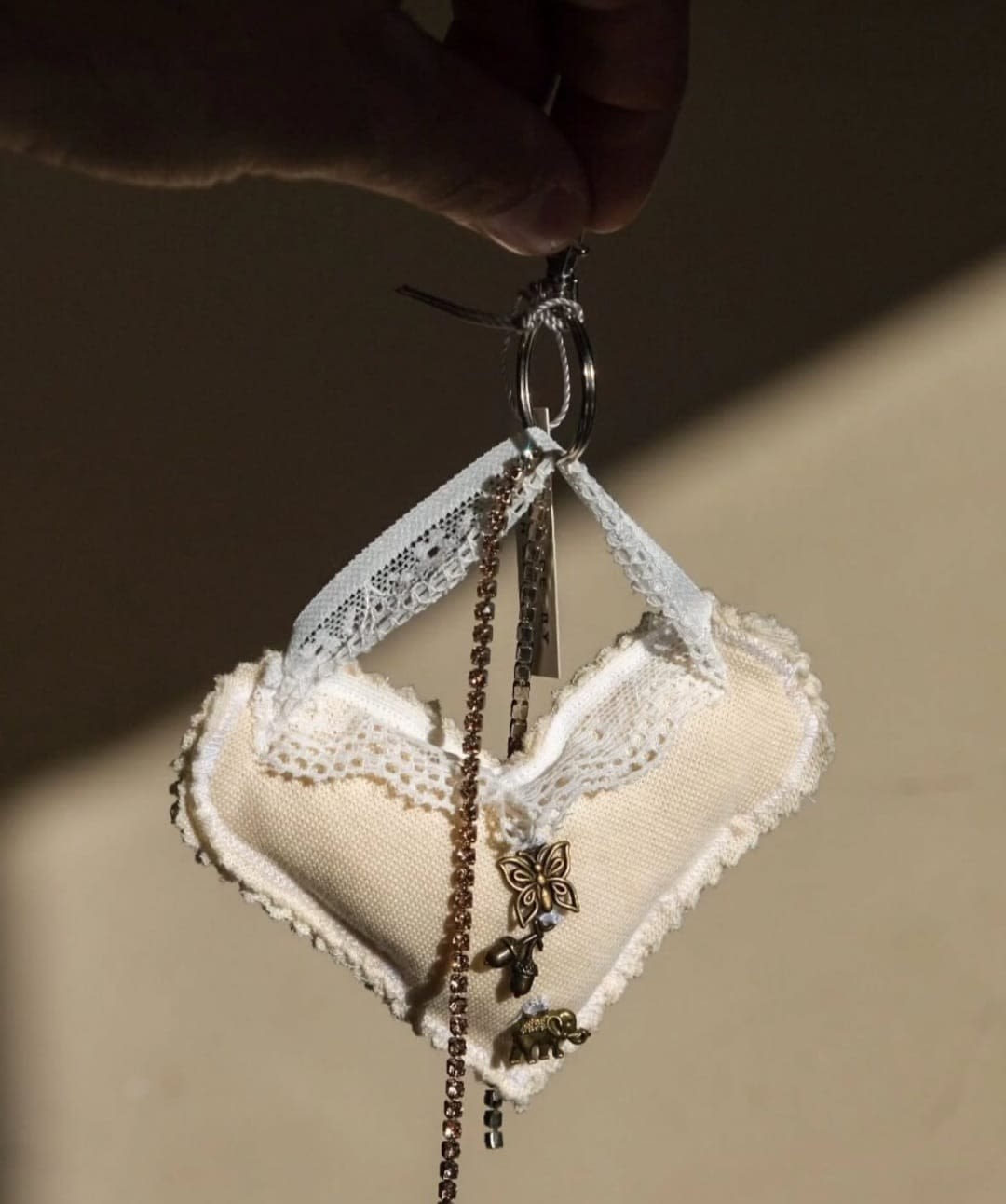
Image credit: Hannah Andrews
Image credit: Hannah Andrews

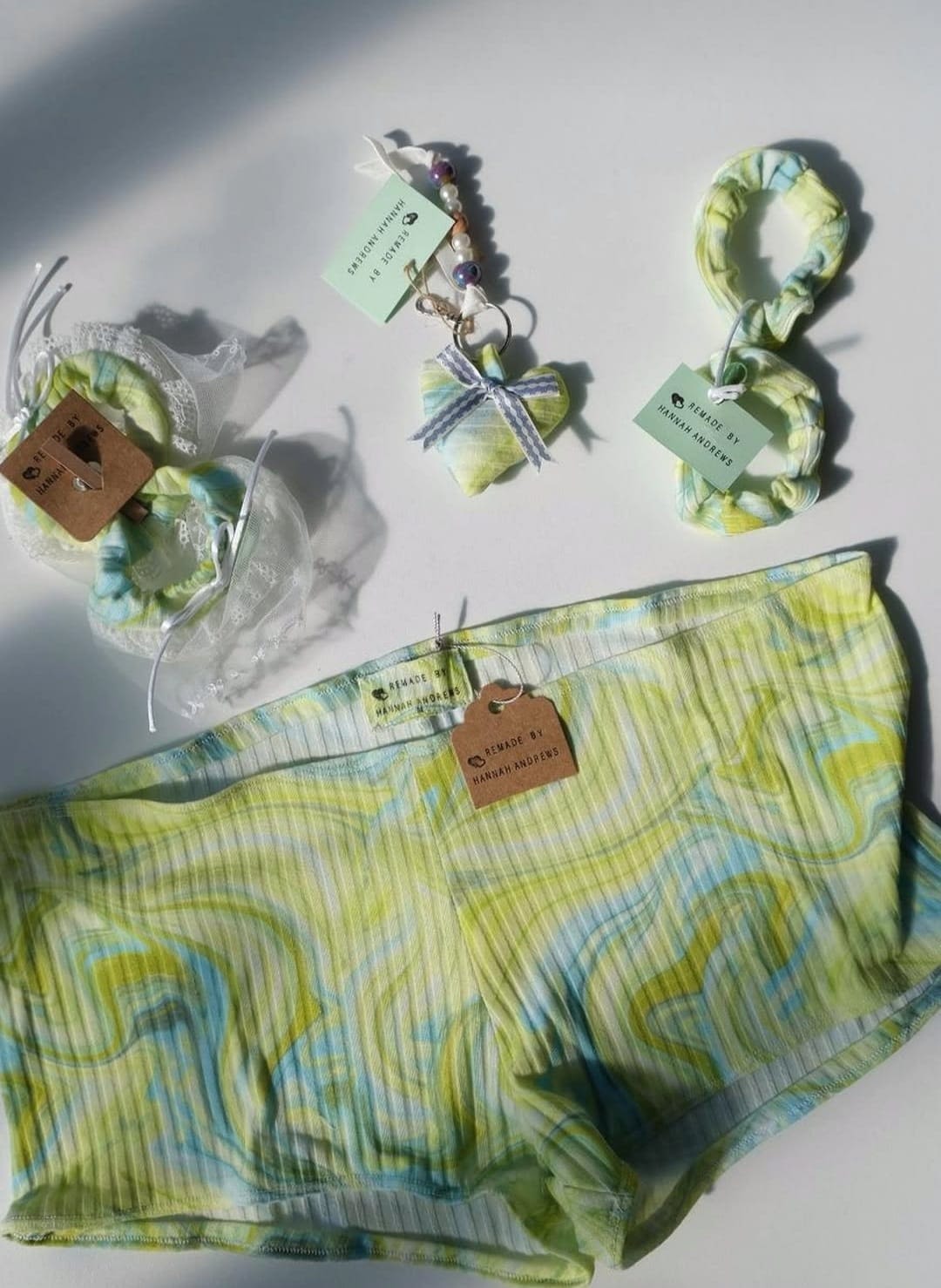
Image credit: Hannah Andrews
Image credit: Hannah Andrews
3.
Consumer shifts
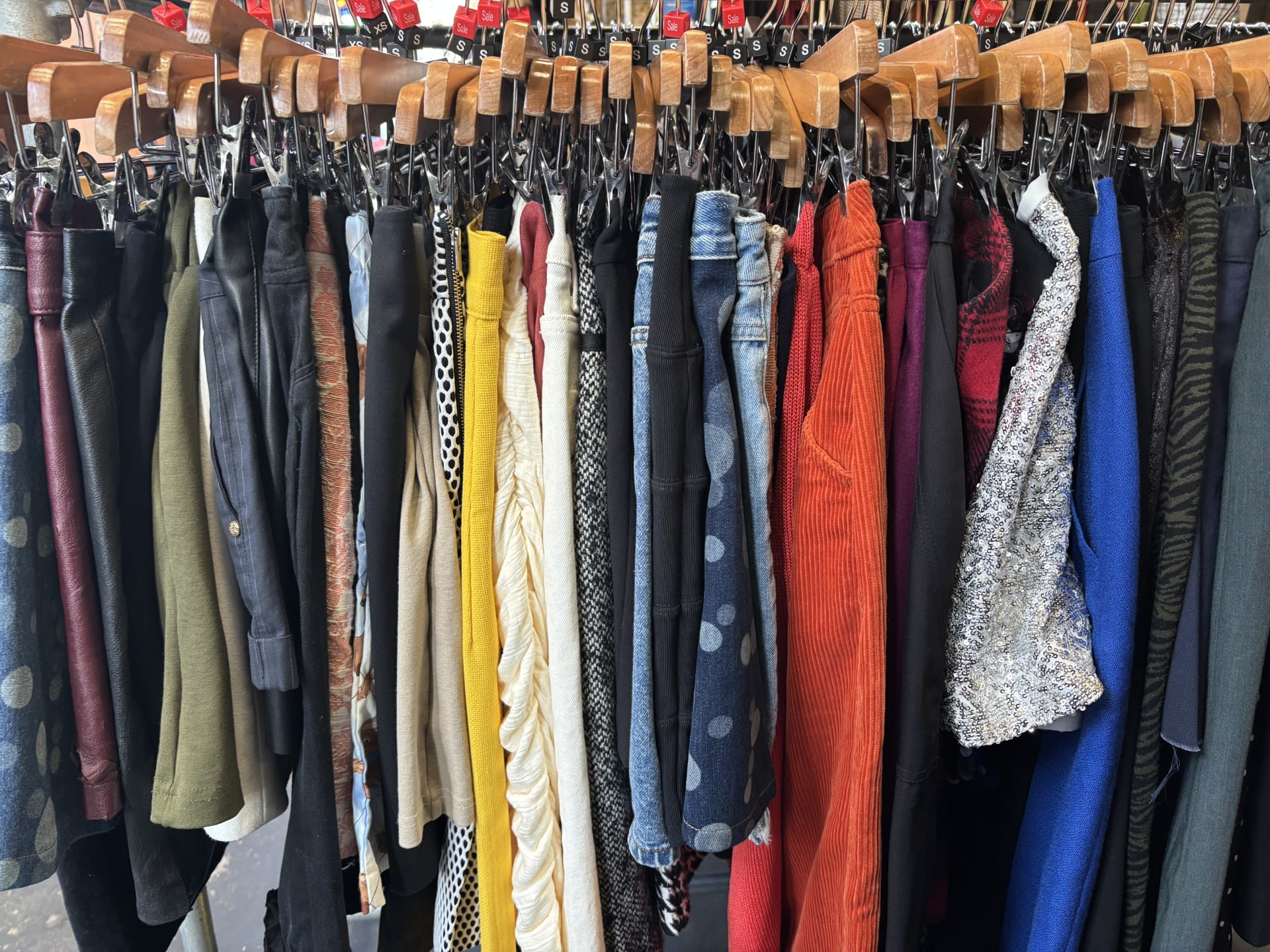


Image credit: Demi Echezona
Image credit: Demi Echezona
The 2026 State of Fashion report reveals that consumers are increasingly turning to secondhand.
Demi Echezona, a 26-year-old assistant editor from Hertfordshire, shunned fast fashion in 2023 after becoming densensitised to the overconsumption of social media influencers.
“Seeing their big hauls was de-influencing me because I realised how all those things would be thrown out eventually.”
Apart from the environmental benefits, she found thrifting secondhand easier as it was cheaper than buying new and made accessible through direct communication with sellers on resale platforms like Depop.
“It’s easier finding secondhand clothing from someone who can tell you the size ranges because they’re able to try it on themselves. It has a personal touch to it as opposed to me just buying stuff online and not knowing how it’s going to fit.”
However, buying secondhand doesn’t automatically guarantee sustainability. Demi highlights that slow fashion and secondhand are not interchangeable.
For people addicted to fast fashion, she believes it requires a shift in mindset away from capitalism and individualism.
“It’s easy to get addicted to buying secondhand, because at the end of the day, the person just wants the dopamine of purchasing something.”
“I would love for the world to move towards slow fashion with everyone recycling things. But I still think that’s a minority while the majority will consistently be shopping for trends. They want what’s current and what makes them feel relevant.


Image credit: Demi Echezona
Image credit: Demi Echezona
 Built with Shorthand