
"Not sick enough": The outdated Body Mass Index
How people with eating disorders are being told by the NHS to come back when they've lost more weight
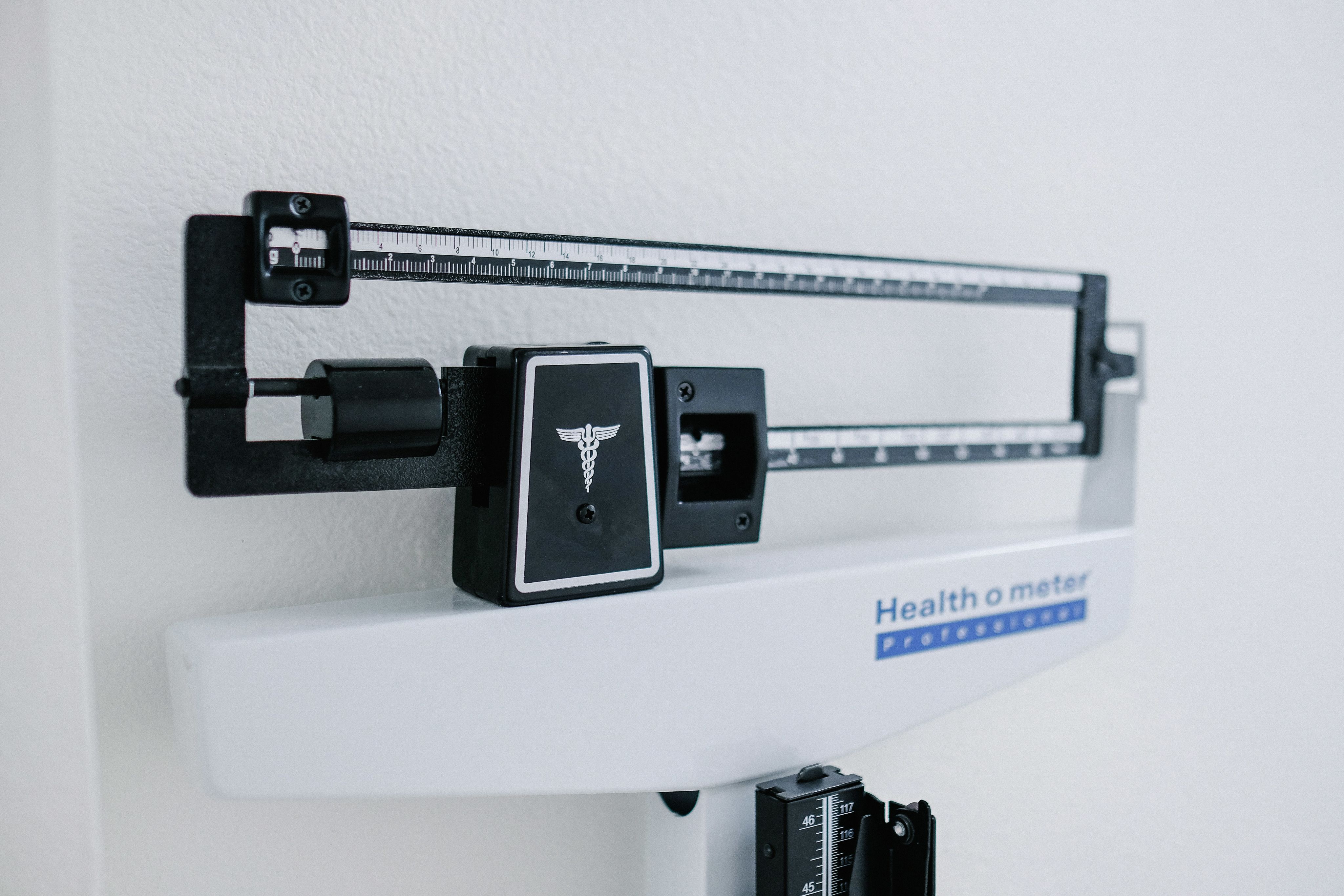

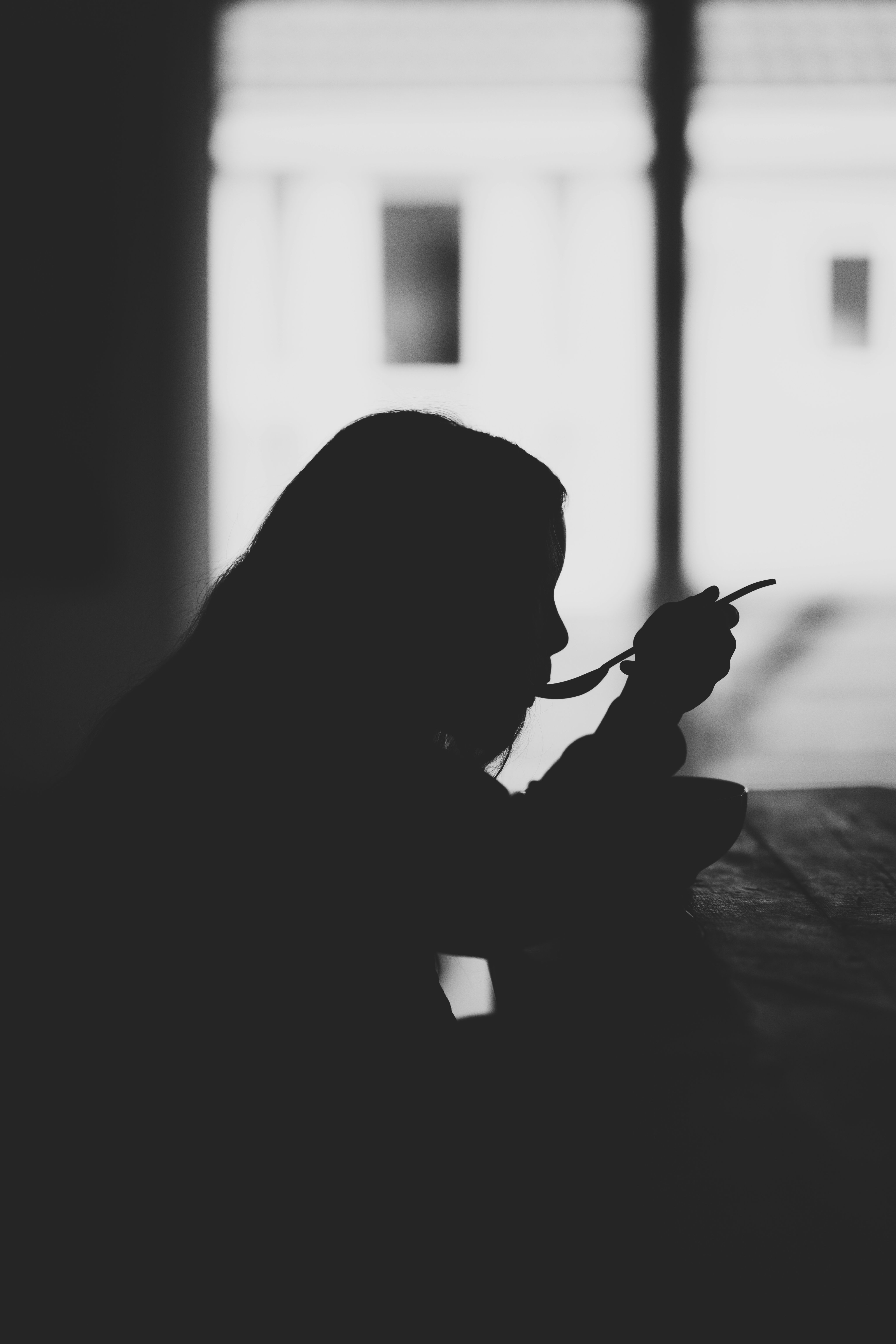
What do you think someone with an eating disorder looks like?
Often, people imagine an emaciated teenage girl refusing to eat dinner, but eating disorders are a complex mental condition which can affect any person or body size.
1.25 million people in the UK have an eating disorder, which can have life-changing consequences to health and in some cases, death.
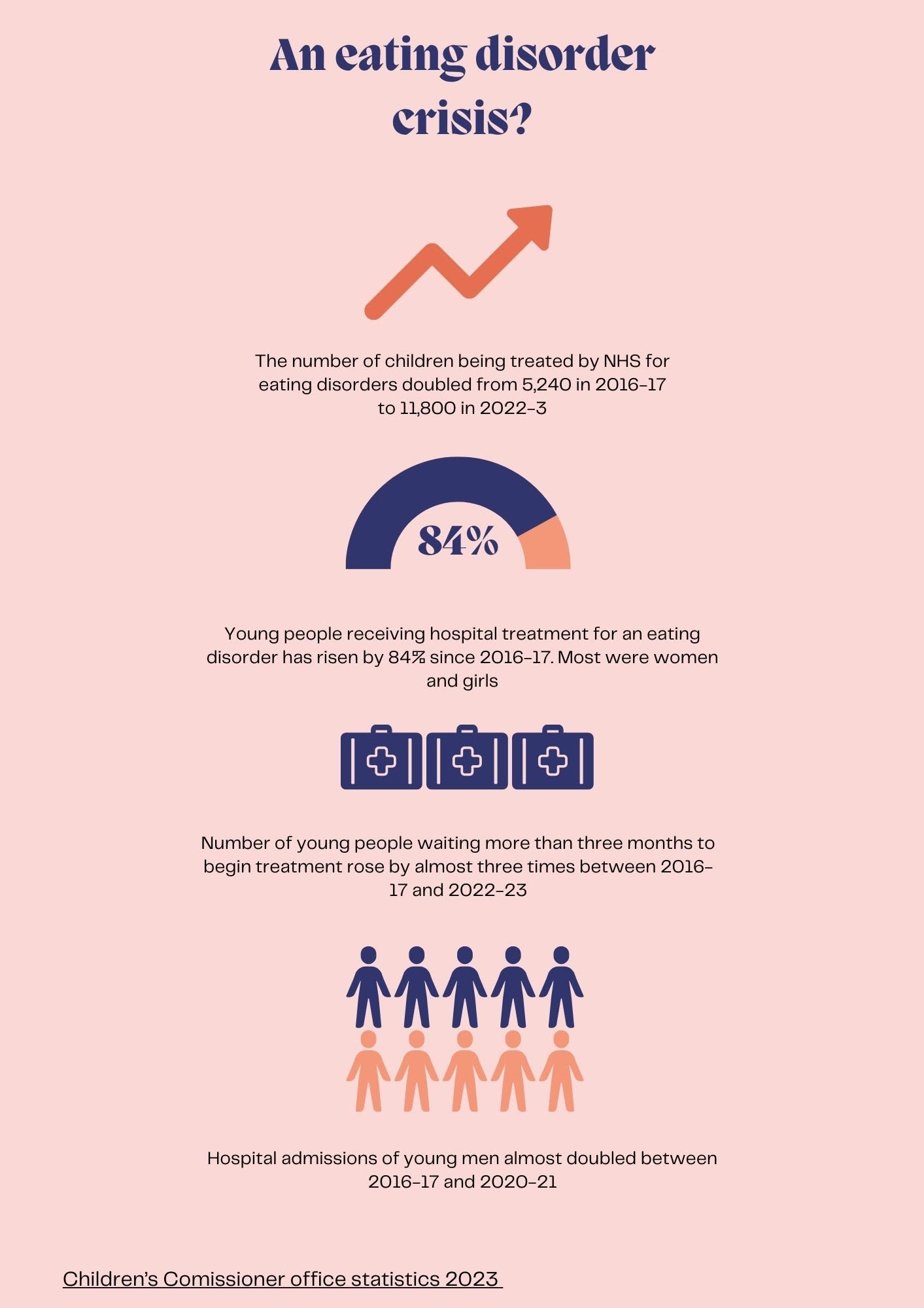
Despite its 'Early intervention' strategy, the NHS is facing an eating disorder crisis, with patients being asked to come back when they’ve lost more weight, in order to fit the narrow diagnosis required for treatment.
Charities, experts and people with eating disorders across the country are asking for a more holistic diagnosis model than Body Mass Index (BMI), so those struggling can receive the life-saving care they deserve.

What is BMI?
Invented in the 1830s, the Body Mass Index is a measure of height relative to weight, used to categorise people for medical assessment. However, the index was never intended to be formally rolled out or to measure individual health and was only modelled on white, European men.
BMI does not take into account muscle mass, bone density, overall body composition, and differences by race or gender. Whilst it can be helpful when used alongside a range of health markers, it is commonly the main criteria for diagnosing eating disorders.

"I looked unwell and I felt unwell...but was told this wasn't enough"
Layla Jones*, 21 from Cardiff, was 14 when she was diagnosed with 'atypical' anorexia, as she wasn't underweight by BMI standards.
"To be diagnosed with atypical anorexia can make you feel like you're not quite good enough at being anorexic," she said.
Jones was asked by doctors to come back if her weight dropped more, so she could be referred to NHS Child and Adolescence Mental Health Services (CAMHS).
She continued to lose weight and was finally enrolled onto weekly CAMHS sessions.
Layla Jones on her experience with CAMHS.
"There was so much focus on weight...and I still didn't quite fit the criteria," said Jones.
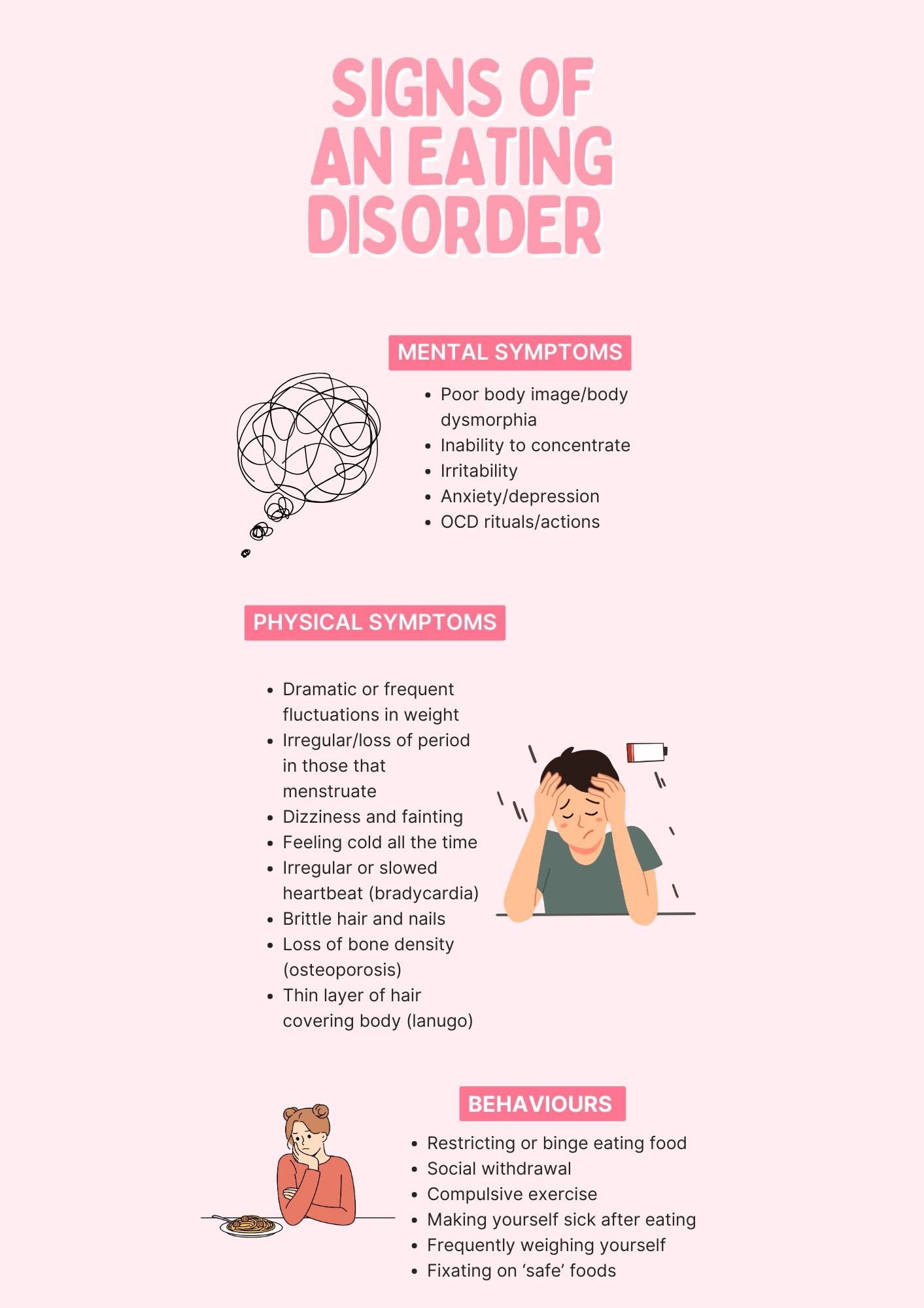
"But I was cold all the time (to this day I have circulation issues), didn't start my period until I was 17, had hair loss, tooth decay, my skin was dull and was at risk of osteopenia.
"I had no energy, a lack of desire to do anything, a lack of want for life."
When she reached the 'target weight' set by her treatment team four years later, Jones was moved to adult services and told she could only have bi-monthly appointments.
"Eating disorders are mental disorders not weight disorders, so even when I'd weight restored I felt like I was still in my 14-year-old brain," she recalled.
*Name has been changed for privacy reasons


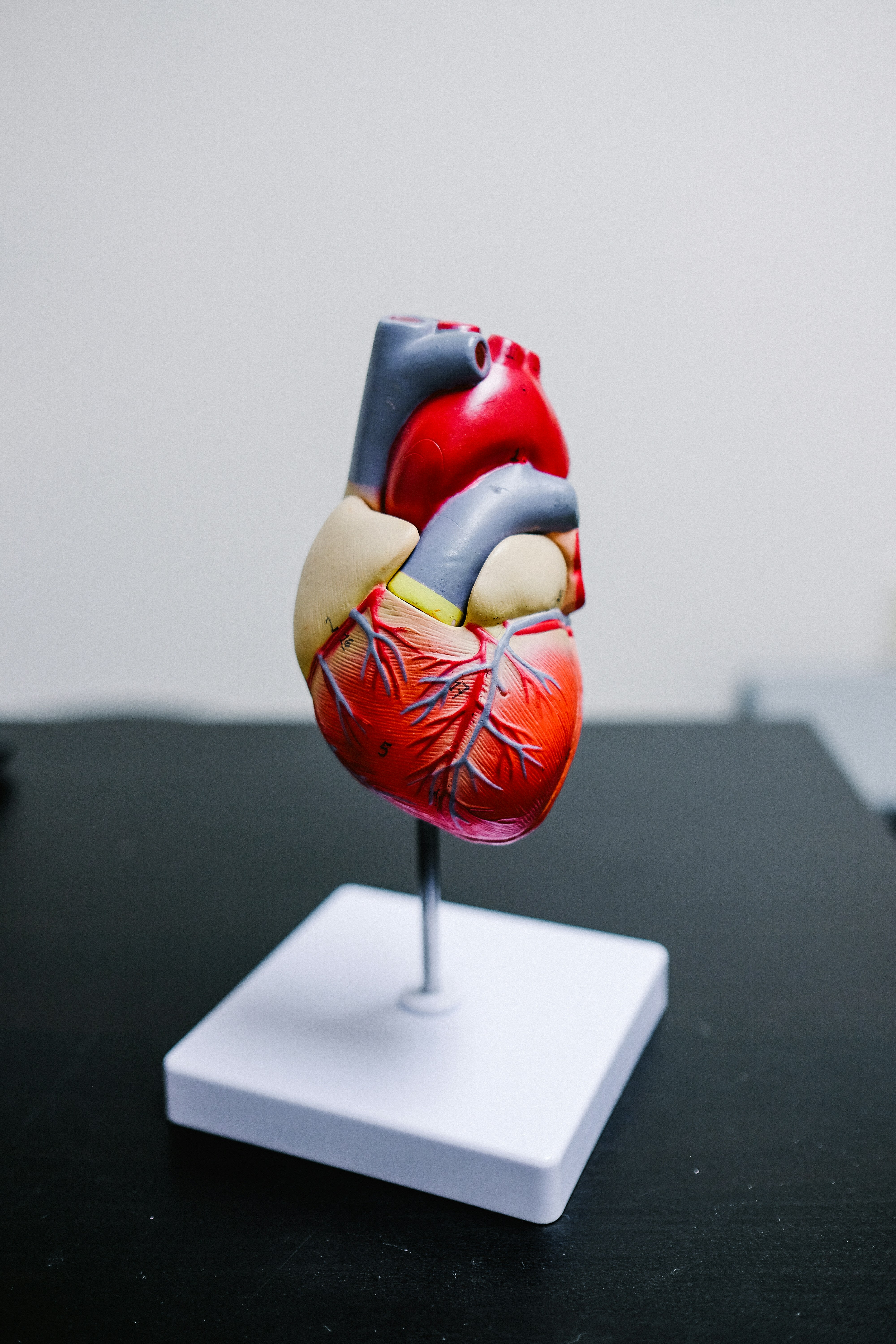
Credit: Anthony Tran on Unsplash
Credit: Anthony Tran on Unsplash

Credit: India Hurford-Jones
Credit: India Hurford-Jones
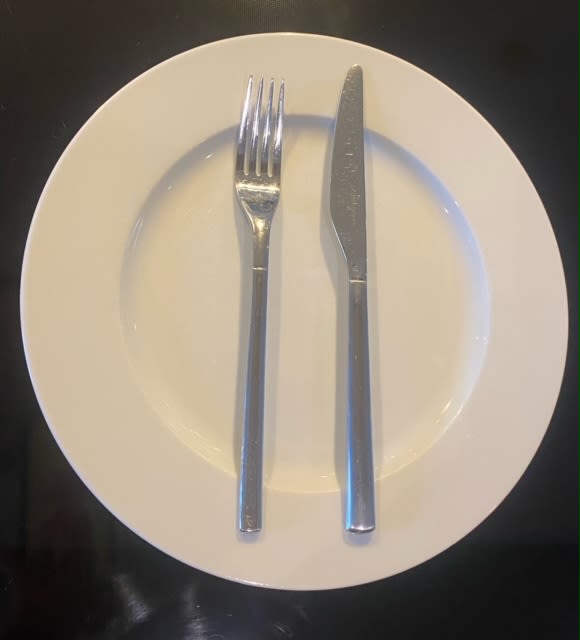
"Being turned away from urgent care fuels you to try be sicker and reinforce these unhealthy habits, just to be taken seriously"
Alongside NHS support, Jones sought out private therapy and a nutritionist to support her physical and mental recovery.
She feels that BMI is outdated and eating disorder healthcare needs serious review: "So many people are living with this disease because they don't get treated fast enough.
Layla Jones on the emotional impact of anorexia
"In society it's normal for people to be on diets or struggling with food or body image, so it's taken much less seriously than someone with a more tangible illness."
Jones feels concerned about those with the power to exploit and benefit from eating disorders, including the film, diet and health and wellness industries: "It all feels very sinister and dark, like an episode of Black Mirror".
The diet industry was valued at more than $200 billion in 2021 and is expected to surpass $405 billion by 2030.
"What should be prioritised when treating an eating disorder is looking at someone's habits and behaviours," Jones added.
"Eating disorders are an epidemic.
"They can go undiagnosed for so long, to the point where people in their 40s, 50s 60s and older have never fully recovered.
"It's not getting the treatment it needs, and people are dying from it.
"It can't go on like this."
"It was almost impossible to get any help at all"
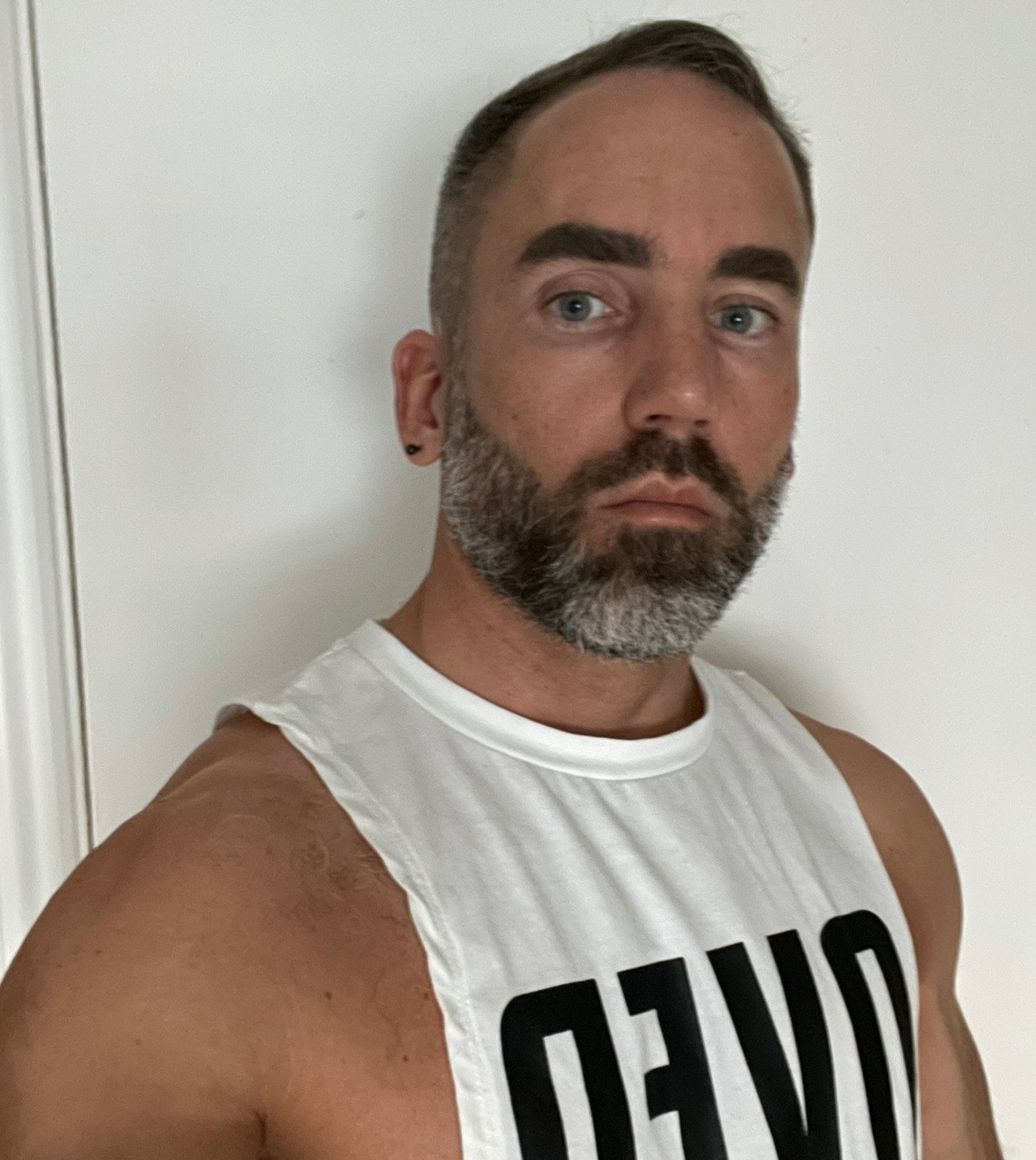
Sam Thomas, 38 from Brighton developed bulimia as a teenager after homophobic bullying he experienced at school.
Thomas would hide in the toilet to eat lunch, which quickly spiralled into binge eating and purging (being sick) as a coping mechanism.
"It felt like something I'd invented," said Sam.
"Never once did it occur to me that weight, shape or size were a contributing reason for it, this really wasn't the case.
"For me, it was purely a means to deal with the psychological issues I was dealing with."
Reaching breaking point, he finally went to the doctor who was extremely concerned about his mental state, yet because of his BMI, did not consider that he had an eating disorder.
"Bulimia can be a weird anomaly because people don't lose weight or gain weight necessarily," Thomas said.
"Back then, the idea of men having eating disorders was totally inconceivable…it hadn't really occurred to anyone it seems.
"I felt like a total alien."

Credit: Sam Thomas
Credit: Sam Thomas
Sam Thomas shared his struggle with bulimia and how he first heard the term in a women's magazine
Sam Thomas shared his struggle with bulimia and how he first heard the term in a women's magazine
"We're told all the time to get help if we're struggling…but if you do, do you actually get any help?"
Thomas began to research eating disorders to understand more about his own, yet found most information didn't consider men.
"The criteria for anorexia was based on women's bodies...it didn't accommodate men full stop," he recalled.
Around 25% of those with an eating disorder in the UK are male.
Whilst some men with eating disorders may lose weight, others can become obsessed with gaining muscle and being athletic, taking harmful amounts of steroids or competing excessively in bodybuilding.
Sam Thomas explains how he was diagnosed with depression rather than an eating disorder by his doctor
Sam Thomas explains how he was diagnosed with depression rather than an eating disorder by his doctor
"There are two different body ideals for men - staying as thin as possible or as big as possible to maintain some sense of masculinity," Thomas said.
"They might eat three square meals a day but exhaust all their calorie intake through exercise, have muscle dysmorphia and never feel 'big enough'.
"It's like trying to walk left and right at the same time."
"We need radical change"
Thomas is now a campaigner for men living with eating disorders, mental health and alcohol addiction, founding the charity Men Get Eating Disorders Too in 2008.
In 2012 the charity launched a petition asking the Government to improve services for eating disorder sufferers, with Thomas featuring on BBC One's "Inside Out" programme the same year.
He feels the government isn't thinking long-term about the future of mental health support and radical change is needed.
"There's a lot more that could be done in schools and the community to raise awareness, not just through mental health services," Thomas said.
"Trans and non-binary people should also be included in this discussion, who are some of the most at risk from body dysmorphia and poor mental health.
"We need to look at what exactly the routes are into services and how exactly you get there…before things go too far."
"My recovery journey spanned just under a decade... it didn't need to last that long"
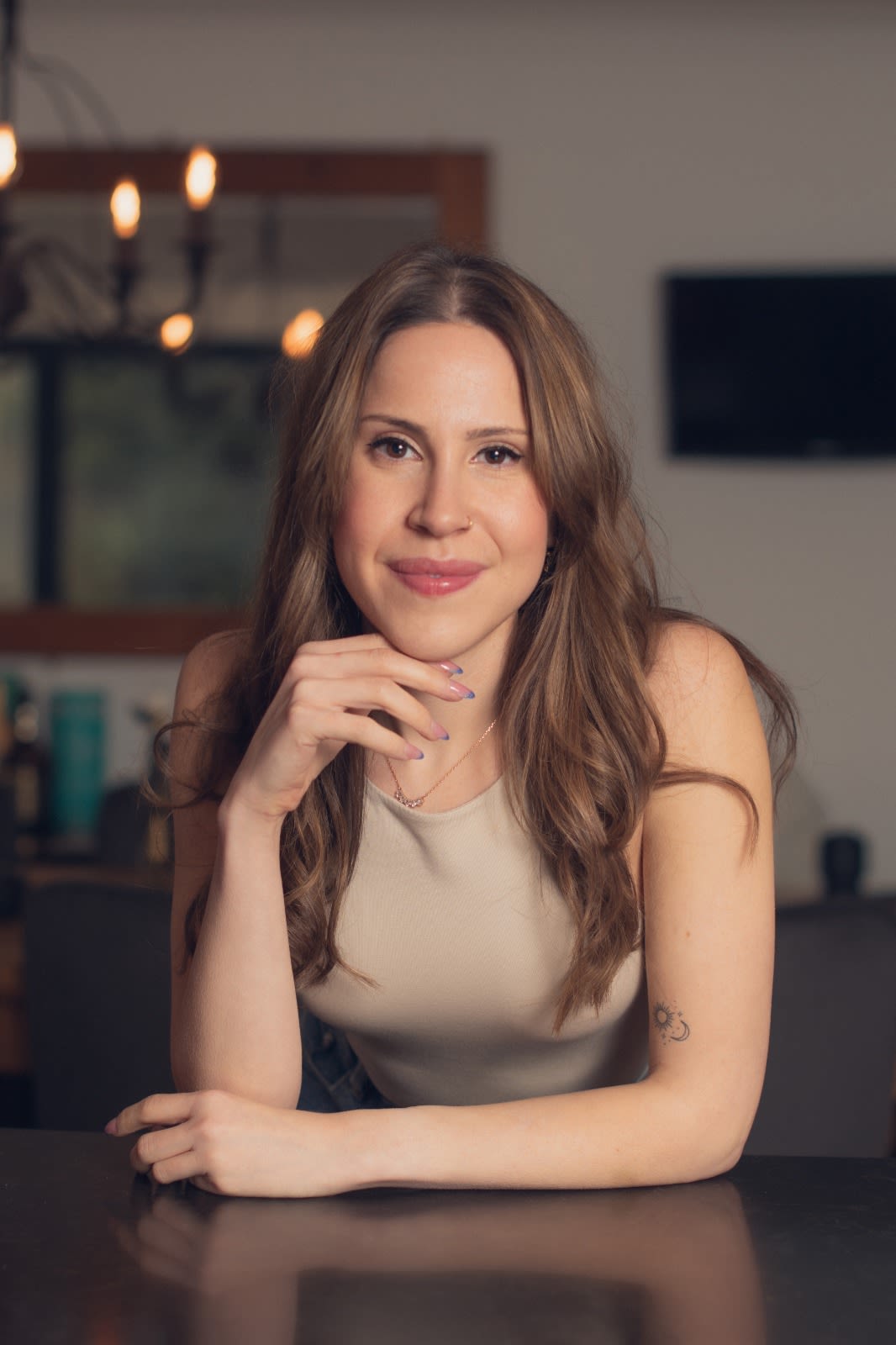
Ciandra Birnbaum, 26 from Yorkshire, was dismissed from eating disorder treatment services as a child due to still having a 'healthy' BMI.
Despite losing a significant amount of weight and her menstrual cycle disappearing, Birnbaum was told her behaviour was "just a teenage phase".
"For somebody with a full blown eating disorder, that was already a key message for me to be like, well, I'm not sick enough to have an eating disorder and I'm not sick enough to get help", she explained.
Feeling confused and invalidated, Birnbaum proceeded to lose even more weight over the next six months and was admitted to hospital, with serious physical complications and an anorexia diagnosis.
Ciandra Birnbaum described how she was told her eating disorder was just a "teenage phase"

Credit: Ciandra Birnbaum
Credit: Ciandra Birnbaum
Credit: Ciandra Birnbaum
Credit: Ciandra Birnbaum
"Looking back, I wouldn't have been in treatment for as long if I'd had early intervention"
After her diagnosis, Birnbaum was discharged to recover in the community, but on Christmas Day 2014 was admitted to an adolescent eating disorder unit, where she stayed for the next eight months.
After a decade long struggle, she is now fully recovered and supports others through her eating disorder recovery coaching programme, Flourish with Ciandra.
Ciandra Birnbaum detailed her long journey to recovery from anorexia
Birnbaum believes there should be a broader spectrum of eating disorder diagnosis tools: "Treatment should be based on the individual, where they’ve come from and the physical and mental symptoms of starvation they're experiencing, irrespective of one's weight.
"There needs to be more signposting to helplines, support groups and accessible treatments that aren't necessarily just for in-hospital patients.
"If this condition is caught early, recovery could be managed in a family-based setting."
"There's no other health condition we're doing this with, cancer patients aren't being told to come back when they're sicker"
Amalie Lee, an eating disorder recovery coach, has seen first-hand the impact of eating disorder sufferers being turned away from immediate support.
Amalie Lee shared how not feeling "sick enough" is something that often drives eating disorders
Amalie Lee shared how not feeling "sick enough" is something that often drives eating disorders
She explained how one of the ways an eating disorder function is the idea that you're not sick enough to receive help.
"But this feeling isn’t something that goes away when you become sick 'enough' to access services," she said.
"I have spoken to people who say that even when they are on the verge of dying in hospital, they don’t think they really have a problem...it is a feature of the disorder.
"It's incredibly harmful and can sometimes mean people try to become even sicker, just to feel seen and validated."
Amalie Lee explained how early intervention is crucial in treating eating disorders
Lee rose to fame online when she began documenting her recovery from anorexia as a university student in 2014, in the hope of helping others.
With over 70,000 Instagram followers and a popular podcast series, Recovery Talk, her core message is eating disorders are, fundamentally, not just about weight.
"Early intervention is crucial to help someone recover much quicker, so none of this makes sense financially for the NHS.
"There's no other health condition we're doing this with, cancer patients aren't being told to come back when they're sicker," Lee said.
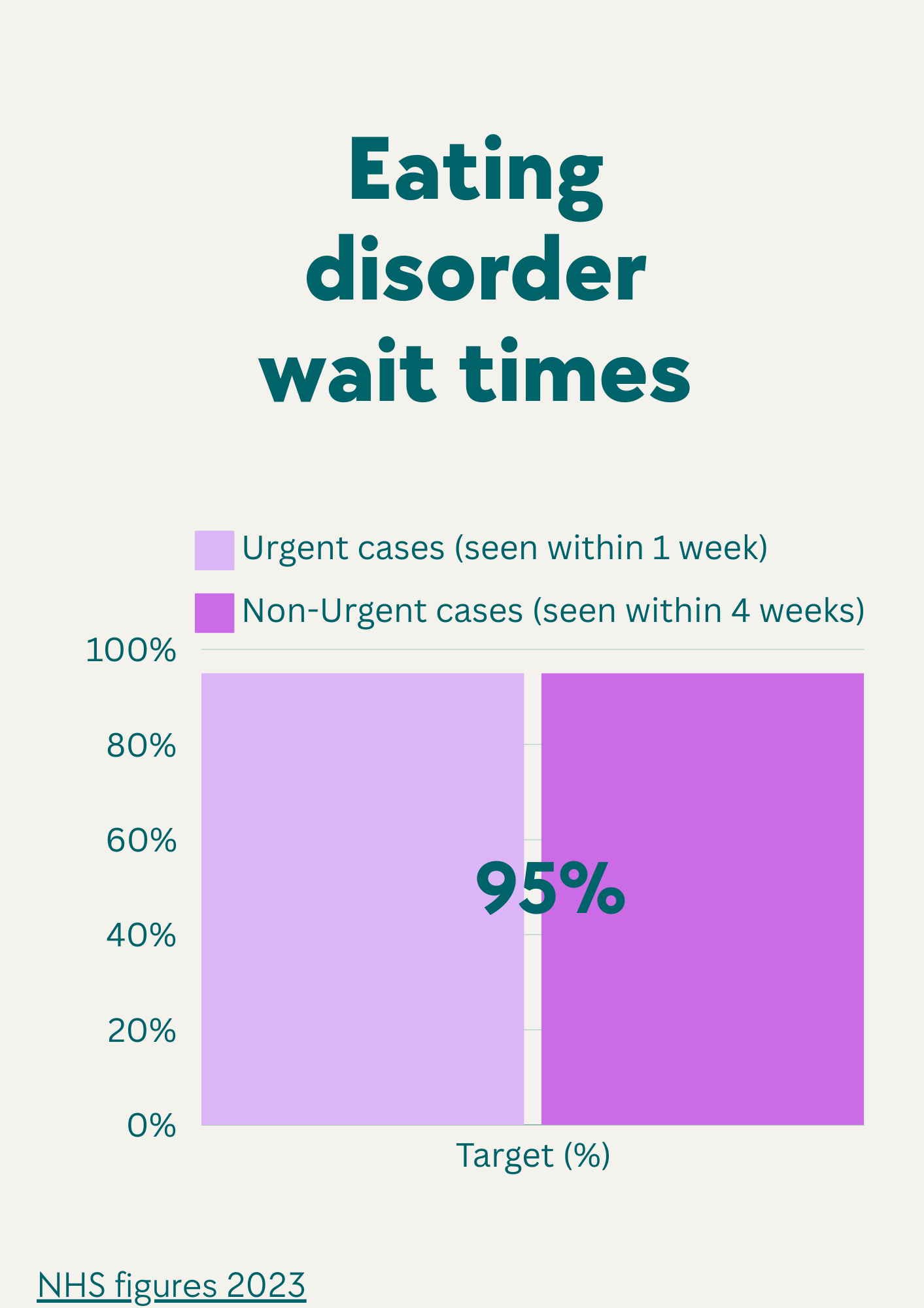
The NHS is yet to reach its 95% target for children and young people with eating disorders
The NHS is yet to reach its 95% target for children and young people with eating disorders
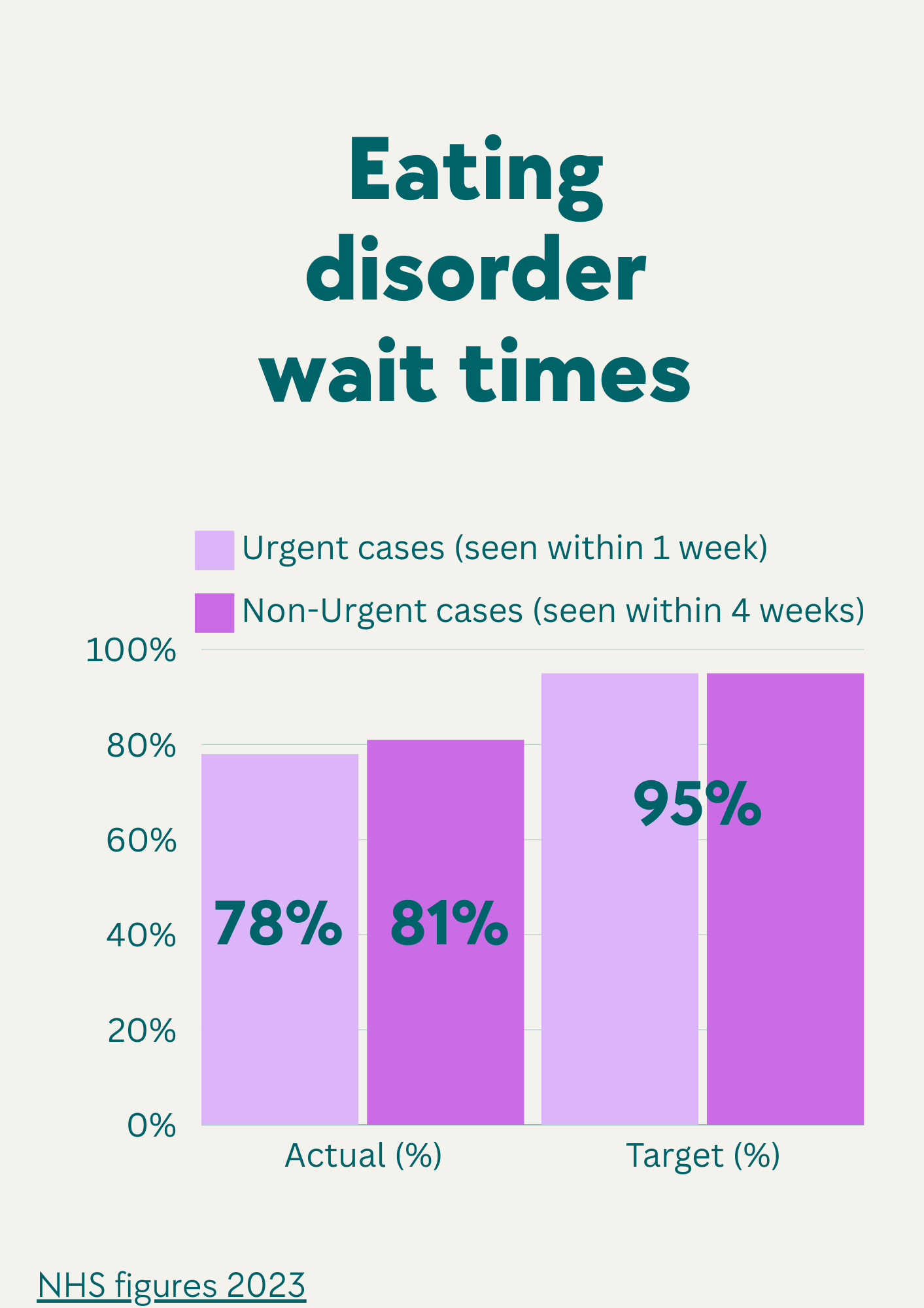
The NHS is yet to reach its 95% target for children and young people with eating disorders
The NHS is yet to reach its 95% target for children and young people with eating disorders
Credit: Amalie Lee
"If you're not thin, your weight loss can be applauded as a success story, when it's actually an eating disorder"
Lee attributes the soaring figures of children being treated for eating disorders to lockdown: "This led to a lack of community, purpose and more time on social media.
"People are being exposed to predatory algorithms online, which can be detrimental to their mental health and chances of developing an eating disorder.
"Content promoting anorexia is not as prevalent as it used to be, but can often be disguised in health and wellness accounts, once you peel back the layer and see what’s underneath."
Orthorexia, an excessive preoccupation with eating healthy food, for example, can be hidden as simply looking after one's health, despite the mental and physical repercussions that can come from restricting food groups.
These habits, alongside a compulsive need to exercise to compensate for calories, are praised by society as being healthy, but often just represent another eating disorder subtype.
"Young, vulnerable and isolated people can easily be radicalised by this online content, without anyone factchecking it," said Lee.
"Weight loss is often applauded in our society and even by medical professionals, and whilst in some cases this might be a result of better health, it's celebrating when people are doing it for the wrong reasons and doing untold damage to their body."
What next?
When discussing alternatives to BMI, Lee suggests applying more resources and more specialised training in eating disorders would make a huge difference in early diagnosis.
"I understand it (the NHS) is a stretched system and I have a lot of compassion for its workers - but they don't always have the right resources to be treating eating disorders," she said.
"There is still a significant research gap in the field of eating disorders, studies that happened years ago and are now outdated."
Using approaches such as Health at Every Size, a framework which supports building healthy habits rather than fixating on weight, could be a good place to start.
Tom Quinn, Director of External Affairs at Beat, the UK's leading eating disorder charity, said:
"We’re incredibly disappointed that those suffering with eating disorders are being forced to wait long periods of time for the treatment they desperately need.
"Eating disorders are complex mental illnesses; starting specialist treatment as soon as possible increases the chances of making a full recovery."
Quinn urges all medical professionals to assess eating disorder patients using a wide variety of criteria.
Whilst NHS professionals are doing everything they can to support people with eating disorders, he recognises eating disorder services don’t have enough resources.
"The new government and NHS leaders must now take urgent action to properly fund eating disorder services and ensure that they can recruit and retain the professionals they need," said Quinn.
"If anyone is worried about themselves or their child, it’s crucial to contact your or their GP as soon as possible.
"Beat is also here every weekday to support people affected by these serious mental illnesses."

Credit: Priscilla Du Preez on Unsplash
Credit: Priscilla Du Preez on Unsplash
The NHS have been approached for comment.
Need support?
If you’re worried about your own or someone else’s health, you can contact Beat on 0808 801 0677 or beateatingdisorders.org.uk.
Learn more
Read Children’s Commissioner for England, Dame Rachel de Souza's 2023 report, "Young people with eating disorders on the rise in England", here.
 Built with Shorthand