
Shut Up and Dance
The Fight for London's Nightlife and Music Scene











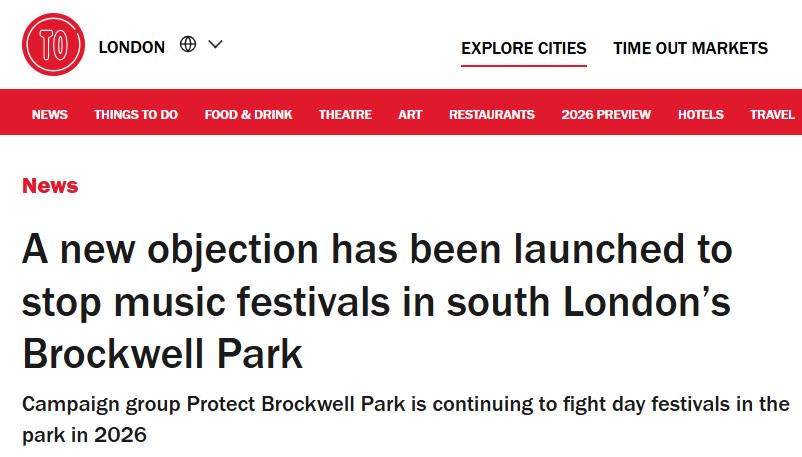


Murder of the dancefloor?
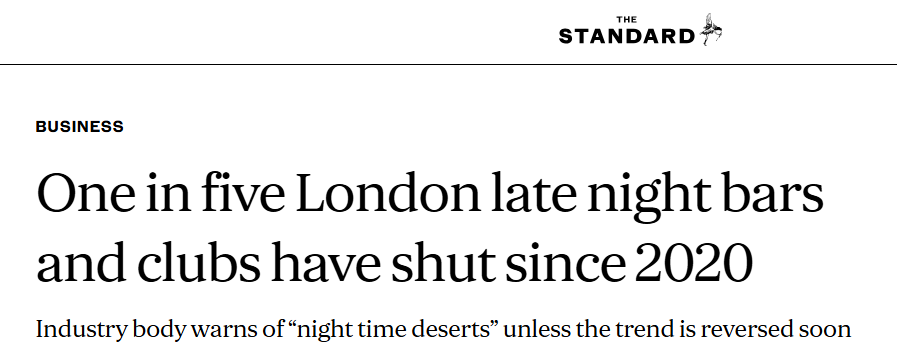
Reports reveal venue closures under the weight of extortionate operating costs.
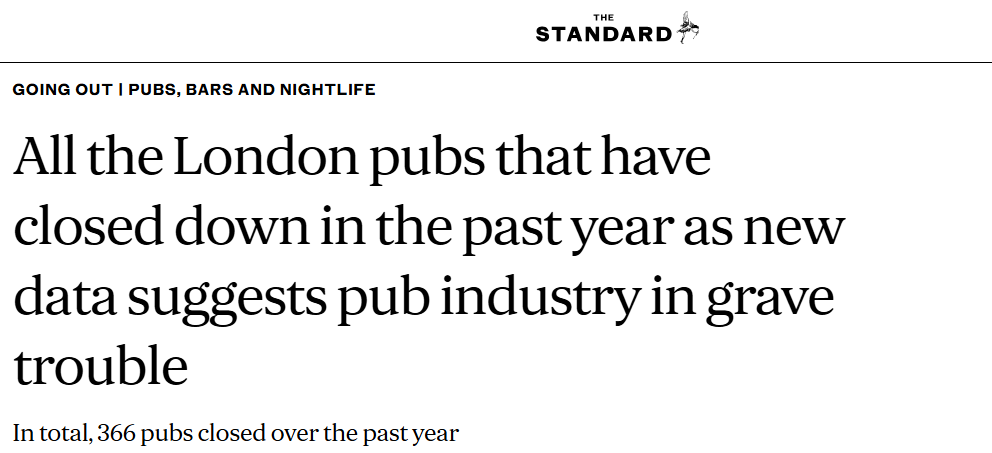
Rising ticket prices push audiences out, as even paying basic bills becomes a struggle.
Headlines claim that young people are opting for Netflix nights over chaotic clubbing.
London’s nightlife is left balancing on a knife’s edge.
Add to that, the growing expectation of emerging artists to breakthrough via a viral TikTok moment (that is if they can be heard above the AI-generated slop), and we find ourselves in a predicament.
What was once the centre of community and culture, enjoyed by and open to people from all walks of life, has seemingly become a luxury afforded only to the lucky few.
This article will cut through the noise, exploring the barriers faced by London's nightlife and grassroots music scene, and ask if there is still hope amongst the doom and gloom.
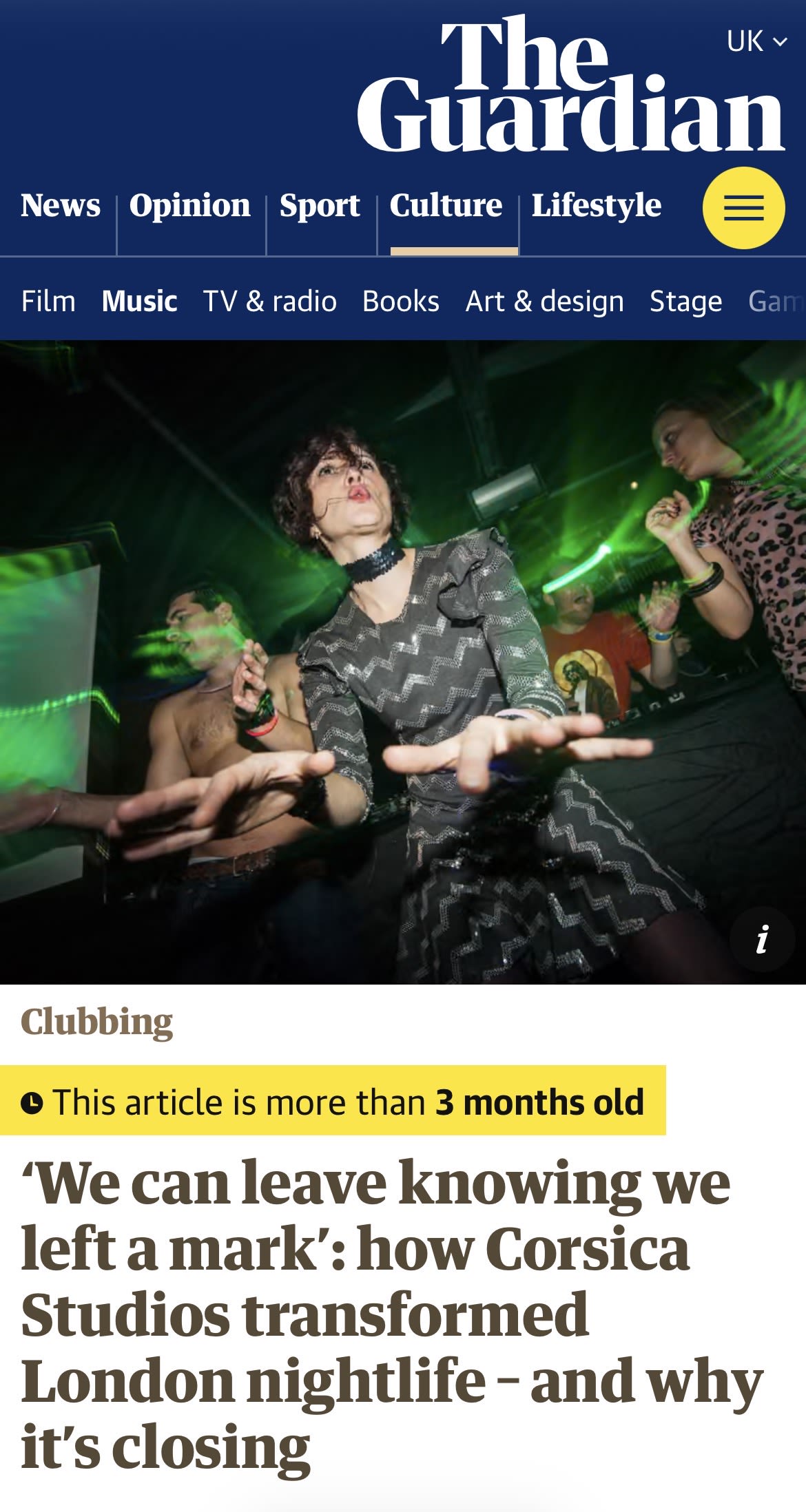
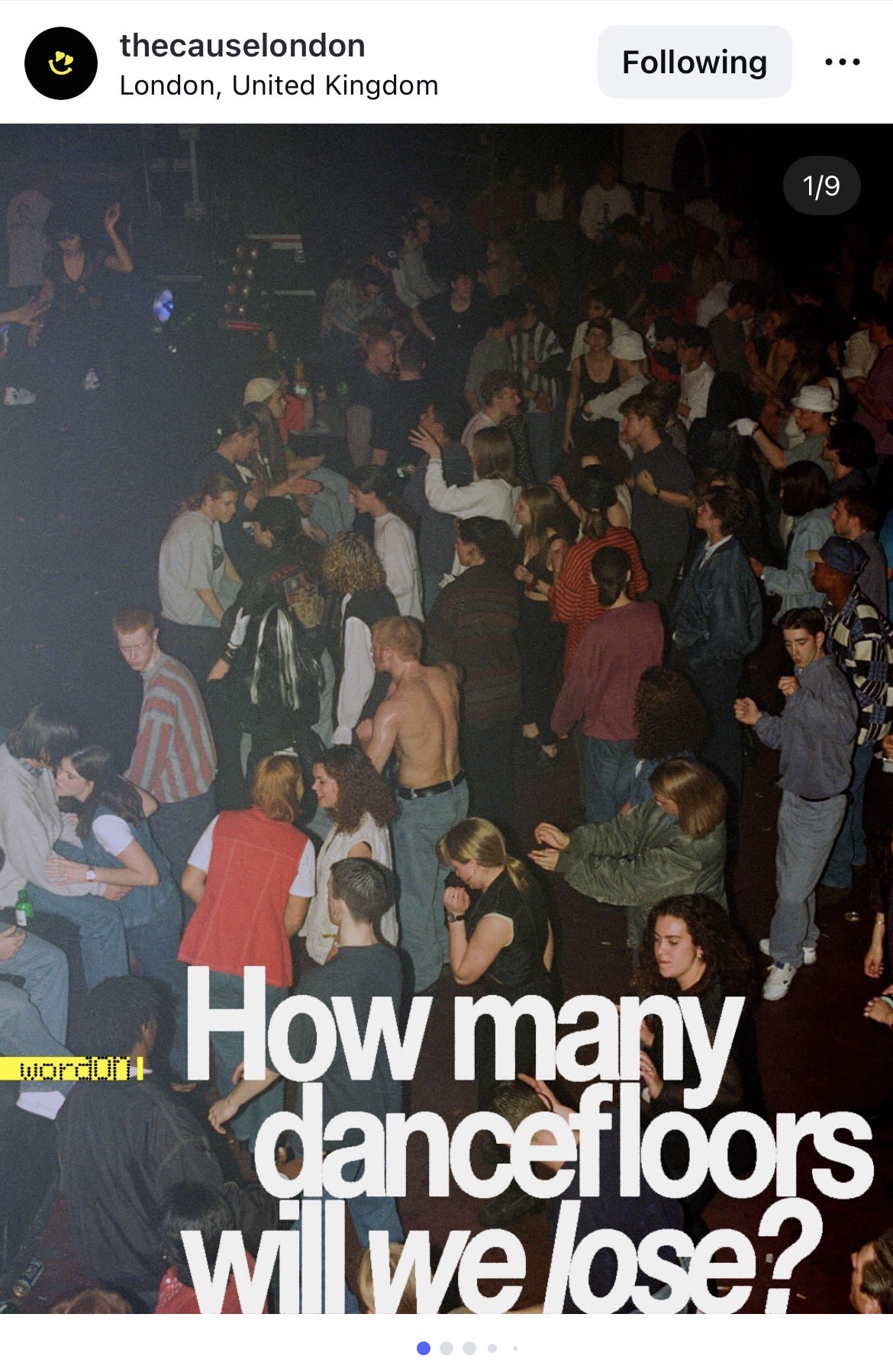
First and foremost, this is a love letter to the dancefloor.



The live music economy: venues under siege


53.8%
Of UK grassroot music venues (GMVs) did not make a profit in the last 12 months.
Data from Music Venue Trust's 2025 annual report
£95,685
The average loss on live music per GMV in the UK in 2025.
Data from Music Venue Trust's 2025 annual report
6,123
Jobs lost in the UK's live music sector in 2025, compared to 2024 figures.
Data from Music Venue Trust's 2025 annual report
Causes of grassroots music venue (GMV) closures in the UK
2025
Operational costs
Money, money, money
For GMVs, survival is increasingly a numbers game stacked against them.
Rising energy costs, increased alcohol duty and higher employer National Insurance contributions have driven up operational costs across the board, and led to a significant number of job losses.
The approval of Martyn's Law in 2025 also mandates that certain venues now must implement appropriate security measures and staff training to reduce vulnerability to terrorist attacks. Whilst this must be hailed as an important move towards increased safety, the further financial pressures it places on nightlife venues must be recognised.
Simply keeping the lights on, and the speakers working, has become too expensive.
Business rate relief reduction
A smaller safety net
Business rates, the tax on non-domestic property, have long been a pressure point for night-time venues. While hospitality spaces currently benefit from a 40% business rate relief (down from 75% the year before) this support is due to reduce further to 15% in 2026. Originally extended as a temporary measure in the COVID-19 pandemic, this safety net has been a life line to UK venues.
Whilst the Treasury's recent announcement of 15% business rates relief for pubs and music venues offers a glimmer of hope, night-time venues are still bracing for further closures and financial pressures.
Will it be enough?
Noise complaints
Not in my back yard
Noise complaints have become another significant barrier. As London’s population continues to grow and demand for housing intensifies, urban living has pushed residential developments closer to existing entertainment venues with little consideration for the cultural infrastructure already in place.
The arrival of new residents has led to a surge in noise complaints against long-established venues, a problem only made worse by people getting far too used to peace and quiet in the lockdown era. As a result, venues face costly soundproofing requirements, increased vulnerability to council intervention and more restrictive licensing conditions.
While the Agent of Change principle states that developers, not venues, should be responsible for mitigating noise issues, this has yet to be formally placed in law. Until then, responsibility remains blurred.
Complex and restrictive licensing
It's bed time!
Licensing restrictions further complicate the landscape. While cities like Sydney are relaxing closing times for late-night venues, London continues to lag behind. Venue owners warn that licensing policies across many London boroughs are too restrictive.
The Metropolitan Police have defended these measures as a way to reduce crime by discouraging intoxication. Critics argue that they instead stifle the night-time economy, penalising cultural spaces rather than addressing the root causes of disorder.
Understanding the figures
2025 statistics are yet to be released, but in 2024 UK music contributed a record £8 billion to the economy with major UK tours driving up the number (Taylor Swift's eras tour ring a bell?), as stated in a 2025 report released by UK Music, the industry's collective voice.
UK music exports were also at a very impressive number with artists like Charli XCX and Lola Young shooting to global stardom. In summer 2025, TimeOut labelled London as 'officially one of the world's best cities for music lovers'. Whilst these wins are worth celebrating, they only tell part of the story. As the top end of the industry thrives, grassroots artists are suffering.
Music Venue Trust (MVT)'s 2025 report describes a state of fragile and tentative stabilisation in the grassroots music ecosystem - one that can't be met with complacency, but instead needs to drive momentum and continued change in policy and attitude.
Although venue losses slowed in 2025, with a 1.2% overall decline, the lowest rate since 2018, it remains a decline nonetheless. Across the sector, average profit margins hover at a slim 2.5%. Whilst the gap has narrowed from 2024 due to a greater proportion of paid shows, steadier attendance and tighter programming, live music remained loss-making at venue level.
The margin for error has all but disappeared.
Other barriers to consider
The barriers facing London’s music scene extend far beyond venue closures.
Operational costs forcing ticket prices up risk alienating audiences. Ticket touting only amplifies this, as resell platforms inflate prices while taking profits that aren't reinvested into the industry.
The decline of recording studios presents a serious threat to emerging talent, with a 2024 Music Producers Guild survey revealing that half of respondent studios were considering permanent closure due to the pressure of business rates - a move that would remove vital opportunities for aspiring musicians.
Touring opportunities have also narrowed, with 221 UK towns containing grassroots venues no longer receiving significant touring artists, limiting both artist development and regional access to live music.
At the same time, the rapid rise of AI-generated music continues to blur the boundaries of copyright and creative ownership at a rate regulators can't keep up with, introducing new uncertainty into an already fragile ecosystem.
Crucially, these challenges affect only those who have already reached the stage of making and performing music. For many, the barriers appear much earlier. The Music Education: State of the Nation report highlights a sharp decline in music education in schools, with state schools particularly disadvantaged. Music is increasingly only a hobby of those who can afford it outside the classroom.
So what does this mean for emerging artists?
With the loss of venue spaces and the strangulation of touring routes (only heightened by Brexit making international touring more difficult), emerging artists are finding it increasingly hard to reach new audiences.
Breakthrough moments are taking longer to arrive, while the costs of starting out, from recording to touring, continue to rise. In an increasingly saturated market, now further crowded by AI artists, musicians are left heavily reliant on touring and merchandise as their primary sources of income.
And for many, this means juggling multiple jobs simply to stay afloat, particularly in the infamously expensive capital.
With venues operating under pressure and ticket prices rising, there is a fear that the appetite for risk will diminish. Would you spend money on an unknown artist rather than those familiar names, when every penny counts?
The gap between grassroots and chart-topping musicians has widened dramatically, reinforcing the sense of an industry that operates as an exclusive club. And getting the invite is tough.





Hearing from the artists: Orchard
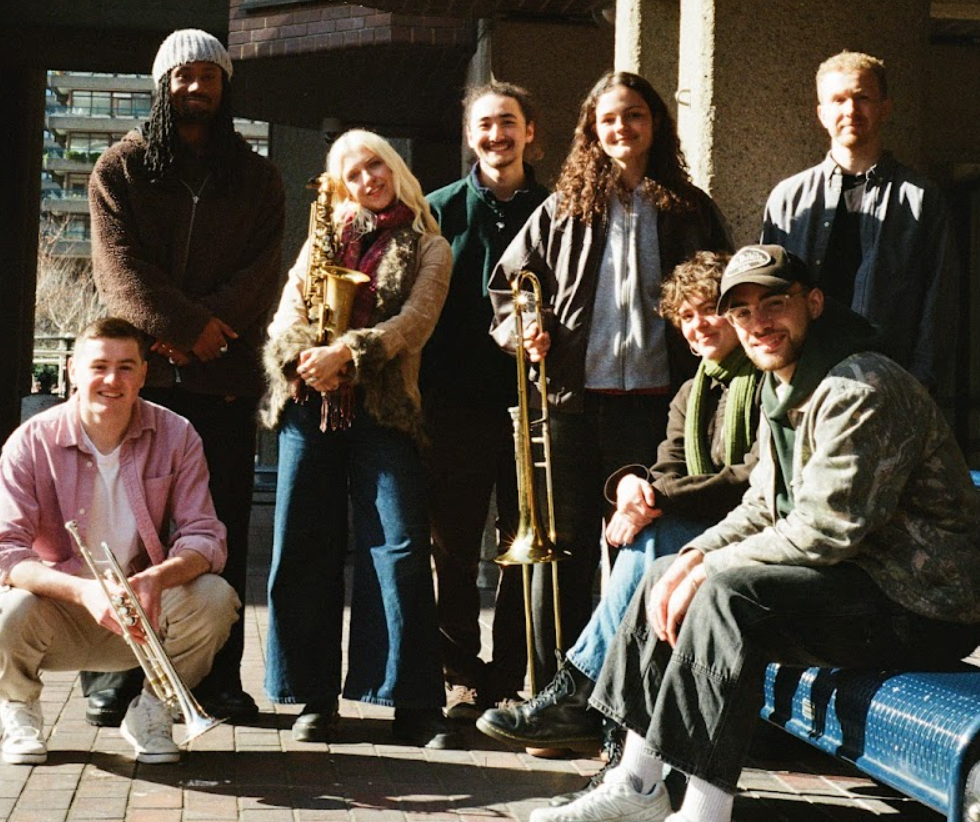
New to the scene is London-based eight-piece neo soul jazz group Orchard. After meeting at Guildhall Music Academy, Orchard started writing music together and have steadily been growing their audience over the last two years, performing at grassroot venues across London like Dalston's The Jago.
In an industry that can feel bleak and overwhelming, Orchard offer a note of optimism. They sit in the often over-looked space between obscurity and stardom, a reality many working musicians know well.
As Orchard vocalist, Evie Hill, 27, puts it: “Nobody discusses the people who are working at the mid level and just gigging. When I first wanted to be a musician, it was hard to find that information."
Whilst they are happy in this space, they recognise it comes with challenges. Evie explains: "It's difficult sometimes as a band to pay ourselves enough and then also make the events accessible to everyone."
However, rather than seeing this as a limitation, Orchard embrace it. The band wear multiple musical hats, balancing freelance work, teaching and function gigging to make ends meet. And they love it. The band also highlight the supportive venue staff and programmers that have made their experience so special.
When it comes to audience building, it is all about connection. By playing a wide range of gigs, from jazz festivals to student nights, Orchard have built a diverse and engaged listenership. Matthew Hill, 25, Orchard trumpeter, recalls a moment that stayed with him: “We had a nice experience recently where a whole family came to the gig. The parents were into our music and they brought their kids who were learning instruments.”
For Evie, these moments are central to why the band keep going. “That's what makes it so worth it for us - that connection with people,” she said. She also remembers receiving “a really nice message that after seeing us perform, a couple bought each other instruments”.
Looking ahead, Orchard are excited about what’s to come. “The festivals we like to do a lot because we've attended them as fans and been inspired by other bands, so to be able to play there would be awesome,” Matthew says. The band will perform at the Royal Albert Hall this April, with ambitions to play We Out Here, the London Jazz Festival and the prestigious Ronnie Scott’s, as well as taking their music further afield.
For artists hoping to find their place in the London music scene, Orchard’s advice centres on confidence, community and persistence. Whether that is finding a mentor to ask advice, or being self-assured in what you are producing.
"Ask for advice, ask for help, and know yourself. Know the music you want to make, and be so strong in your belief that it's important and valuable,” says Evie. Matthew adds, “It's all about meeting other musicians and talking to people. Music is a super social thing so embrace that if you can.”
In the end, Orchard’s story is rooted in the spaces and the people that allow that connection to happen.
"The London venue scene has helped us build our band and our audience - we couldn't have done it without it,” Evie says.
Image supplied by Orchard

Saving North London's hotspots
MOTH Club, Hackney
According to Save Our Scenes Campaign, MOTH Club, the renowned, glitter-adorned Hackney club, is currently under threat from a planning proposal to build residential flats alongside the venue. Whilst the planning proposal doesn't indicate the closure of MOTH Club itself, there are fears that this close proximity with residents would lead to noise complaints and inevitable conflict.
Save Our Scene claims that over 25,000 people have already signed the petition opposing the development.
Hackney Council's statement recognises the cultural and community value of the venue and maintains that through the Agents of Change principle, this should not affect MOTH Club, but this clause isn't legally binding as of yet and MOTH Club supporters worry it won't be enforced.
Music Venue Trust's statement on the situation addresses the concerns around the Agent of Change guidance:
"Hackney Council has expressed its support for keeping Moth Club safe. It is now up to all of us to ensure that this commitment is honoured throughout the decision-making process, so that Moth Club can continue to serve the borough’s artists, audiences and community for decades to come."
Hackney Council's Statement on MOTH Club:
Rowans Tenpin Bowling, Finsbury Park
In December it was reported that Haringey Council had suggested Rowans Tenpin Bowling was under threat of redevelopment.
The beloved institution lighting up Finsbury Park with its retro, faded façade and gaggle of punters waiting to take their turn on the arcade games, bowling alleys or just have a boogie, is a one off.
Whilst the site is deemed an Asset of Community Value and therefore any development would have to re-provide its community uses, the move would be a real blow to this pillar of North London's night-time scene.
Rowans' statement is as follows:
Youth culture: relic or reimagined?


Is youth culture becoming a museum artifact?
As Camden prepares to welcome the world’s first permanent Museum of Youth Culture, and spaces for young people continue to disappear, with the steady closure of pubs and youth clubs, it’s hard not to wonder whether youth culture itself is on the brink of extinction. The drunken nights out, the thrill of discovering a niche music scene, the terrible haircuts and questionable outfits: are these rites of passage becoming relics of the past?
From community to comfort
With the glamourisation of “bed rotting” and the rise of digital socialising, community has become increasingly fragmented. Why brave a packed bar when you can swipe on Hinge from your sofa, or spend the night gaming with friends without clocking a single step? Convenience has replaced unity, and comfort has edged out chaos.
But without community, there is no culture. And more importantly, there is no fun.
Rewriting youth culture, not preserving it
This is where the Museum of Youth Culture attempts to shift the narrative. Rather than positioning youth culture as something frozen in time, the museum presents itself as a rebellious force, illuminating the untold histories of teenage life while inspiring future generations to shape their own. Its aim is to empower youth voice and creative self-expression, recognising that growing up is a shared experience capable of bringing generations together.
Perhaps youth culture isn’t a relic after all, but something shifting and adapting with the times. It is simply being reimagined.
The return of the party (kind of)
Charli XCX deserves credit for spearheading a revival of hedonism in 2024 and 2025, rejecting the algorithm-driven ‘clean girl’ aesthetic and making messiness, excess and the party mainstream again. For a generation that missed crucial adolescent milestones while stuck indoors during COVID-19 lockdowns, this resurgence feels significant.
Still, the party’s return is fragile. It is often marketed as a shallow form of immediate gratification rather than a space for genuine connection. In chasing the image of a good time, young people are left without the meaningful relationships they are craving more than ever in what many are calling a 'loneliness crisis'.
Soft partying
If going out means coughing up £7 a pint on a minimum-wage job (as let’s not forget that under 21s are paid less), it’s hardly surprising that the drinking culture amongst young people looks different now. Added to that, our screens are flooded with fitness and wellness content. Early morning gym starts and protein squeezed into every meal has become priority over searching for the next night out.
Business Insider recently dubbed 2026 the year of “soft partying”, with young people seeking connection and community without the hangover. It’s a shift already visible across London: run clubs filling the streets, coffee shop daytime raves popping up across the capital, and socialising reframed around presence rather than excess.
Music, movement, and a glimmer of hope
Young people are also engaging with music in different ways. Listening bars are on the rise, record shops are enjoying a resurgence across London, and despite widespread anxiety about the future of live music, there are reasons for optimism. Music Venue Trust’s latest report revealed a 13% increase in average annual audience visits per grassroots venue.
Dougie Brown, Policy and Campaigns Manager at UK Music, said:
“In a difficult economic environment, people are making cuts in certain areas and going out is one of those things. But music offers a unique experience and I think that fans will always find a way.”
Not your standard night out: Cut A Shine
Alternative forms of 'going out' are also gaining traction. Ceilidhs and barn dances, whilst they have existed for generations, are seeing renewed popularity amongst younger crowds.
Joe Buirski, founder of the increasingly popular Cut A Shine Barn Dance (and a keen banjo player in the Cut A Shine band), has been hosting these events for almost twenty years, since his mid-20s.
When asked whether he has noticed changes in audience behaviours over that time, Buirski raises a valid question:
"Do we have a live music culture in the UK that depends on alcohol?"
Whilst he acknowledges that bar-takes are not what they used to be, Buirski doesn't mind, claiming it is more pleasant for the organisers with less drinking, and after all, people can always go out afterwards.
So, what makes Cut A Shine so popular in today's world?
Buirski notes that the nights have waxed and waned over the years but he has definitely seen an increase in interest, attributing social media as a factor. He recalls a time when a group of 18-20 year olds arrived all dressed up after seeing the event on TikTok.
Ultimately, though, it's not trends and platforms that explain Cut A Shine's longevity. It is the shared intergenerational joy found on the dancefloor.
Entirely community-driven, the events demand participation rather than performance; you are expected to link arms, spin around, and run full-pelt with complete strangers of all ages. Awkwardness isn’t allowed.
Buirski said:
"We're not reinventing the wheel - Cut A Shine just brings to the next generation something that is fun and silly that other generations have also enjoyed."

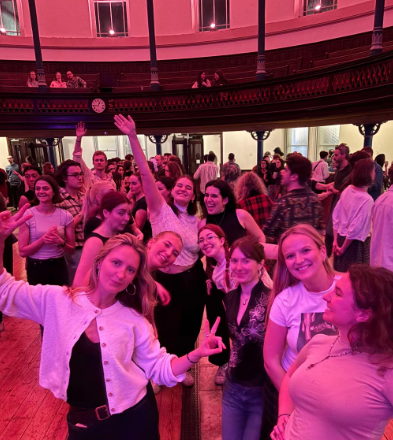
The party never ends


Celebrating the wins
There have already been many wins we can celebrate as proof we are moving in the right direction. The voluntary implementation of LIVE Trust's grassroots £1 ticket levy by larger arenas and venues proposes to generate funds for grassroot venues and other parts of the industry.
The Music Growth Package offers a similar opportunity - aiming to support emerging artists with training, touring, exposure and access to rehearsal spaces, as well as strengthening grassroots infrastructure to enable sustainable growth.
Ticketing touts are officially facing the music, as reselling tickets to live events for a profit is to be banned by the government.
Streaming services like Bandcamp are implementing greater regulations around the use of AI on their platforms to uplift real emerging artists and break through the competition.
Sadiq Khan's newly established Nightlife Taskforce brings together London’s nightlife frontliners to examine and address the issues facing the industries - all with the intention of recommending how to ensure the capital's night-time economy can thrive.
The UK Government has also announced it may grant Sadiq Khan new powers to overturn local council decisions that reject licensing applications for pubs, clubs, and bars in a new pilot scheme. This comes as the Treasury also announce that pubs and live music venues will benefit from a 15% business rates relief in 2026/27, which was expected to be completely scrapped in 2026. Their bills will then be frozen for a further two years, offering a relief (if slight) from financial pressures.
Looking to the future
When looking to the future, Dougie Brown, UK Music, said:
“Overall we would like to see a more central music strategy from the government – something that joins up lots of the areas and offers coherence in how funding is distributed. There is a real opportunity here.”
A strategy that uplifts artists at every level, from the ground up and recognises the cultural spaces, not as nuisances but as developers of the local community ecosystem, is key. I don't know about you but when I go out to a gig, I'll definitely be popping to the pub or even grabbing dinner out if I'm feeling flush.
Brown says, "The government talk about regenerating high streets - music can be an important part of that."
With iconic spaces like XOYO and Ministry of Sound reopening, the Barbican announcing their new late night party series, and tens of thousands of people signing petitions to save their local grassroot venues, one thing is clear: music and nightlife is engrained in UK and London culture, and it's putting up a fight. It is undeniably facing challenges at every level that need to be addressed, but with more legal protection, long-lasting government action, and continued community support, the party never ends.
“I am always hopeful about the UK music industry – there’s amazing talent everywhere, amazing venues, we have the best festivals, and you see around the world that people love British music.”
- Dougie Brown, UK Music



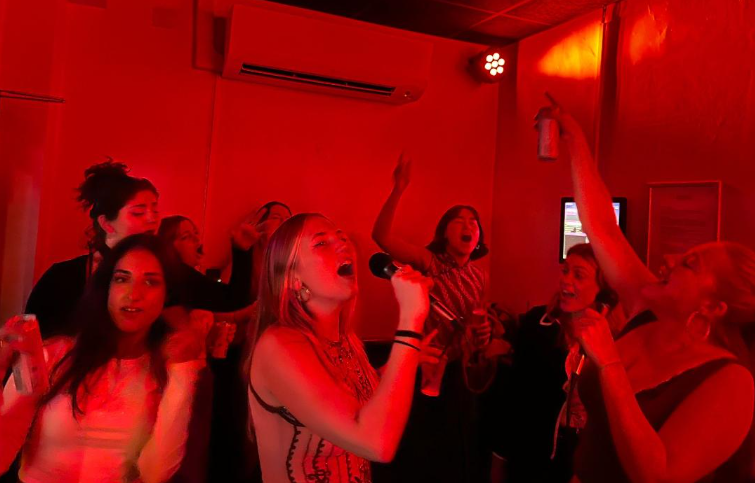
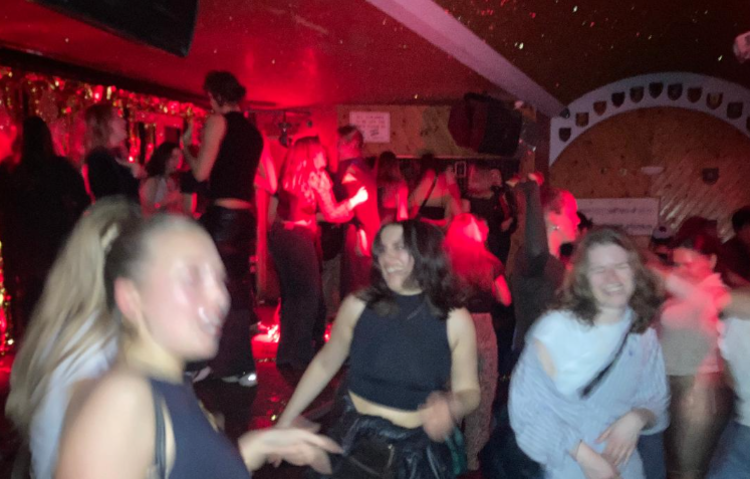
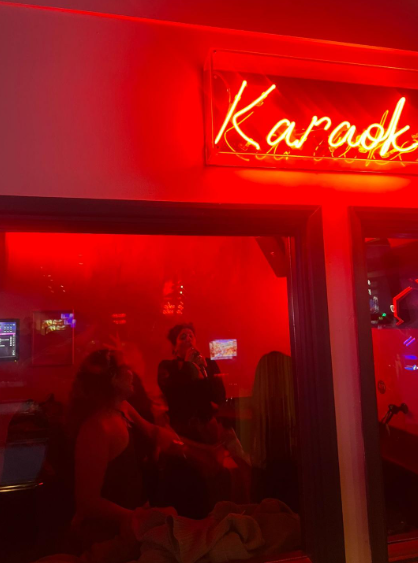
Authors own images
Authors own images


"We need nightlife, we need music, we need community - it makes all the hard work and living worth it - and it is vitally important to protect it"
- Joe Buirski, Cut A Shine
The moral of the story: Shut Up and Dance
 Built with Shorthand