Thailand's food diplomacy serves up success - with a pinch of salt
The UK's love of Thai food is secure, but, as Ben Sturt discovers, concerns have been raised about authenticity
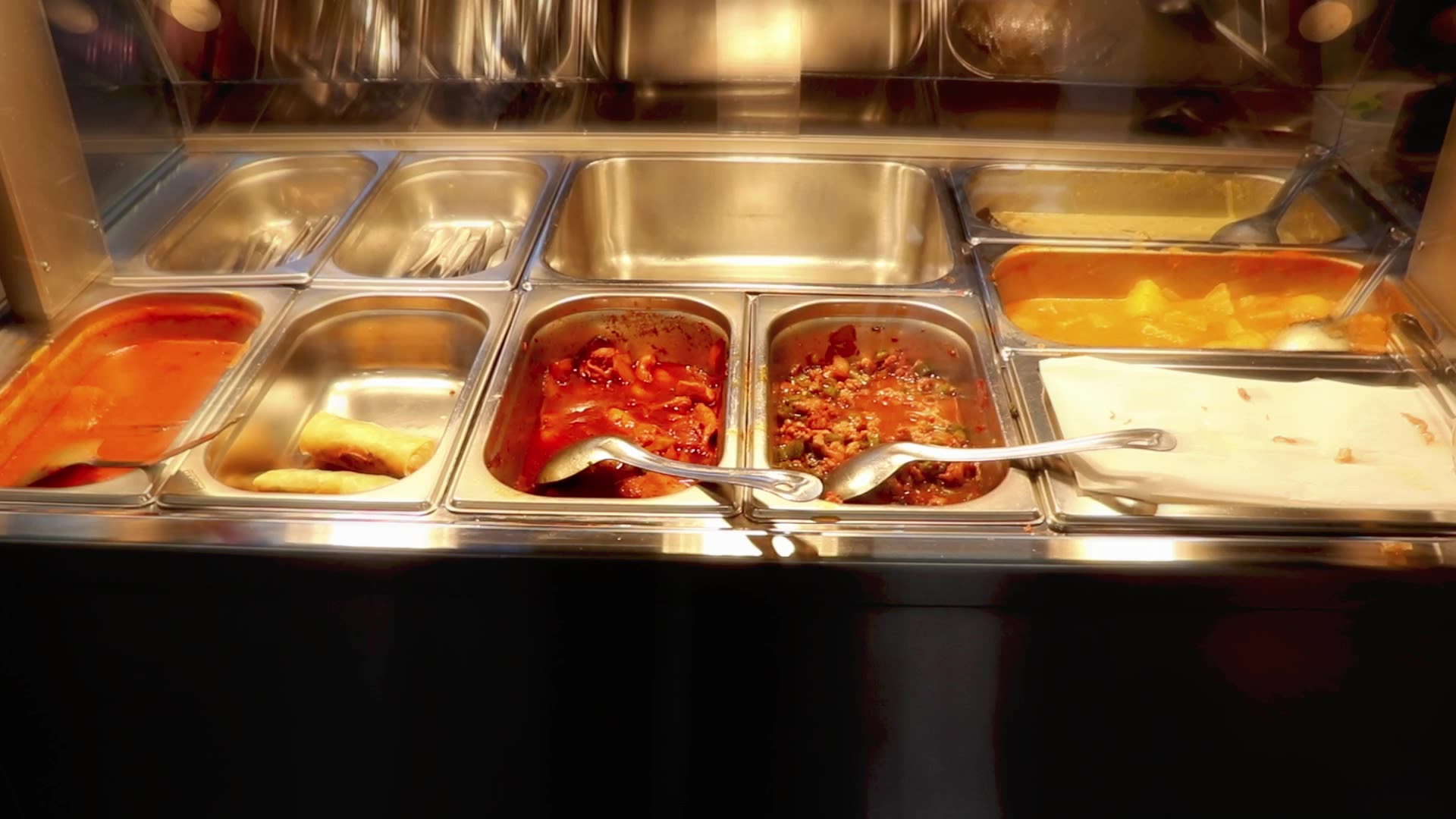

Britain's love affair with Thai cuisine
The United Kingdom’s love of Thai food is undeniable. A recent YouGov survey polled Thai as one of Britain’s favourite cuisines, only behind Chinese, Indian and Italian food - which have long been established here.
Thai food has muscled its way into the UK’s extremely competitive hospitality sector, with more than 2,500 restaurants across the country. The Asian food market is estimated to be worth about £8.5 billion, which includes Thai establishments.
What's more, Thailand's share in the industry is set to grow. "There is ongoing support from the Thai government to strengthen the reputation of Thai cuisine," Jirakarn Bejrajati, Minister for Commercial Affairs at the Thai Embassy says.
Statistics aside, perhaps Brits’ affection for the Southeast Asian cuisine is best understood through the relationship between traditional pubs and Thai kitchens. It’s estimated that a significant proportion of Thai restaurants are found in British boozers, and it's no wonder why considering the perfect marriage between thirst-quenching pints and sweet and spicy delicacies. Furthermore, it's cheaper for Thai entrepreneurs to take over a pub kitchen compared to opening up a restaurant.
So where has the demand for Thai food come from? With over one million British tourists visiting Thailand in 2025 alone, it's safe to assume that many return with a desire to replicate the culinary experience from their travels. “Thailand emerged as a staple backpacker destination for young Brits in the 1990s,” Philip Vogsted observes in the SOAS Spirit. “The Thai food trend took off in the UK around the same period.”
Furthermore, tourism numbers to Thailand have increased by 200% over the last 20 years, correlating with the increased access to Thai food worldwide.
Anya Tunchun, who works at Thai Kitchen in Twickenham, observes how many of their customers have been inspired to visit “The Land of Smiles” after falling for the delicious food. "One customer even walked me through her Thailand trip itinerary and the dishes she wanted to try!" Anya says.


A British flag adorns a wall in Southeast Asia
A British flag adorns a wall in Southeast Asia

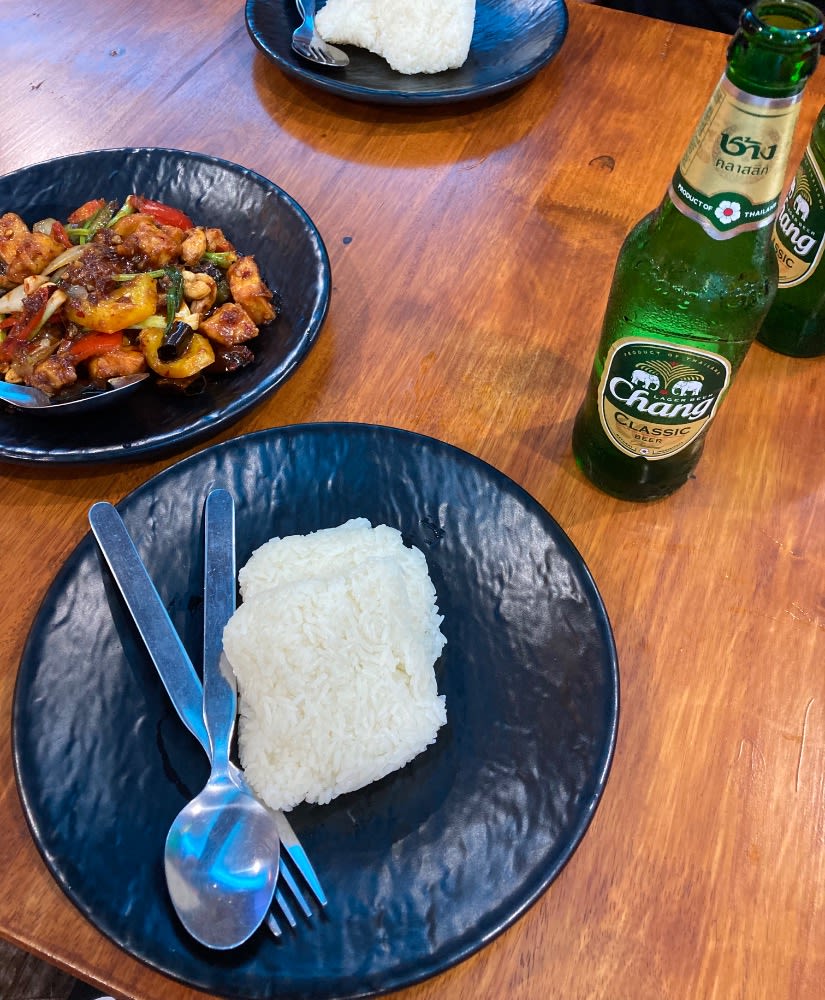
Thai food is best enjoyed with cold beer
Thai food is best enjoyed with cold beer
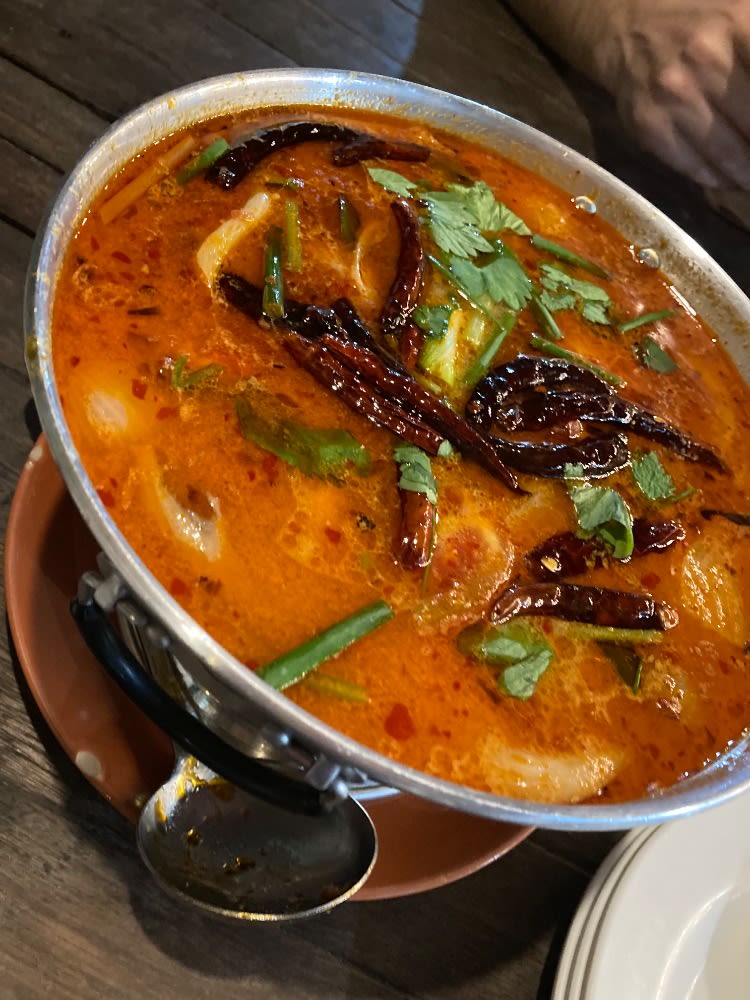
Tom Yum soup is popular in Thailand and the UK
Tom Yum soup is popular in Thailand and the UK

A temple in Khon Kaen
A temple in Khon Kaen
Gastro-diplomacy
Whilst the market for Thai food has been supported by returning backpackers wanting their fix, there is also a state-backed strategic move which has prompted success. This diplomacy-through-food idea, promoted by the Thai government, has increased and met the demand for Thai food, both in the UK and elsewhere.
The “Global Thai” campaign, launched in 2002, had the goal of increasing tourism to Thailand and boosting food exports. It also aimed to soften Thailand’s image, which at the time was marred by sex tourism.
The idea was simple: to reach people’s hearts through food. The initiative was backed up with funding for certified Thai chefs to establish themselves abroad and open restaurants.
At the time, The Economist stated the move could “subtly help to deepen relations with other countries”. It has been successful in doing just that, with the number of Thai restaurants worldwide increasing from 5,500 in 2002 to just under 20,000 two decades later. What’s more, tourism numbers to Thailand skyrocketed over the same period.
The initiative was an effective means of building cultural, political and economic ties with other countries. The movement was even given its own term: “gastro-diplomacy”. Many countries have followed suit and wielded soft power through food, but none have been as successful as Thailand.

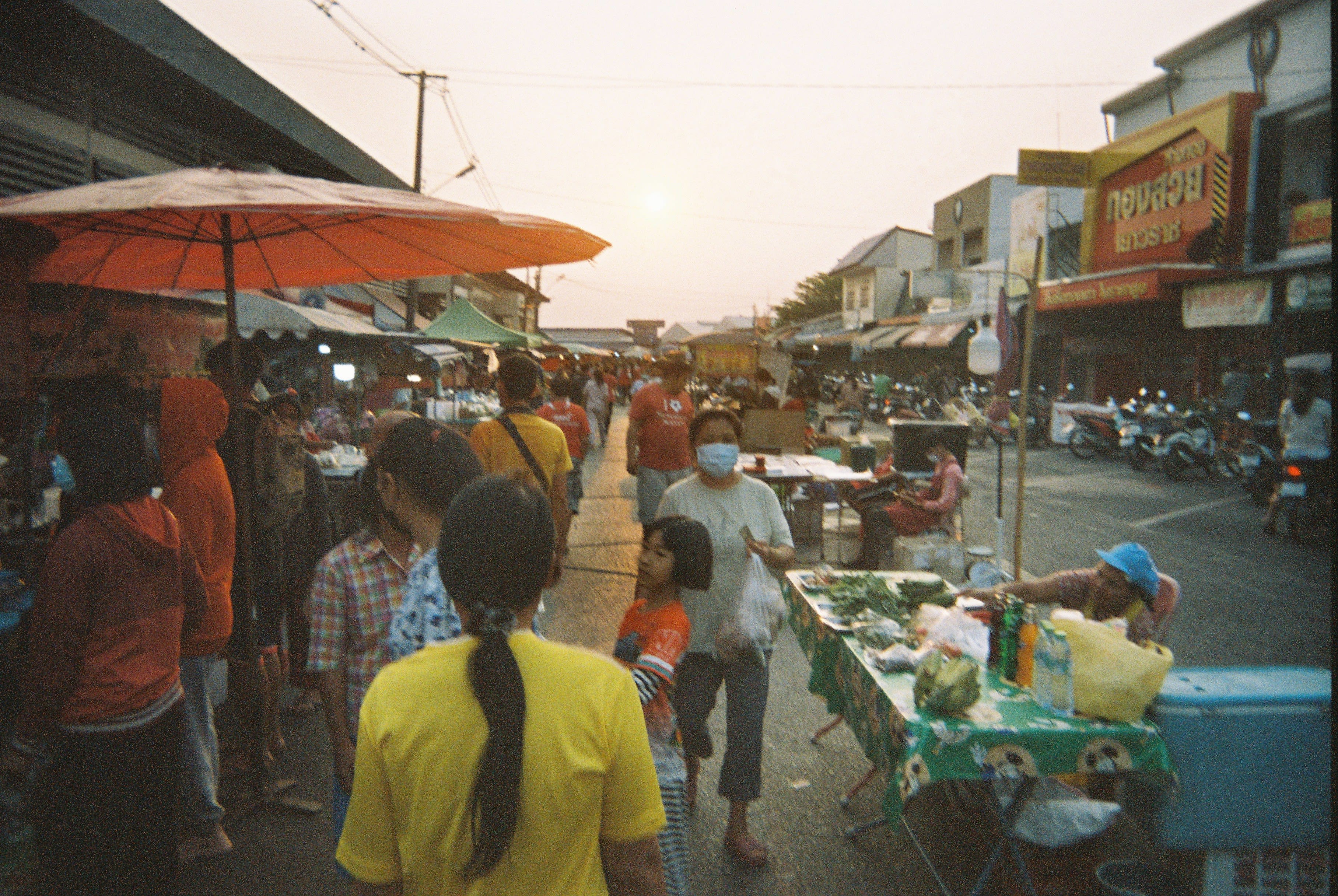
Is the Thai food you're eating the real deal?

Despite the success of Thailand’s gastro-diplomacy, there have been concerns about the authenticity of the Thai food being served up, both at home and abroad. “Foreigners can have a singular version of what Thai cuisine should look, taste, and smell like, which forces Thai restaurants to lean on cultural inaccuracies," writes Madeline Rae in Food Republic.
Chefs may be forced to switch out the more traditional fermented fish sauce in favour of the more widely known soy sauce, or reign back on the spices. One Reddit user expresses her disapproval in more undiplomatic terms: “Thai woman here. What the f**k us up with you in the UK all liking such sh**ty Pad Thai??”
The Thai government may only have itself to blame when it comes to authenticity worries. Since its inception in 2002, the Global Thai project has targeted culinary expansion in specific regions around the world. To achieve this, it has researched local tastes and adapted recipes to meet different palate preferences.
Some dishes - like Pad Thai - have got preferential treatment over others. The sweet and sour plate of noodles - although popular in Thailand - has been promoted as the “poster boy” for the cuisine instead of regional favourites like Pad Kaprow (Thai basil stir-fry), Som Tam (papaya salad) and Khao Soi (northern Thai curry noodle soup).
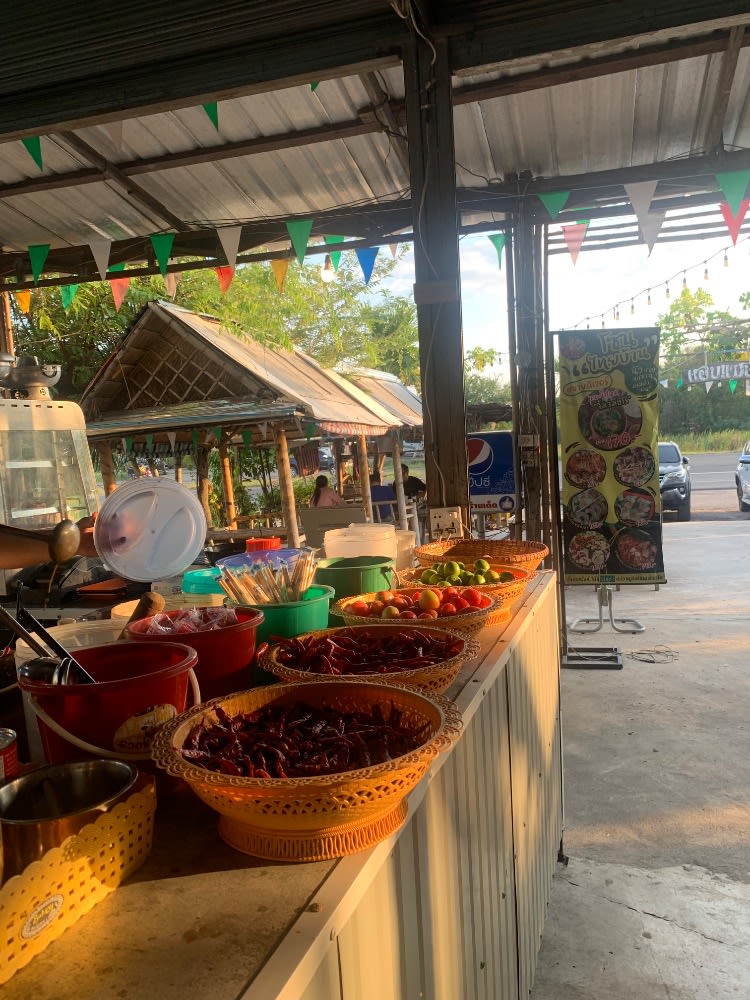
A food market in Maha Sarakham province, Thailand
A food market in Maha Sarakham province, Thailand


Bangkok at dusk
Bangkok at dusk
Thai restaurants in London are realistic about authenticity concerns. Anya Tunchun’s family runs the Thai Kitchen, which operates out of six pubs across the capital. Speaking at the Prince Albert branch in Twickenham, She states that the business has operated for over 20 years, indicating that the British pub - Thai restaurant relationship is blossoming. “We try our best to be as authentic as we can be,” she says.
“However, people have different opinions. I feel a lot of our customers like their dishes quite saucy and quite salty. We’ve adapted our dishes to fit their tastes - which is different to Thai culture because I feel a lot of Thai food is quite sweet.”
Anya adds that customer preferences have prompted Thai Kitchen to adapt their menu - and take renowned, authentic Thai dishes off. “Som Tam, or Papaya Salad, is really popular in Thailand, but we’ve had to take it off because no one really knew what it was,” she concedes. “It wasn’t really getting sold like we wanted it to be. Also, papaya is really expensive to import into the UK.”
Piers Perry, who has worked at Thai cafe Somjuk in Twickenham for two years, agreed that sometimes substitutes are made in Thai dishes because some ingredients are expensive to import. Perry also thinks Pad Thai is more popular in the UK. “I would say British people enjoy Pad Thai a lot more than people in Thailand do. In Thailand, people usually eat Thai Holy Basil as their main dish,” he states. “I’m not sure why Pad Thai is so popular in the UK. I guess it was heavily advertised as the national dish of Thailand.”
"I'm not sure why Pad Thai is so popular in the UK. I guess it's been heavily advertised as the national dish of Thailand.
Jirakarn Bejrajati, Minister for Commercial Affairs at the Royal Thai Embassy in London, spoke about the criticism of some Thai food found in the UK and elsewhere. “As Thai food travels abroad, it naturally adapts to local tastes, ingredient availability, and dietary preferences,” he says. “Some degree of adaptation is unavoidable and, in many ways, has helped Thai cuisine become more accessible and popular worldwide.”
The acknowledgment of the necessity to adapt is perhaps reflected in the Thai SELECT certification, which Jirakarn signposts me towards. The award - which over 100 Thai restaurants in the UK hold - determines authenticity by weighing up multiple factors including cultural context, rather than enforcing exact replication. “To safeguard authenticity, Thailand focuses on preserving core elements rather than enforcing rigid uniformity,” the minister adds.
Furthermore, Thai ingredients including curry pastes and fresh herbs and spices including galangal, lemongrass and tamarind have become widely accessible internationally. As a result, Thai kitchens - and even amateur chefs - have been able to replicate authentic Thai food. In fact, the Thai SELECT certificate also recognises certain meal kits and sauces designed for domestic consumption. “The increased accessibility of ingredients enables restaurants abroad to preserve traditional flavours rather than relying on substitutes,” Jirakarn adds.

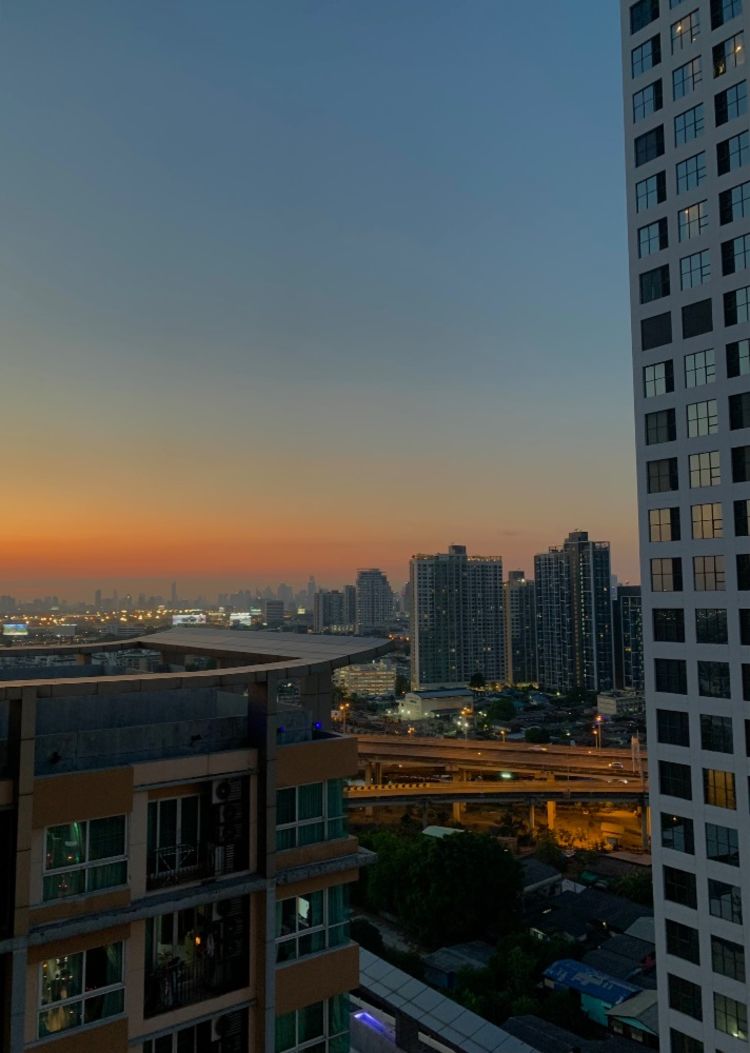
Sunset scene in Bangkok
Sunset scene in Bangkok


Inside the temple grounds in Chiang Mai, northern Thailand
Inside the temple grounds in Chiang Mai, northern Thailand

A temple entrance in Maha Sarakham province, Thailand
A temple entrance in Maha Sarakham province, Thailand
 Built with Shorthand