
The Barriers Affecting Women’s Health
Are women disadvantaged in healthcare?


Although women in the UK on average live longer than men, a 2022 government report found that women spend a significantly greater proportion of their lives in ill health
Department of Health & Social Care: ‘Women's Health Strategy for England’


In a world where medical research drives healthcare, a disparity persists: five times more research funding goes to erectile dysfunction - which affects 19% of men - than to premenstrual syndrome, which impacts 90% of women.
This inequity isn't just a number, many feel it's a symptom of a broader crisis in women's healthcare that extends far beyond reproductive health.
The female health gap is evident from cardiovascular disease to stroke treatment. Studies from the British Heart Foundation show women are less likely to receive correct initial diagnoses for heart attacks, while The George Institute for Global Health reports women with strokes are disadvantaged in the critical treatment time window. Experts say these disparities lead to missed diagnoses, inadequate care, and preventable deaths.


Photo by Priscilla Du Preez 🇨🇦 on Unsplash
Photo by Priscilla Du Preez 🇨🇦 on Unsplash
Heart Health



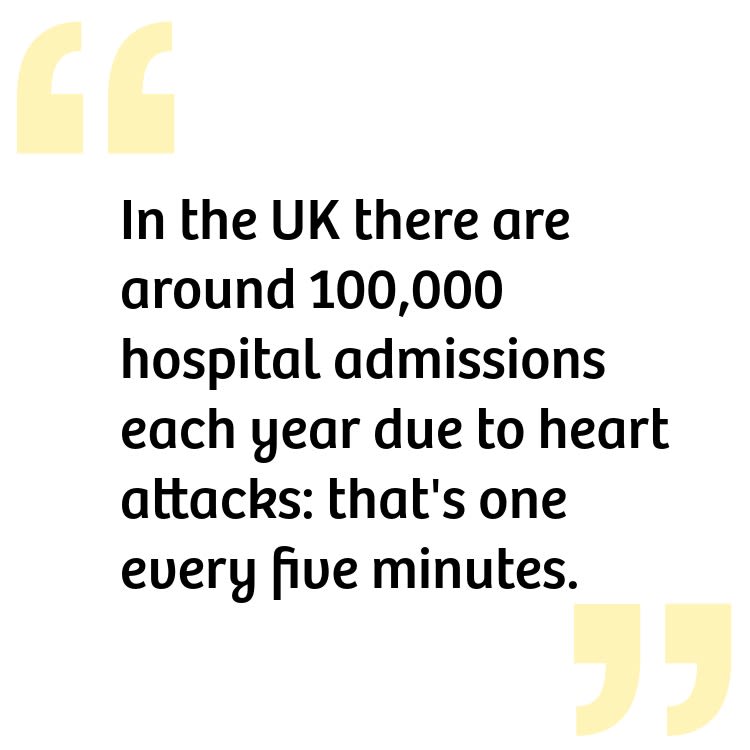
In the UK, coronary heart disease kills more than twice as many women as breast cancer


Despite being the leading cause of death among women in the UK, heart disease is regarded as a 'silent epidemic' among women.
In the UK alone, heart disease affects the lives of more than 3.6 million women.
This knowledge gap represents a crucial barrier in women's healthcare, where gender-specific symptoms are often misunderstood, leading to delayed diagnosis and treatment that can sometimes be fatal.


When it comes to women’s heart health, many say the issues are systemic.
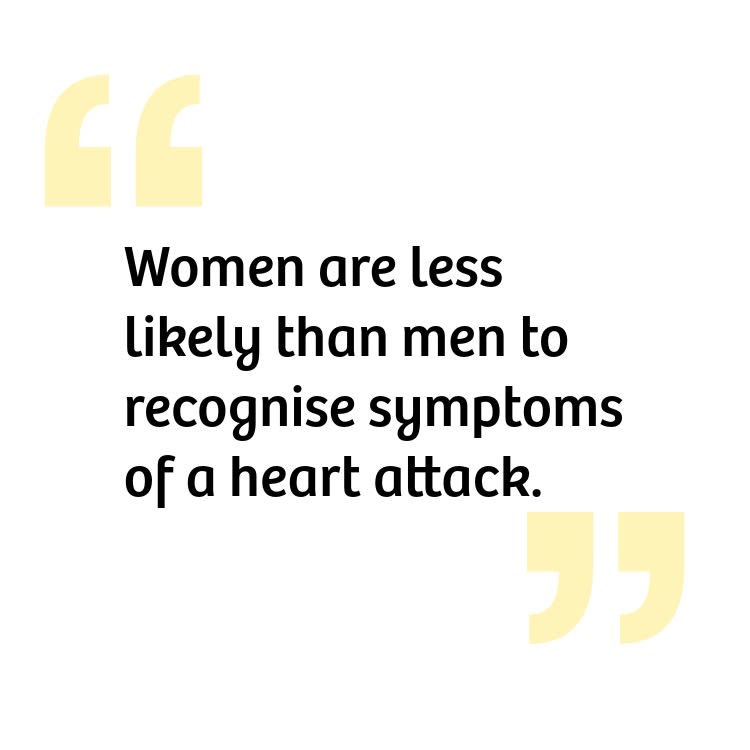
Medical professionals often miss or dismiss early warning signs because heart attack symptoms typically are presented differently in women compared to men.
While men typically experience classic crushing chest pain, women may experience more subtle symptoms such as fatigue, shortness of breath, or pain in the jaw, neck, or back.
In 2017, Heart Research UK's gender gap report estimated that differences in care for women contributed to over 8,000 avoidable deaths in England and Wales over a decade.
The report also found that women had a 50% higher chance of receiving an incorrect initial diagnosis after a heart attack, leading to delays in their care. Their heart attack symptoms are often misinterpreted as anxiety or stress.
Before menopause, women generally have a lower risk of coronary heart disease. However, after menopause, oestrogen levels decrease in women's bodies.
Oestrogen plays a key role in controlling cholesterol levels, reducing arterial fat build-up, and maintaining healthy blood vessels.
A study in the journal Heart in 2024 showed that women, Black people, and people from low-income households are less likely to be offered heart surgery in England. Moreover, when they do receive heart surgery, their outcomes are not as good as men's.
Dr Sonya Babu-Narayan, British Heart Foundation (BHF) Associate Medical Director said "Women are less likely to have treatments such as stents, heart surgery, medicines such as statins and access to cardiac rehabilitation, which can reduce the risk of a heart attack happening again."
Dr Roy Jogiya, an NHS cardiologist and Chief Medical Adviser at Heart Research UK, said heart failure accounts for "1% of the entire NHS budget, and we know that heart failure with preserved ejection fraction is more prevalent in women."
However, he added: "One of the joys about cardiology is it's constantly evolving. Each day you learn of something new and newer technologies, and there have been some great advances."
Interview with Dr Roy Jogiya, an NHS cardiologist and Chief Medical Adviser at Heart Research UK
Interview with Dr Roy Jogiya, an NHS cardiologist and Chief Medical Adviser at Heart Research UK
But experts say the issues facing women who suffer from heart conditions run deep.
Elinor Flower, a Research Impact and Communications Officer at Heart Research UK and involved in their campaign HER disease said the representation gap in clinical trials further adds to existing issues.
Historically, cardiovascular research has predominantly focused on male subjects, leading to diagnostic criteria and treatment protocols being less efficient in women. This is a legacy that affects modern health healthcare all over the world.
Flower emphasises that while there is more awareness being focused on the gender gap and legislation is being passed so research is more representative of the population affected by the conditions being researched, the gaps remain.
Many women remain unaware that heart disease is their greatest health threat, largely because of the persistent myth that it primarily affects men and the lack of research done around women’s heart health.
Flower states: “This is not one doctor, this is not one hospital. This is not one trust, this is not even one country.
“This is a very long standing cultural exclusion of women from medical research in general, but particularly cardiovascular health.
“It's one of the areas where there's still one of the biggest gender gaps in research.
“We're in a position where because women were so historically excluded from research, the textbooks were written on men, the drugs were tested on men and even the majority of mice used in animal studies are male and that's still the case.”
She adds that while some current research initiatives are encouraging: “There are some really deep wounds that need to heal if we're going to see genuine equity when it comes to medical representation.”
Elinor Flower, a Research Impact and Communications Officer at Heart Research UK
Elinor Flower, a Research Impact and Communications Officer at Heart Research UK
For both Dr Roy and Elinor, education and awareness remain critical challenges in improving women's heart health outcomes.
Flower says: “There is a study out there that has actually shown that when a man and a woman present to a cardiac centre with the same symptoms and the same family history, that the man is more likely to get a referral to cardiology than the woman.
“Yes there is some genuine scientific element to the difference in diagnostics, but there is also a cultural difference when it comes to diagnosing women with heart conditions
“And we know that women's pain is often misrepresented, it's often not listened to. We see that all the time in gynaecological conditions and I think that is something that absolutely holds true across cardiovascular care.”
Gynaecology
Women's reproductive health



Similar to heart health, women face significant barriers when it comes to their reproductive health.
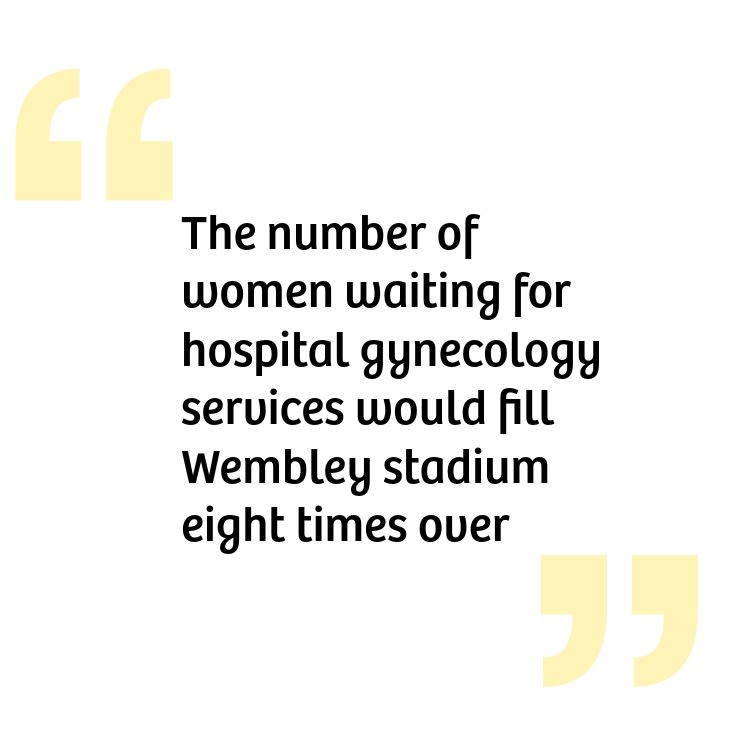
Latest figures report that as of January 2025 the gynaecology waiting list in England stands at 582,744.
At the time, Dr Ranee Thakar, President of the RCOG said: “We continue to call for urgent action to tackle the gynaecology wait list, which remains one of the longest.
"The UK government must act and directly tackle this is if they are to reach their targets.”
But women are demanding more.
Endometriosis affects 1.5million in the UK. That is the equivalent of 1 in 10 women who will feel its affect from puberty to menopause, but Endometriosis UK says the impact may be felt for life.
A 2024 study by Endometriosis UK found that diagnosis times for endometriosis had increased by 10 months since 2020 to an average of 8 years and 10 months.
Delayed diagnosis's are all too common for all women with gynaecological systems.
Many women report being told their severe menstrual pain is "normal", having low iron levels is "normal" for menstruating women, or experience being misdiagnosed with gastrointestinal issues they don’t have, leading to years of unnecessary suffering before receiving proper treatment.
Endometriosis UK’s study found 78% of people who later went on to receive a diagnosis of endometriosis had experienced one or more doctor telling them they were making a ‘fuss about nothing.’
Isabella talking about her experience with endometriosis
Isabella talking about her experience with endometriosis
Isabella, 27, went almost decade without getting a diagnosis — one she discovered only by accident while on holiday.
Beyond the physical toll, women report significant impacts on their mental health.
Before her first surgery, Isabella questioned herself.
She continued: "'Am I just not strong enough? Am I a weak person?'
"When I had my surgery, I had this real fear beforehand — 'oh my God, have I been making this all up? Has this been in my head the entire time?'
"And then when I woke up from the surgery and they said, 'You've got stage three endometriosis,' I just sobbed because I knew something was wrong the entire time and it had taken so long for someone to actually believe me."
A Department of Health and Social Care (DHSC) spokesperson said: “We are on a mission to get the NHS working for women again. We’re making progress by delivering 3.6 million extra appointments, which include vital services for women living with endometriosis."
They added that they are investing over £100 million in improving maternity units, trialling AI for faster breast cancer screening, and implementing a new elective reform plan.
This plan will see 17 new surgical hubs opened or expanded by summer this year, alongside Community Diagnostic Centres operating 7 days a week, 12 hours a day—measures they say will help reduce gynaecology waiting lists, speed up treatment, and improve outcomes.
The DHSC said from October 2025, emergency hormonal contraception will be available free of charge at NHS pharmacies. Additionally, since March, NICE has approved two new treatments for endometriosis, including the first long-term daily pill available on the NHS.
The DHSC spokesperson added: “But we know there is more to do and will shortly publish our 10 Year Health Plan as we reform the NHS.”
For many women, there is also an economic burden as they are forced to take time off work or pay for private healthcare to cope with their debilitating symptoms.
Even after diagnosis and treatment, women say they feel neglected by healthcare providers who are slow to follow up.
Isabella said: "I had an MRI about two months ago to find out whether any of it has grown back since my surgery, and my follow-up appointment isn't until July. I haven't heard anything back about that MRI either.
“You're just left in the dark wondering: Has it grown back? Do I need another surgery? Has this affected my fertility? You just don't know, and because of that, there is an inherent lack of trust, I think."
Royal College of Obstetricians and Gynaecologists November 2024 report
Royal College of Obstetricians and Gynaecologists November 2024 report
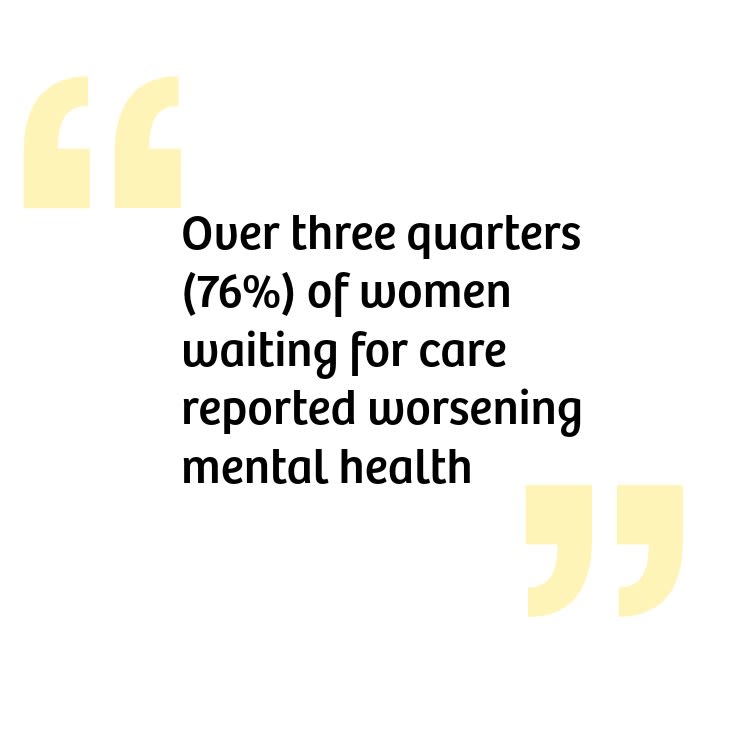
Royal College of Obstetricians and Gynaecologists November 2024 report
Royal College of Obstetricians and Gynaecologists November 2024 report
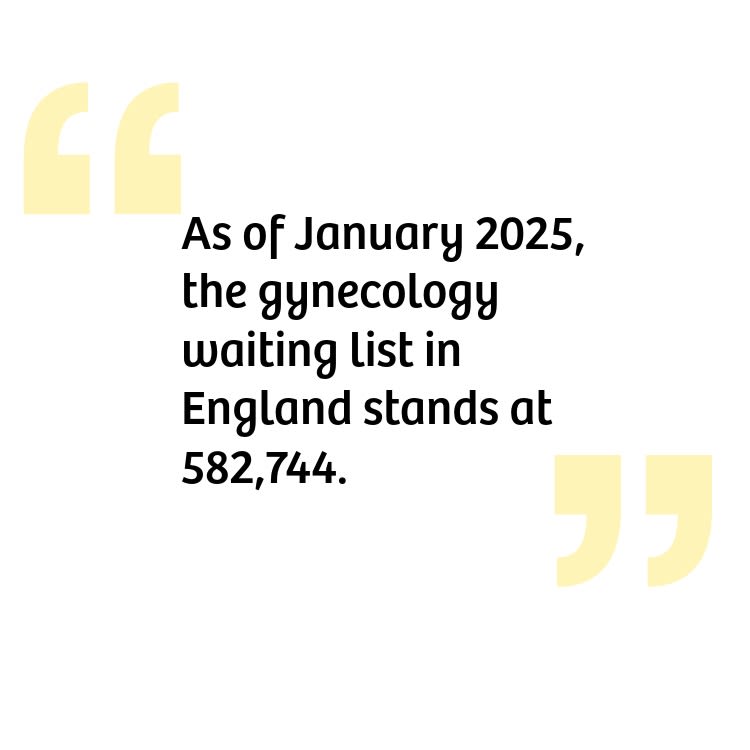
NHS figures for England published on 13 March 2025
NHS figures for England published on 13 March 2025
Bioethics

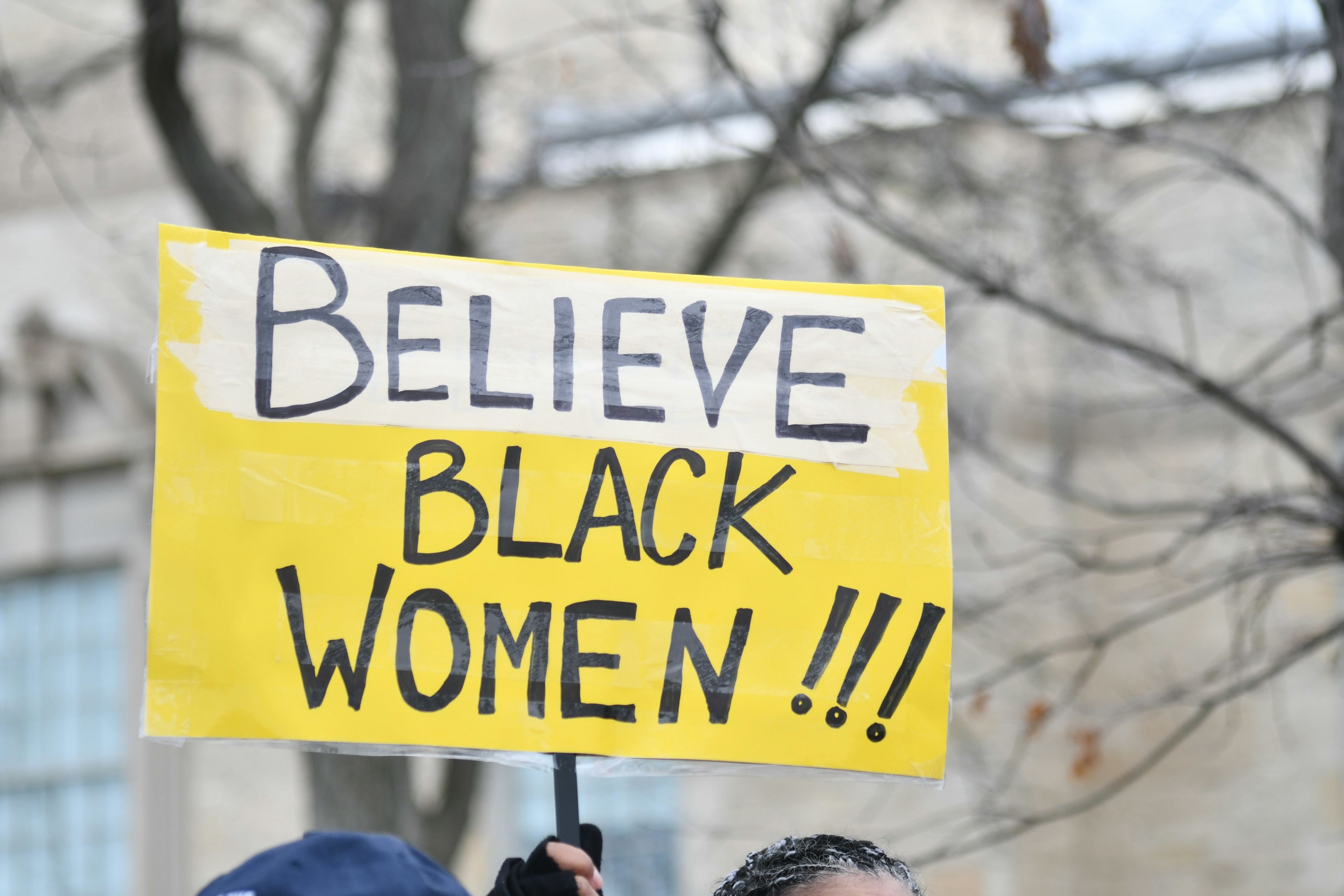

Women from minority backgrounds can also face additional disadvantages in healthcare due to what many believe is a gender and racial bias in healthcare.
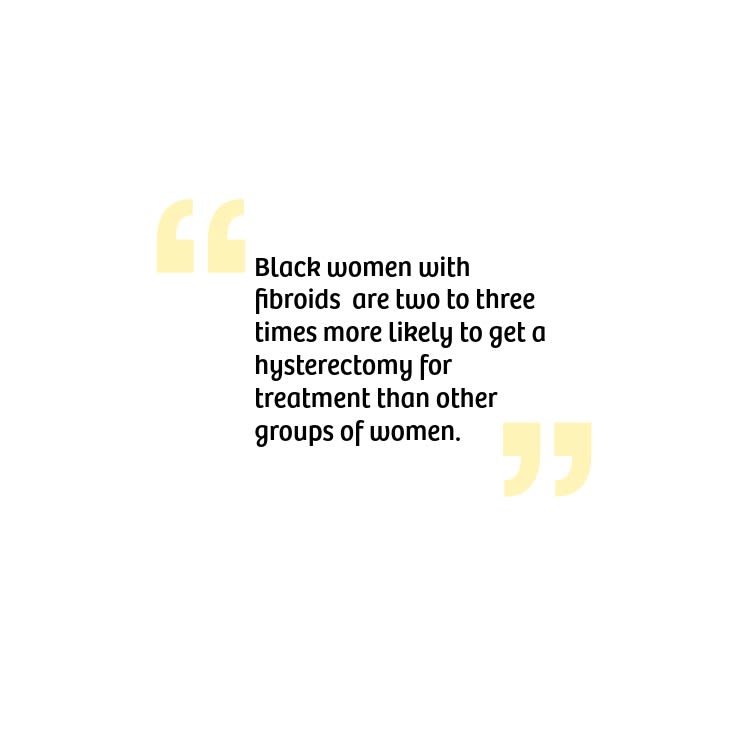
Maternal mortality for Black women in the UK is currently almost four times higher than for White women.
Research has shown that Black women often report their pain, but symptoms are often dismissed or underestimated by healthcare providers leading to poorer health outcomes for Black women.
Henrietta Agbenorto, 35, started her period at 10 and along came with it a two decade battle fight to be heard.
At 31, after battling extreme fatigue and relying on iron infusions to survive, she was diagnosed with fibroids—a condition her mother had.
Henrietta Agbenorto
Henrietta Agbenorto
Despite her worsening symptoms, doctors dismissed her concerns, attributing her lifelong anaemia to her vegetarian diet.
According to Nuffield Department of Women's & Reproductive Health, fibroids are thought to develop more frequently in women of African-Caribbean origin.
You are also more likely to develop fibroids if your mother or sister has them.
The "silent dismissal" from doctors forced Henrietta to structure her entire life around her pain. She couldn't walk uphill because of her heart rate, couldn't do cardio, and couldn't maintain a traditional 9-to-5 job.
Henrietta said: "Just realising that all of these things I've done—choosing to go freelance because I couldn't manage a 9-to-5 without taking excessive time off, since holiday leave just wouldn't cut it.
"It still gets to me now when I sit there and think, 'My life didn't have to be this way.' If they had investigated years ago, I would have had answers sooner."
She added: "When I was in the office, I had to use my holidays during my cycles.
"They weren't really holidays at all. People would ask, 'How was your holiday?' and I couldn't tell them I'd been curled up in a ball, throwing up in pain.
"It affects every area of your life. You're just in tremendous pain—and feeling embarrassed on top of it all."
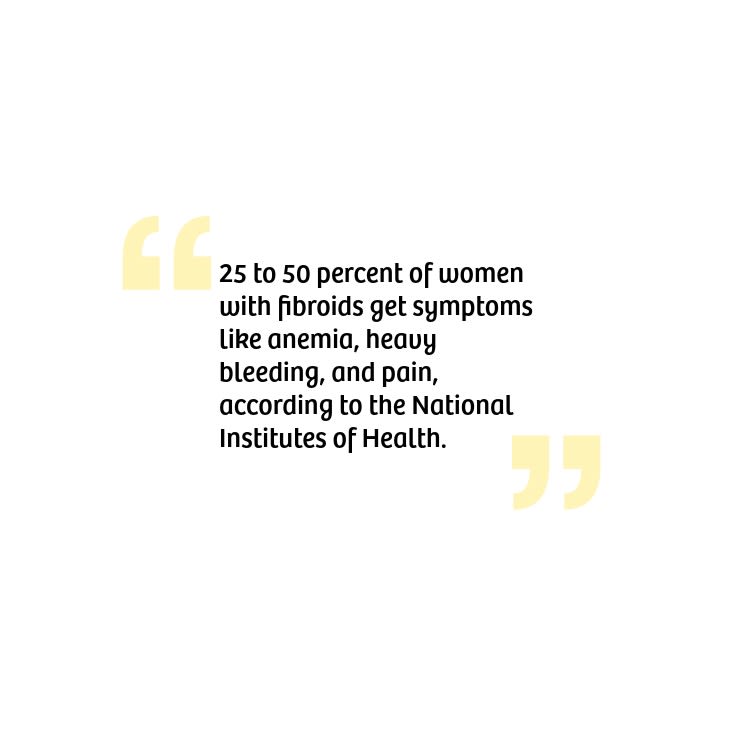

Photo by Abdulai Sayni on Unsplash
Photo by Abdulai Sayni on Unsplash
Dr. Keisha Ray, associate professor of humanities and ethics at UTHealth Houston, studies the ways that discrimination in different institutions can make some people sicker than others. She looks at how identities such as race, class, gender and sexual orientation, intersect to create poor health.
Dr Ray says: “If you talk to Black people, they'll know someone that it happened to where their mom or their sister or their grandmother was ignored when they were in pain or they weren't listened to, and then their disease or disorder got worse because no one gave them the diagnostic testings.
“No one believed that something was wrong. So at this point in 2025, it is no longer anecdotal to say that black people experience worse health care and as a result have worse health outcomes than white people.
“But we still treat it as just like a one off because we don't want to confront that health care has always been violent towards black people and, and we don't want to confront that it has gotten incrementally better, but not significantly enough to protect a group of people.”

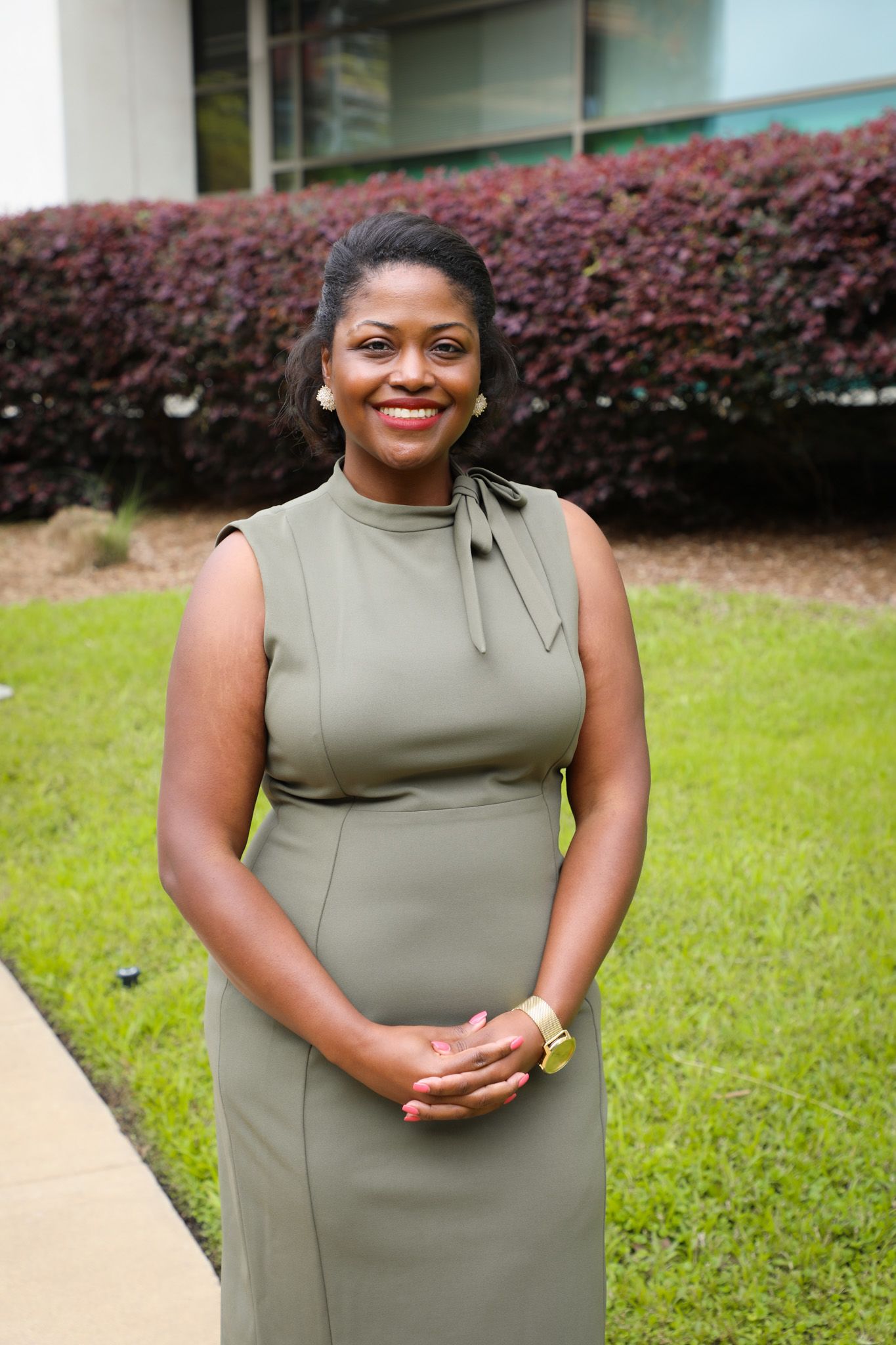
Dr. Keisha Ray, associate professor of humanities and ethics at UTHealth Houston
Dr. Keisha Ray, associate professor of humanities and ethics at UTHealth Houston
The associate professor said sexism nowadays in many ways has been repackaged and not as blatant.
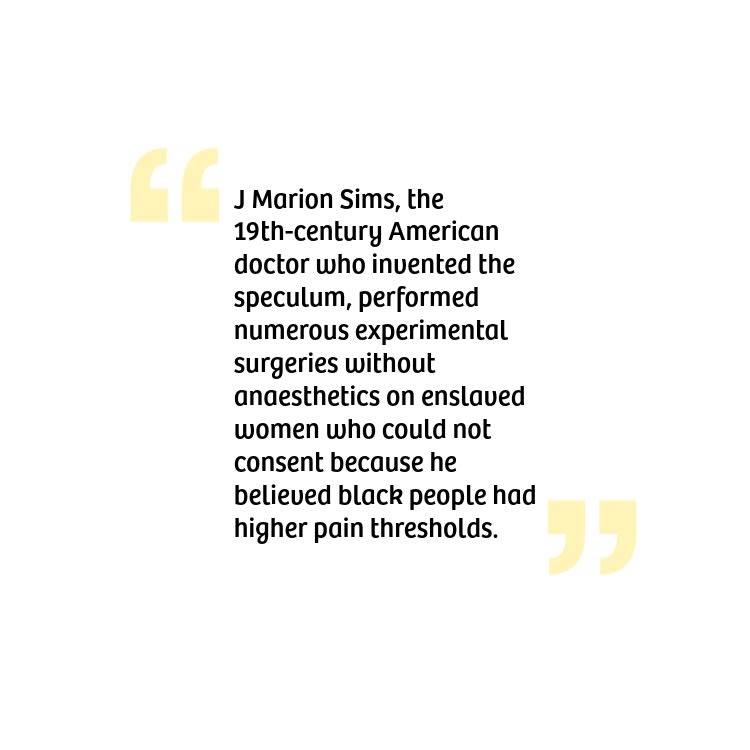
She explained that historically, women's bodies have been viewed in contradictory ways - either too feeble to function or so strong they didn't need medical care in situations such as childbirth.
Dr. Ray explained that during slavery, Black women were given less time, attention, care and compassion during childbirth because of the belief that their bodies were 'made for this'.
She noted that while this exact language may not be used today, its legacy persists in modern maternity care, where Black women are often questioned about expressing pain during labour.
She added that medical staff can make dismissive comments like: "Why are you crying so much?" or "Why are you screaming? Why are you being so loud? It's just birth—women have been doing it forever, right?"
Dr Ray says: “When discrimination is subtle, it's harder to convince people that it still exists because it's not in your face. But to the women experiencing it, it's very obvious."
The Future



While healthcare systems worldwide push for systemic changes, the immediate reality for many women remains challenging.
Though barriers in women's healthcare are being dismantled incrementally, Dr. Ray emphasises that we have to make sure clinicians know that things that happen in the past can still happen now and can still have large impacts going forward.
She advises that by documenting symptoms, preparing questions, and bringing advocates to appointments, women can better advocate for themselves in a system that often fails to hear them.
Yet the broader message remains clear: women want - and deserve - more than just coping strategies. They need fundamental changes in medical research, easier access to specialists and—most importantly—to be believed when they speak up about their health.
An NHS England spokesperson said: “All too often we’ve heard from women whose health concerns have been dismissed, and that’s why the NHS is taking action including to improve access to specialised services in the community, with more rapid tests, quicker results and better co-ordinated care provided closer to home.
“The NHS takes endometriosis very seriously and as part of our ongoing commitment to improving care, we recently rolled out new daily take-at-home tablets that help women manage their symptoms, and we will continue to support local areas to deliver more convenient services to meet women’s needs .”
 Built with Shorthand