
The Brazilian football team crisis
An analysis: What's going wrong and what is the solution?

Brazilian struggles
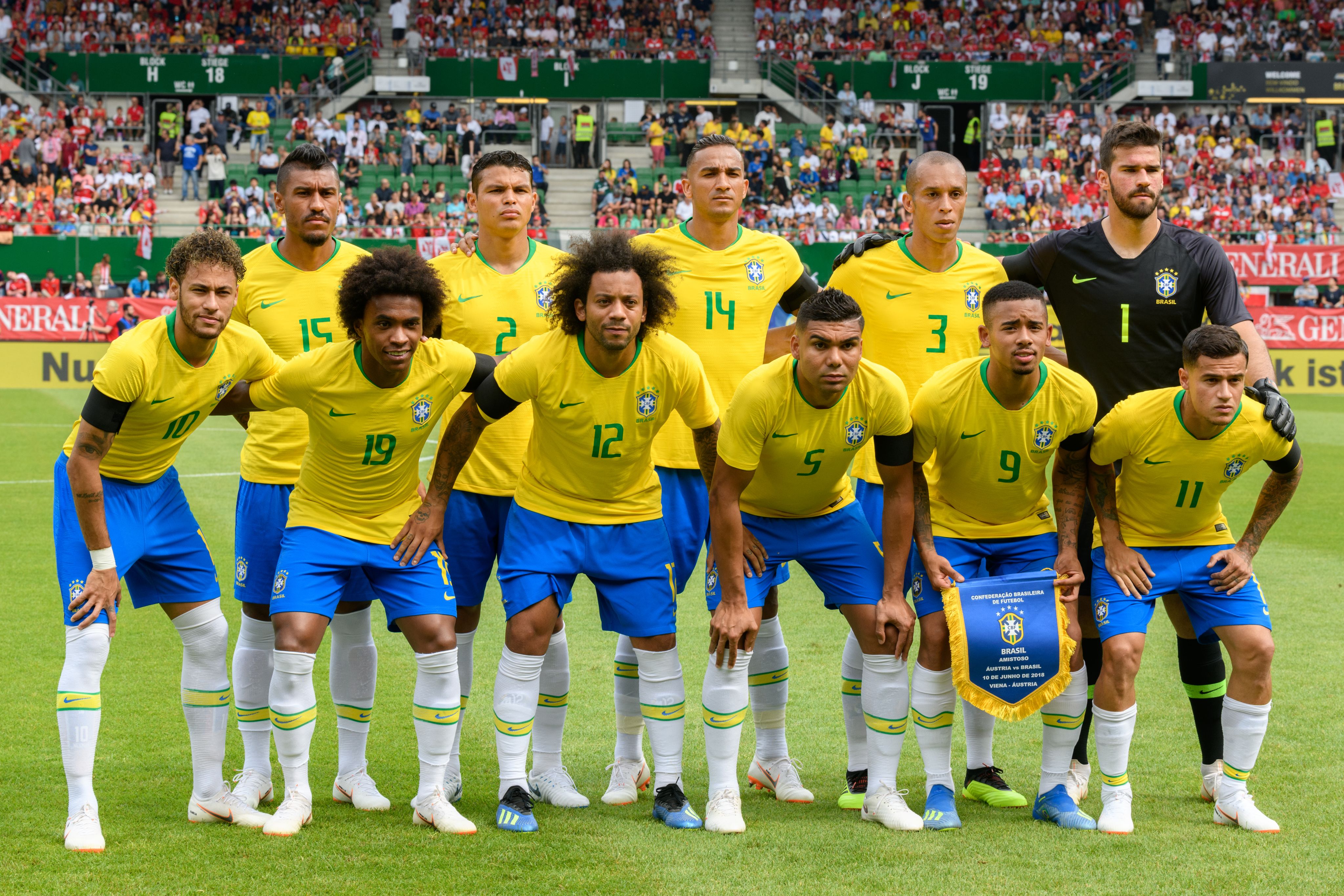
Widely regarded as the home of football, Brazil is the most successful nation in World Cup history, winning the coveted tournament a leading five times. Founders of the "jogo bonito" - the beautiful game - fans of the Brazil national football team "Seleção" are used to a winning feeling, one that not many countries can relate to when it comes to global tournaments.
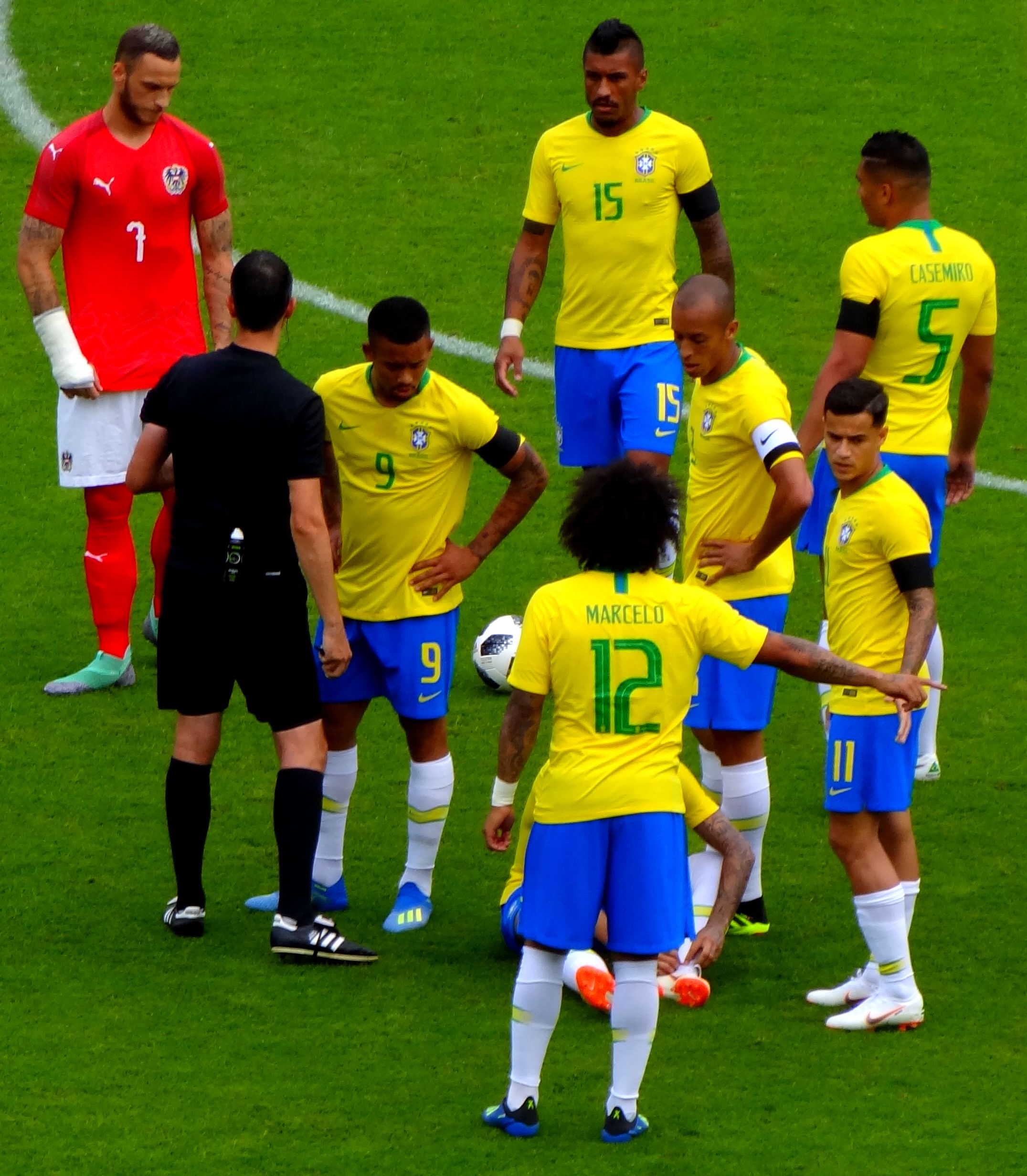
Set to be 24 years since their last World Cup win in 2002, the Brazilian team is a shadow of its historic self. Defeat to Croatia in the 2022 quarter-finals, suffering at the same hurdle as four years prior, struggling to shake the disappointment of the 2014 7-1 demolition by eventual champions that year Germany on home soil, o Canarinho struggles to take off.
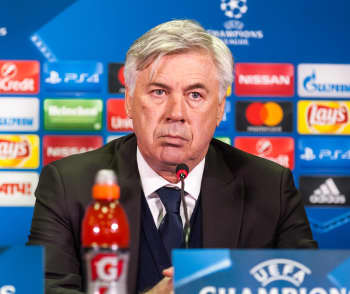
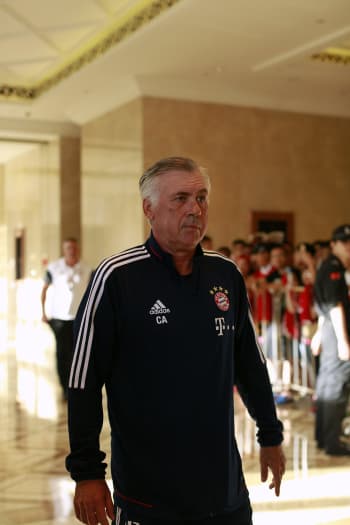
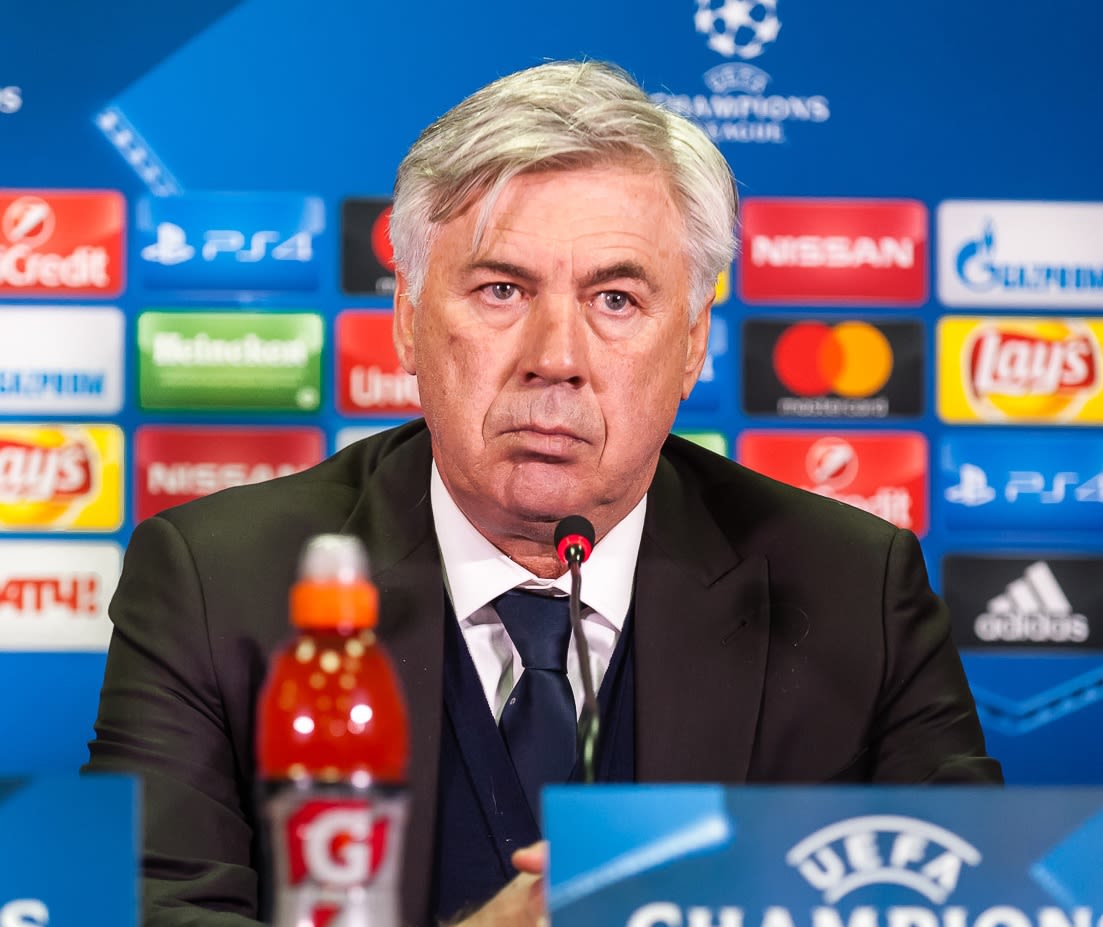
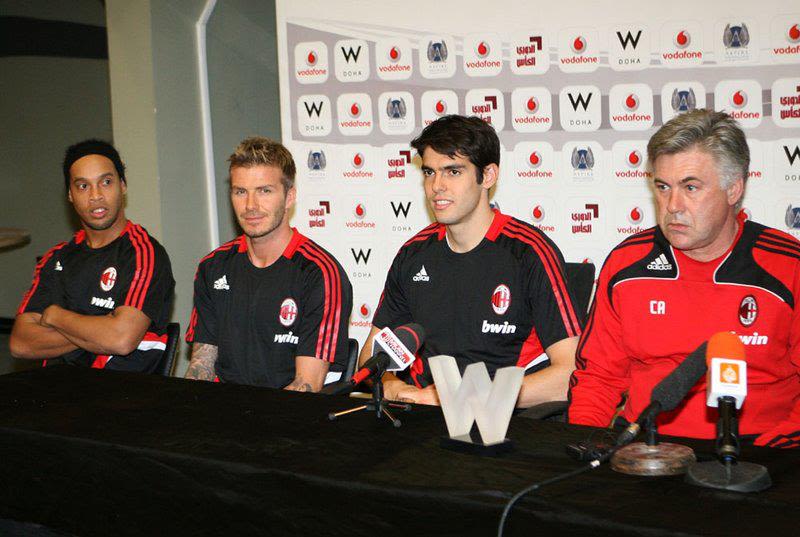
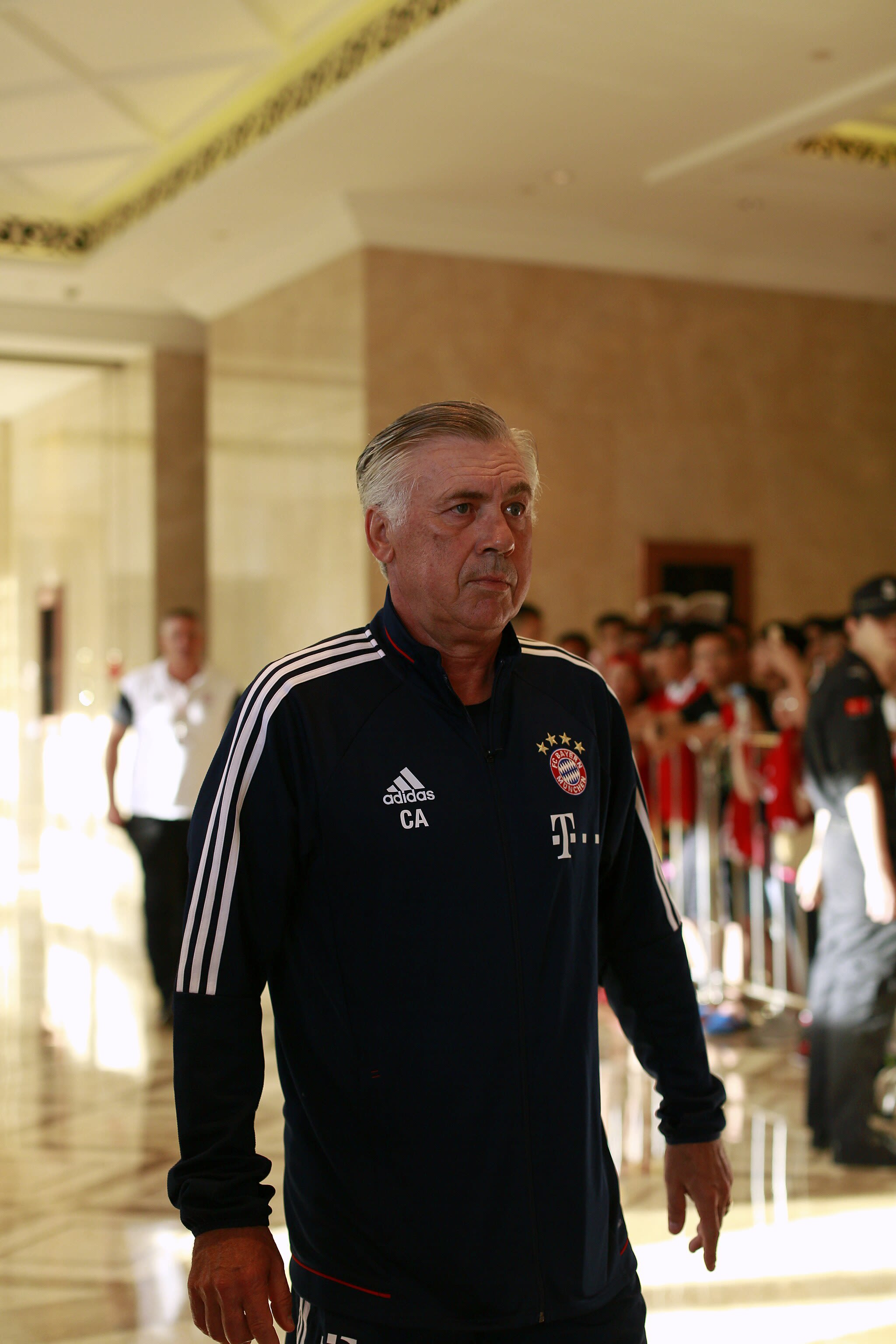
Now, for the first time in their history, Brazil has turned to a foreign manager to return the yellow and blue back to where they feel they belong ahead of the 2026 World Cup in USA, Canada and Mexico. Will Carlo Ancelotti be the man to unite a divided team and give Brazilian fans that winning feeling they have so dearly missed?








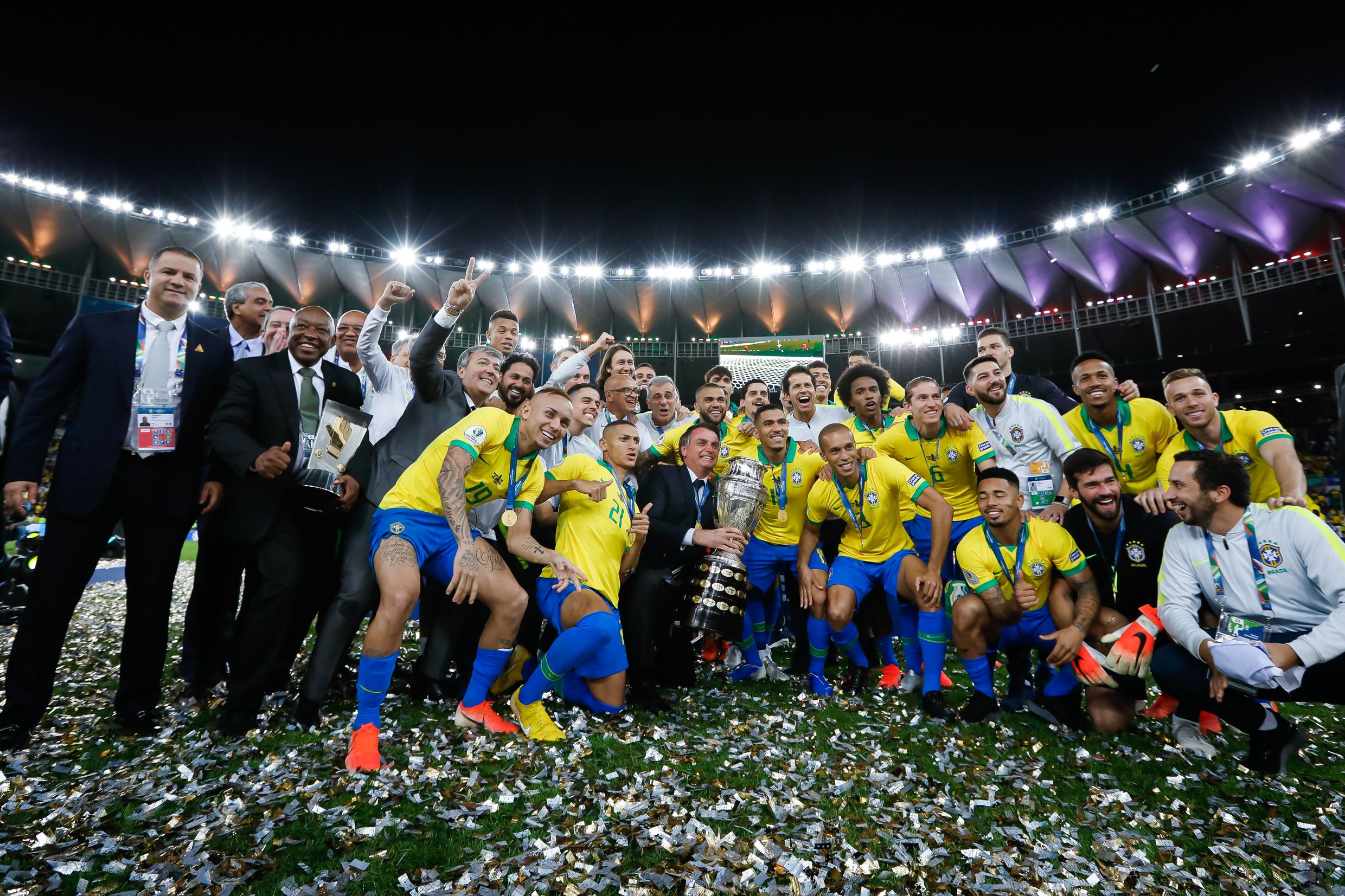
The Seleção's Successful History: A Shadow of the Current Team
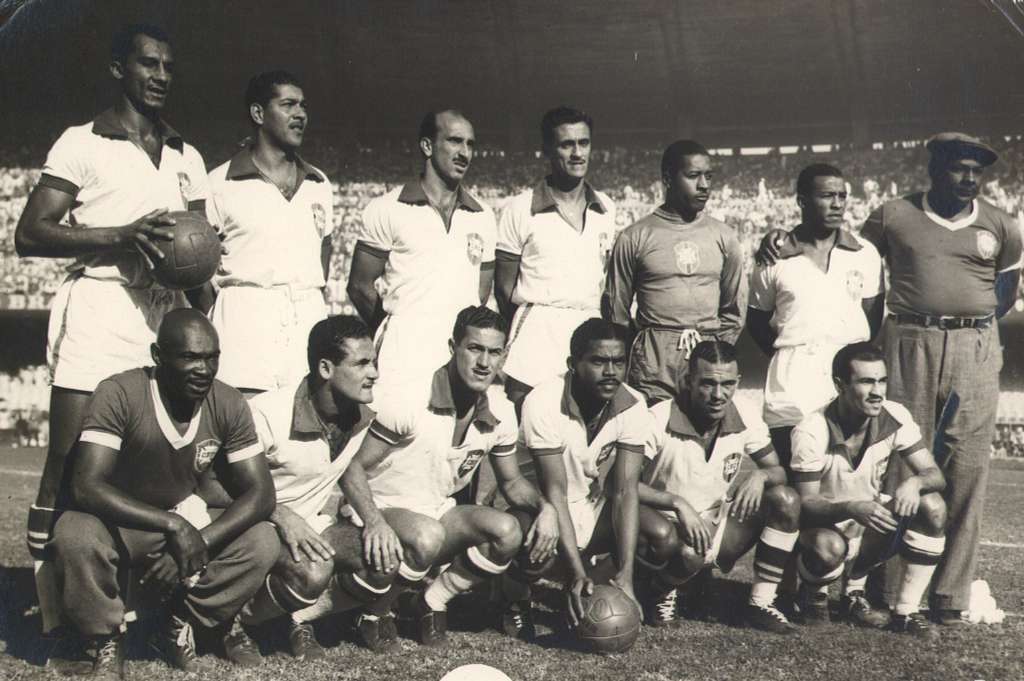
Before diving into the issues the current team face, it is worth reflecting on the rich football history of Brazil and the tremendous success the nation has experienced.
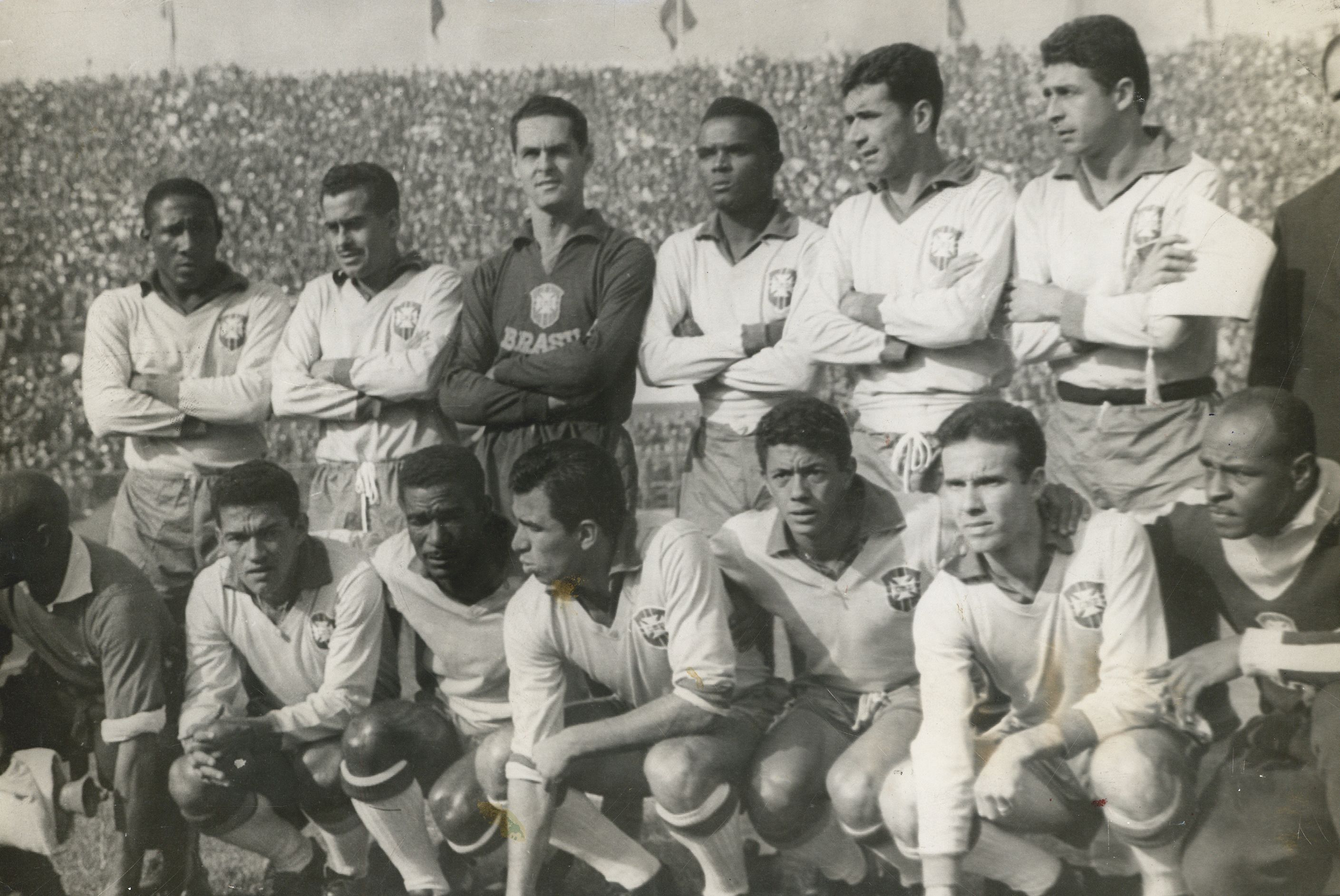
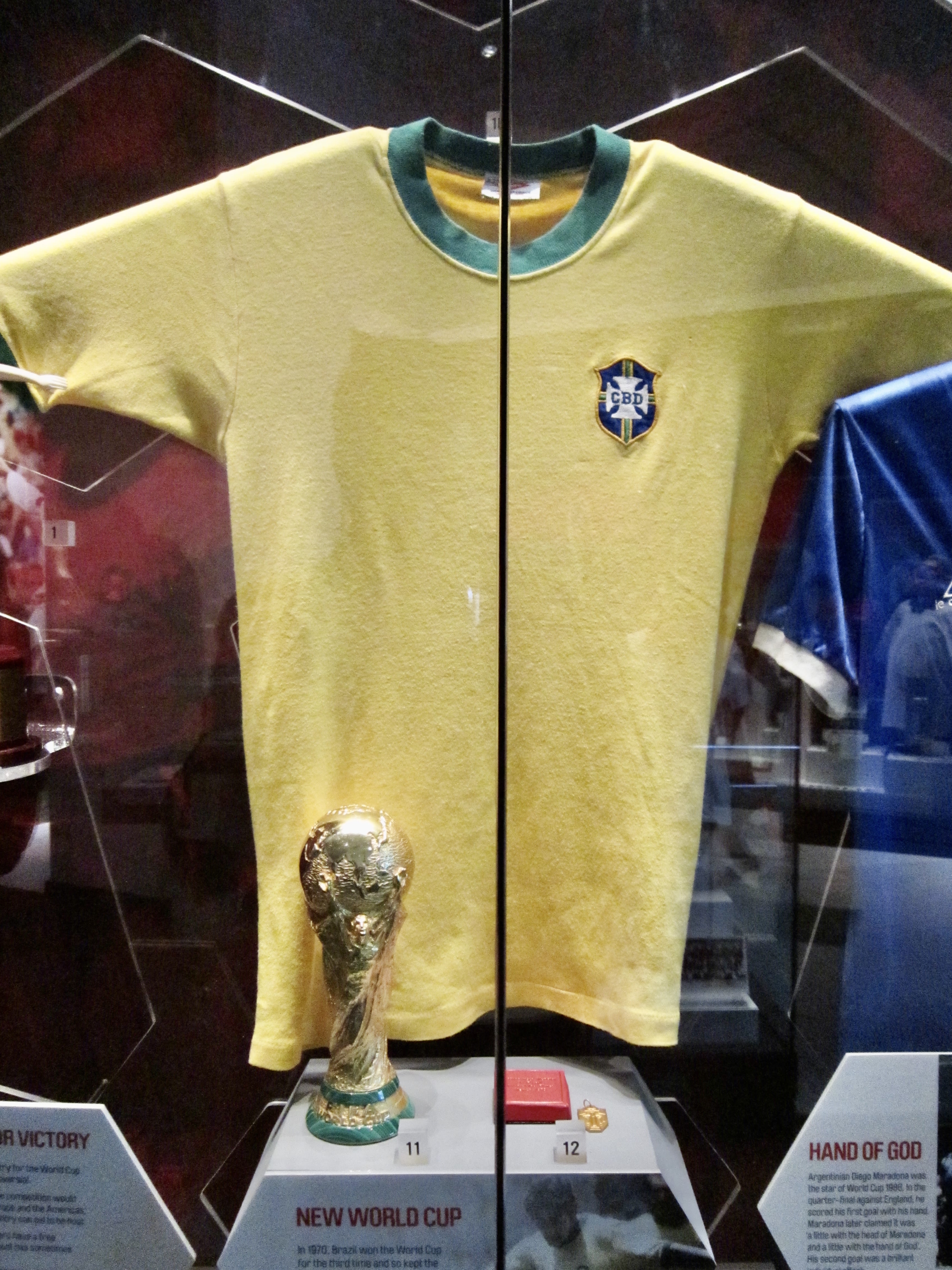
1958 - First World Cup victory
Three time holders of the Copa América come 1958, Brazil won its first World Cup at the sixth attempt, beating hosts Sweden 5-2 in the final. A poignant moment for the nation after they lost in the 1950 final and finished third in the 1938 World Cup.
The final also saw a 17-year-old Pelé make his World Cup debut.
1962 - Back-to-back success
The following World Cup four years later, the Seleção defended their title, dispatching of Czechoslovakia 3-1 as Latin American neighbours Chile hosted the global competition.
Garrincha and Vavá ended the tournament as the top goal scorers with four goals each as an injured Pelé only played the first match before being forced out of the rest of the tournament.
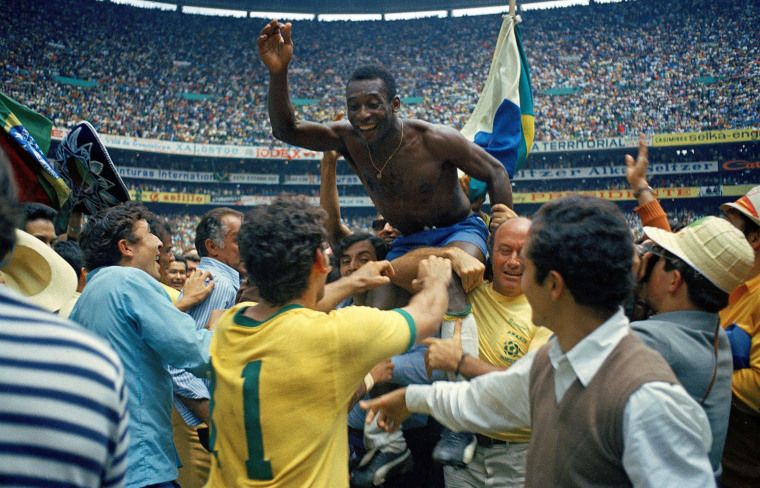
1970 - Undefeated Brazil make it three
Brazil went the whole tournament undefeated in Mexico. The team won every game, scoring 19 times, the most at the tournament. They returned the World Cup back to Brazil after England won the 1966 World Cup four years before.
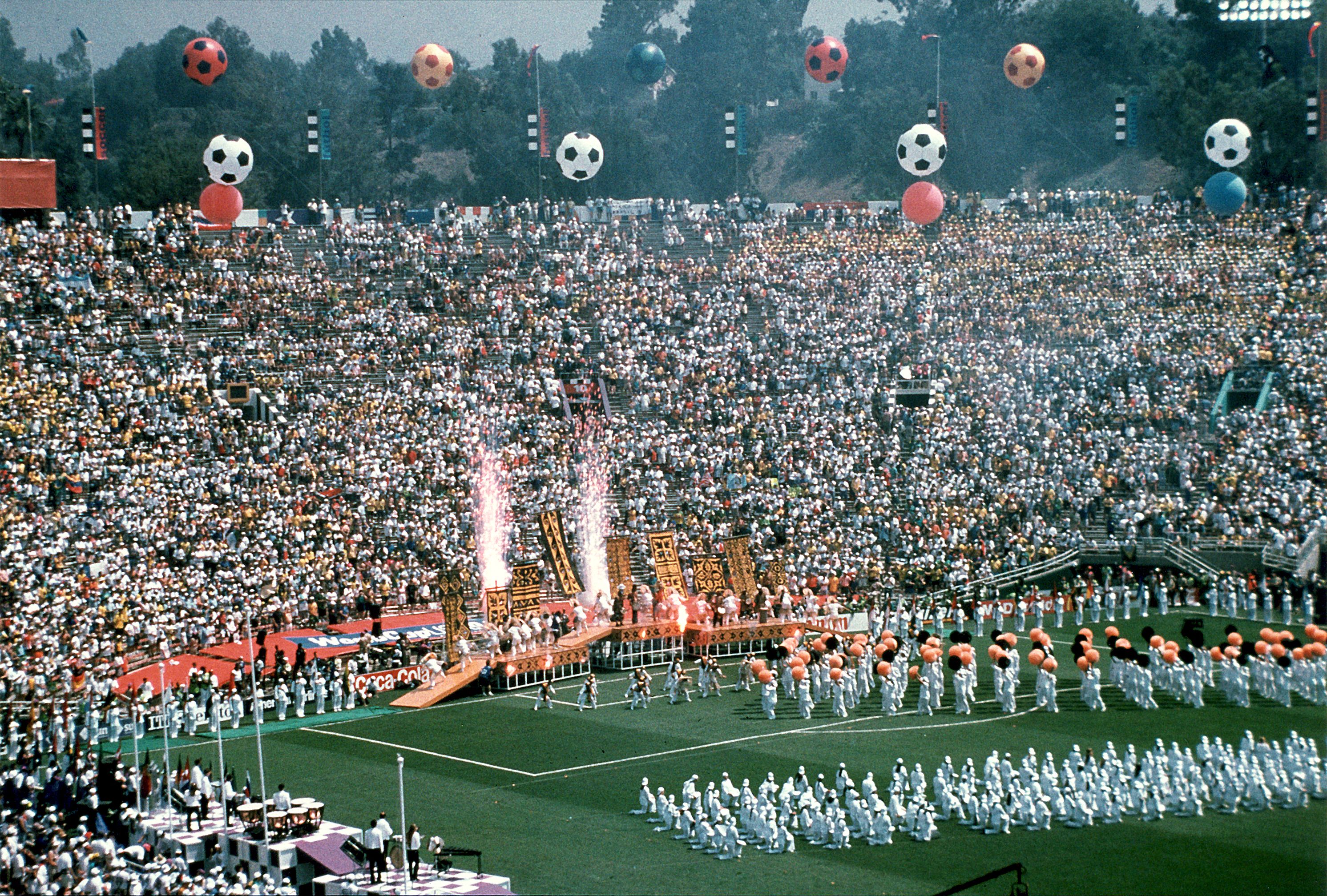
1994 - World Cup number four
The USA hosted their first world cup which brought great success for the Seleção as they claimed their fourth title.
Brazil faced a talented Italian side in the final that included the likes of Roberto Baggio and Franco Baresi. A nervous final went to penalties as Brazil prevailed with Romário named the best player of the tournament.
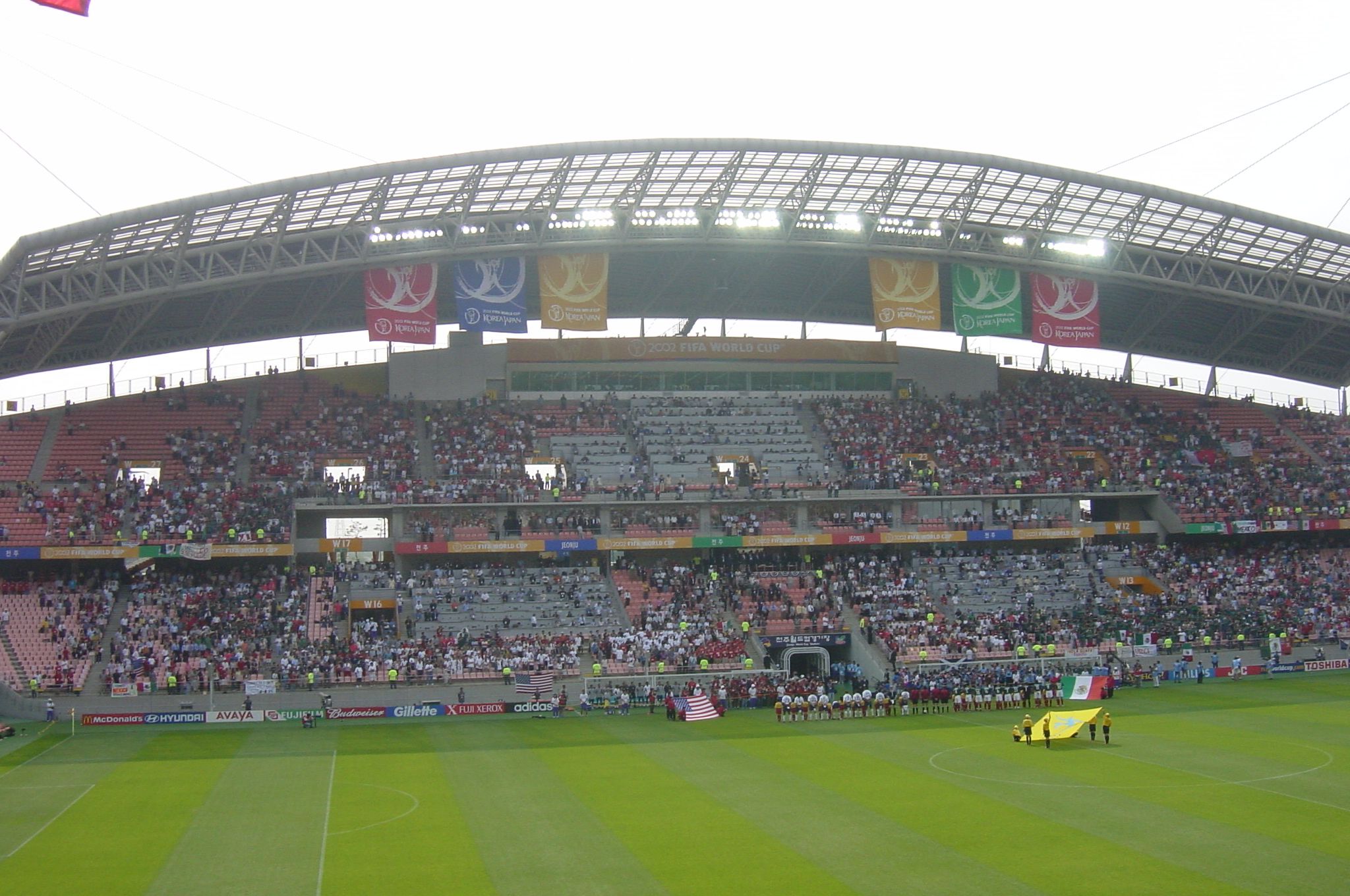
2002 - Fifth and final World Cup (for now)
In 2002, the World Cup graced Asian shores for the first time in the tournament's history as South Korea and Japan were the hosts.
Brazil mostly breezed through the competition, remaining undefeated with Ronaldo winning the Golden Boot courtesy of his 8 goals. This was to be the last time Brazil would lift the illustrious trophy.
2019 - Home soil success at last
After the 7-1 loss to Germany in front of a home crowd in the 2014 World Cup semi-final, the Seleção rectified the loss by winning their ninth Copa América in Brazil.
Brazil weren't at their best throughout the tournament but a crucial 2-0 win against Argentina in the semi-finals propelled the side to beat Peru 3-1 in the final. This was to be the last time the yellow and blue would taste tournament success as of 2025.
The downfall of jogo bonito: the CBF's role
One of the main reasons Brazilian fans felt the team had struggled was due to the alleged disarray within the Brazilian Football Confederation, better known as the "CBF". The CBF handles all matters relating to Brazilian football including managerial appointments which appears to have been an issue for the national team.
Freelance Brazilian journalist Jamie Green said: "The main issue is the CBF, I think it is a mess right now.
"It is a bit chaotic and it kind of seems like Brazilian politics."
Jamie Green discussing the CBF and it's wider effect on the Brazilian national team's performance. Credit: Jack Heath
Green further touched on the Presidential controversy. In May 2025, a Rio de Janeiro court ordered the board of the CBF to be removed from their positions, including president Ednaldo Rodrigues. Rodrigues was alleged to have forged former CBF president Antonio Carlos Nunes de Lima's signature on a document which essentially allowed Rodrigues to be re-elected as leader of the CBF until 2030. This coincided with Brazilian legend Ronaldo Nazário withdrawing his candidacy for the presidency in March 2025, paving the way for Rodrigues to temporarily cement his position before he was ousted three days after Ancelotti's appointment.
Samir Xaud became the new president and will now look to stabilise the leadership of the CBF ahead of an important 2026 World Cup campaign. As Green mentioned, the instability of the CBF is felt by the players, leading to disorganisation. This is a stark contrast to the Spanish and Argentine football confederations given their recent international victories.
Another debate amongst the CBF setup and Brazilian fans is the selection of Brazilian players from Europe and the domestic league Brasileirão. Current Brazilian President Lula da Silva called for only Brazilians who play in the country to be called up to the national team, despite the abundance of talent playing their football in Europe or other parts of the world.
Green argued that talent playing abroad is not a problem for the national team, but can perhaps cause issues when it comes to establishing fluidity in the squad. He said: "The players [Brazilians from the Brasileirão] are good enough to play for the national team.
"But because we are taken from Brazil and play in Europe the systems are different, of course it is the easy thing to say.
"However, the problem is when you have four or five different systems playing alongside the Brazilian national players who still play in Brazil, it is so different."
Ancelotti's first squad selection highlighted the complexity of players hailing from different leagues. The Italian chose seven Brazilians from the Brasilerão for their matches against Ecuador and Paraguay, with more than a third playing their football in Europe. Combining domestic talent with global talent will be a challenge for Ancelotti and a fine line he will need to balance, an area where Brazilian managers have struggled.
As seen in this survey, two-thirds of Brazilians believed that the players, the CBF and the selected managers were all at fault for Brazil's poor performances in the 2024 Copa América and the 2022 World Cup, showing that this is a systematic issue that won't be solved immediately. Ancelotti will need time to implement his strategy and style whilst the CBF will also need transparency and cohesion to improve the current situation.
Source: Jack Heath
The CBF has been approached for comment.


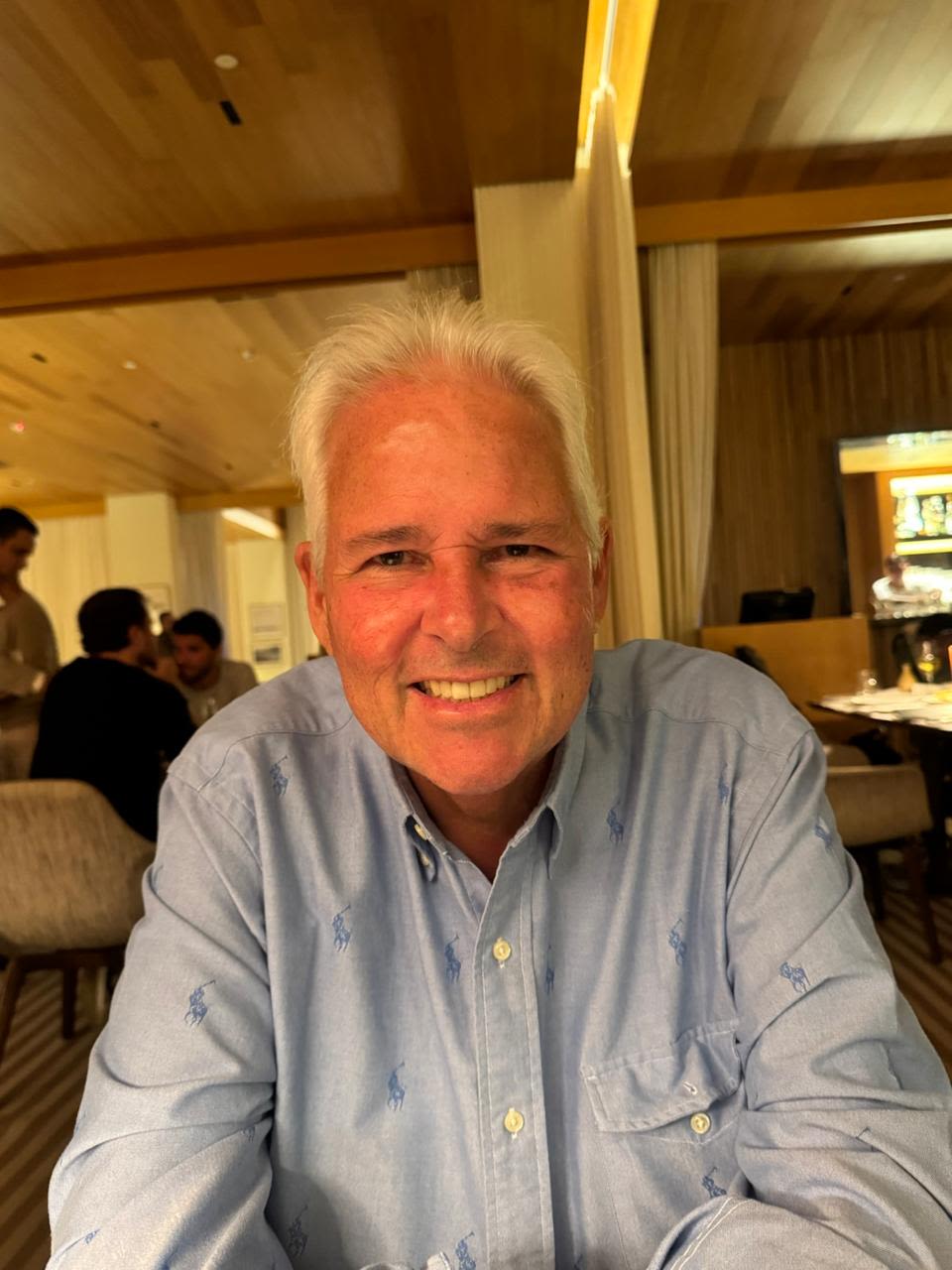
Credit: Flávio Godinho
Credit: Flávio Godinho
"He [Ancelotti] has the CV after managing so many teams in Europe...but he needs to bring the Brazilian team back to its best."
Flávio Godinho
Former vice-president of Flamengo

Carlo Ancelotti: the Seleção's foreign saviour?
For the first time in the Seleção's history, they have turned to a foreign manager to change the side's fortunes and return them to the top of world football. As of 3 April 2025, Brazil are fifth in the FIFA men's rankings and the Italian will be keen to revitalise the yellow and blue and push them back to being world number one.
The appointment of a foreign manager for a national team is usually a polarising decision. England parted ways with long-term manager Gareth Southgate, opting for German Thomas Tuchel to guide the Three Lions to international glory.
Other countries such as Spain and France have been more fervent in sticking to homegrown managers to lead their sides forward. This decision has rewarded both countries with World Cups and Euro championships, most recently evident at Euro 2024 as Luis de la Fuente's Spain outshone all other European sides.
Naturally, the decision to steer away from Brazilian managers would have been a shock for the bulk of brasileiros, but many fans have welcomed the appointment of the "eyebrow raiser".
Source: Jack Heath
As seen in this survey, just over half of the Brazilians believed Ancelotti was the right appointment for the national team and that now was the right time to turn to a foreign manager.
Although, 20% of the voters are still unsure about the Italian's arrival. This suggests he will need to prove his prestige and merit on the pitch by getting results.
A draw and a win in his first two matches in charge is a promising start, but fans will be expecting much more than a 0-0 draw with Ecuador and a 1-0 win over Paraguay.
What do Brazilians think of Ancelotti?
Civil servant Alcionê Sabino, who's lived in England for five years since moving from the south of Brazil, is thrilled with the appointment of Ancelotti.
Sabino thinks now is the right time to turn to a foreign manager, she said: "I do think he is the right man for the job.
"I got really happy when I saw he was signing and coming to Brazil.
"He has a huge CV, he's really good, he has a huge career and he's very famous, everyone knows him."
Alcionê Sabino talking about the appointment of Carlo Ancelotti. Credit: Jack Heath
Former Flamengo vice-president Flávio Godinho is aware of the Italian's rich footballing pedigree but remains cautious.
Ancelotti's footballing acumen does not necessarily mean the Seleção will turn into world dominators, he said: "He [Ancelotti] has the CV after managing so many teams in Europe, but he doesn't have any international experience.
"He doesn't speak Portuguese, Spanish and Italian yes, but he needs to bring the team back to its best.
"Otherwise, the Brazilian press will criticise him, they'll tear him apart."
Godinho referenced the pressure that the former Real Madrid manager will face as there will be high expectations from fans and the media. The five-time Champions League winner wields multiple languages, yet, he will need to learn Portuguese and also adapt to a very distinctive and bold culture. Certainly a big difference to his Euro-centric career in England, France, Spain and Italy.
Whilst Jamie Green respects the 36-time trophy winner, he reflected on why the CBF decided to turn away from the well-trodden path of Brazilian managers and chose Ancelotti.
Although Brazilian grass roots football remains as solid as ever, Green believes the managerial pathways are limited.
He said: "The problem we have is we haven't really got many managers coming up through Brazil, going through the ranks of Brazil and then becoming the world's best managers.
"Grass roots football is good, the quality of player coming through is great we can see it.
"But, managerially and coaching we need to work on that because that's where we're lacking."
Jamie Green speaking on Carlo Ancelotti and other managerial candidates for the Brazil job. Credit: Jack Heath
Green also discussed the other potential Brazilian candidate for the Brazil job in Flamengo boss and former Chelsea left-back Filipe Luís.
Flamengo is the first job in Luís' managerial career, so he is an inexperienced coach. Yet, Green believes he could be a viable option in the future to lead o Canarinho.
Green feels Luís would need more time learning his trade in Brazil and then manage in Europe to understand the European system which can be applied to the Brazilian national team given the array of players who earn their stripes playing on the continent.
Speaking on Luís, Green said: "He's definitely got the quality.
"He wants to learn, he's eager to learn and I think that's what we need.
"We need Brazilian players who are coming out of football to want to show they can be a manager, go into coaching and go into management."



What does football mean to Brazilians?
Sabino on the Importance of Football
Football in Latin America plays a major role in the lives of Latinos across the continent. Football is an integral part of the morale, motivation and unity of a Latin American nation such as Colombia, as per Dr Peter Watson's concept of nation building.
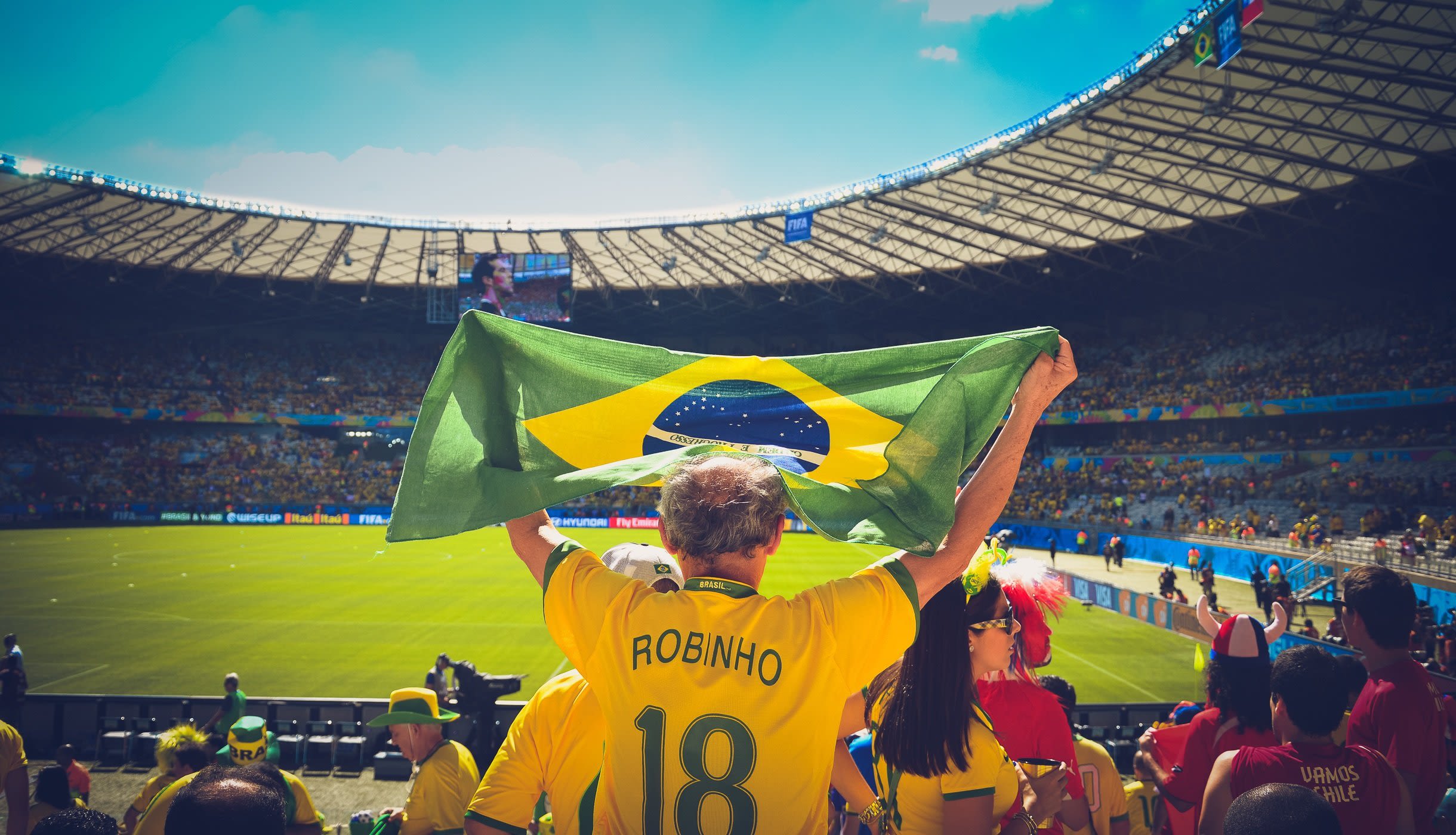
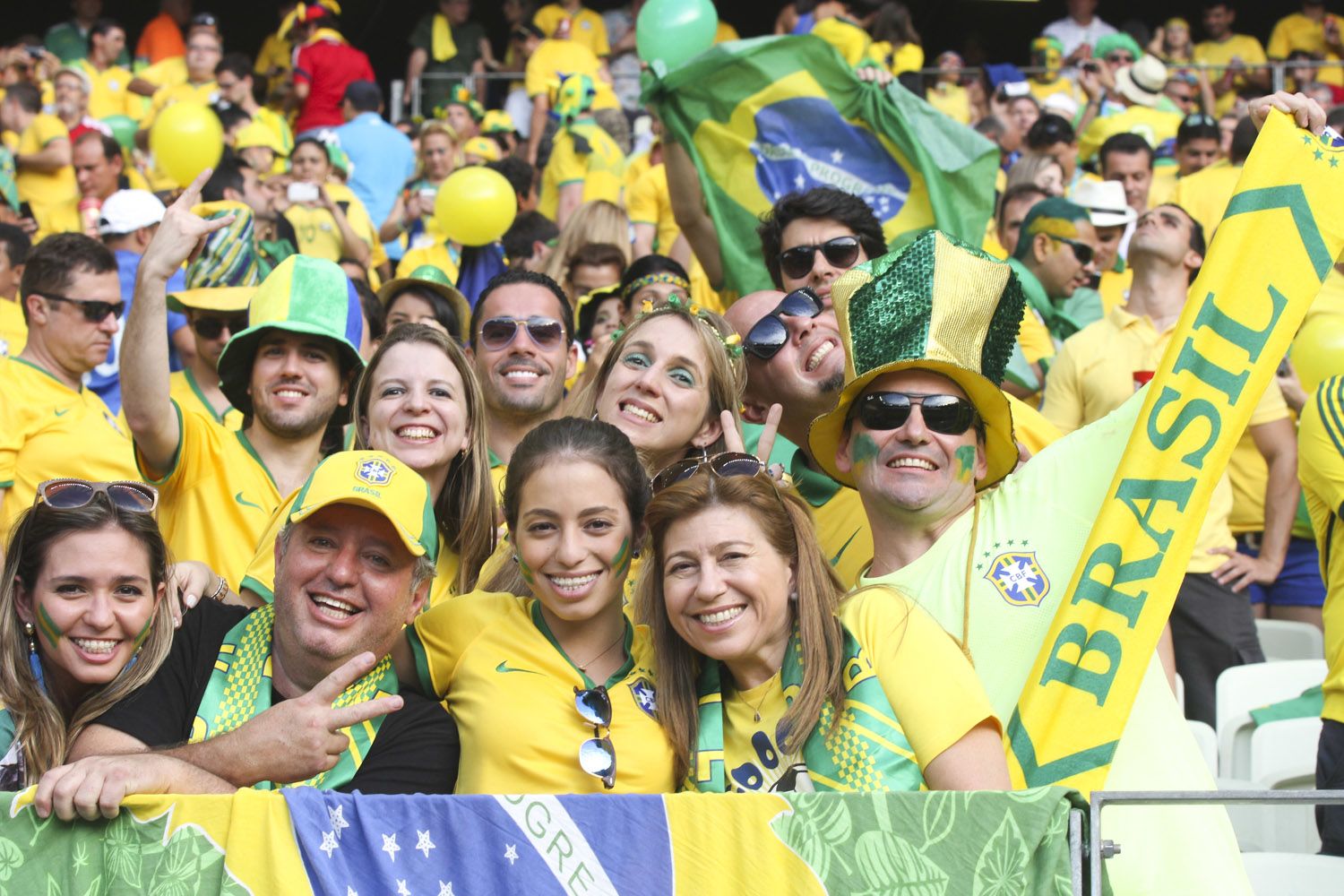
Brazilians share an unbridled passion and joy for the sport they dearly love. Internacional fan Sabino highlighted how much football means to her and the sense of national pride and excitement she feels cheering on her nation in an international tournament.
Speaking on the bond Brazil has with "the beautiful game", she said: "We grow up watching football, knowing everything about football, it's in our blood.
"It [football] also brings me memories of when I was a kid watching football with my family back in Brazil and [with] my grandparents."
Alcionê Sabino discussing the importance of football to her and Brazilians. Credit: Jack Heath
Green on the Importance of Football
Coming from a multicultural family composed of Brazilian, Jamaican, Polish and Curaçaoan, Green has a multifaceted outlook on football. Growing up in The Netherlands, the freelance journalist has a wide understanding of the game and what it means for various countries.
Brazil will always be one of the national teams he follows and supports at every match and he is a proud brasileiro. He spoke of how Brazil as a country is football obsessed, from fully-stocked merchandise at the airports to people playing football in the streets, the sport is everywhere.
Commenting on Brazil's lasting connection with the jogo bonito, Green said: "[Brazil] is the biggest footballing nation in the world, no doubt about it.
"Every dream for every little kid in Brazil is to put on the jersey and represent.
"I guarantee you that any kid I ask outside the national team stadium is going to say their dream is to play for Brazil."
Jamie Green speaking on the importance of football to him and Brazilians. Credit: Jack Heath
The Disaster of Belo Horizonte: the match that still haunts Brazilians to this day
However, despite an enduring national love for the game, there have been some dark days. Arguably the worst day in Brazilian footballing history was the semi-final shock defeat in the 2014 World Cup.
Brazil were hosting the World Cup 64 years after the last time they welcomed the games to the South American nation. Heavy investment into new stadiums and an overriding sense of optimism swept the country with the expectation that the Seleção would triumph and claim the sixth World Cup on home soil.
The host nation breezed through the group stages, claiming comfortable victories against Croatia and Cameroon as well as a fiercely fought draw against a plucky Mexico.
A nervous penalty shootout defeated Chile in the last-16, also beating continental rivals Colombia 2-1 in the quarter-finals. This set up a semi-final clash against a fellow undefeated side in the form of Germany.
Within 30 minutes, o Canarinho were 5-0 down to a German onslaught. The damage was done as fans were distraught, rubbing their eyes to check if what was happening was real.
Reflecting on the post-match reaction when the full-time whistle blew at 7-1, Green said: "You've seen half the players in tears, you don't get that if you don't care.
"You had fans in tears, you don't get that if you don't care."
Germany would go on to lift the trophy, but it is a sad day that is etched in the memory of nearly every Brazilian.
Sabino said: "I even remember my mum turning off the TV on the second time because we were like 'we don't want to watch to the end'.
"It was a really sad moment, we don't really like to talk about it.
"You can talk to us about anything, just don't talk to Brazilians about that game."
Alcionê Sabino reflecting on Brazil's 7-1 loss to Germany in the 2014 World Cup semi-finals. Credit: Jack Heath
A match that will be 12 years old come the next World Cup, Brazil have learned their lessons from the suffering in those 90 minutes. A football-crazy nation mourned their closest chance to win the illustrious tournament since the 2002 victory.
Brazilian hopes for the 2026 World Cup
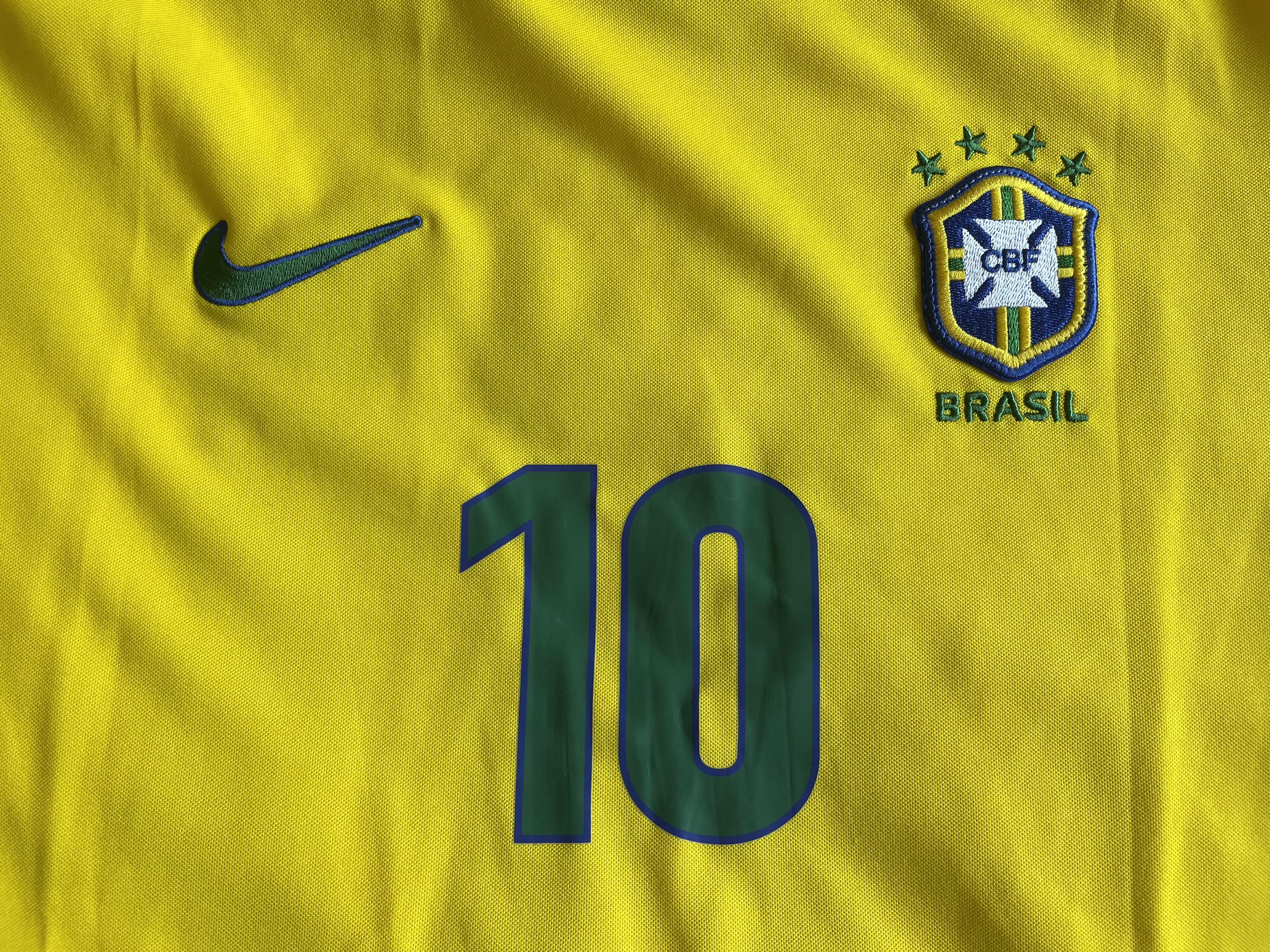
As the upcoming World Cup in USA, Canada and Mexico is a year away, Brazilian fans are starting to dream about their side clinching their sixth trophy, despite the transitional period the side is experiencing under new management.
Given Brazil is the most successful nation in World Cup history, the home faithful always believe their side will win the next match and tournament, despite troubles they currently face.
Brazil have secured their place at the next World Cup with two games to spare. The top six from qualification go through to the World Cup finals with seventh place entering an intercontinental play-off. Dubbed as the world's "toughest qualification process", Brazil can use this as motivation to improve ahead of the coveted World Cup, despite South American rivals Argentina sitting 10 points ahead of them.
CONMEBOL World Cup qualification table (as of 11/06/2025)
Key:
Green = qualified for 2026 World Cup
Red = impossible to qualify for 2026 World Cup
Source: Sofascore
|
Position |
Team |
W |
D |
L |
Goal Difference (GD) |
Points |
|---|---|---|---|---|---|---|
|
1st |
Argentina |
11 |
2 |
3 |
+19 |
35 |
|
2nd |
Ecuador |
7 |
7 |
2 |
+8 |
25 |
|
3rd |
Brazil |
7 |
4 |
5 |
+5 |
25 |
|
4th |
Uruguay |
6 |
6 |
4 |
+7 |
24 |
|
5th |
Paraguay |
6 |
6 |
4 |
+3 |
24 |
|
6th |
Colombia |
5 |
7 |
4 |
+4 |
22 |
|
7th |
Venezuela |
4 |
6 |
6 |
-4 |
18 |
|
8th |
Bolivia |
5 |
2 |
9 |
-16 |
17 |
|
9th |
Peru |
2 |
6 |
8 |
-11 |
12 |
|
10th |
Chile |
2 |
4 |
10 |
-15 |
10 |
Can the Seleção end the 24 year World Cup drought?
Brazilian fans are confident ahead of the World Cup with an unwavering belief in their side, spearheaded by Vinicius Jr., Raphinha and potentially Neymar. Green backs his country to win knowing they have the quality, but urges that Brazil must unite in order to succeed.
He said: "Can Brazil win the World Cup? In a simple answer, absolutely.
"However, everyone around the national team needs to be in the same mindset and needs to be settled down."
Jamie Green discussing Brazil's 2026 World Cup chances. Credit: Jack Heath
When questioned on whether Brazil could win the 2026 World Cup, ex-Flamengo vice-president Godinho switched from Portuguese to English and said: "That's the million dollar question.
"It's impossible to say we could win the World Cup right now, but there's always a possibility."
Given the team's current transitionary period under Ancelotti and shake-ups in the CBF, the Copa América in 2028 could be seen as a more realistic objective for Brazil.
In response to this Godinho said: "For Brazilians, the Copa América is less important than the World Cup as it is always either Brazil or Argentina that wins.
"The World Cup is what we care most about."
Statistically, Godinho is correct as Brazil and Argentina make up the top three for most Copa América's won. Argentina are first (16), Uruguay are second (15) and Brazil are in third (nine).
Ever the optimist, Sabino strongly believes that o Canarinho can restore World Cup glory after years of hurt, especially with Ancelotti at the helm. She thinks now is the time for Brazil to bounce back.
She said: "I do think we are going to win, I always do and I'm always going to believe in my team because Brazil is just the best team in the world.
"I do believe we have the chance to win right now, I feel like it is a new beginning."
Alcionê Sabino talking about Brazil's 2026 World Cup chances. Credit: Jack Heath

Although pundits and fans from around the world may believe the Seleção is in crisis, Brazilians remain fervent with optimism and pride that their side can win the World Cup, a belief that has never waned.
The national team embark on a new trajectory under a foreign coach for the first time, a new era of jogo bonito.
Unity, pride, teamwork, passion, all of these are needed for any national team to succeed. Brazilians will be right behind the Amarelinha when they cross the equator and land in North America in June 2026.
From the baroque city of João Pessoa to the bustling crowds of São Paulo to the peak of Sugarloaf mountain in Rio de Janeiro, Brazilian voices will roar on their nation to the very end.

 Built with Shorthand