
The evolution of kebabs: From tradition to innovation in Britain

Whether it’s a traditional doner kebab or a plant-based version, kebabs are a big part of the British food scene today.
It began as a simple street food and has transformed into a thriving industry, offering both traditional flavours and innovative options.
This story dives deep into the kebab’s journey in the UK, exploring the people behind it, the industry’s growth, and its increasing diversity, from traditional lamb doner to vegan kebabs.
I spoke to a range of people in the industry revealing the latest trends, challenges, and changes in the kebab world.
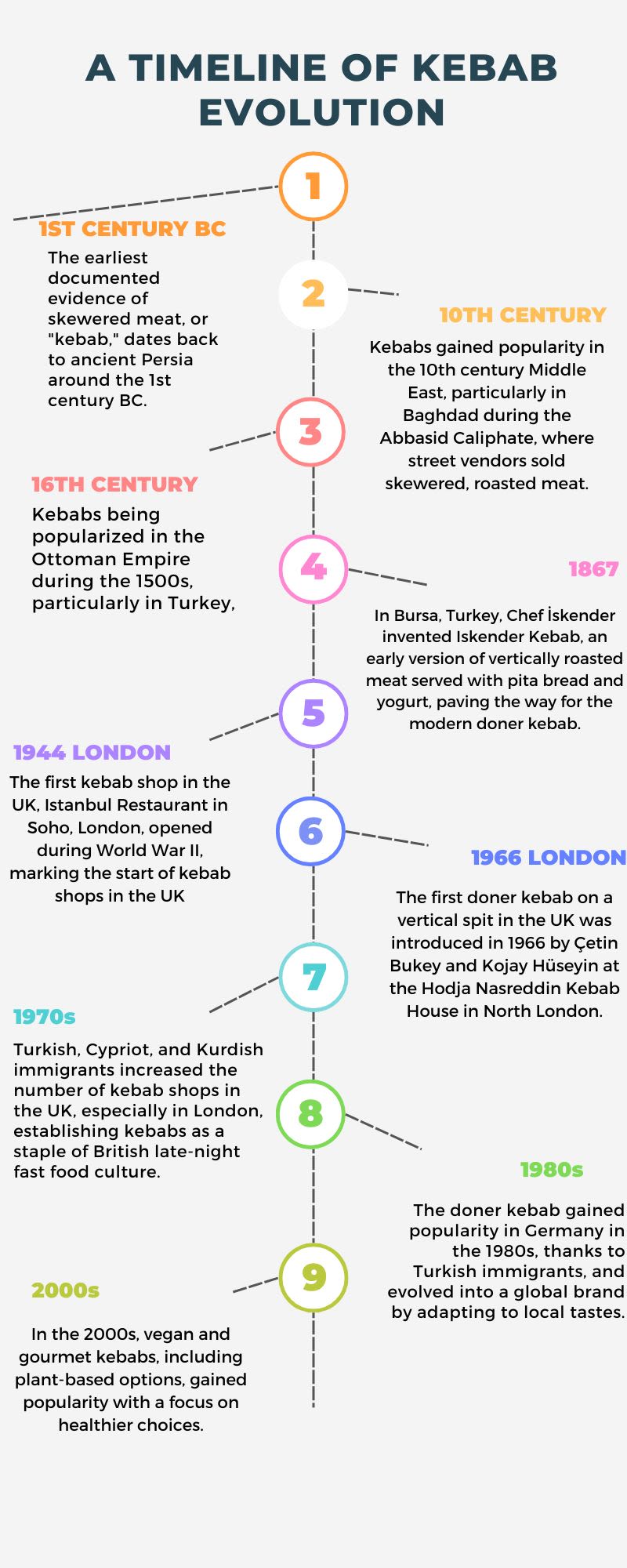
Kebabs have a rich history, originating in regions that now surround Turkey, Iran, and the Middle East.
The word ‘kebab’ comes from the Arabic word 'kabāb', meaning ‘to grill’ or ‘to roast,’ and the dish was first popularized by the nomadic tribes who skewered and roasted meat over open fires.
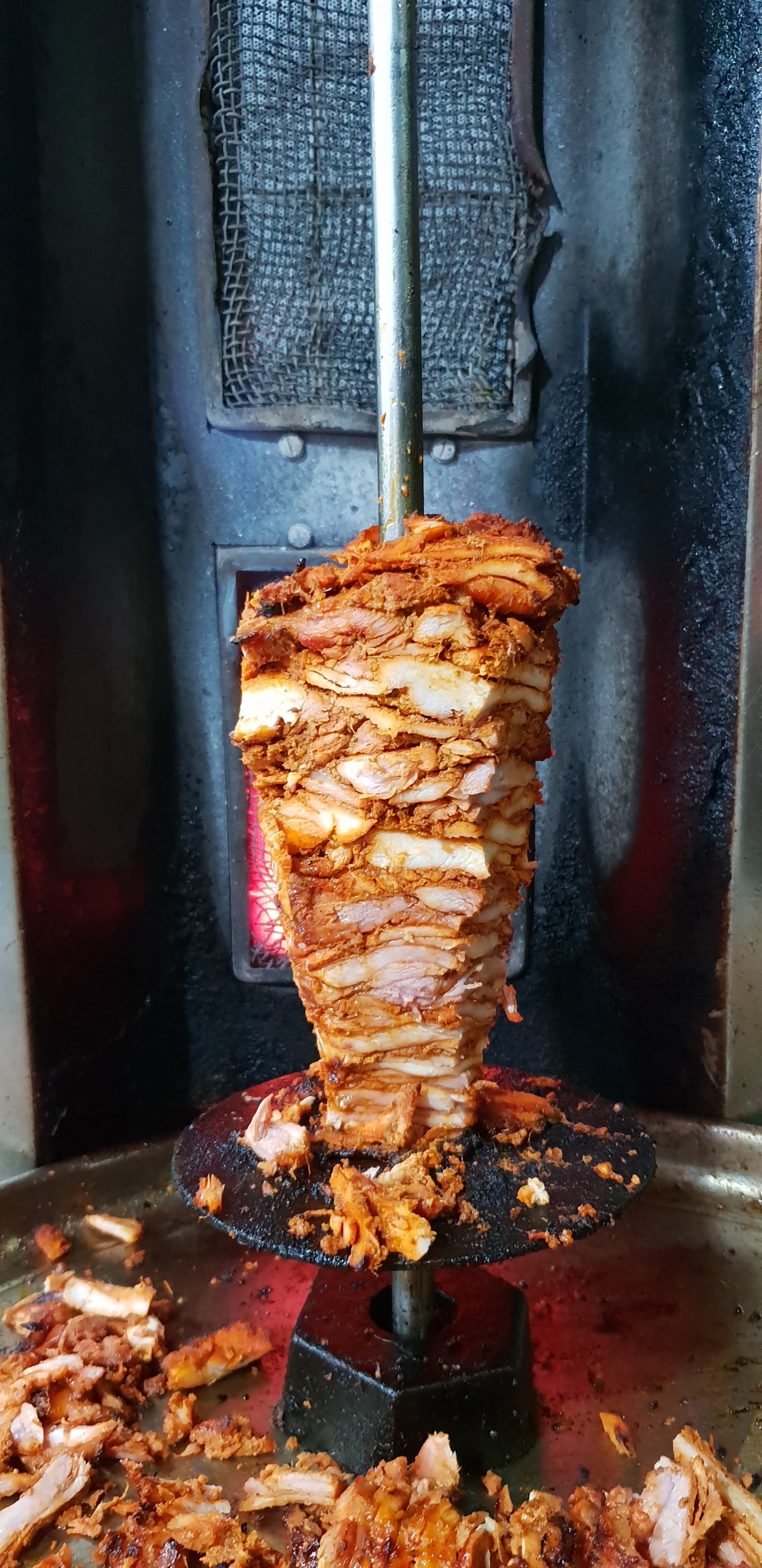
It was during the Ottoman Empire that kebabs became more widespread, with Turkey developing what we now know as shish kebab (skewered meat) and doner kebab (meat cooked on a vertical rotisserie).
The history of the original doner kebab dates back to the mid-19th century in Bursa, Turkey. The dish was created by Chef İskender Efendi when the lamb was cooked whole, horizontally.
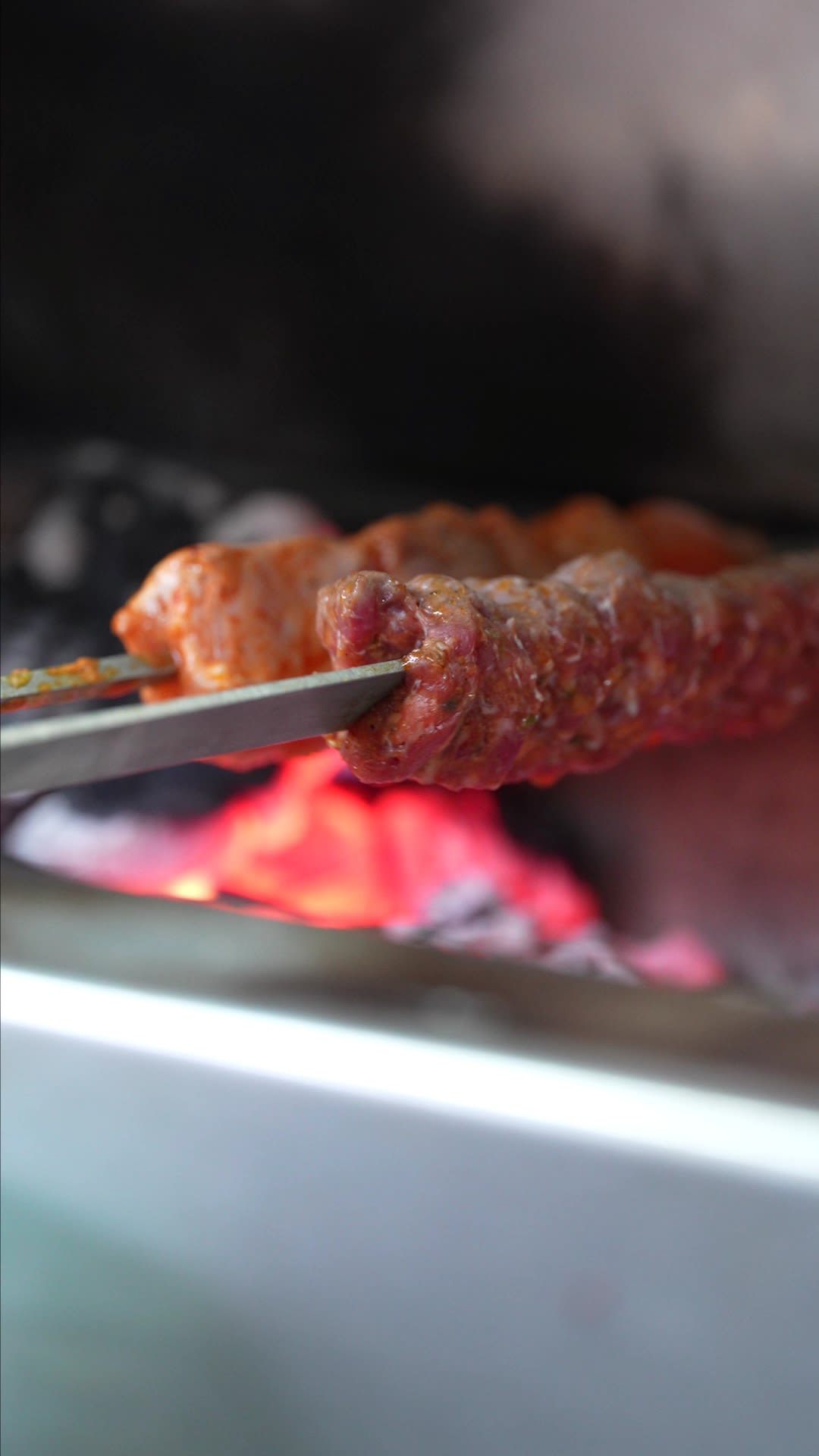
İskender Efendi had the idea to stack thinly sliced marinated meat on a vertical spit. He removed the bones and nerves, skewered it, and cooked it vertically over a charcoal fire. He then sliced the meat thinly for serving.
This cooking technique caught attention and was named "rotating kebab”. Over time, the dish became known as "doner kebab" and would eventually revolutionize street food worldwide.


Kebabs first arrived in the UK in the 1970s, alongside waves of Turkish and Middle Eastern immigrants.
These immigrants opened small, family-run kebab shops in cities across the UK, particularly in London, Birmingham, and Manchester.
The first ever kebab house was believed to be opened in Newington Green, North London in 1966.
Hodja Nasreddin Kebab House has been credited with popularizing the doner kebab cooked on a vertical spit in the UK.
This marked a turning point for the kebab industry and its mainstream appeal in British food culture.
The doner kebab quickly became a meal for those seeking something quick, filling, and affordable.
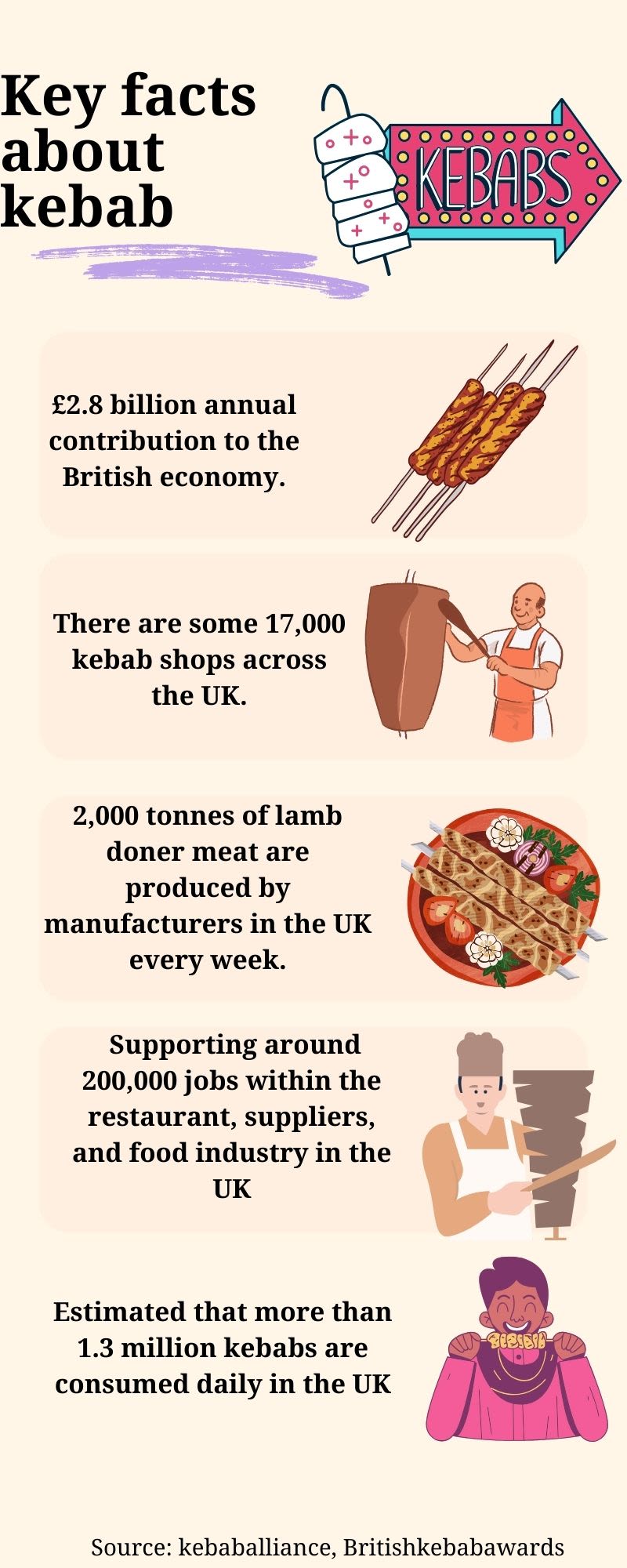
By the 1990s and 2000s, the UK kebab industry had established itself as a significant part of British food culture, offering not just doner kebabs and also shish kebabs, variations with chicken and beef.
Kebab shops can now be found on street corners across the UK.


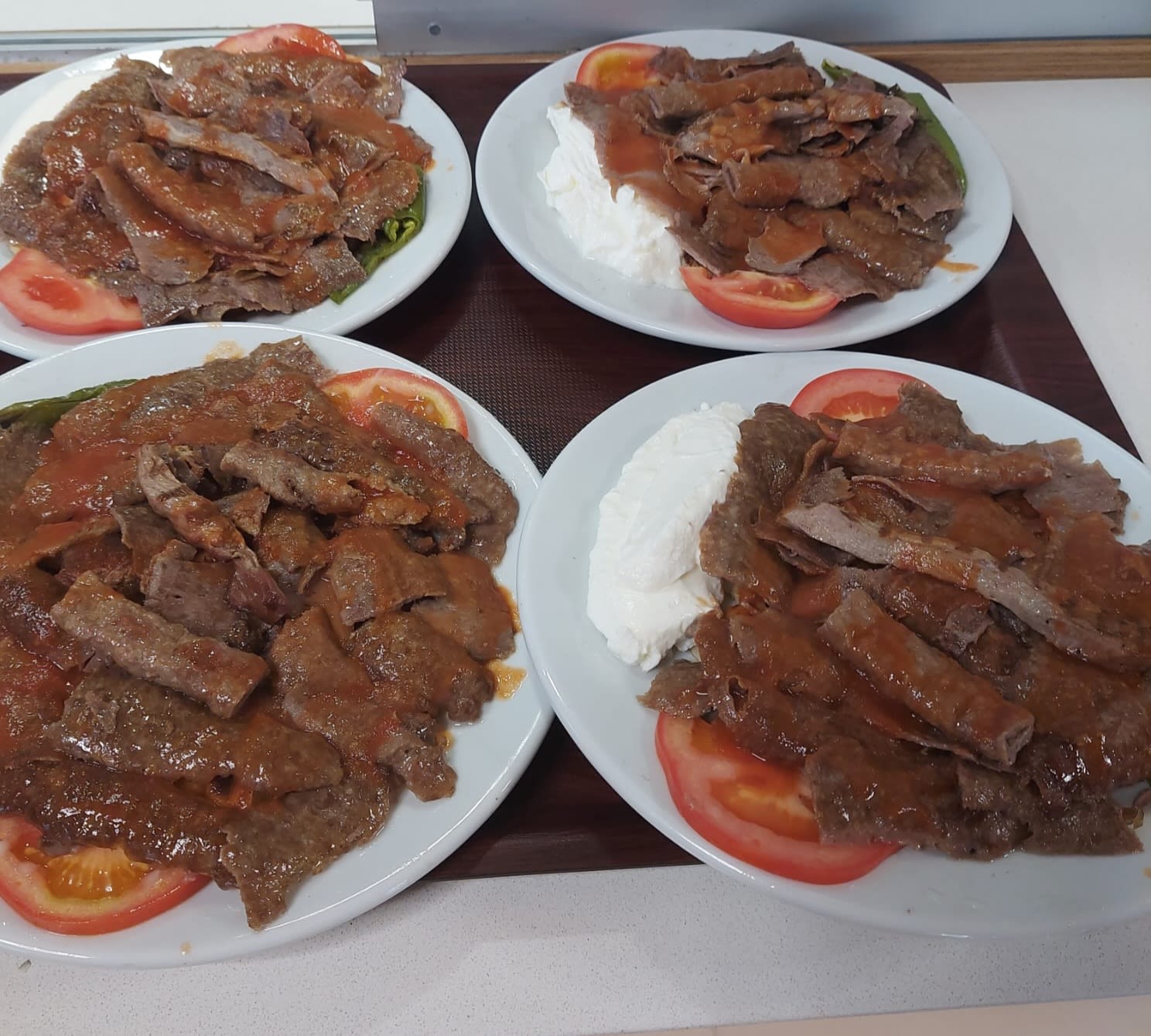
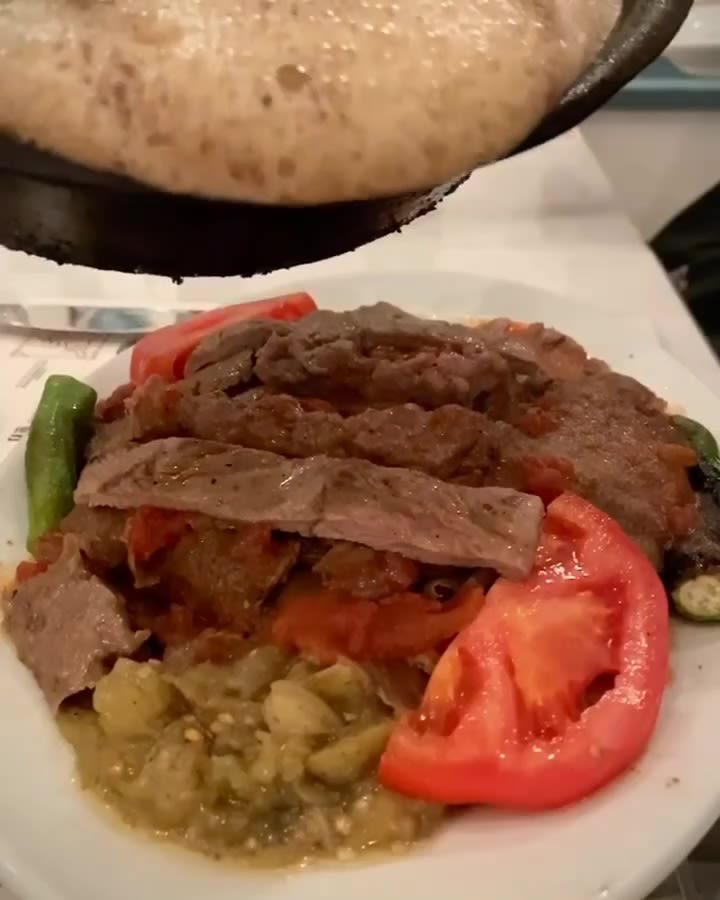
Thinly sliced lamb, fresh tomato sauce, and buttery yogurt
Photo credit: Ayse Yagci

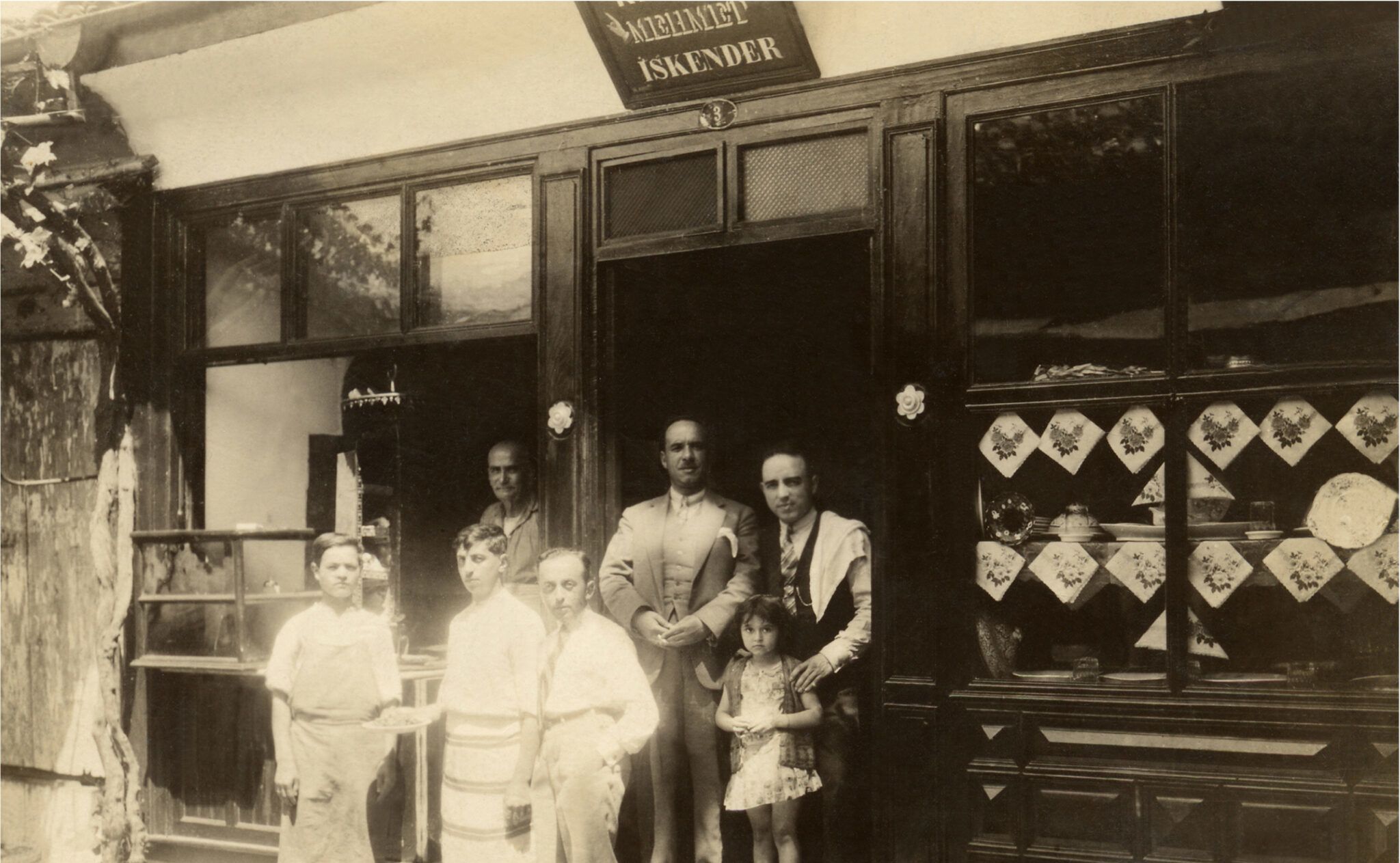
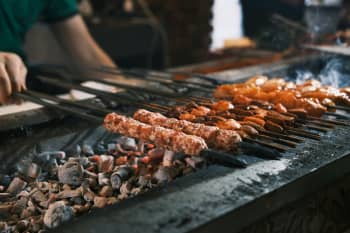
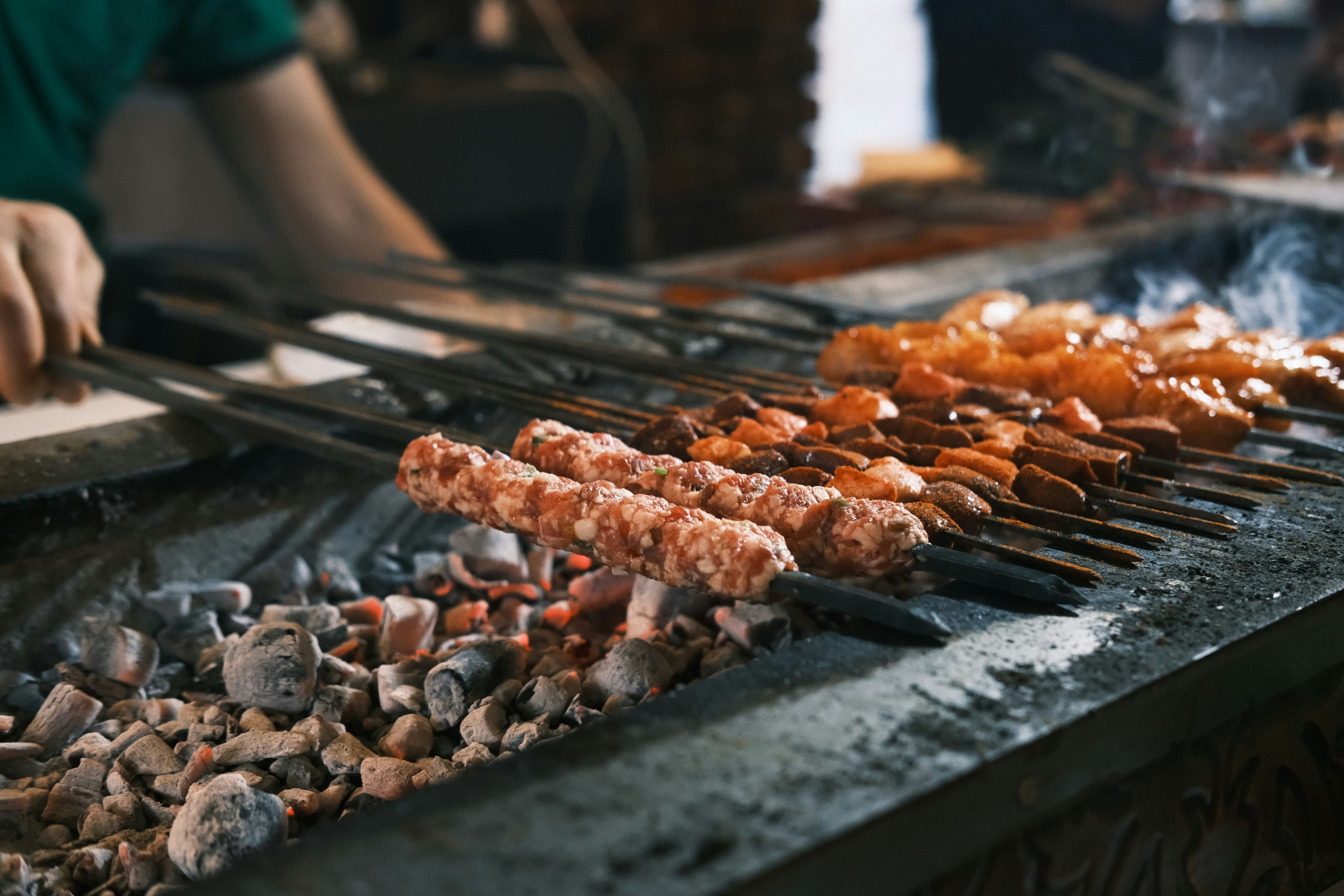
Iskender Kebab House, 1928, Bursa, Turkiye Photo credit: Kebabçı Iskender
Iskender Kebab House, 1928, Bursa, Turkiye Photo credit: Kebabçı Iskender

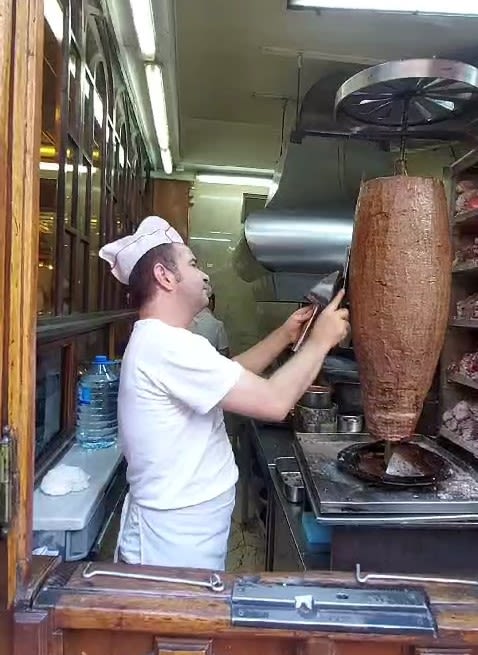
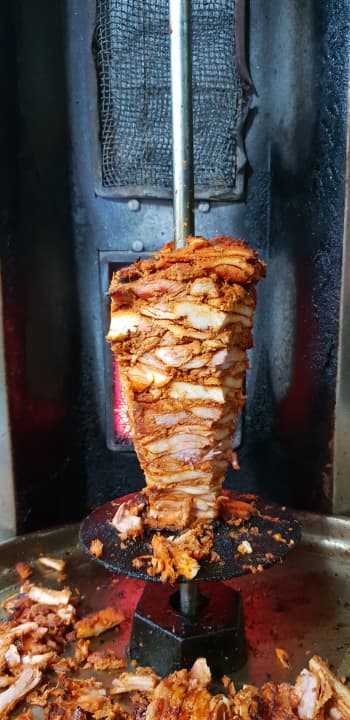
Vertical rotisserie that cooks meat on a rotating spit.Photo credit: Ayse Yagci
Vertical rotisserie that cooks meat on a rotating spit.Photo credit: Ayse Yagci
West Kebab in Ealing, West London, is one of hundreds of places in the city that has been serving a variety of kebabs since 1998.
Murat Soysal, one of the owners of the restaurant, has been serving kebabs for almost 20 years to his British customers.
What he likes most about his job is serving satisfied customers who love their food.
“When a customer keeps coming back we believe we do the right thing by serving them a good quality kebab," he said.
Soysal is proud of making everything in-house rather than buying ready-made.
He added: “Our customers' favourites are lamb and chicken doner because we make them ourselves, we know exactly what we put in it.”
However, Soysal said, it is not an easy job as they work long hours and finish late night.
"Since I started, this business is getting harder every year, COVID and Brexit have affected us.
"Prices have gone too high, and we can’t find anyone to work, no one wants to work 11-12 hours a day,” he added.

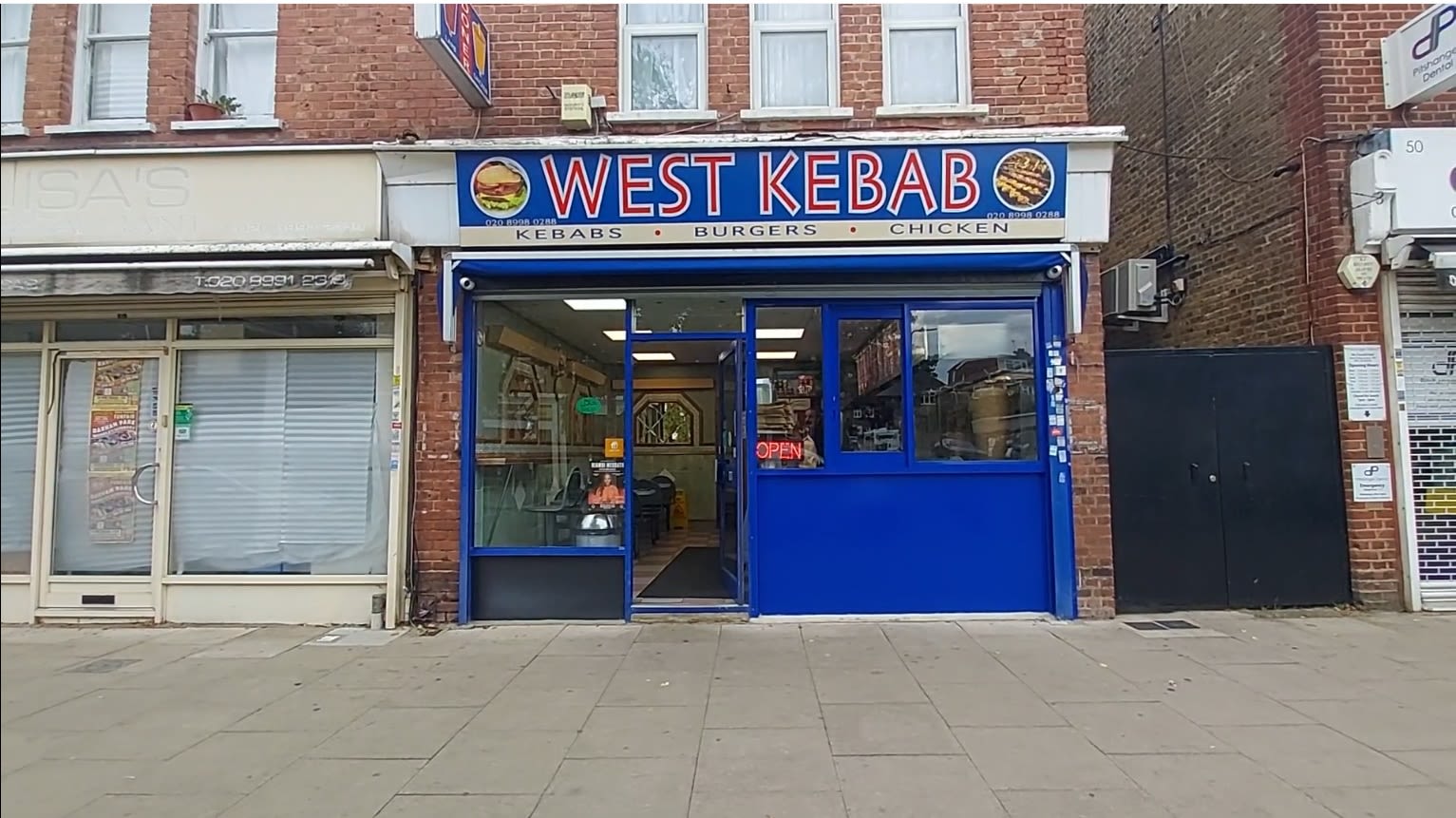
West Kebab, in Pitshanger Lane, Ealing
West Kebab, in Pitshanger Lane, Ealing

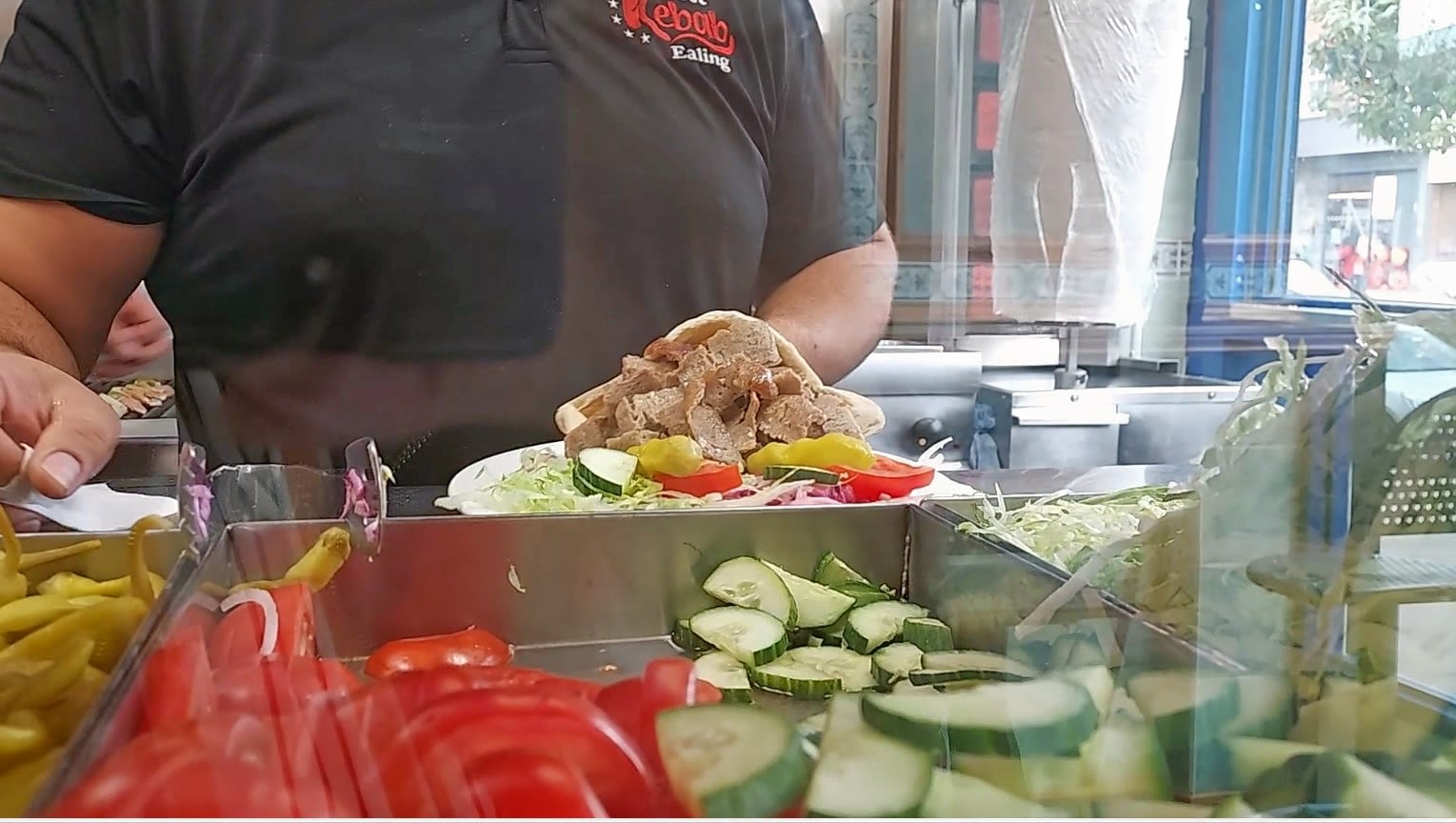
The modern kebab has arrived
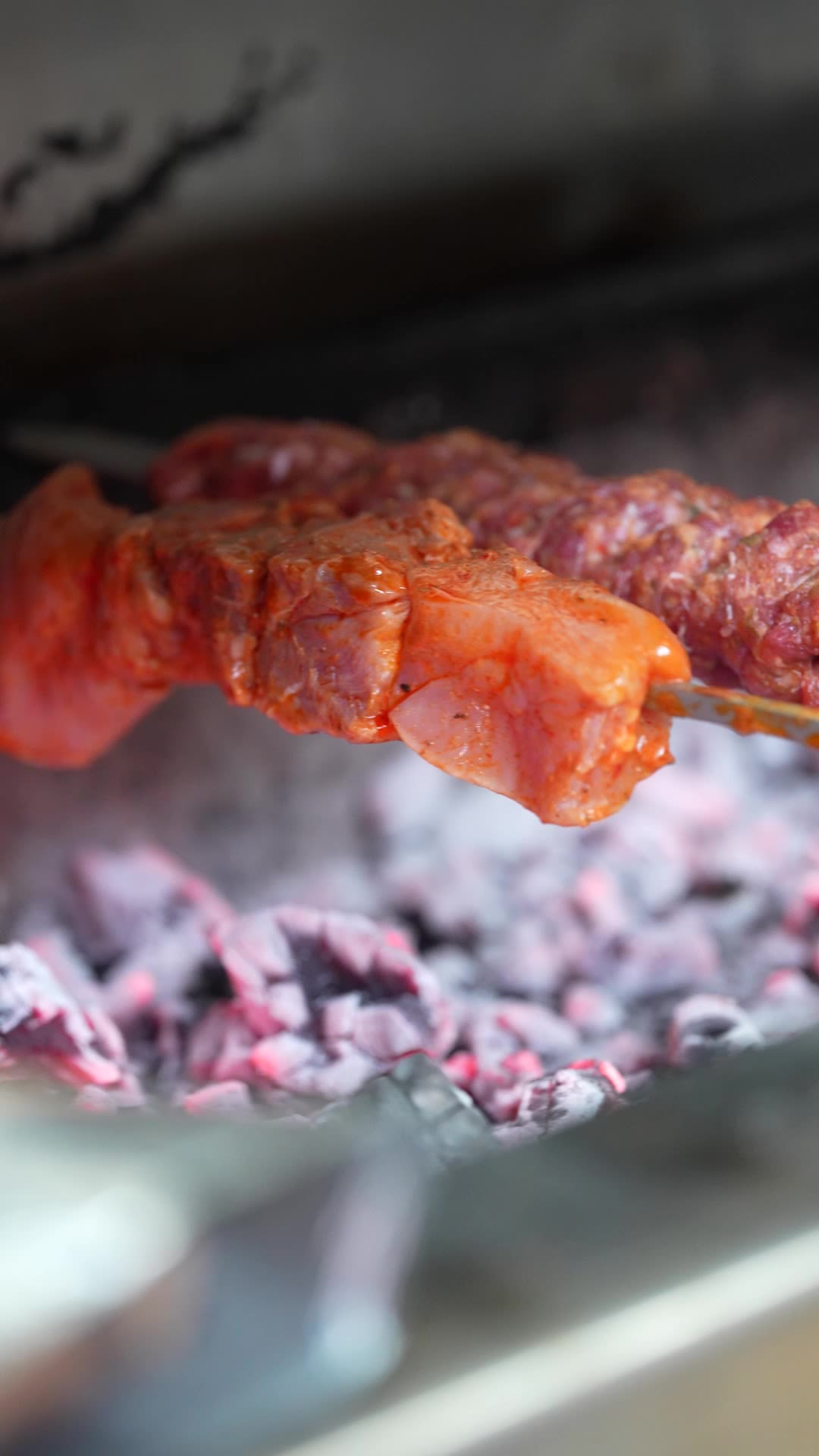

As kebabs grew in popularity, they also evolved in their presentation and preparation, moving beyond simple takeaways into restaurants.
Haz Restaurant in East London is one of these restaurants serving a variety of kebabs with a modern twists serving city workers in Canary Wharf.
Owner of the restaurant, Chef Onder Sahan, once prepared a kebab worth £925 in his restaurant in 2016, bringing a lot of media attention.
It was made up of with Japanese Wagyu beef, morel mushrooms and 25-year-old Italian vinegar.
He said: “If you use the best ingredients and quality meat then you have the good quality food and if you want to have that food then the price will be expensive.
“This is how it works for everything.
“Kebab is a very special food, I tried to give that message to everyone when I made £925 worth kebab dish.
“It all depends what ingredients you use, how to cook it, it then quality and taste follow it.”
Sahan has been in this business 35 years, where he started as a breakfast chef and now owner 23 restaurants and coffee shops across London.
He strongly disagrees with the idea that kebabs are predominantly a late-night snack.
“This is an ethnic food and very special. Whenever you go you see doner kebab house anywhere in the world.”


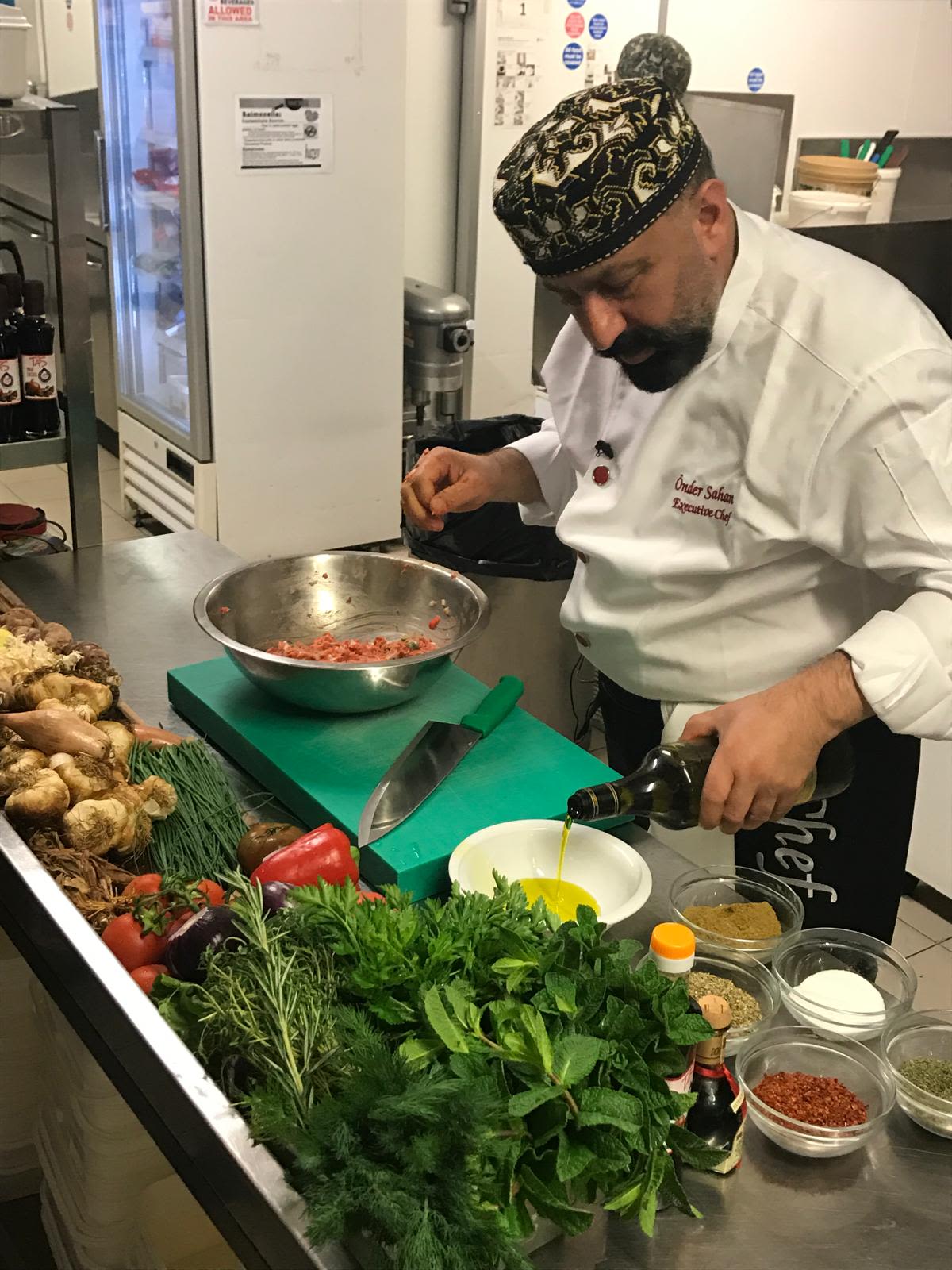
Chef Onder Sahan in his restaurant kitchen Photo credit: Hazev Restaurant
Chef Onder Sahan in his restaurant kitchen Photo credit: Hazev Restaurant
Chef Onder Sahan in his restaurant kitchen Photo credit: Hazev Restaurant
Chef Onder Sahan in his restaurant kitchen Photo credit: Hazev Restaurant
First ever plant-based kebab served


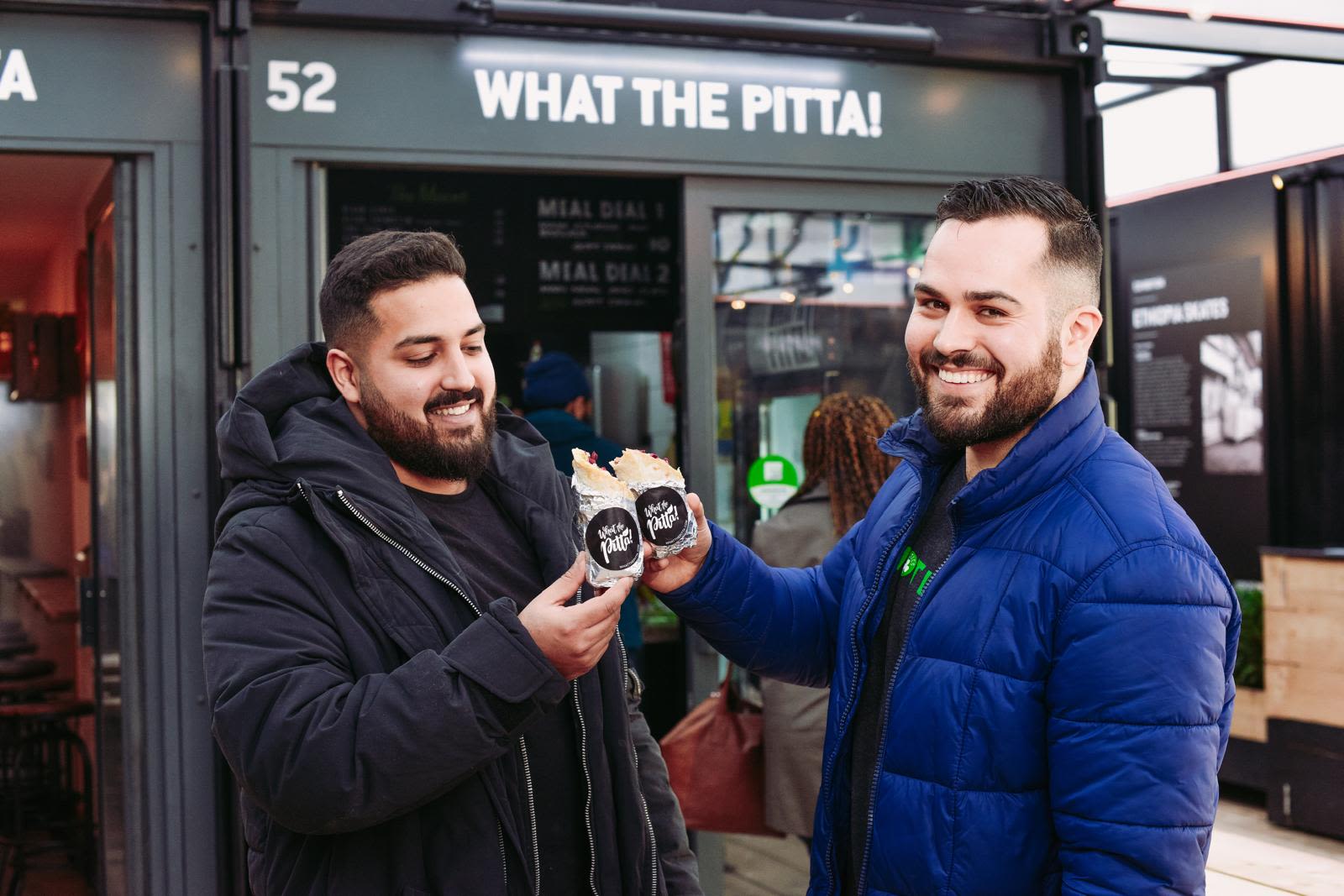
Cem Yildiz (right) with his business partner Photo Credit: Cem Yildiz
Cem Yildiz (right) with his business partner Photo Credit: Cem Yildiz

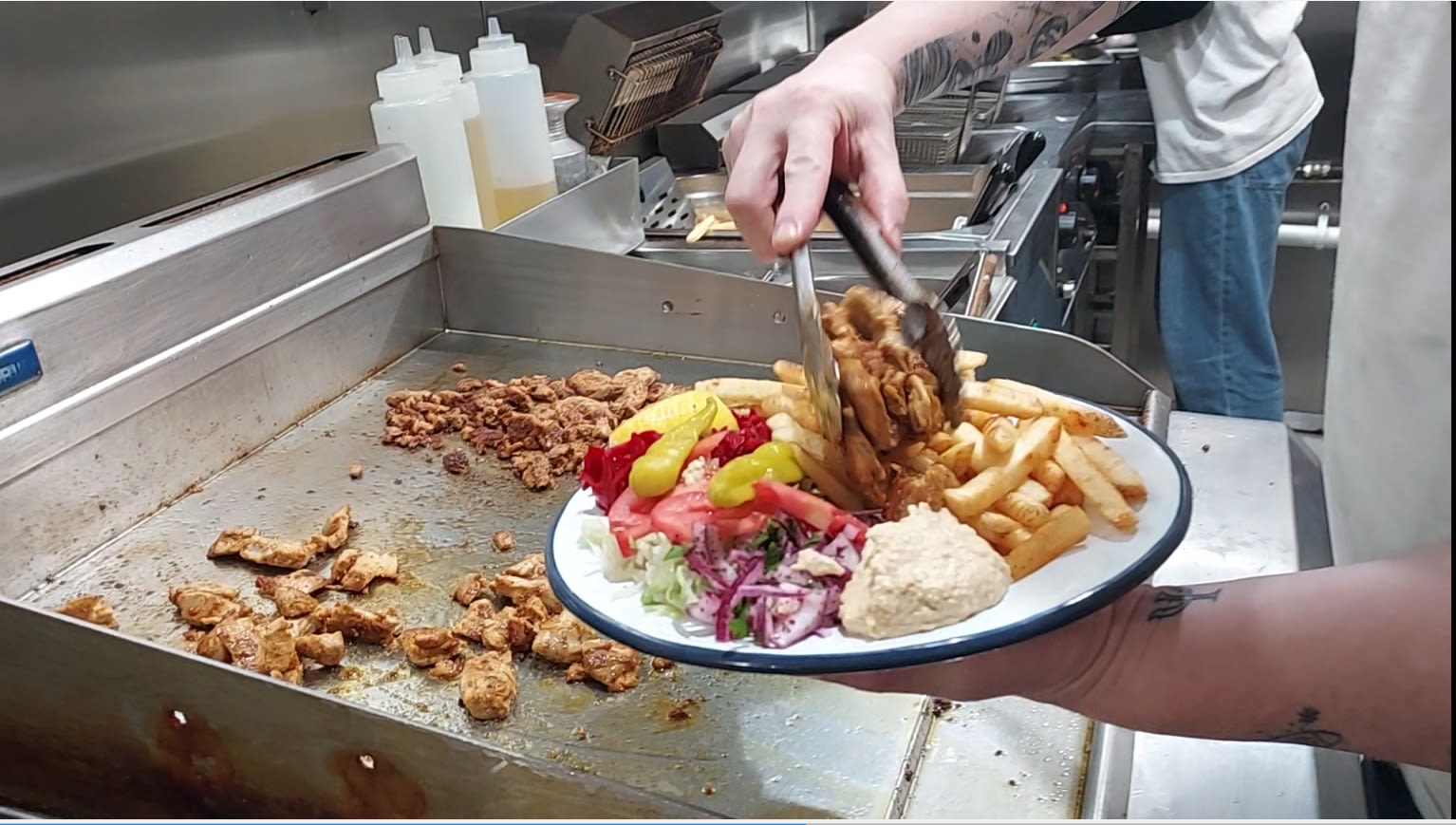
Plant-based kebab preparation
Plant-based kebab preparation
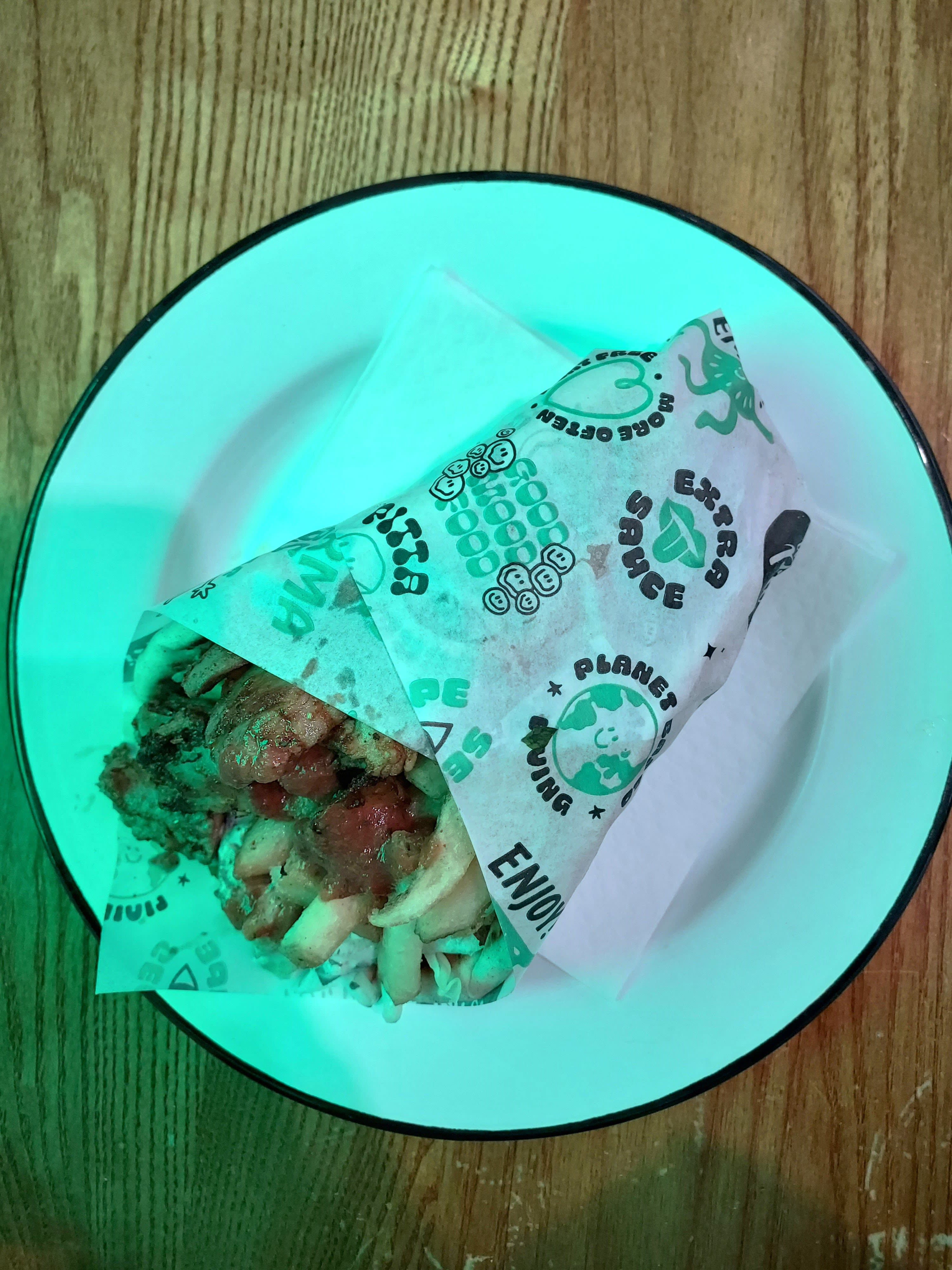
Wrapped vegan kebab with salad
Wrapped vegan kebab with salad

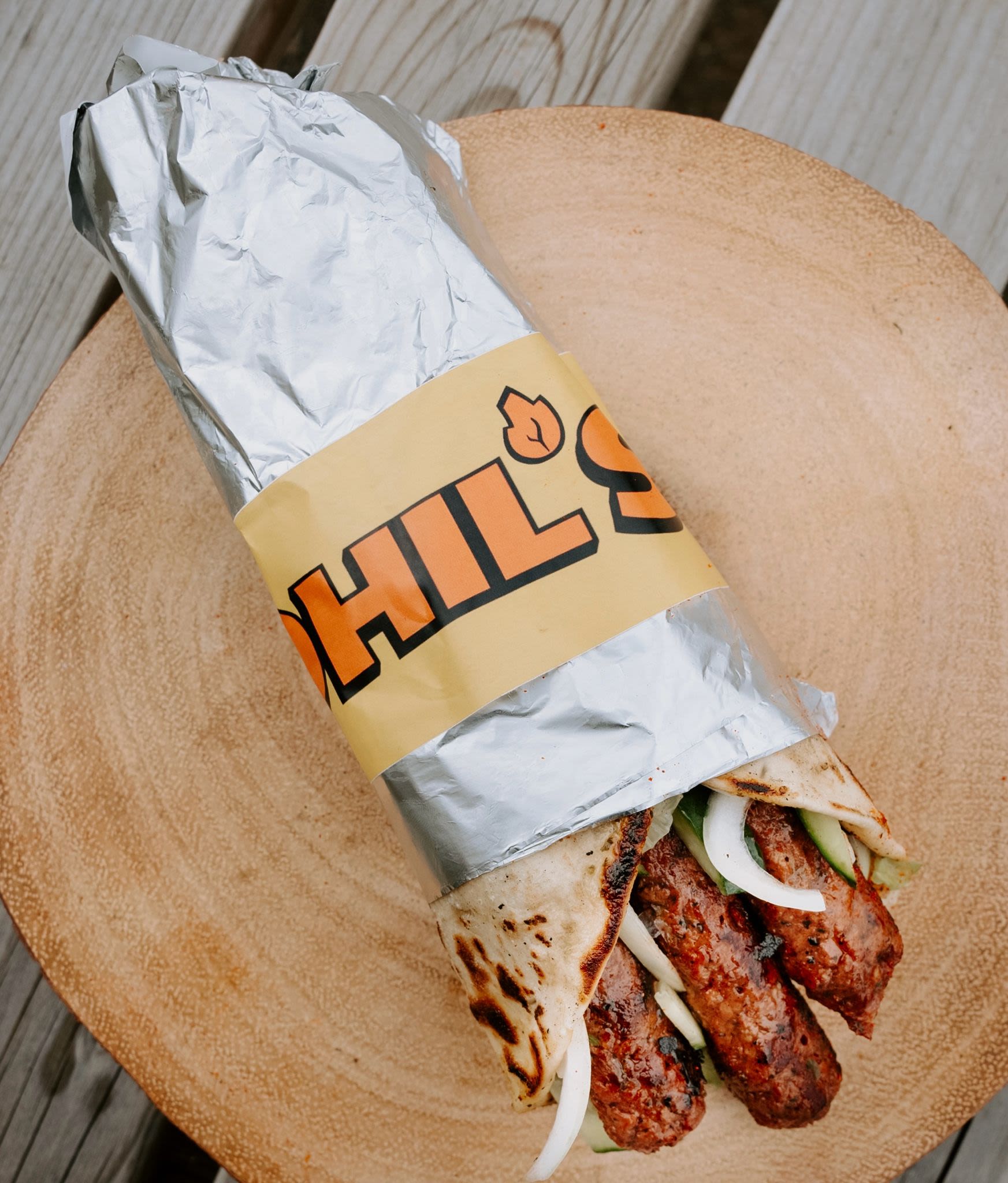
Plant-based kebab infused with Indian spices. Photo credit: Dhil's vegan kebabs
Plant-based kebab infused with Indian spices. Photo credit: Dhil's vegan kebabs

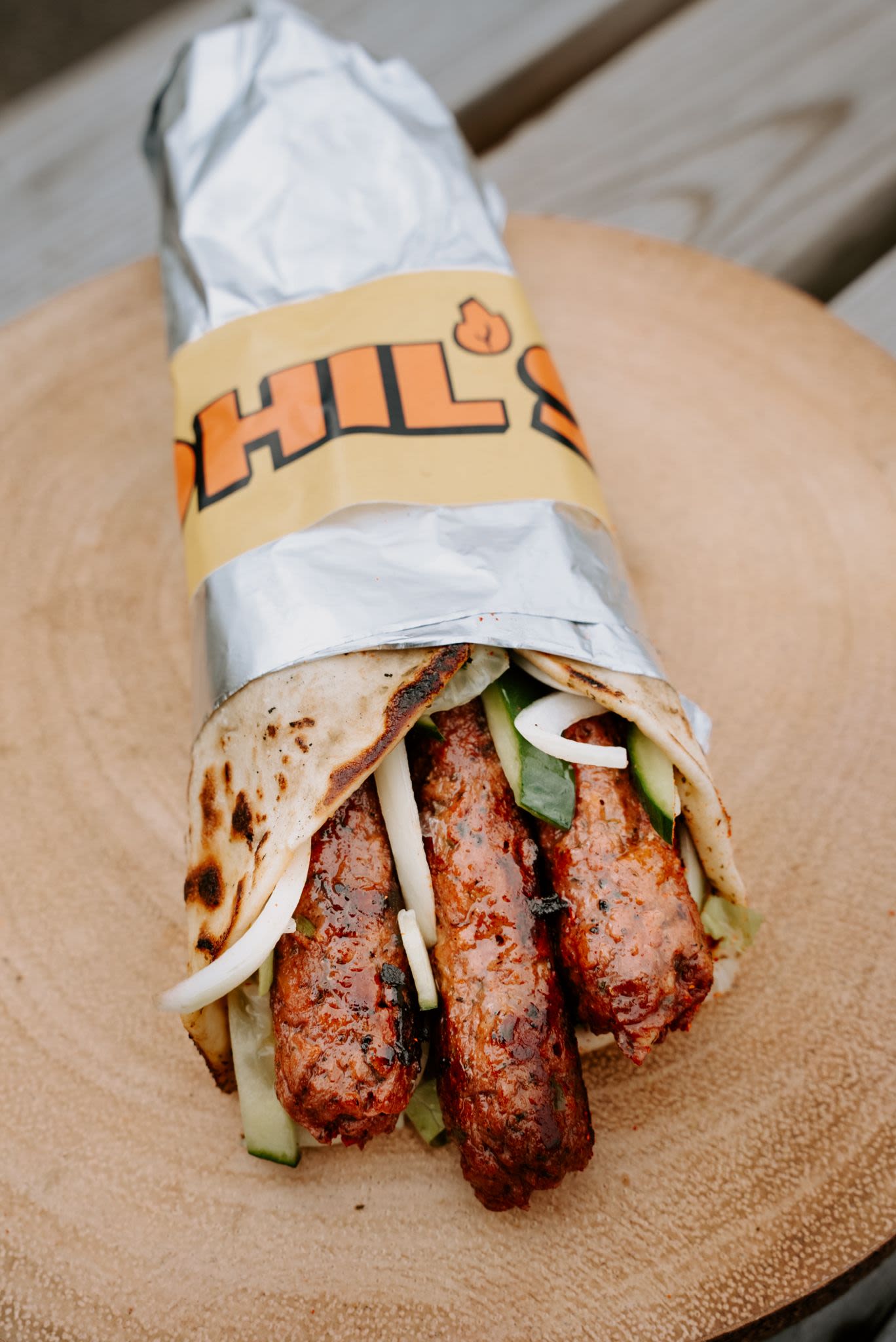
Photo credit: Dhil's vegan kebabs
Photo credit: Dhil's vegan kebabs
The evolution of the kebab did not stop there.
It is now visible in the vegan kebab movement, which has seen a surge in popularity in recent years as plant-based diets continue to become more mainstream.
Cem Yildiz, established his vegan kebab business in 2016.
After deciding to stop eating meat, he was inspired by a vegan kebab he tried in Germany, which led him to start his own vegan kebab business.
Yildiz and his business partner started to sell the UK’s first plant-based kebab in their food stall, 'What the Pitta' in Shoreditch, East London.
He said: “I think in 2016 the vegan thing was just starting out, and people could not wait to try vegan kebabs.
“It got a lot of media attention because people could not believe that we had created the UK's first vegan kebab.
“When they had our food for the first time, they just could not believe how like meat tasted and a lot of the flavour comes from the spices we used, and we made sure we kept them authentic.”
Yildiz believes the kebab industry will continue to improve quality and cater to diverse dietary preferences, with a focus on fresh, high-quality ingredients.
He thinks that people want to cut down the amount of animals they eat, but they want to make sure they have a good alternative adding the trend in the vegan space is towards quality and avoiding hyper-processed foods, with a focus on health and ethical consumption.
The vegan kebab chain was named London’s best takeaway in 2020 at the British Kebab Awards, however post-COVID, the vegan market faced challenges, with increased competition and a decline in the number of vegan places.
As vegan kebabs increased in popularity, more variations have started to spread across the UK, incorporating a variety of cuisines, including Indian.
Dhilan Devji, a young entrepreneur from Leicester, started making vegan kebabs in his mum’s kitchen four years ago, and now has a manufacture unit that distributes to restaurants on a mass scale.
He adds coriander, ginger, and cumin to his vegan kebabs to create a more Indian flavour.
Devji thinks vegan is still niche and that it will never overtake meat in popularity, but urged people who have never tested a vegan kebab to be open minded and try something different.
“Be open minded and try it for what it is without any labels, [the] taste and texture come through. Don't think of it as vegan, or don't think of as a meat product. Just think of it as food in itself, and if it tastes good, we should just forget the labels.”
Winner of the Britain’s Best Vegan Kebab Award in 2024, Devji also disagrees with the idea of vegan kebabs made up with ultra processed ingredients added.

The industry’s impact
The British Kebab Awards is an annual event celebrates the best in the kebab business across the UK since 2011.
It is the only and first recognition of kebab as an industry.
Founder of the British Kebab Awards Ibrahim Dogus said the kebab industry was thriving, with an estimated worth of over £2.8 billion annually in the UK.
He said: “This growth is driven by increasing consumer demand and the sector's ability to offer more diverse and innovative menu options to meet changing tastes.
Dogus is also owner of two restaurants in central London said the industry is struggling with rising ingredient costs, inflation, and increased competition.
However, he believes businesses that innovate especially around healthier menu items and sustainability will continue to succeed.
"Adapting to consumer demand for healthier options and sustainability is crucial," he added.
According to Kebab Alliance, the UK’s first representative body for the kebab industry, there are over 20,000 kebab shops across the UK today, contributing more than £2 billion annually to the economy and providing employment for tens of thousands of people.
It is projected to grow to approximately £3.4 billion by 2027, reflecting a compound annual growth rate (CAGR) of around 6.5% according to Statista.

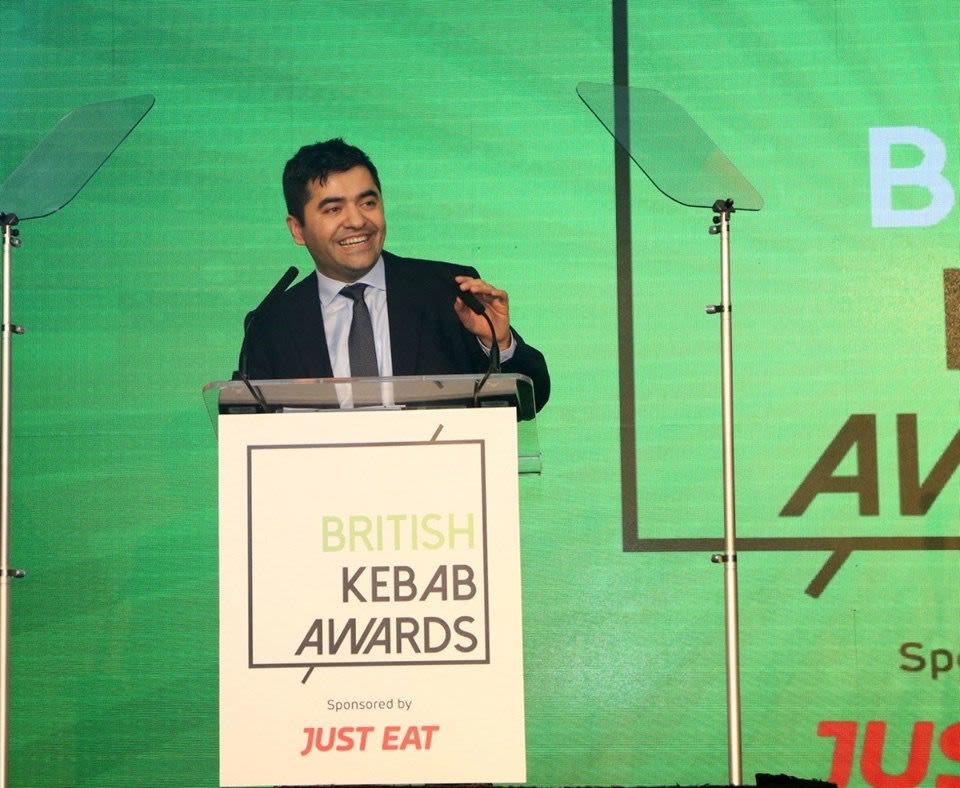
Ibrahim Dogus, Founder of British Kebab Awards Photo credit: Ibrahim Dogus
Ibrahim Dogus, Founder of British Kebab Awards Photo credit: Ibrahim Dogus

Kebab businesses range from small, family-run takeaways to larger wholesale suppliers and high-end eateries.
Bekir Halil is a sale director of Istanbul Meats, the kebab manufacturer and wholesaler of the kebabs across the UK, in Durham, North of England, since 1990.
His own branded ‘Bek’s kebab’ produced around 35 tons of kebab meat per week, with a national scale and including some export.
Halil says the demographic and economic side of that region determines which product they produce and sell.
He says some areas consume more beef and chicken some areas lamb, adding that they produce 60 different doner kebabs for each market area.
Being a meat kebab producer he acknowledges a growing interest for vegan kebabs but does not think it would overtake the meat of the market.
“There's not many stores that serve vegan kebabs, but it is something we're watching very closely.
“We'll definitely explore it,” he added.
He discussed increased costs due to importing goods, inflation, energy costs, and wage increases has had to adapt by slightly increasing margins to stay profitable.
The kebab’s journey in the UK is an evidence to the country’s diverse and evolving food culture.
From its humble beginnings as an immigrant dish to its current status as a British favourite, the kebab industry continues to thrive, innovate, and adapt to changing times.
As it moves into the future, the kebab, in all its forms—whether traditional or plant-based—remains a beloved part of British culinary life.
 Built with Shorthand