
THE IMPOSTER PHENOMENON
By Nadia Sayed
.
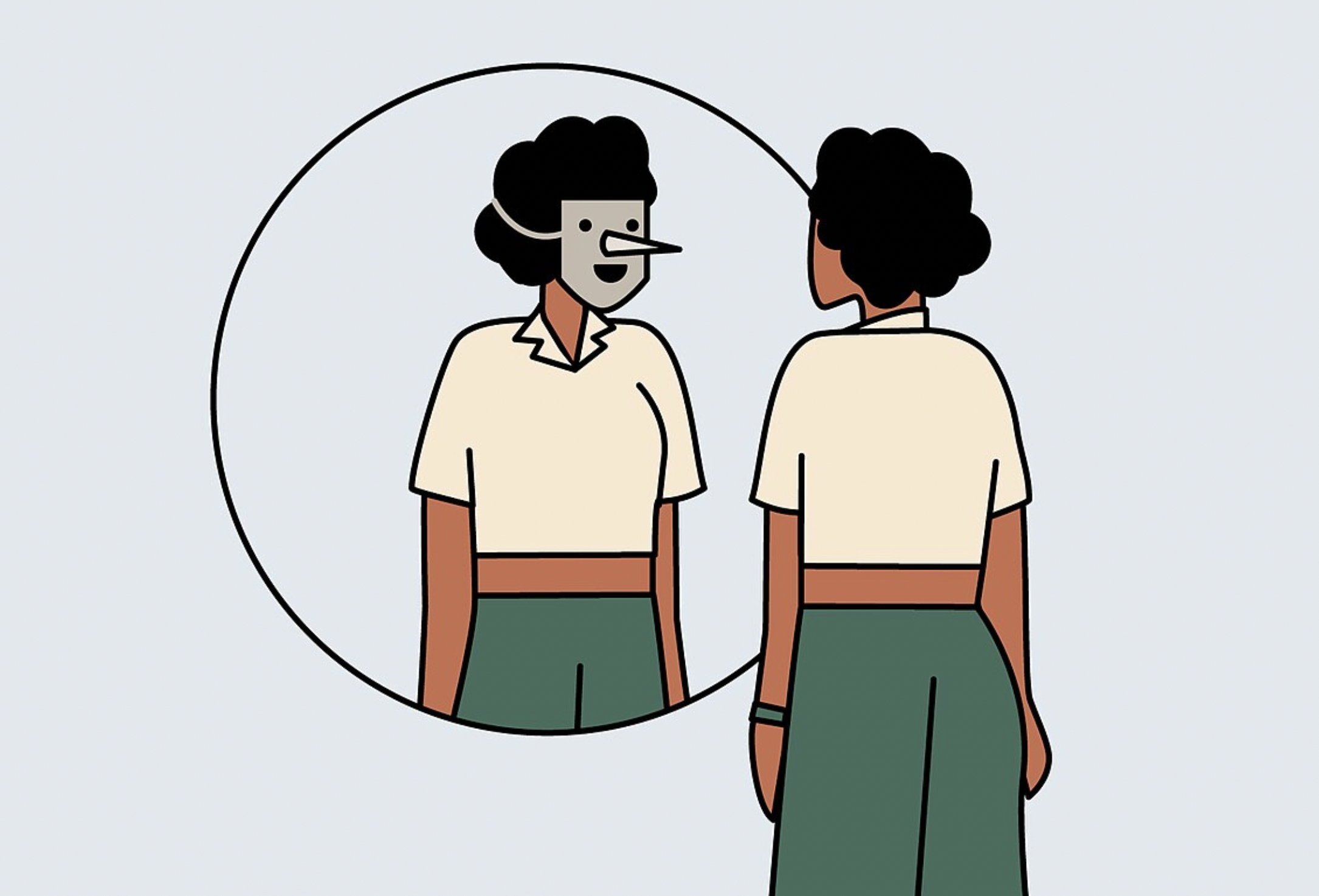

How speaker and author Dr Kate Atkin mastered the art of embracing her inner imposter
Pursuing a Masters degree in her late 40s was never on Kate Atkin's radar.
After failing her 11+ exams – the academic tests done by some children for entry into UK grammar and selective schools - and not having a bachelor's degree, Kate had decided she was not academic quite early on.
So, when her husband suggested she apply for a Masters degree, she was rather taken aback.
"He saw something in me and said "You know what, I think you can do this" and I thought 'Really? I don't think so!'"
Kate's inner imposter had risen to the surface and told her she wasn't good enough.
"The fear of making mistakes, of failing or being criticised has been with me for many years and caused high levels of anxiety, although I didn't have a name for it at the time... I used to get excruciating stomach aches." - Dr Kate Atkin
The imposter voice can surface in various situations and sow seeds of doubt.
It can persuade you that your skills and abilities are either insufficient for tackling new challenges or mere strokes of luck.
Some of the things the imposter voice might tell you are:
'You're a fraud'
'You don't have the skills needed to do (x)'
'Any minute now, they are going to find you out'
More often than not, none of these things are true. Rather, they are all things the imposter voice wants you to believe. But, when our previous successes and accomplishments serve as external evidence of our abilities, why do we listen?




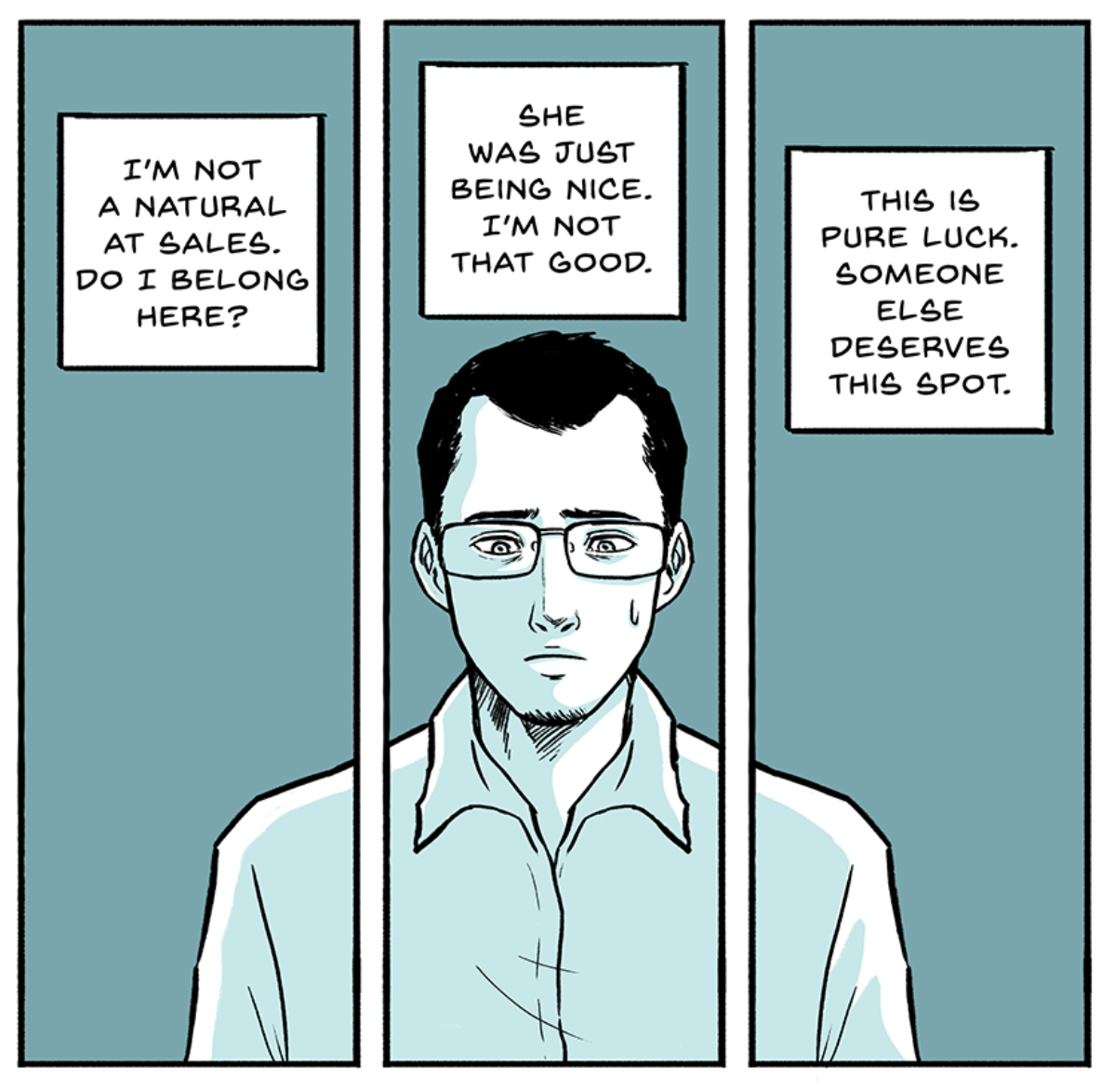
Image credit: Wikimedia Isabella Mont
Image credit: Wikimedia Isabella Mont
Pushing down her imposter thoughts, Kate took on her husband's thoughts, and she decided to take on the challenge of a Masters in Positive Psychology.
However, her doubts, including those regarding her lack of knowledge on the subject of the degree, remained present, leading her to delay her entrance to the course for 12 months.
Within these 12 months, Kate conducted research, trying to prepare herself for the course.
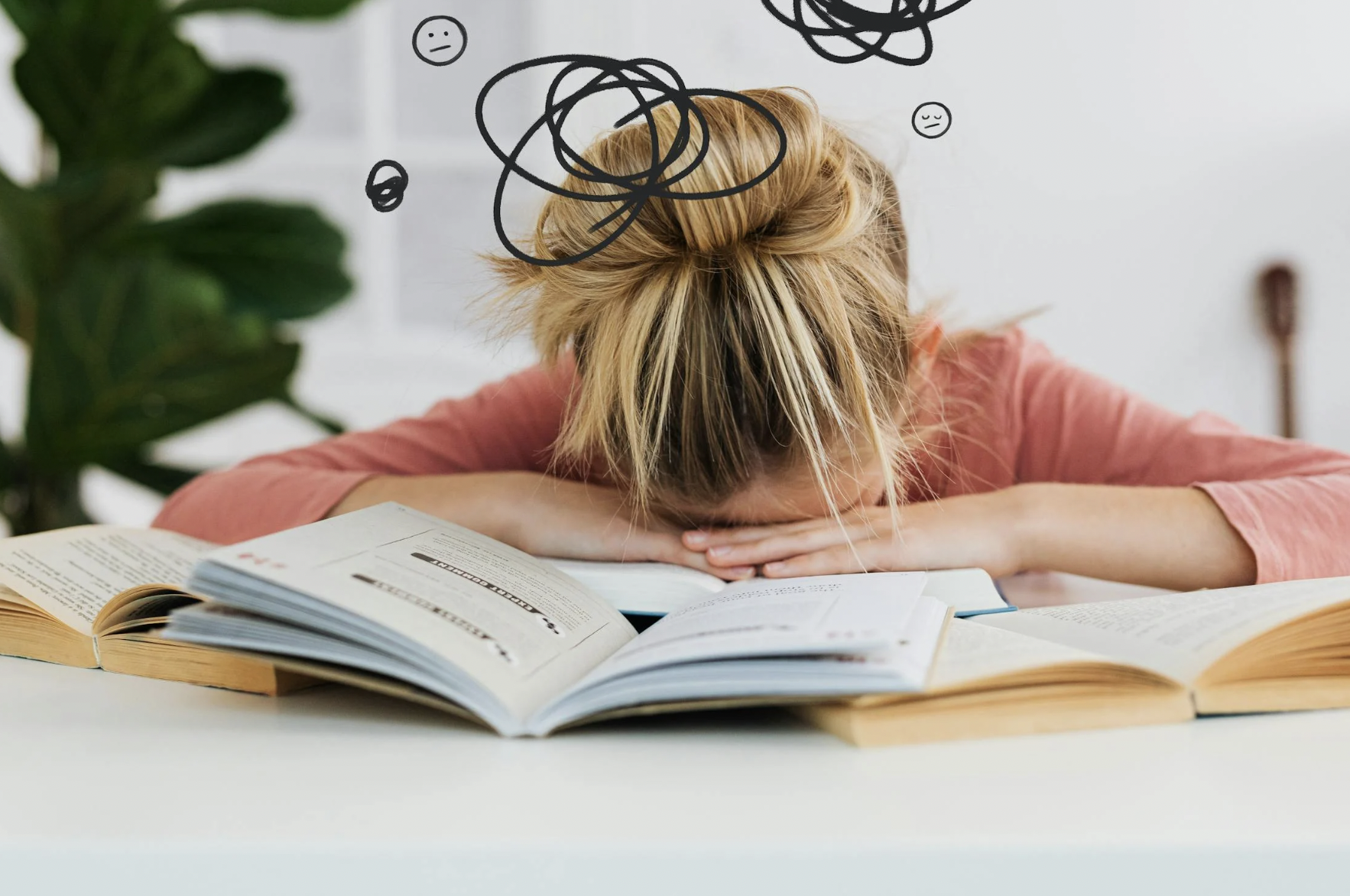
Yet, no amount of research or preparation could completely diminish her imposter feelings and when she began her studies, they surfaced.
“My fellow students naturally asked me ‘What was your first degree in?' And I could feel my tummy doing flips going ‘I don’t have one!' So I fessed up to not having a first degree and their surprise meant that I felt those feelings of ‘Oh my goodness I shouldn’t be here I can’t do this,’ even more intensely." - Dr Kate Atkin
Despite feeling like an ‘imposter,’ Kate's academic success demonstrated she was more than capable of working towards her Masters and she achieved a distinction in her first essay.
Rather than feeling reassured by this result though, Kate's anxiety only grew – she was convinced her work had been marked incorrectly.
Kate's imposter voice was getting louder.

Pexels: Kaboompics
Pexels: Kaboompics
Then came a moment of revelation...
Kate discovered an academic article that not only described and explained the feelings she was experiencing, but also gave her a term to identify them:
The Imposter Phenomenon
"When I read Clance and Immes' article, I felt like I ticked all of the boxes and it led me to go back to areas in my own life where I may have experienced it [the imposter phenomenon] probably since my teenage years."
- Dr Kate Atkin


Pexels: Kindel Media
Pexels: Kindel Media
So what is the imposter phenomenon?
The Imposter Phenomenon:
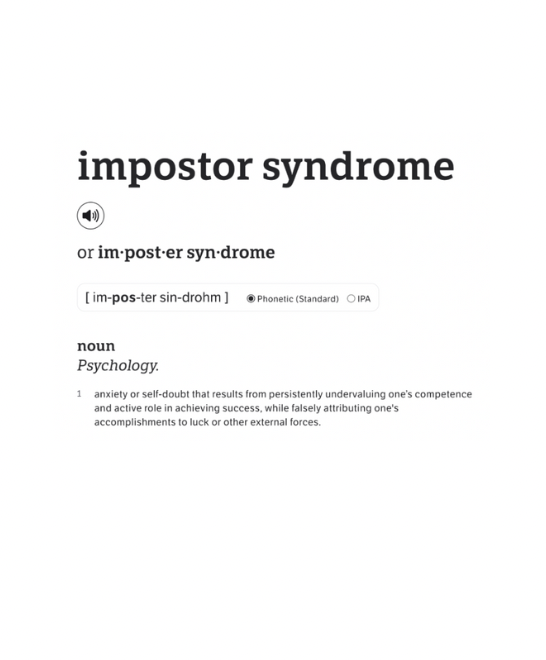
Coined by American clinical psychologists Dr. Pauline Clance and Dr. Suzanne Imes, the Imposter Phenomenon, often anointed the imposter syndrome, describes an intense feeling of phoniness, despite the external evidence of success.
Research estimates that 70% of people will experience at least one episode of this Impostor Phenomenon in their lives" (Gravois, 2007).
In the article, “The Imposter Phenomenon in High Achieving Women: Dynamics and Therapeutic Intervention” (1978) Clance and Imes published the findings of their study which involved a sample of young women, who, despite having a history of outstanding academic success, persistently felt they were not bright and merely 'fooled' anyone who thought otherwise.
"Despite outstanding academic and professional accomplishments, women who experience the impostor phenomenon persist in believing that they are really not bright and have fooled anyone who thinks otherwise."
Despite the term being coined in 1978 and subsequent research on the imposter phenomenon, it only entered the Oxford English Dictionary in 2017.
When Kate discovered her feelings were not felt in isolation and were distinguishable as a psychological phenomenon, she decided to research the imposter phenomenon further.
Fast forward to today, Kate Atkin is now Dr Kate Atkin, having attained a PhD in July 2024.
She is also the author of The Confidence Manager, has spoken internationally in countries including America, Finland, France, Germany, Ireland and Outer Mongolia, and is guiding others on how they can also manage their inner imposter.

A phenomenon or a syndrome?
What do the statistics show?
Ways we may experience imposter feelings:
There are numerous ways we can experience imposter feelings including: feeling like a fraud, whether it be in our work and academic environments or even friendship groups.
Other feelings may be questioning our skills and abilities, despite the external evidence of success.
Self-doubt and comparing one's self to others is another way you may encounter imposter feelings.
Statistics:
According to data published by YouGov, one-fifth of Britons think their peers are more intelligent than they are.
Two-thirds of Britons said they have difficulty accepting compliments and praise, which can both lead to imposter feelings.
Source: You Gov
A survey of 5,000 individuals by Executive Development Network found Generation X and people in their 60s had experienced imposter syndrome less than younger generations including Generation Z and millennials.
Source: EDN
The indiscriminate nature of the imposter voice
While the inner imposter can make an individual feel isolated and like they are the odd ones out, in reality, the phenomenon does not discriminate. From actors to authors and activists, many have experienced imposter feelings at some point - even Albert Einstein!

Credit: York College ISLGP,
Credit: York College ISLGP,
Maya Angelou
Image; https://commons.wikimedia.org/wiki/File:Maya_Angelou_visits_YCP!_2413.jpg
American memoirist, poet, and civil rights activist said:
"I have written 11 books, but each time I think, 'uh oh, they're going to find out now. I've run a game on everybody, and they're going to find me out."
Article links:

Georges Biard
Georges Biard
Jodie Foster
Image: https://commons.wikimedia.org/wiki/File:Jodie_Foster_C%C3%A9sars_2011_%28cropped%29.jpg
After winning an Academy Award for Best Actress for her role in The Accused, Foster said:
"I thought it was a big fluke... The same way when I walked on the campus at Yale, I thought everybody would find out, and then they'd take the Oscar back."
https://www.cbsnews.com/news/jodie-foster-on-nyad-and-true-detective-night-country/

Dick Thomas Johnson
Dick Thomas Johnson
Tom Hanks
Image: https://commons.wikimedia.org/wiki/File:Tom_Hanks_2016.jpg
In an interview on the podcast Fresh Air in 2016, two-time Oscar winner actor said:
"No matter what we've done, there comes a point where you think, 'How did I get here? When are they going to discover that I am, in fact, a fraud and take everything away from me?'"
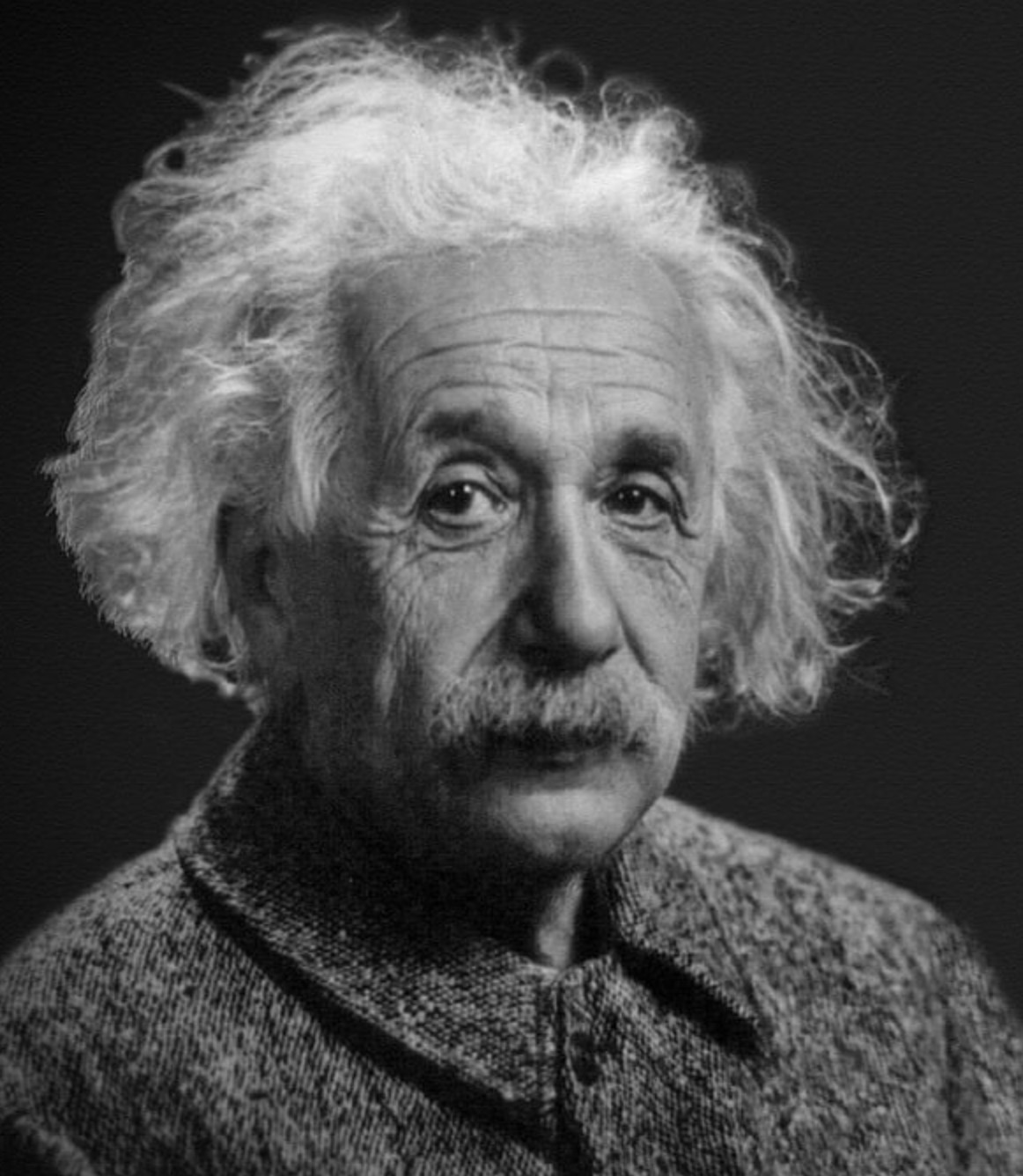
Albert Einstein
Image: https://picryl.com/media/albert-einstein-portrait-theoretician-physician-people-750b49
He was reported to have said this shortly before he died in 1955:
“The exaggerated esteem in which my lifework is held makes me very ill at ease. I feel compelled to think of myself as an involuntary swindler.”
https://www.henley.ac.uk/news/2021/was-albert-einstein-an-imposter
Imposter syndrome and the role of social media
With the popularisation of sharing successes and daily routines on social media, the digital world has exacerbated imposter feelings, especially among young people.
Emily Donald, 19, said social media and its perpetuation of unrealistic expectations had a lot to answer for, including some of her imposter feelings.
"Imposter syndrome can feel, like no matter what you do, no matter how good life,is there is always that little tiny monster in the back of your mind whispering to you about everything you can’t do correctly and the worst part is that you often can't control how loud it gets."
Emily further explained that she often found day in the life videos on social media made her feel particularly self-critical and exacerbated her imposter feelings.
"I think social media can massively impact anxiety and raise imposter feelings. It can cause you to never truly be able to switch off from this fake version of yourself online as you constantly overthink, sending your brain into overdrive." -Emily Donald

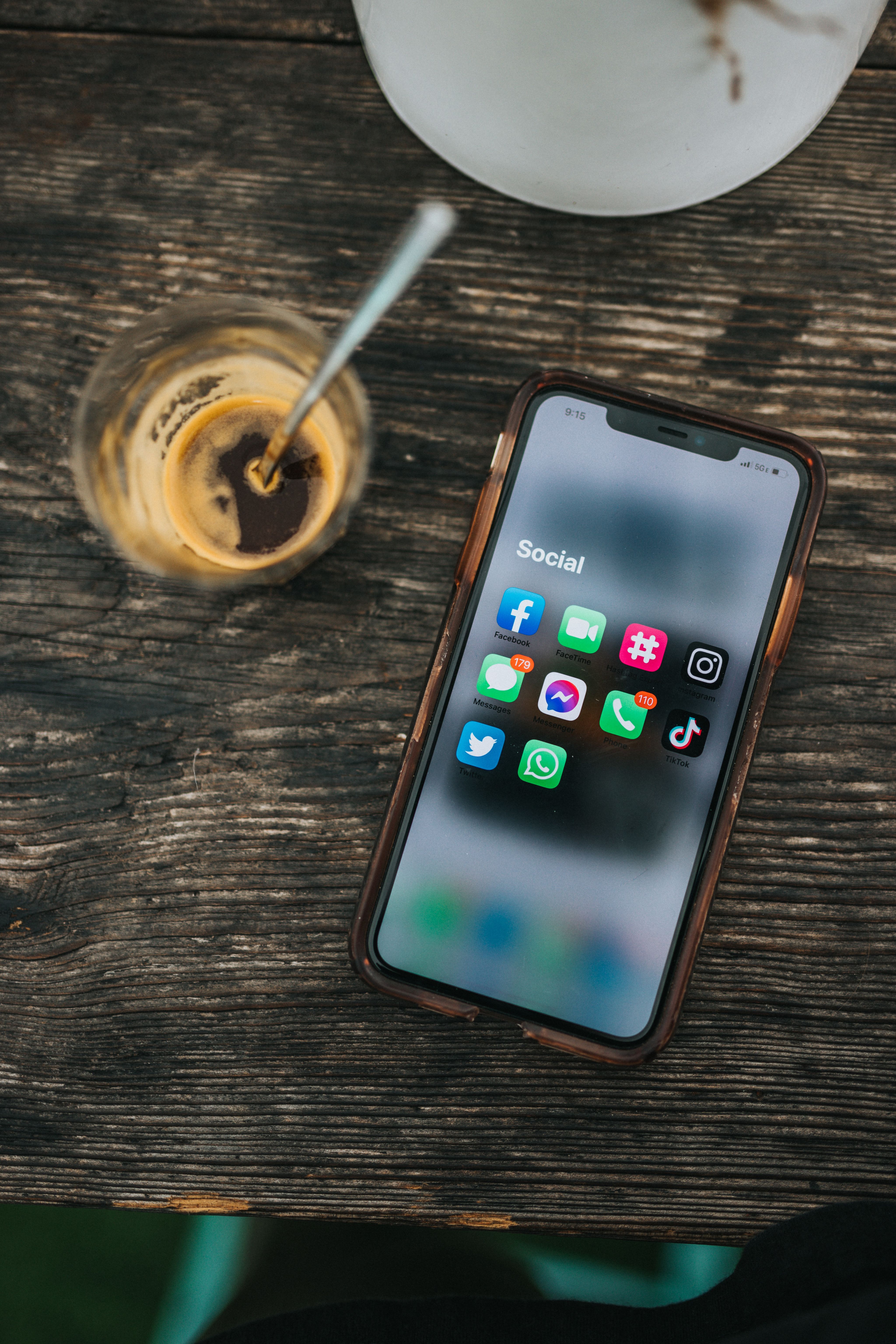
What role do social media and societal expectations play in our imposter feelings?
Coaching and Available Support :
The body of research on the psychological impacts and ways in which imposter feelings can manifest in day-to-day life has and continues to expand.
There are now a series of readily accessible articles and informative sites online regarding the topic and professional coaching available to offer coping tools.


Photo by KOBU Agency on Unsplash
Photo by KOBU Agency on Unsplash

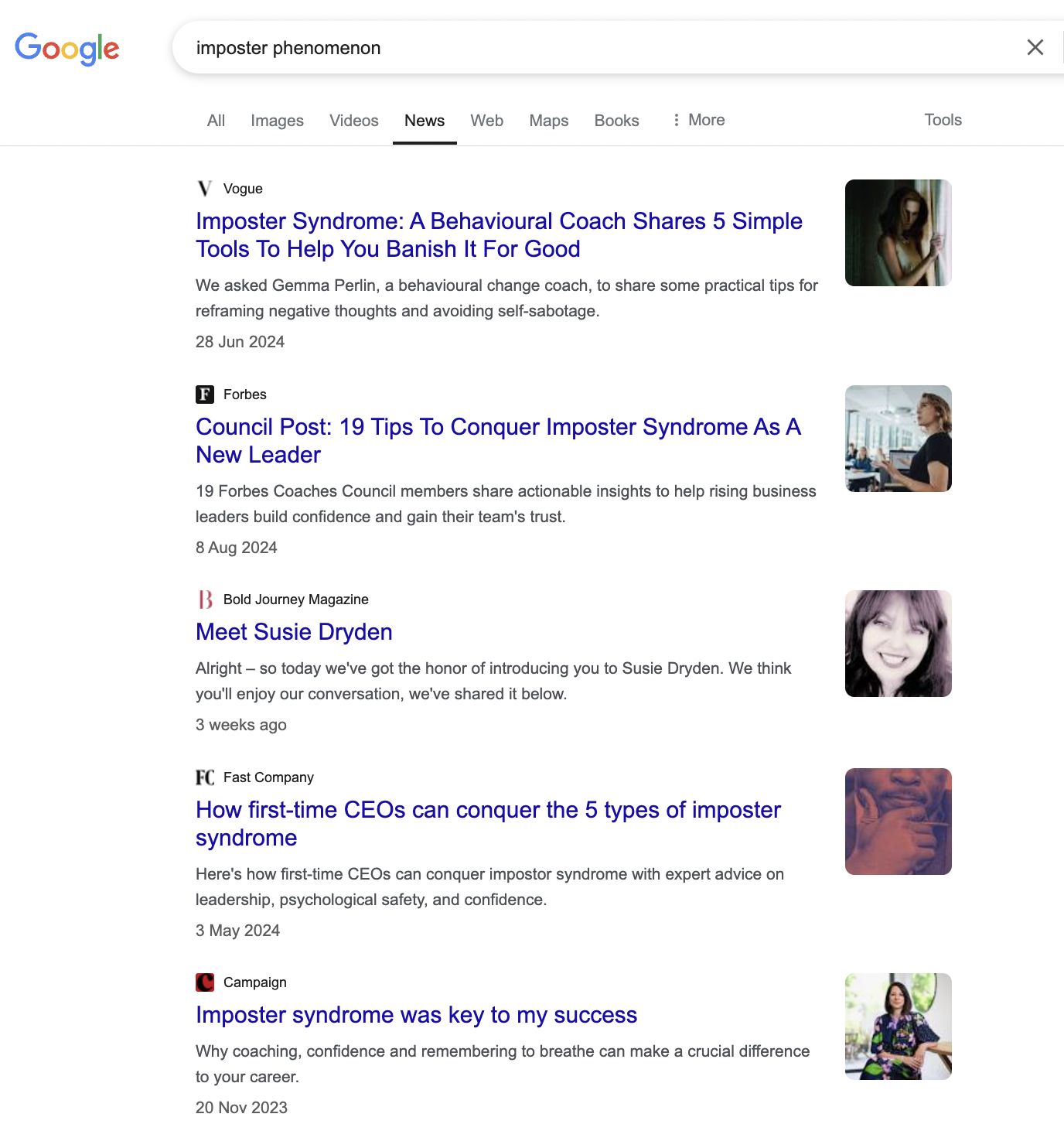
Amy Cotterill is a certified imposter syndrome and career coach who helps individuals better understand and navigate their inner imposters.
Like Kate, before she began supporting others with their imposter feelings, Amy dealt heavily with her own.
During her time in a leadership role at the time, Amy explained she would often have to report to the C-suite (where executive-level managers within a company are) and regularly had meetings added to her calendar.
Instead of recognising these as a routine part of her job—which they were—a wave of panic would wash over her, leading her to fear the meetings would be critical of her work.
" I just went into a dreading feeling of 'Oh God, they've realised... they've realised that I'm not good enough. I'm not as good as they thought I was,' and it took a huge toll on me and how I kind of perceived my performance." - Amy Cotterill
Despite feeling anxious about her performance at work, it never came up as an issue with her boss.
At the time, Amy didn't have a term to identify her feelings as imposter thoughts.
She explained that it was at a networking event that she realised her feelings were not only shared by others but they even had a name.
Describing how she felt out of her depth to someone at the event, and that she didn't belong and felt she wasn't good enough, she was met with the response "Oh yeah, imposter syndrome, we all have that".
"I looked imposter syndrome up, and I was like, okay, I have imposter syndrome. But knowing that at the time, without the tools to help, and where I was in my head space, it didn't kind of help alleviate it."
After deciding to pursue a career change, Amy got her coaching license and has continued to implement teaching strategies for dealing with imposter feelings in her coaching.
Why do we experience imposter feelings?
"We should befriend it (our imposter voice) and get to know it because that voice is a part of us at the end of the day."
- Amy Cotterill
How can we learn to manage our inner imposter?
Befriending the imposter voice rather than silencing it
USEFUL SITES AND LINKS :


 Built with Shorthand