
The Menopause Knowledge Gap
How ignorance of menopause impacts women, the workplace, medicine and the socio-cultural landscape
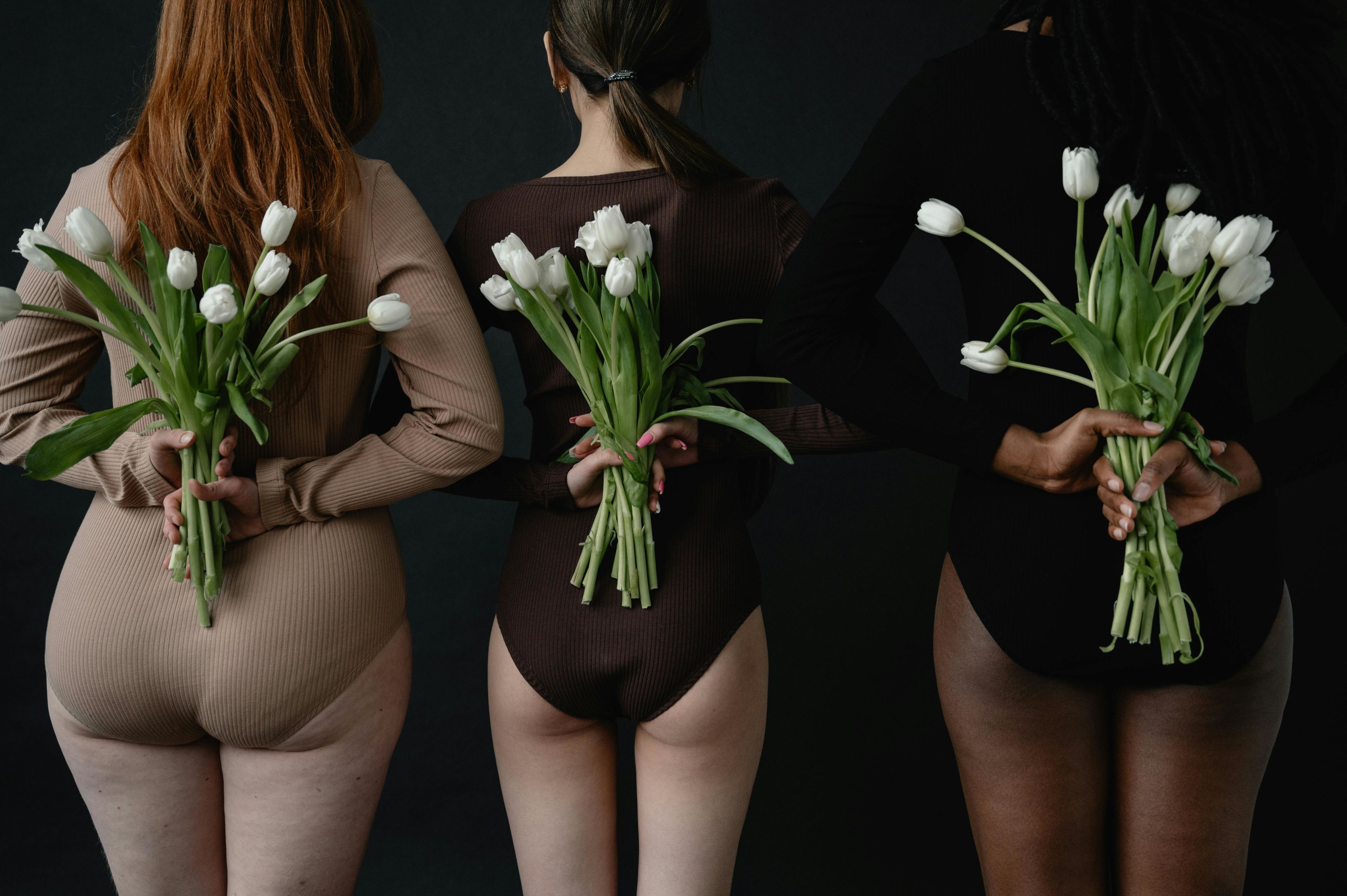

Over half of the UK’s population - totalling 34 million - are affected by the menopause.
And yet, over one in four women, and almost two in three men know “not very much” or “nothing at all” about it, according to a 2021 YouGov poll of 2970 adults in Great Britain.
“How can you go into a major life event without understanding it? It's really not rocket science.”
Lack of education can lead to feelings of isolation and anxiety, accidental misdiagnoses and an exodus of healthy women from the workplace. Charities are stepping in to plug the gap, but so are people spewing misinformation.
The menopause is the moment when an individual stops having periods permanently, measured as having gone 12 months without menstruation.
However, symptoms associated with menopause may begin several years before periods cease during a period called the perimenopause, meaning "around menopause".
Menopause manifests differently in each person, with around 1 in 10 not experiencing any symptoms.
Some women, however, have more access to relevant information about their symptoms than others.
Credit: RF._.studio _: on Unsplash
Isolation
"When I began experiencing menopause at 43, I was met with a wall of silence"
These are the words of Nina Kuypers, founder of Black Women in Menopause.
When she became menopausal, she experienced vasomotor symptoms such as hot flushes and night sweats, along with other common menopausal changes including fatigue, joint pain, and alterations to her skin and hair.
But seeking information online was difficult.
“The resources I found didn’t reflect my reality as a Black woman", said Kuypers.
"The dominant narratives were overwhelmingly white, and the few platforms that did feature Black women often felt tokenistic or superficial”, she added.
“This lack of diversity wasn’t just frustrating, it was isolating.”
Confusion
For those seeking information online, resources can be scarce or misleading.
A 2023 paper from the British Journal of General Practice notes that UK research exploring the menopausal experiences of ethnic minority women is limited and “largely confined to journalism, charities, and advocacy blogs from women in the ethnic minority community.”
The NHS cites the average age of menopause onset as 51 in the UK.
For Black women, the average age is closer to 49.6, and for Indian and Pakistani women, the average age is lower still, at 46.7 and 47.2, respectively.
The naming of Hormone Replacement Therapy (HRT), a popular treatment prescribed for menopausal symptoms in the UK, is also confusing for many.
Joyce Harper, Professor of Reproductive Science at University College London, finds the term misleading on two fronts: first, it implies that hormones are being ‘replaced’ in the body, which is not the case, unless one is going through early menopause.
Second, it is a confusing term for people undergoing hormonal gender transition, as the terms are not clearly distinguished.
Many experts, therefore, would like to see the term changed to Menopausal Hormone Therapy.

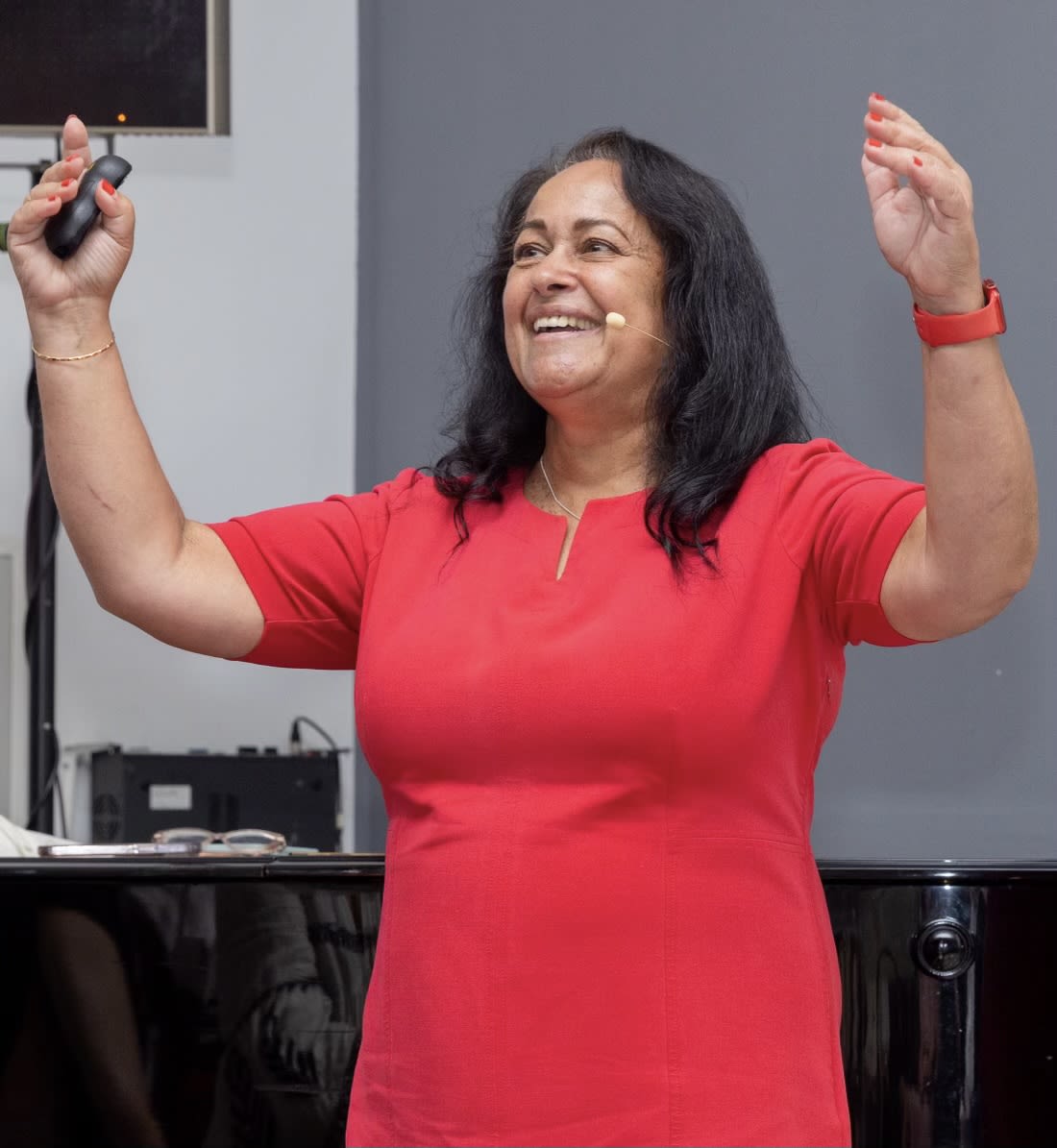
Professor Harper is passionate about educating people on how to live happier and healthier lives. Credit: Joyce Harper
Professor Harper is passionate about educating people on how to live happier and healthier lives. Credit: Joyce Harper
A sense of confusion and lack of understanding is not confined to the general public.
Findings from a 2022 report by the Women's Rights charity Fawcett Society suggest some medical practitioners are also undereducated concerning menopause.
They found that 31% of women agreed or strongly agreed that it took many appointments for their GP to realise they were experiencing the menopause or perimenopause, rising to 45% among Black and minoritised women and 42% among women with five or more severe symptoms.
Loss of confidence
Dr Katherine Jones, a GP working in Scotland, believed she was developing early-onset dementia.
Her mind was muddled, she would forget simple things and could not do simple functions like packing lunches.
Her children would refer to “mum’s dementia”.
The loss of memory affected Dr Jones' confidence, and she considered leaving medicine.
At the time, Dr Jones believed the changes to her memory and mental functions were permanent.
She did not realise that brain fog, forgetfulness and the ensuing loss of confidence could be considered menopausal symptoms.
Dr Jones said: “I guess I just thought about the menopause with hot sweats. And I never really had hot sweats, so that's why it kind of passed me by a bit, really, because I didn't have any of those vasomotor symptoms”.
“I'd basically completely written myself off, that I was useless, couldn't learn anything, too old, had no value. And it was totally destroying my confidence”.

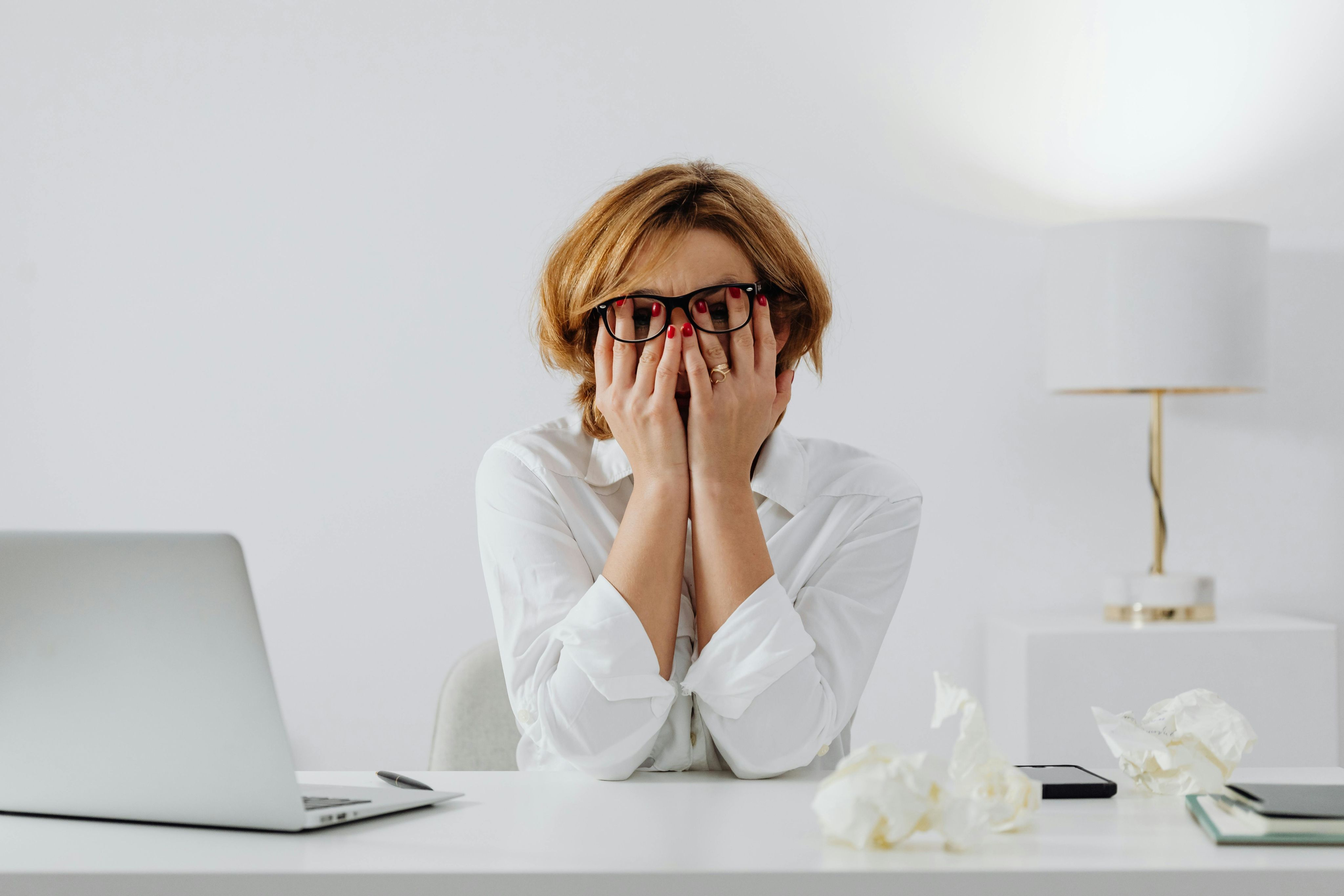
Some women experience brain fog and forgetfulness. Credit: Kaboompics on Pexels
Some women experience brain fog and forgetfulness. Credit: Kaboompics on Pexels
Leaving the workplace
Dr Jones is not alone in feeling a loss of confidence and ability to complete her job.
In the UK, 1 in 10 women permanently leave the workforce due to their menopause symptoms.
Dr Jones felt a huge sense of relief when she realised that her forgetfulness was not permanent but rather part of the menopausal transition.
As little as two years ago, a change in cognitive functions, such as difficulty remembering certain words or feeling a lack of confidence, would not have been considered possible effects of menopause.
Dr Jones summarises neuroscientist Lisa Mosconi's findings on neuroplasticity and the menopause, and discusses the impact of a lack of education.
Dr Jones summarises neuroscientist Lisa Mosconi's findings on neuroplasticity and the menopause, and discusses the impact of a lack of education.
Misdiagnosis
Looking back at her practice, Dr Jones believed she likely misdiagnosed some patients when their symptoms may have been explained by menopause.
She said: "It's not something I would have thought of before. If I saw a woman for the first time in middle age presenting with mental health problems - anxiety, depression, feelings of low self-worth - I never would have thought of the menopause as an explanation for that."
In a survey of doctors led by the British Menopause Society, nearly three-quarters of doctors believed newly qualified healthcare practitioners had not been given enough education about the menopause, and that individuals do not have adequate access to menopause services.
This education gap is being plugged by charities and community organisations. Groups are founded out of necessity to provide valuable information and validation, particularly for people who feel unseen by mainstream menopause discourse.
Grassroots awareness
BLACK WOMEN IN MENOPAUSE
Kuypers founded Black Women in Menopause because she saw a glaring gap in representation, support, and culturally relevant information for Black women navigating the menopause journey.
She added: "Black Women in Menopause is a safe, affirming community where we can share our stories, access relevant information, and stand in our truth.”
Credit: Black Women in Menopause on Instagram
TALKS
Kuypers organises free educational talks and workshops led by Black health professionals, pharmacists and dieticians. They focus on challenges faced by Black women during menopause.
Responses to the programme have been overwhelmingly positive, with the most common emotions being ones of relief, gratitude and validation.
Credit: Black Women in Menopause on Instagram
PODCAST
Professor Harper started the podcast ‘Why Didn't Anyone Tell Me This?’, which discusses and debunks myths surrounding women’s health, including menopause, and co-founded the UK's first national menopause education programme InTune which runs online sessions to educate people about menopause.
Credit: JoyceHarper.com/podcasts/
IN-PERSON EVENTS
The charity Cysters hosts events like ‘Hot flushes and paint splashes’ for people from marginalised communities to come together and learn about the menopause in a relaxed environment.
Credit: Cysters on Instagram
Misinformation
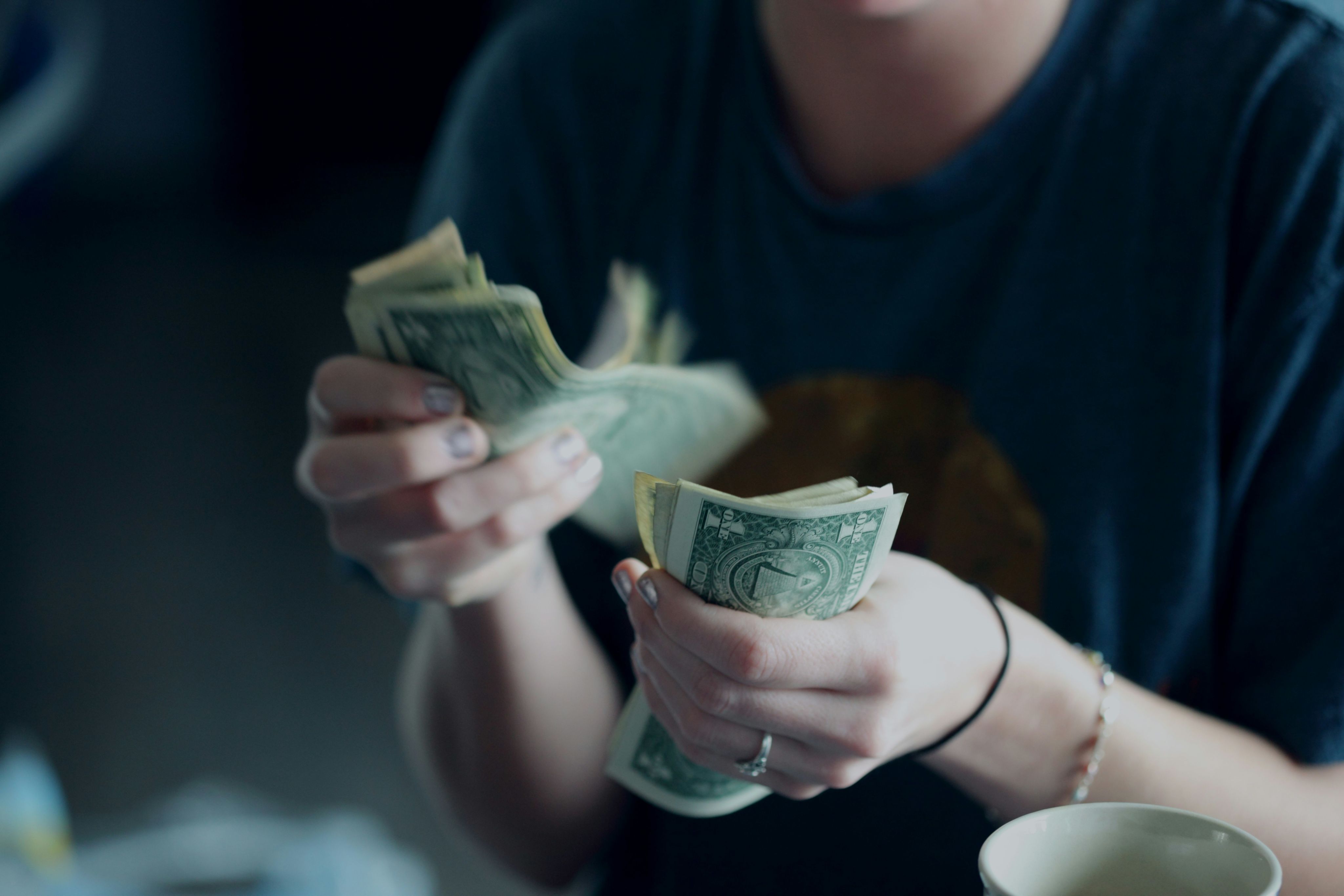
Unfortunately, the gap in information and education has also opened the floodgates to misinformation and, increasingly, the commercialisation of the menopause.
"Menopause is seriously trending”, said Professor Harper. "I think they [advertisers] have realised that middle-aged women have more money [...] than other women", she added.
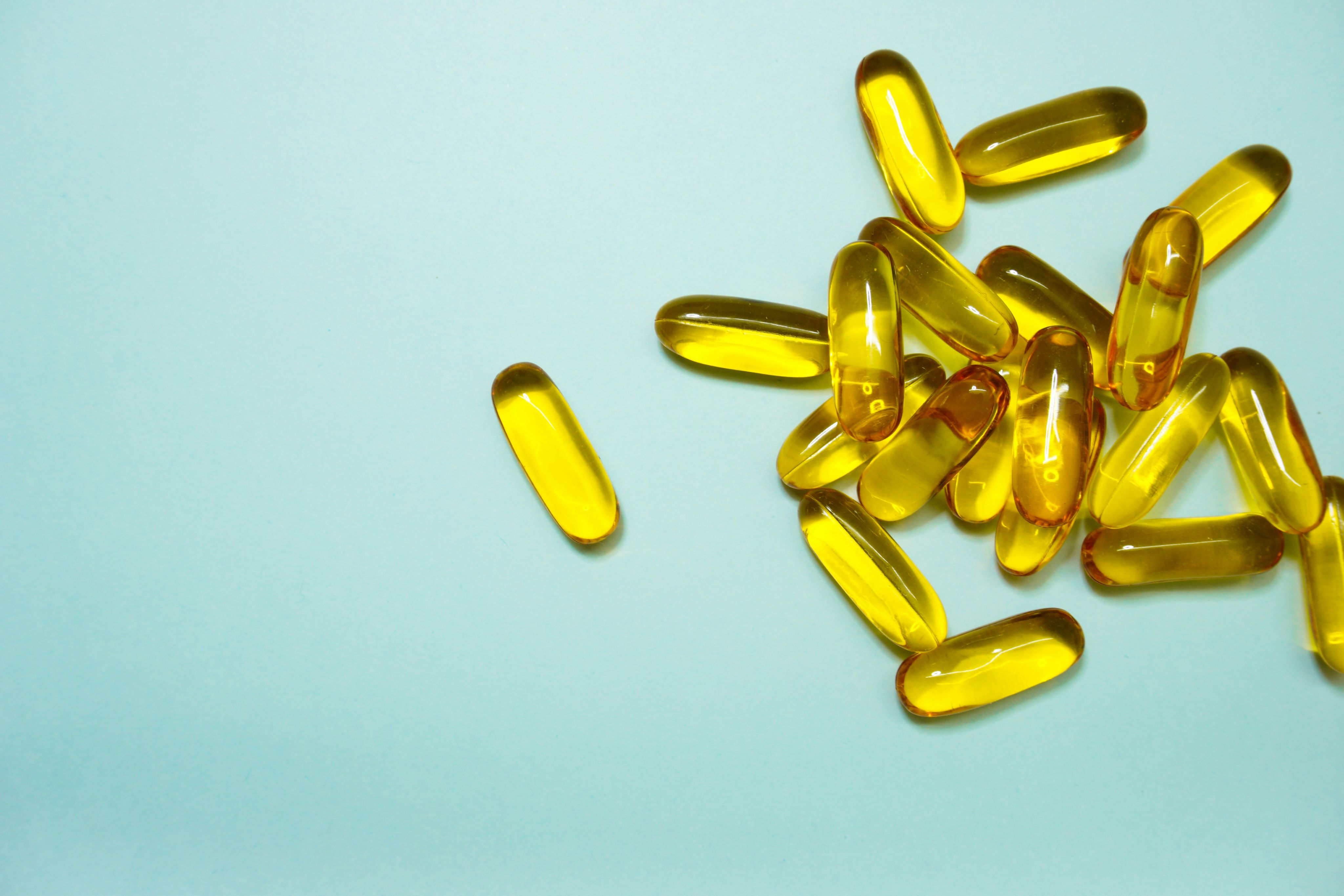
"Everyone's trying to sell a supplement, or clothing, or a bar of chocolate with menopause written on it... crazy, ridiculous things".
Instagram influencers and celebrity doctors peddle inappropriate diets, dodgy supplements and dubious hormone treatments. Harper calls it the Wild West of the menopause and considers it, alongside lack of education and workplace support, one of the biggest issues surrounding the menopause today.
Nearly 80% of British Medical Society members see women getting their information from social media, and nearly 50% from influencers, according to a 2024 survey.
78% spend additional time correcting misinformation.
64% see women buying products/services that aren’t clinically verified.


What now?
Schools in the UK added menopause to the curriculum in 2019 and the 2024 Employment Rights Bill required workplaces to produce action plans for supporting people going through the menopause. In April 2025, the government created the first-ever Menopause Advisory Board to support menopause provision in the workplace.
Progress is not shared equitably, however. Kuypers said: “Dominant narratives continue to centre white, often middle-class women, leaving the rest of us to navigate this transition in silence.”
“If only one group is studied or represented, others may receive inadequate or inappropriate care”, she added.
Medical research and public policy founded on a narrow understanding of menopause will fail to serve the whole population and increase systemic inequality.
But specialised research, culturally specific resources and more inclusive discussions will fight systemic inequality and help normalise a broader range of experiences, reducing stigma for everyone.
Use of the term 'woman'
I have used 'woman' to refer to anyone assigned female at birth in line with the use of the term 'women's health' to discuss issues around menopause and menstruation. I acknowledge that not everyone who experiences menopause identifies as a woman. Where possible, I have referred to ‘people’ rather than ‘women’ to be as accurate and inclusive as possible, but have also used ‘women’ when not to do so would involve inappropriate generalisation.
 Built with Shorthand