
The rise
of Britain's
anti-monarchist movement
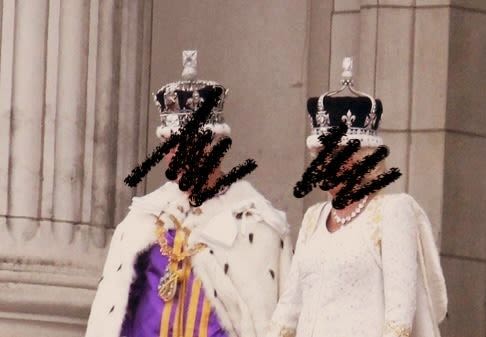

Three years after the death of Queen Elizabeth II and two years after the coronation of King Charles III, anti-monarchist movements in the United Kingdom are once again making headlines.
Their renewed media visibility comes amid fresh controversy surrounding Andrew, the King’s younger brother, long accused of sexual assault and linked to the late American financier Jeffrey Epstein, who died in prison in 2019.
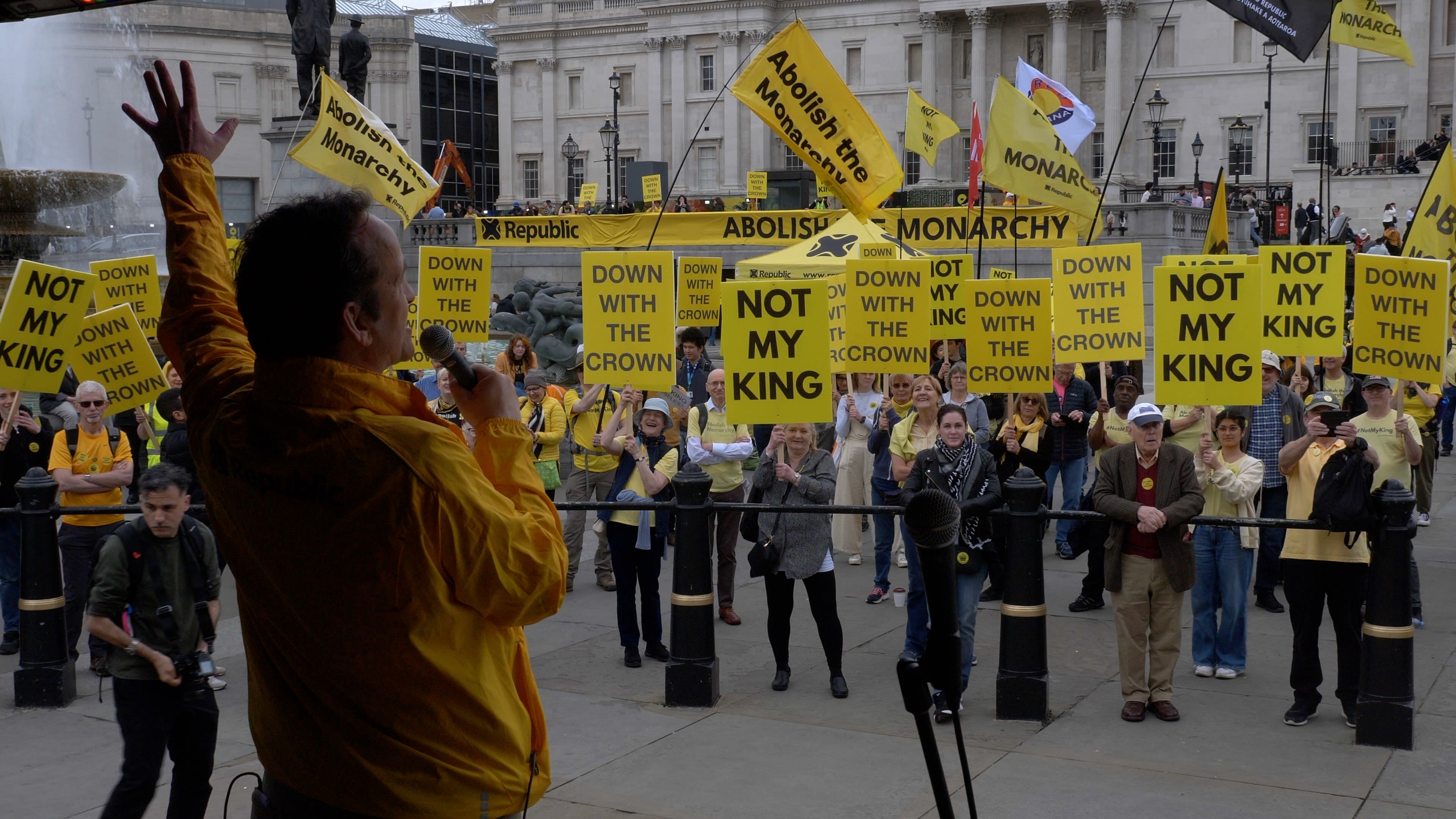
Legal actions, social media campaigns, lobbying efforts and protests - during which on average between 100 and 1,000 people participate - are multiplying. In June, for example, a hundred participated in the Trooping the Colour Protest.
Each initiative, led by various republican groups, seeks to persuade the British public, and eventually the government, that the monarchy has no place in a modern democracy.
Yet, for now, their success depends largely on winning over public opinion, which remains deeply divided.

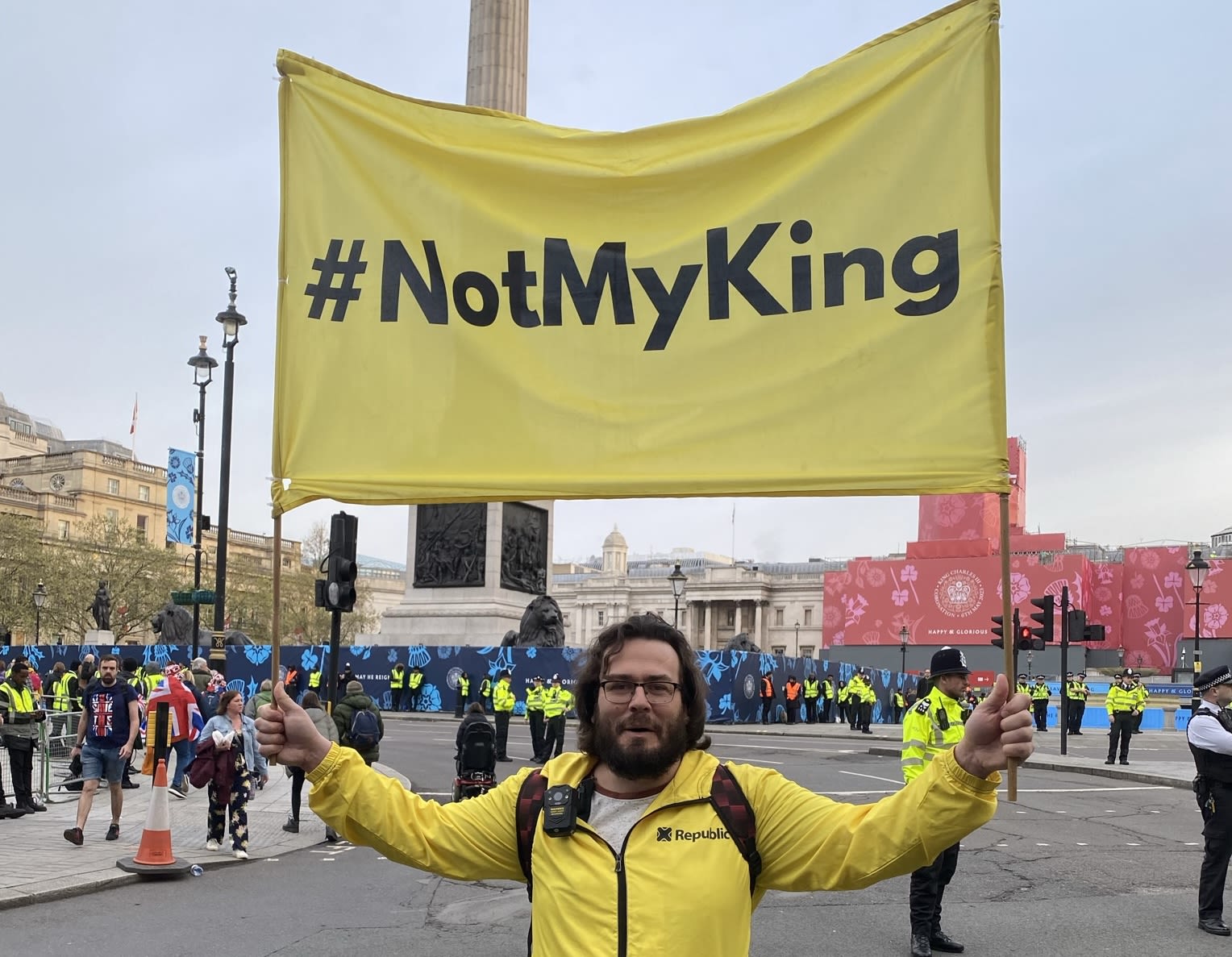
Protester during the demonstration organised by Republic for the Coronation Day in May 2023 (Credit: Ben Clinton)
Protester during the demonstration organised by Republic for the Coronation Day in May 2023 (Credit: Ben Clinton)

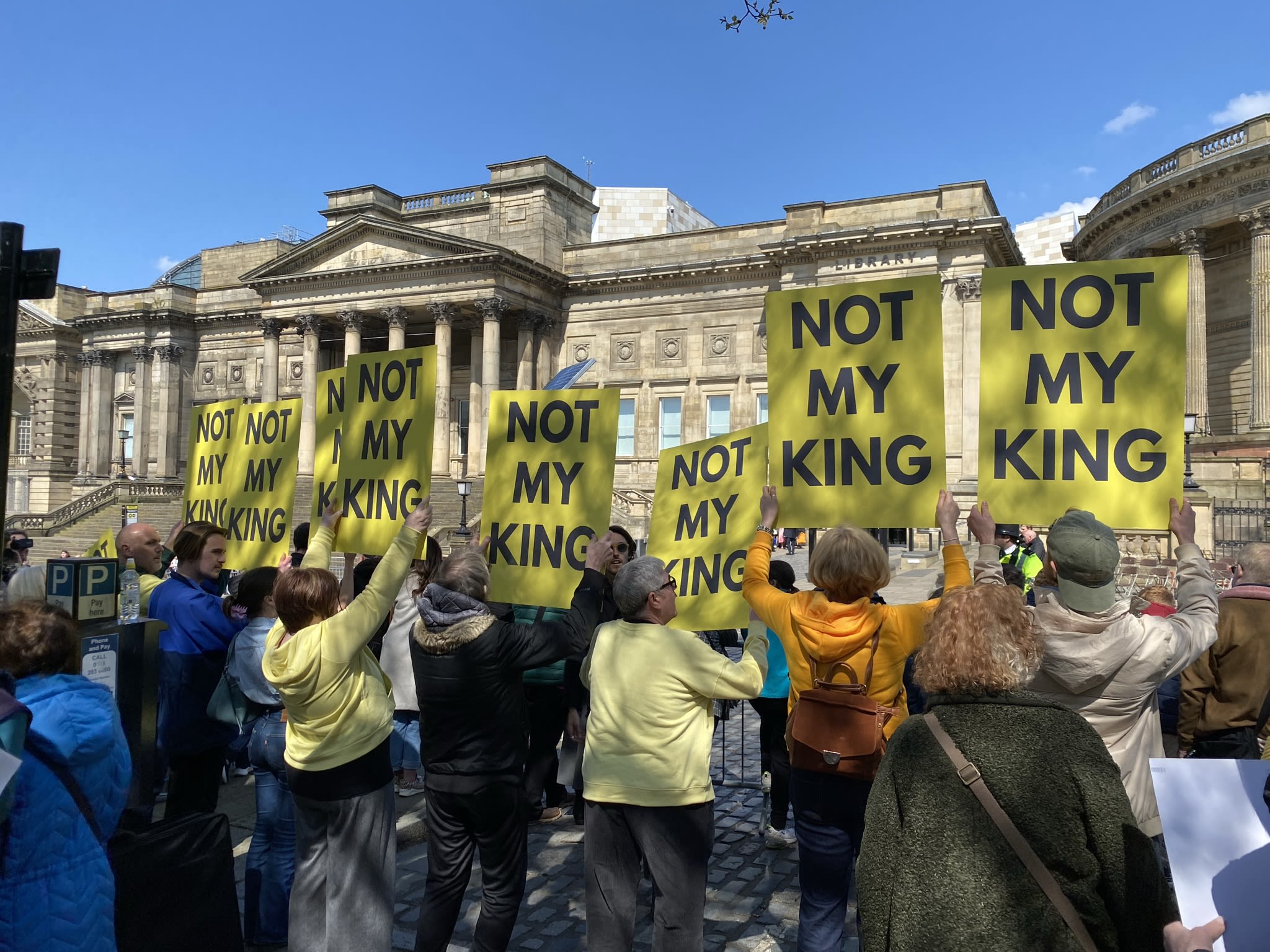
Republic protest in Liverpool in April 2023 (Credit: Ben Clinton)
Republic protest in Liverpool in April 2023 (Credit: Ben Clinton)
Who are the
anti-monarchists?

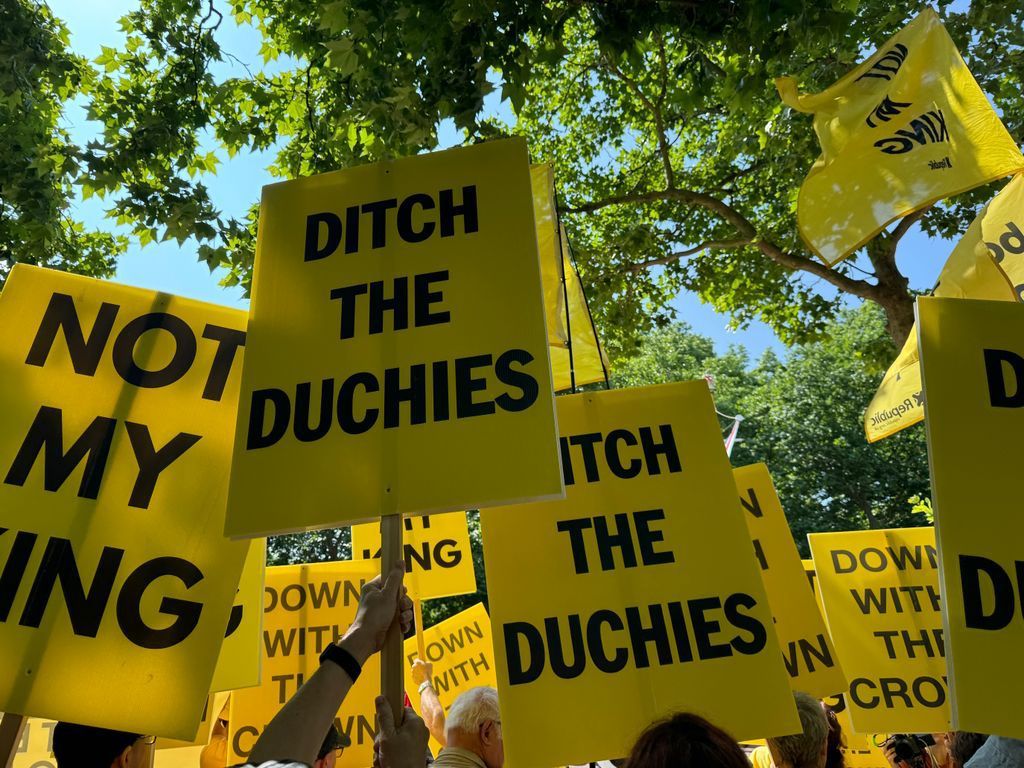
At the forefront of the campaign stands Republic, a movement founded in 1983 by a handful of activists.
For more than two decades, it struggled to gain attention but that changed in 2006, when Graham Smith took over as chief executive, transforming Republic into a more structured and vocal organisation.
Smith, a staunch republican, argues that monarchies are “by definition” undemocratic.
He said: “Of all the European monarchies, ours is probably the worst. It is corrupt and secretive, holds the British people in contempt, and concentrates too much power in the hands of the government at the expense of Parliament and the people.”
According to the republican, if the royal family had to stand for election, “they would have been thrown out years ago.”
Republic now claims 80,000 members and over 140,000 registered supporters, numbers that have risen sharply since Queen Elizabeth’s death and the renewed scrutiny surrounding former prince Andrew.
Republic is not alone in calling for change. Within the Labour Party, a smaller organisation, Labour for a Republic, founded in 2011, promotes the same goal through a more political and strategic approach.
The group counts around 300 paying members and 1,500 supporters, focusing on internal lobbying rather than public demonstrations.
Ken Ritchie, a former Republic member and now board member of Labour for a Republic, explained: “We don’t try to replicate what Republic does by organising big street protests.
"We tell our members to attend and support them, but our aim is to foster discussion within Labour about the benefits of an elected head of state versus a monarchy.”
Ritchie added that the movement’s focus is on grassroots influence.
He said:“The Prime Minister and Cabinet won’t listen to us directly, so we start from the bottom up, within local constituency parties across the country.”

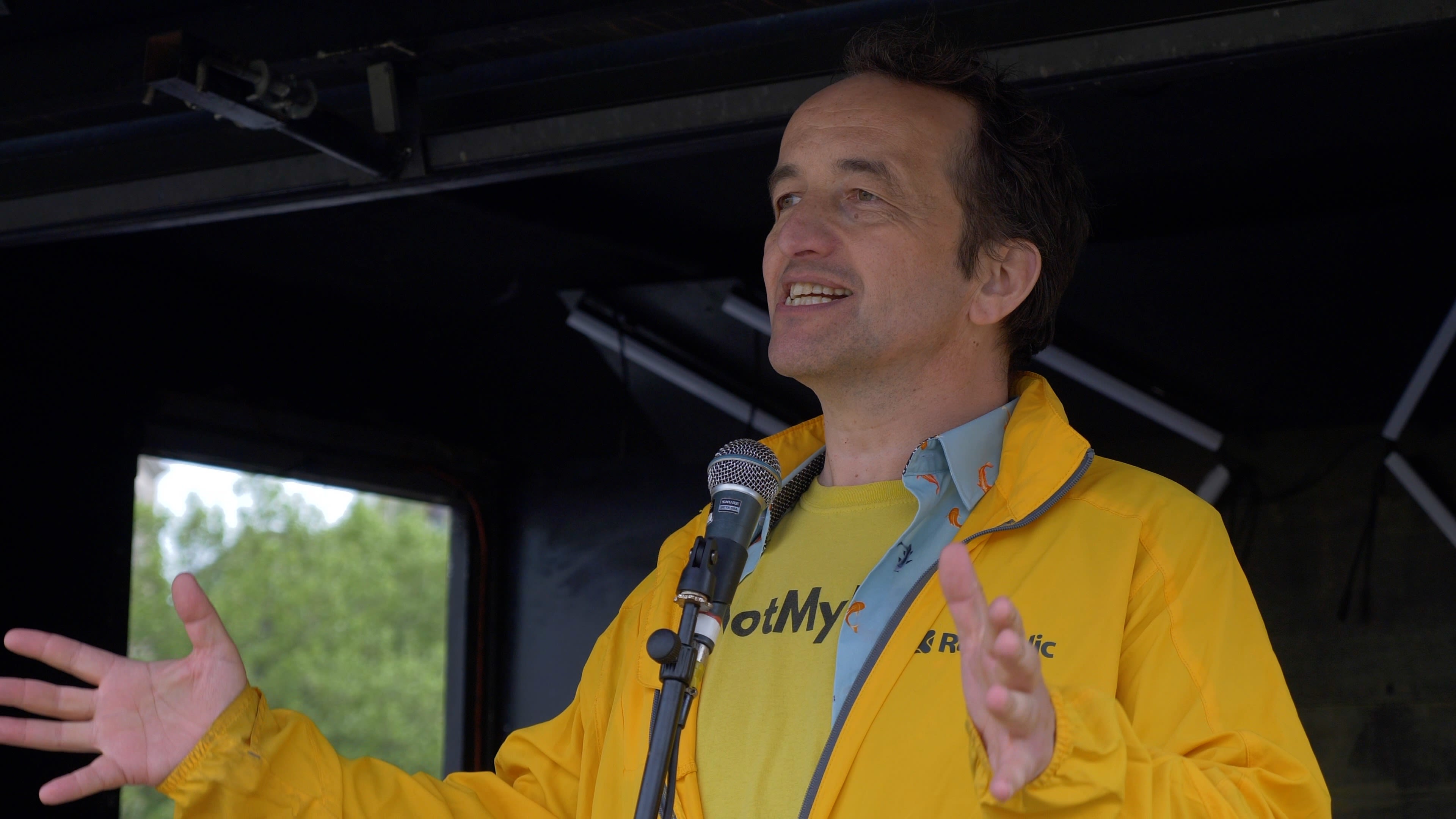
Graham Smith, CEO of Republic (Credit: Rikki Blue)
Graham Smith, CEO of Republic (Credit: Rikki Blue)

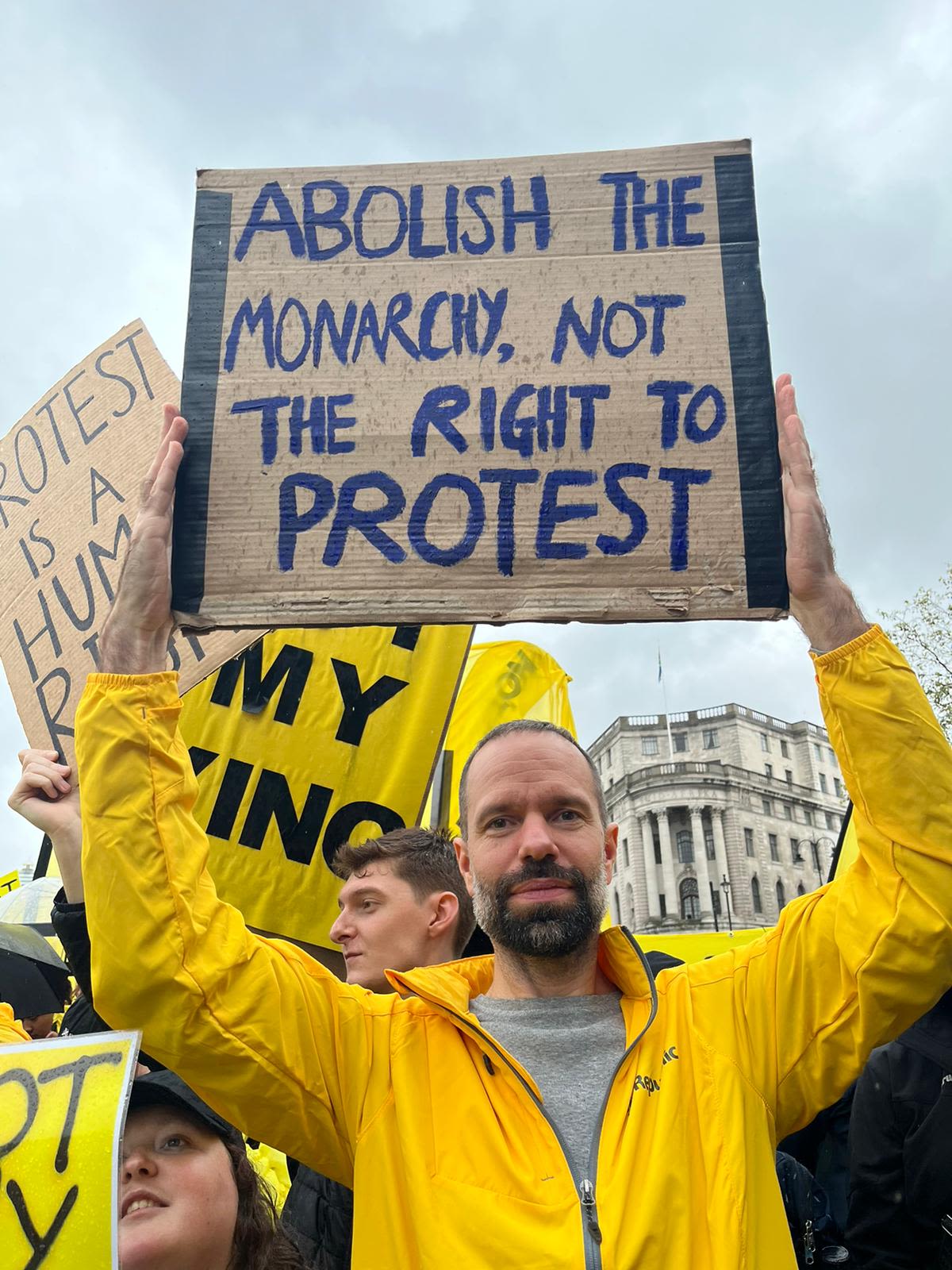
Protest during the coronation, in May 2023 in London (Credit: Bram Van Montfoort)
Protest during the coronation, in May 2023 in London (Credit: Bram Van Montfoort)

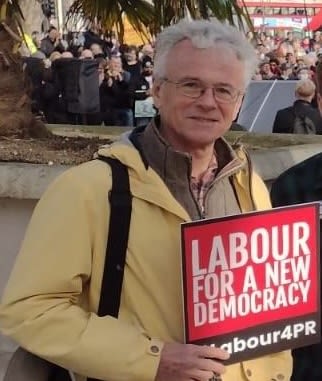
Ken Ritchie, member of Labour for A Republic (Credit: Ken Ritchie's Facebook)
Ken Ritchie, member of Labour for A Republic (Credit: Ken Ritchie's Facebook)
Video of the Republic protest during the Opening of the Parliament in November 20023 (Credit: Ben Clinton/Edited by Leila Lamnaouer)
Video of the Republic protest during the Opening of the Parliament in November 20023 (Credit: Ben Clinton/Edited by Leila Lamnaouer)
A growing sense
of discontent



A subtle yet significant shift may be underway in Britain’s relationship with its royal family, according to Smith.
He said: “The number of anti-monarchists has grown. There is palpable public anger about the royals.”
He points to King Charles III’s visit to Lichfield in late October as a sign of this changing mood.
During the visit, the monarch was heckled by a bystander who shouted questions about his brother Andrew’s alleged misconduct and the government’s reluctance to debate the issue in Parliament.
Even stripping Andrew of all his titles, Smith argues, is not enough. He added: “Such serious accusations of criminality cannot be dealt with simply by moving to a different house or changing royal titles.
“If the royals aren’t properly challenged, the public will increasingly voice their anger wherever they go.”
Recent surveys appear to support Smith’s observations. A Savanta poll commissioned by Republic in late October found that support for the monarchy had fallen below 50% for the first time. Only 46% of respondents said they support the monarchy, while 39% opposed it.
Strikingly, 76% felt the royals are not treated the same as ordinary citizens when it comes to the law—a steep decline from just 60% support recorded four months earlier.
The National Centre for Social Research (NatCen) has also documented a long-term decline in royal support.
Its latest British Social Attitudes report, released in September 2024, shows that only 51% of Britons now consider the monarchy “important,” the lowest level since records began in 1983.
Support for outright abolition has risen from 3% in 1983 to 15% in 2024. Among young people aged 16–34, 59% favour an elected head of state, while 76% of those over 55 prefer to keep the monarchy.
Political allegiance matters as 82% of Conservative supporters want to maintain the monarchy, Labour supporters are evenly split (49% monarchy vs. 48% republic), Green Party voters are strongly republican (70%), while Liberal Democrats and Reform UK voters show divided preferences.
Regional identity also plays a role with a majority of Scots (59%) and Welsh (64%) favouring an elected head of state, while support for the monarchy remains strongest among those identifying as British (62%) or English (68%).
Source: Savanta for Republic, Created by Leila Lamnaouer
The Savanta poll commissioned by Republic shows that a higher proportion of people in Scotland (39%) and Wales (38%) would like to see the monarchy abolished and replaced with a republican model.
In contrast, 49% of respondents in England and 47% in Northern Ireland support a monarchical system, while 31% and 29%, respectively, would prefer a system with an elected head of state.
A significant proportion of respondents had no opinion, representing 20% across the four countries. This suggests that respondents have not yet formed an opinion on the matter, and that media coverage of anti-monarchist actions could influence their stance in the future.









What about the other European monarchies?
Britain is not the only European country discussing the role of its royal family.
In the Netherlands, a poll carried out by EenVandaag Opinion Panel this year showed around 59 % favour maintaining the monarchy, compared with 52% last year. If support for a republic has fallen by a similar margin, from 37% to 31%, it is still at a high score. Experts say the increase in support for the monarchy is not due to king Willem-Alexander and queen Máxima themselves, but rather because they are seen as a stabilising force in uncertain times.
In Denmark, according to a survey conducted in December 2023, “more than two-thirds” of Danes support the monarchy, with less than one-fifth opposing. But since the abdication of Queen Margrethe in January 2004, with Frederik X now being the king, “around 80%, with 15% identifying as republicans.
To maintain this level, the monarch and his wife Mary brought “greater transparency, particularly in disclosing the types of gifts received by the royal family, and have streamlined the number of patronages represented by the monarchs”, as reported in an article from El Pais. “The crown has also embraced modern issues, focusing on climate change, sustainability, human rights, and gender equality.” In 2009, the government held a referendum on proposed changes to the laws of Royal succession.
In Spain, where a series of financial and personal scandals has rocked the House of Bourbon in recent years, an October 2020 poll found that 41% of Spaniards favoured replacing King Felipe and Queen Letizia with a republic. Only 35% said they supported keeping the royal family.
Norway has had its fair share of troubles. A survey, conducted by research firm Norstat for newspaper Dagsavisen, indicates that 35 percent of those questioned now agree that the monarchy should be replaced by a presidency. That’s up from less than 20 percent just a few years ago. Around 25 percent of Norwegians are unsure. The reason: a succession of scandals regarding the royal family.
In Sweden, a survey via Ipsos/Dagens Nyheter dated from this November found that around one-in-five Swedish are in favour of abolition.
In Belgium, a poll dated from July 2023 around 57 % want to keep the monarchy, and about 28 % favour a republic.
In Luxembourg, a June 2025 poll found 69% of respondents believe a parliamentary monarchy is the best form of government, while around 20% believed the country should adopt a different form. There is also some openness to a referendum on the monarchy’s future.
The support for the Swedish royal house remains strong (about 66 %), but public opinion is evenly divided on when it's time for Crown Princess Victoria to take over the throne, with nearly half believing this should happen now.
United... republicans
The Alliance of European Republican Movements is formed of national republican (anti-monarchy) movements from each of the largest European monarchies.
Member organisations include Republik NU (Denmark), Republic (UK), Republiek (Netherlands), Republikanska Föreningen (Sweden), Norge som republikk (Norway) and Red Republicana (Spain).
They meet a number of times during the year to discuss campaign strategies and to share ideas and experiences. Each year the AERM holds a convention hosted by one of the member organisations - the last one was in 2024 in Manchester.
These are opportunities to work on more detailed analyses of their common issues and campaign strategies.
Once upon a time
the UK was
a republic

A bit of history
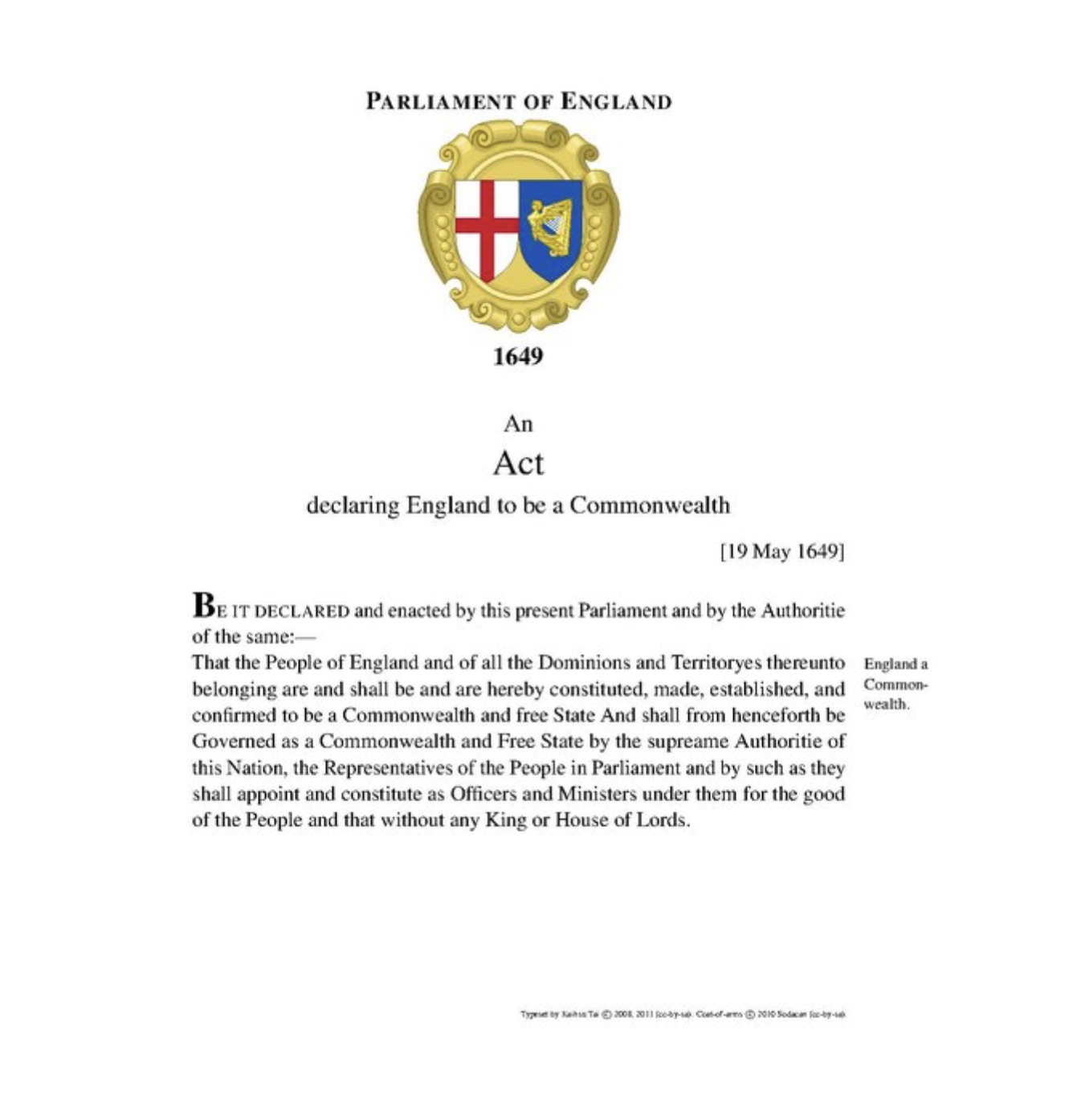
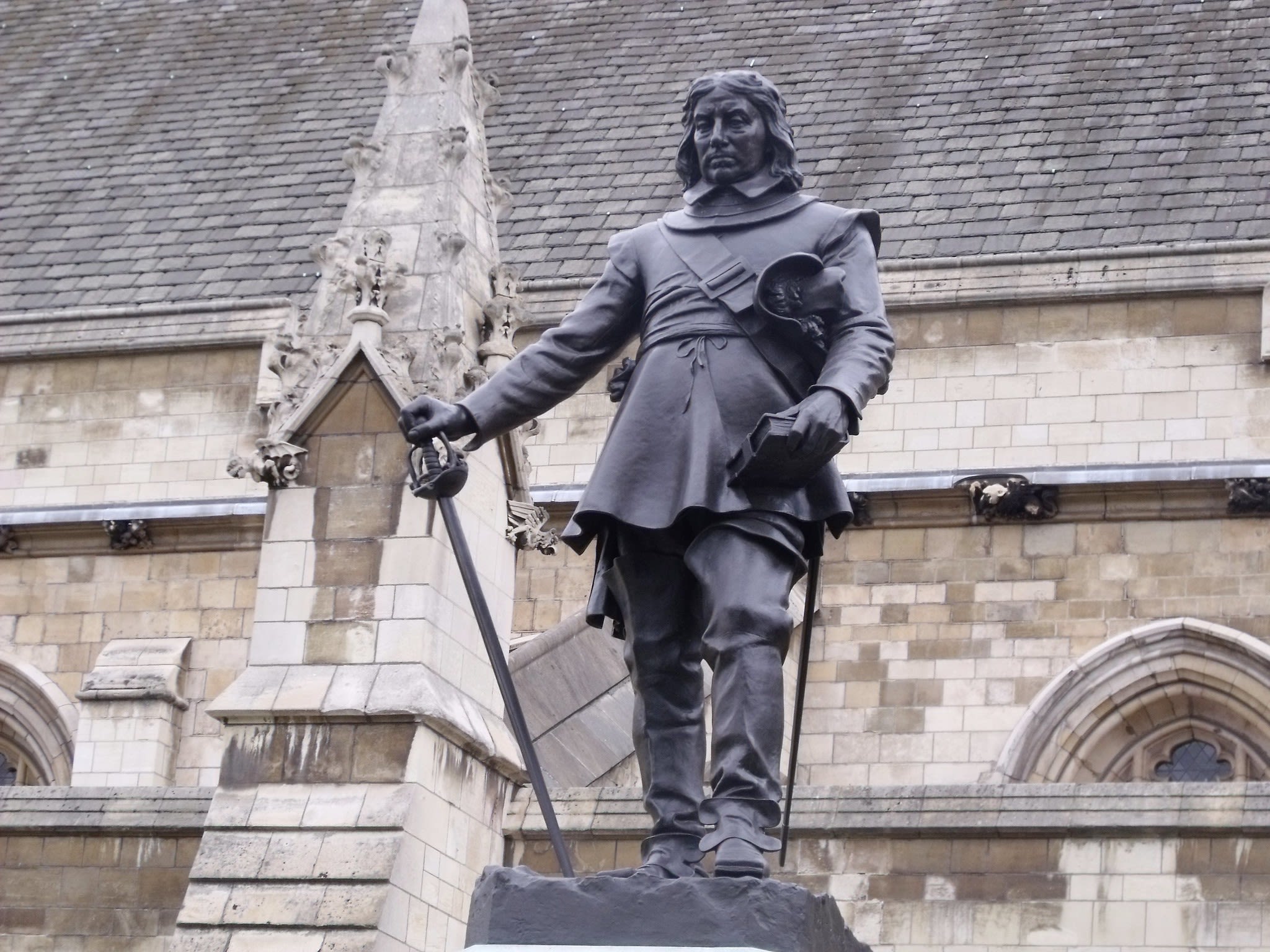
The United Kingdom was a republic from 1649 to 1660.
This period, known as the Interregnum, followed the execution of King Charles I and preceded the restoration of the monarchy under Charles II. During this time, England was ruled as the Commonwealth and later the Protectorate, under the leadership of Oliver Cromwell.
In 1649, following the English Civil War, King Charles I was executed, and the monarchy and House of Lords were abolished. Parliament declared England a republic, establishing the Commonwealth.
Oliver Cromwell became the dominant figure, initially leading the Commonwealth and later being appointed Lord Protector, a position with significant power.
After Cromwell's death in 1658, the republican government became unstable. The monarchy was restored in 1660 with Charles II, and the period of the republic came to an end.

While the UK still has a monarchy, many other European countries have chosen to become republics over the centuries
France
The country abolished its monarchy on September 21, 1792, when the National Convention proclaimed the French First Republic.
This event marked the end of the constitutional monarchy established in 1791 and led to the execution of King Louis XVI in January 1793.
Portugal
The country abolished its monarchy in 1910 during the 5 October revolution, which overthrew the centuries-old monarchy and established the First Portuguese Republic.
This revolution was the result of a coup d'état led by the Portuguese Republican Party and followed the assassination of King Carlos I in 1908. King Manuel II was the last monarch of Portugal and fled into exile after the revolution.
Germany
Pre-1918, the country had multiple kingdoms that existed within its empire like Bavaria and Prussia.
The final German Emperor was Wilhelm II who reigned until 1918 when a revolution after the First World War turned the region into the parliamentary Weimar Republic.
Italy
The country was a unified country from 1861, and until 1946, it was ruled by the House Savoy.
Italy’s monarchy was abolished after the Second World War partly as a result of the King’s support of dictator Benito Mussolini.
Austria-Hungary
The dismantling of the Austro-Hungarian Empire in 1918 was the direct result of its loss in the First World War.
After Franz Ferdinand’s assassination in 1914, Karl I became the heir to the throne and assumed it in 1916. His grandson, Karl von Habsburg is alive today and the natural heir to the past-Empire.
Greece
The country held a referendum in 1973 to abolish its monarch after a period of unrest, making them the most recent European country to give theirs up.
Albania
During the last century, there were two times Albania had a king. The first was just before the First World War after Albania’s independence in 1912 which lasted until 1924.
The second time was when President Zog established himself as king in 1928 which lasted until Italy invaded in 1939.
Bulgaria
The country held a referendum to abolish its monarchy in 1946 with 95.6 per cent of people voting in favour.
At the time, the reigning Tsar Simeon II was forced to leave the country, before coming back and becoming the country’s Prime Minister between 2001 and 2005.
Russia
The February Revolution of 1917 saw the Romanov family abdicate power before they were executed, likely under orders by Lenin, in 1918.
The perfect timing:
Andrew's case

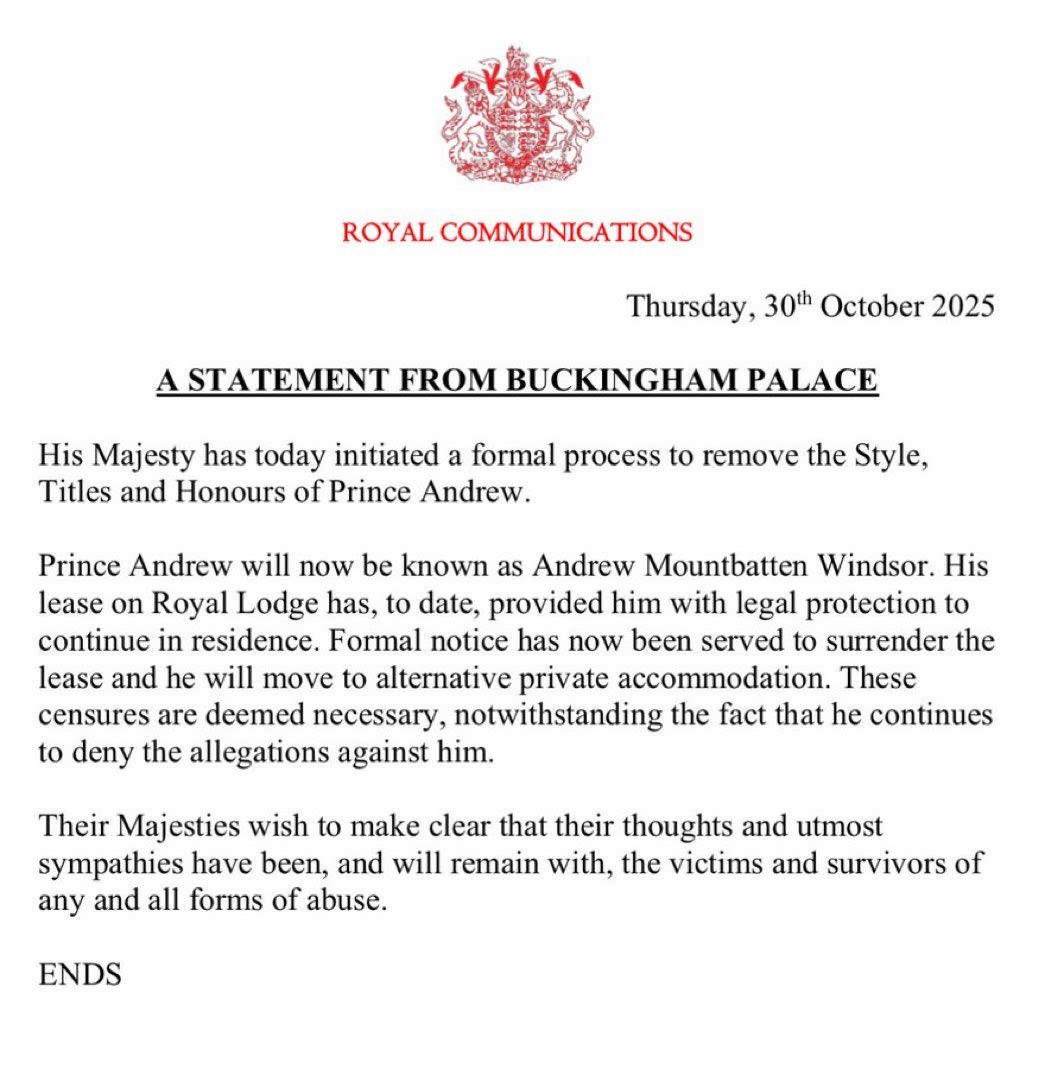
For Britain’s growing republican movement, the latest scandal involving Andrew represents more than a moment of royal embarrassment, it is the ideal time to question the monarchy’s legitimacy. Ritchie from Labour for a Republic said: “We are in a crisis. If people feel their spending power is limited, there has to be someone to blame.”
Ritchie from Labour for a Republic said: “We are in a crisis. If people feel their spending power is limited, there has to be someone to blame.”
He also highlighted the rising public funding of the monarchy during a cost-of-living crisis. He said: “People can ask why the King is getting £25 million more this year through the Sovereign Grant.
“They can also question why they are financing the homes of a man who already owns nearly twenty properties, many of them palaces and castles with hundreds of empty rooms, while homelessness remains a national problem.”
Transparency and accountability are central concerns. Ritchie explained: “Whatever the institution, it must show how it is using its assets and where the money goes internally.
“If the monarchy is part of the mechanism by which the country is run, why is its budget not set in the same way as any other department? Sensible decisions are made about resources in every other area, so why not here? And why does the Freedom of Information Act no longer apply to the monarchy?”
Anatomy of a royal scandal
1990
Andrew meets the American billionaire Jeffrey Epstein
2000
Jeffrey Epstein and Maxwell attend party at Windsor Castle
2001
Virginia Giuffre claims she was forced to have sex with Andrew when she was 17
2008
Jeffrey Epstein jailed for sex offences
2009
More allegations about Andrew having "daily massages" at the Jeffrey Epstein's Florida home
2010
Jeffrey Epstein released and photographed with Andrew
2015
Andrew linked to Jeffrey Epstein in court documents
2016
Andrew named in Virginia Giuffre civil suit against Ghislaine Maxwell
2019
Andrew speaks to BBC Newsnight after Jeffrey Epstein's death, then steps back from royal duties
2021
Virginia Giuffre files civil case against Andrew
2022
Andrew's royal status downgraded as he settles civil case with Giuffre
2025
Virginia Giuffre dies, her memoir is published. Andrew loses Prince title
For Smith, the scandal surrounding Andrew should mark a decisive turning point in the national debate.
He added: “But this isn’t just about Andrew. It’s about the entire institution. It’s devastating, in a democracy, to have so many people believe we’re not equal before the law.”
Republic recently launched a legal fund to pursue a private prosecution against Prince Andrew, citing allegations of sexual offences and misconduct in public office.
Nearly £20,000 has already been raised from over 720 donors, reflecting a surge of public engagement in the group’s campaign.
Ritchie of Labour for a Republic reckons the path to abolishing the monarchy may be long, but not impossible.
He said: “Public opinion has been moving away from the monarchy, not quickly, but largely because there is no real debate.
“Most people accept the monarchy in the same way they accept Buckingham Palace or Westminster Abbey. It’s just part of the social fabric.
He compares the republican movement to once-marginal causes that became mainstream. He said: “Who would have predicted the fall of the Berlin Wall, or how fast we went from criminalising homosexuality to legalising same-sex marriage, even with the Church of England’s support? Change can come suddenly.”
Academic Laura Clancy agrees and points to recent developments in the Caribbean as potential blueprints for Britain. Barbados became a republic in 2021, and Jamaica introduced a bill in December 2024 to abolish the monarchy.
Clancy noted that Scotland or Ireland could similarly trigger debate. She wrote: “Elizabeth II’s long and steady reign left little room or desire for radical debate.
“But Charles III’s reign will undoubtedly be shorter, he is already 76, and the monarchy has faced intensified scrutiny in recent years, from allegations against Andrew to Harry and Meghan’s high-profile exit and claims of institutional racism.
“Now is as good a time as any to consider alternative futures.”
Can the British monarchy really be abolished?
Monarchist perspectives

While campaigners see a growing appetite for change, defenders of the Crown insist that the monarchy remains a vital and stabilising force.
Jacques Arnold is former Conservative MP for Gravesham and member of the Constitutional Monarchy Association, defending the importance of the existence of the British monarchy.
He argues that the monarchy provides stability and neutrality. He said: “If you want to be president of the United States or France, you need to be a politician. The virtue of a monarchy is that it’s not party political. Monarchs are patriotic to the state, not to a party.”
Arnold adds that constitutional monarchy allows governments to exist through elections, while the monarchy provides continuity and unity.
The other advantage is to already know who is going to be in charge.
He praised King Charles III’s conduct since accession. He explained: “Charles hasn’t put a foot wrong. The handover after Elizabeth II’s death was smooth and dignified.”
Regarding Andrew's scandal, Arnold thinks that the problem is not the monarchy but the spares.
He said: “If you look at the great monarchies of Europe over the centuries, you'll find the same problem along the road.
"It's a human problem. Which expresses itself in different ways.”
Arnold also disputes claims of excessive royal spending. He highlighted that the Crown Estate funds the royal household and that Charles reduced his share from 25% to 15%, with the remainder going to the Treasury.
He also notes that tourism, wind farm revenue, and national prestige generate value exceeding costs.
For Arnold, the monarchy doesn’t cost as much as a republic. He said: “If you go to France, the head of state costs over £100 million, including the pensions of retired members of the government.
“If you go to Italy, it is even bigger, £180 million. In Germany, I believe it is something like £200 million.
"So you go around the world and have a look, and actually having a republic won't save money. Quite the contrary.”

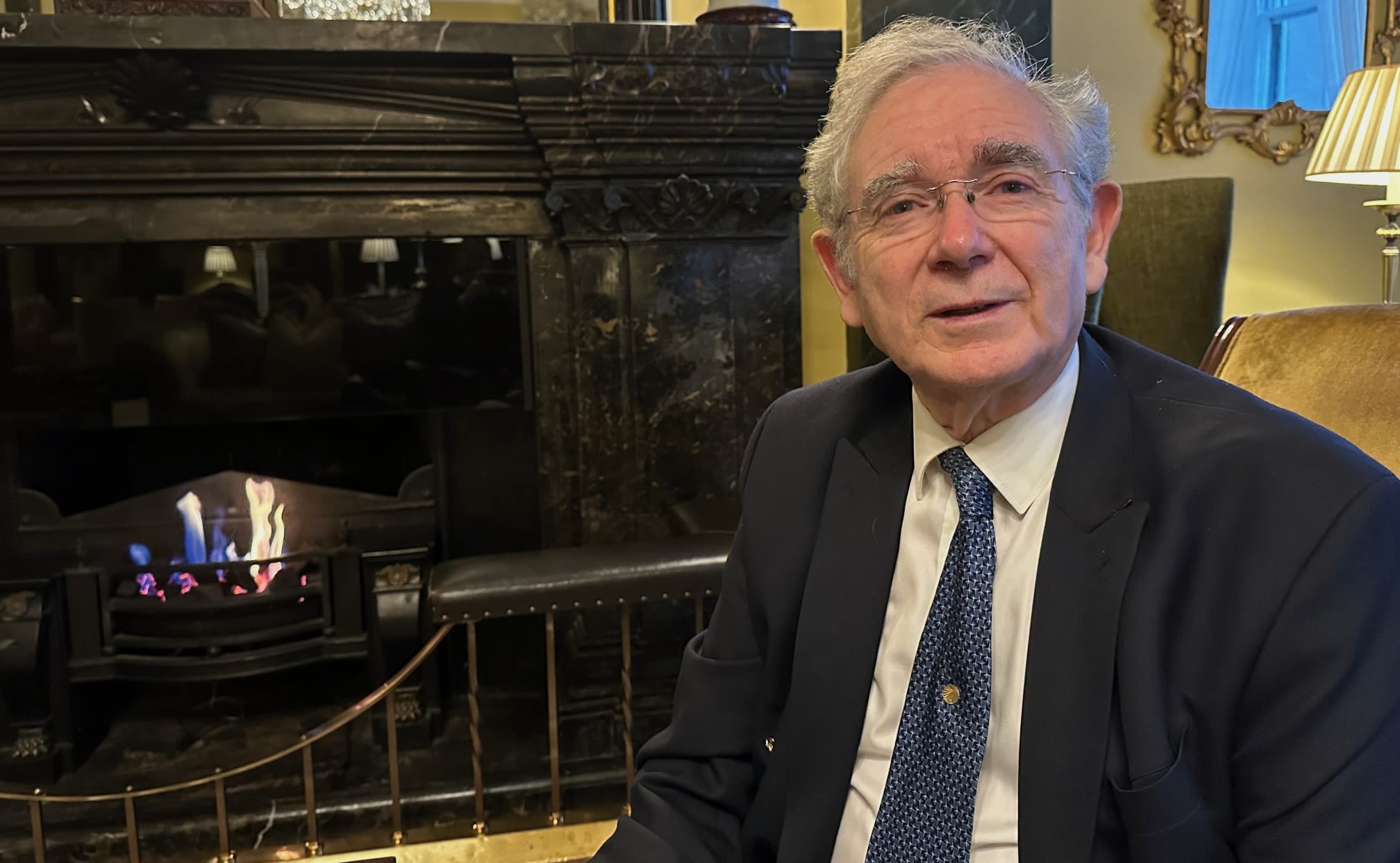
Jacques Arnold, Conservative MP for Gravesham and member of the Constitutional Monarchy Association, who defends the importance of the existence of the British monarchy (Credit: Leila Lamnaouer)
Jacques Arnold, Conservative MP for Gravesham and member of the Constitutional Monarchy Association, who defends the importance of the existence of the British monarchy (Credit: Leila Lamnaouer)

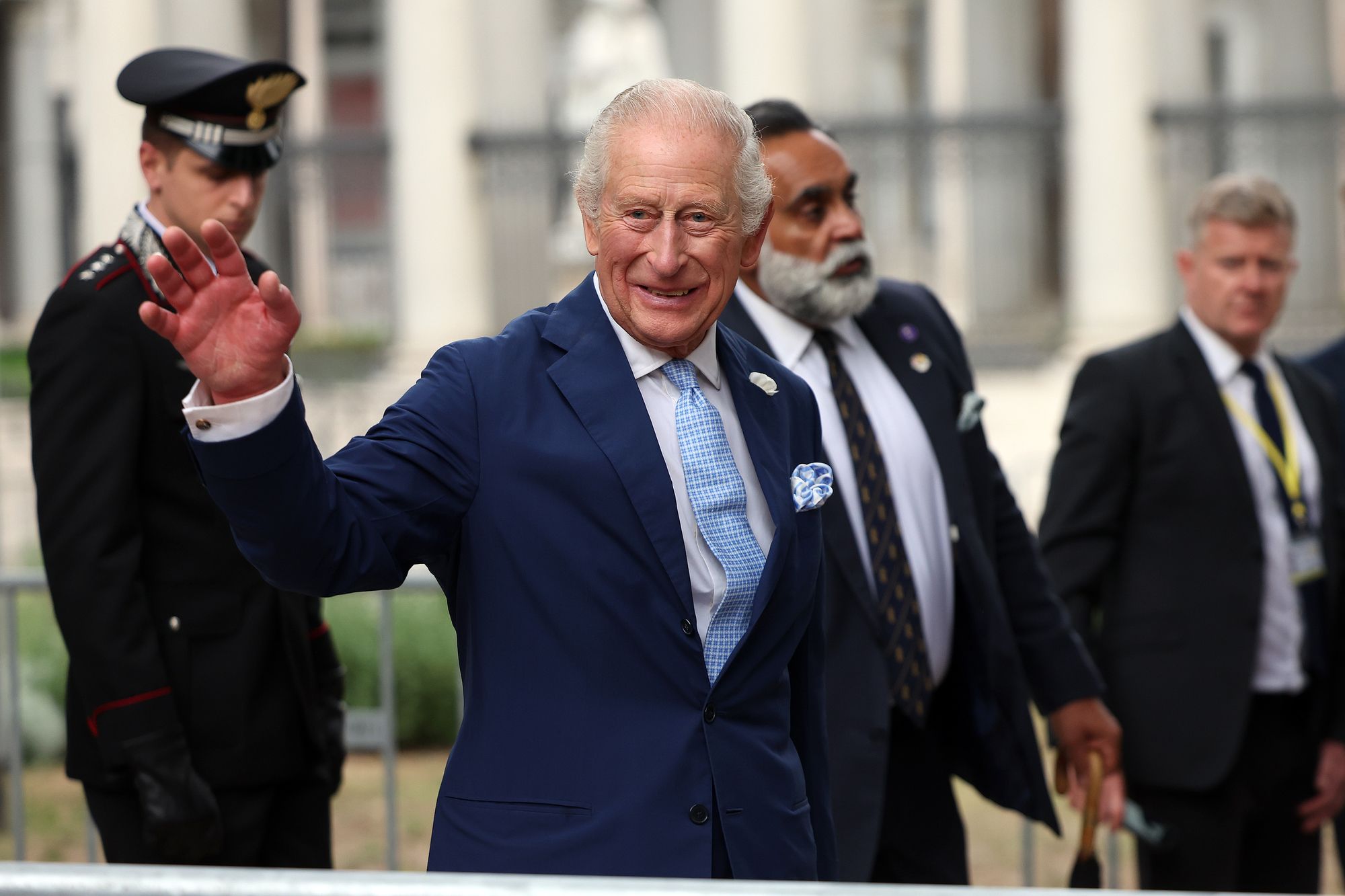
Charles III leaves the Basilica of St. Paul in Rome, Italy in October 2025 (Credit: depositphotos.com/m.iacobucci.tiscali.it)
Charles III leaves the Basilica of St. Paul in Rome, Italy in October 2025 (Credit: depositphotos.com/m.iacobucci.tiscali.it)
The glue that holds the kingdom together

Marc Roche, longtime royal correspondent for the French magazine Le Point, recognises the republican movement is growing, especially among younger Britons from immigrant backgrounds.
Yet he believes it remains limited. He said: “The monarchy remains Britain’s unifying force. Ending it would mean the end of the United Kingdom as we know it.”
He credited Charles III for restoring stability and narrowing the royal circle to working members, sidelining controversial royals like Harry, Meghan, and Andrew.
Roche advocates reform, not revolution. He argued: “The monarchy must modernise. It needs to prove its value, reform its financing, and embrace diversity.
“Fewer working royals, more transparency, and real inclusion: those are the keys to the future.”
If Britain’s republican movement has gained visibility, fuelled by scandals, public opinion shifts, and generational change, yet the monarchy remains deeply rooted in the lives of the British.
While debates will certainly continue, the monarchy’s future may hinge on modernisation and transparency, rather than outright abolition. At least for now.
Source: YouGov - Created by Leila Lamnaouer
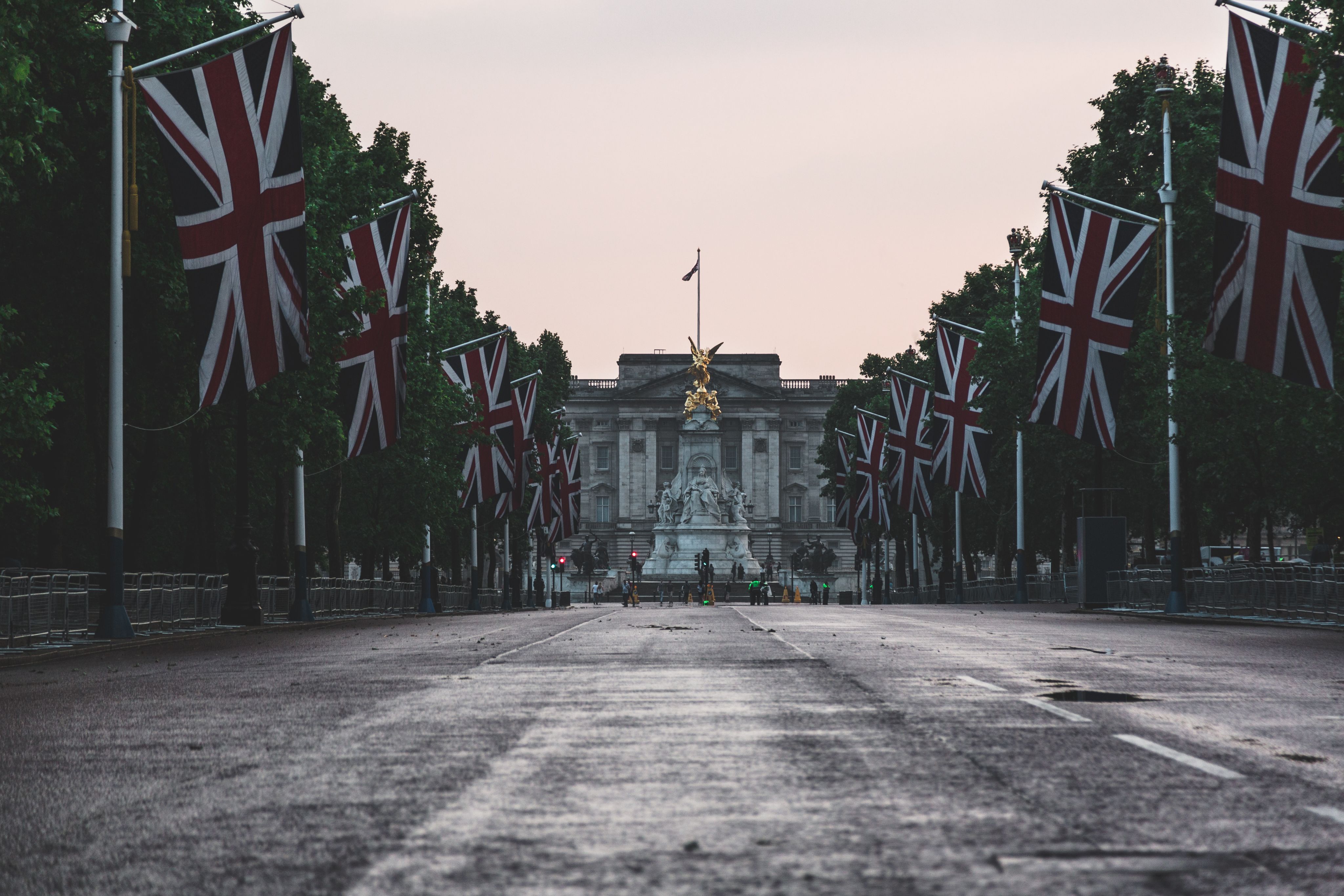
On 6 May 2023, tens of thousands of people braved the rain in London to watch the new King and Queen wave from the balcony of Buckingham Palace after their coronation at Westminster Abbey. (Credit: BBC)
 Built with Shorthand