The state of theatre accessibility
“The dream is to be able to go to the theatre at any time and to any performance.”

Theatres have tripled their accessibility provisions for Deaf and hard of hearing visitors since 2019 in the UK, but deaf-led charity StageText reported inclusive performances only represent approximately one per cent nationally.
Inclusive methods of British Sign Language (BSL) and captions have increased in theatres across the UK, allowing more members of the deaf community to access experiences they were unable to before.
But the uptake of these provisions is slow and means theatres across the country still remain inaccessible to many deaf theatregoers.
Image: Author
Head of Training and Theatre at StageText Olivia Durkin, who is 50 per cent deaf, said: “The dream is to be able to go to the theatre at any time and to any performance, and at the moment one of the biggest struggles we have is that not everyone can.
“I grew up without any of these forms of access being around, and I think it changed my life, but if we can do that for younger generations, that is an incredible thing to do.”
The Deaf Community
In 2024, 18 million people in the UK were either Deaf, deaf, deafened or hard of hearing, meaning 1 in 4 people across the country could benefit from accessible forms of theatre.
What’s more, there are 50,000 deaf children in the UK, meaning 1 in every 288 children are part of the deaf community, and there are even more deaf parents, with around 90 per cent of Children born to Deaf Adults (CODA) .

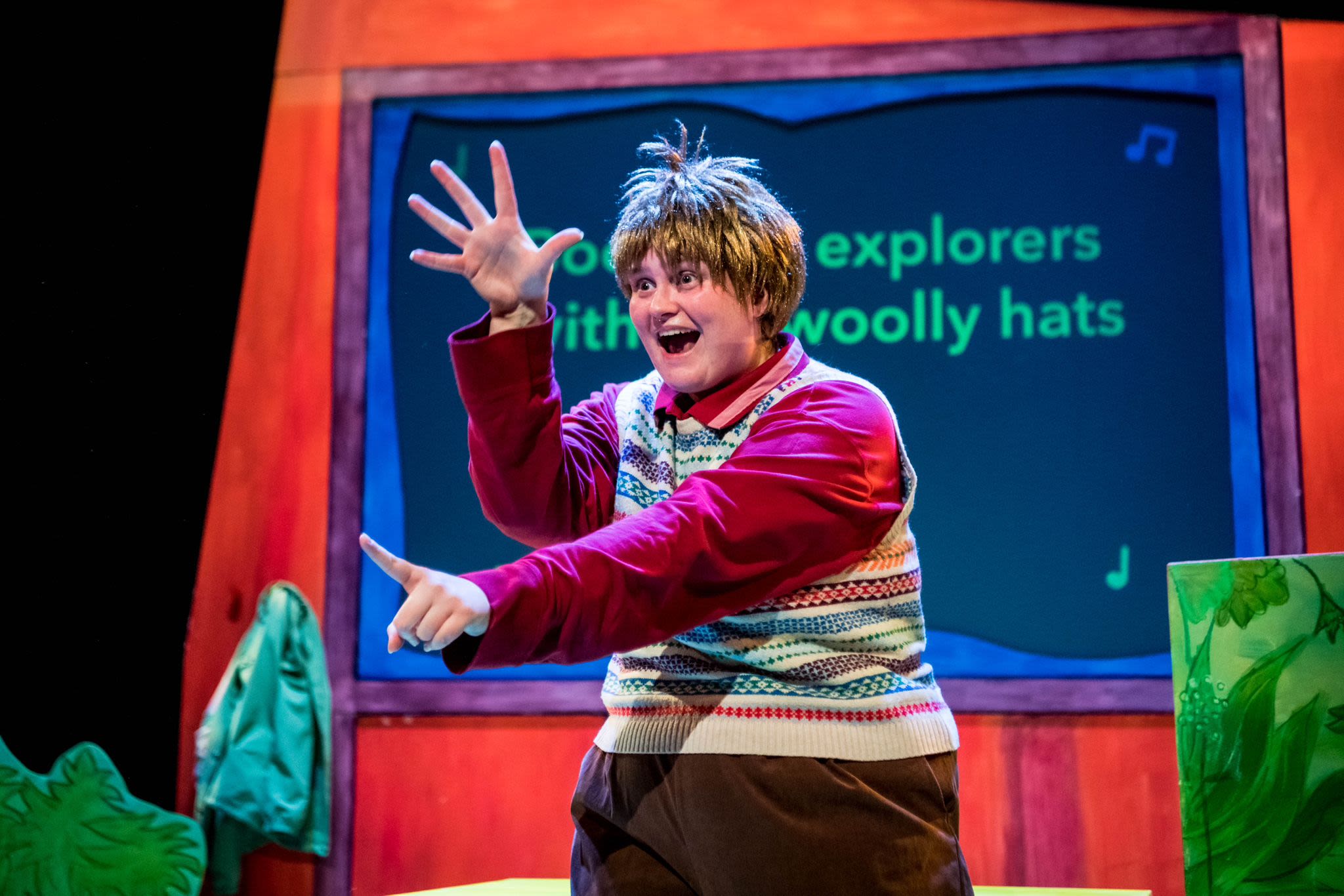
Photo: Tiny and Tall Productions
Photo: Tiny and Tall Productions
Different Forms of Accessibility
Within the 18 million people in the deaf community, around 87,000 speak BSL fluently, meaning less than one per cent use this form of communication. Therefore, for productions, it is important to utilise different access points to be inclusive.
Captions, BSL, actions or dance, music beats, and puppetry are all ways of increasing the accessibility of a performance.
Durkin said: “There’s such a wide spectrum of deafness, so for some BSL is a crucial form of access while for others it is a crucial form of access to have captions, so both need to work together to form a fully accessible piece of theatre.
“We definitely don’t consider it as one or the other; you need both.
“For those in the community, interpretation is crucial as it is the only form of access that’s actually going to give them an equal opportunity to experience that theatre piece."

Accessible Improvements
A State of Theatre Access study reported and reviewed the websites of professional theatres across the UK based on their accessibility for a range of services, such as for deaf theatregoers the prevalence of captions and BSL in theatres.
The study looked into 465 theatres, and 396 were found to have one or more types of disability service in 2023 (not necessarily for the deaf community), with 93 per cent of surveyed London theatres offering some form of accessibility.
The number of performances with BSL and captioning has drastically improved since 2019 and has seemingly been unaffected by the pandemic.
Durkin, a StageText employee for the last eight years of the organisation's 25-year history, said: “It's definitely becoming more and more accessible as time goes on, and I have not seen a backward step even through the pandemic.
“So, even in those tough times, people were still trying to create accessible theatre, but there's definitely a long way to go in the mindset of the industry."

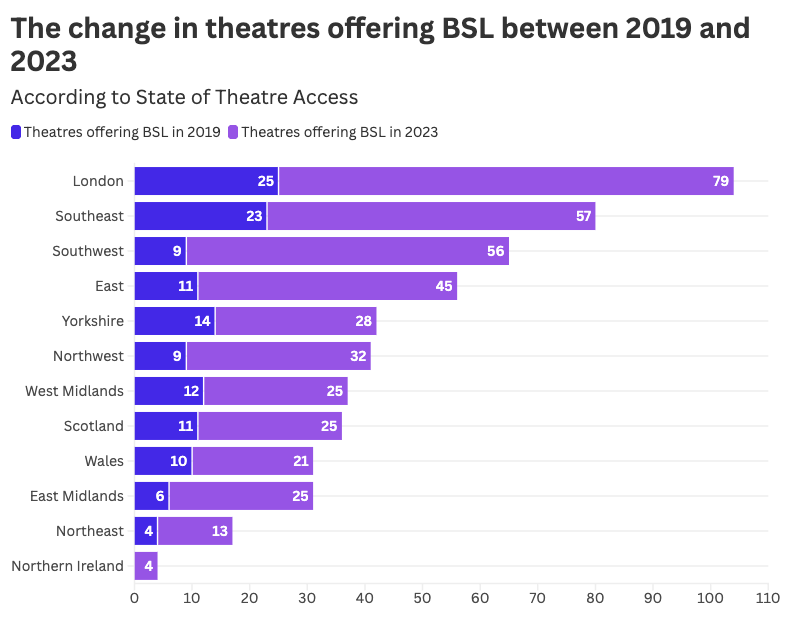
Image: Author
Image: Author
However, the regional divide is evident, as London had 38 per cent more theatres offering BSL compared to the South East, the next highest region.
A trend which is continued into the number of theatres offering captioned performances, as London offered more than 70 per cent more captioned performances compared to the North East.
While this can also be caused by the density of theatres in certain regions, the data depicts that some regions offer far fewer accessible performances, creating a geographical divide.
While geography plays a part in improving accessibility, the times of day performances are offered is also important.
Durkin shared that many theatres try to ensure accessible performances are at convenient times, such as a Saturday matinee.
Durkin said: "It depends on the venue and how willing they are to be pushed by us to have more accessible times.
"Saturday matinees are a great option for captioned performances on a weekend, however, deaf people would also like to go to theatre on a Friday or Saturday night - and they are so rare."
But many performances are still placed at inaccessible times, and this means that people find it difficult to attend as if they are from inaccessible regions they may have to travel to other regions and at inconvenient times.
Therefore, while the number of BSL performances in London has increased to 132 since 2019, it is still too few to create a completely accessible experience.
Tiny and Tall Productions
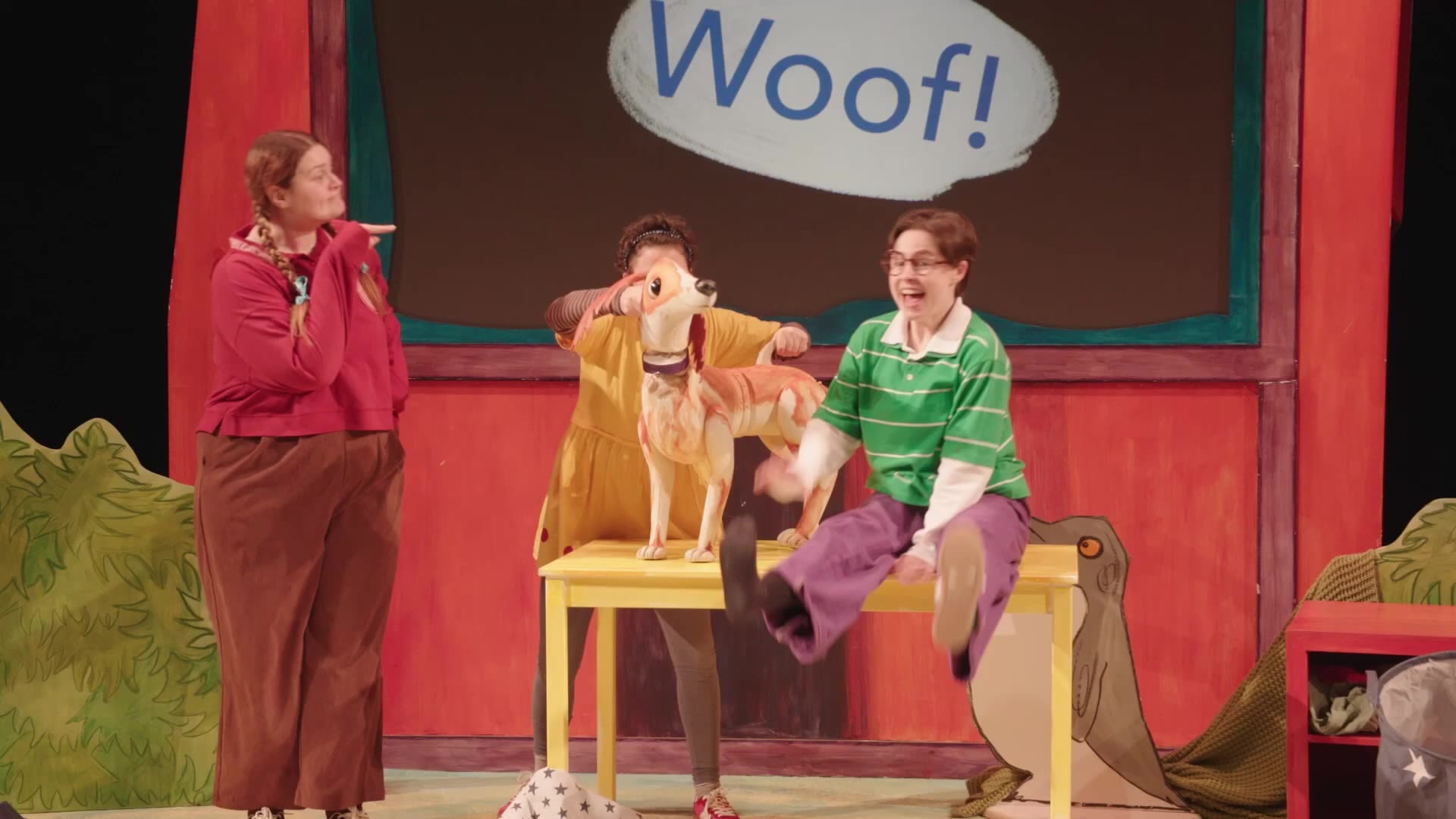

Some productions aim to reduce this geographical divide by providing accessible experiences at every performance.
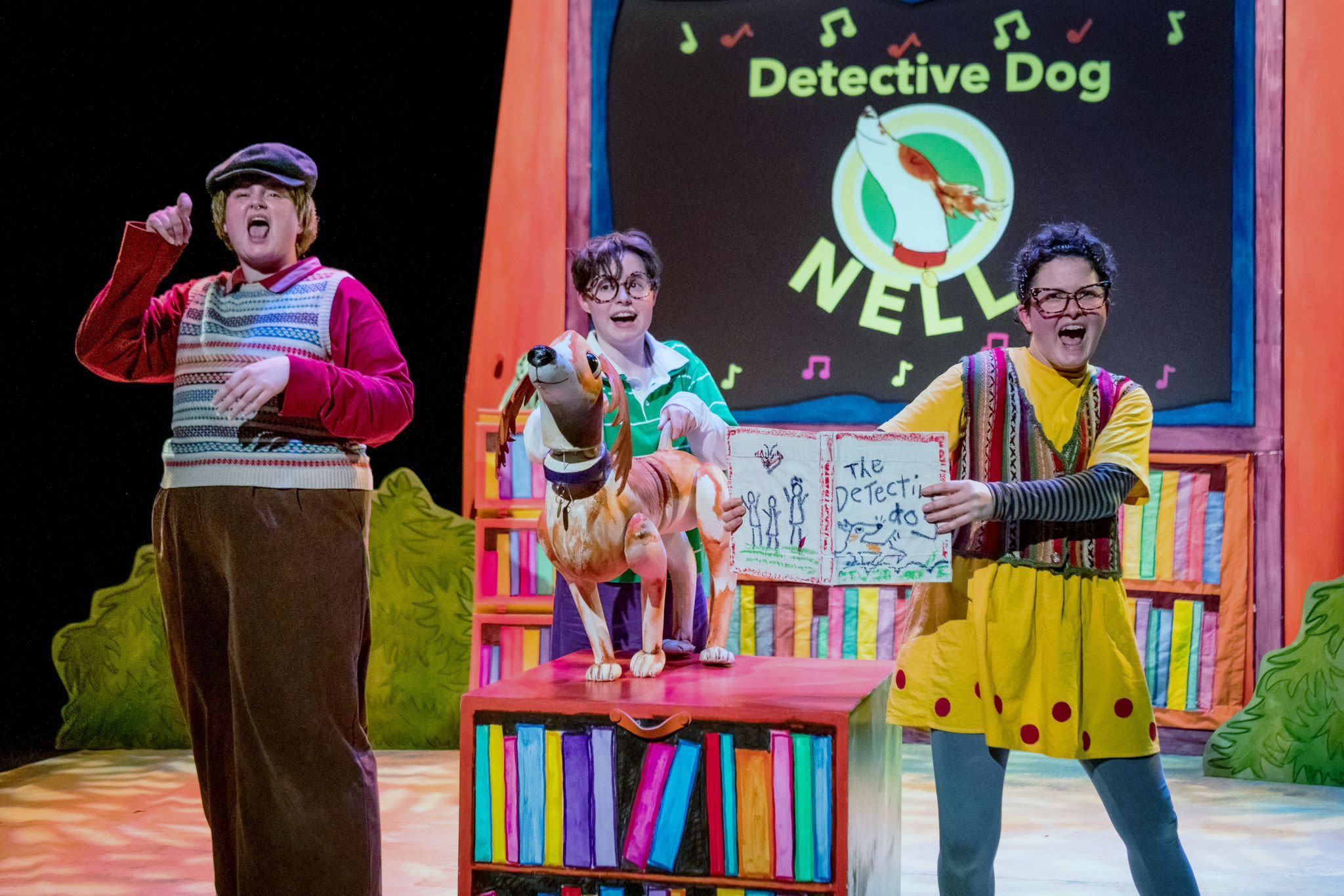
The Tiny and Tall Productions’ accessible stage adaptation of Julia Donaldson’s The Detective Dog aims to inspire accessible practices in other productions around the country through using dynamic captions and incorporating BSL to create an inclusive experience for deaf and hearing audiences.
Artistic Director Tessa Bide founded Tiny and Tall Productions to encourage understanding in a range of diverse spaces and produced The Detective Dog national tour.
The tour, which runs for 16 weeks and concludes in Barnsley Civic Theatre on 7 June, was directed by Peta Maurice, who had never worked on a similar production before and learnt BSL for it.
Interviews: Author
Maurice was challenged with integrating BSL, puppetry, creative captioning (captions designed for the performance and displayed on-screen) and scent technology into the performance.
Maurice said: “It has gone through many different iterations, and at first, we thought this could be a sensory overload- scents, sights, actions, music, BSL. It was about bringing it together as a coherent performance.”
In The Detective Dog, Bide and Maurice enlisted the help of designer Jess Jones to bring to life Sara Ogilvie's illustrations of Detective Dog Nell through puppetry.
Puppetry is a through-line within all Tiny and Tall Productions’ work as they believe it is a method of improving accessibility more generally.
"Puppetry is how we started and in our shows we want everyone to be accessing the story and the magic at the same time.
"And there's nothing quite like puppetry to do that.
"No matter their age, it is magic. Young children believe Nell is a real dog and older audience members enjoy the craft."
Puppetry is also another form of accessibility for deaf audiences specifically.
Bide added: "It is a great non-verbal tool and a really physical and visual element of the production. It is something everyone can enjoy regardless communication styles and needs."
But Bide also noted the limitations of accessibility and that performances cannot be completely accessible for everyone all of the time.
The Tiny and Tall founder said: “One of our learning points with this play was that it is really easy to get [accessibility] wrong; by trying to make it accessible for absolutely everyone, you end up making it less accessible at the same time.”
Therefore, even though their innovative techniques are accessible on a minor level to all, the primary focus was enhancing the experience of deaf audiences.
As a result, the three-person cast includes one BSL performer, Amy Murray.
Bide said: “It is very important for us to have someone with a lived experience in our piece. If we are doing a performance for deaf children, they want to see themselves represented.
Interviews: Author
The Types of Captions
"Bad access is worse than no access."ss.”

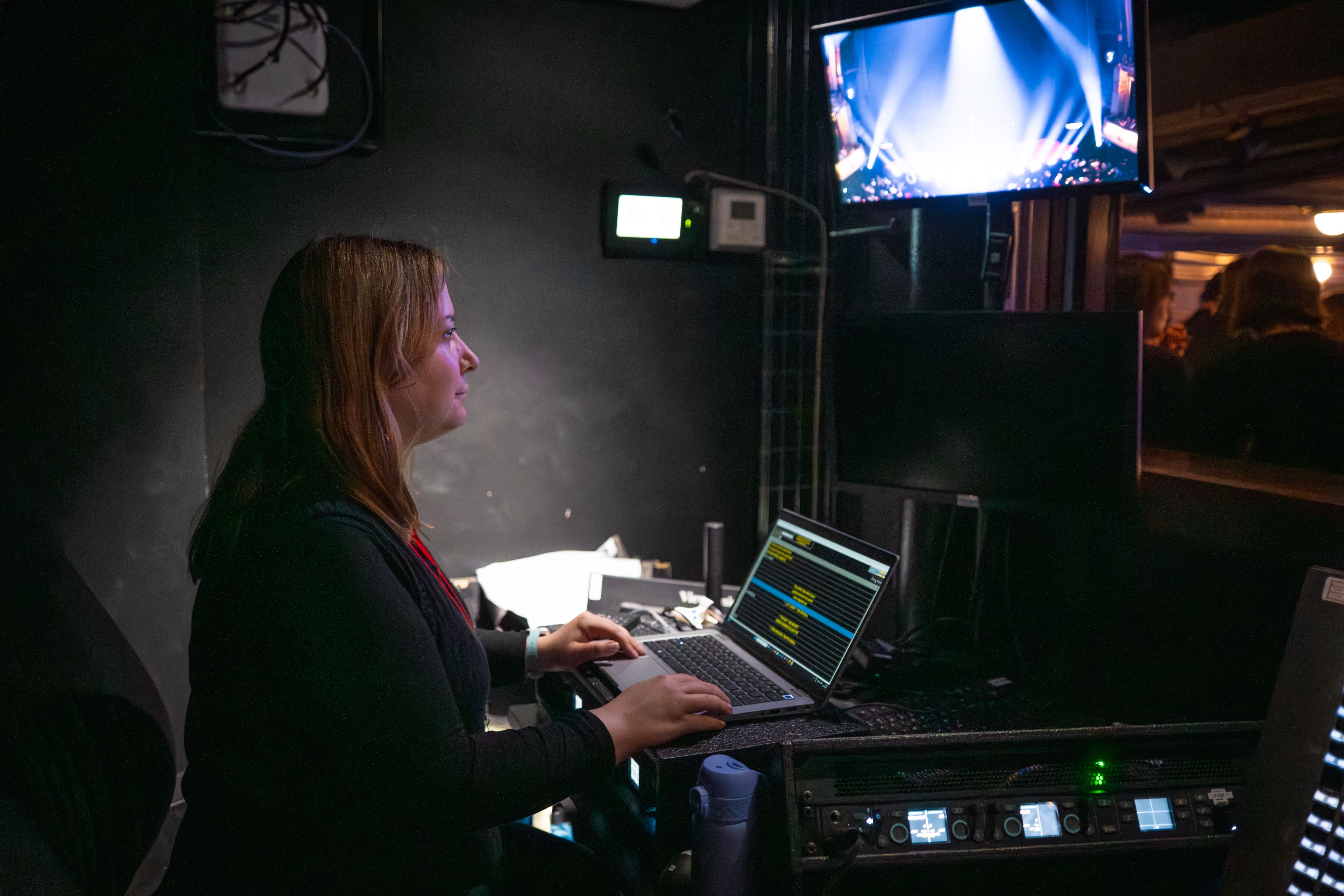
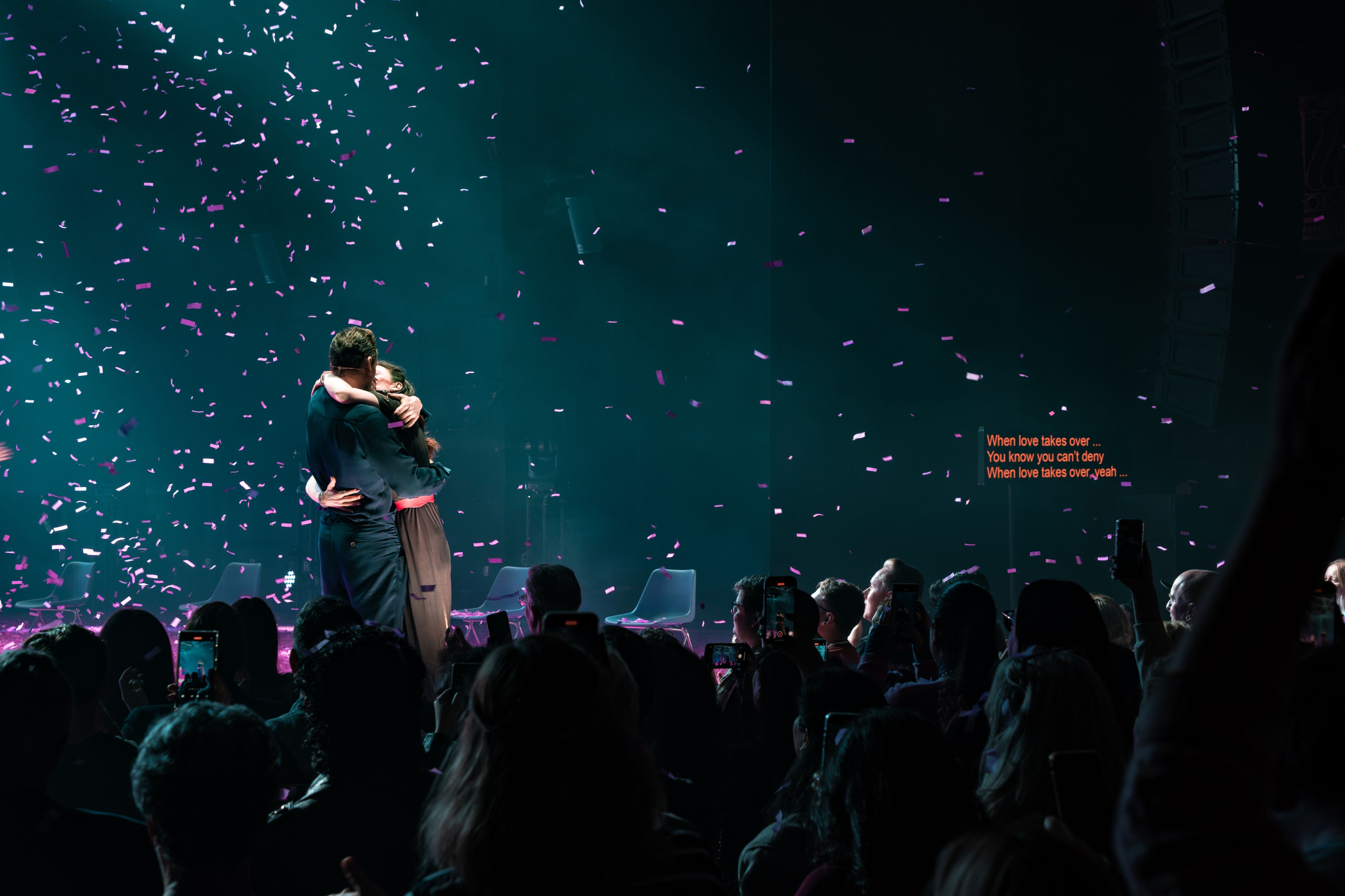
Captions are a crucial form of accessibility for deaf audiences, and while many would envision them as a small display on the side of the stage, similar to subtitles in a film, StageText believe they enhance the experience and the performance itself.
Durkin said: “People are used to seeing [captions] everywhere; they are on social media, they’re on Netflix, they’re not just for foreign language films now, they are everywhere - which is great for us.”
Every captioned performance is personally delivered, with someone poised at every performance ready to change displayed words whenever they are improvised or missed.
Durkin spoke about the importance of person-led captioning, and introducing it from the start of the process, as the captioner becomes part of the performance.
The captioner becomes one of the actors, through learning every line, and learning certain lines which may alter throughout the performance.
She said: “As a caption user myself, who is 50 per cent deaf in my left ear, there’s nothing more distracting than when the captions are different to what’s being said.”
This is why StageText have refrained from integrating auto-generated captions into their performances, as when tested they were 80 per cent accurate in a standard performance, but when tested with music or specialised language such as Shakespeare, this reduced to 50 per cent.
Durkin added: “While it is about increasing accessibility, that may not be going 100 per cent straight away, as that could cause a lot of chaos, and would cause people to use auto-captions which are frankly not as good.
“It would lead to worse access, and bad access is worse than no access.”
Image: Author
Audience Reaction
The majority of the audience at The Detective Dog are often families with young children, many of whom were not part of the deaf community, but still had an enjoyable experience.
Bide believes that by integrating accessible practices throughout all productions, gradually, it will become the norm.
She said: “I think everyone needs more representation of deaf, disabled, neurodiverse people on stage so that they feel it is a place for them and slowly the whole industry will become a lot more accessible.”
Interviews: Author
The Detective Dog tries to involve the audience further by encouraging them to copy different signs throughout the performance.
Maurice explained: “It brings the whole audience together at the end. If we can see a few families doing some signs on the way out, that’s the dream.”
Challenges
And yet, during Tiny and Tall Production’s tour, Bide and Maurice have noticed the difference in accessibility at venues.
Bide explained that many theatres are welcoming to reserving tickets in areas of the auditorium closer to the stage for those who need access to BSL or captions, but remarked that there are still elements of the theatre that are built around the heard experience, including auditory front-of-house announcements and communication with actors.
StageText delivers training to venues to provide more accessible experiences, such as additional signage, flashing lights to indicate the need for visitors to move to their seats, and projecting auditory messages onto screens.
Bide said: “It is going to take a long time for lots of different communities to feel like the theatre is the place for them.”
And so, while theatres have become more and more accessible since 2019, an active effort still needs to be made to ensure that the theatre-going experience becomes equal for all.
Durkin said: “The point of going to the theatre is to be entertained so any way in which you can do that in an accessible way is fantastic."
 Built with Shorthand