
The birth of a rivalry
How the Premier League era has made Manchester United and Tottenham Hotspur rivals
By Dylan McLaren

"I despise what you did to me in Bilbao."
This is what Andy Mitten - a renowned Manchester United journalist and author - said the United players should be telling themselves when playing Spurs.
After Spurs beat United in this years Europa League final, it felt like the culmination of a contest that had been brewing between the two.
Both clubs had been fighting for the same thing - Champions League qualification through the Europa League.
While their main rivals battle for league titles, they are resigned to fighting just for a chance to take part in Europe's biggest games.
Now Manchester United and Spurs will probably never be major rivals, but they have become as close as possible in the past ten years.

Prior to the Premier League era, United and Spurs always seemed to miss each other - when one was good, the other was not.
When the Busby Babes started winning in the mid 1950s, Spurs had declined from their success early in the decade.
When Spurs became the first British European cup winners in 1963, Manchester United were still recovering from the Munich disaster. And by 1965 when the Reds won the league again, Spurs had again fallen away.
But in the past five years, Manchester United and Spurs have been on an equal footing for the first time.
Spurs have improved, United have declined, and both now battle for the same trophies and spots in the table.
And it could be argued that makes the contest a rivalry.

But not everyone thinks like that.
To some fans proximity is all that matters, and rivalries are only formed against teams close to home.
Spurs have Arsenal to fight in North London, and Manchester United have Liverpool and Manchester City to battle in the North West.
"The closest to a rivalry Manchester United and Spurs have developed was during a relegation battle last season."
And that makes sense, most rivalries stem from local traditions.
United and Spurs have 200 miles of road between their stadiums.
They lacked the proximity to naturally become rivals.
Old Trafford
The home of Manchester United since 1910.
And a four hour drive south east, Tottenham Hotspur.
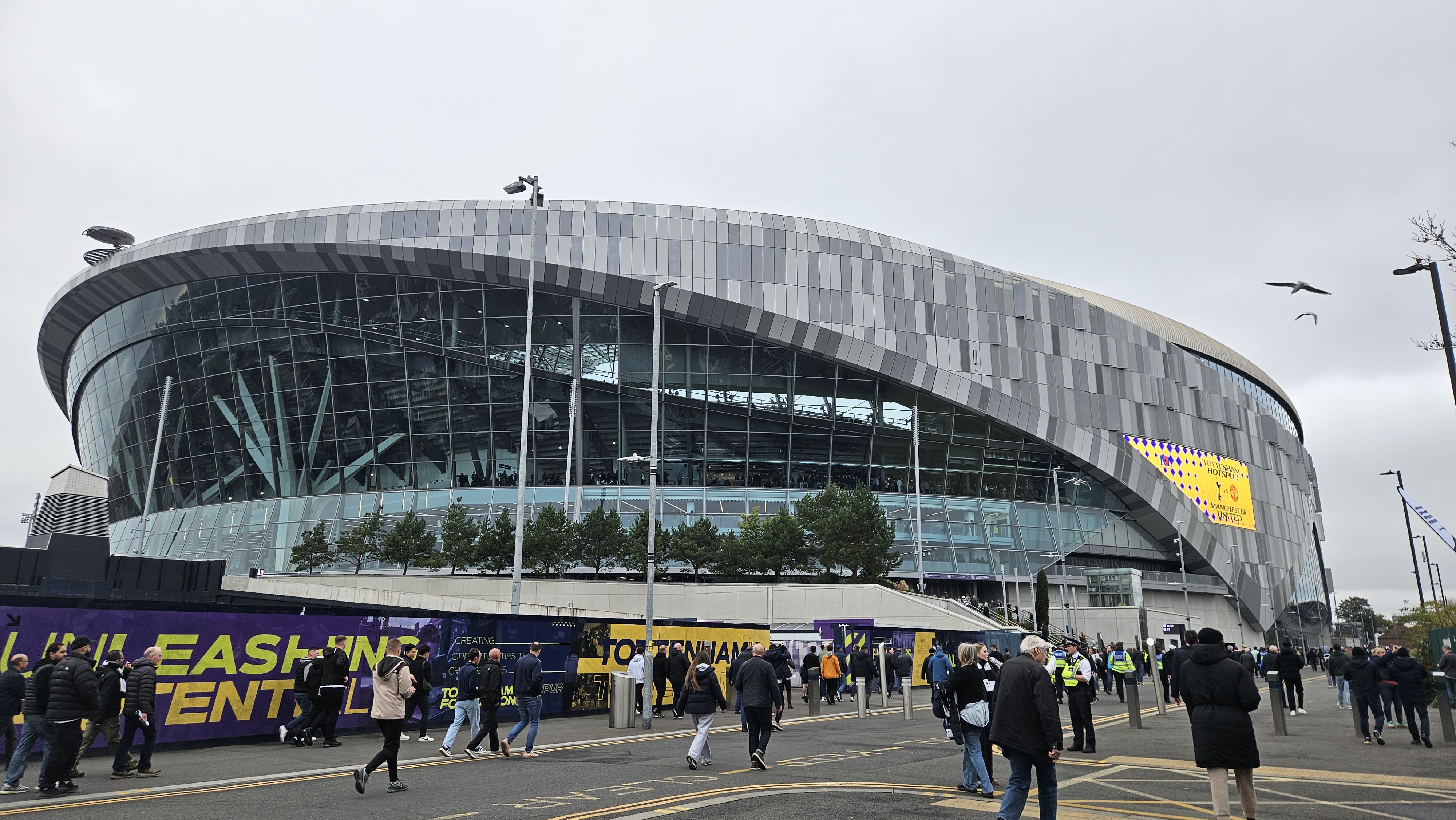
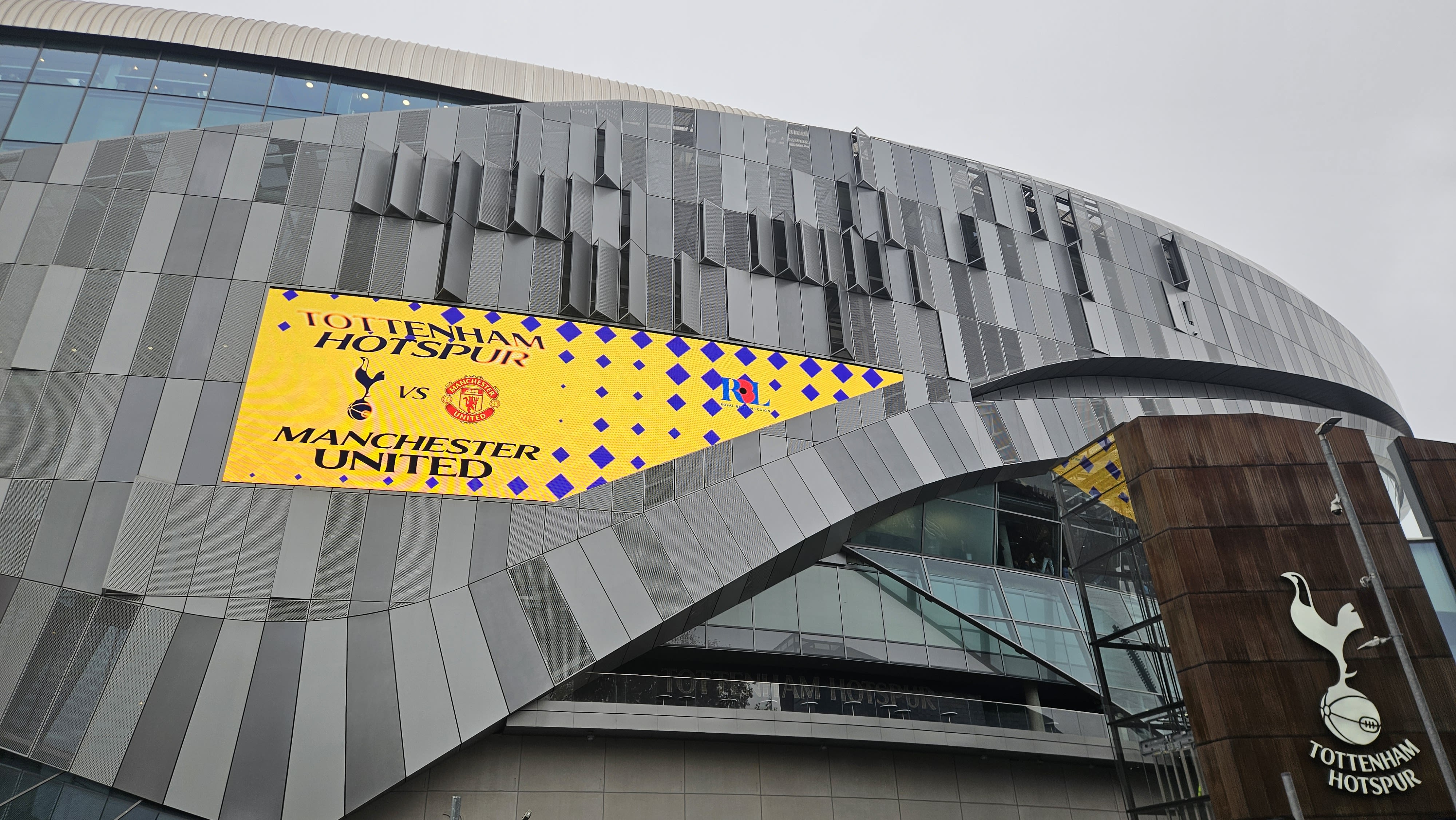
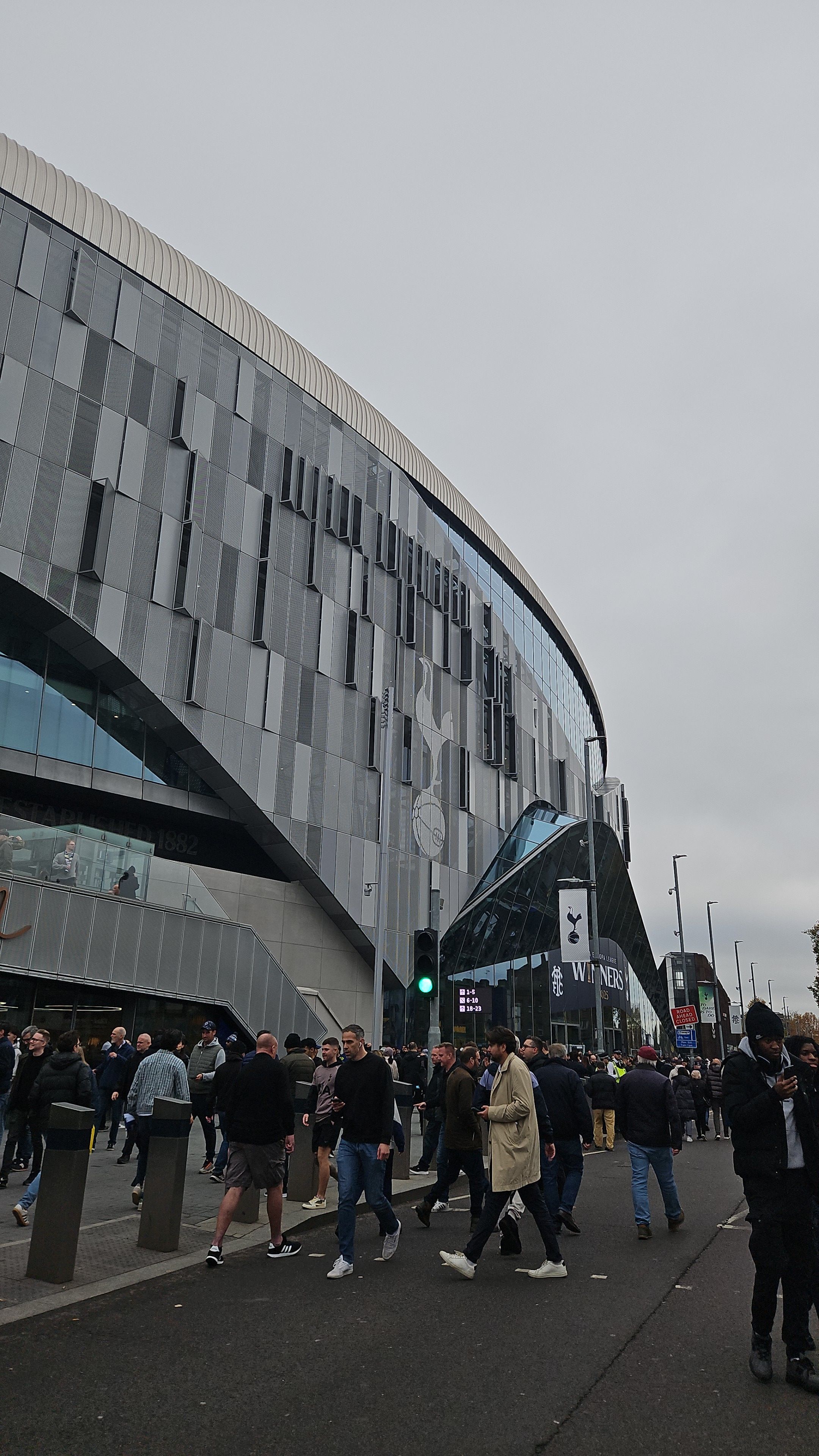
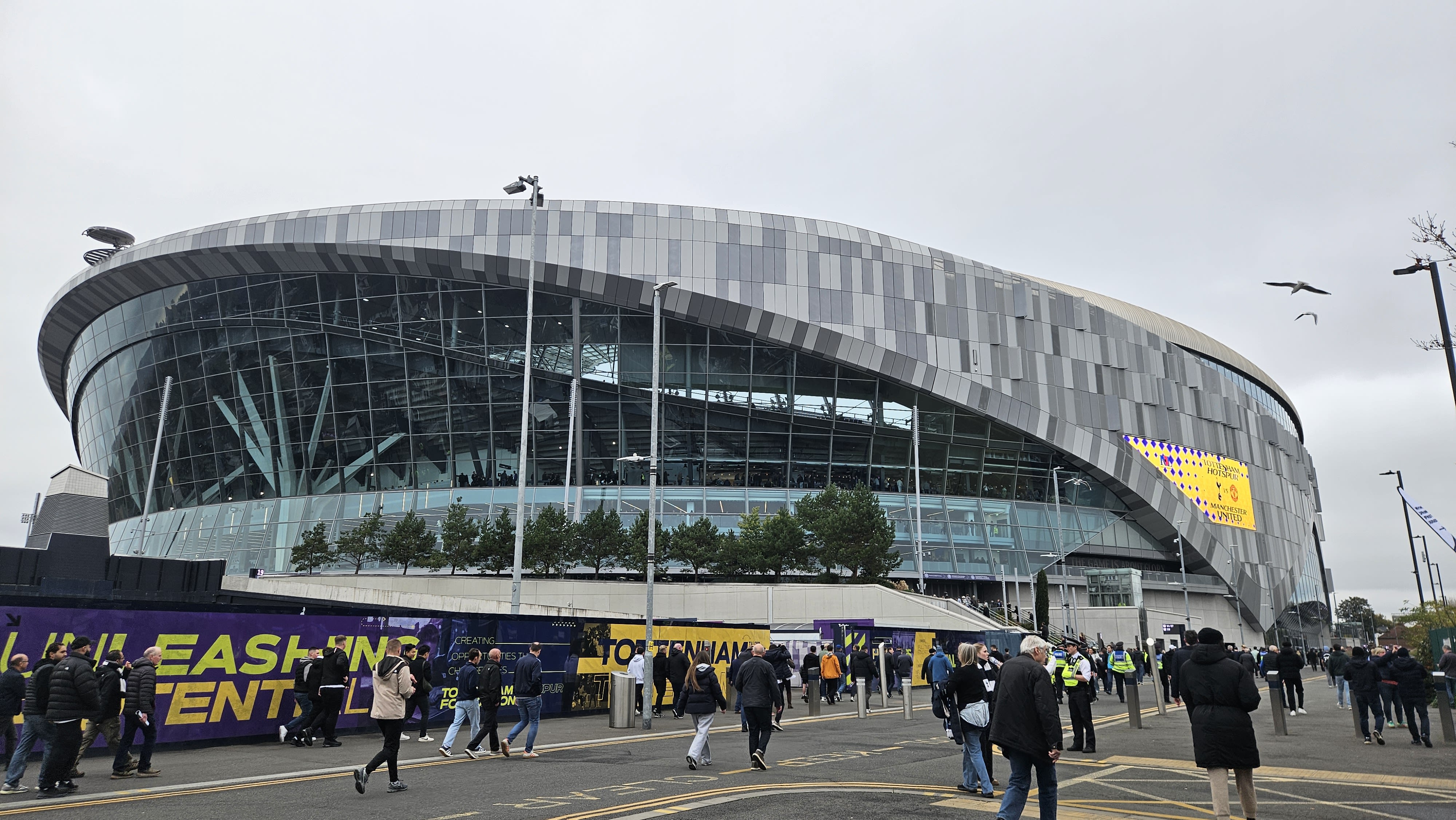
The Tottenham Hotspur Stadium
The home of Spurs since 2019.
The distance made any true rivalry between the two difficult before the Premier League era, but things are not the same now.
Social media means that jeers against the opposition last longer than just the coach ride home.
Fans ridicule, abuse, and attack each other - mainly in jest - all year round, not just when the fixture comes around twice a season.
This creates a sense of rivalry that overrides distance, as fans are in greater contact with each other. And when fans talk and argue more, it builds a deeper disliking.
Alongside the rise of social media over the past 30 years, there was rise in North London. After 25 years of dominance, Manchester United had gotten worse, and Spurs had gotten better.
The cycle present in the mid 1900s was repeating itself.
When Sir Alex Ferguson left Manchester United in 2013, it kickstarted Manchester United's drastic decline.
In the time since Sir Alex's retirement, Tottenham Hotspur have only won one trophy compared to United's five, but they have been a much better side.
Reaching the Champions League final in 2019 is something the Red Devils could not even dream of.
But Spurs never made that next step. They never kicked on to win the big titles, and instead fell back down into the battle for a Champions League spot.
And waiting for them in that battle, Manchester United.
For the first time in modern history, the two clubs were on the same level.
The early 2020s saw the the rivalry between the two English giants explode.
Ole Gunnar Solskjaer's Manchester United and Tottenham Hotspur were playing at the same level, fighting for Champions League qualification.
The number of important games has increased due to their similar ambitions.
Like Crystal Palace vs Brighton, it has become a rivalry formed from big matches, special managers and major controversy - not distance.
When the sides have come together in recent years, the affairs have always been fiery.
The Europa League win, Nuno being sacked, Mourinho making the switch to the South. These are pivotal moments that have formed a non-geographical connection between the clubs that feels like a rivalry.
But there are also smaller moments.
When Ronaldo stormed down the tunnel before his Piers Morgan interview, that was against Tottenham. Cultural moments like this also create a bitter atmosphere around the fixture.

And this new-age rivalry has been fuelled by players swapping North London for Manchester.
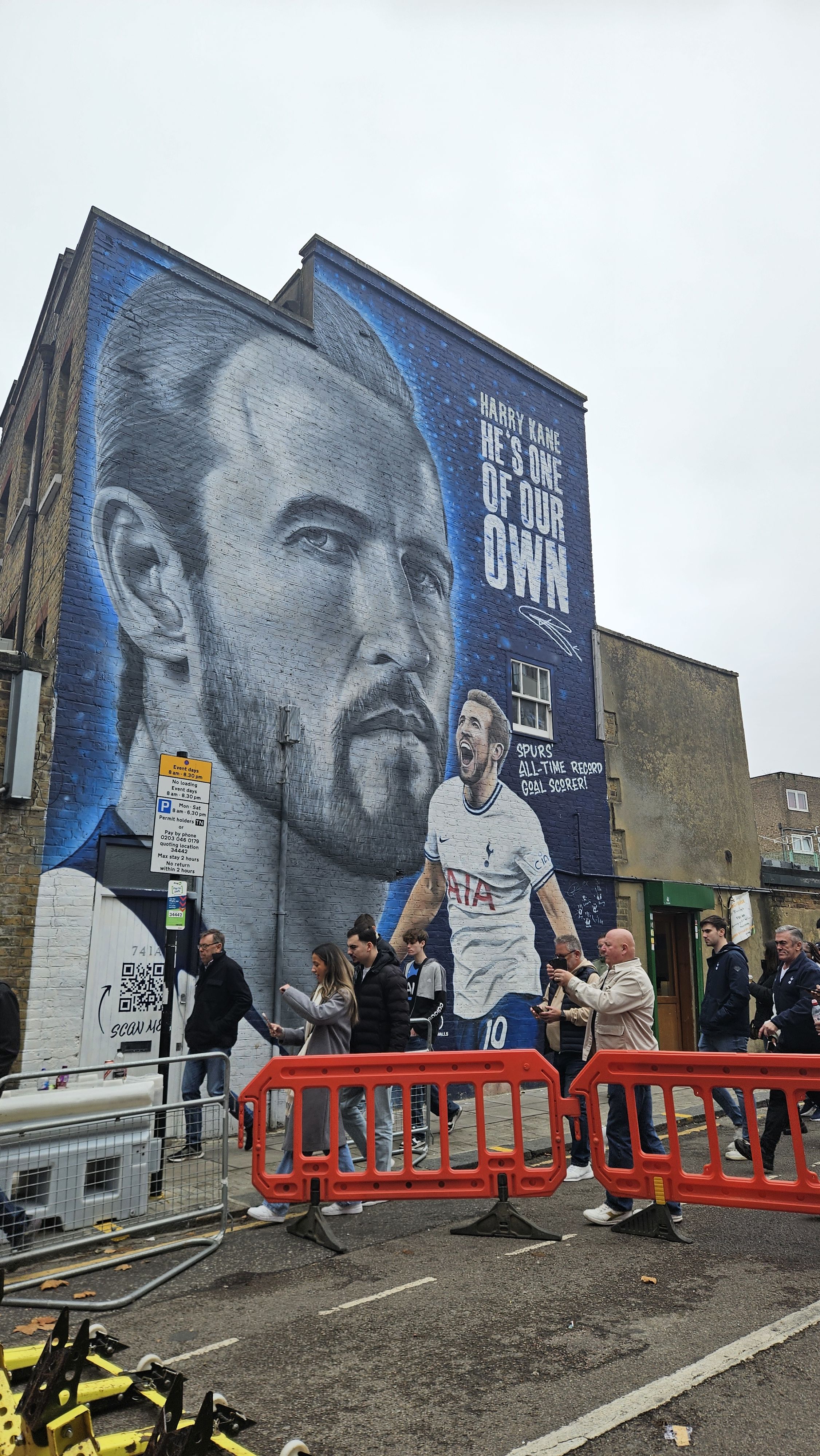
Most notably, two immense Premier League strikers.

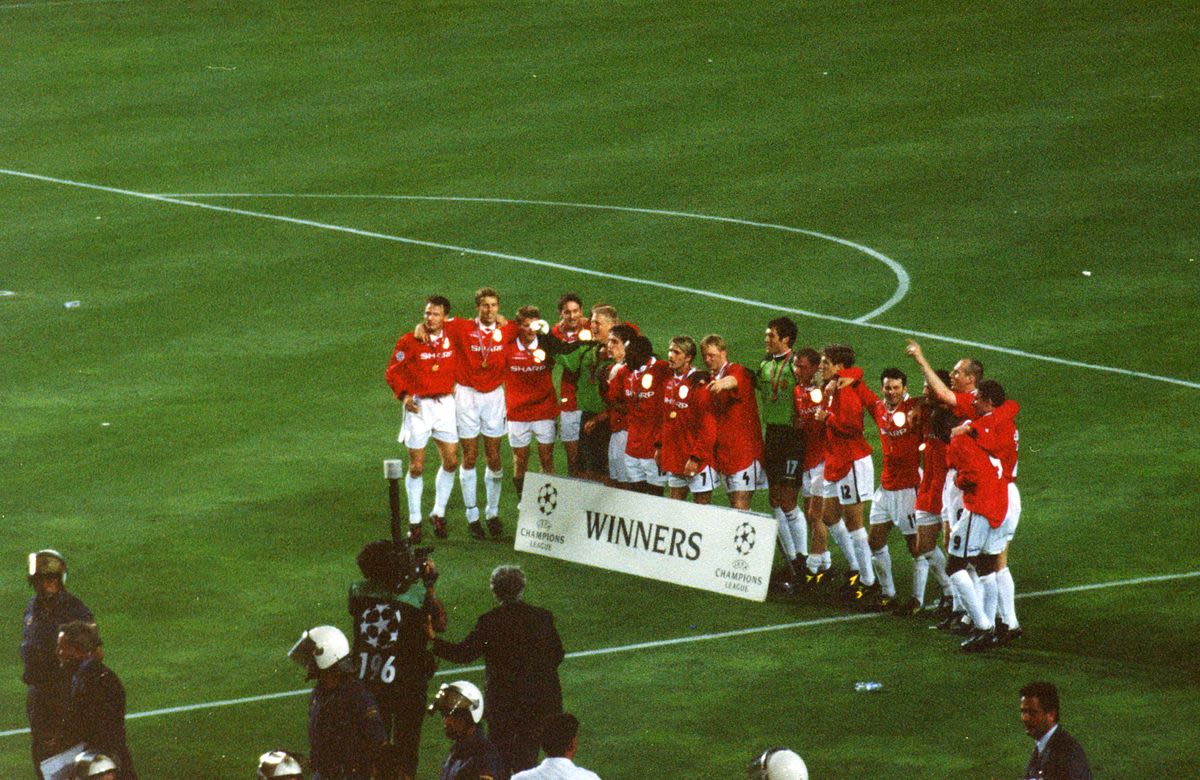
Teddy Sheringham
Tottenham Hotspur 1992-1997, 2001-2003
Manchester United 1997-2001
Sheringham was Tottenham's star striker and captain, but in 1997 he signed as Eric Cantona's replacement at Manchester United. United were dominant at that time, and Sheringham wanted to win big trophies. In his four seasons in Manchester he won three Premier League titles, one FA Cup, and a Champions League. He scored a pivotal goal against Bayern Munich to help secure United the treble. Sheringham returned to Spurs in 2001 after declining a one-year extension from the Reds.
Photo credit: Seán Murray via Wikimedia Commons

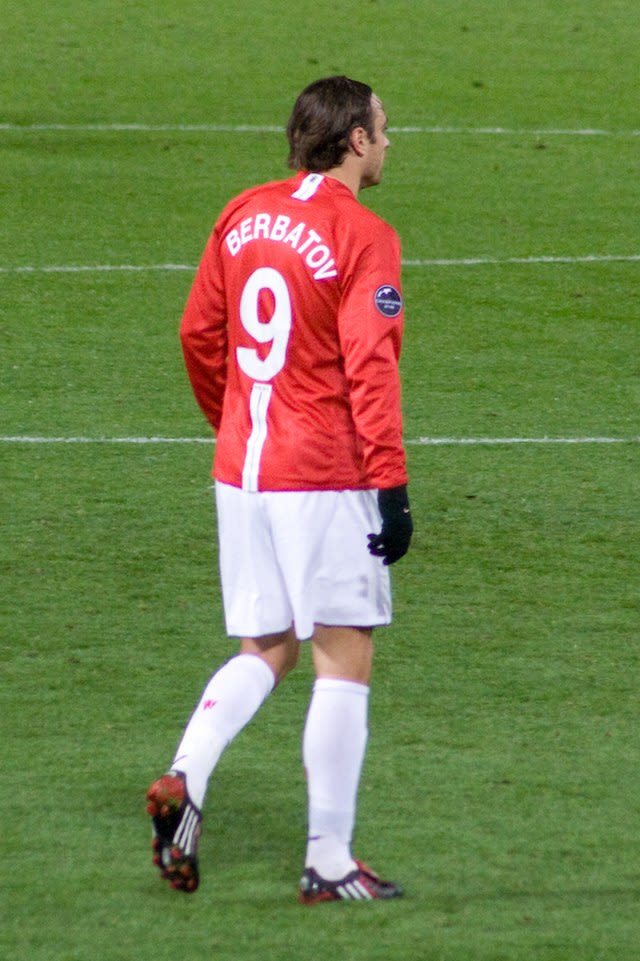
Dimitar Berbatov
Tottenham Hotspur 2006-2008
Manchester United 2008-2012
Berbatov's transfer to Manchester United was one of the most bitter the Premier League has seen. The Bulgarian made it clear he wanted to leave Spurs and only wanted United - but the club refused. Instead, they wanted to sell Berbatov abroad. The £30.75 million transfer felt like United had muscled Spurs out of their best player. He won two Premier League titles with the Red Devils, and the Golden Boot in 2011.
Photo credit: Gordon Flood via Wikimedia Commons
However, there were also magnificent midfielders that made the switch.

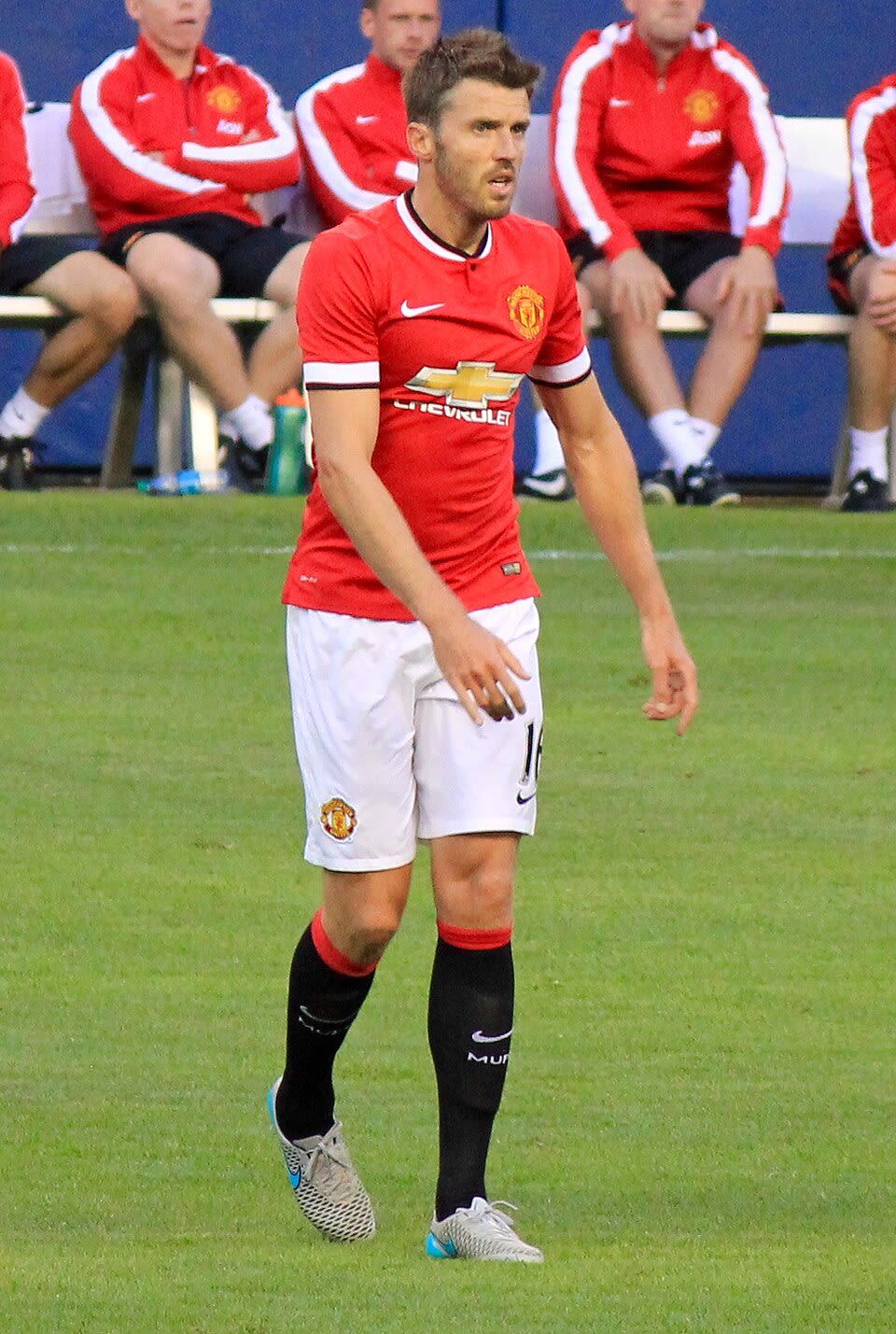
Michael Carrick
Tottenham Hotspur 2004-2006
Manchester United 2006-2018
Spurs seemed to be improving the season before Carrick joined Manchester United, but losing one of the best deep midfielders in the league massively harmed them. In his time in Manchester, Carrick won five Premier Leagues, the Champions League and a Club World Cup, and became one of Sir Alex Ferguson's most important players.
Photo credit: Matt Janzer via Wikimedia Commons

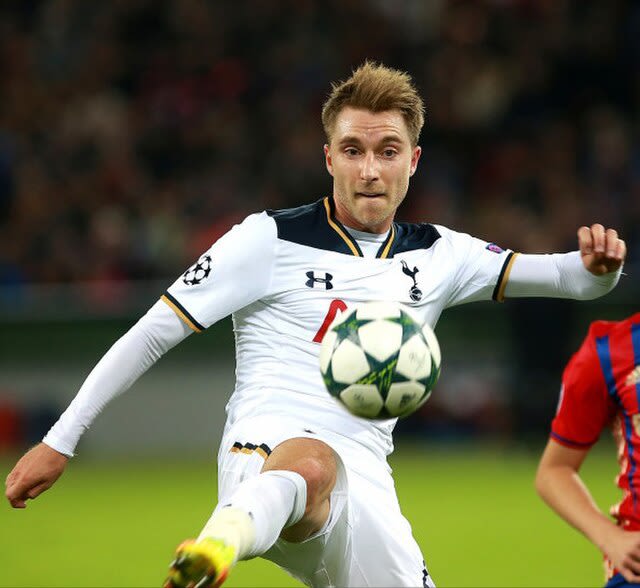
Christian Eriksen
Tottenham Hotspur 2013-2020
Manchester United 2022-2025
Eriksen was one of Tottenham Hotspurs most important players in the 2010s. Though he never won anything at the club, he was widely recognised as a fan favourite. However, after leaving Spurs and completing spells at Inter Milan and Brentford, he joined Manchester United. He continued the trend of moving to the Red Devils to win trophies, and by the time he left in 2025, he had won his only two trophies in England - the FA cup and the League Cup.
Photo credit: Дмитрий Голубович/soccer.ru via Wikimedia Commons
So often, a player would leave Spurs to win at Manchester United.
The Lilywhites would give their best players to United, just to watch them triumph over them year after year. From a Spurs perspective, this had to stop.
But it's hard to now imagine a player directly going from one club to the other permanently.
A loan move for Sergio Reguilón in 2023 is the only business the club has done in a decade. Even then, it was not a major player - just a back-up left back.
Spurs are also now beating United for transfers. In January 2025, Mathys Tel opted for a life in North London over Manchester. This would have been unheard of 30 years ago.
Spurs are no longer a feeder club for Manchester United.
This shift in transfer ideology symbolises the larger rivalry. Both clubs now have shared ambitions. They are fighting for the same trophies.
However, they are also competing at a level below their main rivals.
"Arsenal, Manchester City, Liverpool, and even Chelsea. They're all too good for us. Spurs and United, we are the same level."
With both clubs falling, their rival teams have filled the gaps. Manchester City, Liverpool, and Arsenal have been the three best clubs in England for years.
As their rivals seem to move on, Spurs and United are left with each other.
Neither team probably want to be rivals with each other. United would much rather be challenging Liverpool for the title. Spurs would massively prefer to be going up against Arsenal in the latter stages of the Champions League.
But right now, neither side is good enough. Like a bad relationship, United and Spurs settle for one another.
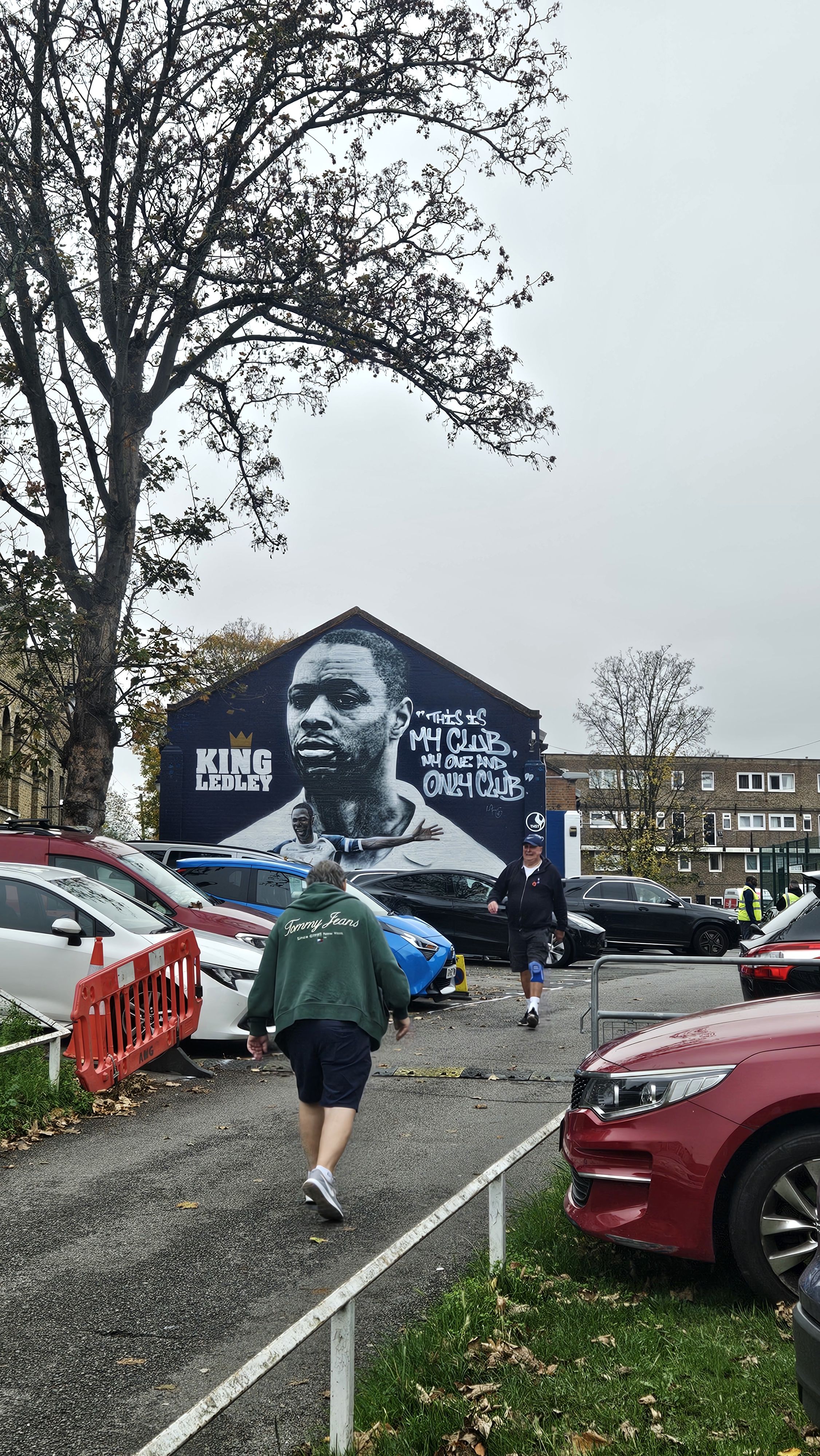
But what do the fans think?
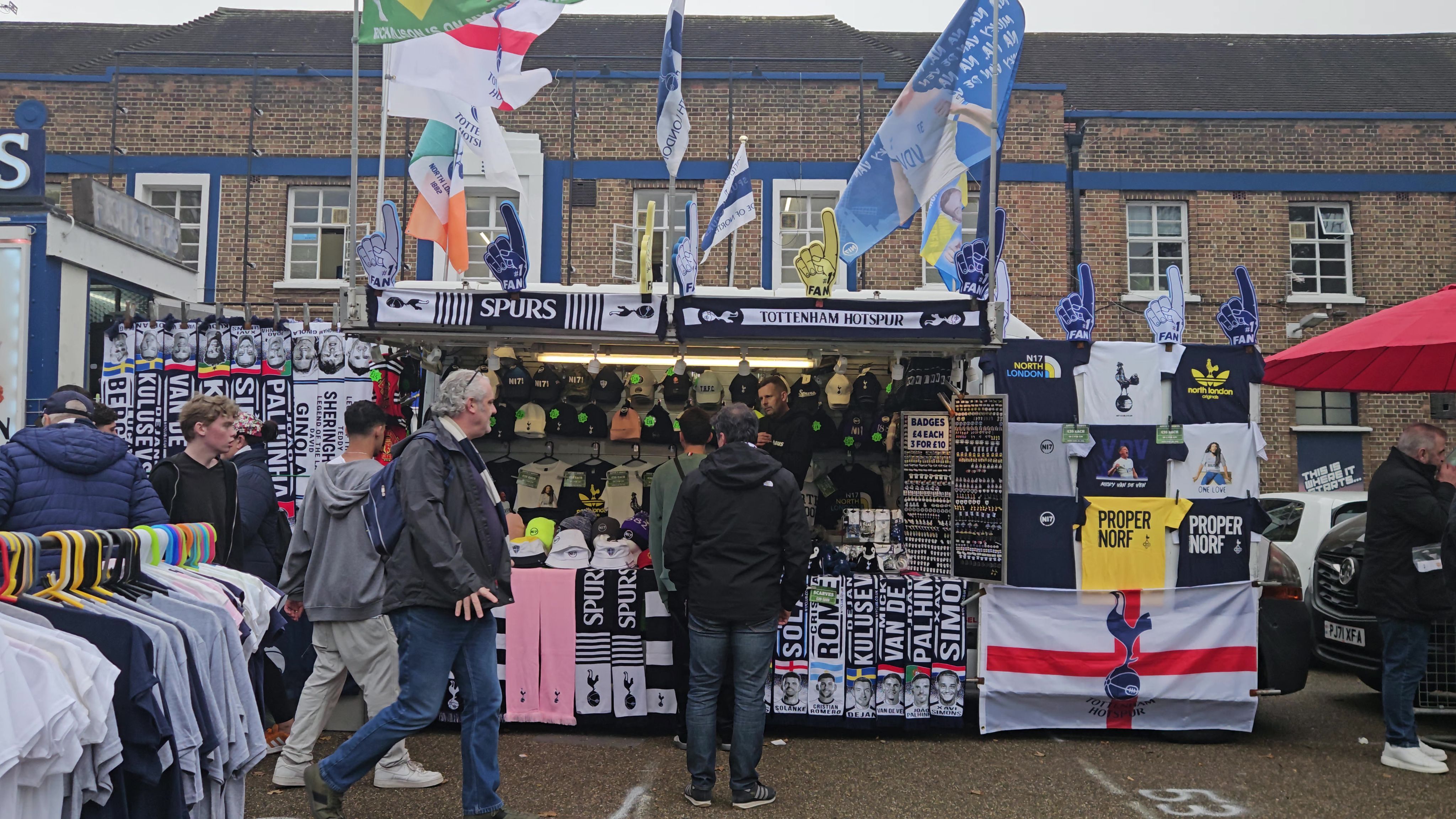

"I always just enjoyed going down to White Hart Lane in those days. It could be a bit dicey, you'd be a bit careful."
At 69-years-old, Andy Mitchell has been attending Manchester United games since 1967. A London based fan, Mitchell helps run memberships and train travel for the Manchester United London Fan Club which has over 100 members.
Being from the London area, Andy has a geographical connection to the rivalry between the two clubs. "I would say Spurs are slightly ahead of us," he said. "They have beaten us quite a lot in the last few years."
"But when Fergie was here, he always thought it was an easy three points," he continued. "It has changed and that's the nature of the beast. With football, you can have spells where you remain top, but it's only if you've got the right people to run it on."
Mitchell has made lifelong friends following United, and the club has been so important to him. When Mitchell's wife unfortunately fell ill, he stopped going to games to be with her.
Since his wife sadly passed in 2019, Mitchell has started going to games again, but jokes that the club only won when he was not watching.
But he has fond memories of games against Spurs years ago. He said, "I remember George Best lifted the ball, lobbed it up high over about eight or nine people, and he just topped into the net. That stood out for me."
"I think they're both going to be up there challenging. I think Spurs can now spend a bit of money and United have turned a corner."
Chairman of the West Sussex Spurs Supporters Club Ray Gordon has followed the Lilywhites since the 1970s.
"My parents weren't really into football at all, I just watched them on TV," he said. "I think I fell in love with the nice white shirts and the style of football. Ever since, Tottenham's been the club for me."
At 67-years-old, Gordon has seen the highs and the lows of this rivalry - but non as high as the Europa League final victory against Manchester United.
He said, "We were walking down the main road in Bilbao and the locals were out by the side of the street clapping us.
"A United fan went up to the police car and asked where the United pubs were, and the police just started laughing - it was all Tottenham."
Gordon acknowledges there is a rivalry between the clubs, but not a big one. However, he is undoubtedly glad Spurs have such a strong record against Manchester United in recent years.
However, the notorious player signings have taken a toll.
"The one that hurt the most was Berbatov," he said. "He just fitted Spurs."
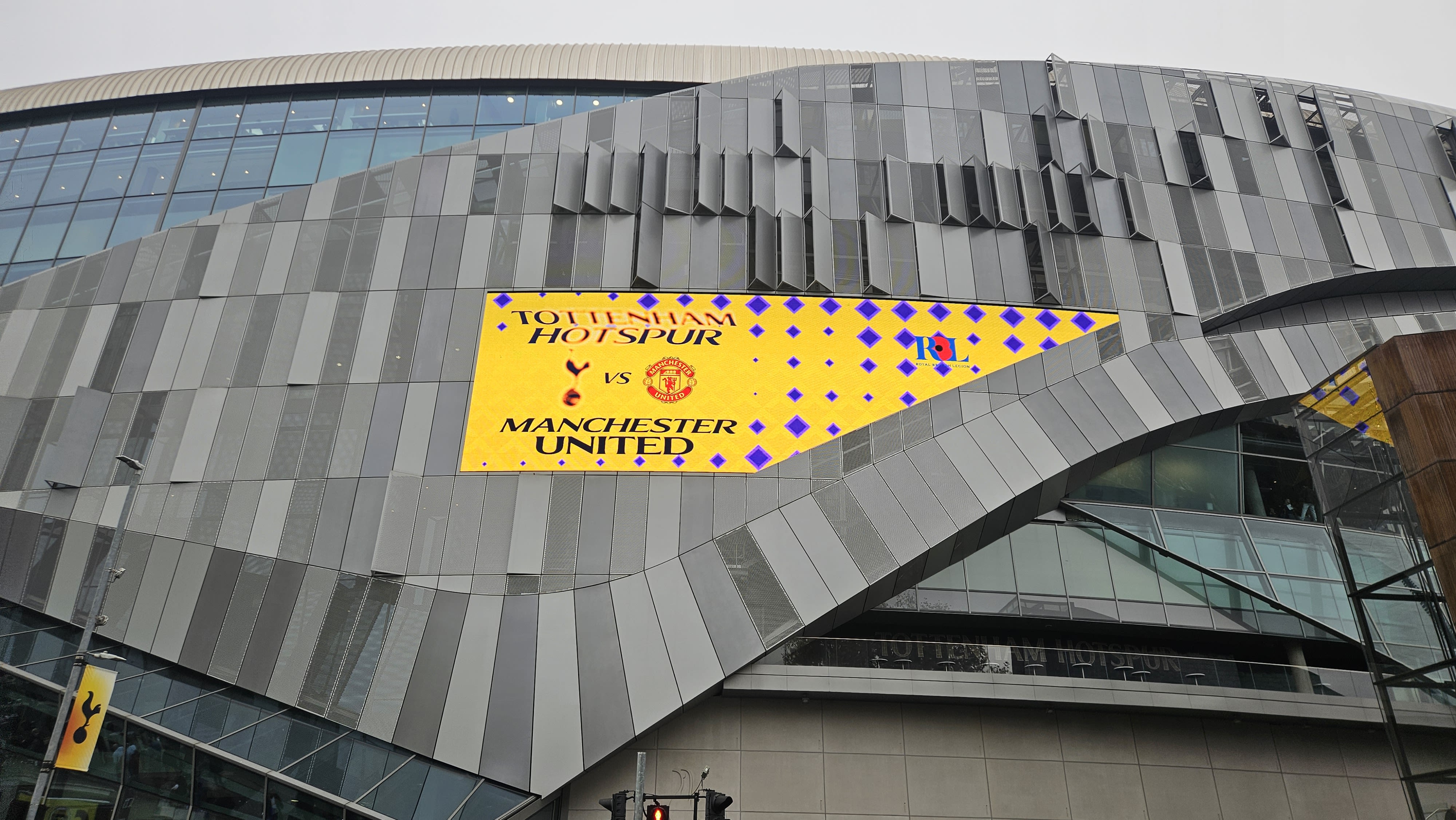
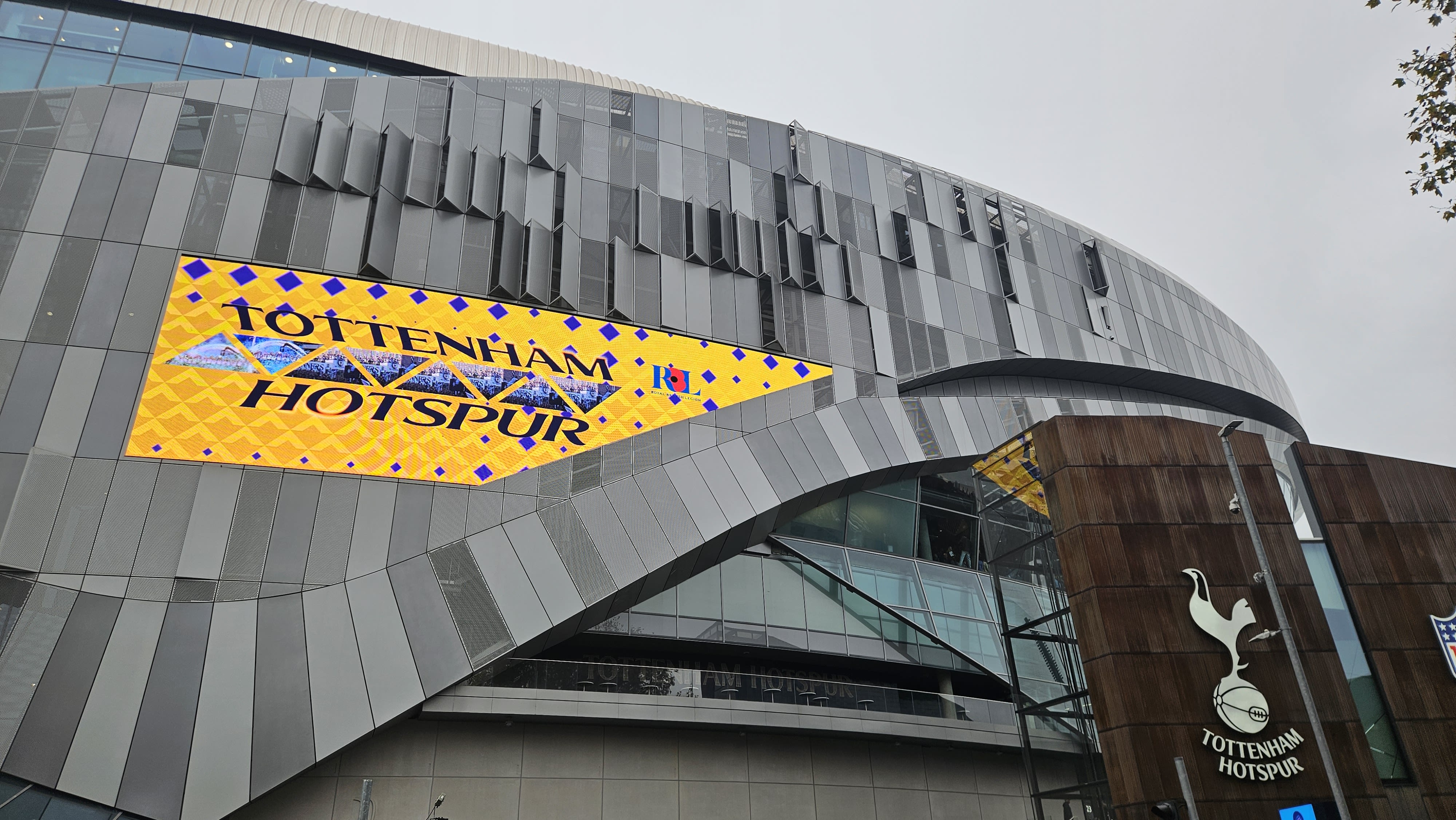
Rivalry stems from supporters. It is seemingly clear, from their perspective, that the two clubs do not feel like direct rivals.
But it is also evident in the way they speak about each other that there is something there.
Whether it is the pain of a player transfer, the joy of a magnificent goal, or the heartbreak of a lost final, the emotion that comes from this fixture shines.
Are they main rivals? Obviously not.
United vs Spurs is never going to be as big as the North London or the North West derby.
However, despite the geographical distance, the fixture has everything else you need.
Huge games, crazy transfer sagas, similar season goals, and a long term desire to bring back former glory.
Whether it is fighting for a Champions League spot or the Europa League trophy, they are always together.
As we approach 2026, both teams seem to be on the up, and the rest of the decade could see immeasurable growth in competition between the two.
And until the clubs are competing at the top with their traditional rivals, Manchester United and Spurs - whether they like it or not - are makeshift rivals.
 Built with Shorthand