
Why are there so few Black British journalists?

The first time the British public saw a Black person presenting the news was in 1968.
Nine months later, she had been let go.
Through no fault of her own, Barbara Makeda Blake-Hannah’s career as an on-screen presenter was over because producers were under daily fire from viewers who called to tell them to ‘get that n****r off our screens’.
More than 60 years later, only 1% of journalists in the UK are Black.
Just 10 years ago, this number stood at 0.3%.
Admittedly, there isn’t an extremely large number of Black people within the UK, with only 4% of the population identifying as Black at the last census in 2021.
The underrepresentation of Black people within journalism is by no means unique, with research showing that only 1.5% of senior management roles within business are held by Black people, and that only 11 of the 3,000 partners across the ‘Big Four’ accounting firms are Black.
But there is a unique issue with the underrepresentation of Black people within journalism.
Research across a range of countries has consistently shown that ethnic minorities are portrayed negatively or stereotypically by the press, as a problem, if not as a threat.
The importance of Black storytellers
8
"I started watching documentaries and digital media pieces and I realised there was a lack of Black people telling Black stories"
- Kevwe Ogufere, founder of 'Frontline Media
For Kevwe Ogufere, a Black journalist and filmmaker, it was precisely this - the lack of Black people telling Black stories - that inspired him to pursue the profession.

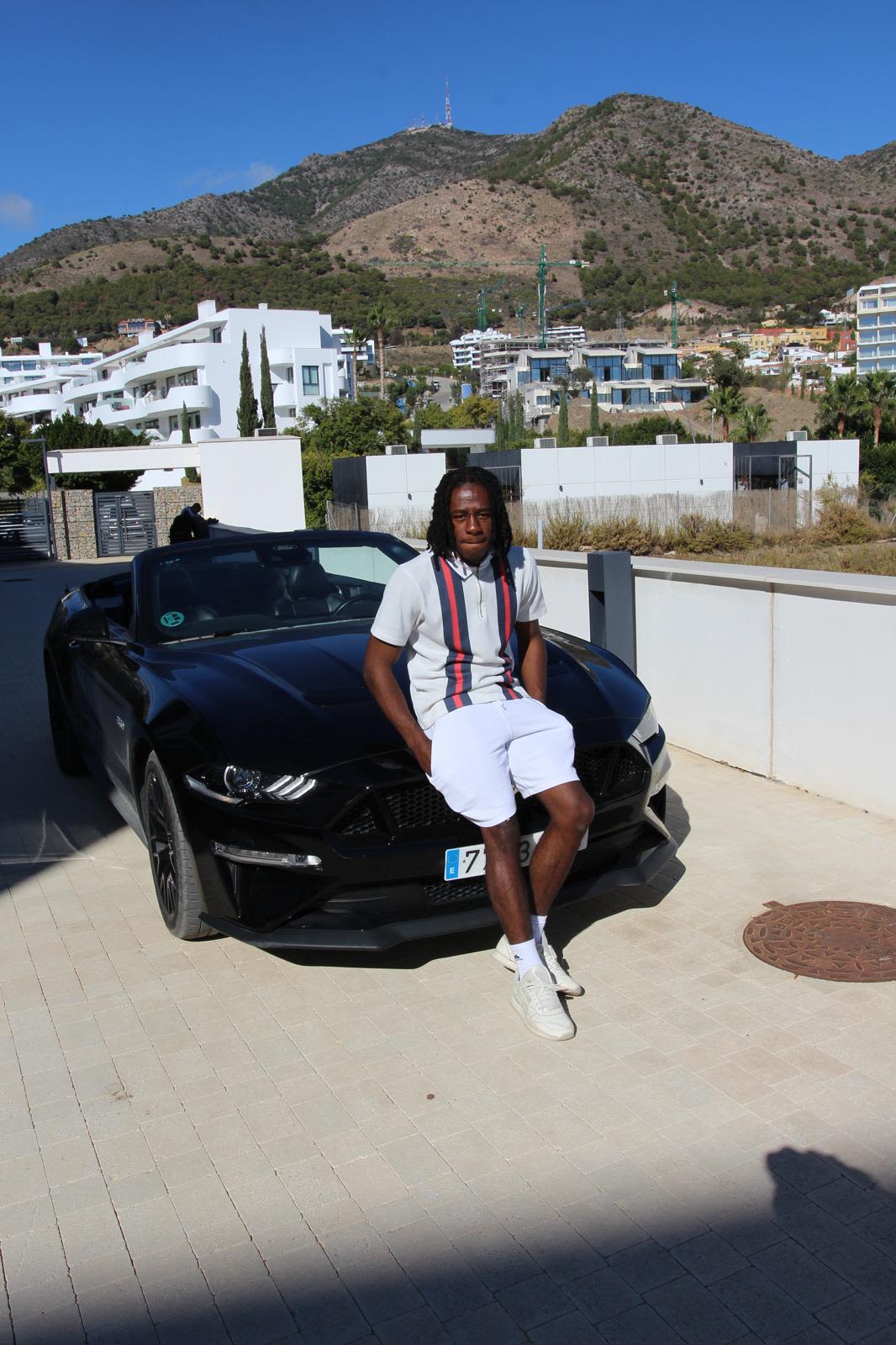
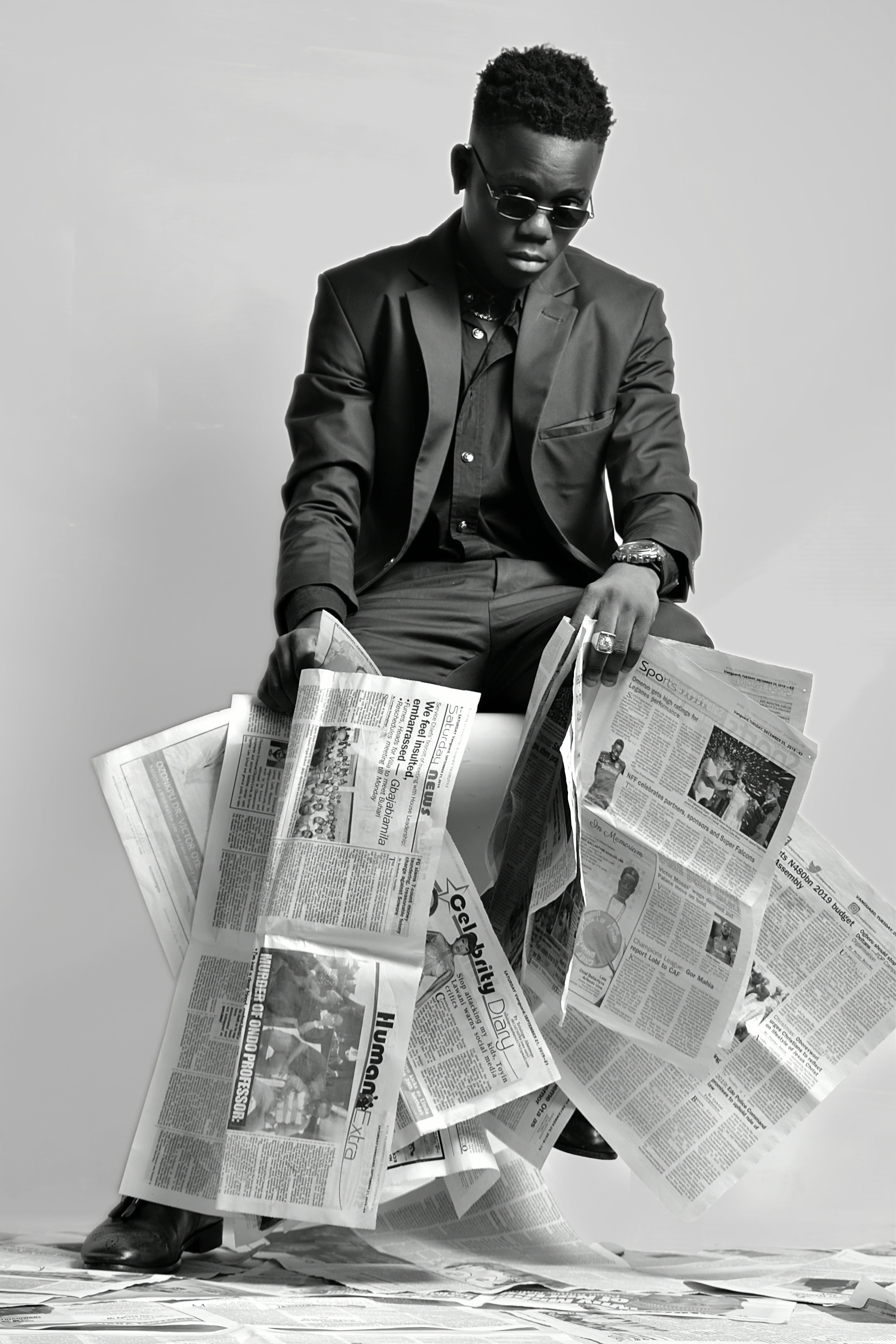
Kevwe Ogufere (credit: Kevwe Ogufere)
Kevwe Ogufere (credit: Kevwe Ogufere)
He said: “I used to watch the news with my mum in the morning as part of a routine.
"I started watching documentaries and digital media pieces and I realised there was a lack of Black people telling Black stories.
“I studied and enjoyed history in school. I’m dyslexic and didn’t like reading, so filmmaking spoke to me.
“I wanted to see Black people in media besides entertainment, as Black people have been oppressed for so long and so I wanted to see us talk about things that matter.
“Journalism plays an important role in informing the public so that democracy can function properly and I wanted to play a part in that.”
Today, Clive Myrie is arguably the most visible Black face within British journalism today as a regular newsreader on the BBC.
As such, he is often cited as a key figure of representation by many younger Black journalists who grew up rarely seeing themselves within the industry they saw their future within.
For many of them, he was the only Black British journalist that they knew.
“Seeing someone who looked like me being able to do something like that and do it with authority and professionalism was a big deal for me"
- Alpha Ceesay, Deputy Content Editor at ITV News
Inspiration through representation
Another Black British journalist that many young Black people growing up in the UK is Lizo Mzimba.
A presenter on the CBBC news programme 'Newsround', Mzimba's face would have been seen by many young people as the programme was often shown in schools around the country.
Alpha Ceesay was one such young person.
He said: “As a kid I grew up watching News Round on CBBC.
“Seeing someone who looked like me being able to do something like that and do it with authority and professionalism was a big deal for me."
Alpha Ceesay explains how he was inspired to become a journalist by seeing Black journalists reporting the news
Alpha Ceesay explains how he was inspired to become a journalist by seeing Black journalists reporting the news
A significant wall torn down
“I was not cutting off my locs for anything"
- Plamedi Mbungu, journalist
Whilst Myrie was the first Black reporter that many young aspiring journalists saw, as they grew up they slowly began to see more representation within the UK’s broadcast newsrooms.
One landmark moment for Black British journalism was in 2022 when Antoine Allen, reporting for ITV News, became the first Black newsreader to appear on TV with dreadlocks.
Plamedi Mbungu, a young Black journalist who also has dreadlocks, found this to be especially inspiring, as many Black men with dreadlocks are often discouraged from wearing the hairstyle within professional spaces.

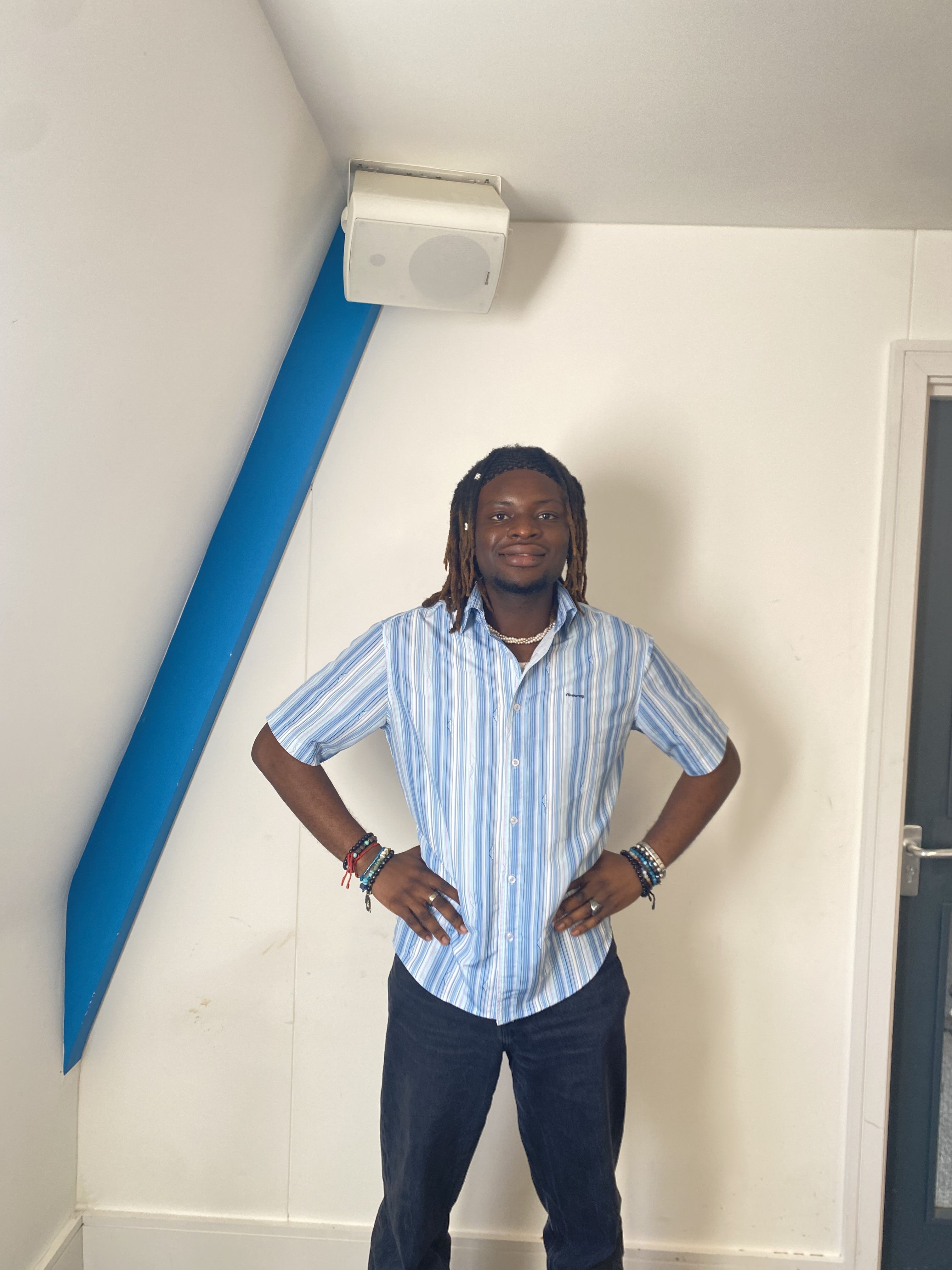
Plamedi Mbungu (credit: Kisakye Busuulwa)
Plamedi Mbungu (credit: Kisakye Busuulwa)
But Allen’s mere existence knocked down a wall that many Black men were scared to approach, fearful of rejection based solely upon how they chose to present themselves.
Plamedi said: “He was the person that gave me the confidence to go into this industry and be myself wholeheartedly.
“I was not cutting off my locs for anything.
"That was not happening.
"So seeing somebody like that, who had become a newsreader on ITV, I just thought ‘if he can do it’ I can.
“Seeing somebody who looks like you, in the position that you want to be in, it just gives you so much confidence.”
Plamedi believes that the lack of representation within journalism is the reason that many young Black boys don’t think of journalism as a potential career path.
He said: “From the outside looking in, it doesn’t seem like a meritocracy.
"But when people like Antoine Allen do what he did in the industry, it does give a lot of confidence to a lot of Black kids across the UK.”
Inspiring trailblazers
"Despite many doors closing in my face, I knew I could do it because I had seen it being done by countless others”
- Melissa Sigodo, founder of 'The Source' newsletter
Black writers tend to inspire more Black writers.
From Frederick Douglass and W.E.B Du Bois, to bell hooks and Toni Morison, young Black writers are spoilt for choice in terms of Black writers in regard to inspiration.
Melissa Sigodo, the founder of 'The Source' newsletter - a news publication that highlights stories within the UK's Black community, lists James Baldwin as one of her favourite writers.

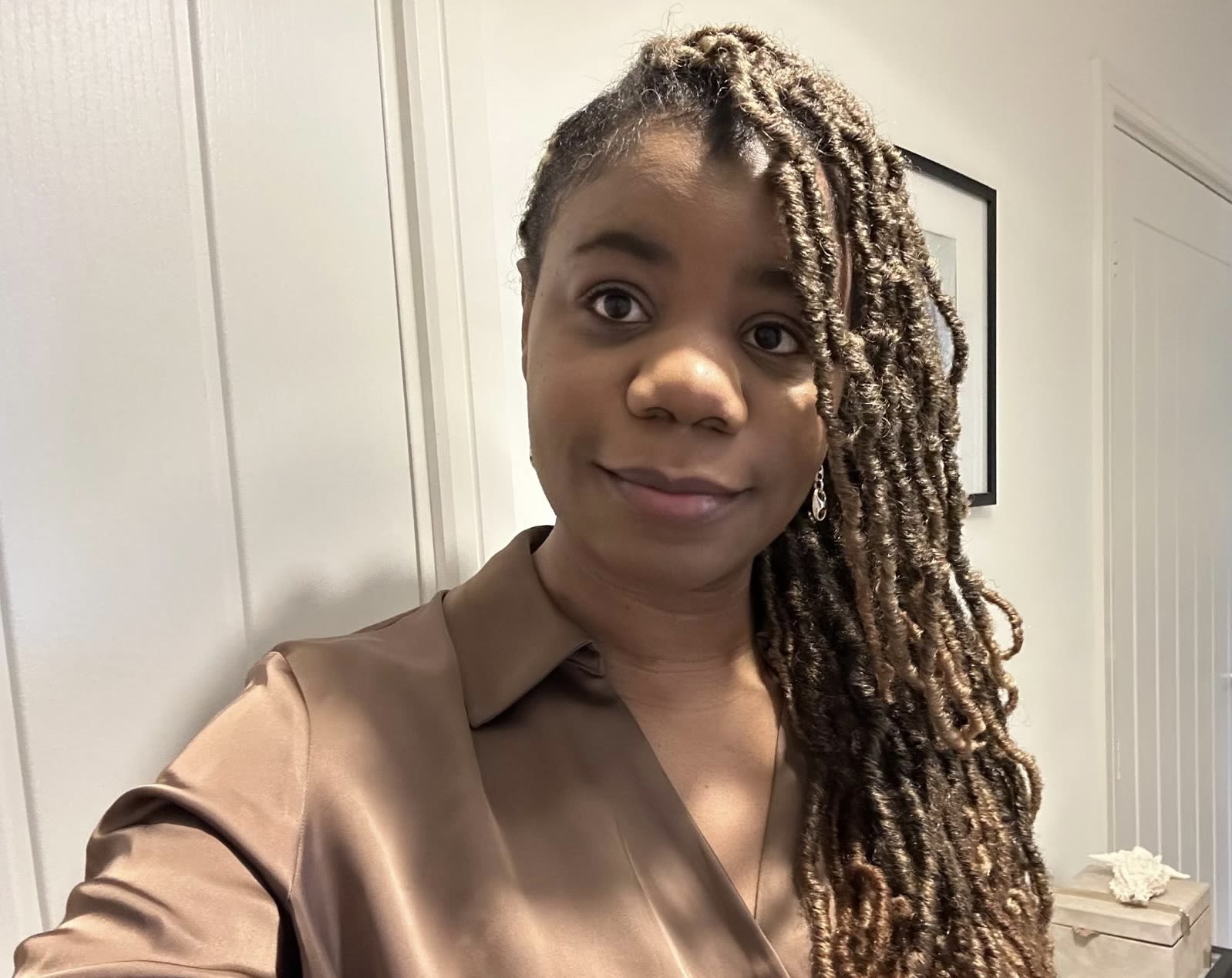
Melissa Sigodo (credit: Melissa Sigodo)
Melissa Sigodo (credit: Melissa Sigodo)
She said: “I always wanted to be a writer since I was a child, so I guess journalism was in there somewhere.
"I also dreamed of owning my own magazine and I remember a couple of attempts to set one up in school.
"Over the years I set up different blogs but eventually I found journalism which offered a way to write.
"Once I made the choice to become a journalist, my passion for the profession grew and I realised I was good at it.”
Having grown up in Zimbabwe, Melissa was exposed to Black journalists from a young age and cites the impact that this representation had on her as a key factor in her career choice.
She said: “I wouldn’t say there was one specific journalist who inspired me.
"It was normal to see Black journalists reporting the news on television or seeing Black names in print.
"Despite many doors closing in my face, I knew I could do it because I had seen it being done by countless others.”
Melissa believes that more Black-led news outlets are needed in order to increase Black representation in British journalism.
She said: “That’s why I founded my own Black news outlet - 'The Source' - which has given Black writers and Black journalists the opportunity to get their important work out there.
"That’s the way I see real change happening.
"Places where Black journalists can thrive and are valued and not seen as a tick-box exercise or a PR exercise.
“I’ve heard countless stories of how Black journalists are treated poorly and their work disregarded.
"There are so many talented journalists who aren’t given the same opportunities as their white counterparts even down to training.
“It’s even worse when those Black journalists want to tell stories from the Black community - they get overlooked even more.”
And this is supported by research that shows that Black journalists are perceived as less objective, and more biased toward their own racial group, than white journalists.
"More representation will show that there are no barriers to what we want to achieve and that there is space for us to do so accordingly, like our other peers"
- Blessing Nkama, student journalist at the University of Nottingham
Possible solutions to the problem
The idea that Black representation must be solved by Black writers taking the initiative and creating their own platforms is a sentiment shared by many others across the industry.
Ogunfere also runs his own media publication called ‘Frontline Media’, which alongside Melissa Sigodo’s ‘The Source’, is one of many Black-run news publications in the UK.
And whilst this idea is one that has been acted on by Black British journalists themselves, many of them hold other ideas for addressing the lack of representation within their profession.
Blessing Nkama, an aspiring journalist currently studying at the University of Nottingham where she is the news editor for the university’s award-winning student magazine ‘Impact’, thinks that young Black journalists need to be provided with more opportunities to gain insight into the industry.

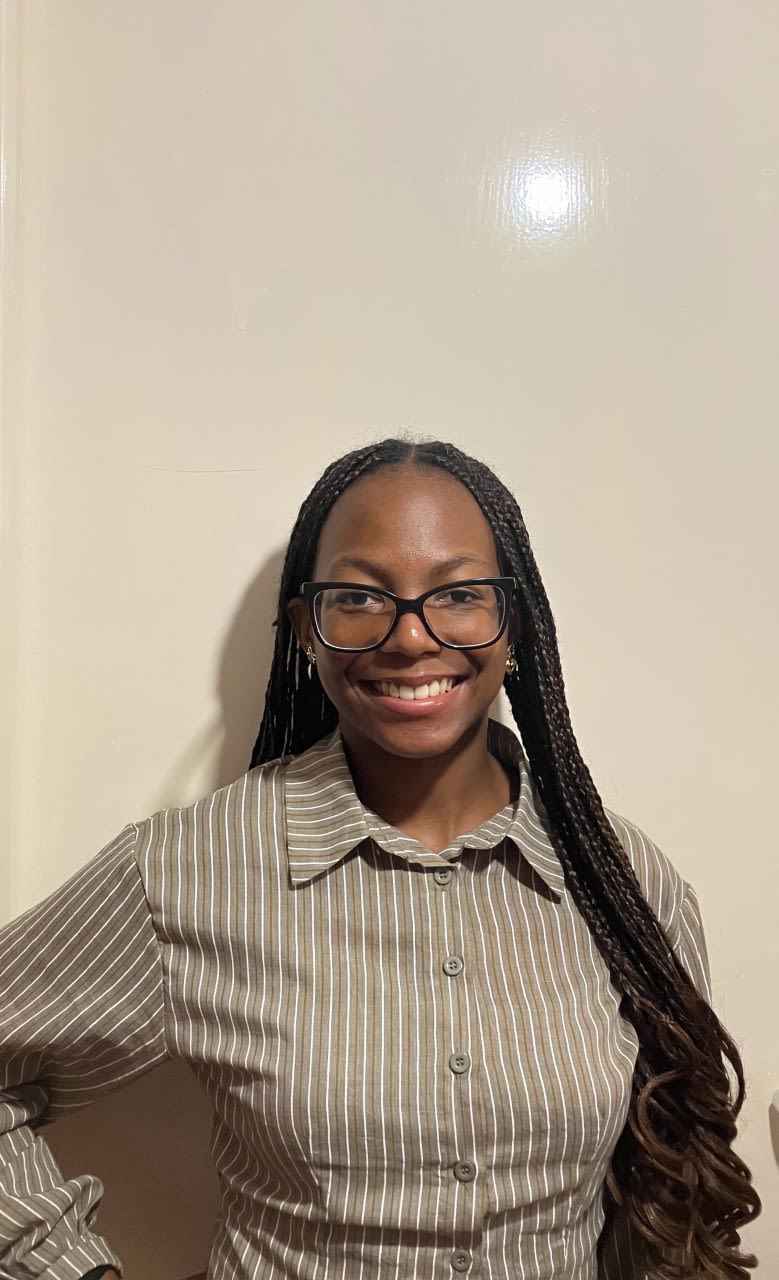
Blessing Nkama (credit: Blessing Nkama)
Blessing Nkama (credit: Blessing Nkama)
She said: “I think there need to be more insight days, workshops and more emphasis on how to build and showcase the necessary skills to become successful in the industry.
"I think there should be more talk about journalism as a career and showing Black journalists in mainstream media.
"More representation will show that there are no barriers to what we want to achieve and that there is space for us to do so accordingly, like our other peers.”
Meanwhile, freelance journalist Tam Patachako attributes the lack of Black journalists to a lack of encouragement being given to young Black children to pursue a career in journalism.

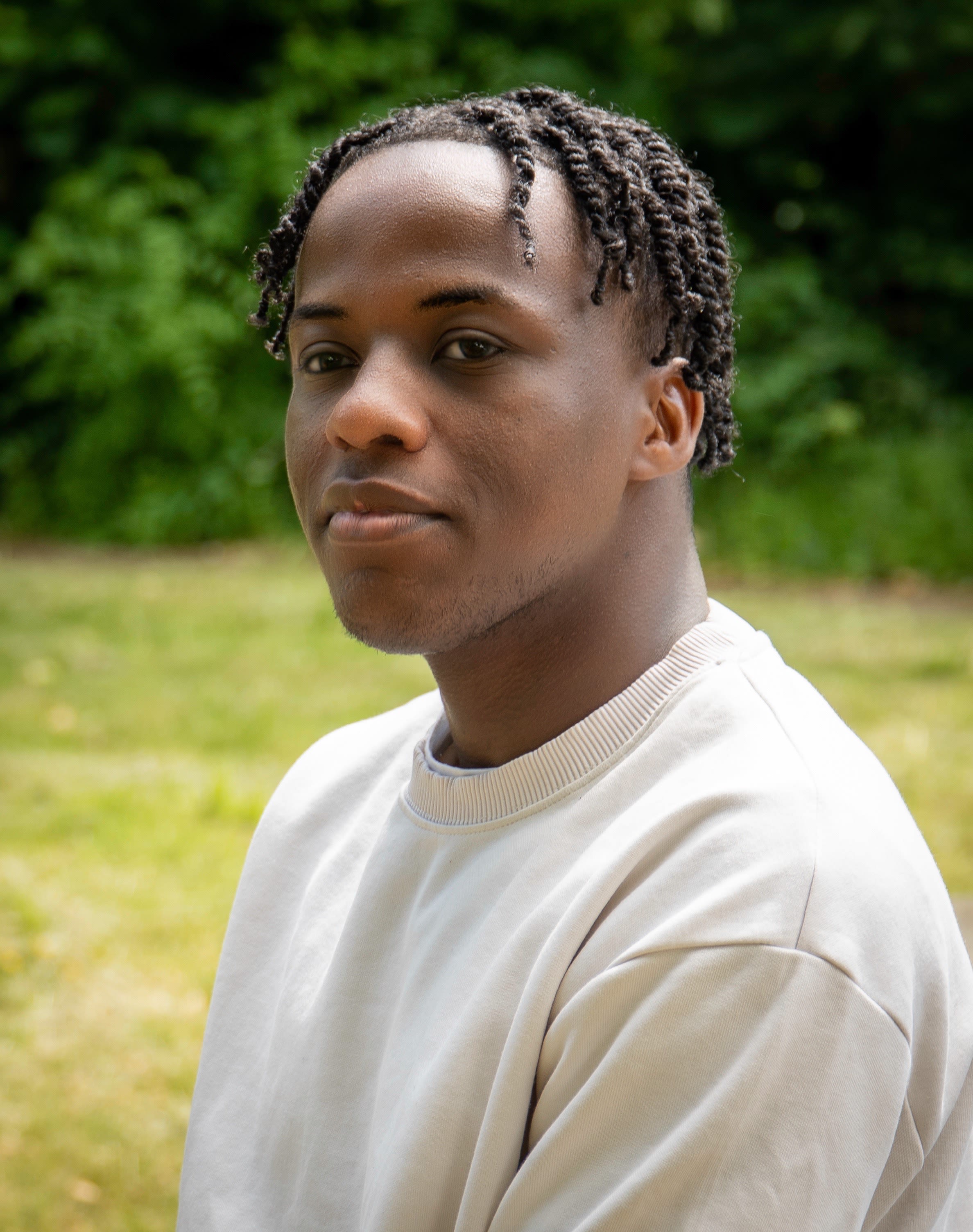
Tam Patachako (credit: Tam Patachako)
Tam Patachako (credit: Tam Patachako)
“How many children do you think are being encouraged to pursue a career in journalism?
"I would wager not many.
"The lack of diversity in the newsroom is also slightly cultural in my opinion.
"From my personal experience, African families don’t value careers such as journalism.
"So before we ask ourselves how we are going to fix an institutional issue, let’s consider some of the root causes.
“I do think we absolutely need to encourage people of colour to consume more hard hitting journalism.
"Equally imperative, we need to break career perceptions, quite often children from BAME families have their careers picked for them.”
Ultimately, there does appear to be a trend in the increase of Black journalists in the UK. But is this increase happening fast enough?
Black people continue to be portrayed negatively in the news, with stories about knife crime being the first thing many think of in regard to Black people in the news.
Whilst Black people are well represented within media, with young Black actors such as Damson Idris and Cynthia Erivo at the forefront of international Black British representation, oftentimes the only stories Black people are seen telling are those manifested within the imaginations of white screenwriters.
Rarely are they the ones telling the stories, and if they are, you’ll be more likely to be hearing them through a song rather than watching them on the news.
 Built with Shorthand