
Why do Muslim Women wear the Hijab?
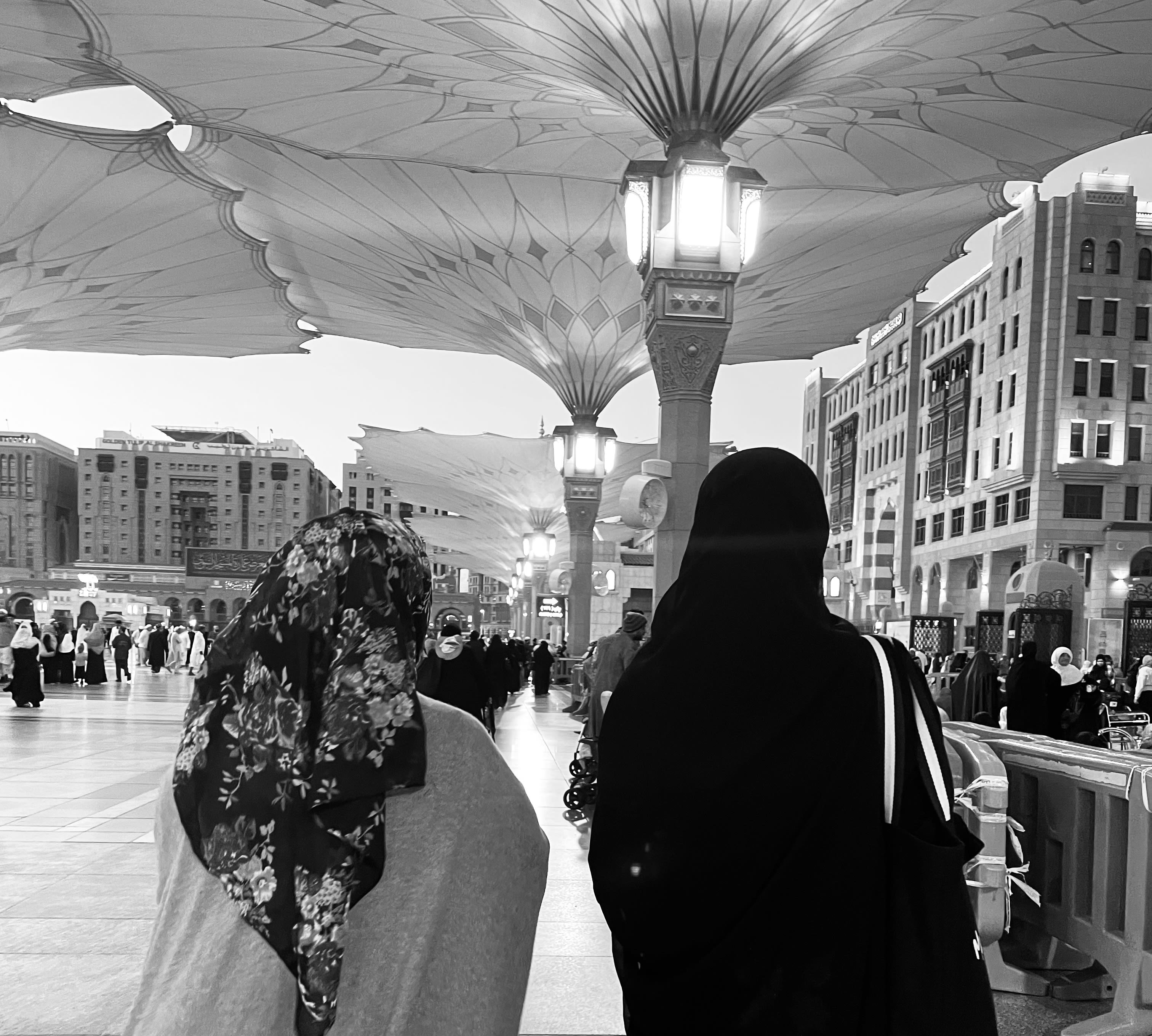

“Are you off to join ISIS?”
The question stopped A'iyshah Rana in her tracks.
She was just a teenager, walking through the streets of her hometown in Manchester, dressed proudly in her cadet uniform and hijab. Then, a boy who looked not much older than thirteen years old shouted the words that left her stunned.
A'iyshah said: “Me in my British army uniform, learning how to march, sitting in church services, and somehow, even then, I was being called ISIS.”
For a moment, she didn’t know how to respond, before she calmly replied 'yes'.
She didn’t want to retaliate, she just wanted to see how he would react.
That moment stayed with her forever, she said. She realised that he had heard those things from his environment, perhaps from home or the media.
A'iyshah said: "It made me realise that if this is the narrative people believe, I want to change that and I want to challenge it."
Sadly such incidents are all too common for many women who go through the world wearing the hijab on their head.
While Muslim women wearing the hijab have become increasingly visible across a wide range of industries- from healthcare and education to media and politics, the hijab remains deeply controversial. It could be argued that it is one of the most fiercely debated, misunderstood and politicised garments in the world.
Amid all this noise, one question persists: Why do Muslim women still choose to wear the hijab? Is it really, as some believe, a symbol of oppression? Or is there a deeper spiritual and personal journey behind it? This article explores the realities of hijab-wearing women, through their voices, their challenges, and convictions.
Islamophobia
According to Tell Mama, an organisation that records anti-Muslim hate crime, the number of Islamophobic incidents have increased significantly.
In 2024 alone, Tell MAMA recorded 6,313 cases, the highest annual figure since its creation in 2011/2012, marking a 165% rise in verified incidents since 2022.
The organisation highlighted that hatred towards Muslims has become more threatening and far more frequent.
As a result of such anti-Muslim bigotry, Muslim women are often the most impacted by such prejudice. Therefore, discussions about the hijab and the reasons why Muslim women wear it are more crucial than ever.

Credit: Haleema Sadia
Credit: Haleema Sadia
What is the hijab?
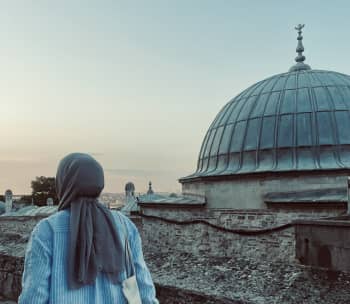
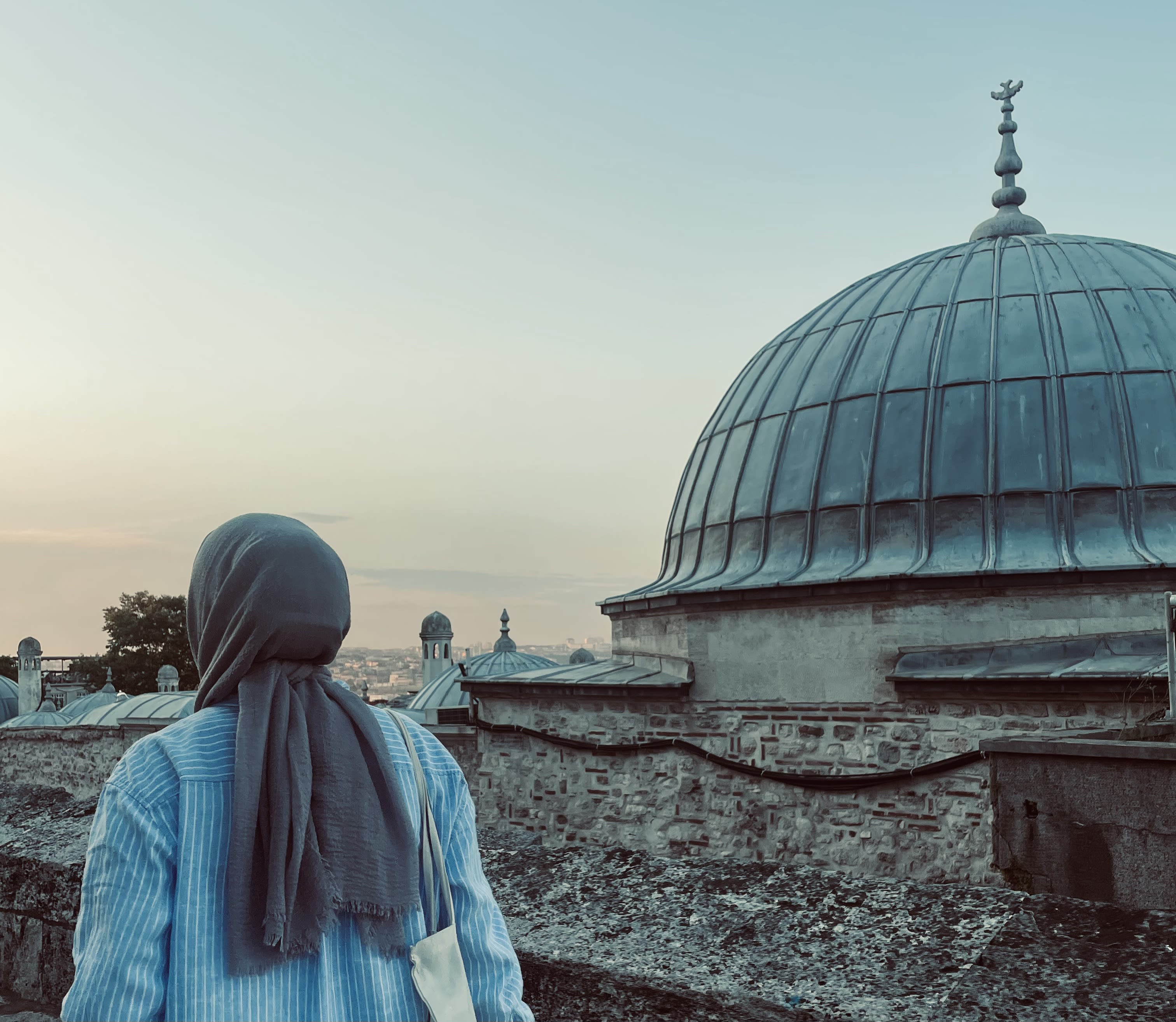
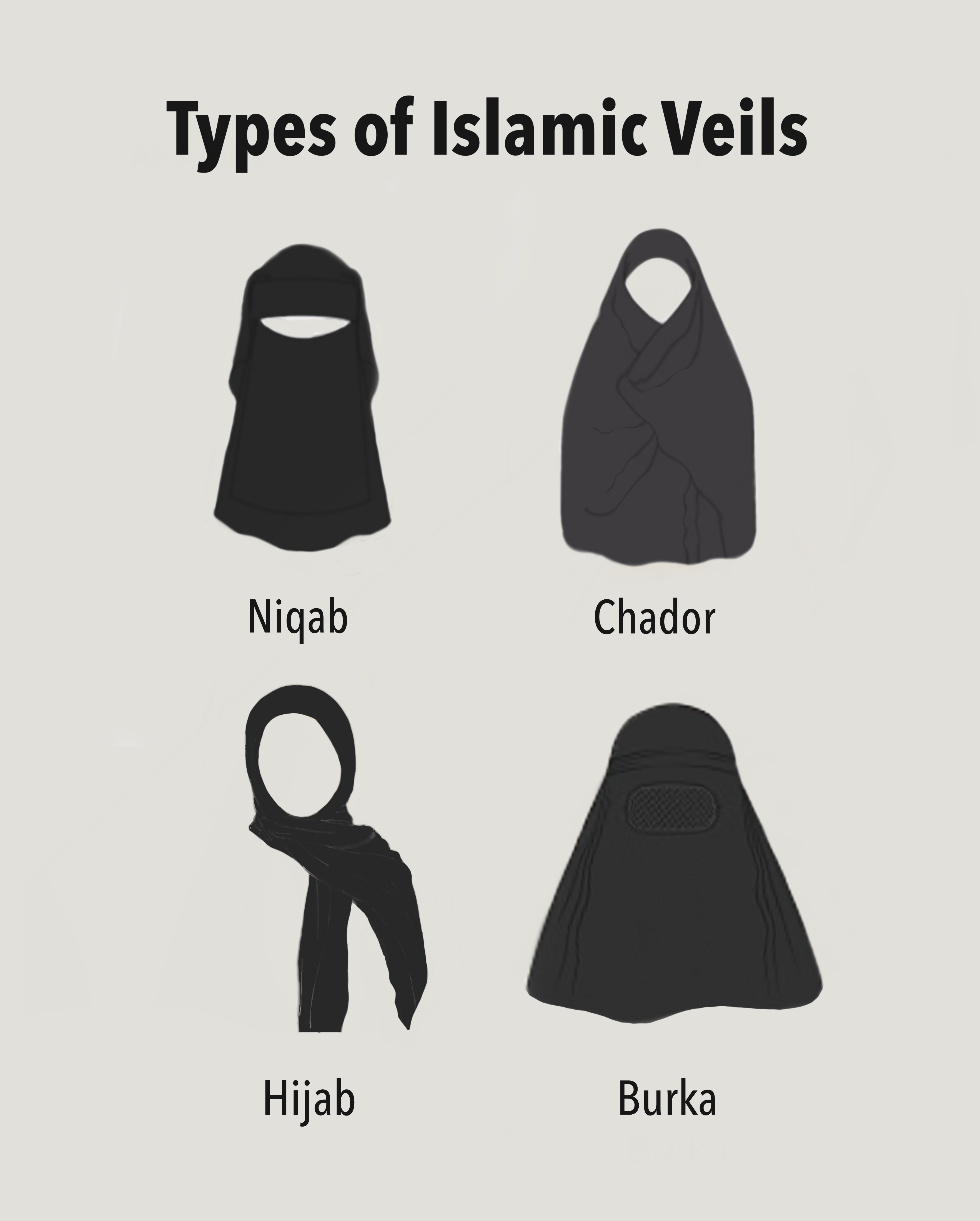
The hijab (veil) is a headscarf worn by many Muslim women as a part of their faith and a commitment towards modesty. It involves covering the hair, neck and body by wearing loose-fitted clothing to maintain modesty in public spaces, usually in front of men who they are not related to.
While the hijab refers to the outer garments that a woman wears, Muslims believe that the hijab holds special spiritual significance, and extends to a person's inner character and code of conduct.


A Religious Command
In Islam, wearing the hijab is considered an act of worship and obedience to God. The Quran instructs believing Muslim women to dress modestly and cover themselves.
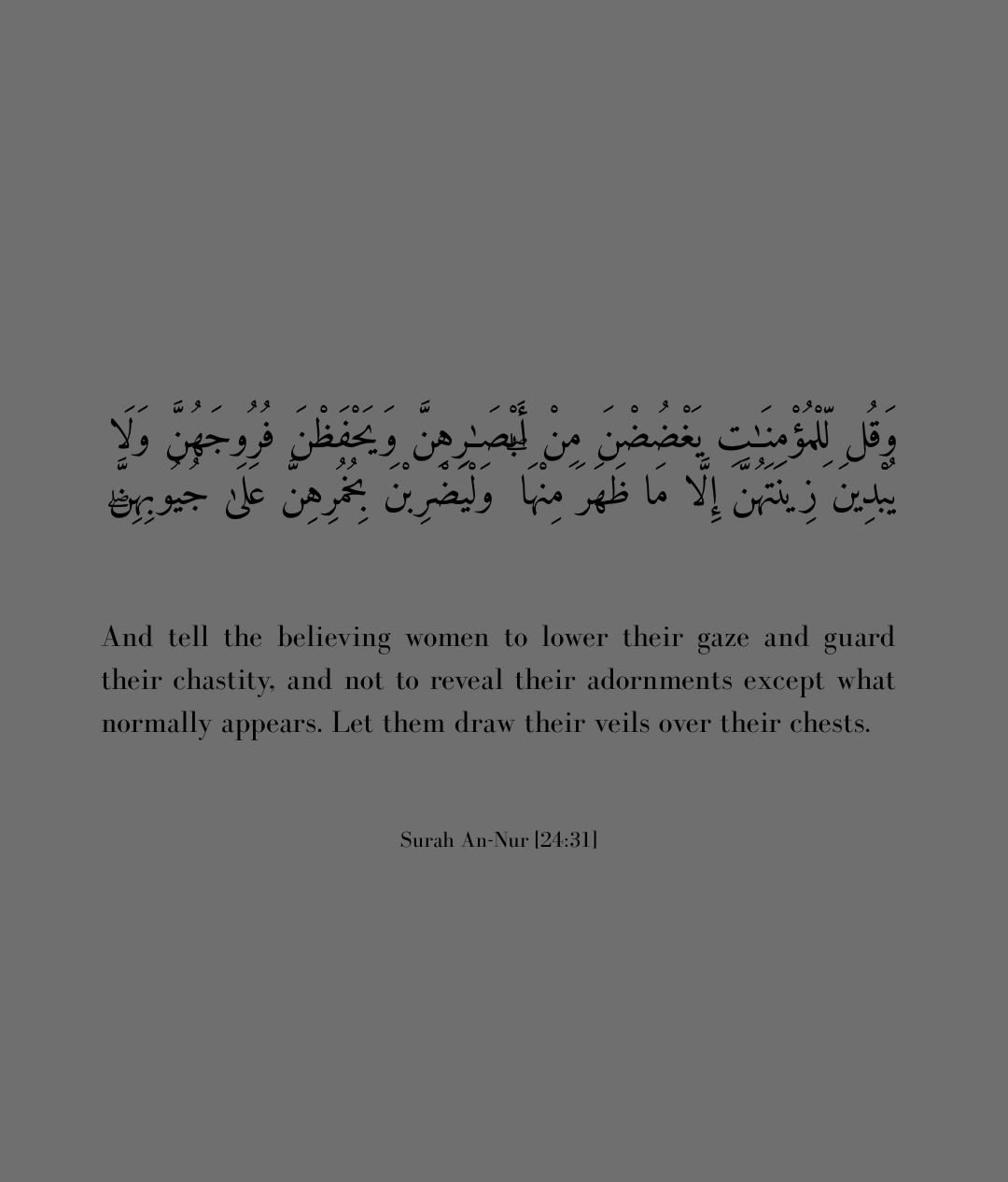
One of the key verses often cited is: "And tell the believing women to lower their gaze and guard their chastity and not to reveal their adornments except what normally appears. Let them draw their veils over their chests..."
(Surah An-Nur, 24:31)
While interpretations vary, the majority of Muslim scholars and communities view the hijab as a religious obligation that women should wear after reaching puberty. But beyond an obligation, it is the deeply personal and evolving relationship each woman has with her faith and identity that shapes how she approaches the hijab. Each woman must make the choice for herself whether she chooses to wear the hijab or not.

Credit: Haleema Sadia
Credit: Haleema Sadia

Credit: Haleema Sadia
Credit: Haleema Sadia
Women of God
A'iyshah Rana: "The hijab journey isn't linear"
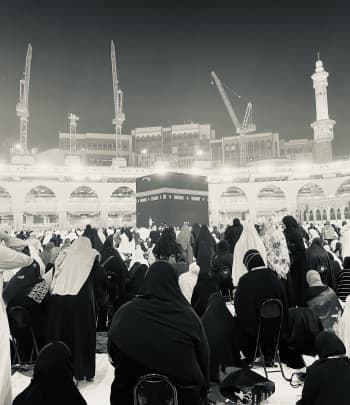
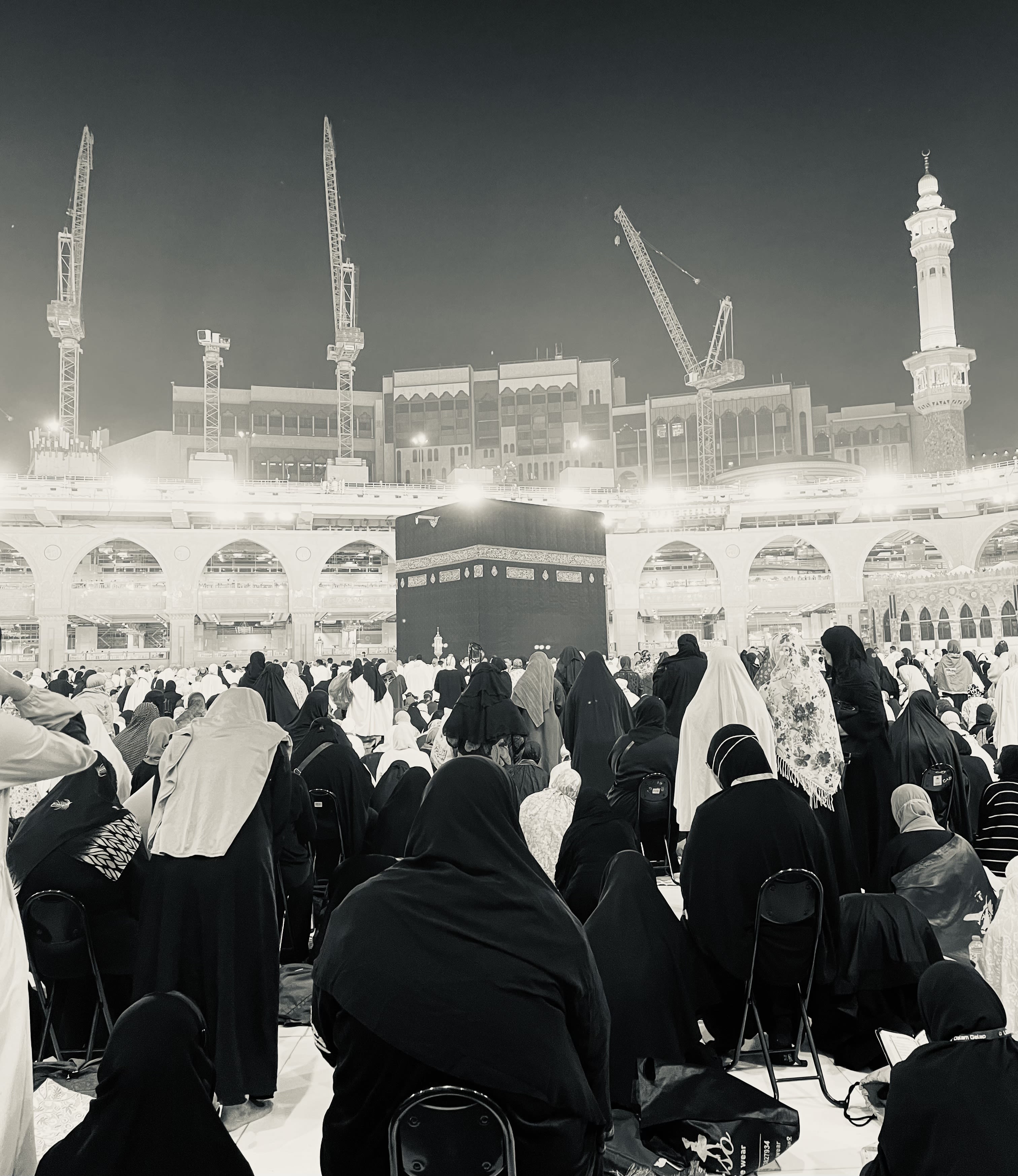
The first time A'iyshah Rana truly fell in love with the hijab was when she was just ten years old. She had been on Umrah (a Muslim pilgrimage to Makkah) where she was surrounded by Muslim women from all around the world who stayed up late into the night believing, praying and worshiping, adorned in the hijab.
It was there that A'iyshah truly saw the beauty and uniqueness of Muslim women who covered themselves in devotion to God. She felt that the hijab was not just about modesty on the outside but that it also reflected the inner beauty of these women.
A'iyshah said: "A lot of the women that were praying and dressing modestly were just so humble and kind."
"I saw them in it and fell in love with it. I also wanted to be seen as a Muslim woman, I thought it was such an honour and I wanted everyone to know," she laughed.
Since then, A'iyshah’s connection to the hijab has gone beyond just an outer garment. It has become a core part of her identity, something deeply personal that she cannot imagine living without.
A'iyshah Rana discussing how the hijab empowers her. Credit: Summia Islam
Yet despite being overwhelmed by the beauty of the hijab and seeing it wholeheartedly as a part of her identity, A'iyshah's relationship with the hijab has still been difficult.
"I do have struggles with it and people that say they don't, I'm not sure what world they live in," she said.
A'iyshah explained: "Though we believe it's a command from God it doesn't always mean you'll feel overjoyed when wearing it.
" I don't think we should romanticise the hijab too much because it is a command. And especially when you begin wearing it, it is very difficult."
She confesses that at times the heat is overwhelming and sometimes she wants to rip it off. Or sometimes when partaking in her sports and activities, her desire to pursue comfort over modesty reaches a peak.
A'iyshah said: "The hijab journey isn't something linear, it goes up and down and round in circles, sometimes you just don't want to be modest."
For A'iyshah what keeps her rooted and connected to her hijab, is the women in her life. Sitting in the companionship of Muslim women who are also actively aware of their own spiritual journey has kept her grounded. She explains that the spiritual dimensions of the hijab only began to make sense to her in the presence of female scholars.
She said: "When we're with male scholars, they can talk about the hijab but they don’t fully understand. Because how can they fully understand something that they don’t have to practise in the same way."
Every year, A’iyshah celebrates her "hijab-versary," marking how long she has worn the hijab.
She said: “I think it’s important to celebrate the fact that you’re not just wearing the hijab but you are advancing and going deeper in your journey with it.”
For A’iyshah she sees each day that she wear the hijab as a new opportunity for her to get closer to God and to be open and receptive to life’s blessings.

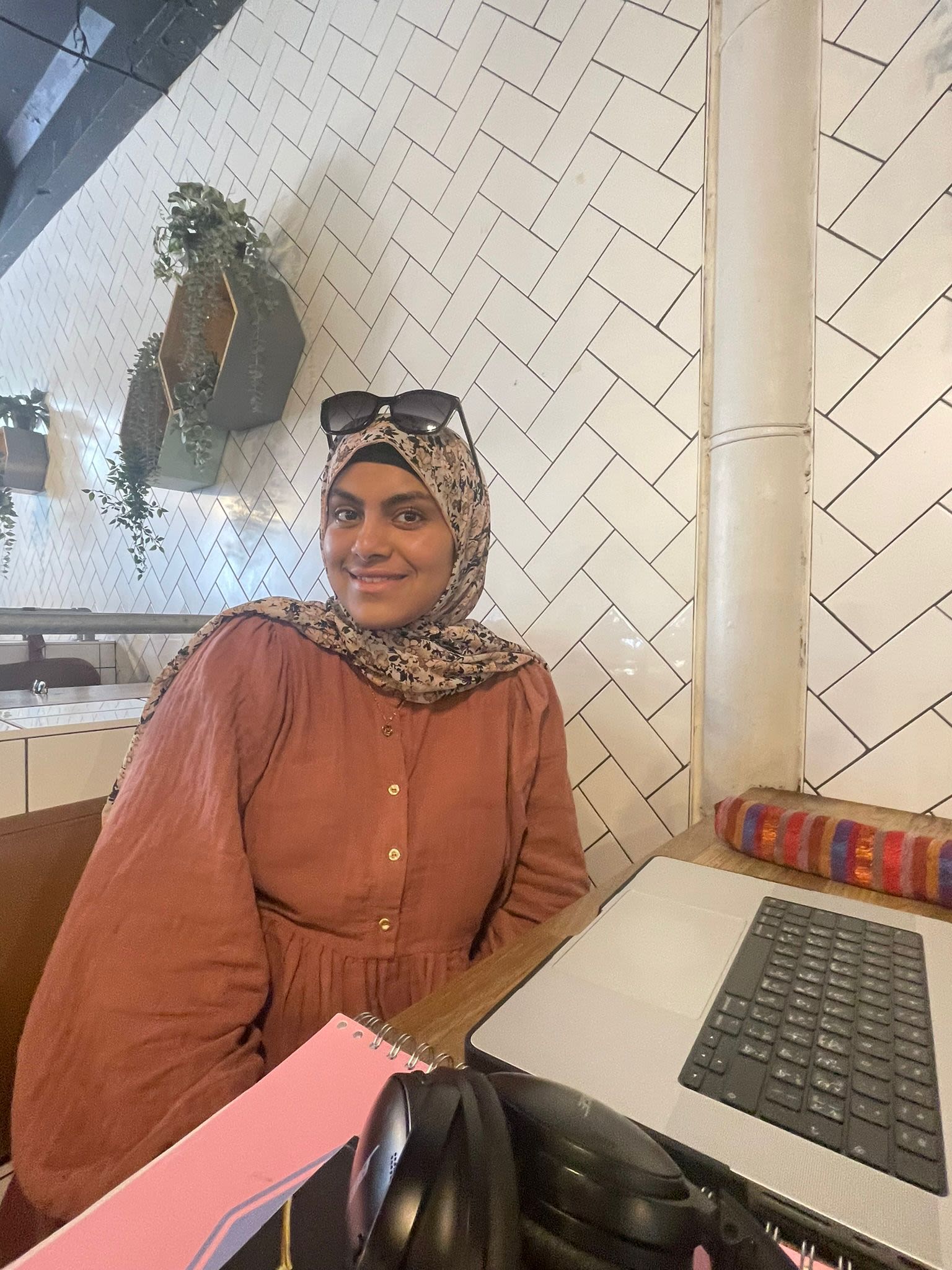
Credit: A'iyshah Rana
Credit: A'iyshah Rana
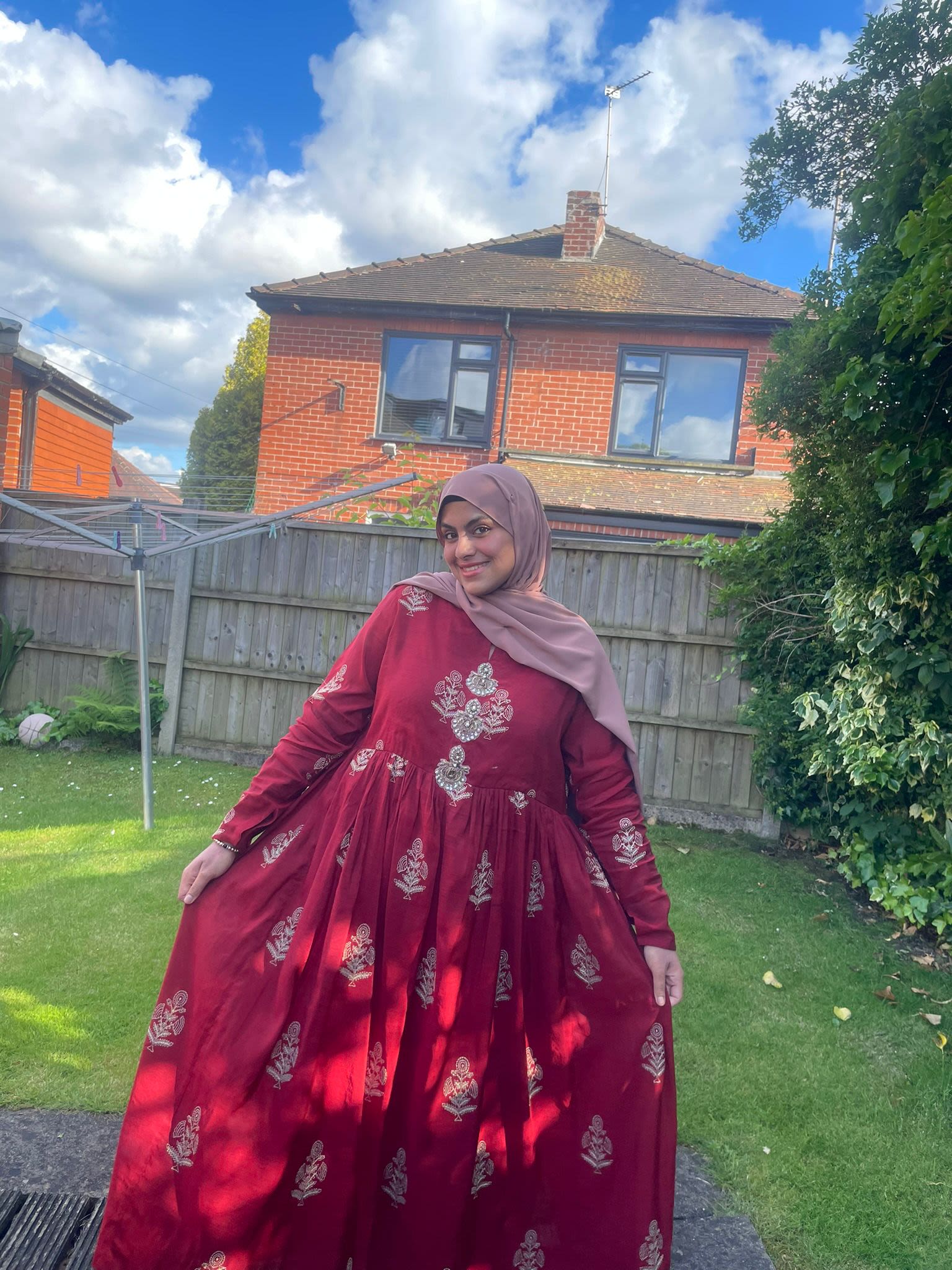
Credit: A'iyshah Rana
Credit: A'iyshah Rana
"That is my empowerment, that is my fulfilment and that is my hijab."
-A'iyshah Rana
Shaheena Uddin: Visibility in the media
Shaheena Uddin shares her experience as a Muslim woman wearing the hijab in the media industry- an industry where visibility is everything. It’s a space that demands an individual to be seen and heard, and while such visibility comes with its own challenges for Shaheena that's something she embraces.
Shaheena said: "People bring their assumptions, some see the hijab as a symbol of oppression or submission. They expect you to be quiet, reserved, or to behave a certain way. But what I enjoy is the chance to defy those stereotypes simply by being myself."
Shaheena Uddin discussing the challenges caused by limited Muslim representation in the media industry. Credit: Summia Islam
Wearing the hijab in such a public-facing role means Shaheena often feels like a representative of Islam. While at times she feels the weight of that responsibility, she sees it as an opportunity to shift perceptions.
Shaheena said: "If you do something good or meaningful, people who may have never interacted with a Muslim before will associate that with you. That can be powerful."
As a journalist, she believes her identity brings unique value to the stories she tells.
"Every journalist has to be in the public eye. But as a Muslim, I come with different lived experiences and that allows me to add new depth to certain stories. We really need more Muslims in the media," she said.
Shaheena is passionate about Muslim representation and the role it plays in reshaping narratives.
She recalled a recent assignment that stood out. Amid ongoing controversy in the UK surrounding the burqa, her team held a debate on whether the garment should be banned. In that moment, she was able to offer valuable insight, clarifying the differences between various types of Muslim veils and explaining the reasons why many women choose to wear them.
Shaheena explained: "The more British Muslims we see in the media, the more we can influence how stories about us are told. The media can often feel biased, even Islamophobic at times. It frames Muslims through a limited, sometimes pitying lens, but when more of us have a seat at the table, we can begin to change that."
Her continued commitment to the hijab is deeply rooted in the sense of empowerment it gives her. For her, it's ultimately about choice: a conscious, personal decision made to please God. She finds a sense of freedom in it as the hijab liberates her from society’s fixation on appearance and shifts the focus to who she truly is.
Shaheena said: "It forces people to judge you for who you are on the inside not just what’s on the outside. People come to you with these preconceptions and stereotypes but then they have to unveil who you really are as a person.
"They learn more about your personality and interests. It forces people to not just judge you by the way you look."
For Shaheena the hijab isn’t just a garment she wears on her head, it is a statement of her identity and purpose. She chooses every day to move forward in an industry where there aren’t too many who look like her with a goal to help make a difference, bring people together and most importantly to her, to please God.
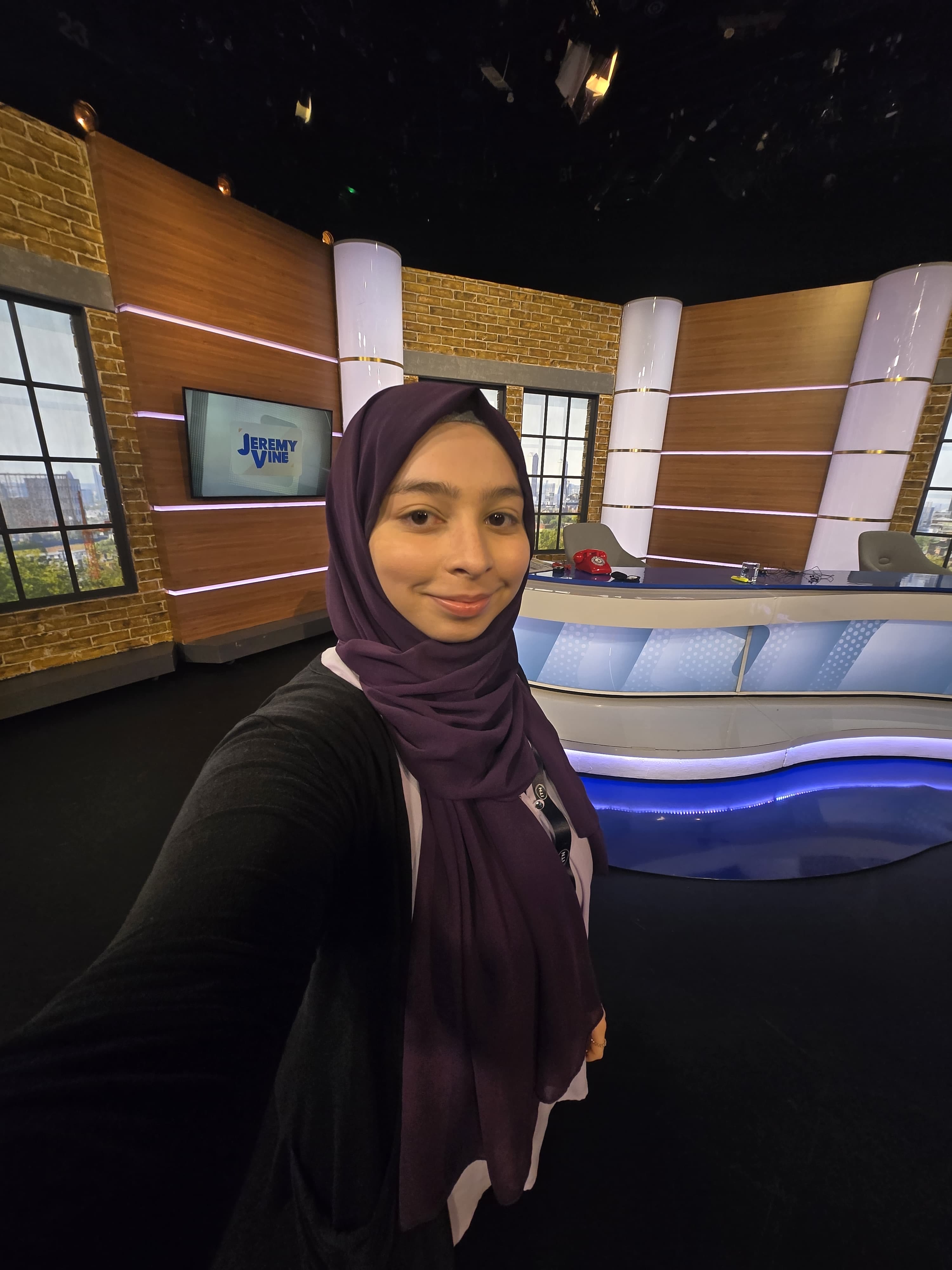
Credit: Shaheena Uddin
Credit: Shaheena Uddin

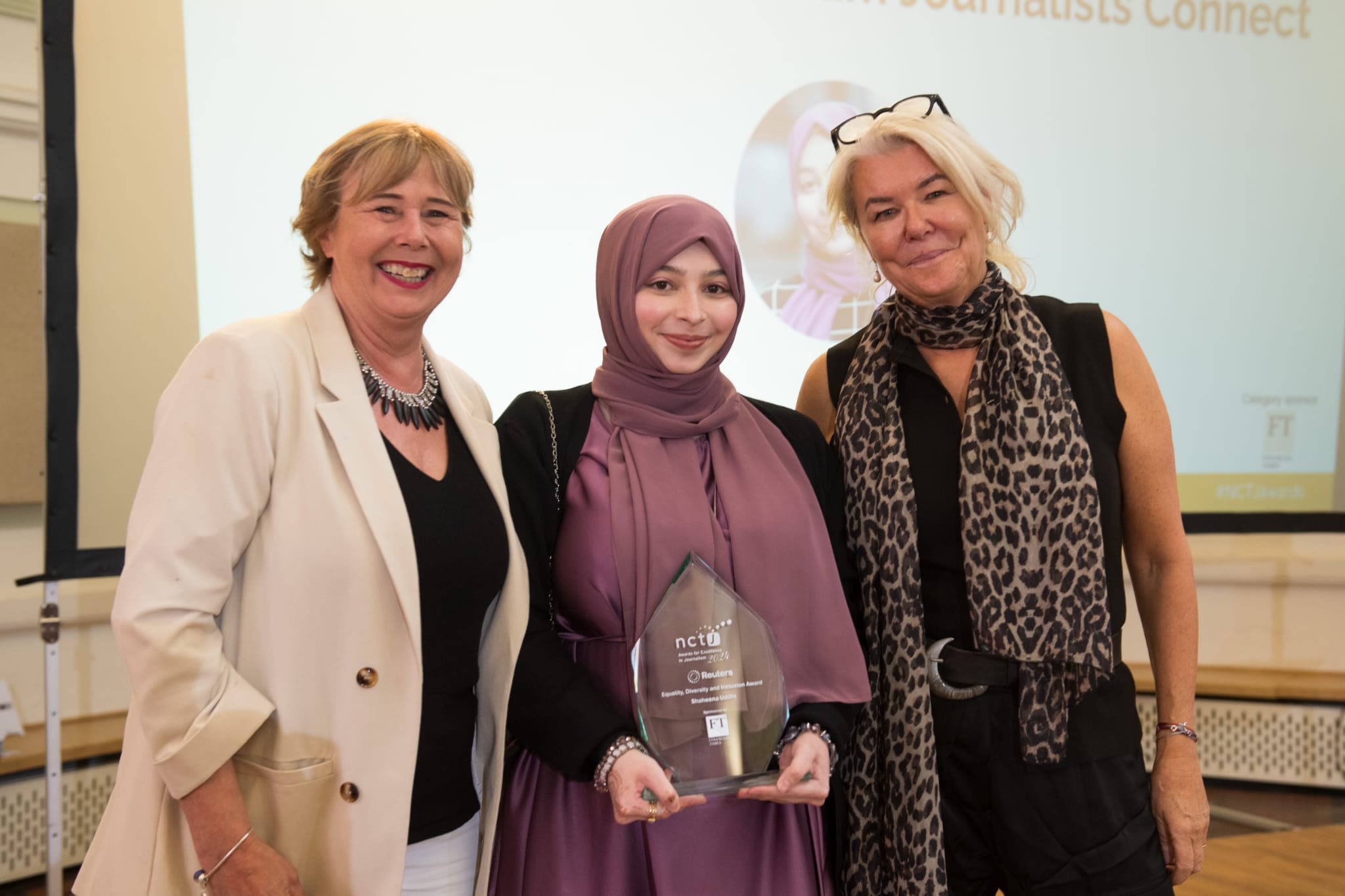
Credit: Shaheena Uddin
Credit: Shaheena Uddin
Ruqayyah Karim: Practising faith in the hospital
Ruqayyah’s journey with the headscarf has been a constant part of her life, accompanying her through the challenges and milestones of medical school. Now a 23-year-old student doctor, she finds encouragement in seeing more Muslim women, especially from her own generation, entering healthcare roles. She hopes that, in time, more hijabi Muslim women will step into leadership positions.
While she says more needs to be done to remove barriers faced by Muslim women in healthcare she recalled one impactful experience when a leadership role was held by a woman who wore the hijab.
“It was incredibly positive and welcoming,” she said. “I felt truly seen by the whole team, because they were already accustomed to working with, and being led by, a hijabi woman.”
Although wearing the hijab has occasionally led to awkward or Islamophobic encounters, Ruqayyah still feels it deeply enriches her life in ways she couldn’t imagine otherwise.
She finds comfort in the sense of sisterhood it brings and takes pride in how it visibly affirms her Muslim identity.
Ruqayyah said: "People can tell what I believe and that opens doors to conversations about faith.
“Muslims, hijabi or not, recognize you and confide in you and that sense of community outweighs the negatives.”
Yet one common misconception that Ruqayyah struggles with is the idea that the hijab has anything to do with men. She disagrees with how the hijab is portrayed as a garment that is worn by Muslim women to protect themselves from men, or because a man in their lives told them to wear it.
She emphasised that the hijab holds a meaning far deeper than how others perceive it.
Ruqayyah said: “For me, the hijab is about a personal relationship with God, it’s not just about who can or can’t see you wearing it."
She reflected on other acts of worship, particularly how Muslim women wear the hijab during prayer even in the privacy of their own homes.
She explained: “Even when we’re alone in our rooms, just us and God, we still wear the hijab to pray. That really makes me think, if we wear it in that deeply private moment, then it clearly goes far beyond men."
As Ruqayyah looks forward to a career in medicine, she wears her hijab as a badge of honour, faith and professionalism. Rooted in her spirituality she flourishes in her role as a student doctor as her hijab constantly reminds of her core principals: compassion, resilience and a deep unwavering love of God.

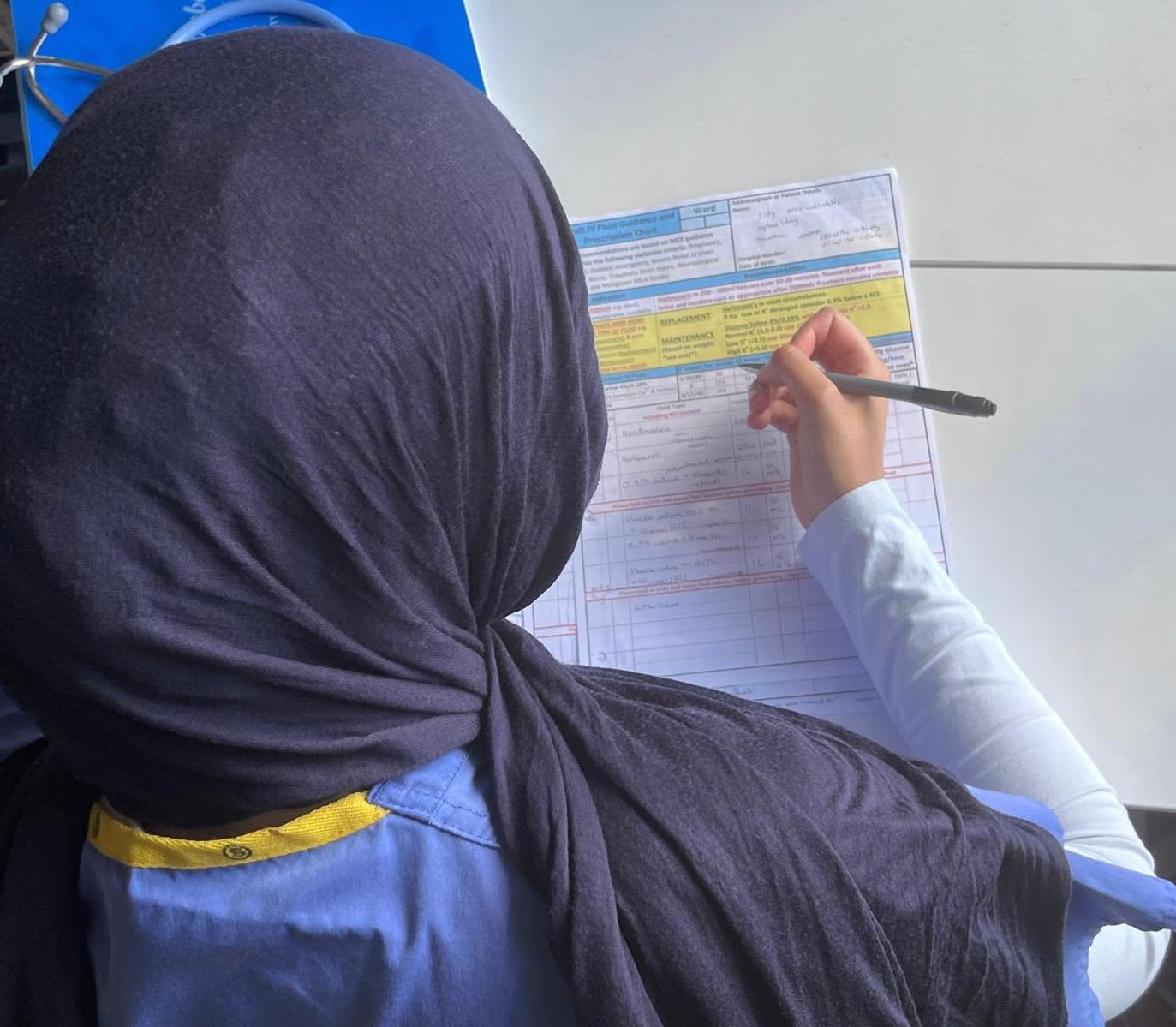
Credit: Ruqayyah Karim
Credit: Ruqayyah Karim

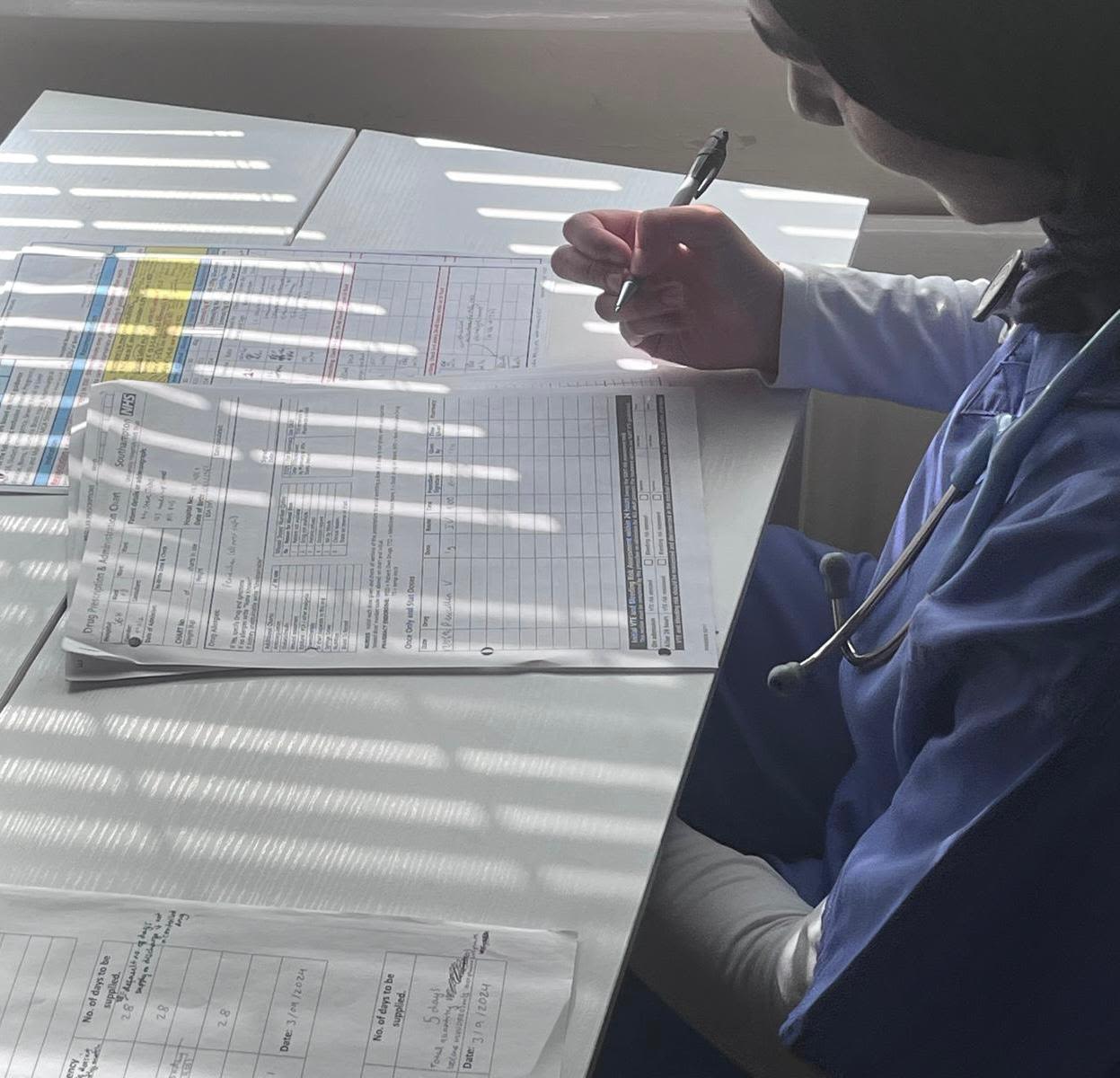
Credit: Ruqayyah Karim
Credit: Ruqayyah Karim
 Built with Shorthand