Writing change into the curriculum
Do new measures to tackle misogyny in schools go far enough?
The Government is spending £20m to tackle violence against women and girls in schools - so why do campaigners feel this doesn’t go far enough?
In December, the Government revealed its thrice-delayed plan to halve what ministers call a ‘national emergency’ of violence against women and girls over the next decade.
The strategy is centred on changing the attitudes of boys and young men.
Plans will see teachers trained to spot and tackle misogyny in the classroom and challenge misguided thinking around women and relationships.
Pupils flagged as high-risk could be sent on behavioural courses to tackle their prejudices, and measures will include a new helpline for teenagers to get support regarding concerns about their own relationships.
'To put all the onus on individual boys to behave differently is absolutely unacceptable'
But the plans have faced backlash, with critics accusing the Government of unfairly laying the blame on boys and men.
Debbie Brazil, CEO of End Sexism in Schools, set up the charity when experiences with her sons' school highlighted a need for change both in the curriculum and culture of schools.
“To put all the onus on individual boys to behave differently is absolutely unacceptable,” Brazil says.
Neil Chamroo, founder of a social enterprise which works to help secondary schools tackle safeguarding concerns and online harm, agrees, advocating for a ‘much more balanced approach’.
Brazil dismisses the Government’s plans as mere ‘window dressing’, suggesting that the proposed measures fail to tackle the underlying, systemic issue of sexism in the curriculum.
In November, the final report of the independent Curriculum and Assessment Review was published.
Evidence was submitted by End Sexism in Schools, demonstrating the dominance of male perspectives throughout the curriculum.
“The current imbalance in what is taught fuels harmful gender stereotypes and the wider culture of sexual harassment and violence against women and girls,” says Brazil.
Some students echo these concerns, with four sixth-formers telling the South West Londoner that every playwright and author they had studied in GCSE English had been male, with the exception of a few female poets.
“We teach children inaccurately, because we imply that women didn’t do anything, we imply that women didn’t exist in history,” Brazil says.
“The whole system is set up in a way that results in sexist cultures and outcomes,” she adds.

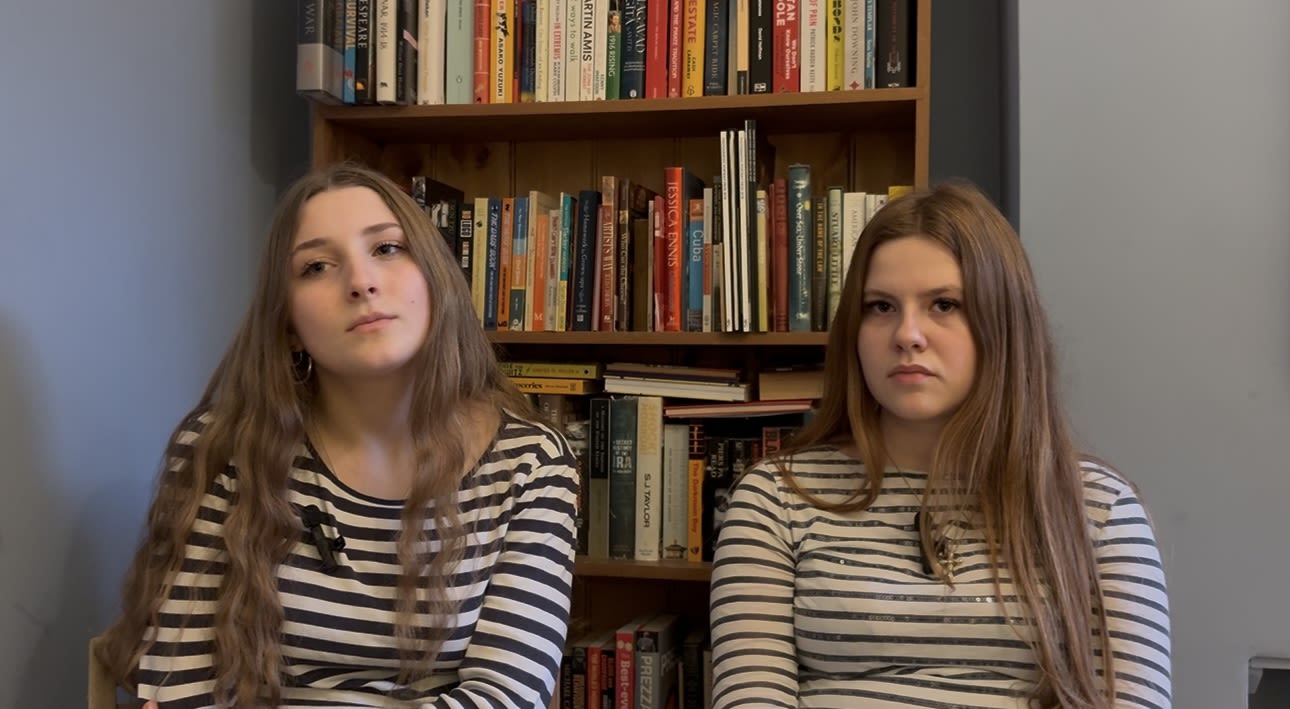
Photo by Lilian Mulholland
Photo by Lilian Mulholland
Both Brazil and Chamroo shared concerns that teachers were not equipped to tackle sexism and misogyny in schools, from the ability to grapple with online harm, to holding prejudices themselves.
Aged 24, Chamroo is able to pick up on students’ inappropriate jokes, which often go unnoticed by teachers because their meaning is disguised in coded language learned from social media.
Brazil said that a teacher who works with the charity was asked by her school to run inset day training for staff regarding sexism in schools, only to face a challenge beyond that of the pupils.
Brazil said: “Some of the male teachers were really challenging, and just wouldn’t accept that there was sexism in their school.
“So you’re not even just dealing with the pupils, you’re dealing with the teachers, who themselves don’t acknowledge there’s a problem.
“The teachers themselves have grown up and been educated in the same system.”
By many accounts, the picture in schools is bleak. Netflix-hit Adolescence sparked national debate over the threat of online influence to boys and young men.
With data showing that misogynistic attitudes had reached epidemic scale by the end of secondary school, the Government has set its sights on the classroom to tackle violence against women and girls.
The South West Londoner asked four students, aged 16 and 17, for their experiences of misogyny in schools, views on the government’s plans, and whether critics have a point.
'If you're not dealing with it in school, then you're just running away from the problem.'
According to Will, 17, a major concern was that social media was driving a ‘gradual dissent’ into sexism amongst young men.
Recent data found over 40 per cent of young men held a positive view of Andrew Tate, an influencer wanted by police in the UK on charges of rape and human trafficking.
“In friend groups, if one thing becomes normalised it can spiral, to a point where you don’t even know how you got there,” Will added.
“If you’re not dealing with it in school, then you’re just running away from the problem,” adds Johnny, aged 17.
Almost five years ago, Ofsted’s rapid report on sexual abuse in schools and colleges found that sexual harassment and abuse had become normalised in schools.
The report found that students did often not see the point in reporting such incidents, as many teachers underestimated the scale of these problems.
Despite the concerns of critics, students think that learning about misogyny in schools would be beneficial, and that a focus on boys is justified.

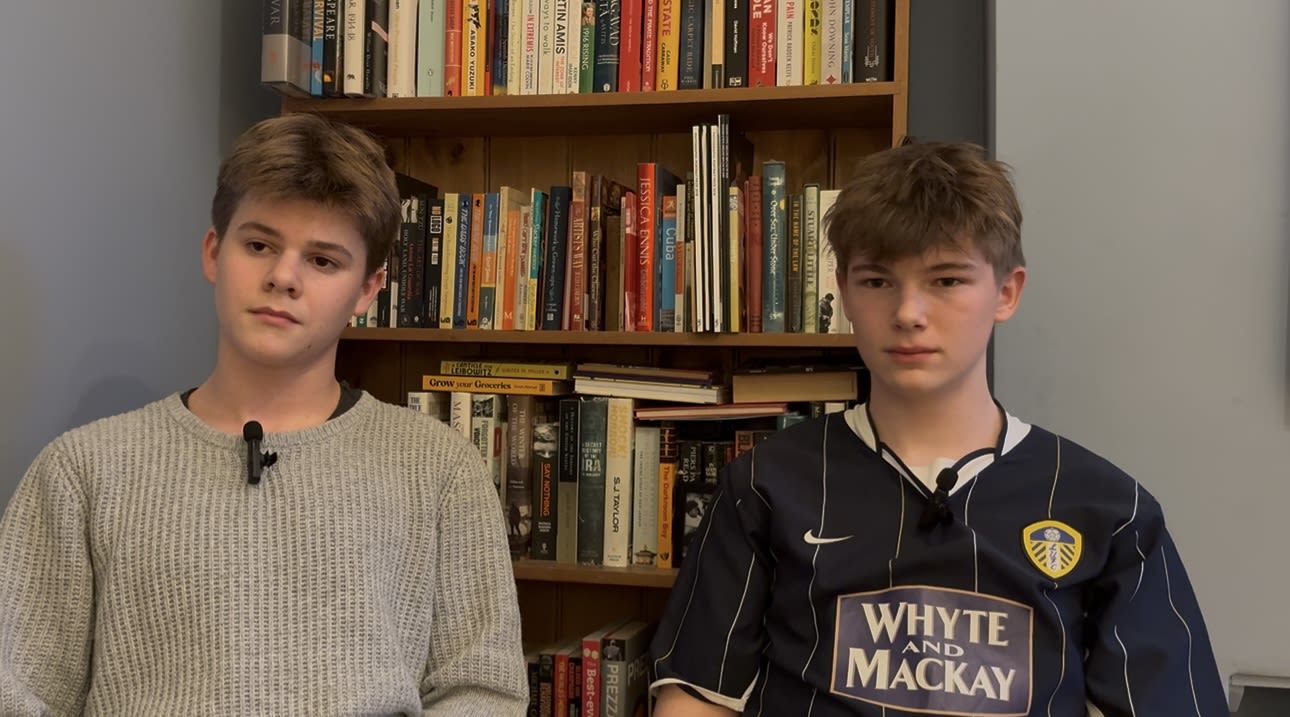
Photo by Lilian Mulholland
Photo by Lilian Mulholland

Photo by Lilian Mulholland
Photo by Lilian Mulholland
‘Education doesn’t corrupt childhood, premature experiences do’
Already leading the way on the kind of teaching the government plans to introduce is charity Everyone’s Invited, a term into their primary school prevention programme, teaching children aged as young as nine and ten about consent and boundaries.
“Education doesn’t corrupt childhood, premature experiences do,” says a spokesperson for Everyone's Invited.
The programme will follow a cohort of year-five students across 15 London schools, focusing on emotional regulation and engaging critically with online content, with a focus on algorithms and online influencers.
The teaching focuses on foundational concepts, rather than reeling off definitions of misogyny to children, hoping to help them form the basis for respectful relationships.
“We create analogies that meet children where they are at, we put challenging concepts into examples and stories that make sense in their lives,” says the spokesperson.
“It’s about treating people with respect, being kind, and acknowledging their boundaries,” she adds.

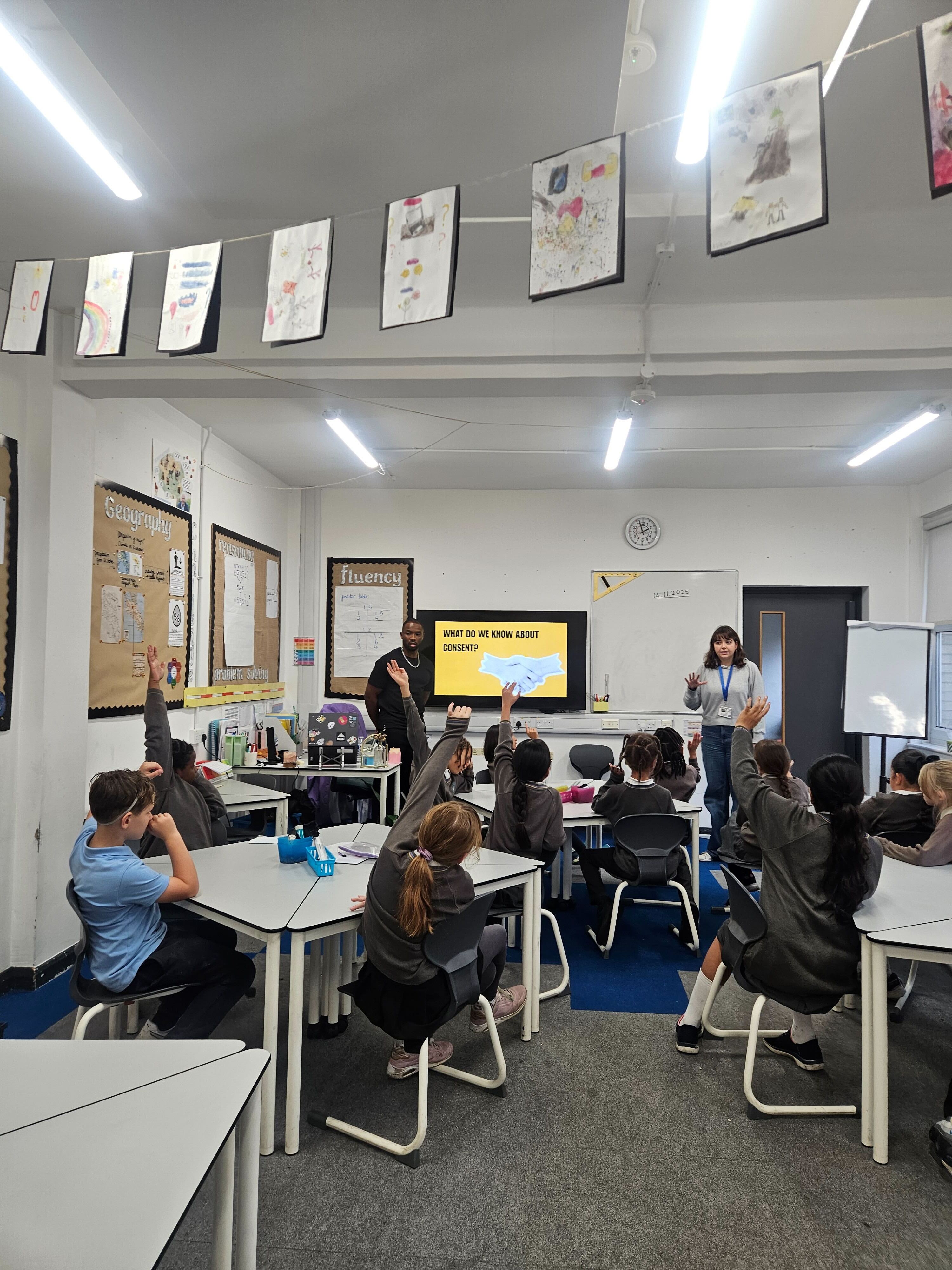
Photo by Everyone's Invited
Photo by Everyone's Invited
Under the programme, staff and parents are also provided with the skills to handle conversations about boundaries and consent with children.
The South West Londoner spoke with teachers at two schools where the programme is already running about their thoughts on the expansion of such provision for primary-aged children.
“We can’t hide children away from these things that they will be faced with,” says Kate Dingle, primary headteacher at St Mary Magdalene Academy in Islington.
“We need to give them the power to be able to voice their opinions, and that can only be done through discussions such as this,” she added.
Gemma Travers, safeguarding lead at Downsview Primary School in Croydon, shared fears about a ‘blind spot’ for teachers regarding what children are exposed to online.
“Our kids are sponges, they hear things,” Travers said.
Both teachers commended the role of Everyone’s Invited’s programme in equipping their pupils with the ability to think critically, and challenge the things they see on social media.
“We’re actually bringing in skills to support children, to be able to say ‘No, I don’t think this is ok’, or to be able to see something online and say ‘Hm, I’m actually going to fact-check that’,” says Travers.
After one term of the programme, 91.7% of pupils in one class reported being more likely to respect boundaries, according to Everyone’s Invited.
'We can't hide children away from these things that they will be faced with'
'It can be done in any primary school'
Whilst schools report that existing primary school prevention work has made a difference to their students, critics fear that teaching about misogyny will be ineffective if not paired with wider systemic change.
This is something Everyone’s Invited hopes to tackle through the staff training provision included in their primary school programme.
The charity's spokesperson said: “We completely agree that teachers should receive training, but teachers need not to have the entire burden on them.
“Having a holistic, whole-school approach is crucial if we are going to shift the dial.”
According to those already working to prevent misogynistic attitudes from as early as primary school, there is hope that rolling out this provision to all schools could enact change - but only if the government takes a lesson from the experts.
“What’s important is that, if this is put in place by the government, it is done in the right way, and that external experts are invited to contribute,” says the spokesperson for the charity.
Dingle adds: “Having seen the lessons they deliver, and seeing what they did, it can be done in any primary school.
“It would just need the right support.”

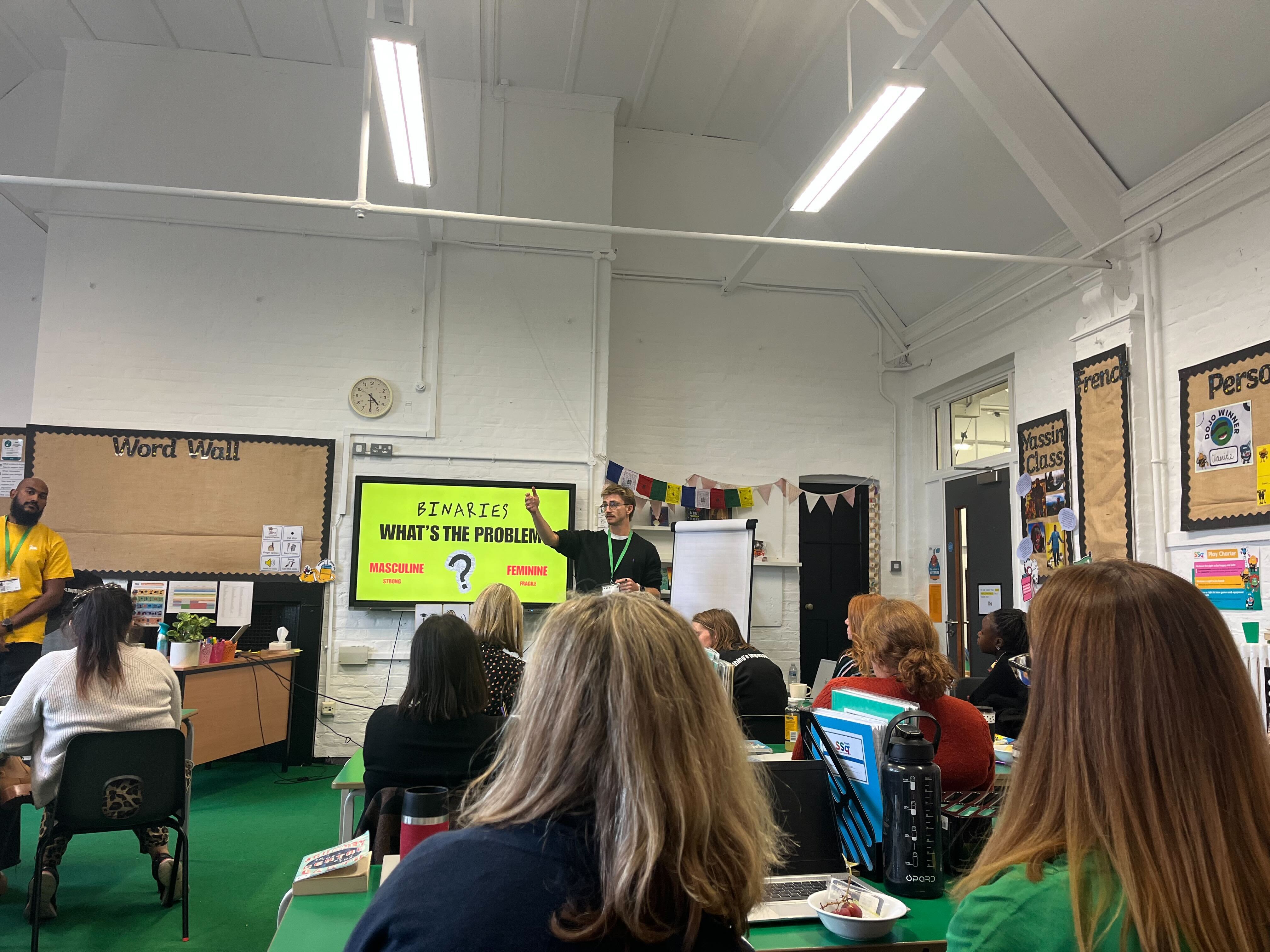
Photo by Everyone's Invited
Photo by Everyone's Invited
The Home Office was contacted for comment.
 Built with Shorthand