
How young people have reclaimed gardening
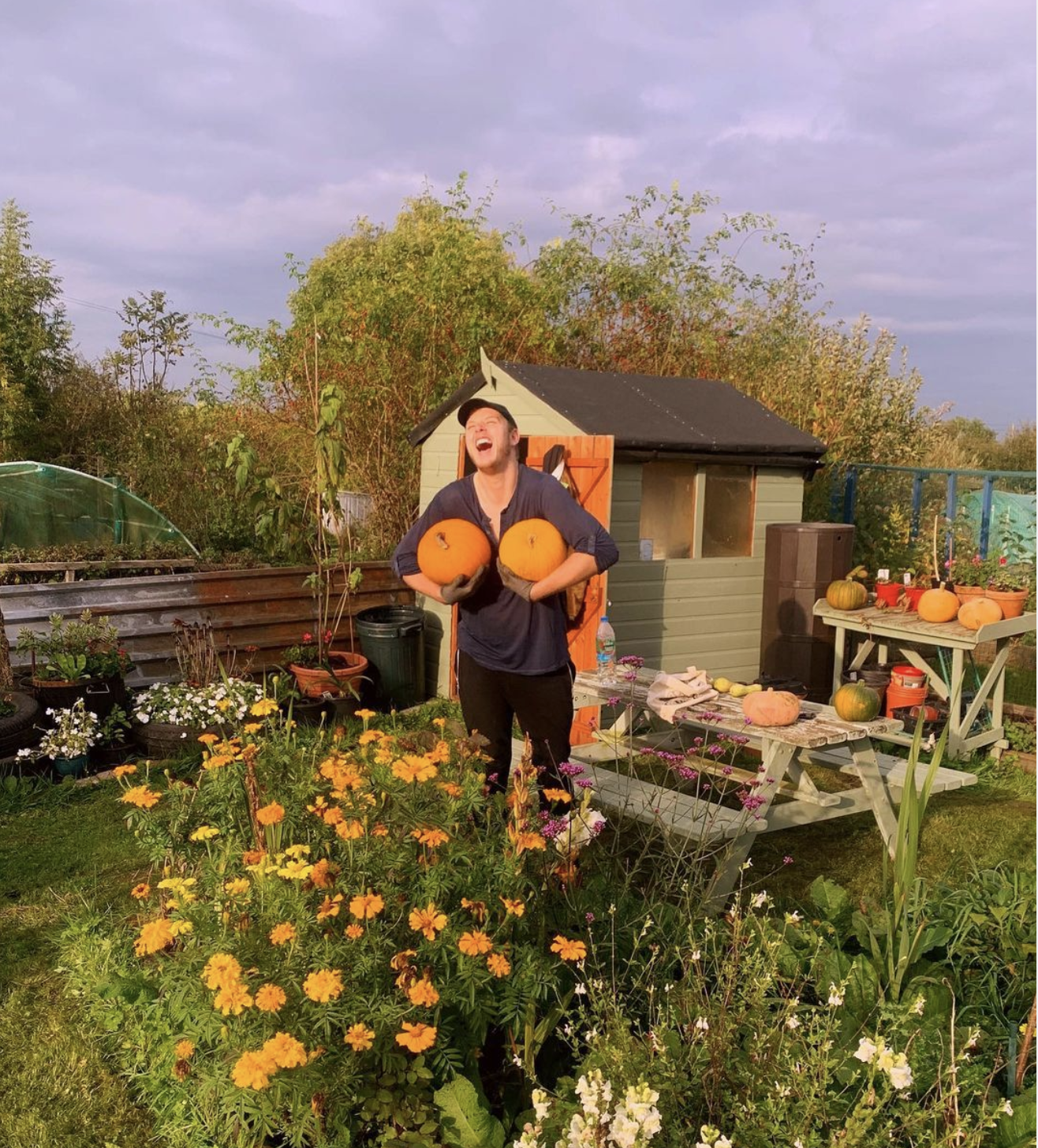

“Gardening is awesome!” and “it is very cool” are some of the ways that gardening was described by young people in a Guardian article in 2016. And a poll in 2021 revealed that one in eight young people think gardening is cool - and more than half would rather go to a garden centre than a nightclub.
Historically, gardening has been seen as a pursuit for the retired who have endless hours to nurture their acres of land. A recent Guardian article even argued that it might be time to ditch the word ‘gardening’ altogether - a term loaded with cultural baggage that young people do not identify with.
Compared to just one in eight British households having no access to a private or shared garden, just 8% of people aged 65 years and over are without access to any kind of private outdoor space, according to ONS data. The over 55s remain the most likely to garden, with 51.4% of the age group enjoying the activity in their spare time. But although 16-24 year-olds are still the least likely age group to enjoy gardening, the horticultural industry has enjoyed somewhat of a renaissance amongst young people in recent years.
For many young people - so called ‘generation rent’ - living in flats, boxed into small spaces with no access to outdoor space, gardening may seem like an unlikely hobby, but the Instagram generation has reclaimed the activity and is finding ways to garden without having a garden.
Paul Harris, Director of Vegepod UK, a business that sells portable self-watering gardening patches, has claimed that urban growing is a new and current revolution amongst young people. He said that ‘grow your own’ solutions mean renters are able to invest time and effort into ‘gardening’ without having to leave it behind when they move.
Indoor wall gardens kits and plant subscription services have also become popular ways for generation rent to not only introduce greenery into their homes and make their homes Instagrammable, but also to grow and tend to something with minimal effort whilst often leading time-poor lifestyles.

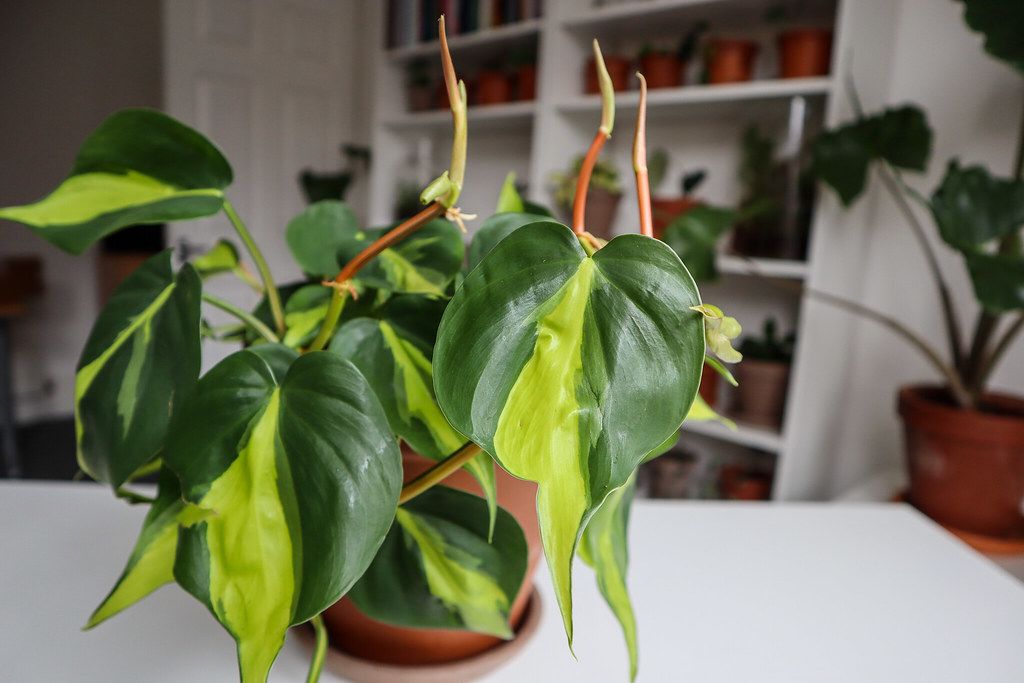

Around 15 years ago, gardening historian Catherine Horwood wrote Potted History: How Houseplants Took Over Our Homes - a book about how plants came to be an integral part of interior design. She argued that social media and improved technology and the cheaper price of plants are the reasons for the recent revival in interest in gardening.
Of course, this was before Instagram was created, and since then Horwood has been amazed at the revival in passion for plants.
“Things have changed so much, houseplants have become so popular. I'm just amazed at the number of young people there who are really interested and really keen to learn about it,” Horwood said.
“It is not difficult to see why indoor plants have become phenomenally popular among a generation of millennials who regularly share images of their food and their pets. In the same vein, house plants are easy to photograph with a mobile phone,” she added.
The Drag Queen Gardener
A whole new generation of gardeners have been born on Instagram who have amassed thousands of followers by not only posting beautiful looking pictures of their plants, but also using Instagram to make gardening more accessible to young people.
Tom Leonard, 25, also known as The Drag Queen Gardener on Instagram, has over 20,000 followers. He made history this year as the first Drag Queen to appear on BBC Gardeners’ World and he has rubbed shoulder with celebrities including Dame Judi Dench.
Leonard had never considered gardening as a hobby as a child, but now he works as a horticulturist and a part-time drag queen named Daisy Desire.
“I perceived gardening as a little bland and going down to an allotment for a cup of tea, and maybe digging up some potatoes. And then I became that man. And I do it in heels,” Leonard said.
“When I first got my allotment, I literally thought that every gardener or allotment owner was kind of this old man.
“But I like to think that I have changed the perception of a gardener, especially in a younger crowd,” he added.
Leonard’s experience working in the horticultural industry and attending gardening events such as RHS Chelsea Flower Show as a drag artist has been a largely positive one. “It's very welcoming and gardening is so so accessible,” Leonard said.
“Chelsea Flower Show is literally magicians and just ridiculousness. You know, I mean, it's literally like it's the gayest place on earth,” he added.
However, the 25 year old admitted it has not always to been easy to fit into an industry that has a reputation for being dominated by older people as an openly LGBTQ man.
Listen below to Tom’s experience:
Leonard also said: “It can be terrifying. I am the only drag queen, surrounded by hundreds of people.
“I'm not saying that gardening is not necessarily a safe space, but the LGBTQ community is not something that's usually promoted. It's not necessarily something suppressed, but it's not something that's really celebrated.
“Sometimes it can really take it out of me. And there have been some instances where I have been made to feel a little bit like a freak. And I've had to kind of sit down myself and say, well, actually, I shouldn't really care what other people think. I have the right to be here just as much as anyone else."

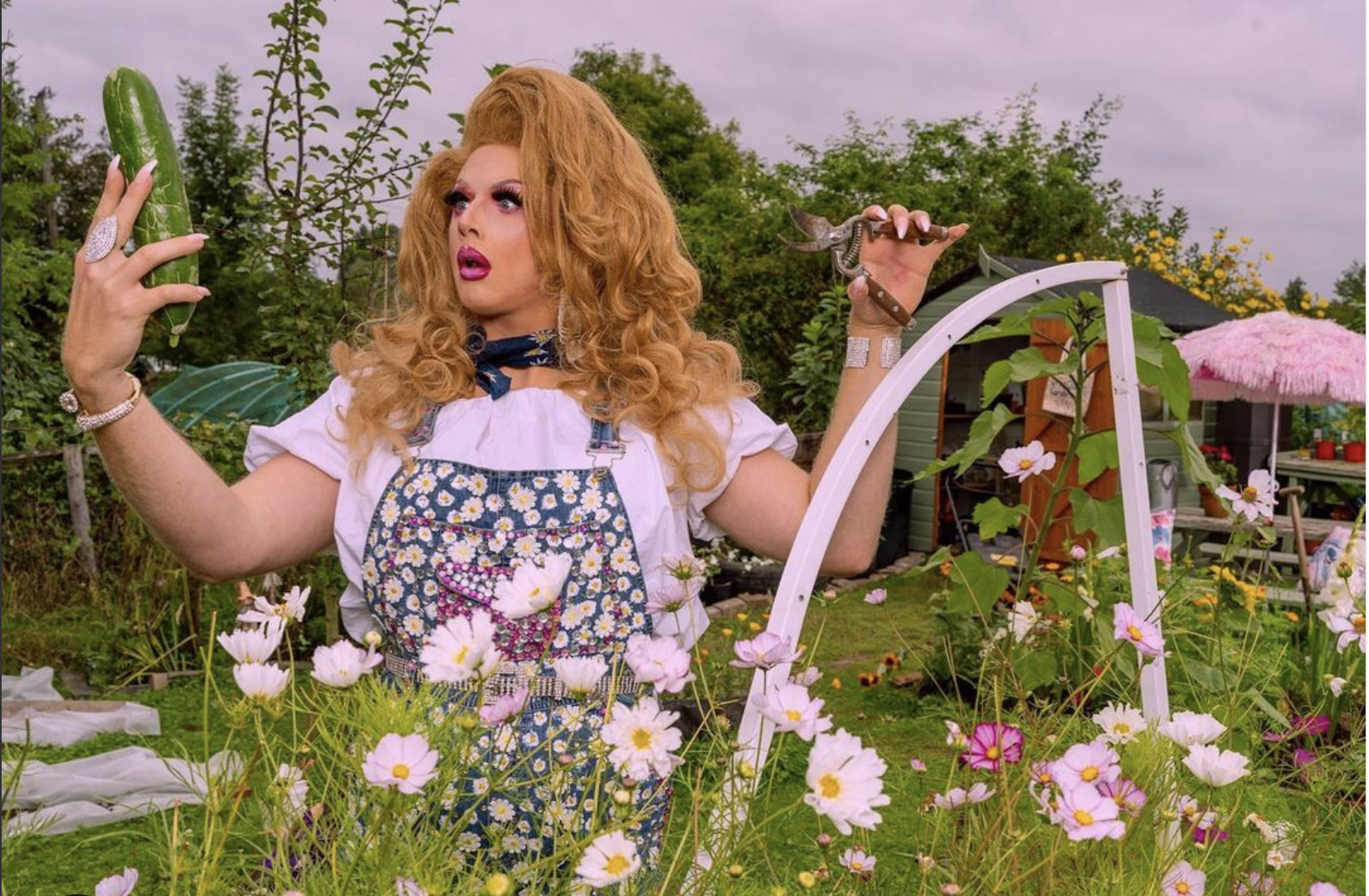
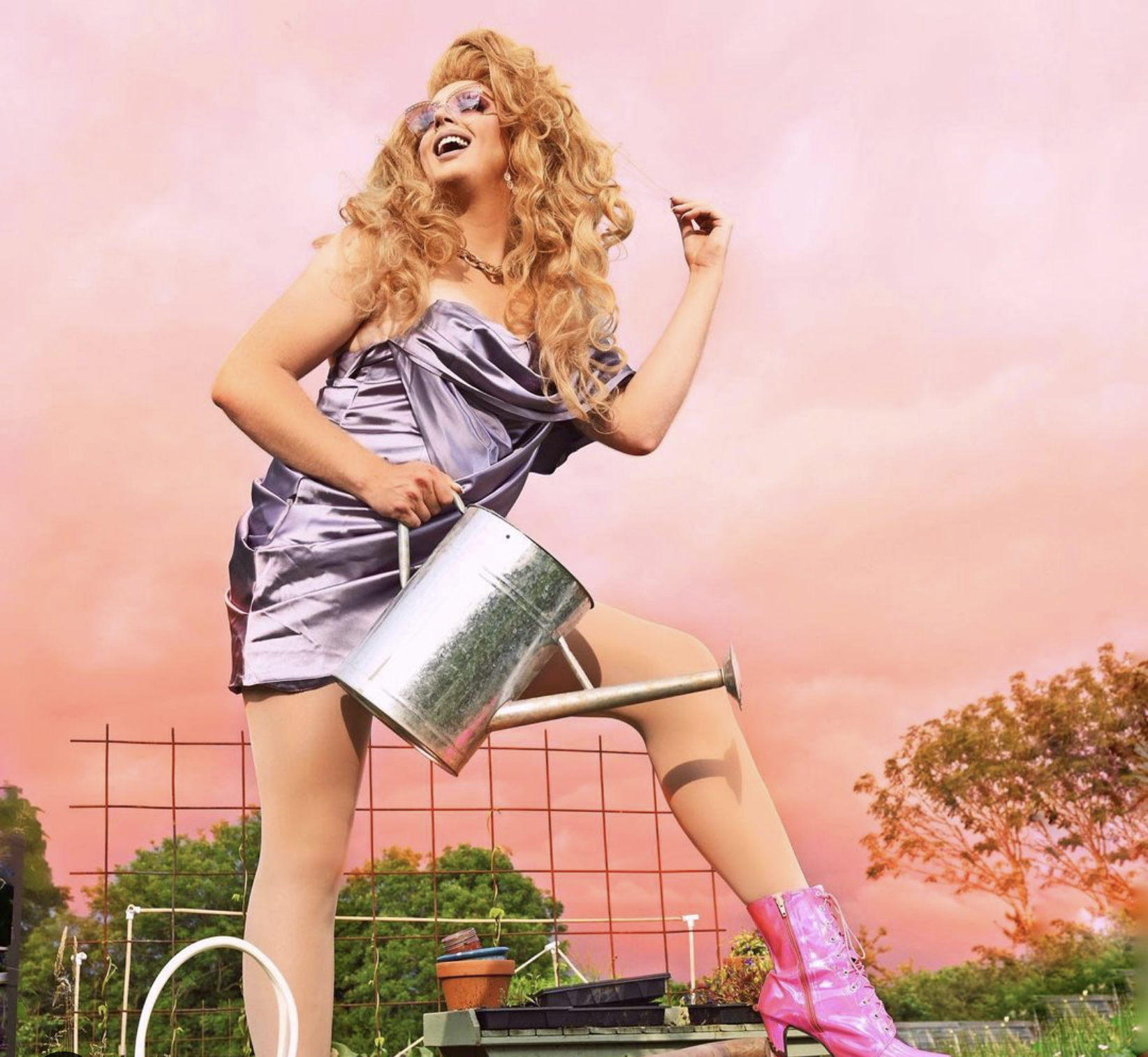
The Drag Queen Gardener has over 20,000 Instagram followers (Credit: The Drag Queen Gardener)
The Drag Queen Gardener has over 20,000 Instagram followers (Credit: The Drag Queen Gardener)

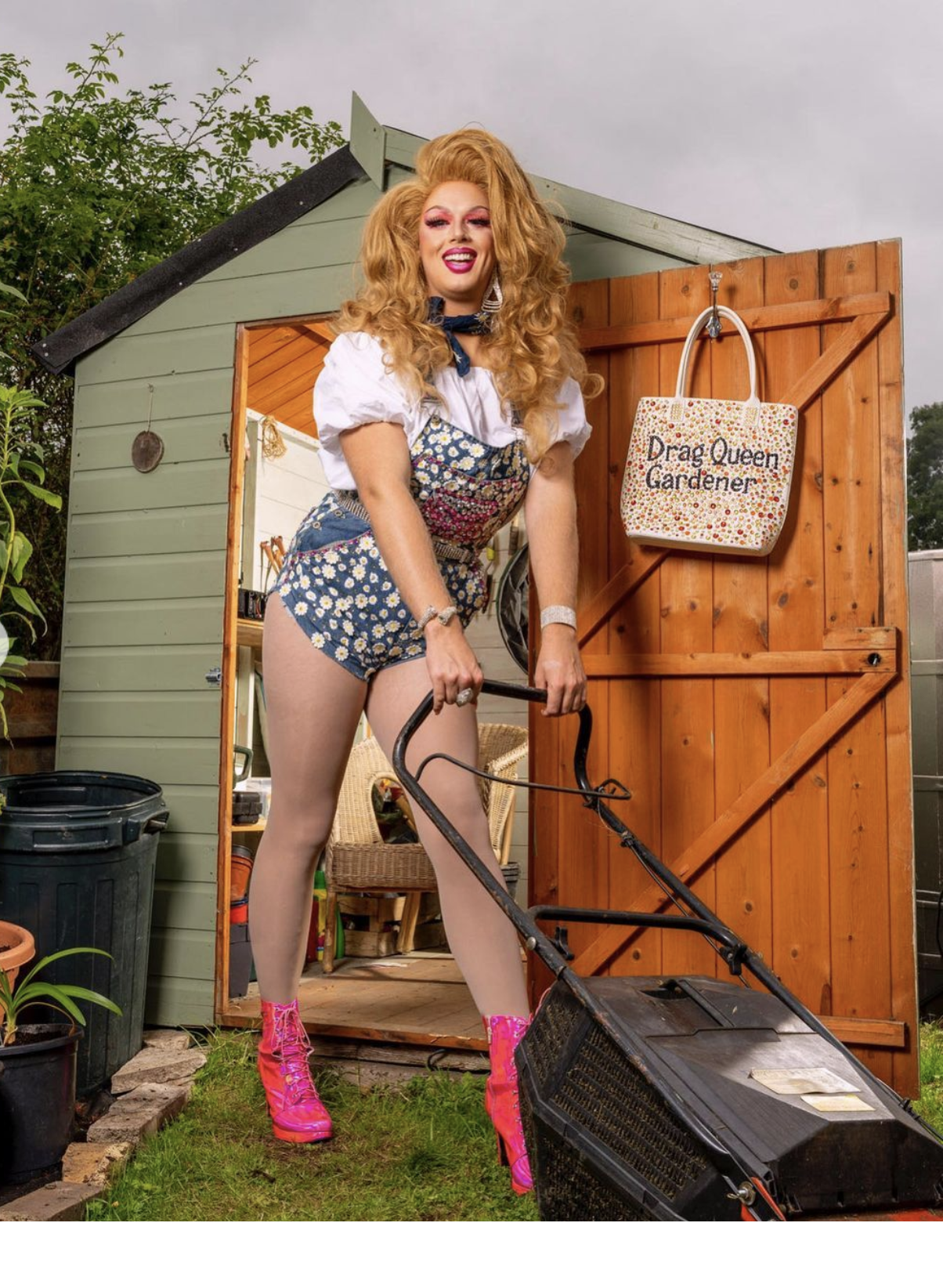
Tom Leonard, 25, never considered gardening as a hobby as a child (Credit: The Drag Queen Gardener)
Tom Leonard, 25, never considered gardening as a hobby as a child (Credit: The Drag Queen Gardener)
Listen to how getting involved horticulture has impacted Tom’s life:
Speaking about his experiences, Leonard added: “I think gardening is such a good thing for your mental well being. I mean, it goes without saying, just the fact of getting outside and fresh air and being around some sort of greenery is so so good for you. Gardening gives me a space to kind of clear my mind.”
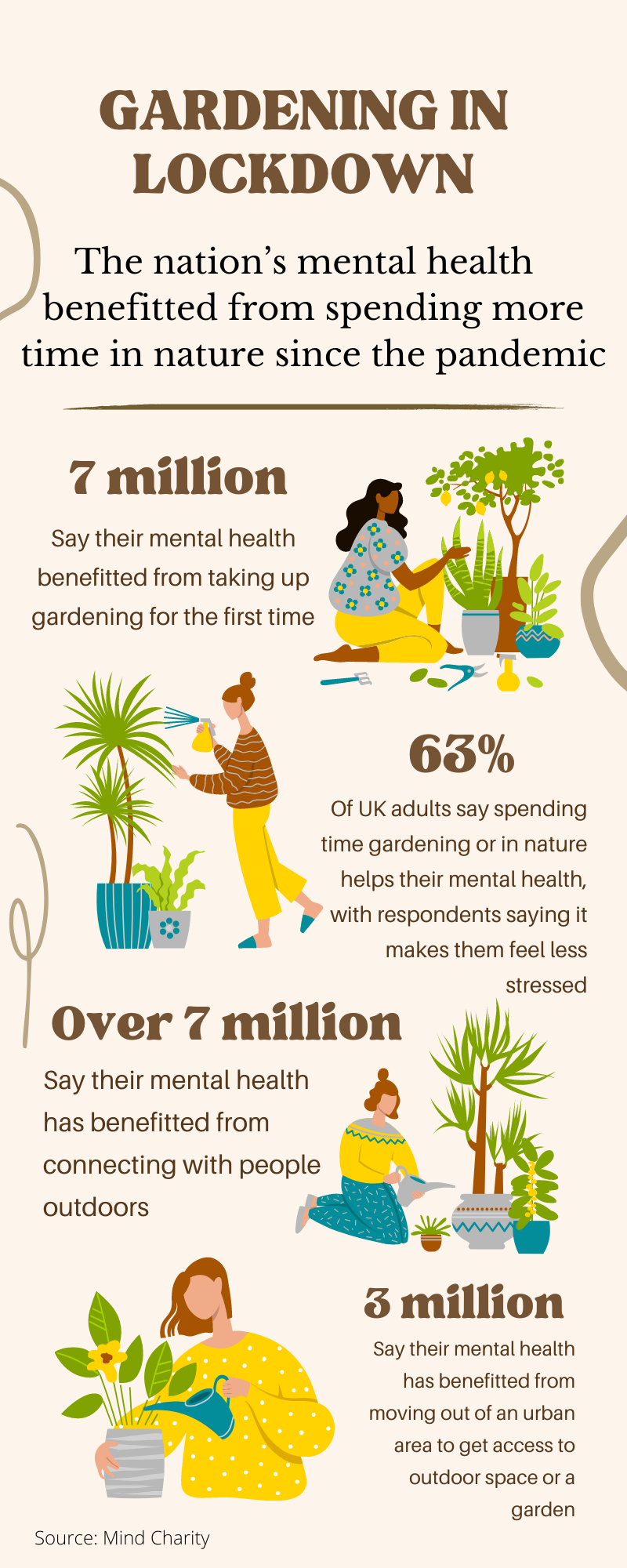
And never has the positive impact of gardening been clearer than during the pandemic, according to Leonard, who said: “A younger crowd got involved during lockdown and I think it is growing, I thin one good thing that came out of the pandemic was that it made more people conscious about being more outside and connected with it.
“I would love to see more of a younger crowd come in, and I'd love to go to a flower show and see more people below the age of 30 because gardening is for everyone.”

The Carnivorous Plant Girl
Another trend that Horwood has seen is a proliferation in the popularity of rarer plants that are attractive to photograph. “Although houseplants have become a lot cheaper, it means that sort of unusual plants have become a lot more expensive. And they're very rare,” she said.
“Particularly people like things that are different. They like variegated leaves, for instance, where you don't normally get them. So if one pops up, it can get sold on eBay for ridiculous amounts of money.”
Listen below to Horwood’s prediction for what other exciting developments might be in store for houseplants:
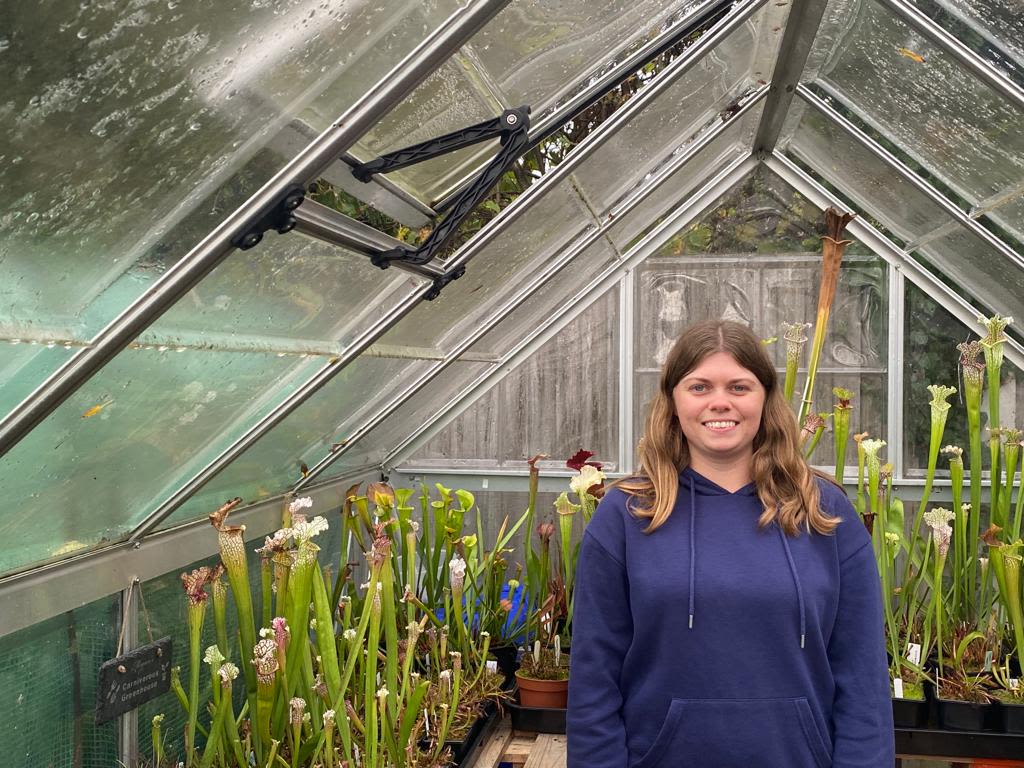
Horwood’s predictions may prove to be correct. Megan Webb, 21, from Essex, has over 100 carnivorous plants, on which she spends hundreds of pounds a year. She documents her experience as a plant grower on her blog - The Carnivorous Greenhouse - and her Instagram page, which has over 2,000 followers.
In recent years, Webb has capitalised on growing interest in horticulture and has begun buying rarer plants in order to boost the online profile of her collection.
The 21-year-old is just one of a growing number of young people who have chosen horticulture as a career or a hobby, a trend she believes is inextricably linked to environmental awareness amongst young people and the mental health benefits of gardening.
“There is beginning to be a shift towards environmental awareness. In recent years, there has been a trend towards people who want to do things for the environment, and it makes them connect with plants,” she said.
“And you're finding people then have that interest in plants, especially through for example, lockdown when nobody could really go out I found that there was a spike in younger people and all people collecting plants and doing gardening because they saw it as a way to boost mental health, and there wasn't much else you could do going outside.”
Listen below to Webb’s view on why other young people should be interested in plants:

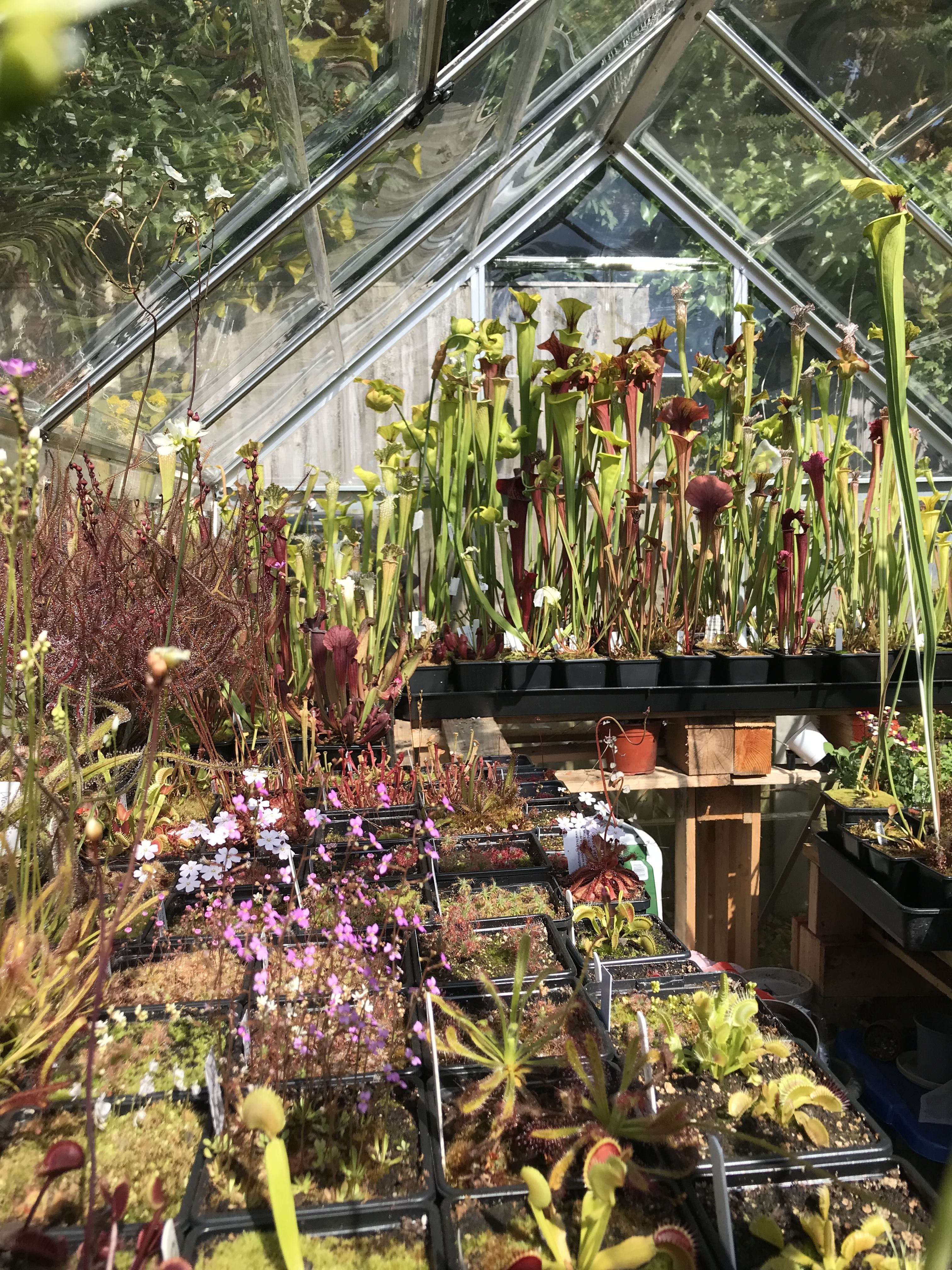
A proliferation in the popularity of rarer plants that are attractive to photograph has occured (Credit: Megan Webb)
A proliferation in the popularity of rarer plants that are attractive to photograph has occured (Credit: Megan Webb)
However, Webb still thinks the horticultural industry is one that is dominated by older people.
“I've not really met anyone who is my age within the horticultural industry,” she said. “It is all people who are either late 20s is probably the closest I've found towards my age. But you find a lot of older people within the industry, especially horticulture and plants themselves.”
Listen below to why Webb thinks young people haven't got into horticulture:
Nonetheless, Webb is passionate about getting young people interested in plants. Webb said: “There's a lot of space for younger people within horticulture, so I don't think people should be deterred by what other people think. Plants are a really big part of not just communities, but the planet itself, and the environment. So I definitely think if people are thinking about it, they should give it a go.”

 Built with Shorthand